
news
leaderships and Succession : TB Joshua’s family, disciples’ crisis worsens, trustee alleges threat to life

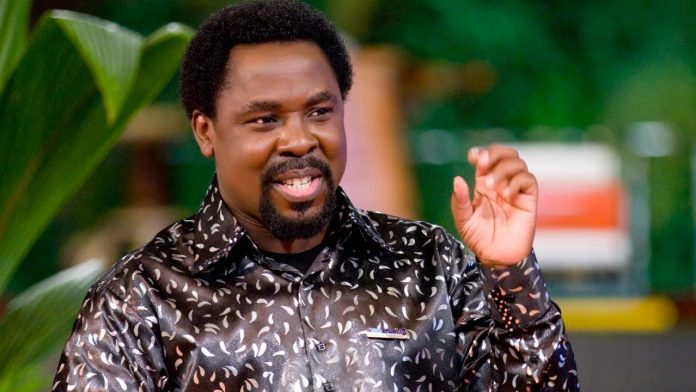
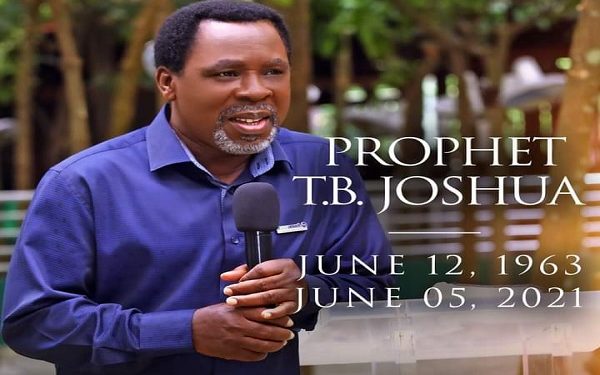 The rift between the family of the late founder of the Synagogue Church of All Nations, Prophet Temitope Joshua, and a disciple of the late prophet is unabated over the running of the church
The leadership and succession crises at the Synagogue Church of All Nations may not be over as a member of the Board of Trustees, Joseph David, has raised the alarm over alleged threats to his life and those of other leaders of the ministry.
David, who has gone into hiding with other disciples of the late founder of the church, Prophet Temitope Joshua, aka TB Joshua, claimed that the family of the founder was using law enforcement agents to hunt them.
He said this was because of their perceived closeness to the late cleric and supposed knowledge of important details of the church not known to the family.
The Delta State indigene, who spoke to our correspondent from his hideout, alleged that the wife of the founder, Evelyn Joshua, was making spirited attempts to consolidate power around her, adding that influential followers of TB Joshua had been chased away, including foreigners.
He said, “The ministry had disciples, who handled the operation, administration and spiritual affairs of the church. Among them were five prophets, who were always with Prophet TB Joshua.
“The prophet’s wife was never active in the administration of the church. She only functioned ceremoniously, maybe to receive awards for him.
“Before the prophet passed on, he was interviewed by a newspaper, where he answered the question of succession. He said the church is not a family thing, and that was why his wife was not always seen with him.
“Around the period he granted the interview, he had removed her from being a trustee of the church. But she did not know she had been removed until he died.”
David said after TB Joshua’s death, the church had two trustees left – the cleric’s daughter, Promise Joshua, and himself.
He noted that trouble started during a meeting to fill the space left by the late cleric, who was the third trustee of the church.
The Yaba College of Technology graduate said two family members – the prophet’s first daughter and his wife – were suggested by a group, adding that he kicked against it to avoid being easily overrun and removed by the family members.
The 52-year-old said he suggested that if the duo would join, then more non-family members should be added to make for balance of power, an idea that was rejected by the family, as the meeting ended without a resolution.
The evangelist said from that point, there was mutual suspicion between the family and the group of disciples led by him.
He said the suspicion was fuelled by the fear of the family that they were in possession of things that the family did not know about.
“Actually, immediately the man of God passed on, the wife started investigating us and our accounts. We don’t take salaries, and we are not exposed to any issue of money.
“But due to suspicion, she took over the administration of the ministry. All the workers started reporting to her.
“For the 27 years that I was in that ministry, she never handled any matter of administration. But she started making people turn their backs on the disciples, saying we are thieves and robbers. As a result, church workers started refusing instructions.
“Our movement was restricted; our personal freedom was infringed on. We could not shout because we thought this was a family issue and we could bear it,” he added.
David said a man was later asked to mediate between the disciples and the family, adding that the intervention did not work out.
He said his group later decided to concede to the family and allow TB Joshua’s wife take over the running of the church.
The cleric said the disciples were, however, shocked when he reached out to the mediator and they were told that the situation had reached a “gunpowder status.”
“He said for us to avoid the disaster that was coming, all of us as disciples must come together and sign an undertaking to declare Mrs Evelyn Joshua as the new GO of the church and we must sign an undertaking to be of good behaviour. And we should forward all that to him and maybe he would ‘unwalk’ the situation to avoid the trouble that was coming. We saw this as a threat, and we did not know how to respond to his message,” he added.
David noted that the matter reached a climax on September 9 when the family allegedly invited some church members and declared Evelyn as the chairman of the board of trustees and general overseer after obtaining a court order.
Simultaneously, he said security agents went to the Prayer Mountain and dragged out some of the disciples after taking their phones, adding that some workers in the church were also taken to the gallery.
He said, “That evening, all the Nigerian evangelists of TB Joshua, some of whom had stayed with the prophet for 28 to 29 years, the least is 20 years, were sent out.
“But before then, their second daughter, Promise, came with letters from the EFCC and distributed to them before they left.
“Most of the prophets, both Nigerian and foreign, she accused them of theft, fraud and money laundering. After she removed the Nigerians, she threatened the foreign ones that they should go back to their countries. Madam said she did not want any discipleship again.”
The evangelist recalled that before the events of that day, Promise had written to the Nigeria Immigration Service to demand that the residency status of the foreigners be reviewed because their services were no longer needed.
He said when he was informed about the call, he went to Abuja to stop the process because the foreigners were still useful.
According to him, the EFCC had since launched a search for him and others, saying their lives were under threat.
He said, “As we are talking now, we are hiding in a hotel. The EFCC came and we were warned that they were looking for us and we should stay in our rooms. Unfortunately, one of our sisters walked into them and they took her away, despite the fact that we had a restraining order.
“The question is, ‘Why is this woman using the arms of the law to intimidate innocent people?’ The charges at the EFCC against us are completely baseless because we are not in the position to launder money or steal; cash does not go through us. Those who work in the accounts have explained the procedure to her, but she is not listening.
“Now, she has gained control over everything and she is still chasing us. We have tried to sympathise with the family, but we also want the world to hear our side of the story.”
Our correspondent learnt that aside from the alleged stealing and money laundering charges, the EFCC was also looking into allegations of misappropriation of the burial funds of TB Joshua, in which the disciples were implicated.
TB Joshua’s daughter, Promise, said the allegations against the family were unfounded, adding that David and others were only trying to give the church a bad name because their atrocities were exposed.
The 24-year-old explained that the family saw CCTV footage of some persons moving money from the church, claiming that some of the drivers involved in the act had made confessional statements indicting the disciples.
Promise also denied that the family was chasing away those who worked with her father. She said they were only asked to leave pending when the church would resume.
She said, “Everything that happened here was recorded and at the right time, depending on how everything goes, it will be put out for the public to see.
“The constitution of the church was followed to the latter and that was how my mum became a trustee. The day it happened, concerned members of the church appealed to the Corporate Affairs Commission and everything was done legally.
“From the beginning of the ministry, there have always been three trustees. The second time my dad made a change, the board consisted of my dad, mum and my dad’s nephew, Hassan.
“Last year, my dad wanted to put me on the board. His nephew, who used to go to court for him (over the church building collapse), left the church. That was how Joseph (David) was brought in. He did not even know he was a trustee until my dad passed on.
“The only reason my dad made him a trustee was for him to attend the court sessions. My dad would not want my mum to be going to court for him. Joseph was the one that was following Hassan, who left last year.”
On the case with the EFCC, Promise said after her father’s death, a committee was created.
She explained that during the period, the family got reports of heavy movements of cash.
“Even the drivers they were using to move the money were the ones reporting these things. There is also a video where they were caught moving the money. The church lawyers then advised that we should report to the authorities and that was how they were invited.
“The foreigners, who were called to carry the money without knowing what it was, went to the EFCC and were released after they were cleared to go back to their countries with the intention of coming back in about a month. They were not deported; they are coming back.
“These people talking are those I believe are guilty; all the other ones went to the EFCC and returned after they were interviewed. All they had to do was to explain what happened because there is video evidence. I don’t know why they are running; if you are not guilty, go and explain yourself.”
Asked why the foreigners were reported to the authorities, Promise said since the funeral of the late prophet, there had not been any activity in the church.
“And we don’t really feel we should have workers that we don’t need. That was the idea behind that. It was not deportation; we were paying non-essential workers and the church was not operating. So, we said, we don’t need anyone here. You can go back to your country. The person you claim to train under is no more here. These disciples, what did they come to do here? They came to train under TB Joshua, and TB Joshua is not here physically. You came to train under TB Joshua as a disciple. So, the intention of coming to Nigeria was not to take over the church, but to train under him,” she stated.
Promise said the church workers confessed the alleged atrocities of the disciples, adding that the departure of the leaders was a relief to many who had suffered under their yoke.
She slammed David for saying her mother was not trusted enough by the father to carry on with the ministry.
“My dad had always put his family as trustees of the church. I am not surprised; this is expected. The church will soon resume; these ones are the bad eggs,” she added.
A spokesperson for the EFCC, Wilson Uwajaren, confirmed that the case was being handled by the Lagos office of the agency.
Asked about the restraining order, he promised to find out and get back to our correspondent.
He had yet to do so as of press time
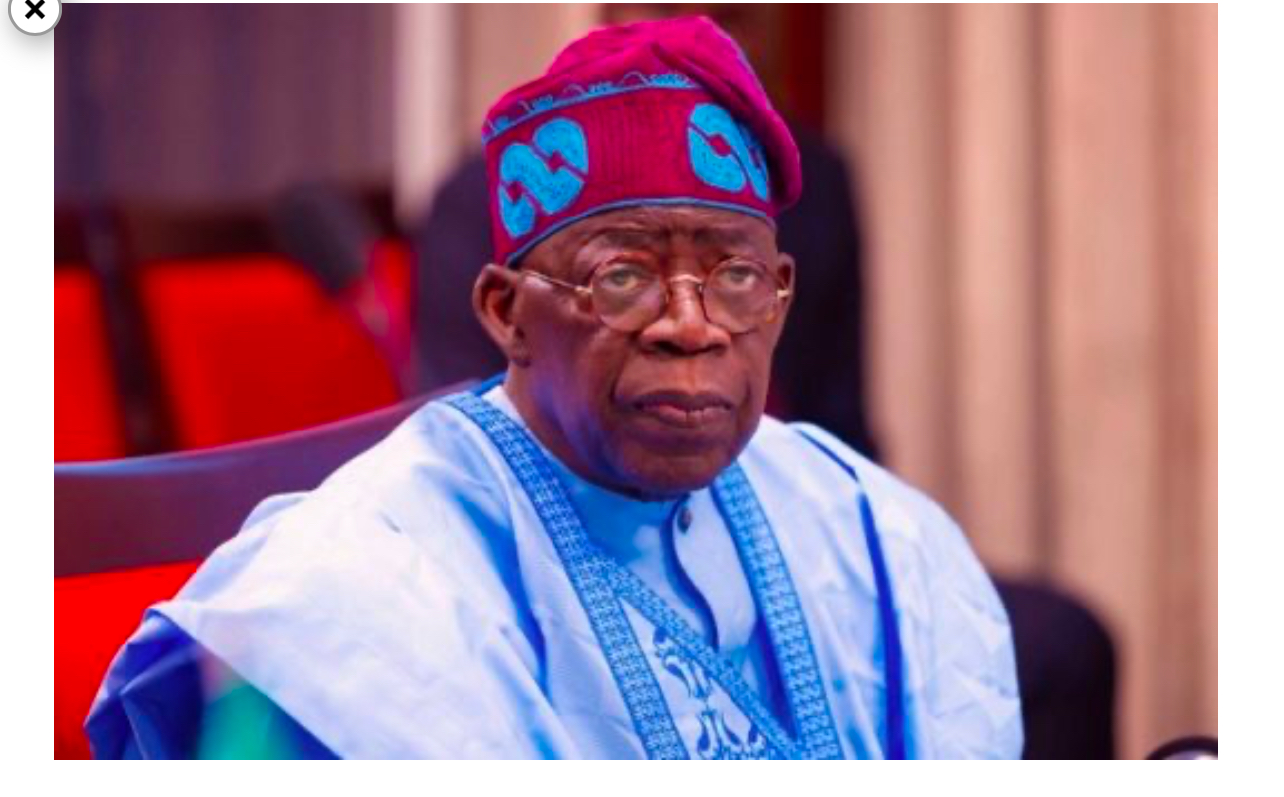
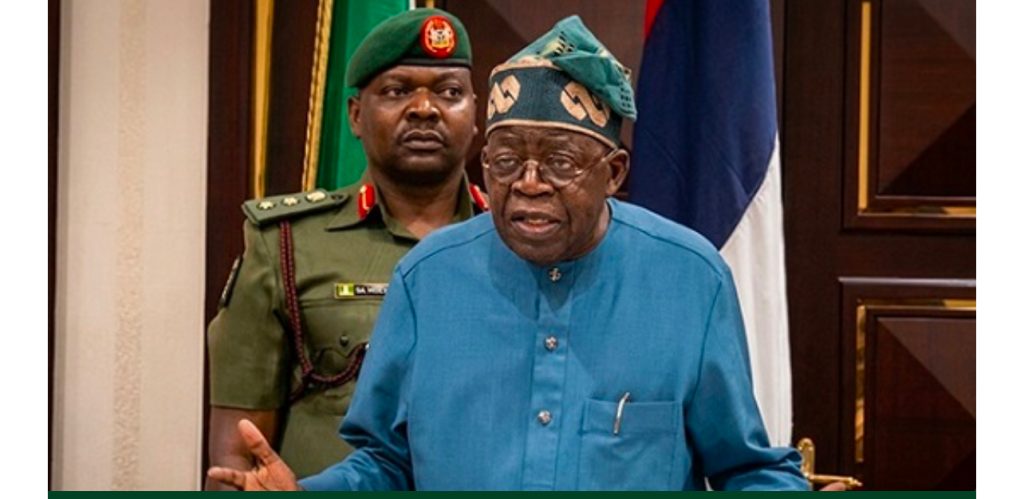
President Bola Tinubu has directed the Secretary to the Government of the Federation, George Akume, to ensure the release of all funds approved for the regional commissions.
Tinubu gave the directive on Monday at the North Central Development Commission Summit, themed “The Great Leap Forward: A 20-Year Economic Infrastructure and Social Development Plan for the North Central Region.”
Akume, who represented the President at the summit, said the creation of regional development commissions was part of the administration’s Renewed Hope Agenda to accelerate development across the country.
“Government will continue to give the NCDC and other Regional Development Commissions the political and financial backing to embark on key projects that will unlock the economic and industrial potentials of the nation.
“I therefore direct the Secretary to the Government of the Federation to ensure that all funds accruable to the Commissions are released as and when due,” he said.
The President, however, said the commissions should not rely solely on government funding, urging them to explore public-private partnerships, donor funding and development financing for transformative projects.
He said the commissions were expected to focus on major projects in rail, air transportation, industrialisation, security, investment, human capital development, education and health.
Tinubu also warned the boards and management of the commissions against corruption, marginalisation, politicisation and misuse of government resources.
“Such actions will not be tolerated, and government will not hesitate to sanction anyone found culpable,” he said.
The President said the regional commissions were not established to replace or duplicate the functions of state and local governments or existing federal institutions.
He said the North Central Development Commission should support efforts to address the security challenges in the region, stressing that development could only take place in a stable environment.
Meanwhile, the Nasarawa State Governor and Chairman of the North Central Governors’ Forum, Abdullahi Sule, said the region possessed the human and natural resources needed to drive economic development.
Sule said the region had demonstrated its capacity in agriculture, mining and industrial production, stressing the need to move from the extraction of raw materials to processing and value addition.
“When you are mining in North Central, you must also process in North Central,” the governor said.
He cited the establishment of a cement factory in Kogi State as an example of how local processing could transform Nigeria’s economy.
The governor said Nasarawa State, which had more than 400 steel licences when he assumed office in 2019, previously had no processing plant despite its mineral resources.
He said the state had since become home to the country’s largest and second-largest lithium processing plants.
“The North Central is the home of Benue cement. The North Central is the home of rice production. The North Central is the home of sesame production. So we have it all. Whatever it is that we are looking for, we have it,” Sule said.
He said what the region needed was leadership capable of developing and implementing long-term plans.
“What do we need more? We need thinkers. We need implementers. We need people who understand what it means to lead,” he said.
Sule also commended the Tinubu administration’s economic reforms, saying the policies had increased revenues available to the federal, state and local governments.
“Today, we are paying salaries without borrowing money from the bank. Even if you hate him, you cannot hate his policies. Even if you disagree with him, you cannot disagree with his policies. And that is the only way we can build,” he said.
Earlier, the Chief Executive Officer of the North Central Development Commission, Cyril Tsenyil said the commission’s role was to coordinate regional development and mobilise resources and partnerships rather than replace the six state governments and the Federal Capital Territory.
He said the commission’s 20-year plan would focus on developing regional economic corridors, processing agricultural and mineral resources, improving infrastructure and creating opportunities for young people.
He said the region should aspire to become one of Africa’s most competitive agricultural regions rather than merely being known as Nigeria’s agricultural hub.
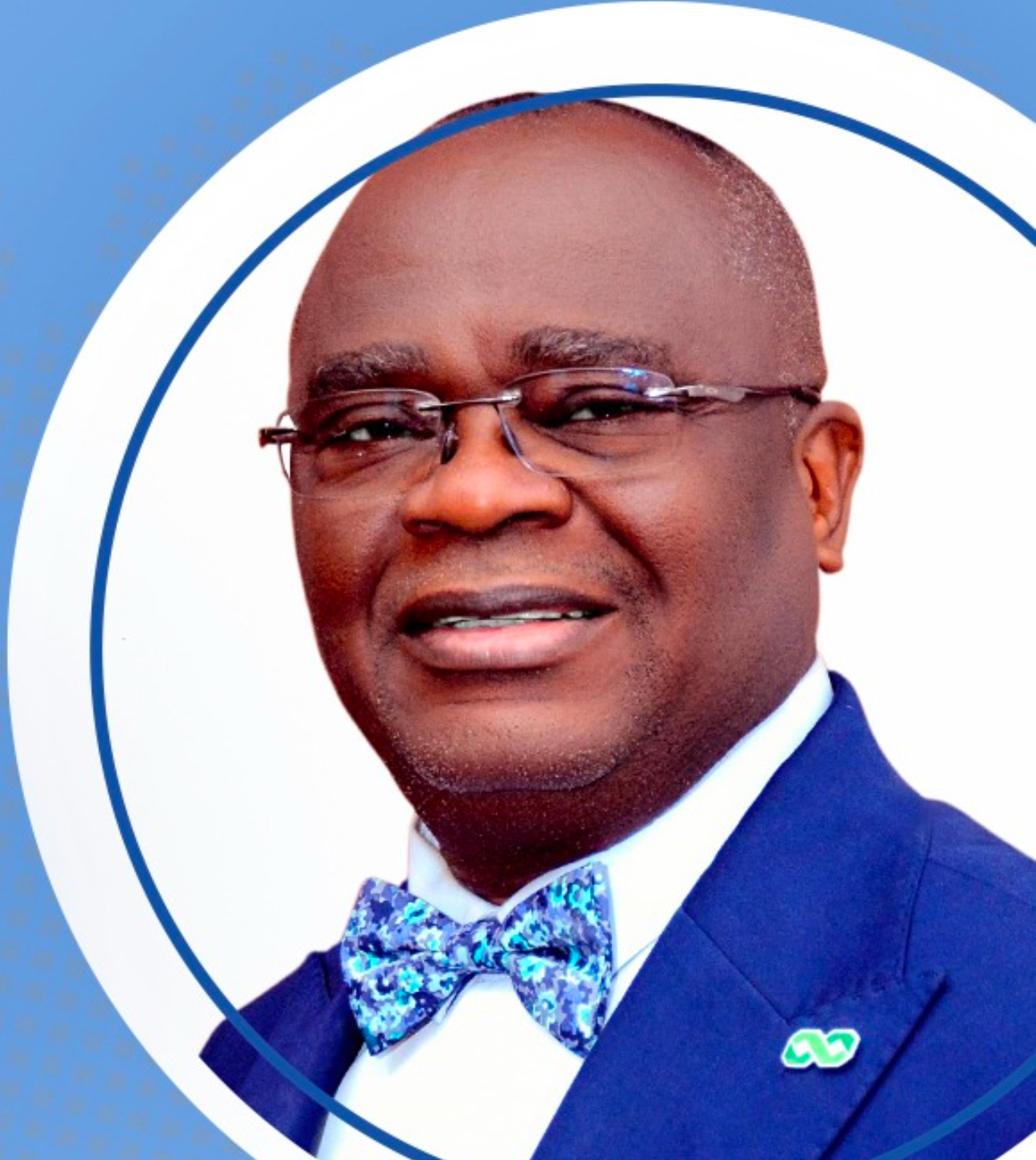
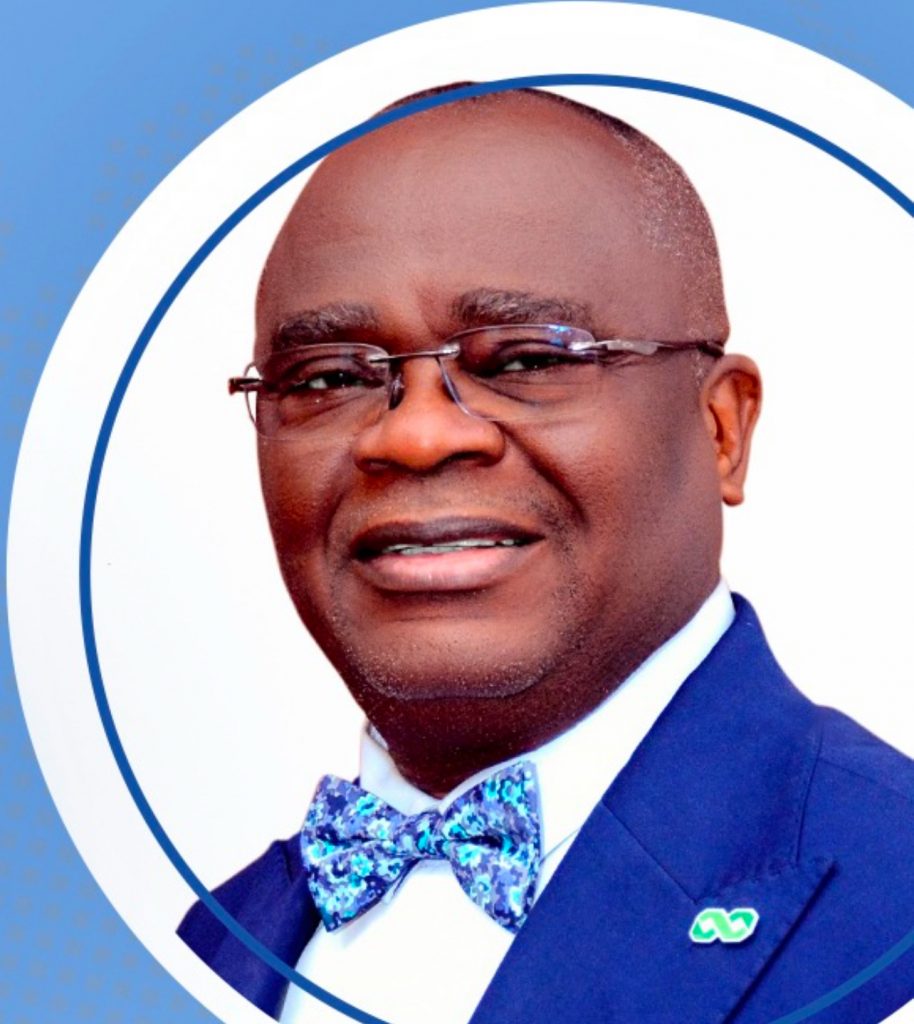
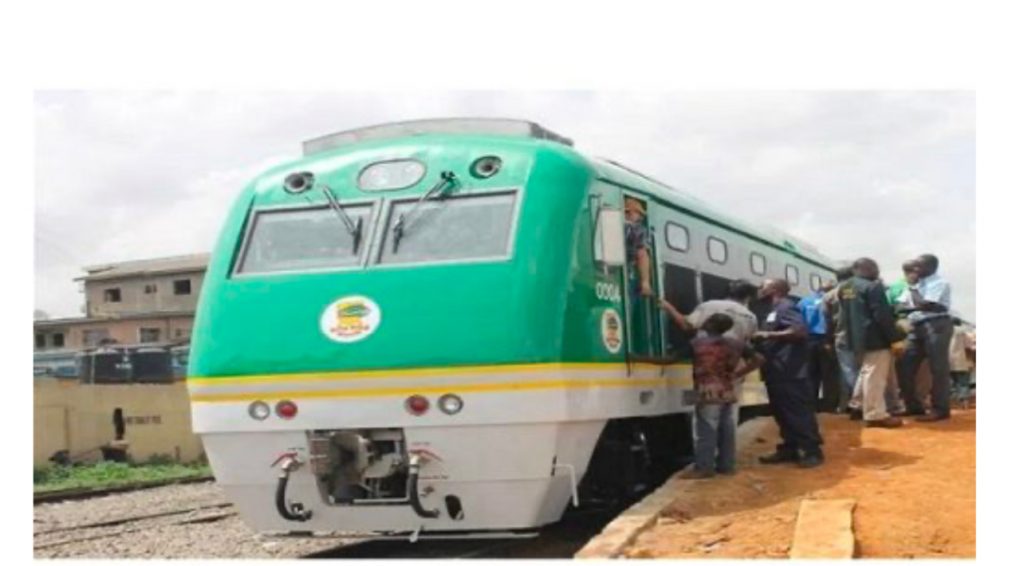 The Managing Director/Chief Executive Officer of the Nigerian Railway Corporation (NRC), Dr. Kayode Opeifa, has said an efficient railway system will boost Nigeria’s GDP, strengthen trade and food security, reduce transportation costs and improve the general standard of living.
Speaking on TVC’s This Morning Show, Opeifa said the Corporation is focused on optimising existing railway assets while encouraging greater participation by state governments, regional development commissions and the private sector.
“The NRC is not doing badly, but we could do better. We should have been better than where we are today if not for many years of inaction,” he said.
He explained that Nigeria inherited an extensive railway network linking major parts of the country, but decades of inadequate investment and the abandonment of the narrow-gauge system during the modernisation drive created major setbacks.
According to him, the present administration is correcting past mistakes by rehabilitating existing lines, expanding the standard-gauge network and strengthening partnerships with states.
Opeifa said moving railway matters from the Exclusive Legislative List to the Concurrent List has opened fresh opportunities for states and private investors.
He cited the Lagos Red Line as a successful example of what he described as “Railing with the States,” adding that similar initiatives are being pursued in Plateau and Zamfara states.
He also disclosed that regional development commissions and state governments across the South West, South East, North East and North Central are engaging the NRC on railway development.
“Every state and region is now showing interest, and the national government is ready,” he said.
On freight development, Opeifa said the Federal Government had completed the connection of the Lagos-Ibadan Standard Gauge Railway to the port, while goods are also being moved from Apapa towards Ilorin on the narrow gauge.
It
He added that arrangements had been concluded to move freight from Lagos to Kano, Kaduna and Minna, stressing that the Corporation is determined to keep existing railway corridors commercially active.
The NRC boss said the Port Harcourt-Aba section of the Eastern corridor had also been completed and was operational.
He identified poor road links to railway stations as a major challenge to intermodal transportation and urged state governments to provide efficient connections between railway stations, cities and public transport networks.
According to him, railway remains a major driver of industrial development, supporting factories, agriculture, mining, petroleum distribution and inland container movement.
He said completion of rehabilitation works on the Western Line would create opportunities for increased movement of petroleum products and other freight by rail, thereby reducing pressure on roads.
Opeifa also disclosed that the NRC is exploring opportunities in livestock and agricultural transportation, including the use of refrigerated wagons for perishable goods.
On regional connectivity, he said Nigeria’s railway links with neighbouring countries would strengthen trade and give landlocked countries access to Nigerian seaports.
He expressed optimism that the Kaduna-Kano railway project could be completed by December 2026, paving the way for rail movement from Abuja to Kano.
Speaking on the suspended Warri-Itakpe Train Service, Opeifa apologised to passengers and said safety remained the Corporation’s priority.
He explained that although track rehabilitation and a test run had been completed, passenger operations would not resume until safety audits of the track, equipment and personnel were concluded.
Opeifa also said the NRC had completed a proof of concept for the use of Liquefied Natural Gas in railway operations and remained committed to tackling ticket racketeering.
“If we get the railway system right, our GDP will increase, farmers and small businesses will benefit, inflation will continue its downward movement and the general standard of living will improve,” he said.
He urged state and local governments, regional development bodies and private investors to take advantage of opportunities in the railway sector.
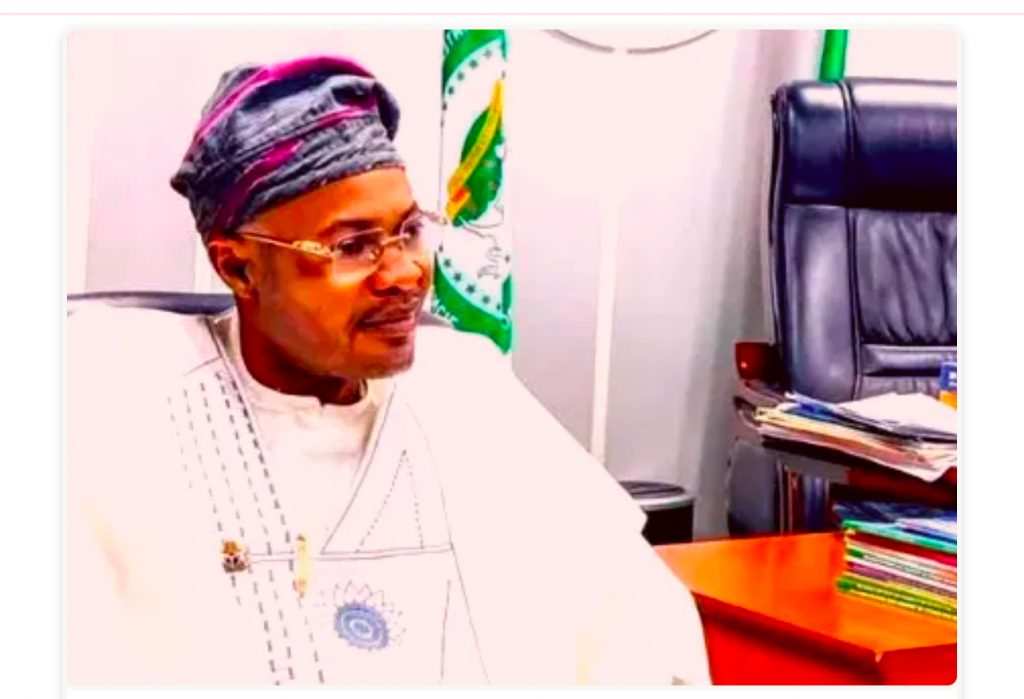
The Federal Government has barred ministers, heads of ministries, departments and agencies and other government appointees from embarking on official foreign trips without prior approval from the Office of the Secretary to the Government of the Federation.
The government also directed the Ministry of Foreign Affairs to make evidence of valid approval from the Office of the Secretary to the Government of the Federation a mandatory requirement for processing official travel documents, including official, diplomatic and service visas for government appointees.
The directive was contained in a circular signed by the Secretary to the Government of the Federation, George Akume, and addressed to top government officials and heads of major Federal Government institutions.
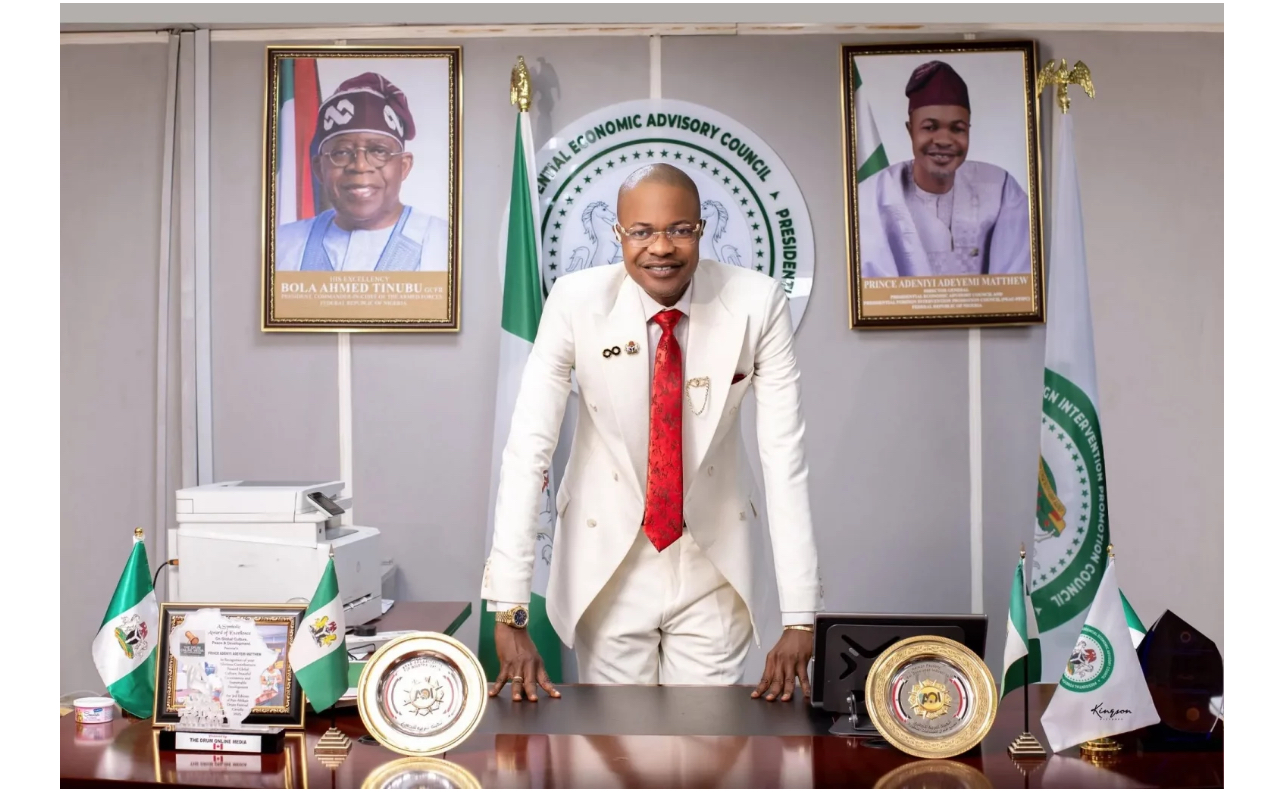
The move comes amid heightened scrutiny of government agencies and individuals claiming to represent the Federal Government, following the controversy surrounding the self-styled Director-General of the purported Presidential Foreign Intervention Promotion Council, Prince Adeniyi Adeyemi.
The controversy has raised questions about how individuals claiming official status can undertake engagements in the name of Nigeria, including foreign engagements, without clear evidence of government authorisation.
However, the latest directive is broader and applies to Federal Government appointees generally.
The circular, titled “Non-Compliance by Government Appointees with the Requirement for OSGF Approval for Official Foreign Trips and the Mandatory Inclusion of OSGF Approval in the Processing of Official Visas,” said the government had observed that some officials continued to embark on official foreign trips without obtaining the required clearance.
It stated, “It has been observed with concern that some Federal Government Appointees continue to embark on official foreign trips without obtaining prior approval from the Office of the Secretary to the Government of the Federation (OSGF), contrary to extant government directives and established administrative procedures regulating official travels outside the country.”
The SGF recalled that the government had issued several circulars over the years to regulate official foreign travel by ministers, heads of ministries, departments and agencies, boards, committees and other public officials.
According to the circular, these directives were issued “with a view to promoting accountability, fiscal discipline and effective coordination of Government business.”
The circular listed a September 18, 2023, circular on “Guidelines for Official Travels by Cabinet Members, Heads of Agencies and Public Officials”, a March 31, 2015, circular on “Guidelines for Official Trips by Chairmen of Federal Government Committees, Boards of Corporations and Government-Owned Companies” and a September 27, 2017, circular on “Additional Cost Control Measures to Guide Foreign Trips by Ministers and Senior Government Officials.”
It also referenced a March 8, 2018, circular on “Observed Indifferent Adherence to Extant Regulations Guiding the Conduct of Foreign Trips by Public Officials” and a November 20, 2012, circular on “Further Cost-Cutting Measures and Fiscal Prudence on Travel by Cabinet Members.”
Despite the previous directives, the SGF said cases of non-compliance had persisted.
The circular stated, “Despite these directives, instances of non-compliance continue to be recorded.”
It warned that the development had broader implications for government administration, stating, “This trend undermines Government’s efforts to ensure proper coordination, accountability, transparency, prudent management of public resources and effective monitoring of official foreign engagements undertaken on behalf of the Federal Government of Nigeria.”
The government consequently reaffirmed the requirement for prior clearance.
The circular stated, “Accordingly, all official foreign trips undertaken by Federal Government appointees shall continue to require prior approval from the Office of the Secretary to the Government of the Federation before such trips are undertaken, except where otherwise expressly provided by law or by specific Presidential directive.”
It added, “This requirement is consistent with the principles of due process, centralised coordination of government business and prudent management of public resources, as reflected in the Public Service Rules, 2021 Edition, the Financial Regulations (Revised Edition, January 2009) and other extant Government directives.”
As part of the immediate measures to strengthen compliance, the Ministry of Foreign Affairs has been directed to ensure that evidence of OSGF approval forms part of the documentation required for official foreign travel.
The circular directed that “The Ministry of Foreign Affairs shall include evidence of valid OSGF approval, where applicable, as a mandatory requirement in the processing of requests for official Notes Verbales, diplomatic facilitation and all applications relating to official foreign travel by Government Appointees.”
The ministry was further directed to communicate the requirement to foreign missions and embassies operating in Nigeria.
It stated, “The ministry is further requested to formally communicate this requirement to all Foreign Missions and Embassies accredited to the Federal Republic of Nigeria, advising that applications for Official, Diplomatic or Service Visas by Government Appointees should, where applicable, be accompanied by duly issued OSGF travel approval as part of the mandatory supporting documentation.”
The new measure therefore gives foreign missions an additional means of verifying whether a Nigerian government official travelling on official business has received the required authorisation.
The Office of the Auditor-General for the Federation was also assigned responsibility for checking compliance with the directive during audit exercises.
According to the circular, “The Office of the Auditor-General for the Federation shall require every government appointee who undertook an official foreign trip at public expense to produce evidence of the requisite OSGF approval during audit exercises.”
The government further warned that public funds spent on unauthorised foreign trips would be subject to scrutiny.
It stated, “Any expenditure incurred in respect of official foreign travel undertaken without the required approval shall be reported appropriately in accordance with extant Financial Regulations and applicable audit procedures.”
The directive also places a direct responsibility on accounting officers and heads of Federal Government institutions to prevent the processing of public funds for unauthorised trips.
It stated, “Accounting Officers, Permanent Secretaries, Chief Executive Officers and Heads of Federal Government Agencies shall ensure that no expenditure relating to official foreign travel by government appointees is processed unless the requisite OSGF approval has first been obtained.”
The SGF consequently directed all ministers, permanent secretaries, accounting officers and heads of ministries, departments and agencies to ensure compliance.
The circular stated, “All Honourable Ministers, Permanent Secretaries, Accounting Officers and Heads of Ministries, Departments and Agencies are hereby directed to ensure strict compliance with the provisions of this Circular.”
It further stated that the directive was effective immediately, declaring, “This circular takes immediate effect and supersedes any administrative practice inconsistent with its provisions, without prejudice to existing extant regulations governing official foreign travel.”
The circular was addressed to the Chief of Staff to the President; Deputy Chief of Staff to the Vice President; all Honourable Ministers and Ministers of State; Head of the Civil Service of the Federation; National Security Adviser; Economic Adviser to the President; Special Advisers and Senior Special Assistants.
It was also addressed to the Chief of Defence Staff, Service Chiefs and Inspector-General of Police; Governor of the Central Bank of Nigeria; Chairman, Federal Civil Service Commission; Chairman, Police Service Commission; Chairman, Code of Conduct Bureau; Chairman, Code of Conduct Tribunal; Chairman, Federal Character Commission; Chairman, Revenue Mobilisation, Allocation and Fiscal Commission; Chairman, Federal Inland Revenue Service; Chairman, Independent National Electoral Commission; Chairman, National Population Commission; Chairman, Independent Corrupt Practices and Other Related Offences Commission; Chairman, Economic and Financial Crimes Commission and Chairman, National Drug Law Enforcement Agency.
Other recipients listed in the circular were all permanent secretaries and Heads of Extra-Ministerial Departments; Clerk of the National Assembly; Chief Registrar of the Supreme Court of Nigeria; Accountant-General of the Federation; Auditor-General for the Federation; and Directors-General and Chief Executives of Parastatals, Agencies and Government-Owned Companies.
The breadth of the recipients means the directive covers ministers, senior political appointees, permanent secretaries, security chiefs, heads of regulatory and anti-corruption bodies, electoral institutions, financial institutions, government agencies and government-owned companies.
The development is coming against the backdrop of the controversy over the purported PFIPC, which has drawn attention to the need for stronger verification of individuals and organisations claiming to represent the Federal Government.
The purported PFIPC and its self-styled Director-General, Adeyemi, have been at the centre of investigations into alleged impersonation and the use of questionable government documents.
The matter has also raised concerns about how purported government officials could engage public institutions and foreign entities while claiming to represent Nigeria.
The latest directive, however, does not single out the purported PFIPC or Adeyemi.
Instead, it establishes a general requirement that government appointees must obtain central approval before undertaking official foreign engagements.
By directing the Ministry of Foreign Affairs to demand evidence of OSGF approval, the government is also creating a formal verification mechanism for foreign missions processing travel documents for Nigerian officials.
The financial provisions of the circular further link official travel approval to accountability for public expenditure, as accounting officers have been directed not to process expenses relating to foreign trips unless the required approval has been obtained.
The measures are expected to strengthen the Federal Government’s control over official foreign engagements, reduce unauthorised travel and ensure that persons travelling abroad in the name of the government have the necessary approval to represent Nigeria.


-
 news6 years ago
UPDATE: #ENDSARS: CCTV footage of Lekki shootings intact – Says Sanwo – Olu
-
 lifestyle6 years ago
Former Miss World: Mixed reactions trail Agbani Darego’s looks
-
 health6 years ago
Chairman Agege LG, Ganiyu Egunjobi Receives Covid-19 Vaccines
-
 lifestyle5 years ago
Obateru: Celebrating a Quintessential PR Man at 60
-
 news1 year ago
BREAKING: Tinubu swears in new NNPCL Board
-
 health6 years ago
UPDATE : Nigeria Records 790 new cases of COVID-19
-
 entertainment2 years ago
Ashny Set for Valentine Special and new Album ‘ Femme Fatale’
-
 health6 years ago
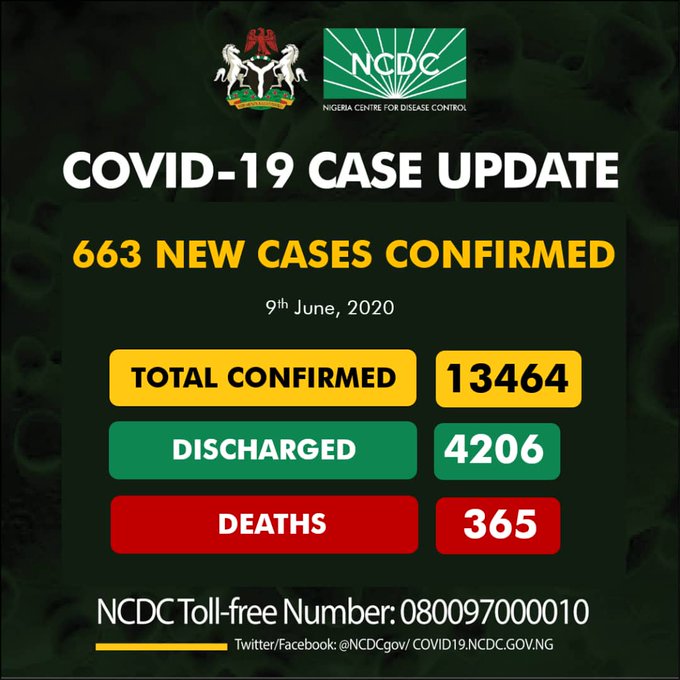
BREAKING: Nigeria confirms 663 new cases of COVID-19