
news
Breaking : Tinubu signs $10 billion Executive Order to unlock fresh investment in oil and gas, Says Gbajabiamila

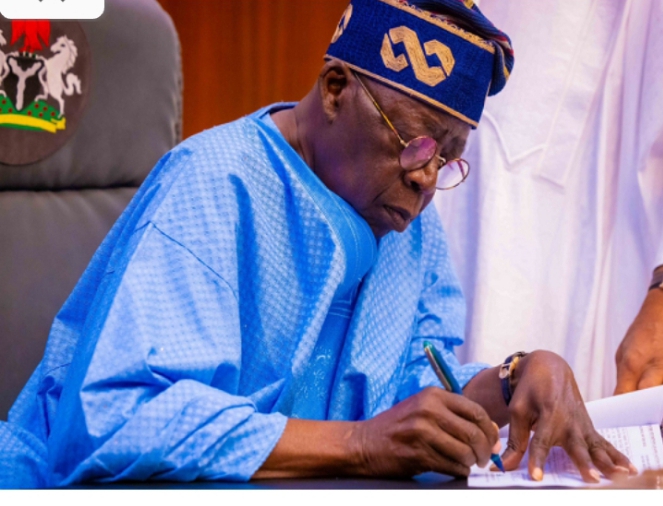
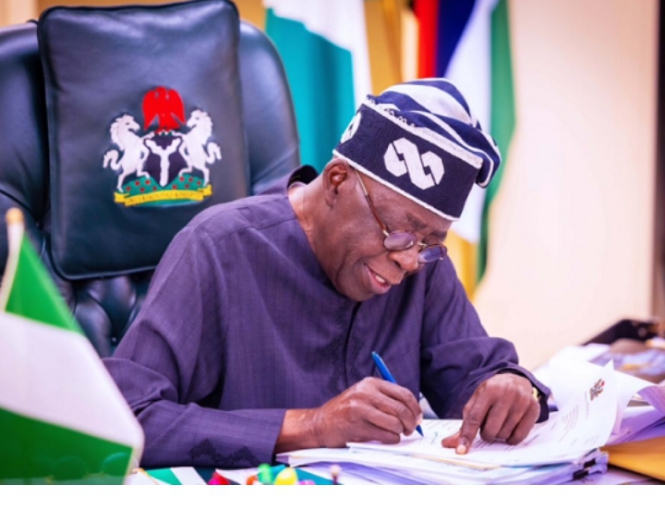 President Bola Tinubu said on Tuesday, April 30, that he recently signed an Executive Order that to unlock about $10 billion in fresh investments in the nation’s oil and gas sector.
Speaking at a opening of a two day retreat on economic transformation and development organised by the House of Representatives, the president said the development is expected to happen through Fiscal Incentives for Non-Associated Gas (NAG), Midstream and Deepwater Oil & Gas Developments.
Represented by his Chief of Staff, Femi Gbajabiamila, the president also disclosed that just last week, the Nigerian government signed the consolidated guidelines for implementing Fiscal Incentives for the Oil & Gas Sector.
According to him, the guidelines, which represent a cornerstone of the Presidential Directive, aim to enhance the Nigerian oil and gas sector’s global competitiveness while stimulating economic growth.
He said further that “the Executive Order also streamlines contracting processes, procedures, and timelines from 36 months to 6 months. The order also seeks to ensure that local content requirements are implemented without impeding investments or the cost competitiveness of oil and gas projects”.
Related to this, the President said are the reforms being implementing to the nation’s tax regimes to limit taxes collected without negatively affecting government revenues.
He said: “All of these have the same objective – to reduce government interference with the commercial imperatives of businesses in the country so that businesses based here can be competitive and focus on their core objectives of economic growth through innovation and trade.
“We will need the support of the National Assembly to fully implement some of these reforms, as statutory changes will be required in some areas.
“I am confident that when the time comes, the governing partnership we have established between the Executive and the Legislature will ensure that these changes are effected swiftly to benefit our nation.”
The president said despite the sceptics, the productive collaboration between the executive, the House, and the Senate has yielded significant results with the successfully passage of numerous bills aimed at enhancing the welfare of Nigerians.
He expressed appreciation to the leadership of the National Assembly for their swift action in considering and passing the Student Loans (Access to Higher Education) (Repeal and Reenactment) Act 2024.
He said: “Your actions have substantially fortified the legal framework of the Students Tertiary Education Loan Program, ensuring its efficient implementation. These achievements are a testament to the power of our partnership and the positive impact it can have on our nation.
“In a World Bank document titled “Legislative Oversight and Budgeting: A World Perspective,” Thomas Frederick Remington wrote “for legislators to effectively fulfil their roles of representation, oversight, and law-making, a certain level of cooperation between the Legislature and the Executive in policymaking is essential.
“The legislature must have the capacity to monitor the executive, and the executive, in turn, should be willing to comply with the legislative enactments.
“It is not just a coincidence but a strategic advantage for our country that the governing relationship between the Executive and the Legislature perfectly reflects this ideal.
“As you know, my administration is implementing significant policy changes to reform how we govern and position our country for progress and shared prosperity for all citizens.
“These reforms, while necessary and, in some cases, long overdue, are not without their challenges. I am deeply grateful for your unwavering support and understanding during these times. Your understanding and support have been invaluable, and I am confident that with our continued collaboration, we can overcome any challenges that lie ahead.
“The oil and gas industry has long been the lifeblood of our national economy. My administration is working tirelessly to change this and diversify our economy from overreliance on the production of fossil fuels. However, we are also determined to maximise revenue potential from this critical industry.
“For this reason, we are pushing policies to attract investment in the oil and gas sector”.
The President also said: “we can only justify our collective mandate and the trust our people repose in us through constructive collaboration between the National Assembly and the Executive. This joint effort is the minimum the people who voted for us expect from us.
“However, the very essence of checks and balances means there will be times when the executive and legislative prerogatives inevitably collide. Above all else, the national interest must guide our decisions in those moments. We share a common responsibility in shaping the future of our nation, and it is through our collaboration that we can effectively fulfil this duty.
In his address at the event, Speaker of the House of Representatives, Abbas Tajudeen said the House made a deliberate decision to focus on tax reforms and modernisation as well as a review of the implementation of the Petroleum Industry Reform Act (2021), adding that the overarching objective is to discuss and identify concrete legislative strategies for economic transformation.
The Speaker said further that the commitment and foresight shown by the government in addressing economic challenges deserve commendation, adding that “it is imperative that we, as legislators, align our efforts to support and enhance these endeavours.”
He said by designing and implementing progressive tax policies, the nation strive to ensure a fair and efficient tax system that boosts revenue while fostering economic growth and equity.
This, he said involves not only broadening the tax base and simplifying tax codes, but also enhancing compliance and minimising loopholes that benefit only the wealthy.
According to him, the retreat aims to foster stakeholder engagement, ensure constructive dialogue, exchange ideas and offer insights on legislative strategies that will contribute to the economic transformation of our country.
He said further that the retreat allows the lawmakers to take a deep dive into the tax reforms instituted by President Tinubu and undertake a review of the implementation of the Petroleum Industry Act (2021).
He said the House consider these two initiatives vital in our nation’s quest for economic recovery, transformation and growth. The two areas speak to both the oil and non-oil sectors of the Nigerian economy.
The Speaker lamented that Nigeria, Africa’s most populous nation, has long been grappling with issues related to tax collection and revenue generation with Nigeria’s general government revenue was recorded at 7.3 per cent of GDP, which is significantly lower than the average revenue of countries in the ECOWAS.
He said Nigeria’s fiscal revenue has declined, predominantly due to decreasing oil revenue over the last ten years, while non-oil revenue has remained stagnant at about 4-5 per cent of GDP.
He said further that Nigeria’s tax revenue struggles are primarily due to narrow bases for indirect taxes, low compliance rates among taxpayers, substantial tax exemptions, and generally low tax rates.
He said ‘This situation is compounded by a lack of enthusiasm and morale for tax compliance, contributing to the nation’s underwhelming fiscal performance. Comparatively, Nigeria’s efficiency in collecting Value Added Tax (VAT) is the lowest among its African peers, indicating significant inefficiencies in its tax system.
“This trend of low tax revenue, coupled with a continued dependency on the increasingly unstable oil revenue, presents a major risk to Nigeria’s fiscal sustainability. It also highlights an important area for potential reform to boost revenue and stabilise the country’s economic framework.
“The lack of growth in non-oil revenue sources and the volatile nature of oil income underscore the urgent need for Nigeria to diversify its revenue base and enhance its fiscal management to ensure economic stability and growth.”
He argued that several empirical studies have shown that Nigeria has the potential to further increase revenue if priority tax reforms are implemented, adding that the House stands ready to support the Executive to achieve its overall goal of reversing the negative trend.
Speaking on the Petroleum Industry Act, the Speaker said the PIA is not just a piece of legislation, but a transformative blueprint designed to overhaul the petroleum industry, which is the backbone of the nation’s economy.
According to him, if executed effectively and thoroughly, the PIA could set a benchmark for exemplary natural resource management that would involve distinct and defined roles within the industry subsectors, the establishment of a national petroleum company that is both commercially-oriented and profit-driven, and the incorporation of transparency, good governance, and accountability in managing Nigeria’s petroleum resources.
The law, he said would support the economic and social progress of host communities, ensure environmental remediation, and create a favourable business environment for oil and gas operations within the country.
Abbas said the realisation of these outcomes depends on the ability of the political and oil industry leaders to address several significant challenges, including interpretative challenges due to ambiguous language, which could lead to disputes and uncertainty in its implementation.
He stressed that the complexity of the law necessitates enhanced capacity building within new regulatory institutions to ensure effective interpretation and application, as well as efficient fund management.
He maintained that the National Assembly was vital in ensuring continuous review of the Petroleum Industry Act to ensure its effectiveness in a rapidly evolving industry landscape.
Deputy Speaker of the House, Benjamin Kalu said on Tuesday that Nigeria’s current tax system is suffering from inefficiency leading to some of the lowest tax collection rate in the world.
Kalu put the nation’s tax collection at about 10.8 percent of GDP, adding that the statistics is according to data from the Federal Inland Revenue Service (FIRS) and the National Bureau of Statistics (NBS).
He said these inefficiencies hinder the nation’s ability to invest in essential public services and infrastructure, adding that the role of the National Assembly, particularly the House of Representatives, is crucial in enacting reforms that broaden the tax base, simplify the tax code, and enhance compliance mechanisms without placing undue burdens on Nigerians.
He said “the role of the National Assembly, particularly the House of Representatives, in this process cannot be overstated.
“We are the custodians of the people’s will, entrusted with the responsibility of ensuring that the lofty ideals enshrined in the PIA are translated into tangible benefits for all Nigerians. “This retreat serves as a critical forum for us to collectively strategize on how to fulfill this vital mandate.”
Executive Chairman of the Federal Inland Service, Zack Adedeji said there must be collective effort and shared commitment for implementing collective tax reforms to empower citizens and ensure a resilient future.
Represented by the Director, Support Services Group, Mohammed Lawal Abubakar, Adedeji said the country has embarked on tax reforms to position tax administration ensuring transparency and accountability to enhance revenue and achieving revenue targets for economic development.
He added that the service has segmented tax payers into various categories for more effective tax administration and customers focused strategies to serve the country through innovative approaches.
He explained that the nation’s tax policy was hinges on both direct and indirect tax to optimize revenue collection and minimize leakages.
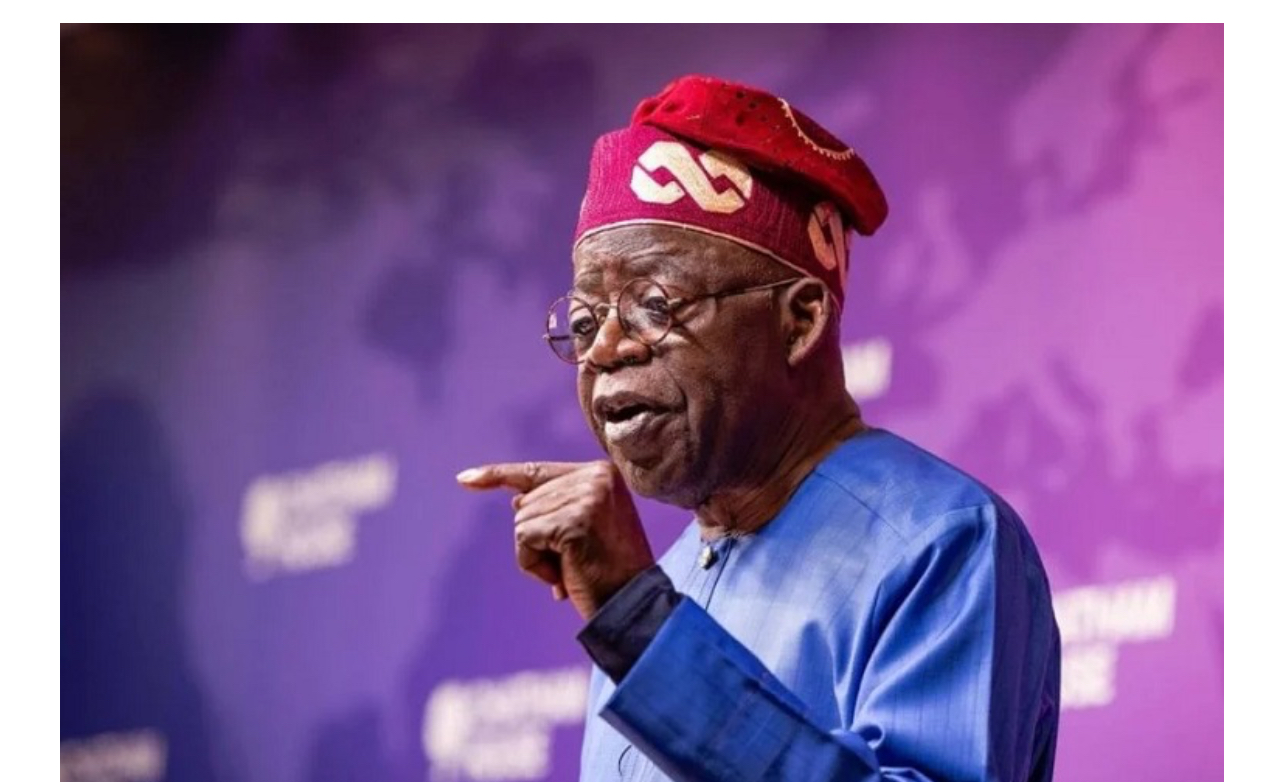
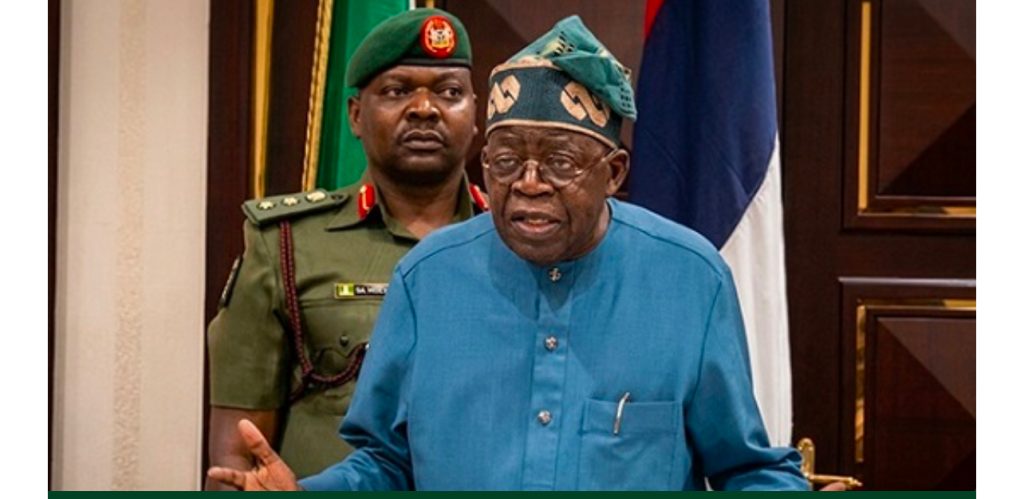
President Bola Tinubu has unveiled an investment package of more than $7 billion for the development of the Ogun State Blue Marine Special Economic Zone and the Gateway Deep Seaport, describing the projects as a major step towards strengthening Nigeria’s maritime economy and attracting foreign investment.
In a statement by his Spokesman, Bayo Onanuga, on Thursday, the President spoke in Paris, France, during the signing of Memoranda of Understanding between the Ogun State Government and DP World, a global ports and logistics operator, for the development of the projects.
Tinubu assured domestic and foreign investors that the Federal Government would continue to provide regulatory clarity, policy stability and a predictable business environment to support long-term investments in Nigeria.
“The agreements before us bring together vision, expertise, capital and execution capacity. I particularly welcome DP World, one of the world’s leading port and logistics operators,” the President said.
He added that the Federal Government would provide the necessary regulatory and institutional support to ensure that the projects moved seamlessly from agreements to implementation.
According to the President, the agreements are expected to attract an initial investment of more than $7 billion into the Nigerian economy and create over 50,000 direct jobs when fully developed, alongside additional indirect employment opportunities.
Tinubu said the projects would also generate non-oil export earnings and contribute to Nigeria’s economic diversification.
“This is economic diversification made tangible. This is industrialisation made visible. This is Renewed Hope in action,” he said.
The proposed Gateway Deep Seaport at Ogun Waterside will have a four-kilometre berth and an 18-
metre draft. The facility is expected to help decongest the Lagos port corridor and ease pressure on the Apapa and Tin Can Island ports.
The president said the deeper draft would enable the port to accommodate larger vessels while providing a competitive gateway for trade within Nigeria and across the African Continental Free Trade Area.
He noted that the proposed Ogun State Blue Marine Special Economic Zone would cover about 10,000 hectares and would be integrated with the deep seaport to support manufacturing, processing, exports and logistics.
“The Gateway Deep Seaport is the critical infrastructure that will support the zone’s viability. A port moves cargo; a port integrated with a special economic zone helps to build an economy. Each reinforces the other,” Tinubu said.
He said the Federal Government would facilitate road, rail and power connectivity to the projects, while strengthening investment security and the maritime domain and removing unnecessary bureaucratic obstacles.
The president also linked the projects to the Lagos-Calabar Coastal Highway, describing the Ogun section of the road as a critical transport connection for the emerging industrial and maritime corridor.
“The Lagos–Calabar Coastal Highway is central to this corridor’s commercial viability,” he said, adding that the 28-kilometre Ogun section of the 700-kilometre highway was scheduled for completion before the end of the year.
Tinubu said the port and industrial zone would also form part of a wider strategic corridor linking the proposed Nigerian Navy Operating Base and Dockyard with the OK LNG Project.
The President commended Ogun State Governor Dapo Abiodun and his administration for securing the land and structuring the investment framework.
“I commend Governor Dapo Abiodun and the government and people of Ogun State for securing the land, structuring the investment framework and reducing project risks for global investors,” he said.
Governor Abiodun led the Ogun State delegation at the signing ceremony, which also included state commissioners and other senior officials.
Senior representatives of DP World, the Nigerian Ports Authority and SkyKapital were also present at the event.
Tinubu urged Ogun State and the investors to maintain the momentum created by the agreements and move quickly towards implementation.
“Nigeria lies at the heart of West African trade. Yet, our strategic advantage has been constrained by port congestion, inadequate draft capacity and logistics bottlenecks that increase the cost of doing business. These projects respond directly to those constraints,” he said.
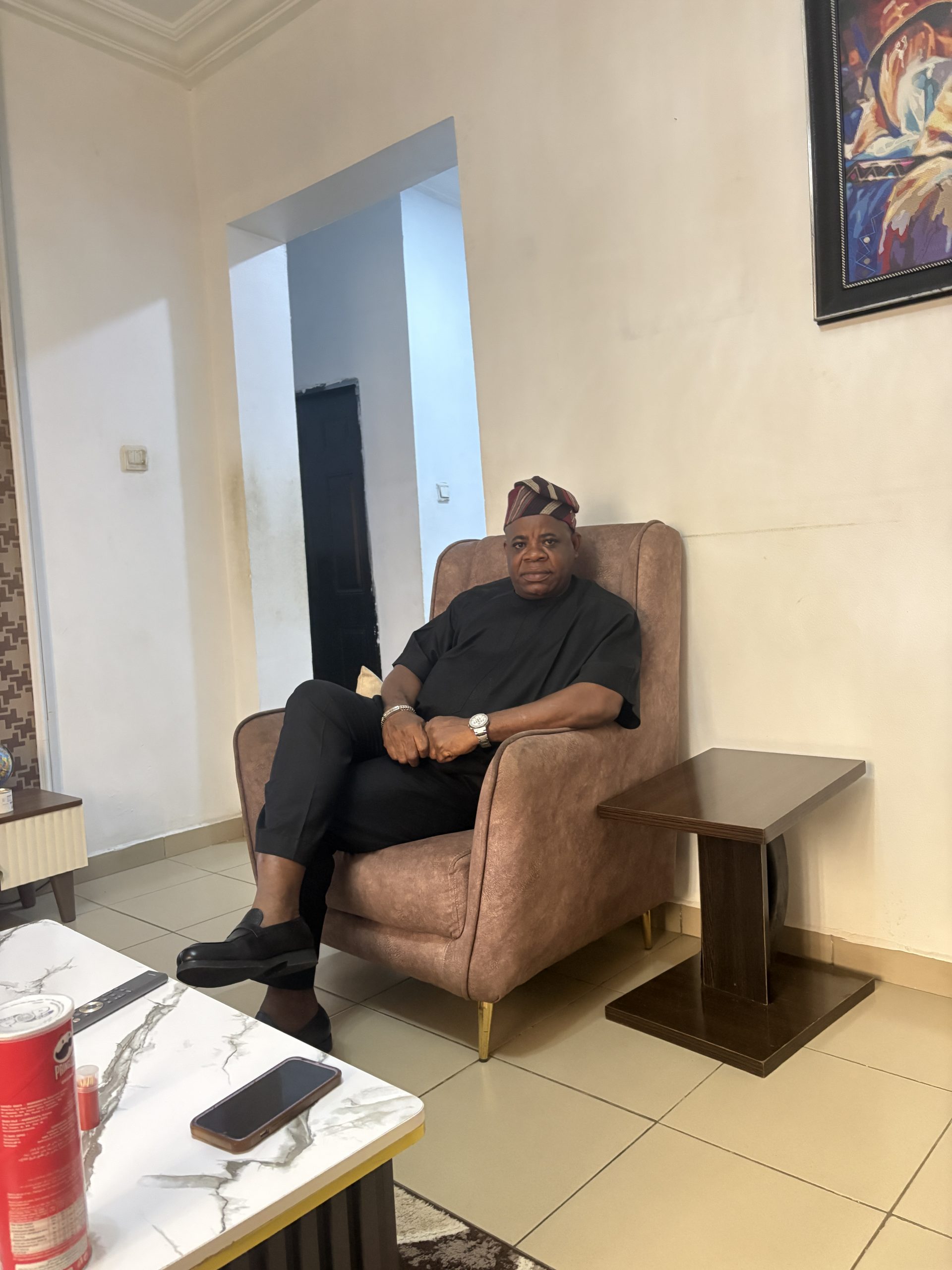
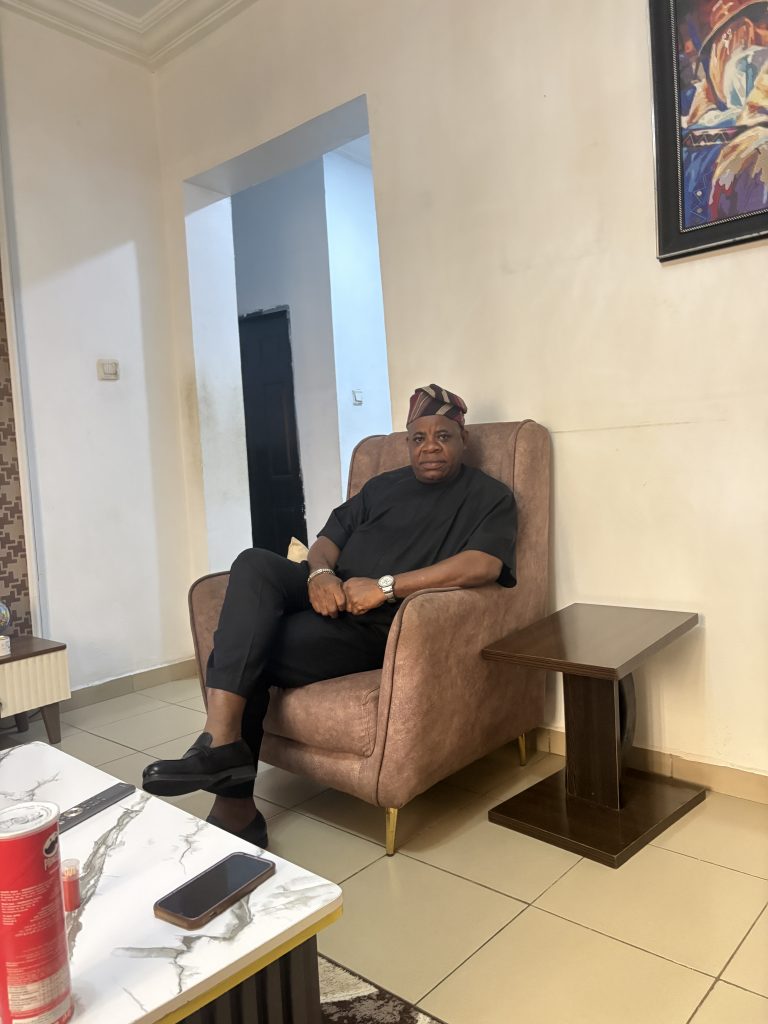
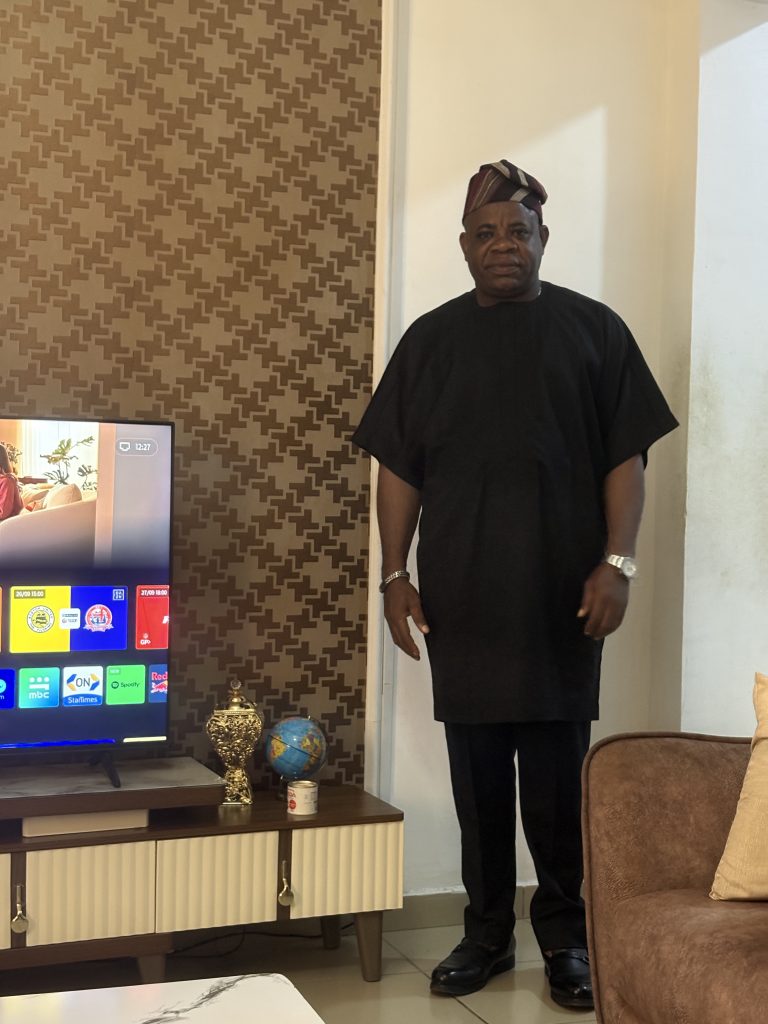 Today, I celebrate myself and give all glory and thanks to Almighty God for the gift of life and for bringing me this far. I am grateful for the opportunity to be alive, healthy, peaceful, happy, and prosperous.
As I celebrate another year today, I pray for greater blessings, wisdom, good health, peace, success, and abundant prosperity in the years ahead.
May this new chapter of my life be filled with joy, favour, wonderful opportunities, and fulfilment of my heart’s desires.
Happy Birthday to me! 🥳🎉
Congratulations to me on this special day. 🙏❤️🎂
I wish myself many more happy and prosperous returns. Cheers to a beautiful new year of my life! 🥂🎉
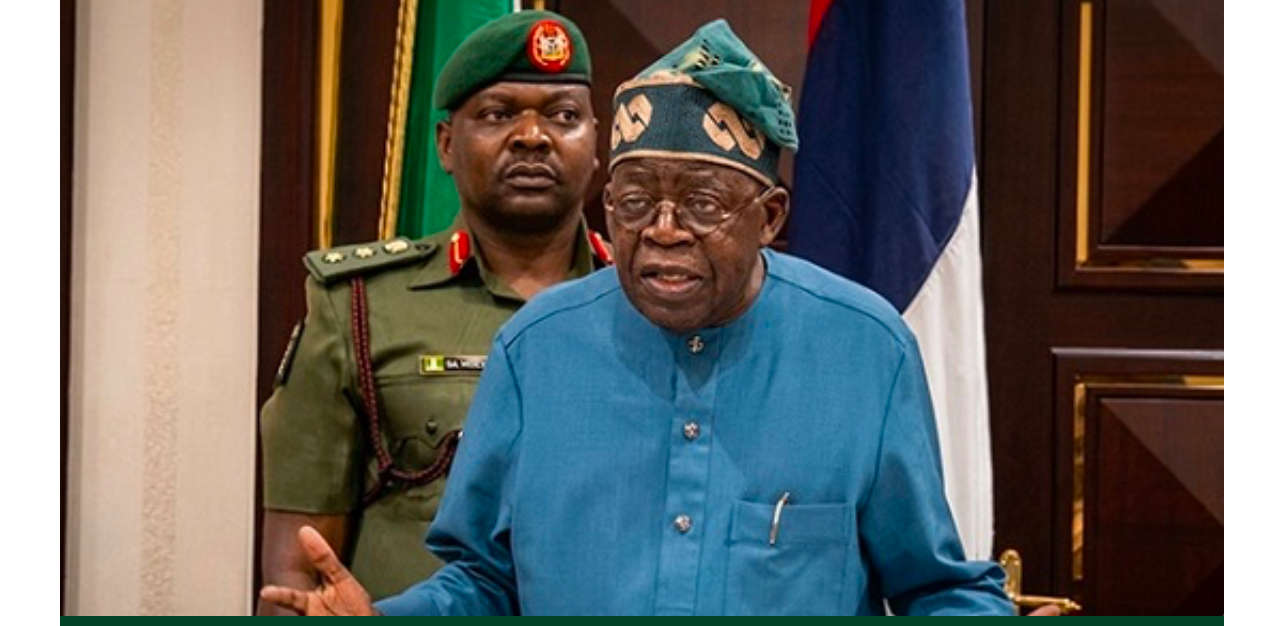
The International Chamber of Commerce tribunal in Paris has ruled in favour of Nigeria in the arbitration brought by Sunrise Power and Transmission Company Limited over the Mambilla Hydroelectric Power Project in Taraba State.
President Bola Tinubu, in a statement issued on Thursday by his Special Adviser on Information and Strategy, Bayo Onanuga, said the tribunal rejected the claims by Sunrise.
The company had sought $680m from Nigeria as a settlement sum and interest in relation to a separate arbitration in which it is claiming more than $2.7bn in compensation and interest over disputes surrounding the development of the 3,960-megawatt Mambilla project.
However, the tribunal, as reported by The Cable, also dismissed Sunrise’s claim for $400m arising from the 2020 settlement agreement, according to the details of the award reported on Thursday.
It further ordered Sunrise and its promoter, Leno Adesanya, to reimburse Nigeria 75 per cent of its legal fees and expenses, amounting to $11.82m.
The tribunal also reportedly declared that Adesanya was bound by the arbitration agreement with Nigeria under the settlement agreement and its addendum and that it had jurisdiction over Nigeria’s counterclaim against him and his firm.
In the statement, Tinubu said the ruling demonstrated the government’s determination to defend the country’s interests.
“This latest decision affirms the Nigerian State’s determination not to succumb to predatory and exploitative claims by corrupt local and international entities and their enablers and funders,” he said.
The President commended the Attorney-General of the Federation and Minister of Justice, Lateef Fagbemi, and officials of the Federal Ministry of Justice for their role in the case.
He also commended former President Olusegun Obasanjo and the late former President Muhammadu Buhari, who testified in the arbitration.
“I also commend the FRN defence team, led by Ms Elizabeth Oger-Gross and Mr Tolu Obamuroh, both of Paul Hastings LLP, for their professional and excellent defence of the country.
“I commend the patriotism and support of former President Olusegun Obasanjo, GCFR, and late President Muhammadu Buhari, GCFR, who testified in the case, which dated back to an illegal 2003 contract to build a 3,050-megawatt hydroelectric plant in Taraba State under a build-operate-transfer model.
“The Federal Executive Council never authorised the contract. I thank the other witnesses in this case, including former Ministers Babatunde Raji Fashola, SAN, and Suleiman Adamu, and the experts, for their active participation in defending Nigeria’s interest in the arbitration,” the statement read.
“I want to assure you that while our country remains committed to partnering with genuine investors and honouring its legal obligations, it will continue to defend all opportunistic claims instituted against our commonwealth strongly.
“Today’s ICC ruling clears the single biggest legal hurdle that has paralysed the Mambilla hydro power project for years,” Tinubu said.
The dispute dates back to an agreement under which Sunrise claimed it had been awarded the contract to construct the Mambilla project.
The company commenced arbitration against Nigeria at the ICC International Court of Arbitration in October 2017, seeking about $2.354bn over an alleged breach of contract.
The parties later entered into a settlement agreement in 2020, under which Nigeria was to pay Sunrise $200m.
A subsequent dispute arose after the government did not make the payment, leading to another arbitration in which Sunrise sought $400m, comprising the $200m settlement sum and a $200m default payment.
In Thursday’s award reported by The Cable, the tribunal rejected Sunrise’s claim that Nigeria had breached its obligations under the settlement agreement and its addendum.
It also rejected the company’s demand for the $400m settlement and default sums.
The Cable reported that the tribunal fixed the arbitration costs at $1.6565m, with Sunrise and Adesanya responsible for 75 per cent and Nigeria for 25 per cent. Of the $11.82m in legal fees and expenses awarded to Nigeria, $2.5m is to be recovered from funds held in escrow by the ICC, while the remaining $9.32m is payable by Sunrise and Adesanya, with interest at 10 per cent annually, compounded annually, from notification of the final award until payment.


-
 news6 years ago
UPDATE: #ENDSARS: CCTV footage of Lekki shootings intact – Says Sanwo – Olu
-
 lifestyle6 years ago
Former Miss World: Mixed reactions trail Agbani Darego’s looks
-
 health6 years ago
Chairman Agege LG, Ganiyu Egunjobi Receives Covid-19 Vaccines
-
 lifestyle5 years ago
Obateru: Celebrating a Quintessential PR Man at 60
-
 news1 year ago
BREAKING: Tinubu swears in new NNPCL Board
-
 health6 years ago
UPDATE : Nigeria Records 790 new cases of COVID-19
-
 entertainment2 years ago
Ashny Set for Valentine Special and new Album ‘ Femme Fatale’
-
 health6 years ago
BREAKING: Nigeria confirms 663 new cases of COVID-19