
news
Just IN : Dangote refinery is ready by June why Port Harcourt refinery begins operation July, Nigeria would no longer need to import petrol, Says IPMAN

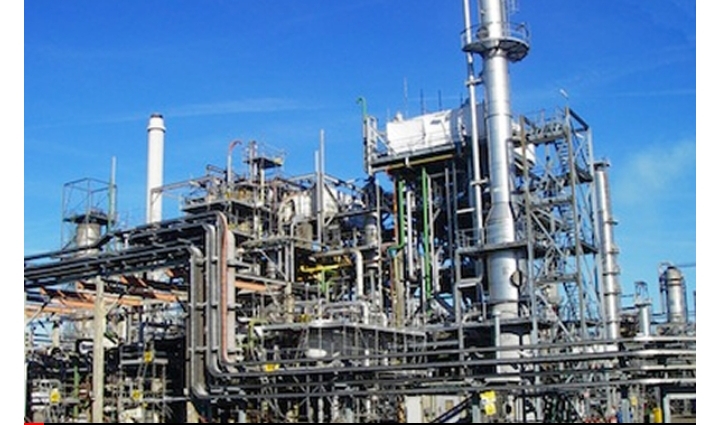
The 210,000-barrel-per-day Port-Harcourt refinery may finally commence operations by the end of July after several postponements.
The new date was disclosed on Monday by the National Public Relations Officer, Independent Marketers Association of Nigeria, Chief Ukadike Chinedu.
He stated that the development would stimulate economic activities, reduce the price of petroleum products and ensure adequate supply.
Last year in December, the Minister of State for Petroleum Resources, Heineken Lokpobiri, announced the mechanical completion and flare start-off of the biggest crude refinery in Port Harcourt.
The refineries comprise two units, with the old plant having a refined capacity of 60,000 barrels per day and the new plant has 150,000 BPD.
The refinery shut down in March 2019 for the first phase of repair works after the government secured the service of a technical adviser of Itay’s Maire Tecnimont to handle the reviews of the refinery complex, with oil major Eni appointed technical adviser.
On March 15, 2024, it was reported that the Group Chief Executive Officer of NNPC Limited, Mele Kyari, stated that the Port Harcourt refinery would commence operations in about two weeks.
The NNPC boss disclosed this during a press briefing after he appeared before the Senate Ad hoc committee investigating the various turnaround maintenance projects of the country’s refineries.
He said, “We did a mechanical completion of the refinery that was what we said in December. We now have crude oil already stocked in the refinery. We are doing regulatory compliance tests that must happen in every refinery before you start it, and I assure you that this Port Harcourt refinery will start in two weeks.”
However, the machinery had yet to begin operations two months after he made the promise.
In an exclusive interview on Monday, the IPMAN official stated that the work done represented a complete turnaround, not just rehabilitation, emphasising that every effort would be made to meet the July deadline.
Ukadike said, “Yes when we visited the place, the MD told us that the refinery was almost ready and by the end of July, they would start producing. It has been turned into a new one they changed all the armoured cable to brand new and everything there is almost like a brand-new refinery.
“The turnaround on maintenance is very massive and the job is being done day and night. All hands are on deck to make sure that they meet that target. By ending of July the refinery should be ready.”
PH refinery: Marketers eye fuel price reduction, ready to load
When reminded of several promises by the government to kick start the project, Ukadike replied, “Yes, there have been delays but they didn’t tell us any reason for the delay of the last deadline given in April.
“They are not facing any challenges at all; I can say the refinery is 99 per cent ready.
“What we want is competition. I am very sure that with the two refineries, the price of petrol will be reduced. Dangote is coming soon and the Port Harcourt refinery is almost ready too and that is very good. We need that competition for the benefit of the nation.”
The new timeline coincides with a proposal by the Dangote Refinery to commence petrol production by ending of next month (June).
The Chairman of the Dangote Group, Aliko Dangote, while speaking at the Africa CEO forum annual summit in Kigali, assured Nigerians that following the laid-down plans of the Dangote Refinery, Nigeria would no longer need to import petrol starting next month.
According to him, the refinery can meet West Africa’s petrol and diesel needs, as well as the continent’s aviation fuel demand.
With an average monthly consumption of 1 billion litres, Nigeria currently spends approximately N520bn on the importation of PMS every month.
This means the government may cut approximately N6.2tn yearly import bill.
Commenting, the NNPCL Chief Corporate Communications Officer, Femi Soneye, said regulatory approvals from international bodies were the only impediment stalling the operational commencement of the refinery.
Soneye in an exclusive interview with our correspondent on Monday reiterated that mechanical completion had been achieved, and all pipes were operating flawlessly, transporting crude oil supplied by Shell.
He said, “We have said that the mechanical completion has been done and every other thing is done. There is crude oil and all the pipes are working; we are only waiting for regulatory approvals. Like I said, some of our materials and the things we use have to do with nuclear and we need the nuclear authorities to give us approval to use all those things at the site.
“And some of these approvals come from bodies outside of Nigeria. Until they give us those approvals, we can’t begin operations. We are ready to go but if something happens without it, which would be another issue. Everything has been completed in terms of our work, and once we get those approvals, it will start operations.”
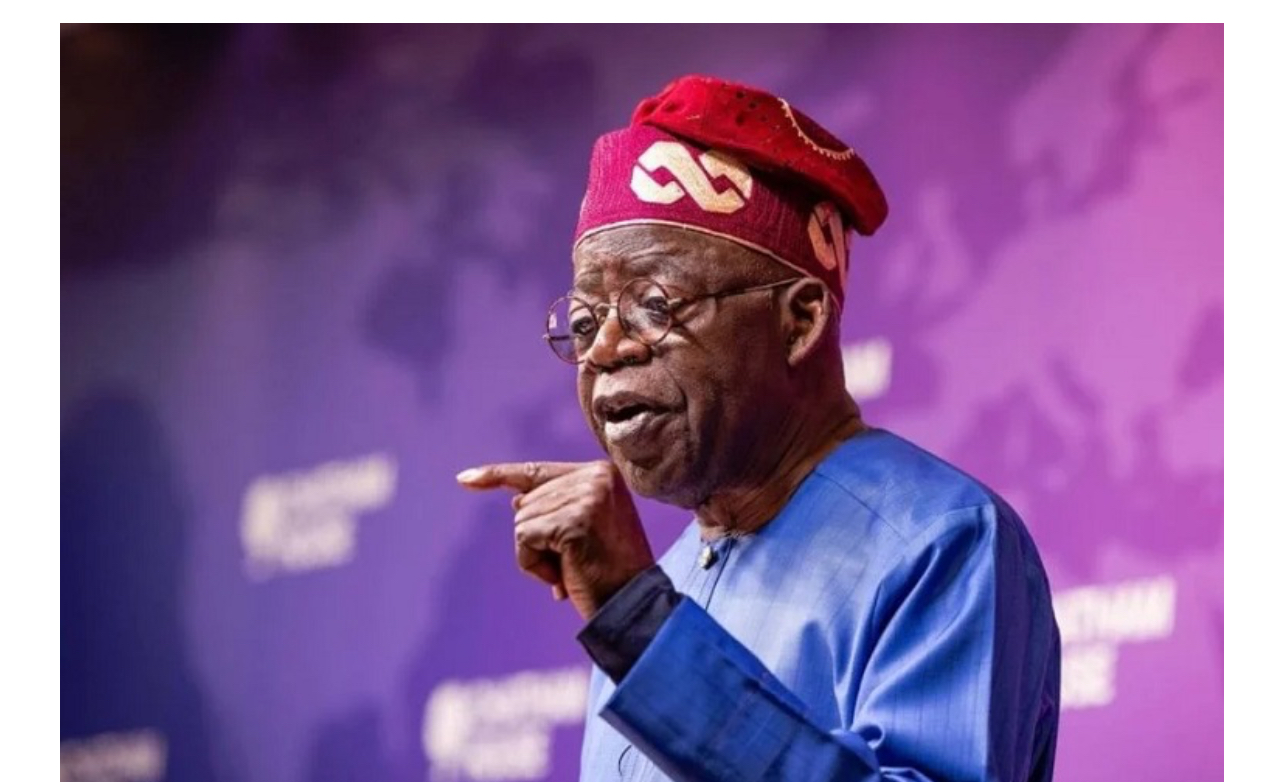
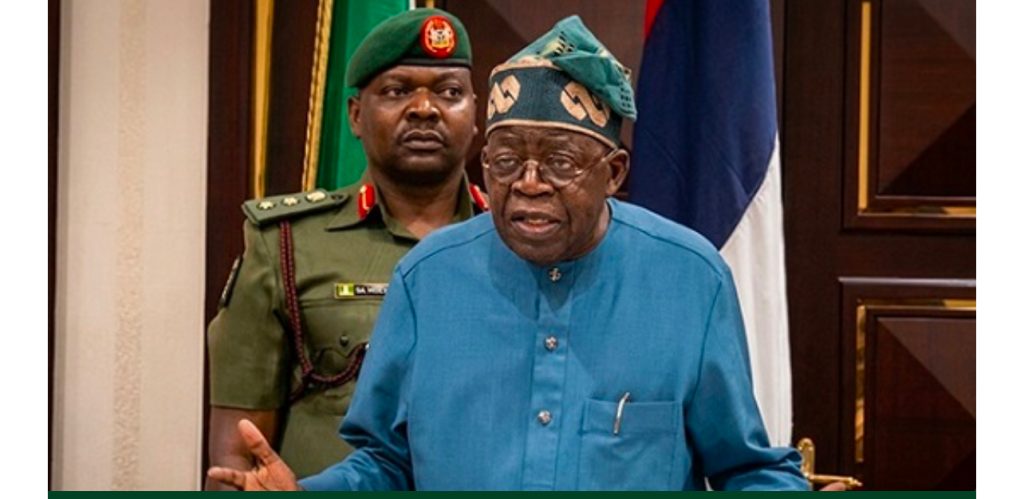
President Bola Tinubu has unveiled an investment package of more than $7 billion for the development of the Ogun State Blue Marine Special Economic Zone and the Gateway Deep Seaport, describing the projects as a major step towards strengthening Nigeria’s maritime economy and attracting foreign investment.
In a statement by his Spokesman, Bayo Onanuga, on Thursday, the President spoke in Paris, France, during the signing of Memoranda of Understanding between the Ogun State Government and DP World, a global ports and logistics operator, for the development of the projects.
Tinubu assured domestic and foreign investors that the Federal Government would continue to provide regulatory clarity, policy stability and a predictable business environment to support long-term investments in Nigeria.
“The agreements before us bring together vision, expertise, capital and execution capacity. I particularly welcome DP World, one of the world’s leading port and logistics operators,” the President said.
He added that the Federal Government would provide the necessary regulatory and institutional support to ensure that the projects moved seamlessly from agreements to implementation.
According to the President, the agreements are expected to attract an initial investment of more than $7 billion into the Nigerian economy and create over 50,000 direct jobs when fully developed, alongside additional indirect employment opportunities.
Tinubu said the projects would also generate non-oil export earnings and contribute to Nigeria’s economic diversification.
“This is economic diversification made tangible. This is industrialisation made visible. This is Renewed Hope in action,” he said.
The proposed Gateway Deep Seaport at Ogun Waterside will have a four-kilometre berth and an 18-
metre draft. The facility is expected to help decongest the Lagos port corridor and ease pressure on the Apapa and Tin Can Island ports.
The president said the deeper draft would enable the port to accommodate larger vessels while providing a competitive gateway for trade within Nigeria and across the African Continental Free Trade Area.
He noted that the proposed Ogun State Blue Marine Special Economic Zone would cover about 10,000 hectares and would be integrated with the deep seaport to support manufacturing, processing, exports and logistics.
“The Gateway Deep Seaport is the critical infrastructure that will support the zone’s viability. A port moves cargo; a port integrated with a special economic zone helps to build an economy. Each reinforces the other,” Tinubu said.
He said the Federal Government would facilitate road, rail and power connectivity to the projects, while strengthening investment security and the maritime domain and removing unnecessary bureaucratic obstacles.
The president also linked the projects to the Lagos-Calabar Coastal Highway, describing the Ogun section of the road as a critical transport connection for the emerging industrial and maritime corridor.
“The Lagos–Calabar Coastal Highway is central to this corridor’s commercial viability,” he said, adding that the 28-kilometre Ogun section of the 700-kilometre highway was scheduled for completion before the end of the year.
Tinubu said the port and industrial zone would also form part of a wider strategic corridor linking the proposed Nigerian Navy Operating Base and Dockyard with the OK LNG Project.
The President commended Ogun State Governor Dapo Abiodun and his administration for securing the land and structuring the investment framework.
“I commend Governor Dapo Abiodun and the government and people of Ogun State for securing the land, structuring the investment framework and reducing project risks for global investors,” he said.
Governor Abiodun led the Ogun State delegation at the signing ceremony, which also included state commissioners and other senior officials.
Senior representatives of DP World, the Nigerian Ports Authority and SkyKapital were also present at the event.
Tinubu urged Ogun State and the investors to maintain the momentum created by the agreements and move quickly towards implementation.
“Nigeria lies at the heart of West African trade. Yet, our strategic advantage has been constrained by port congestion, inadequate draft capacity and logistics bottlenecks that increase the cost of doing business. These projects respond directly to those constraints,” he said.
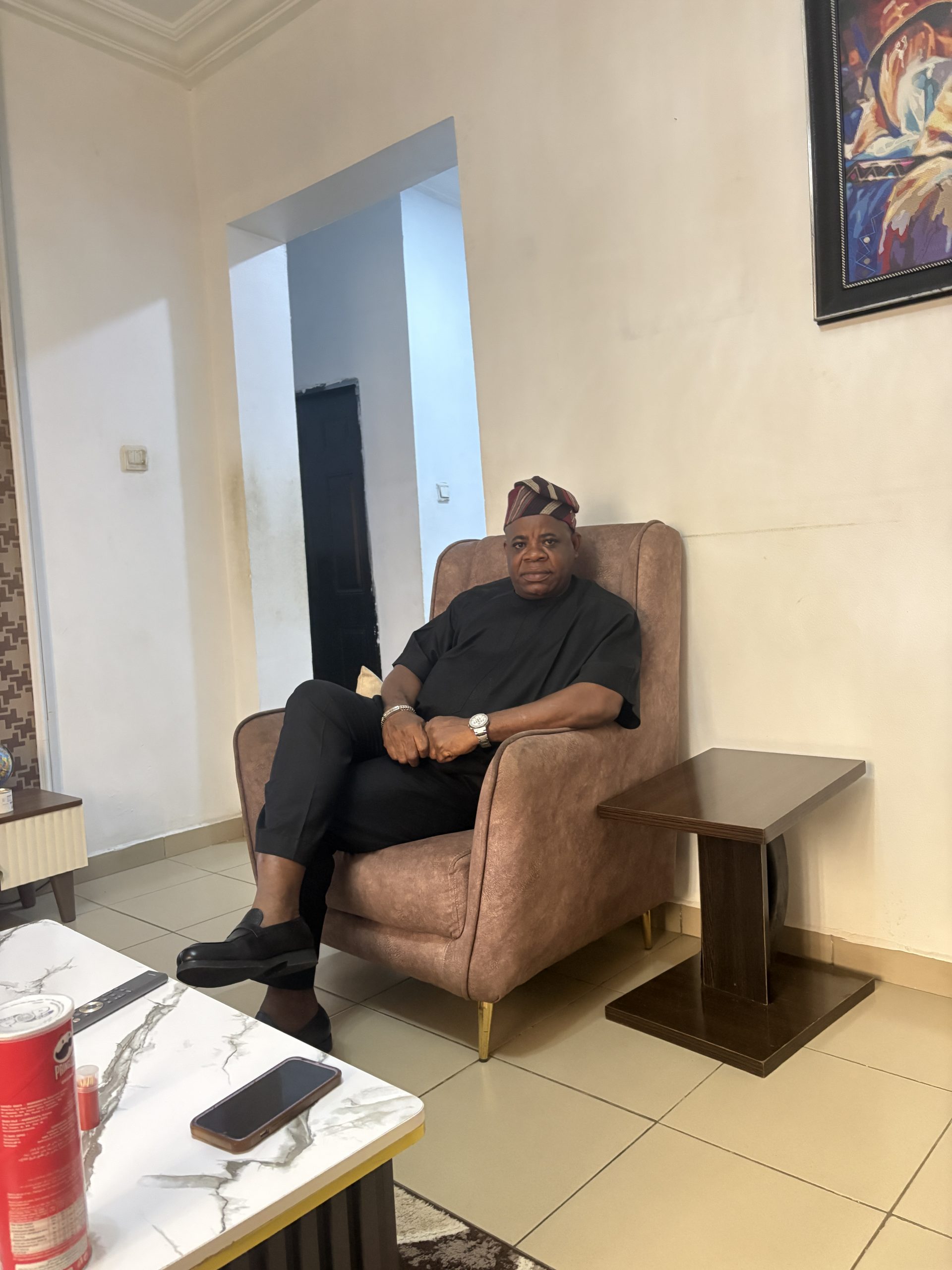
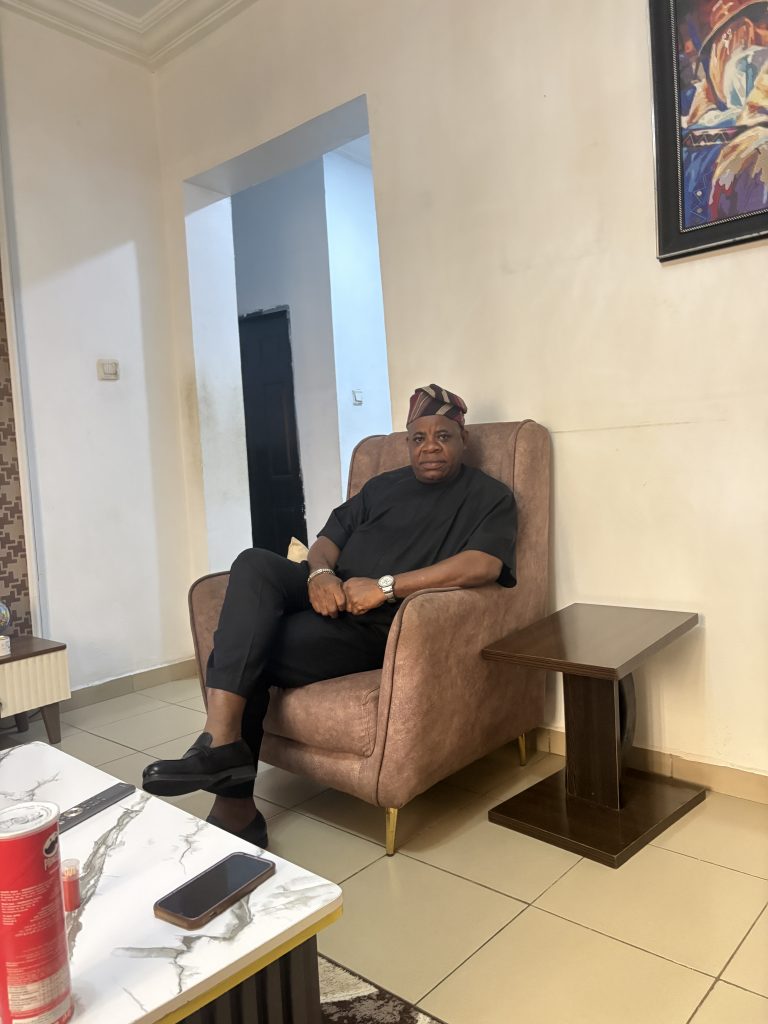
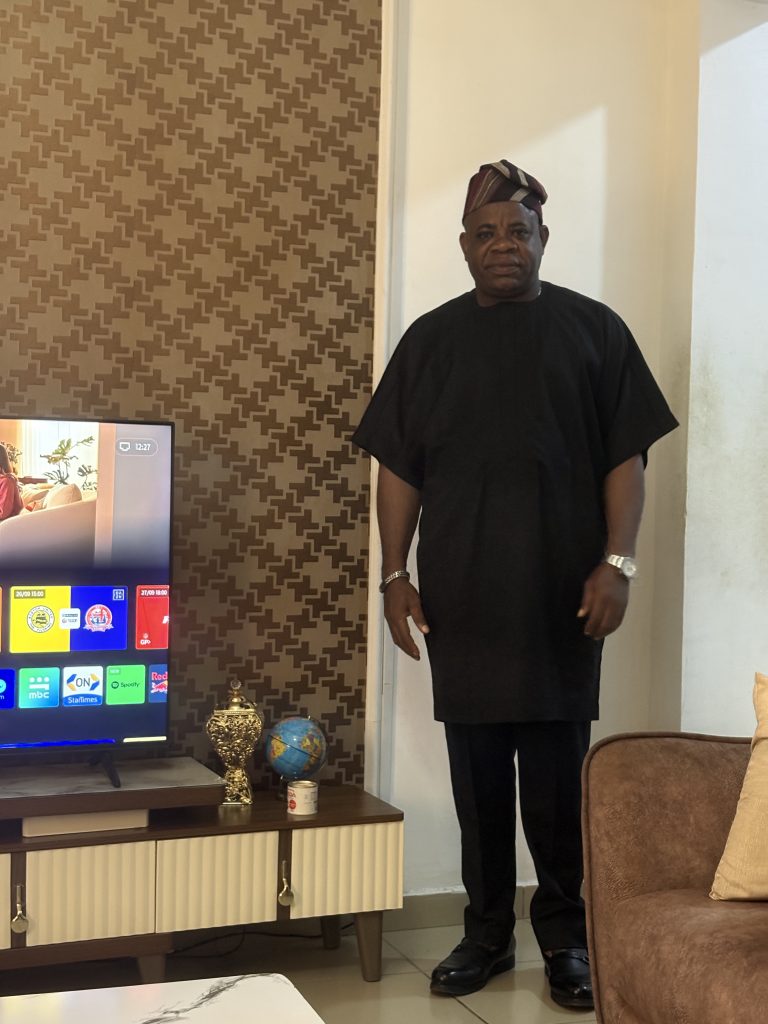 Today, I celebrate myself and give all glory and thanks to Almighty God for the gift of life and for bringing me this far. I am grateful for the opportunity to be alive, healthy, peaceful, happy, and prosperous.
As I celebrate another year today, I pray for greater blessings, wisdom, good health, peace, success, and abundant prosperity in the years ahead.
May this new chapter of my life be filled with joy, favour, wonderful opportunities, and fulfilment of my heart’s desires.
Happy Birthday to me! 🥳🎉
Congratulations to me on this special day. 🙏❤️🎂
I wish myself many more happy and prosperous returns. Cheers to a beautiful new year of my life! 🥂🎉
The International Chamber of Commerce tribunal in Paris has ruled in favour of Nigeria in the arbitration brought by Sunrise Power and Transmission Company Limited over the Mambilla Hydroelectric Power Project in Taraba State.
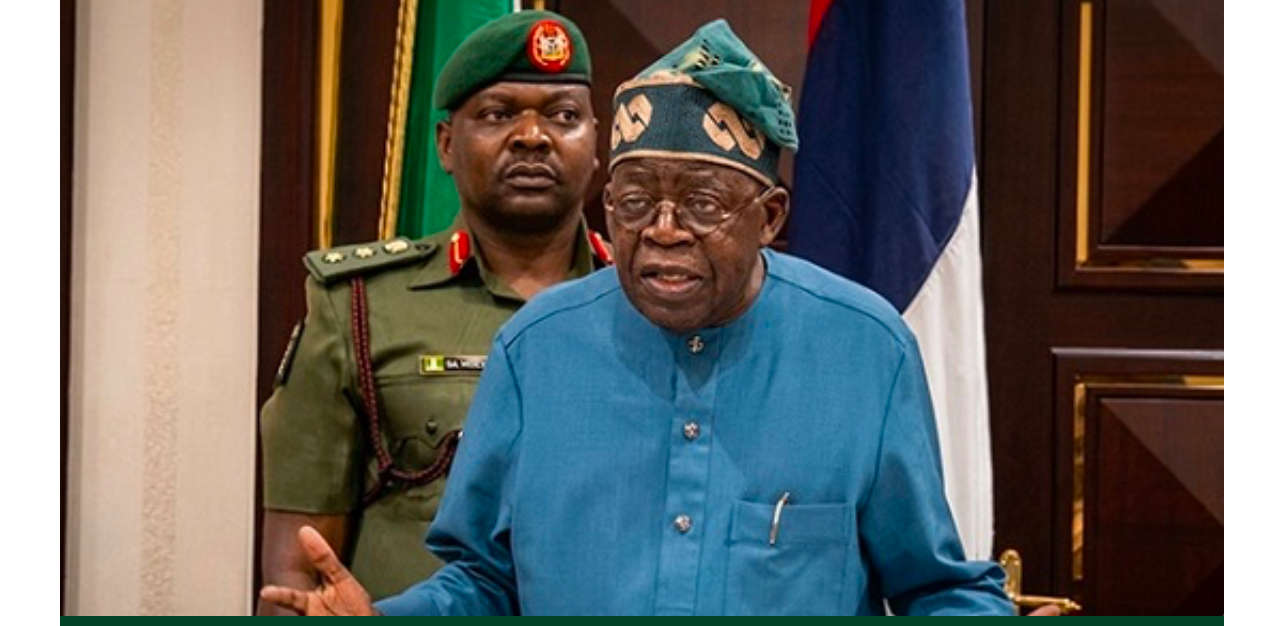
President Bola Tinubu, in a statement issued on Thursday by his Special Adviser on Information and Strategy, Bayo Onanuga, said the tribunal rejected the claims by Sunrise.
The company had sought $680m from Nigeria as a settlement sum and interest in relation to a separate arbitration in which it is claiming more than $2.7bn in compensation and interest over disputes surrounding the development of the 3,960-megawatt Mambilla project.
However, the tribunal, as reported by The Cable, also dismissed Sunrise’s claim for $400m arising from the 2020 settlement agreement, according to the details of the award reported on Thursday.
It further ordered Sunrise and its promoter, Leno Adesanya, to reimburse Nigeria 75 per cent of its legal fees and expenses, amounting to $11.82m.
The tribunal also reportedly declared that Adesanya was bound by the arbitration agreement with Nigeria under the settlement agreement and its addendum and that it had jurisdiction over Nigeria’s counterclaim against him and his firm.
In the statement, Tinubu said the ruling demonstrated the government’s determination to defend the country’s interests.
“This latest decision affirms the Nigerian State’s determination not to succumb to predatory and exploitative claims by corrupt local and international entities and their enablers and funders,” he said.
The President commended the Attorney-General of the Federation and Minister of Justice, Lateef Fagbemi, and officials of the Federal Ministry of Justice for their role in the case.
He also commended former President Olusegun Obasanjo and the late former President Muhammadu Buhari, who testified in the arbitration.
“I also commend the FRN defence team, led by Ms Elizabeth Oger-Gross and Mr Tolu Obamuroh, both of Paul Hastings LLP, for their professional and excellent defence of the country.
“I commend the patriotism and support of former President Olusegun Obasanjo, GCFR, and late President Muhammadu Buhari, GCFR, who testified in the case, which dated back to an illegal 2003 contract to build a 3,050-megawatt hydroelectric plant in Taraba State under a build-operate-transfer model.
“The Federal Executive Council never authorised the contract. I thank the other witnesses in this case, including former Ministers Babatunde Raji Fashola, SAN, and Suleiman Adamu, and the experts, for their active participation in defending Nigeria’s interest in the arbitration,” the statement read.
“I want to assure you that while our country remains committed to partnering with genuine investors and honouring its legal obligations, it will continue to defend all opportunistic claims instituted against our commonwealth strongly.
“Today’s ICC ruling clears the single biggest legal hurdle that has paralysed the Mambilla hydro power project for years,” Tinubu said.
The dispute dates back to an agreement under which Sunrise claimed it had been awarded the contract to construct the Mambilla project.
The company commenced arbitration against Nigeria at the ICC International Court of Arbitration in October 2017, seeking about $2.354bn over an alleged breach of contract.
The parties later entered into a settlement agreement in 2020, under which Nigeria was to pay Sunrise $200m.
A subsequent dispute arose after the government did not make the payment, leading to another arbitration in which Sunrise sought $400m, comprising the $200m settlement sum and a $200m default payment.
In Thursday’s award reported by The Cable, the tribunal rejected Sunrise’s claim that Nigeria had breached its obligations under the settlement agreement and its addendum.
It also rejected the company’s demand for the $400m settlement and default sums.
The Cable reported that the tribunal fixed the arbitration costs at $1.6565m, with Sunrise and Adesanya responsible for 75 per cent and Nigeria for 25 per cent. Of the $11.82m in legal fees and expenses awarded to Nigeria, $2.5m is to be recovered from funds held in escrow by the ICC, while the remaining $9.32m is payable by Sunrise and Adesanya, with interest at 10 per cent annually, compounded annually, from notification of the final award until payment.


-
 news6 years ago
UPDATE: #ENDSARS: CCTV footage of Lekki shootings intact – Says Sanwo – Olu
-
 lifestyle6 years ago
Former Miss World: Mixed reactions trail Agbani Darego’s looks
-
 health6 years ago
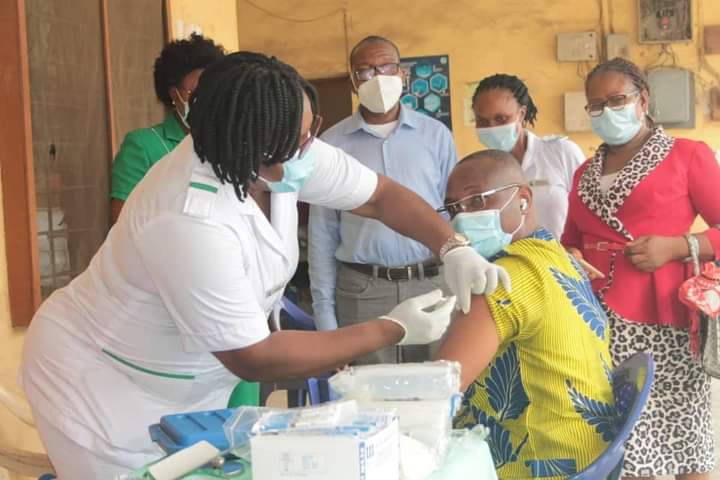
Chairman Agege LG, Ganiyu Egunjobi Receives Covid-19 Vaccines
-
 lifestyle5 years ago
Obateru: Celebrating a Quintessential PR Man at 60
-
 news1 year ago
BREAKING: Tinubu swears in new NNPCL Board
-
 health6 years ago
UPDATE : Nigeria Records 790 new cases of COVID-19
-
 entertainment2 years ago
Ashny Set for Valentine Special and new Album ‘ Femme Fatale’
-
 health6 years ago
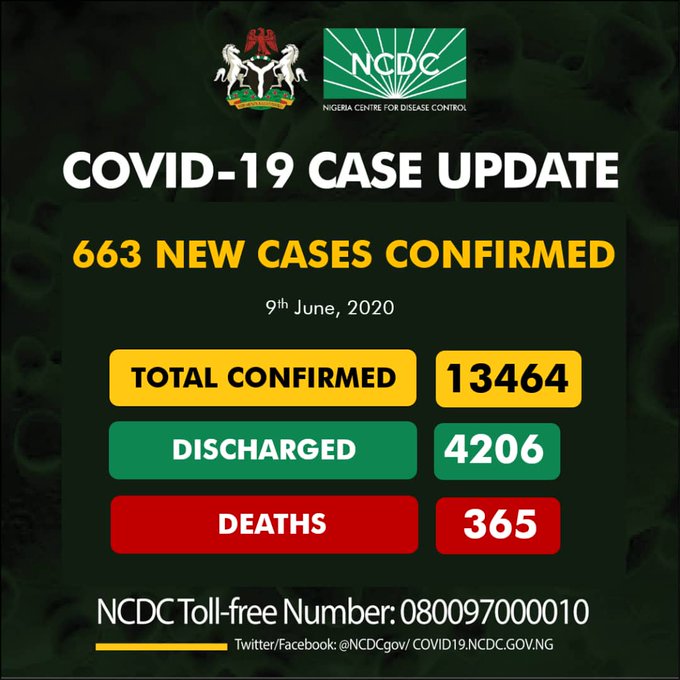
BREAKING: Nigeria confirms 663 new cases of COVID-19