
news
Why Prince Nonso Nwoko is facing terrorism trial



Idumuje Igboko is located in Aniocha, North of Delta State and bordered to the East by Idumuje-Unor, Ekpon or Akpu to the North West, Ohodua to the North East, Igbodo to the West and Onicha-Ugbo to the South.
Idumuje-Ugboko was founded in the 17th century. Historians are of the opinion that a core group of settlers led by Nwoko, his siblings and relations founded the community.
Idumuje-Ugboko is made of four villages. They are Atuma, Ogbe-Obi, Ogbe-Ofu and Onicha-Ukwu (Ogbe-Akwu). The four villages are reputed to have migrated from various towns and kingdoms in and around the present states of Delta, Edo and Ondo.
For instance, the Atuma village is said to have migrated from Owo, a town in present-day Ondo State, the Ogbe-Ofu from Emu, an Ishan speaking town in present-day Edo state, the Ogbe-Obi from Uzebu in the old Benin kingdom and Onicha-Ukwu from Onicha-Ukwu, a town in present-day Delta State. Among the four villages, the Onicha-Ukwu was the last of the villages to settle in Idumuje-Ugboko.
There are 16 Ebos and 24 quarters, commonly known as Idumu. The town is relatively known for its peaceful coexistence of his people since it was founded until thugs unleased mayhem on the community. After the mayhem, they left their trademark sorrow, tears and blood. The thugs were arrested and are currently facing criminal charges at the Federal High Court, Abuja
Chief Chris Ogwu is the prime minister of Ugboko, a former editor and retired journalist. He told this reporter how the incident happened. “Let me tell you, I was one of the victims of the mayhem. I was brutalized and my properties damaged by these boys. They abducted me and took me to the palace in front of Nonso where I was beaten up mercilessly.
“Between March 23rd and 26th, 2017, they unleashed mayhem on the Idumuje Ugboko community, attacked residents in their homes with guns, small axes, machetes, and sticks.
In the evening of 23rd of March, alarms were raised in the community by women and boys who were running helter-skelter and screaming.
“Upon stopping a few of them and asking what the problem was, it was learnt that thugs had invaded the residence of one Mr. Kennedy Nedu Iloh and had abducted him to an unknown destination. A search party made up of friends, family members and well-wishers later that night found and rescued him in the palace. His abductors had fled the scene on sighting his rescuers approaching their location’
“The next day, I, Chief Christopher Chukwuka Ogwu, the Iyase traditional prime minister of the Idumuje Ugboko Kingdom was seated in front of my house about 10 am when suddenly armed thugs attacked my home. They smashed the windscreens of two of my cars which were packed in front of my house – a Mercedes Benz 300 V-boot and a Toyota Camry (2.4cc). They entered the cars and stole some valuables such as telephones, cash, documents, etc. Meanwhile, I was abducted from my home to the palace grounds where I was ordered to lie on the grass after I had been thoroughly beaten up. Upon my return home, I found my home had been broken into and some of my valuables looted.
‘In continuation of these attacks, on the 25th and 25th, 21 other homes were similarly attacked at night with armed thugs roaming the community from village to village targeting homes of persons who supported the allocation of land to Lina’s International, a holding company owned by Prince Ned Nwoko who had applied to His Royal Majesty the Obi of Idumuje Ugboko for 90 hectares to build a sport university in Ugboko. His Royal Majesty (now late) was progressively inclined towards the university and had set up a 21-man land allocation of committee from amongst the membership of the Obi in Council (the official law making organ of the kingdom).
“I can tell you without mincing words that the thugs were sent to unleash the mayhem. At this time, Mr. Peter Bama was the chairman of local vigilante group set up in the community.
Also during the mayhem, Peter Bama’s home was one of those attacked. The thugs removed from his home some of the weapons and motorcycles which well-meaning members of the community had provided for the vigilante group. We reported the loss of the weapons and the motorcycles to the police who immediately gave assurance that they would investigate the robbery.”
Unfortunately, few months later, when a new vigilante group was launched in the community, the same supposedly lost weapons and motorcycles were released to them by the new tenants in the palace.
It would therefore appear that the palace harboured some of the items removed from victims’ homes. People have therefore drawn the conclusion that Prince Nonso sponsored the attacks but he had denied it in the past saying he did not send the thugs to attack anybody.
On the recent campaign of calumny against Prince Ned Nwoko, he said “those behind the said campaign want to divert attention from the criminal proceedings for murder and terrorism believing that if they raise false allegations against me I will tell the complainants to withdraw the matter in Abuja.”
The thugs are currently in Kuje prison because they couldn’t meet their bail conditions. They were granted bail of N50 million each.
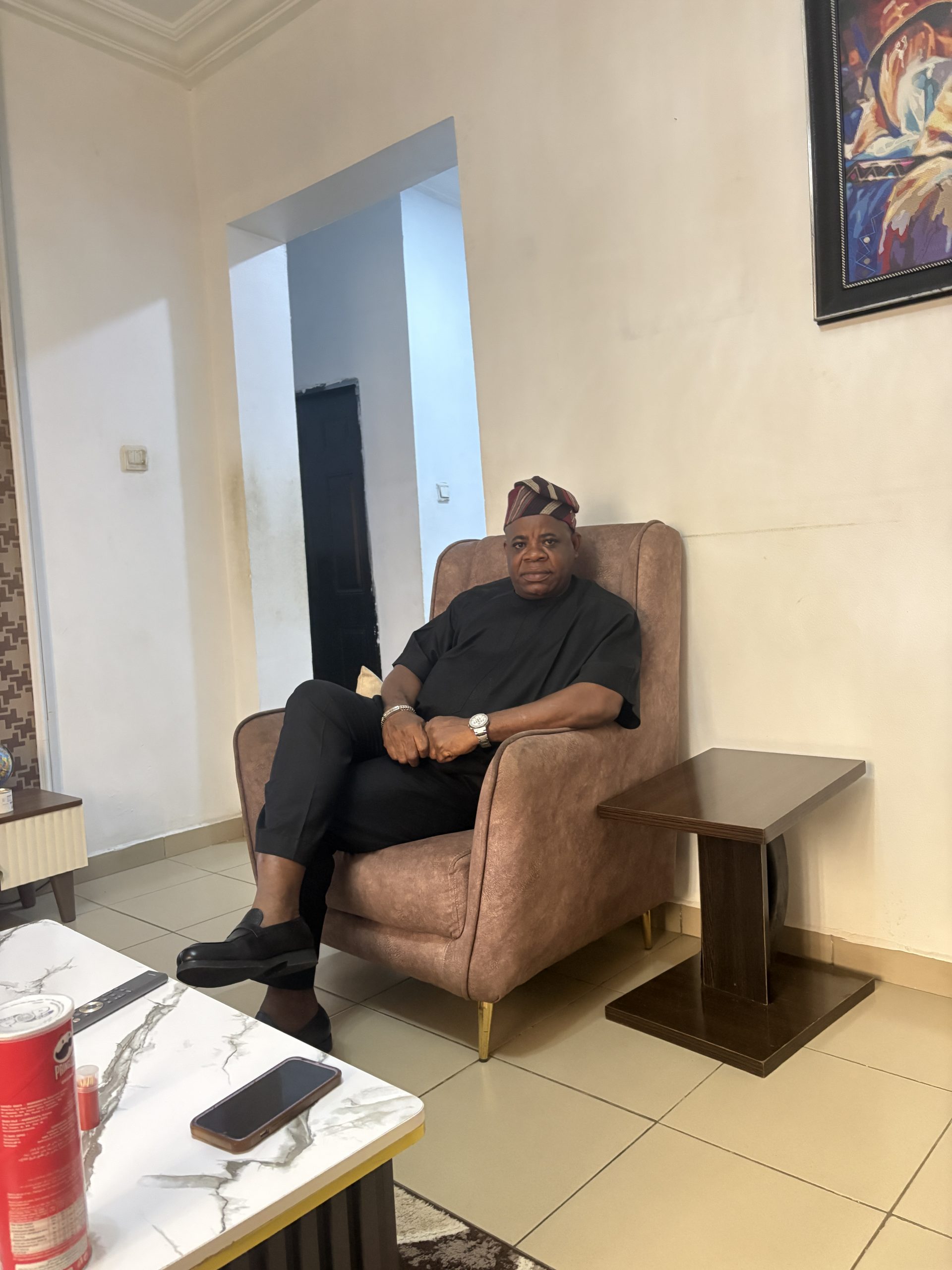
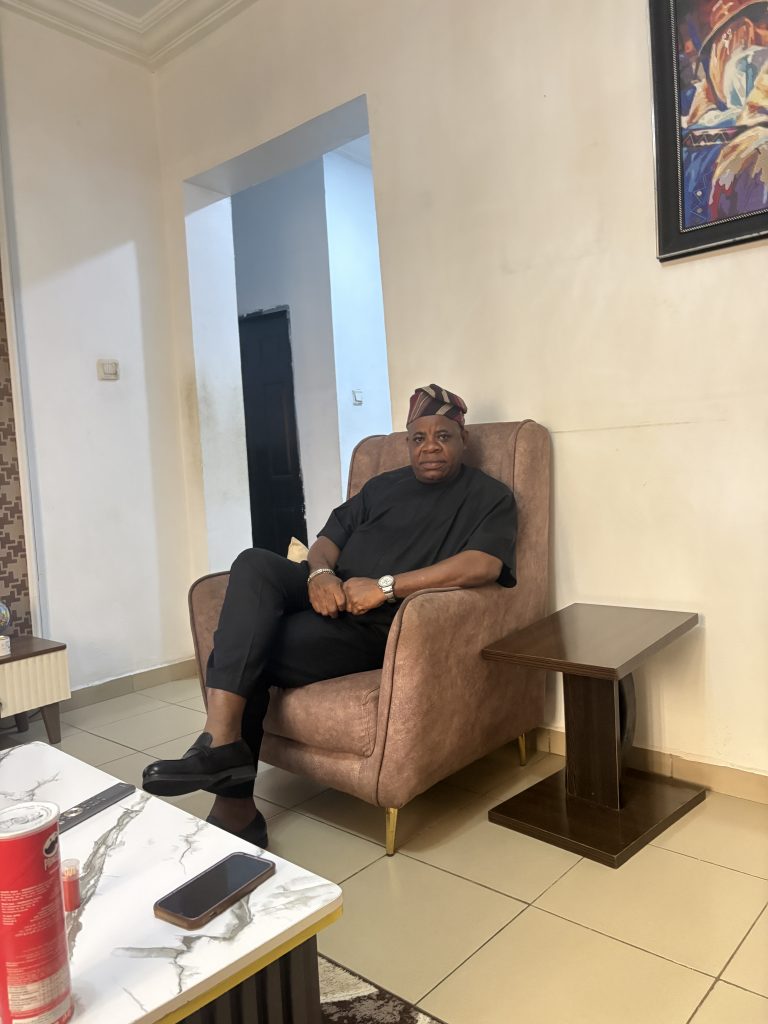
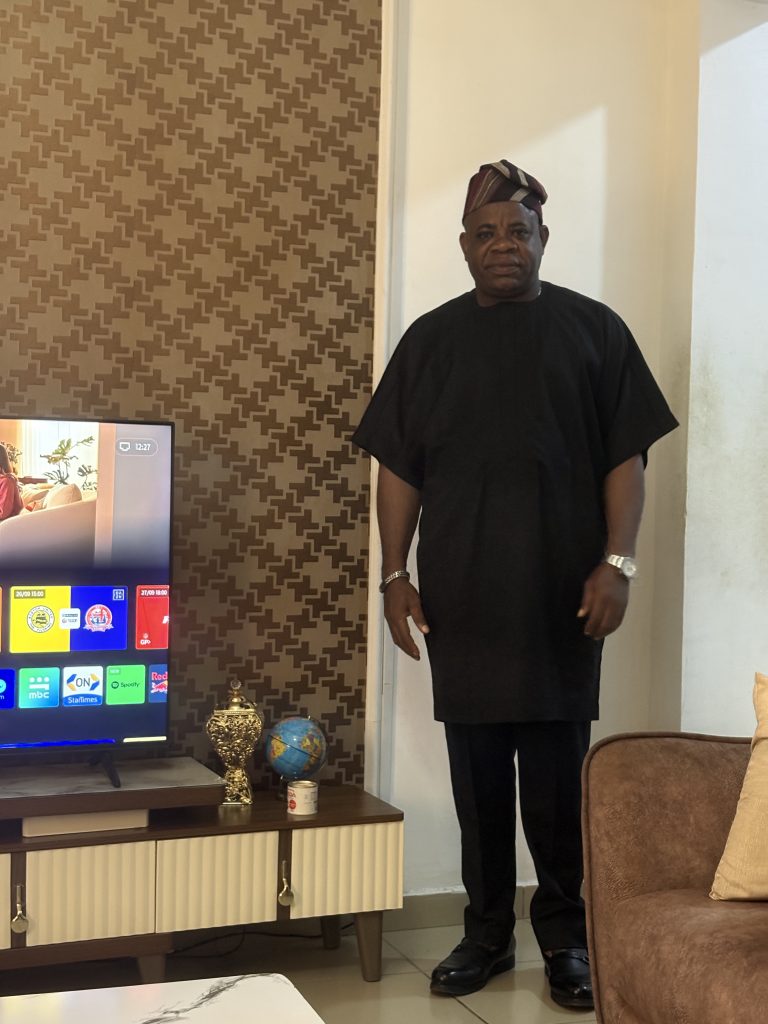 Today, I celebrate myself and give all glory and thanks to Almighty God for the gift of life and for bringing me this far. I am grateful for the opportunity to be alive, healthy, peaceful, happy, and prosperous.
As I celebrate another year today, I pray for greater blessings, wisdom, good health, peace, success, and abundant prosperity in the years ahead.
May this new chapter of my life be filled with joy, favour, wonderful opportunities, and fulfilment of my heart’s desires.
Happy Birthday to me! 🥳🎉
Congratulations to me on this special day. 🙏❤️🎂
I wish myself many more happy and prosperous returns. Cheers to a beautiful new year of my life! 🥂🎉
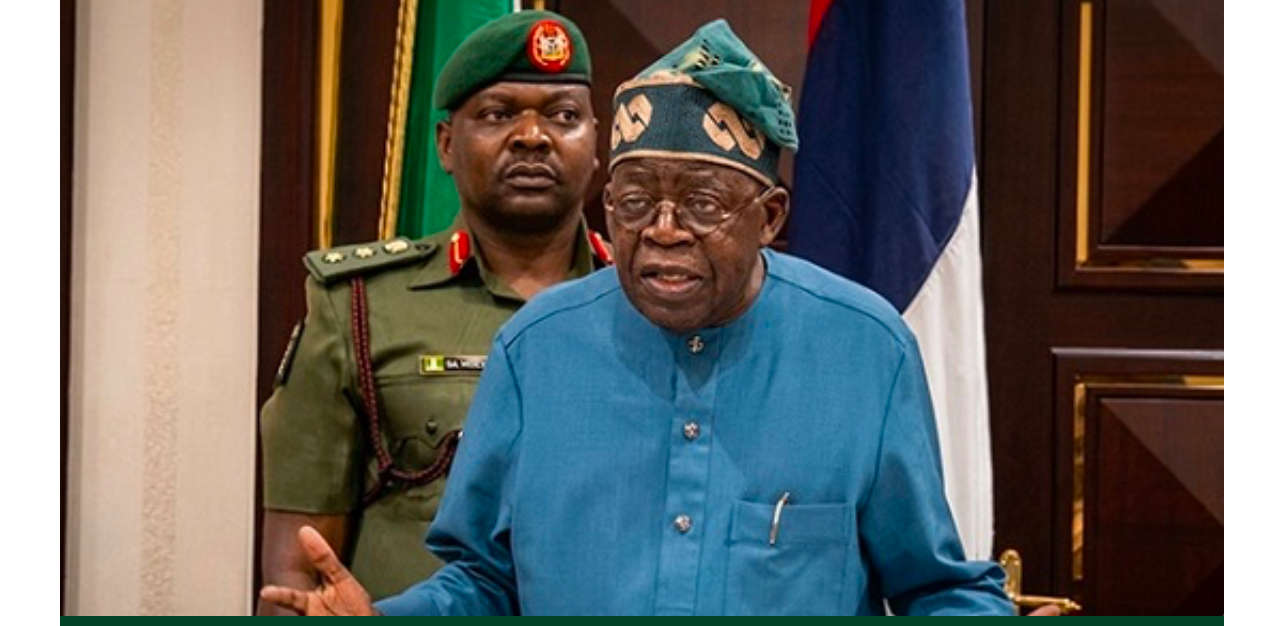
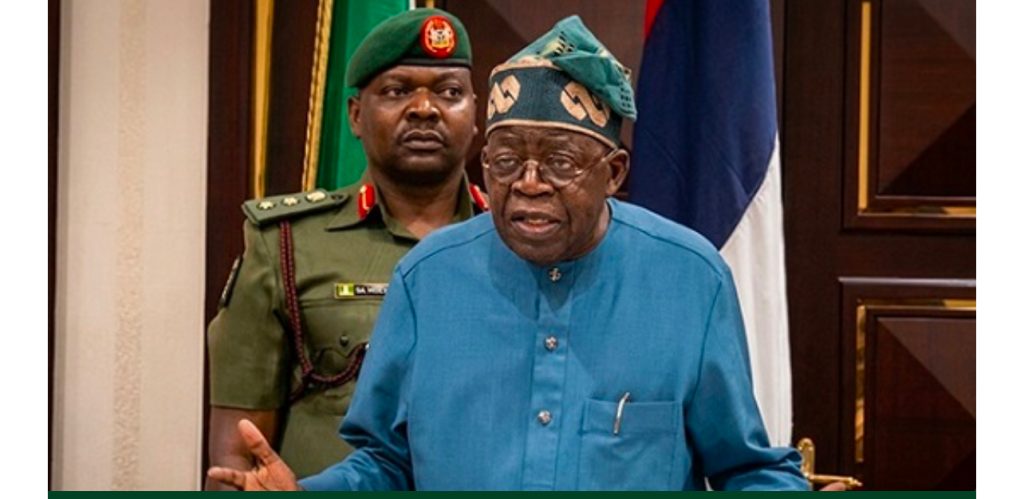
The International Chamber of Commerce tribunal in Paris has ruled in favour of Nigeria in the arbitration brought by Sunrise Power and Transmission Company Limited over the Mambilla Hydroelectric Power Project in Taraba State.
President Bola Tinubu, in a statement issued on Thursday by his Special Adviser on Information and Strategy, Bayo Onanuga, said the tribunal rejected the claims by Sunrise.
The company had sought $680m from Nigeria as a settlement sum and interest in relation to a separate arbitration in which it is claiming more than $2.7bn in compensation and interest over disputes surrounding the development of the 3,960-megawatt Mambilla project.
However, the tribunal, as reported by The Cable, also dismissed Sunrise’s claim for $400m arising from the 2020 settlement agreement, according to the details of the award reported on Thursday.
It further ordered Sunrise and its promoter, Leno Adesanya, to reimburse Nigeria 75 per cent of its legal fees and expenses, amounting to $11.82m.
The tribunal also reportedly declared that Adesanya was bound by the arbitration agreement with Nigeria under the settlement agreement and its addendum and that it had jurisdiction over Nigeria’s counterclaim against him and his firm.
In the statement, Tinubu said the ruling demonstrated the government’s determination to defend the country’s interests.
“This latest decision affirms the Nigerian State’s determination not to succumb to predatory and exploitative claims by corrupt local and international entities and their enablers and funders,” he said.
The President commended the Attorney-General of the Federation and Minister of Justice, Lateef Fagbemi, and officials of the Federal Ministry of Justice for their role in the case.
He also commended former President Olusegun Obasanjo and the late former President Muhammadu Buhari, who testified in the arbitration.
“I also commend the FRN defence team, led by Ms Elizabeth Oger-Gross and Mr Tolu Obamuroh, both of Paul Hastings LLP, for their professional and excellent defence of the country.
“I commend the patriotism and support of former President Olusegun Obasanjo, GCFR, and late President Muhammadu Buhari, GCFR, who testified in the case, which dated back to an illegal 2003 contract to build a 3,050-megawatt hydroelectric plant in Taraba State under a build-operate-transfer model.
“The Federal Executive Council never authorised the contract. I thank the other witnesses in this case, including former Ministers Babatunde Raji Fashola, SAN, and Suleiman Adamu, and the experts, for their active participation in defending Nigeria’s interest in the arbitration,” the statement read.
“I want to assure you that while our country remains committed to partnering with genuine investors and honouring its legal obligations, it will continue to defend all opportunistic claims instituted against our commonwealth strongly.
“Today’s ICC ruling clears the single biggest legal hurdle that has paralysed the Mambilla hydro power project for years,” Tinubu said.
The dispute dates back to an agreement under which Sunrise claimed it had been awarded the contract to construct the Mambilla project.
The company commenced arbitration against Nigeria at the ICC International Court of Arbitration in October 2017, seeking about $2.354bn over an alleged breach of contract.
The parties later entered into a settlement agreement in 2020, under which Nigeria was to pay Sunrise $200m.
A subsequent dispute arose after the government did not make the payment, leading to another arbitration in which Sunrise sought $400m, comprising the $200m settlement sum and a $200m default payment.
In Thursday’s award reported by The Cable, the tribunal rejected Sunrise’s claim that Nigeria had breached its obligations under the settlement agreement and its addendum.
It also rejected the company’s demand for the $400m settlement and default sums.
The Cable reported that the tribunal fixed the arbitration costs at $1.6565m, with Sunrise and Adesanya responsible for 75 per cent and Nigeria for 25 per cent. Of the $11.82m in legal fees and expenses awarded to Nigeria, $2.5m is to be recovered from funds held in escrow by the ICC, while the remaining $9.32m is payable by Sunrise and Adesanya, with interest at 10 per cent annually, compounded annually, from notification of the final award until payment.
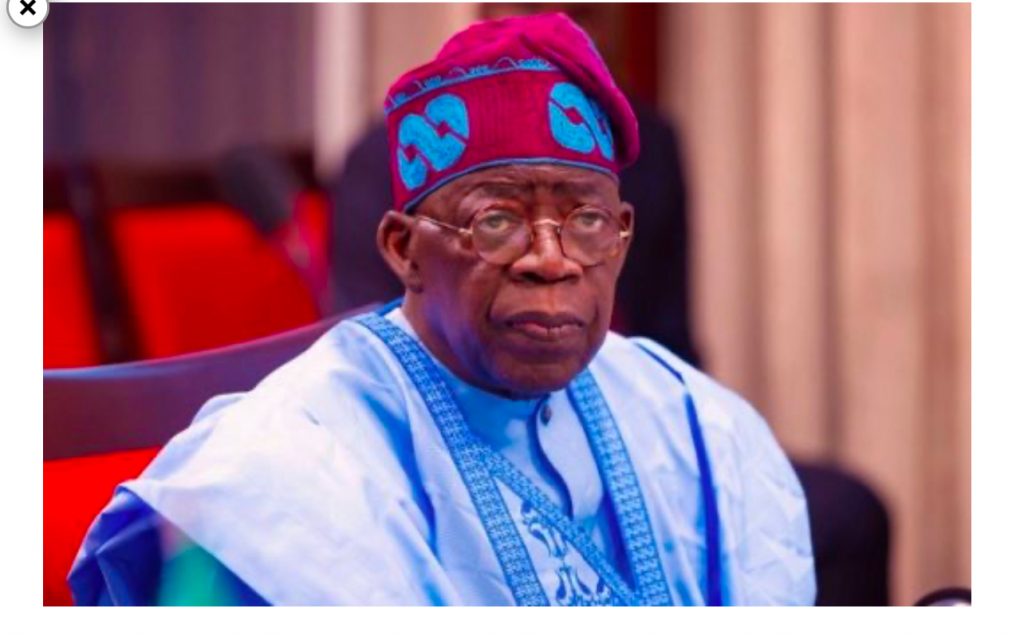 President Bola Tinubu has urged the National Identity Management Commission (NIMC) to work towards achieving 95 per cent National Identity Number (NIN) coverage by December 2026.
The President gave the directive at the State House, Abuja, while delivering the keynote address at the 2026 National Identity Day celebration organised by NIMC.
He acknowledged NIMC’s excellent work so far, noting that National Identity Number (NIN) enrolment peaked at about 142 million, up from over 80 million Nigerians captured in the National Identity Database when he assumed office more than three years ago.
President Tinubu was represented at the event by his Chief of Staff, Hon. Femi Gbajabiamila. The event had the theme: “Nigeria’s digital public ecosystem: powering Africa’s digital economy.”
It was attended by the representative of Vice President Kashim Shettima, Senator Ibrahim Hadejia; the Secretary to the Government of the Federation (SGF), Senator George Akume; the Minister of Interior, Dr Olubunmi Tunji-Ojo; and the Minister of Education, Dr Tunji Alausa, amongst others.
President Tinubu said the target should be pursued through expanded ward-level enrolment, mobile registration initiatives and continued deployment of licensed enrolment networks. Government
The President noted that his administration’s vision goes beyond NIN coverage, stating that Nigeria “must build an identity system that is continuously useful, secure and responsive to the needs of Nigerians.”
“We are laying the foundations for a future of integrated digital services, including e-health records, e-transport systems and a more harmonised national data architecture.
“We must do this while protecting the rights, privacy and dignity of our citizens. The digital state must never become a state without accountability.
“Our commitment must therefore remain clear: innovation must be matched by responsibility. Efficiency must be matched by inclusion, security must be matched by trust. And digital transformation must ultimately improve the lives of ordinary Nigerians,” President Tinubu said.
The President, who commended the Director General of NIMC, Engr Abisoye Coker-Odusote, for a job well done over the past three years, called on Nigerians who have not obtained their NIN to do so, saying their NIN represents their connection to a modern Nigerian state.
Tinubu also applauded this year’s National Identity Day theme as very important, saying “Nigeria’s digital ecosystem must power Nigeria’s digital economy–and Nigeria’s digital economy must help power Africa’s.”
The President further said National Identity remains the engine room for the government’s Renewed Hope Agenda, noting that identity transformation is contributing directly to the government’s priorities.
“The NIMC ecosystem has created opportunities for thousands of Nigerians across the country. With more than 173 private companies, 30 state governments and 14 public sector institutions approved as licensed enrolment agents, the identity ecosystem is generating employment for enrolment officers, data professionals, supervisors, technology specialists and other support personnel. This is a digital infrastructure creating real economic opportunity,” he said. NigeriaNews Subscription
Speaking on the significance of national identity to Nigeria’s national security, President Tinubu said the two are linked, describing the connection as indispensable.
“A secure identity system is indispensable to a secure nation. By strengthening identity verification and enabling responsible information sharing across relevant government institutions, we are improving our capacity to combat identity fraud, financial crimes and other threats to national security.
“The ongoing collaboration among institutions, including the Nigeria Police Force, Nigeria Immigration Service, and the Economic and Financial Crimes Commission, demonstrates what is possible when government systems work together,” President Tinubu said. GeographicReference
The Minister of Interior, Dr Olubunmi Tunji- Ojo, also praised the Director General of NIMC for delivering excellent work with little supervision, saying she has shown appreciable leadership.
He said the President expected more from her and her team, adding that Nigerians need wider, easier, and more convenient access to identity services, including for Nigerians in the diaspora.
“We need more in providing a trusted national public key infrastructure and digital public infrastructure that support secure digital identity, authentication and electronic trust services, more in including a stronger foundation for Nigeria’s digital economy, digital governance and long-term national development,” Tunji-Ojo said. GeographicReference
The Director General of NIMC, Abisoye Coker-Odusote, in her remarks, commended President Tinubu and the Minister of Interior for their support, saying it has brought about a total transformation of Nigeria’s identity and existence.
She said, “Our reach tells its own story. Enrolments have grown from less than 100 million to over 142 million Nigerians and legal residents. The engine behind that growth is the ward-to-ward Enrolment Project, undertaken directly under Mr President’s initiative. NigeriaNews Subscription
“This project carried our officers into all 8, 8,809 boards of this Federation and mobilised the National Youth Service Corps members as adult enrolment officers in connection with front-end partners in communities that had never before hosted an enrolment desk.
“Alongside it, we launched the Self- Service Notification Platform, which has already processed close to two million record updates, turning a process that once took weeks in two communities into one that takes 24 to 48 hours directly from a citizen’s phone.”


-
 news6 years ago
UPDATE: #ENDSARS: CCTV footage of Lekki shootings intact – Says Sanwo – Olu
-
 lifestyle6 years ago
Former Miss World: Mixed reactions trail Agbani Darego’s looks
-
 health6 years ago
Chairman Agege LG, Ganiyu Egunjobi Receives Covid-19 Vaccines
-
 lifestyle5 years ago
Obateru: Celebrating a Quintessential PR Man at 60
-
 news1 year ago
BREAKING: Tinubu swears in new NNPCL Board
-
 health6 years ago
UPDATE : Nigeria Records 790 new cases of COVID-19
-
 entertainment2 years ago
Ashny Set for Valentine Special and new Album ‘ Femme Fatale’
-
 health6 years ago
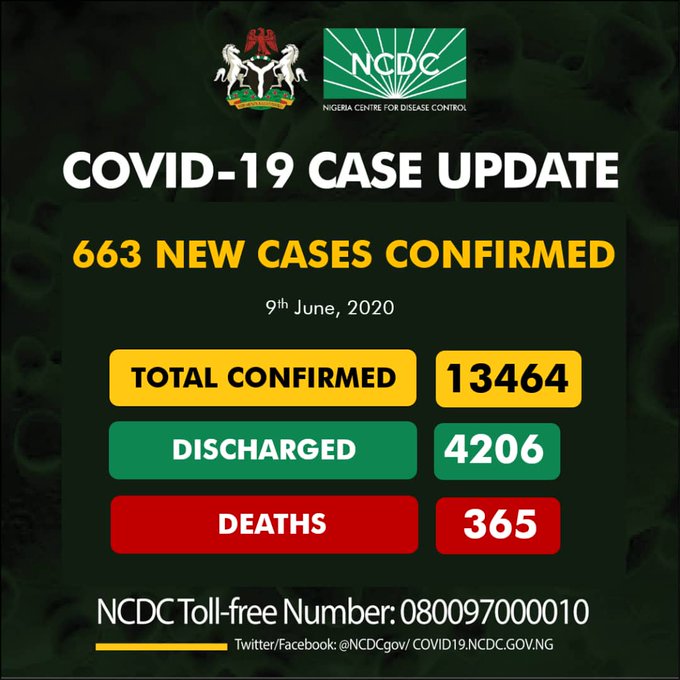
BREAKING: Nigeria confirms 663 new cases of COVID-19