
news
Real-Time Results: Senate, House Fail to Align on INEC Powers

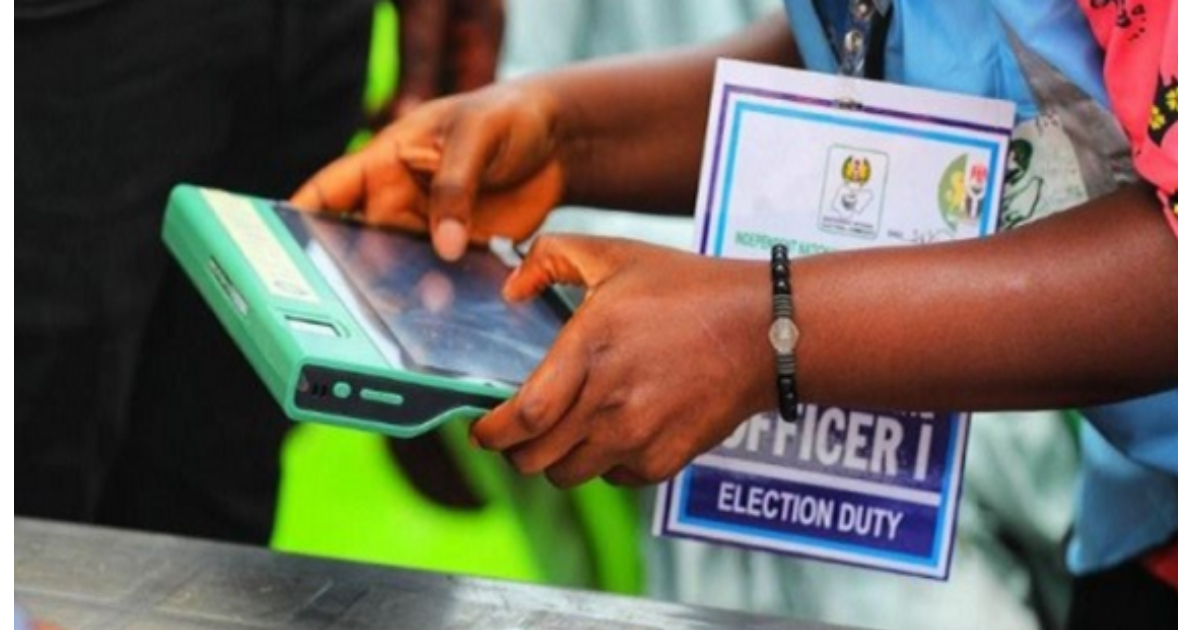
Harmonisation of versions begins •Red Chamber okays e-upload to IREV
The controversy over the passage of the Electoral Act (Amendment) Bill 2026 at the Senate was laid to rest yesterday.
The Red Chamber endorsed electronic transmission of election results, without including the contentious “real-time” provision.
This was shortly before it adopted the Votes and Proceedings of the passage of the Bill, which scaled third reading on February 4, during a rowdy session.
Because the version passed by the Senate did not include “real-time” transmission, unlike the version earlier passed by the House of Representatives, a conference committee of both chambers will harmonise the bills before final approval and eventual presentation for presidential assent.
The amendment of Section 60(3), effected yesterday and passed along with other sections read by Senate President Godswill Akpabio, states: “The Presiding Officer shall electronically transmit the results from each polling unit to the INEC Result Viewing Portal, and such transmission shall be done after the prescribed Form EC8A has been signed and stamped by the Presiding Officer and countersigned by the candidates or polling agents where available at the polling unit.
“But if the electronic transmission of the result fails as a result of communication failure, and it becomes impossible to transmit the result electronically, the signed and stamped Form EC8A by the Presiding Officer, and countersigned by the candidates or polling agents where available, shall in such a case be the primary source of collation and declaration of results.”
This differs slightly from the version passed by the House of Representatives in December, which states: “The Commission shall electronically transmit the results from each polling unit to the IREV portal in real time, and each transmission shall be done simultaneously with the physical collation of results.”
The House also passed Section 60(5), which provides: “The Presiding Officer shall transmit the results, including the number of accredited voters, to the next level of collation.”
The Electoral Act 2022, under which the 2023 elections were conducted and which is in the process of being repealed, states in part under Section 60(5): “The Presiding Officer shall transfer the result, including the total number of accredited voters and the result of the ballot, in a manner as prescribed by the Commission.”
Before senators began proceedings yesterday, protesters, for the second consecutive day, gathered in front of the National Assembly to call for the passage of real-time electronic transmission of election results.
Among the protesters was the former Governor of Rivers State and immediate past Minister of Transportation, Chibuike Amaechi.
The police prevented the protesters from gaining access to the National Assembly complex.
Inside the chamber, the Senate passed the Electoral Act Amendment Bill after a heated debate in a rowdy plenary session.
At the session presided over by Senate President Godswill Akpabio, senators modified their earlier position on real-time electronic transmission of poll results.
They consequently approved a revised clause mandating electronic transmission of results from polling units to the INEC Result Viewing Portal (IREV), with a fallback mechanism in the event of network failure.
In such instances, Form EC8A, on which results are recorded, would serve as the basis for collation.
The amendment, once harmonised with the House of Representatives’ version and signed into law by the President, is expected to legalise the use of IREV in the result transmission process, unlike what obtained during the 2023 elections.
There was palpable tension in the hallowed chamber as the initial proposal to adopt the Votes and Proceedings of the previous sitting led to heated procedural disputes, which were carefully managed by Akpabio.
Outside the National Assembly, protesters continued to agitate for the inclusion of the real-time electronic uploading clause, which had been upheld in the House of Representatives’ version of the bill.
The modification followed the approval of a motion by the Senate Chief Whip, Mohammed Tahir Monguno (Borno North), titled: “Motion for Rescission on Clause 60(3) of the Electoral Act, 2022 (Repeal and Enactment) Bill, 2026.”
Moving the motion, Monguno recalled that the bill had been passed by the Senate on February 4 but said “fresh issues have emerged in respect of Clause 60(3), which require further legislative consideration to ensure the conduct of smooth, transparent and credible elections in Nigeria.”
Invoking Orders 1(b) and 52(6) of the Senate Standing Orders, 2023 (as amended), he urged the chamber to rescind its earlier decision on the clause and recommit it to the Committee of the Whole for reconsideration and passage.
Trouble began when Monguno rose to move the motion while the Senate President was reading out the rules on Votes and Proceedings.
His action triggered confusion, with many senators questioning whether the Senate could revisit a decision already taken within the same legislative session.
Some senators argued that Order 1(b) empowered the Senate to suspend normal procedure.
Following a voice vote, the chamber agreed to allow Monguno to proceed.
Monguno said ambiguity surrounding the earlier amendment, particularly the controversy over the use of the words “transfer” and “transmission” of election results, had generated public concern and required urgent legislative clarification.
He proposed a fresh amendment stipulating that presiding officers at polling units must electronically transmit results to the INEC Result Viewing Portal (IREV) after completing and signing Form EC8A.
He added that where electronic transmission fails due to communication challenges, the signed and stamped Form EC8A would serve as the primary source for collation and declaration of results.
After the motion was seconded by Senator Abba Moro, who described the development as “a victory for democracy,” the chamber descended into disorder when the Senate President declared that the voice vote had carried the amendment.
Several senators protested and invoked Order 72, which allows any senator to challenge the opinion of the presiding officer by calling for a division.
Citing Order 72, Senator Enyinnaya Abaribe demanded individual voting, triggering loud protests, shouts of points of order, and repeated calls to order by Akpabio.
At the height of the confusion, Abaribe withdrew his request for a division, a move that further unsettled the chamber.
Akpabio ruled that Abaribe’s withdrawal stood, thereby upholding the voice vote that carried the amendment.
Following the approval of the revised clause, the Senate adopted the Votes and Proceedings of the previous sitting, bringing the stormy session to a close.
African currency exchange services
To fast-track harmonisation of the Electoral Bill with the House of Representatives’ version, the Senate expanded its conference committee from nine to 12 members to match the number of conferees from the House.
Reps committee
Electoral Reform Bill at harmonisation stage, Reps say
Reps committee summons finance, agriculture ministers, auditor general
The committee is chaired by Senator Simon Bako Lalong, with Mohammed Tahir Monguno, Adamu Aliero, Orji Uzor Kalu, Abba Moro, Asuquo Ekpenyong, Aminu Iyal Abbas, Tokunbo Abiru, Adeniyi Ayodele Adegbonmire, Jibrin Isah (Echocho), Banigo Ipalibo and Onyekachi Nwebonyi as members.
Expressing optimism that the committee would conclude its work swiftly, Akpabio said: “This is a matter of urgency. If you are able to conclude within the next few days or one week, the President should be able to sign this amended Electoral Bill within this month.”
Former Vice President Atiku Abubakar, who spoke in Minna, the capital of Niger State, said electronic transmission of results would restore sanity and avert chaos.
However, he expressed doubts about the ability of the proposed law to guarantee real-time transmission.
Atiku said: “This is below the expectations of Nigerians. During the last elections, Nigerians were expecting real-time electronic transmission of election results at various levels of the election, but what we got was a mixture of electronic and manual uploading, which caused more confusion and chaos.
“It will be best if we have a single-tier electronic transmission, which is real-time electronic transmission, which is the preference of all Nigerians.”
The African Democratic Congress (ADC) stalwart urged opposition political parties to reject the Senate’s decision to allow manual uploading of election results.
He said: “We need all opposition political parties to pursue this issue. We should not allow it to rest the way they wanted it to rest today at the Senate.”
The African Democratic Party (ADP) warned of likely public distrust of the electoral process if electronic transmission is not upheld.
The party’s National Chairman, Yabagi Sani, said in a statement that “while the Senate’s reversal of its earlier rejection of electronic transmission reflects public pressure and democratic expectation, the ADP notes that a reform that does not guarantee mandatory, real-time transmission cannot restore electoral credibility.”
The ADC National Publicity Secretary, Bolaji Abdullahi, described the Senate’s modified position as a victory for the resilience, vigilance and rising political consciousness of Nigerians.
He said in a statement: “It demonstrates, in the clearest possible terms, that when citizens act with unity, clarity of purpose and resolve, they can indeed move mountains.”
The ADC credited Nigerians’ coordinated civic actions, noting: “From the street protests to the digital campaigns, the Nigerian people have once again shown that sovereignty truly belongs to them.”
Hailing the protesters, Abdullahi added: “We salute the courage and tenacity of Nigerians. We commend every citizen who raised a voice, whether online or offline, to resist legislative mischief that threatened to undermine our electoral integrity.”
A former President of the Nigerian Bar Association (NBA), Dr Olisa Agbakoba (SAN), said the adoption of real-time upload of results would engender public trust and close electoral loopholes.
He said the regulatory process must be adequately backed by law.
Agbakoba noted in a statement that the 2023 election exposed a critical gap in the electoral legal framework, recalling that despite INEC’s deployment of the IREV portal for electronic transmission of results, the Supreme Court ruled that the innovation lacked legal force.
The human rights lawyer explained that the IREV portal currently serves only for public viewing and is not admissible as evidence of results in election petitions.
He said: “The message was unmistakable: without explicit statutory provision, electronic transmission remains optional and legally inconsequential, no matter how transparent or efficient it may be.
“This legal gap creates an insurmountable evidentiary burden in election petitions.”
The Tanimu Turaki-led faction of the PDP rejected the Senate’s position on transmission of election results, describing the senators as “clever by half.”
The party’s National Publicity Secretary, Comrade Ini Ememobong, said in a statement that the addendum introduced by the Senate to allow manual transmission was a backdoor attempt to achieve the same objective as the earlier rejection.
The statement reads in part: “We have taken note of the outcome of the Senate’s reconsideration of its earlier position on the real-time electronic transmission of election results, wherein an addendum was introduced to permit manual transmission where technology is said to fail.
“We hold the firm view that this addendum is nothing more than a backdoor attempt to achieve the same objective as the earlier outright rejection, while pretending to align with the wishes of the Nigerian people.
“Manual transmission is already sufficiently provided for under the Electoral Act. The current agitation for electronic transmission is aimed at introducing a second-layer authentication mechanism that prevents the alteration of results en route to collation centres, a malpractice that has historically been the bane of Nigeria’s electoral process.
“Furthermore, it is inconceivable that the same BVAS technology, which successfully undertakes accreditation throughout an election, would suddenly become unreliable for the transmission of results and accreditation data arising from that same exercise.
“This caveat is a clear indication of the humongous fear being harboured by senators opposed to electronic transmission, particularly Senate President Godswill Akpabio, whom we reasonably suspect remains haunted by the ghost of his 2019 election loss, occasioned by the deployment of technology to curb over-voting.
“They must be reminded that Nigeria is bigger than their narrow personal and political interests.
“We therefore urge members of the Conference Committee to adopt the version of the bill passed by the House of Representatives as the harmonised position, if indeed they are committed to delivering credible elections in 2027.
“They must rise above the instincts of politicians fixated on the next election and instead focus on the sustenance of democracy and the protection of future generations.
“Should this democracy fail, the names of Senator Akpabio and all senators who voted against electronic transmission will undoubtedly occupy a conspicuous chapter in the book of infamy.
“We also call on Nigerians to remain resolute in their demand for real-time electronic transmission of election results. This is no time for excuses. This hard-won democracy is far too valuable to be left in the hands of politicians alone.”
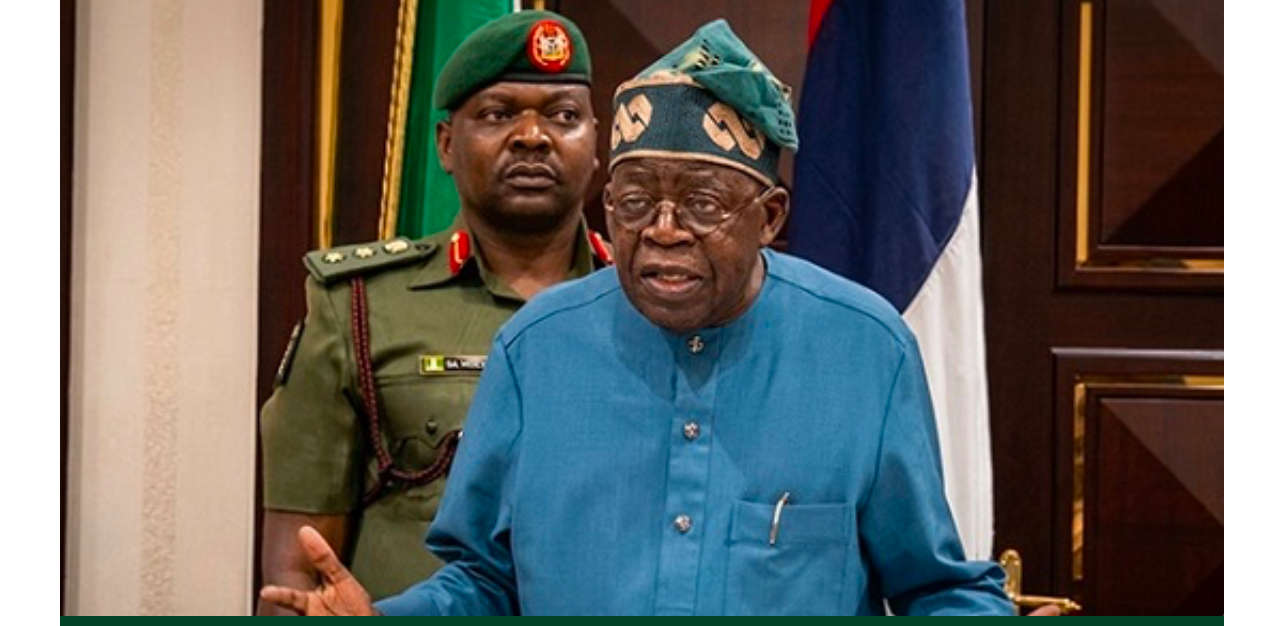
 President Bola Tinubu has urged the National Identity Management Commission (NIMC) to work towards achieving 95 per cent National Identity Number (NIN) coverage by December 2026.
The President gave the directive at the State House, Abuja, while delivering the keynote address at the 2026 National Identity Day celebration organised by NIMC.
He acknowledged NIMC’s excellent work so far, noting that National Identity Number (NIN) enrolment peaked at about 142 million, up from over 80 million Nigerians captured in the National Identity Database when he assumed office more than three years ago.
President Tinubu was represented at the event by his Chief of Staff, Hon. Femi Gbajabiamila. The event had the theme: “Nigeria’s digital public ecosystem: powering Africa’s digital economy.”
It was attended by the representative of Vice President Kashim Shettima, Senator Ibrahim Hadejia; the Secretary to the Government of the Federation (SGF), Senator George Akume; the Minister of Interior, Dr Olubunmi Tunji-Ojo; and the Minister of Education, Dr Tunji Alausa, amongst others.
President Tinubu said the target should be pursued through expanded ward-level enrolment, mobile registration initiatives and continued deployment of licensed enrolment networks. Government
The President noted that his administration’s vision goes beyond NIN coverage, stating that Nigeria “must build an identity system that is continuously useful, secure and responsive to the needs of Nigerians.”
“We are laying the foundations for a future of integrated digital services, including e-health records, e-transport systems and a more harmonised national data architecture.
“We must do this while protecting the rights, privacy and dignity of our citizens. The digital state must never become a state without accountability.
“Our commitment must therefore remain clear: innovation must be matched by responsibility. Efficiency must be matched by inclusion, security must be matched by trust. And digital transformation must ultimately improve the lives of ordinary Nigerians,” President Tinubu said.
The President, who commended the Director General of NIMC, Engr Abisoye Coker-Odusote, for a job well done over the past three years, called on Nigerians who have not obtained their NIN to do so, saying their NIN represents their connection to a modern Nigerian state.
Tinubu also applauded this year’s National Identity Day theme as very important, saying “Nigeria’s digital ecosystem must power Nigeria’s digital economy–and Nigeria’s digital economy must help power Africa’s.”
The President further said National Identity remains the engine room for the government’s Renewed Hope Agenda, noting that identity transformation is contributing directly to the government’s priorities.
“The NIMC ecosystem has created opportunities for thousands of Nigerians across the country. With more than 173 private companies, 30 state governments and 14 public sector institutions approved as licensed enrolment agents, the identity ecosystem is generating employment for enrolment officers, data professionals, supervisors, technology specialists and other support personnel. This is a digital infrastructure creating real economic opportunity,” he said. NigeriaNews Subscription
Speaking on the significance of national identity to Nigeria’s national security, President Tinubu said the two are linked, describing the connection as indispensable.
“A secure identity system is indispensable to a secure nation. By strengthening identity verification and enabling responsible information sharing across relevant government institutions, we are improving our capacity to combat identity fraud, financial crimes and other threats to national security.
“The ongoing collaboration among institutions, including the Nigeria Police Force, Nigeria Immigration Service, and the Economic and Financial Crimes Commission, demonstrates what is possible when government systems work together,” President Tinubu said. GeographicReference
The Minister of Interior, Dr Olubunmi Tunji- Ojo, also praised the Director General of NIMC for delivering excellent work with little supervision, saying she has shown appreciable leadership.
He said the President expected more from her and her team, adding that Nigerians need wider, easier, and more convenient access to identity services, including for Nigerians in the diaspora.
“We need more in providing a trusted national public key infrastructure and digital public infrastructure that support secure digital identity, authentication and electronic trust services, more in including a stronger foundation for Nigeria’s digital economy, digital governance and long-term national development,” Tunji-Ojo said. GeographicReference
The Director General of NIMC, Abisoye Coker-Odusote, in her remarks, commended President Tinubu and the Minister of Interior for their support, saying it has brought about a total transformation of Nigeria’s identity and existence.
She said, “Our reach tells its own story. Enrolments have grown from less than 100 million to over 142 million Nigerians and legal residents. The engine behind that growth is the ward-to-ward Enrolment Project, undertaken directly under Mr President’s initiative. NigeriaNews Subscription
“This project carried our officers into all 8, 8,809 boards of this Federation and mobilised the National Youth Service Corps members as adult enrolment officers in connection with front-end partners in communities that had never before hosted an enrolment desk.
“Alongside it, we launched the Self- Service Notification Platform, which has already processed close to two million record updates, turning a process that once took weeks in two communities into one that takes 24 to 48 hours directly from a citizen’s phone.”
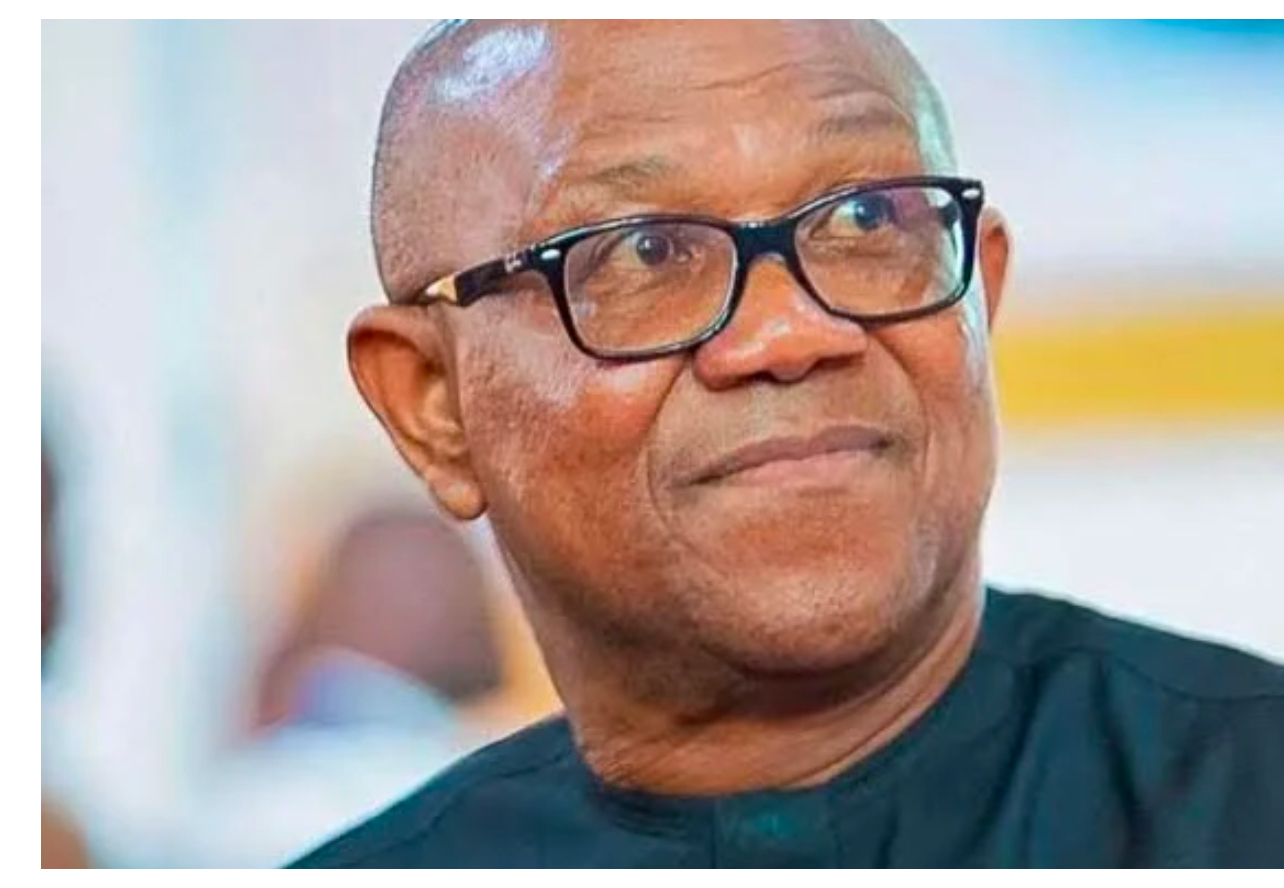
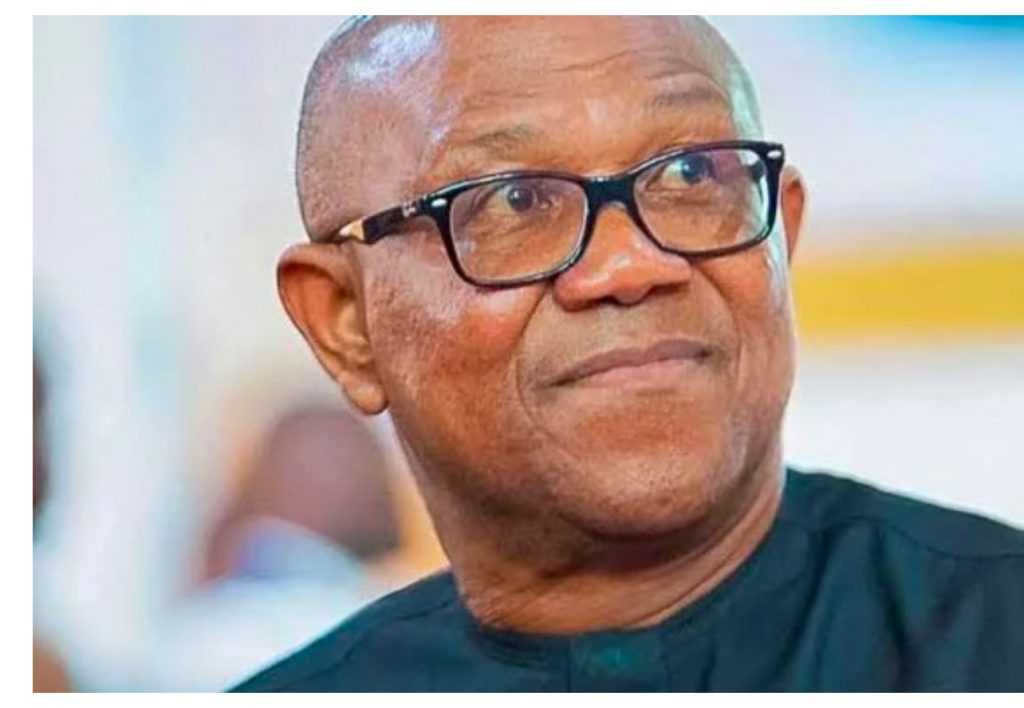
The presidential candidate of the Labour Party in the 2023 general election and a leading opposition figure ahead of the 2027 presidential election, Peter Obi.
The presidential candidate of the Nigeria Democratic Congress,
The Presidency has reacted to the ongoing dispute between former Anambra State Governor and presidential candidate of the Nigeria Democratic Congress, Peter Obi, and the state government over the state’s debts and financial liabilities.
Special Adviser to President Bola Tinubu on Information and Strategy, Bayo Onanuga, in a post on X on Wednesday, said Obi had claimed to have left Anambra without debt and challenged him to follow through on his pledge to quit the presidential race if his claim was disproved.
 Bayo Onanuga. US
File: Special Adviser to President Bola Tinubu on Information and Strategy, Bayo Onanuga.
Onanuga wrote, “Peter Obi claimed he left Anambra with a clean slate of debt and even threatened to quit the presidential race if his claims were proven otherwise.”
He added that the Anambra State Government had responded with claims concerning liabilities allegedly left by the former governor’s administration.
“Now, the Anambra government has confronted him with facts and figures showing he owed Water Corporation workers, teachers, and pension and gratuities, and had also borrowed for frivolous things,” Onanuga said.
“The ball is back in his court. Will he follow through on his threat by quitting the race?” he asked.
Anambra govt disputes Obi’s ₦2.13bn ecological fund claim
The reaction followed a fresh response by the Anambra State Government to Obi’s Tuesday denial of claims that his administration left behind inherited debts, including a ₦2bn ecological fund, contractor liabilities and unpaid salaries, gratuities and pensions.
Obi had said his administration cleared more than ₦35bn in historical gratuities and arrears and left office without outstanding salary, pension or gratuity obligations.
He also disputed the government’s claim concerning the ecological fund, saying more than ₦2.13bn was left untouched in a First Bank account for the Oko/Umuchiana erosion crisis.
Soludo
File: Governor Charles Soludo of Anambra State
However, in a statement on Wednesday, Anambra State Commissioner for Information and Value Reformation, Law Mefor, disputed Obi’s account, saying the account he identified was an Internally Generated Revenue Consolidated Revenue Account and not an ecological fund account.
Mefor said the government obtained a certified printout of the account and claimed that “from 2011 when the account was opened until date, there has never been any such amount—whether as inflow or balance—in the account.”
Obi had challenged anyone who could establish that his account of the state’s finances was incorrect, saying, “If anybody can establish anything to the contrary, I will stop campaigning.”
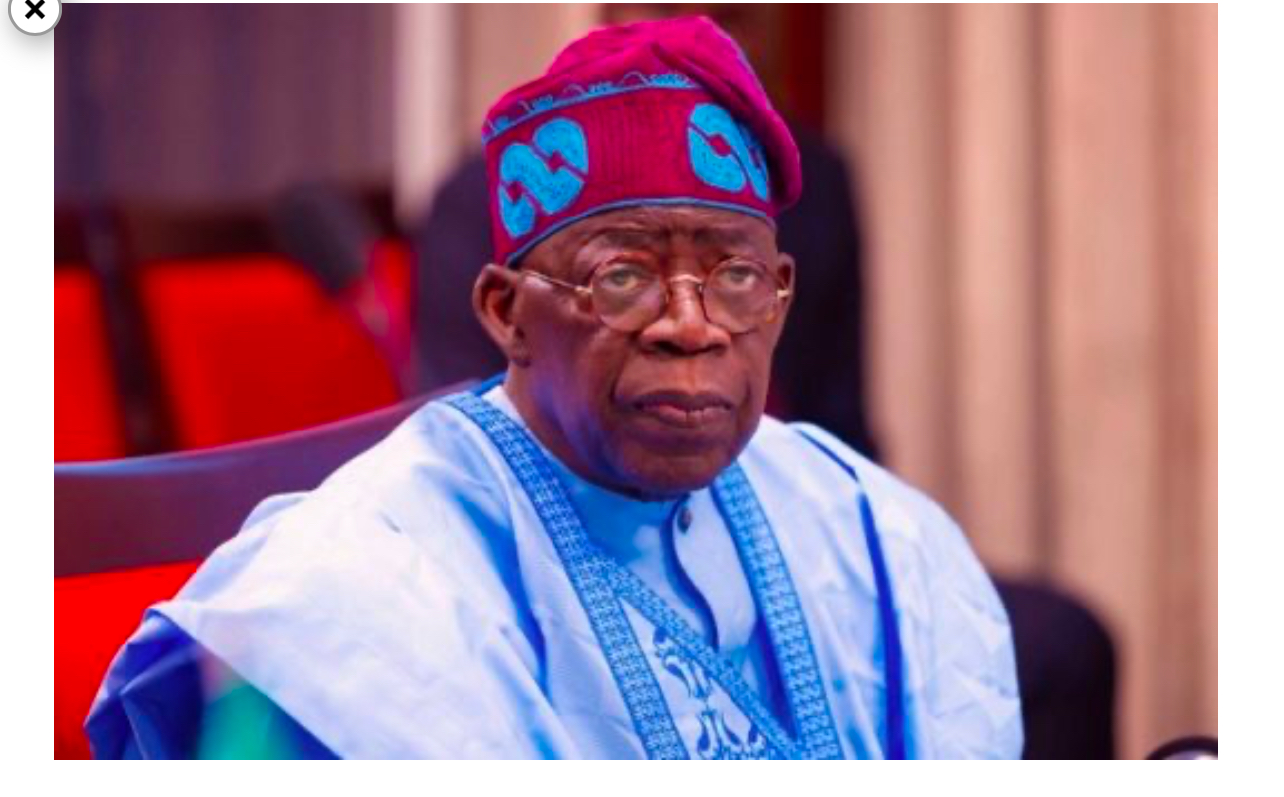
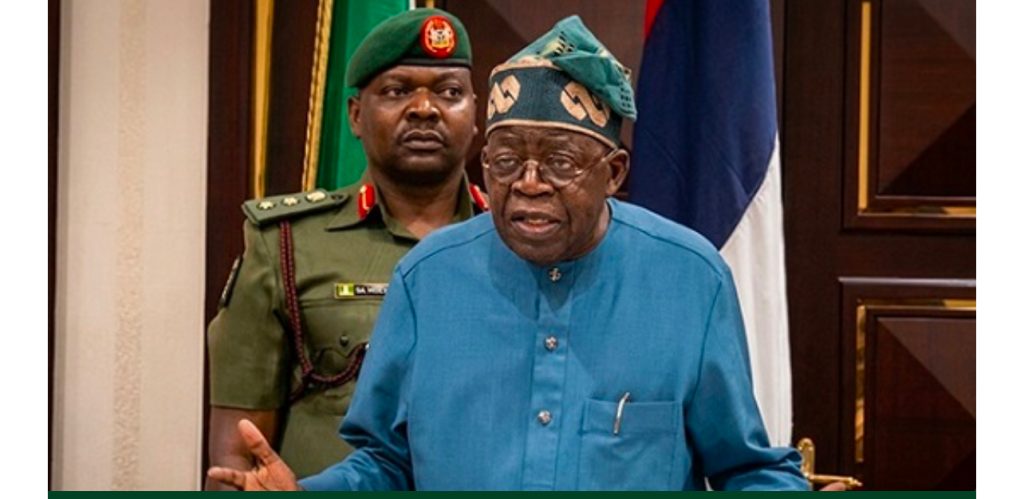
President Bola Tinubu has directed the Secretary to the Government of the Federation, George Akume, to ensure the release of all funds approved for the regional commissions.
Tinubu gave the directive on Monday at the North Central Development Commission Summit, themed “The Great Leap Forward: A 20-Year Economic Infrastructure and Social Development Plan for the North Central Region.”
Akume, who represented the President at the summit, said the creation of regional development commissions was part of the administration’s Renewed Hope Agenda to accelerate development across the country.
“Government will continue to give the NCDC and other Regional Development Commissions the political and financial backing to embark on key projects that will unlock the economic and industrial potentials of the nation.
“I therefore direct the Secretary to the Government of the Federation to ensure that all funds accruable to the Commissions are released as and when due,” he said.
The President, however, said the commissions should not rely solely on government funding, urging them to explore public-private partnerships, donor funding and development financing for transformative projects.
He said the commissions were expected to focus on major projects in rail, air transportation, industrialisation, security, investment, human capital development, education and health.
Tinubu also warned the boards and management of the commissions against corruption, marginalisation, politicisation and misuse of government resources.
“Such actions will not be tolerated, and government will not hesitate to sanction anyone found culpable,” he said.
The President said the regional commissions were not established to replace or duplicate the functions of state and local governments or existing federal institutions.
He said the North Central Development Commission should support efforts to address the security challenges in the region, stressing that development could only take place in a stable environment.
Meanwhile, the Nasarawa State Governor and Chairman of the North Central Governors’ Forum, Abdullahi Sule, said the region possessed the human and natural resources needed to drive economic development.
Sule said the region had demonstrated its capacity in agriculture, mining and industrial production, stressing the need to move from the extraction of raw materials to processing and value addition.
“When you are mining in North Central, you must also process in North Central,” the governor said.
He cited the establishment of a cement factory in Kogi State as an example of how local processing could transform Nigeria’s economy.
The governor said Nasarawa State, which had more than 400 steel licences when he assumed office in 2019, previously had no processing plant despite its mineral resources.
He said the state had since become home to the country’s largest and second-largest lithium processing plants.
“The North Central is the home of Benue cement. The North Central is the home of rice production. The North Central is the home of sesame production. So we have it all. Whatever it is that we are looking for, we have it,” Sule said.
He said what the region needed was leadership capable of developing and implementing long-term plans.
“What do we need more? We need thinkers. We need implementers. We need people who understand what it means to lead,” he said.
Sule also commended the Tinubu administration’s economic reforms, saying the policies had increased revenues available to the federal, state and local governments.
“Today, we are paying salaries without borrowing money from the bank. Even if you hate him, you cannot hate his policies. Even if you disagree with him, you cannot disagree with his policies. And that is the only way we can build,” he said.
Earlier, the Chief Executive Officer of the North Central Development Commission, Cyril Tsenyil said the commission’s role was to coordinate regional development and mobilise resources and partnerships rather than replace the six state governments and the Federal Capital Territory.
He said the commission’s 20-year plan would focus on developing regional economic corridors, processing agricultural and mineral resources, improving infrastructure and creating opportunities for young people.
He said the region should aspire to become one of Africa’s most competitive agricultural regions rather than merely being known as Nigeria’s agricultural hub.


-
 news6 years ago
UPDATE: #ENDSARS: CCTV footage of Lekki shootings intact – Says Sanwo – Olu
-
 lifestyle6 years ago
Former Miss World: Mixed reactions trail Agbani Darego’s looks
-
 health6 years ago
Chairman Agege LG, Ganiyu Egunjobi Receives Covid-19 Vaccines
-
 lifestyle5 years ago
Obateru: Celebrating a Quintessential PR Man at 60
-
 news1 year ago
BREAKING: Tinubu swears in new NNPCL Board
-
 health6 years ago
UPDATE : Nigeria Records 790 new cases of COVID-19
-
 entertainment2 years ago
Ashny Set for Valentine Special and new Album ‘ Femme Fatale’
-
 health6 years ago
BREAKING: Nigeria confirms 663 new cases of COVID-19