
news
Update: Energy crisis: Petrol scarcity to persist

….Petrol subsidy could hit N6trn by end of year, IMF warns
…PENGASSAN cites bridging cost, says high diesel price affecting trucking of petrol by tankers
…Adds sole importation, inadequate funds, others can’t guarantee supply
…As MOMAN canvasses full downstream deregulation, says inadequate supply responsible for scarcity
Indications emerged yesterday that the ongoing fuel scarcity in the country may not abate soon, as major stakeholders in the sector are currently expressing divergent views as to the cause(s) of the crisis.
While the Petroleum and Natural Gas Senior Staff Association of Nigeria, PENGASSAN, said there is sufficient stock of the product to serve the nation for some weeks, which seemed to be the position of the Nigerian National Petroleum Corporation Limited, another major stakeholder, the Major Oil Marketers Association of Nigeria, MOMAN, said the product available is inadequate to serve the nation, noting that the shortage was fueled by fundamental issues and problems in the sector.
PENGASSAN blamed the current scarcity on difference in the bridging gap cost between when the cost of diesel was N250 per litre and now that it had risen to as much as N820.
Speaking at an electronic medium monitored in Lagos yesterday, President of PENGASSAN, Mr. Festus Osifo, said: “Nigerian Midstream and Downstream Petroleum Regulatory Authority, NMDPRA and truck drivers are the ones administering the bridging fund.
“At a particular time, they agreed with truck drivers that the bridging fund is going to be about N10 per litre, depending on the destination you are going to all over the country.
“As at when they agreed, the cost of diesel was about N250, so it was fashionable and the N10 was okay, but today, the cost of diesel is over N700. It has tripled.
“So, the expectations from the tanker drivers is that since the cost has gone up, instead of paying N10.40 kobo as the case may be, you have to multiply it by three. This is a major problem. As at today, we have close to two billion litres of PMS, so the problem is not the stock.’’
He explained that while the stock is available, most truck drivers are not willing to move these products, “because of the previous problem I just enumerated.
“One of the issues again is that today, NNPC is the sole importer of PMS, so they import PMS into the country, and this PMS is brought to the high sea, so they rent some smaller vessels to bunker the PMS and take to the various tank farms or depots.
“So, if it’s the NNPC depots and you are loading from the NNPC depots, you are going to pay about N148 as the ex-depot price. But some of the PMS are also stored in private depots and those private depots don’t sell to retailers for N148; they add some premium to it. At the end of the day, they sell between N152, N155, N160 and N162.”
Inadequate supply, other challenges abound — MOMAN
Countering this at a virtual meeting monitored yesterday in Lagos, the Chairman of MOMAN, Mr. Olumide Adeosun and the Chief Executive Officer, MOMAN, Mr. Clement Isong, jointly observed that the current scarcity of petrol was occasioned by supply inadequacy in the last few weeks, which was worsened by the scarcity and rising price of Automotive Gas Oil (diesel), which tanker drivers depend on to move petrol from the depots to the filling stations.
They said: “MOMAN, as an association, fears that the current supply framework cannot guarantee steady and consistent supplies to the country, given the current state of government finances and unpredictable international supply shortages.”
Full downstream deregulation is key
The duo, who canvassed deregulation, said: “We recommend a gradual price deregulation with targeted palliatives (e.g. transport and agricultural subsidies) to the public to ease implementation.
“However, in the interim, MOMAN recommends that the current single supplier strategy be reviewed. The Federal Ministry of Petroleum Resources, in collaboration with the Ministry of Finance and other relevant MDAs, should set up a task force to immediately focus on increasing diesel supply through accelerated initiatives to increase local modular refining capacity. This move will tackle the supply and distribution challenges.
“There should be phased rehabilitation of existing NNPC refineries to hasten supply of middle distillates (AGO & ATK). MOMAN recognizes and closely associates with the need to ease challenges, with respect to high energy and transportation costs occasioned by extraneous circumstances.
“MOMAN shall continually do its best to distribute petrol to its customers across the country and keep exploring opportunities to partner with industry stakeholders, The Authority and the government should ensure the sustainability and institutionalization of a viable petroleum downstream sector in Nigeria.
“The full deregulation of the petroleum downstream sector and full implementation of the Petroleum Industry Act (PIA) 2021 clearly remains the most viable long-term solution to the country’s supply and distribution challenges.”
Ukraine-Russian war factor
In any case, an investigation by Vanguard indicated that the outbreak of the Ukraine – Russian war and ban on Russian oil and gas, have culminated in scarcity and rising prices globally.
Consequently, Nigeria remains one of the most affected nations because of its over-dependence on imported petroleum products at the expense of the nation’s scarce foreign exchange, thus over-stretching the capacity of government to import.
Legislators postpone dialogue with stakeholders
Meanwhile, the House of Representatives yesterday postponed its meeting with the major stakeholders in the downstream sector from yesterday to Friday this week, following the taking of permission and absent of major stakeholders.
However, the meeting was targeted at finding lasting solution to the nation’s prolonged energy crisis.
Specifically, those expected at the public hearing include the Nigerian National Petroleum Corporation (NNPC) Company limited represented by the GMD, Mr. Mele Kyari, the Minister of State for Petroleum, Timipre Sylva, the Chief Executive Officer of the NMDPRA, the Managing Director of the Nigerian Gas Company (NGC) and that of the Nigerian Gas Marketing Company (NGMC), two subsidiaries of NNPC Limited and others.
The lawmakers had in a letter signed by the Chairman of the Joint Committee on Petroleum Resources (Downstream) Hon. Mahmud Gaya, invited the heads of the organisations for the hearing.
But addressing the House, the Chairman of the joint committee, Gaya said he received communication from the GMD and the minister who said they would not be able to make it because they were also in another meeting at the time.
Long fuel queues, other woes remain
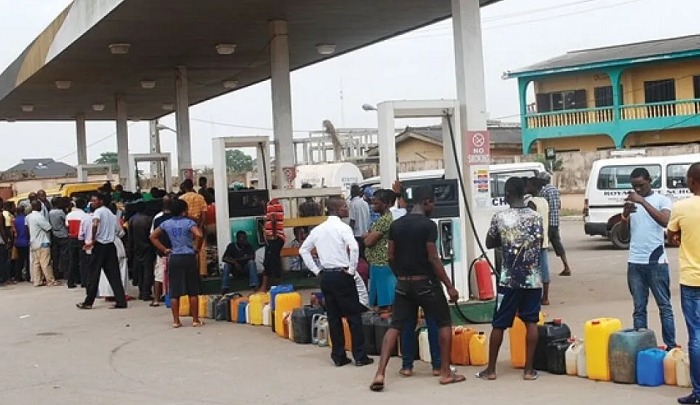
However, the queues remained visible at many filling stations across the nation, yesterday, due to lack of adequate supply.
Transporters, who managed to get supply at the prevailing black market price, ranging from N200 to N300, increased fares to cover cost.
This, it was gathered, has already culminated in the general increase in the prices of basic services and goods, including commodities, a development worsened by epileptic power supply and high prices of cooking gas as well as aviation fuel.
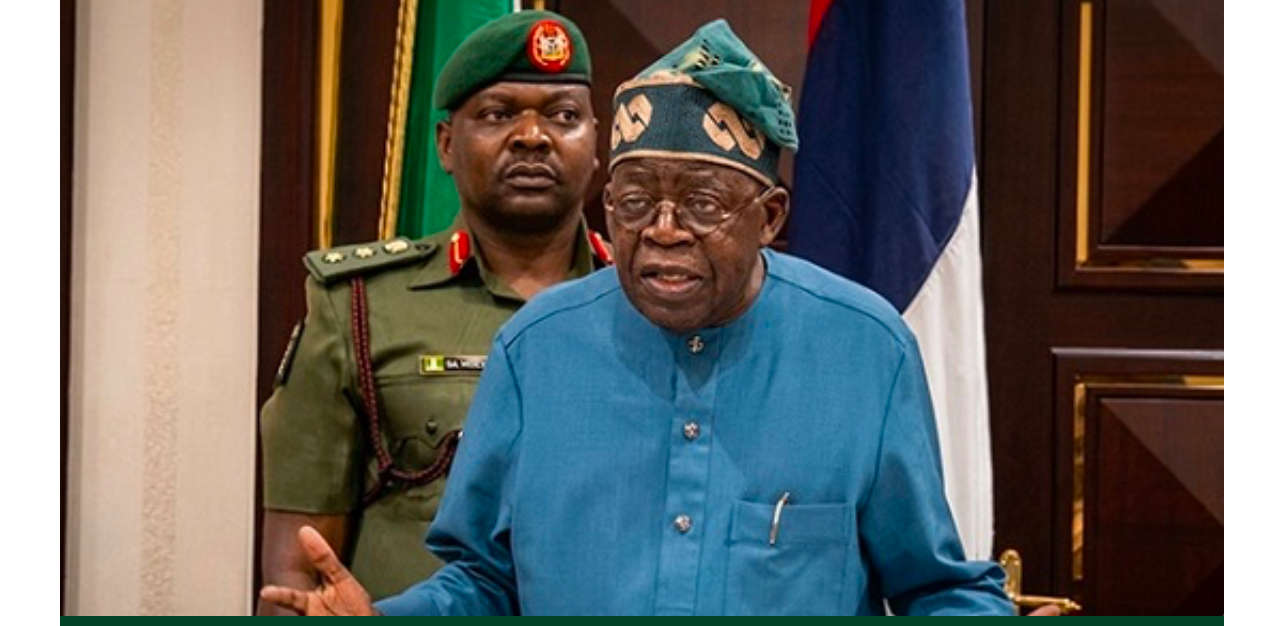
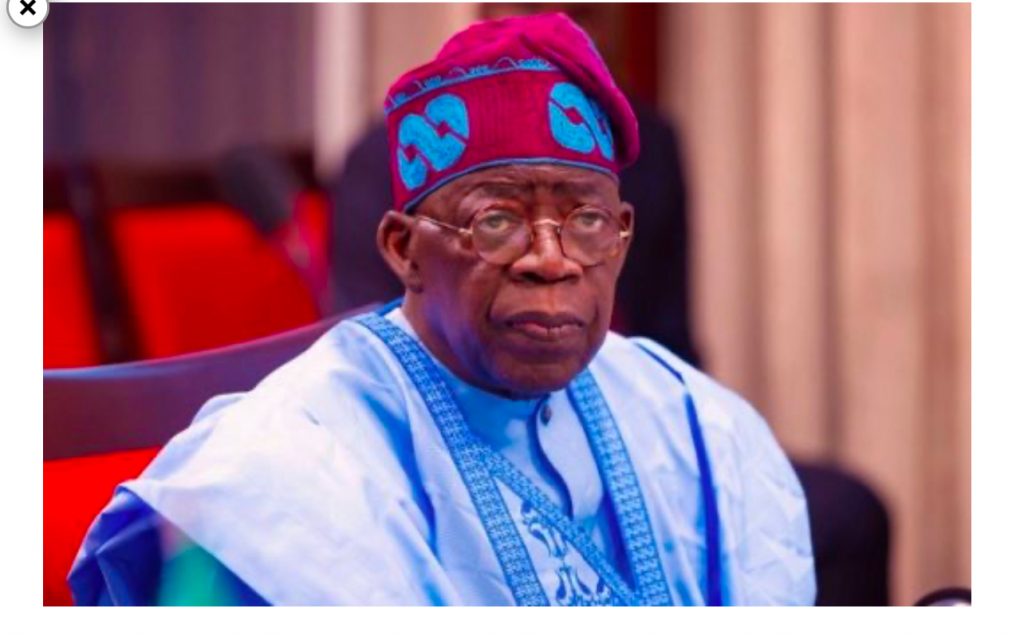 President Bola Tinubu has urged the National Identity Management Commission (NIMC) to work towards achieving 95 per cent National Identity Number (NIN) coverage by December 2026.
The President gave the directive at the State House, Abuja, while delivering the keynote address at the 2026 National Identity Day celebration organised by NIMC.
He acknowledged NIMC’s excellent work so far, noting that National Identity Number (NIN) enrolment peaked at about 142 million, up from over 80 million Nigerians captured in the National Identity Database when he assumed office more than three years ago.
President Tinubu was represented at the event by his Chief of Staff, Hon. Femi Gbajabiamila. The event had the theme: “Nigeria’s digital public ecosystem: powering Africa’s digital economy.”
It was attended by the representative of Vice President Kashim Shettima, Senator Ibrahim Hadejia; the Secretary to the Government of the Federation (SGF), Senator George Akume; the Minister of Interior, Dr Olubunmi Tunji-Ojo; and the Minister of Education, Dr Tunji Alausa, amongst others.
President Tinubu said the target should be pursued through expanded ward-level enrolment, mobile registration initiatives and continued deployment of licensed enrolment networks. Government
The President noted that his administration’s vision goes beyond NIN coverage, stating that Nigeria “must build an identity system that is continuously useful, secure and responsive to the needs of Nigerians.”
“We are laying the foundations for a future of integrated digital services, including e-health records, e-transport systems and a more harmonised national data architecture.
“We must do this while protecting the rights, privacy and dignity of our citizens. The digital state must never become a state without accountability.
“Our commitment must therefore remain clear: innovation must be matched by responsibility. Efficiency must be matched by inclusion, security must be matched by trust. And digital transformation must ultimately improve the lives of ordinary Nigerians,” President Tinubu said.
The President, who commended the Director General of NIMC, Engr Abisoye Coker-Odusote, for a job well done over the past three years, called on Nigerians who have not obtained their NIN to do so, saying their NIN represents their connection to a modern Nigerian state.
Tinubu also applauded this year’s National Identity Day theme as very important, saying “Nigeria’s digital ecosystem must power Nigeria’s digital economy–and Nigeria’s digital economy must help power Africa’s.”
The President further said National Identity remains the engine room for the government’s Renewed Hope Agenda, noting that identity transformation is contributing directly to the government’s priorities.
“The NIMC ecosystem has created opportunities for thousands of Nigerians across the country. With more than 173 private companies, 30 state governments and 14 public sector institutions approved as licensed enrolment agents, the identity ecosystem is generating employment for enrolment officers, data professionals, supervisors, technology specialists and other support personnel. This is a digital infrastructure creating real economic opportunity,” he said. NigeriaNews Subscription
Speaking on the significance of national identity to Nigeria’s national security, President Tinubu said the two are linked, describing the connection as indispensable.
“A secure identity system is indispensable to a secure nation. By strengthening identity verification and enabling responsible information sharing across relevant government institutions, we are improving our capacity to combat identity fraud, financial crimes and other threats to national security.
“The ongoing collaboration among institutions, including the Nigeria Police Force, Nigeria Immigration Service, and the Economic and Financial Crimes Commission, demonstrates what is possible when government systems work together,” President Tinubu said. GeographicReference
The Minister of Interior, Dr Olubunmi Tunji- Ojo, also praised the Director General of NIMC for delivering excellent work with little supervision, saying she has shown appreciable leadership.
He said the President expected more from her and her team, adding that Nigerians need wider, easier, and more convenient access to identity services, including for Nigerians in the diaspora.
“We need more in providing a trusted national public key infrastructure and digital public infrastructure that support secure digital identity, authentication and electronic trust services, more in including a stronger foundation for Nigeria’s digital economy, digital governance and long-term national development,” Tunji-Ojo said. GeographicReference
The Director General of NIMC, Abisoye Coker-Odusote, in her remarks, commended President Tinubu and the Minister of Interior for their support, saying it has brought about a total transformation of Nigeria’s identity and existence.
She said, “Our reach tells its own story. Enrolments have grown from less than 100 million to over 142 million Nigerians and legal residents. The engine behind that growth is the ward-to-ward Enrolment Project, undertaken directly under Mr President’s initiative. NigeriaNews Subscription
“This project carried our officers into all 8, 8,809 boards of this Federation and mobilised the National Youth Service Corps members as adult enrolment officers in connection with front-end partners in communities that had never before hosted an enrolment desk.
“Alongside it, we launched the Self- Service Notification Platform, which has already processed close to two million record updates, turning a process that once took weeks in two communities into one that takes 24 to 48 hours directly from a citizen’s phone.”
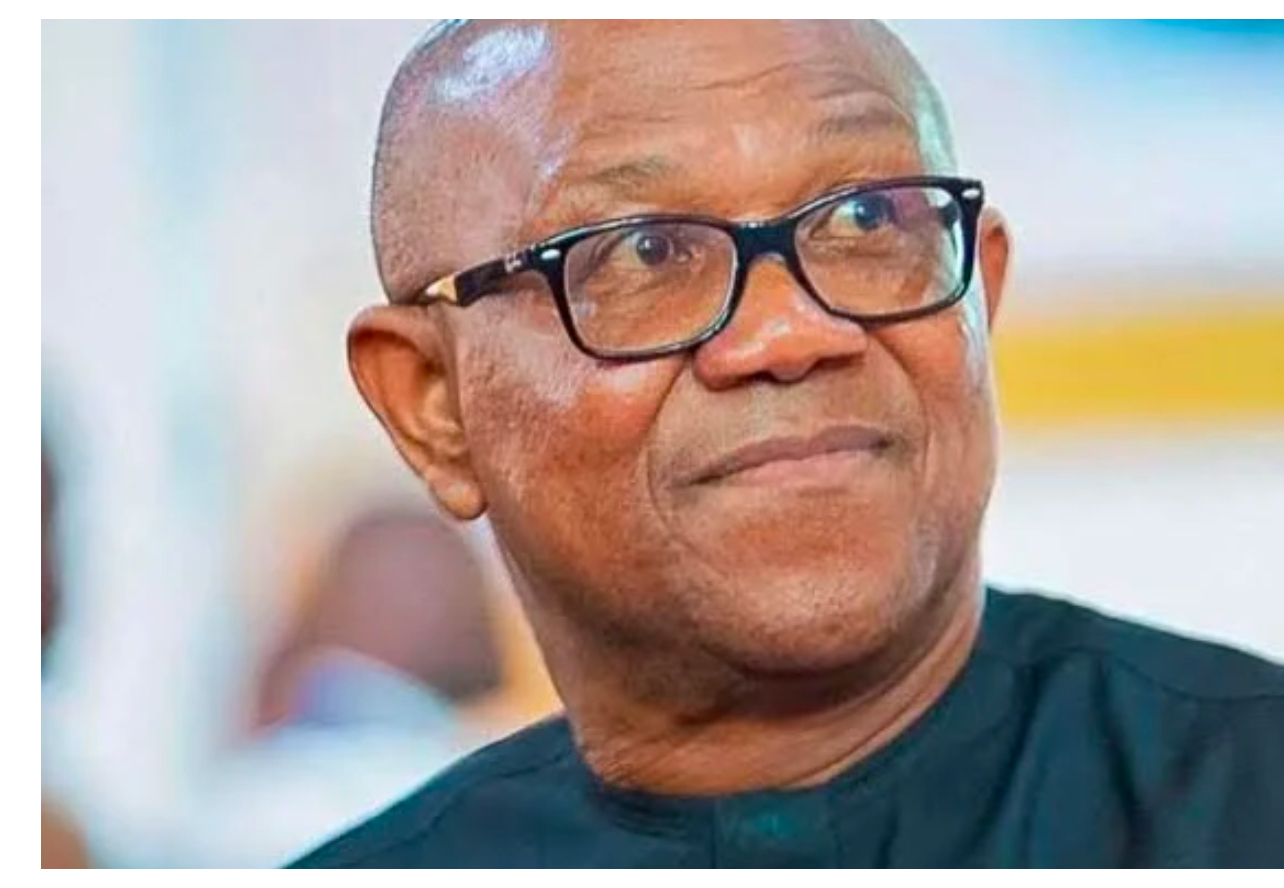
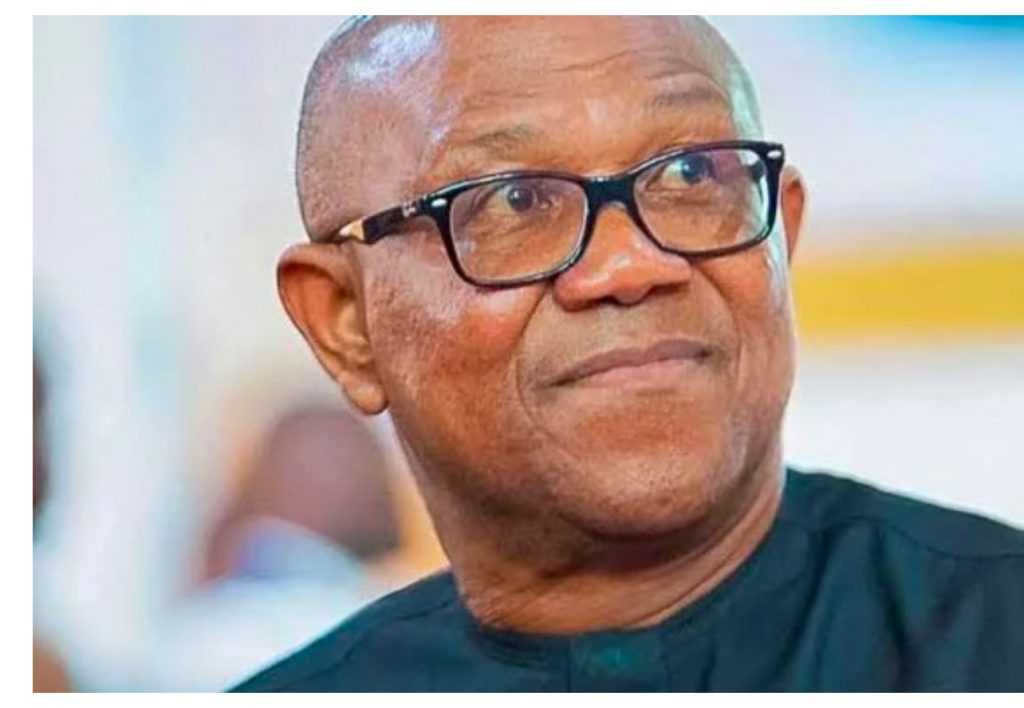
The presidential candidate of the Labour Party in the 2023 general election and a leading opposition figure ahead of the 2027 presidential election, Peter Obi.
The presidential candidate of the Nigeria Democratic Congress,
The Presidency has reacted to the ongoing dispute between former Anambra State Governor and presidential candidate of the Nigeria Democratic Congress, Peter Obi, and the state government over the state’s debts and financial liabilities.
Special Adviser to President Bola Tinubu on Information and Strategy, Bayo Onanuga, in a post on X on Wednesday, said Obi had claimed to have left Anambra without debt and challenged him to follow through on his pledge to quit the presidential race if his claim was disproved.
 Bayo Onanuga. US
File: Special Adviser to President Bola Tinubu on Information and Strategy, Bayo Onanuga.
Onanuga wrote, “Peter Obi claimed he left Anambra with a clean slate of debt and even threatened to quit the presidential race if his claims were proven otherwise.”
He added that the Anambra State Government had responded with claims concerning liabilities allegedly left by the former governor’s administration.
“Now, the Anambra government has confronted him with facts and figures showing he owed Water Corporation workers, teachers, and pension and gratuities, and had also borrowed for frivolous things,” Onanuga said.
“The ball is back in his court. Will he follow through on his threat by quitting the race?” he asked.
Anambra govt disputes Obi’s ₦2.13bn ecological fund claim
The reaction followed a fresh response by the Anambra State Government to Obi’s Tuesday denial of claims that his administration left behind inherited debts, including a ₦2bn ecological fund, contractor liabilities and unpaid salaries, gratuities and pensions.
Obi had said his administration cleared more than ₦35bn in historical gratuities and arrears and left office without outstanding salary, pension or gratuity obligations.
He also disputed the government’s claim concerning the ecological fund, saying more than ₦2.13bn was left untouched in a First Bank account for the Oko/Umuchiana erosion crisis.
Soludo
File: Governor Charles Soludo of Anambra State
However, in a statement on Wednesday, Anambra State Commissioner for Information and Value Reformation, Law Mefor, disputed Obi’s account, saying the account he identified was an Internally Generated Revenue Consolidated Revenue Account and not an ecological fund account.
Mefor said the government obtained a certified printout of the account and claimed that “from 2011 when the account was opened until date, there has never been any such amount—whether as inflow or balance—in the account.”
Obi had challenged anyone who could establish that his account of the state’s finances was incorrect, saying, “If anybody can establish anything to the contrary, I will stop campaigning.”
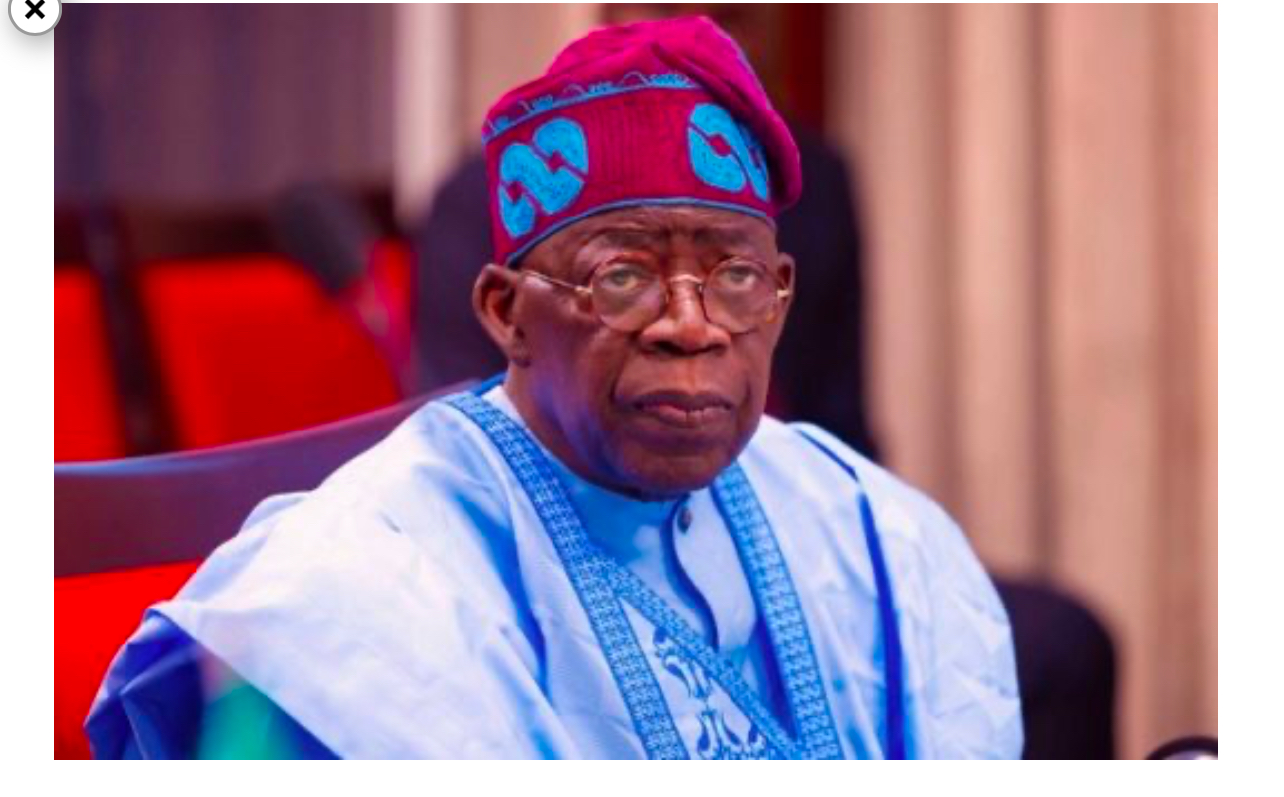
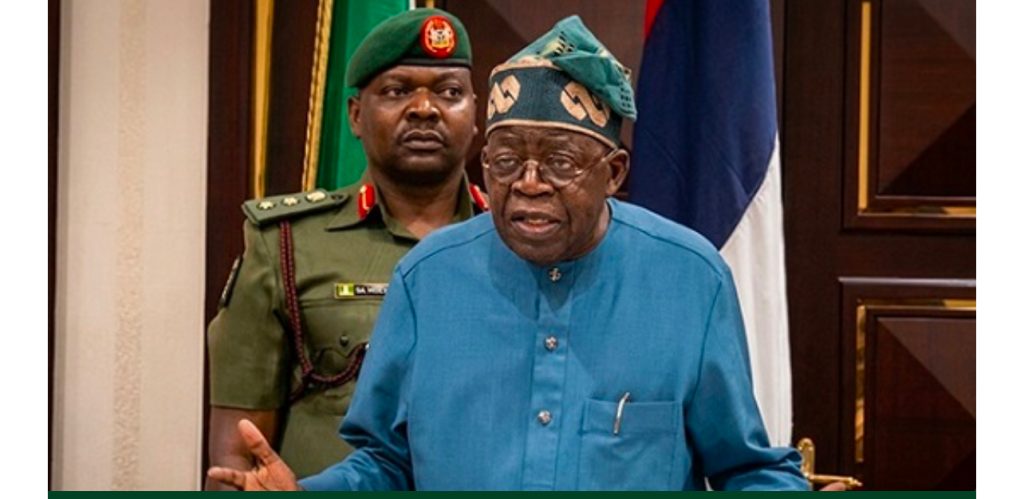
President Bola Tinubu has directed the Secretary to the Government of the Federation, George Akume, to ensure the release of all funds approved for the regional commissions.
Tinubu gave the directive on Monday at the North Central Development Commission Summit, themed “The Great Leap Forward: A 20-Year Economic Infrastructure and Social Development Plan for the North Central Region.”
Akume, who represented the President at the summit, said the creation of regional development commissions was part of the administration’s Renewed Hope Agenda to accelerate development across the country.
“Government will continue to give the NCDC and other Regional Development Commissions the political and financial backing to embark on key projects that will unlock the economic and industrial potentials of the nation.
“I therefore direct the Secretary to the Government of the Federation to ensure that all funds accruable to the Commissions are released as and when due,” he said.
The President, however, said the commissions should not rely solely on government funding, urging them to explore public-private partnerships, donor funding and development financing for transformative projects.
He said the commissions were expected to focus on major projects in rail, air transportation, industrialisation, security, investment, human capital development, education and health.
Tinubu also warned the boards and management of the commissions against corruption, marginalisation, politicisation and misuse of government resources.
“Such actions will not be tolerated, and government will not hesitate to sanction anyone found culpable,” he said.
The President said the regional commissions were not established to replace or duplicate the functions of state and local governments or existing federal institutions.
He said the North Central Development Commission should support efforts to address the security challenges in the region, stressing that development could only take place in a stable environment.
Meanwhile, the Nasarawa State Governor and Chairman of the North Central Governors’ Forum, Abdullahi Sule, said the region possessed the human and natural resources needed to drive economic development.
Sule said the region had demonstrated its capacity in agriculture, mining and industrial production, stressing the need to move from the extraction of raw materials to processing and value addition.
“When you are mining in North Central, you must also process in North Central,” the governor said.
He cited the establishment of a cement factory in Kogi State as an example of how local processing could transform Nigeria’s economy.
The governor said Nasarawa State, which had more than 400 steel licences when he assumed office in 2019, previously had no processing plant despite its mineral resources.
He said the state had since become home to the country’s largest and second-largest lithium processing plants.
“The North Central is the home of Benue cement. The North Central is the home of rice production. The North Central is the home of sesame production. So we have it all. Whatever it is that we are looking for, we have it,” Sule said.
He said what the region needed was leadership capable of developing and implementing long-term plans.
“What do we need more? We need thinkers. We need implementers. We need people who understand what it means to lead,” he said.
Sule also commended the Tinubu administration’s economic reforms, saying the policies had increased revenues available to the federal, state and local governments.
“Today, we are paying salaries without borrowing money from the bank. Even if you hate him, you cannot hate his policies. Even if you disagree with him, you cannot disagree with his policies. And that is the only way we can build,” he said.
Earlier, the Chief Executive Officer of the North Central Development Commission, Cyril Tsenyil said the commission’s role was to coordinate regional development and mobilise resources and partnerships rather than replace the six state governments and the Federal Capital Territory.
He said the commission’s 20-year plan would focus on developing regional economic corridors, processing agricultural and mineral resources, improving infrastructure and creating opportunities for young people.
He said the region should aspire to become one of Africa’s most competitive agricultural regions rather than merely being known as Nigeria’s agricultural hub.


-
 news6 years ago
UPDATE: #ENDSARS: CCTV footage of Lekki shootings intact – Says Sanwo – Olu
-
 lifestyle6 years ago
Former Miss World: Mixed reactions trail Agbani Darego’s looks
-
 health6 years ago
Chairman Agege LG, Ganiyu Egunjobi Receives Covid-19 Vaccines
-
 lifestyle5 years ago
Obateru: Celebrating a Quintessential PR Man at 60
-
 news1 year ago
BREAKING: Tinubu swears in new NNPCL Board
-
 health6 years ago
UPDATE : Nigeria Records 790 new cases of COVID-19
-
 entertainment2 years ago
Ashny Set for Valentine Special and new Album ‘ Femme Fatale’
-
 health6 years ago
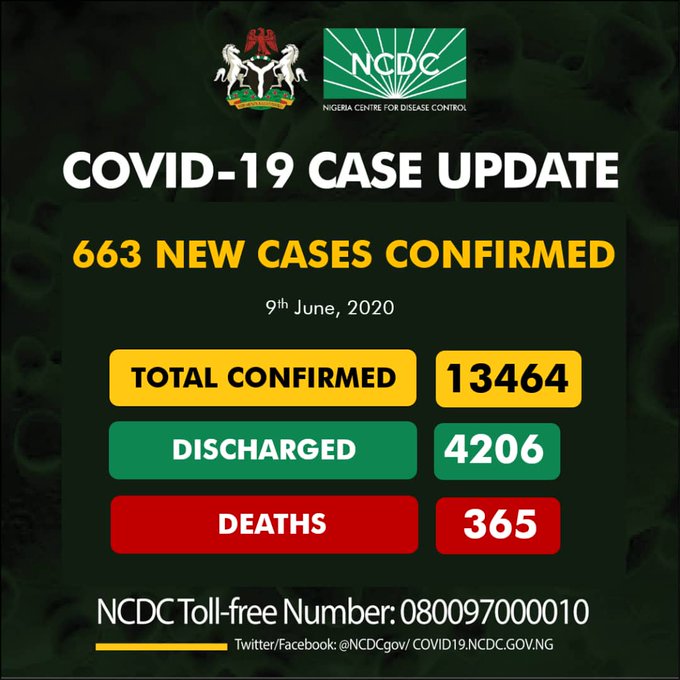
BREAKING: Nigeria confirms 663 new cases of COVID-19