
news
Breaking : Sanwo-Olu, Promises to Enforce Monthly Rental Scheme Policy Before End of the Year

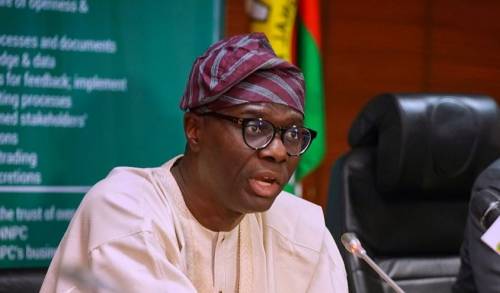
The Special Adviser to Lagos State Governor on Housing, Barakat Odunuga-Bakare, has disclosed that the state’s monthly rental scheme will be enforced before the end of 2024 or early next year.
She stated it during a recent press briefing of the Lagos State Real Estate Regulatory Authority in Ikeja, Lagos.
She said, “We all see what is being done in other climes, rents are collected monthly. Hence, we are looking and hoping that before the end of the year, or by early next year, we will be able to implement the policy of monthly rental. Also, the rental would be charged according to tenants’ earnings.
“The good part about it is that we would be test-running it first within the public sector since we can ascertain how much everybody is earning, and once we see that it works in the public sector, we can now push it out to the private sector.”
Odunuga-Bakare reiterated that the N5bn allocated for the monthly rental scheme was still set aside and untouched.
She added that the fact that the scheme was slow to take off showed that the Lagos State Government was still trying to perfect one thing or the other.
She noted, “The last administration that initiated the monthly rental scheme was coming to an end when the scheme was to be introduced. Now, we have a new administration and the governor wants the scheme to come into effect by the end of this year or early next year.”
Recall that in 2021, the Governor of Lagos State, Babajide Sanwo-Olu, had said the current rental model in which people pay yearly rent in advance to property owners has become inadequate to address contemporary realities in the housing sector, especially in cities where demand for property is high and expensive.
Sanwo-Olu advocated rental policy
The governor advocated a monthly rental system, which he said would be affordable to low- and middle-income earners pressured by the yearly rent obligation.
Sanwo-Olu made the recommendation at the 10th meeting of the National Council on Lands, Housing and Urban Development held in Lagos recently.
He urged policymakers to consider the suggestion and initiate a regulatory framework that would aid the transition to a new rental system.
The governor said Lagos was already working out monthly rent modalities to accommodate residents not keen on the state’s homeownership scheme.
He said, “In Lagos, we operate a very robust rent-to-own programme of five per cent down payment and six per cent simple interest rate payable over 10 years. We are working on another product, which is a purely rental system, where residents will pay monthly.”
The then Minister of Works and Housing, Babatunde Fashola, corroborated Sanwo-Olu’s position, stressing that the yearly rental system had created inequality in the housing supply and widened the affordability gap for low-income earners.
 The All Progressives Congress has confirmed that it plans to adopt a consensus approach for selecting its national leadership during the party’s convention scheduled for March 27–28, 2026, in Abuja.
The Assistant Secretary for Media and Publicity for the APC National Convention 2026, Mary Ikoku, disclosed the plan during an interview on Channels Television’s Sunrise Daily on Wednesday.
On the issue of elective positions during primaries, Ikoku said the party had not yet decided how these would be handled, noting that decisions may vary depending on local political dynamics.
She explained, “APC, for this convention, I am aware and can say that the party is adopting consensus for this convention. As to whether they are adopting consensus for elective positions, I do not have an answer to that because politics is local.
“So, I believe that, at the end of the day, when it comes to the issue of elective positions, the persons who would emerge aren’t often what you would want to make consensus in every space.”
Ikoku also addressed the Electoral Act’s provisions, which require political parties to register members online within a specified timeframe and outline acceptable methods for candidate selection.
She said these requirements posed challenges for some parties but reflected preparedness—or the lack thereof.
“We have an electoral law that defines the models for these elections. Direct primaries and consensus have been allowed, while indirect primaries have been taken out.
“That is the current law of the nation, passed and assented to. Now, why do you think other political parties will have issues with that?” she asked.
“That would be to say there are levels of unpreparedness of these political parties. Any political party that is worth its salt should not wait till election season to start preparing for the run for office and all of these congresses.
“It is something they would have planned ahead of time. So, when you are not proactive as a party, these kinds of situations can challenge you deeply,” she added.
Ahead of the convention, the party began screening aspirants for key positions in its National Working Committee , including National Chairman aspirant Nentawe Yilwatda and National Secretary hopeful Ajibola Basiru.
Other NWC members seeking to retain their posts include National Youth Leader Dayo Israel, Deputy National Chairman (North) Ali Bukar Dalori, National Legal Adviser Abdulkarim Abubakar Kana, National Woman Leader Mary Alile Idele, and National Publicity Secretary Felix Morka, among others.
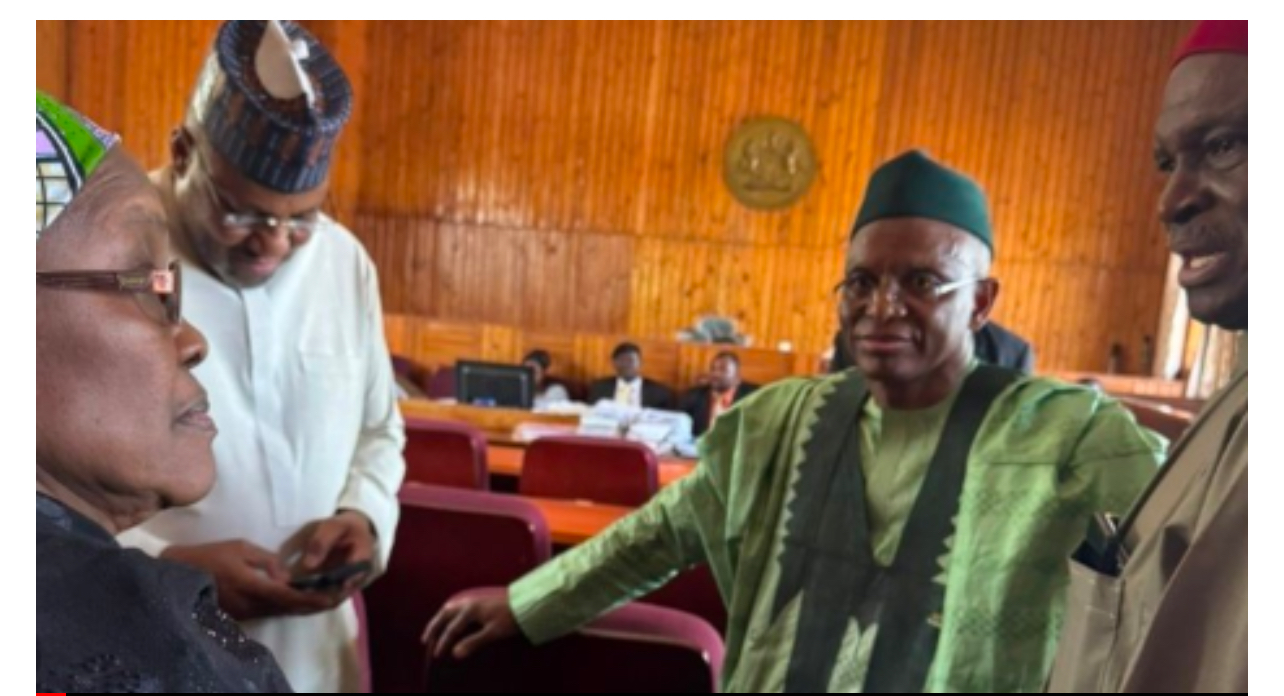
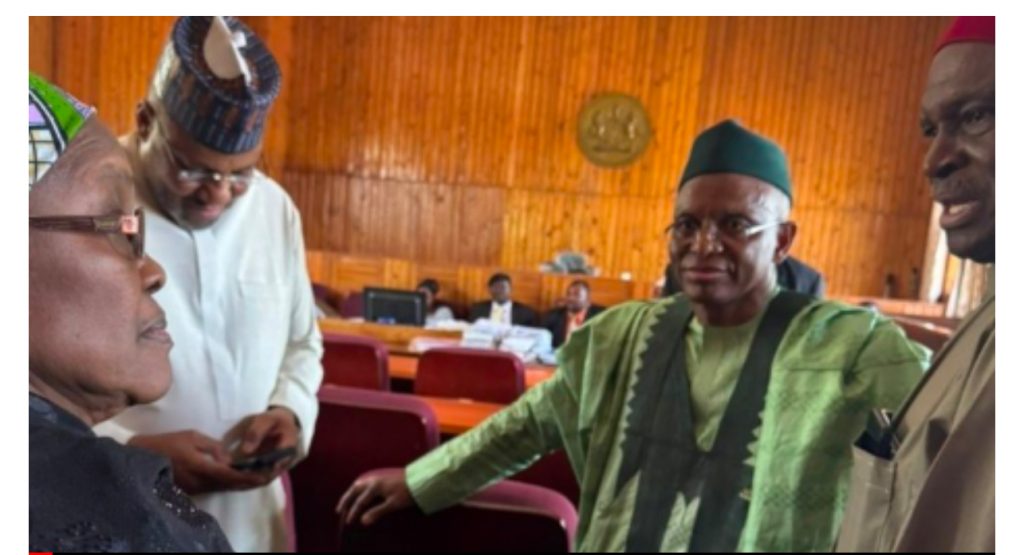
Security presence surged around the Federal High Court in Kaduna on Tuesday as operatives from multiple agencies were deployed ahead of the arraignment of former Kaduna State Governor, Nasir El-Rufai, over alleged corruption-related offences.
By about 7:00 a.m., heavily armed personnel of the Department of State Services, Nigeria Police Force, Mobile Police Force, and Nigeria Security and Civil Defence Corps had taken positions at strategic locations leading to the court complex situated within the old Nigerian Defence Academy area.
Access roads to the venue witnessed restrictions, forcing vehicles into a single lane from the Ungwan Sarki axis through Kawo and triggering early morning gridlock.
The heavy security followed a prior notice by the Independent Corrupt Practices and Other Related Offences Commission that it would arraign El-Rufai on Tuesday, March 24, 2026, before the Federal High Court sitting in Kaduna.
In a statement issued by its Head of Media and Public Communications, John Odey, the commission said the former governor would be docked alongside one Joel Adoga in suit number FHC/KD/73/2026.
The agency explained that the charges against the defendants include alleged conversion, unlawful possession of public property, and money laundering.
“The Independent Corrupt Practices and Other Related Offences Commission is set to arraign the former Governor of Kaduna State, Malam Nasir El-Rufa’i, and one Joel Adoga at the Federal High Court of Nigeria in the Kaduna Judicial Division on Tuesday, March 24, 2026. The charges range from conversion of and possession of public property to money laundering,” the statement read.
It further disclosed that another case, marked KDH/KAD/ICPC/01/26, had been instituted against El-Rufai and one Amadu Sule before a Kaduna State High Court.
According to the commission, the state charges border on abuse of office, fraud, intent to commit fraud, and conferring undue advantage.
“Similarly, another charge against Malam Nasir El-Rufa’i and one Amadu Sule has been filed before a Kaduna State High Court in the Kaduna Judicial Division. The charges range from abuse of office and fraud to intent to commit fraud and conferring undue advantage, among others,” the statement added.
The ICPC said both cases were filed on March 18, 2026, adding that a date for arraignment in the state court would be announced later.
It also insisted that El-Rufai had been properly served, stressing its adherence to due process and the rule of law.
The development came amid growing pressure from stakeholders, including the African Democratic Congress, which called for his immediate release or arraignment, describing his continued detention without formal charges as unconstitutional.
In the same vein, the Muslim Rights Concern criticised his prolonged detention, while members of his family also alleged a breach of his fundamental rights.
El-Rufai was first arrested by the Economic and Financial Crimes Commission on February 16, 2026, granted bail two days later, and subsequently re-arrested by the ICPC.
He has remained in the custody of the anti-graft agency since then, pending his arraignment.
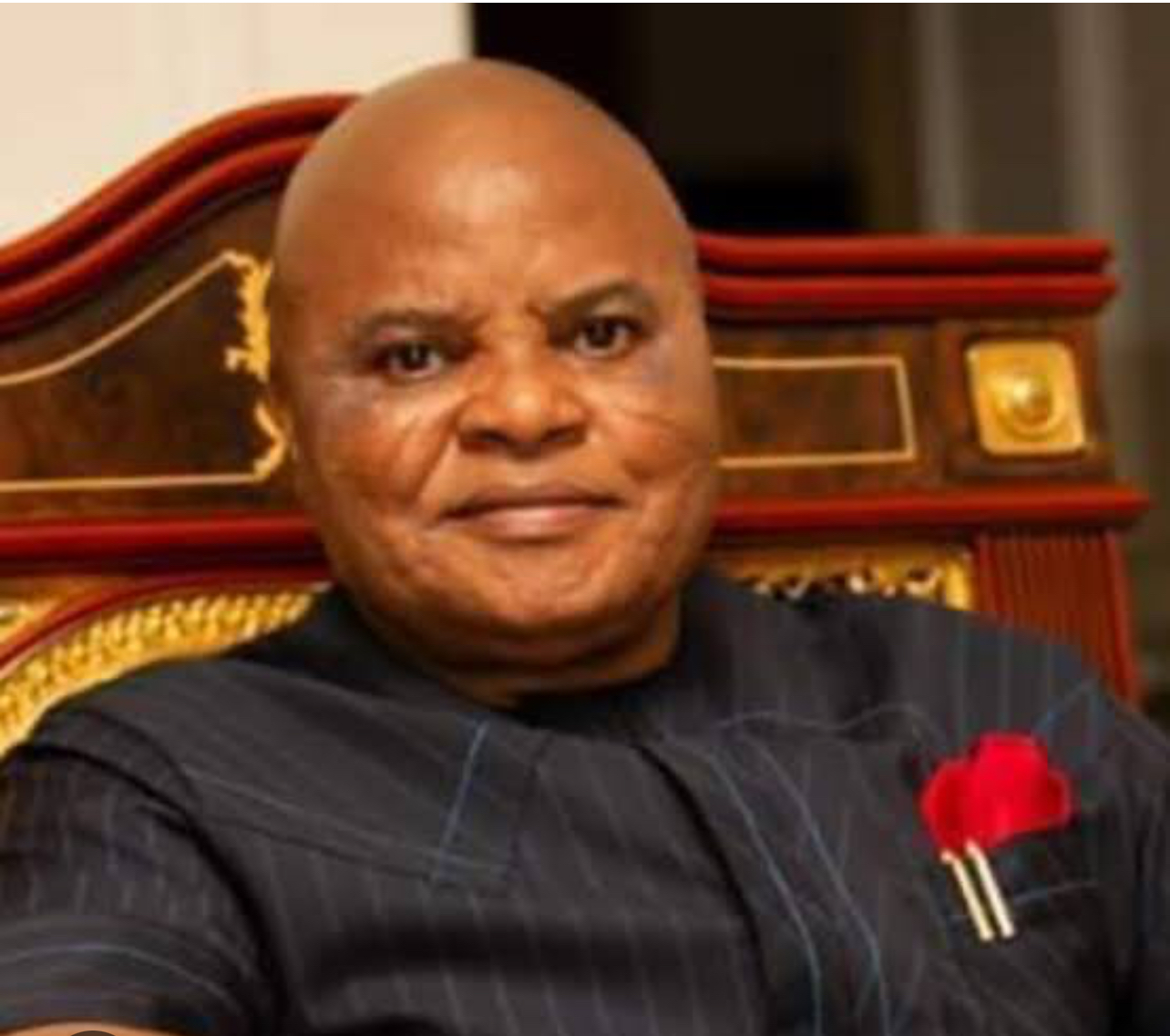
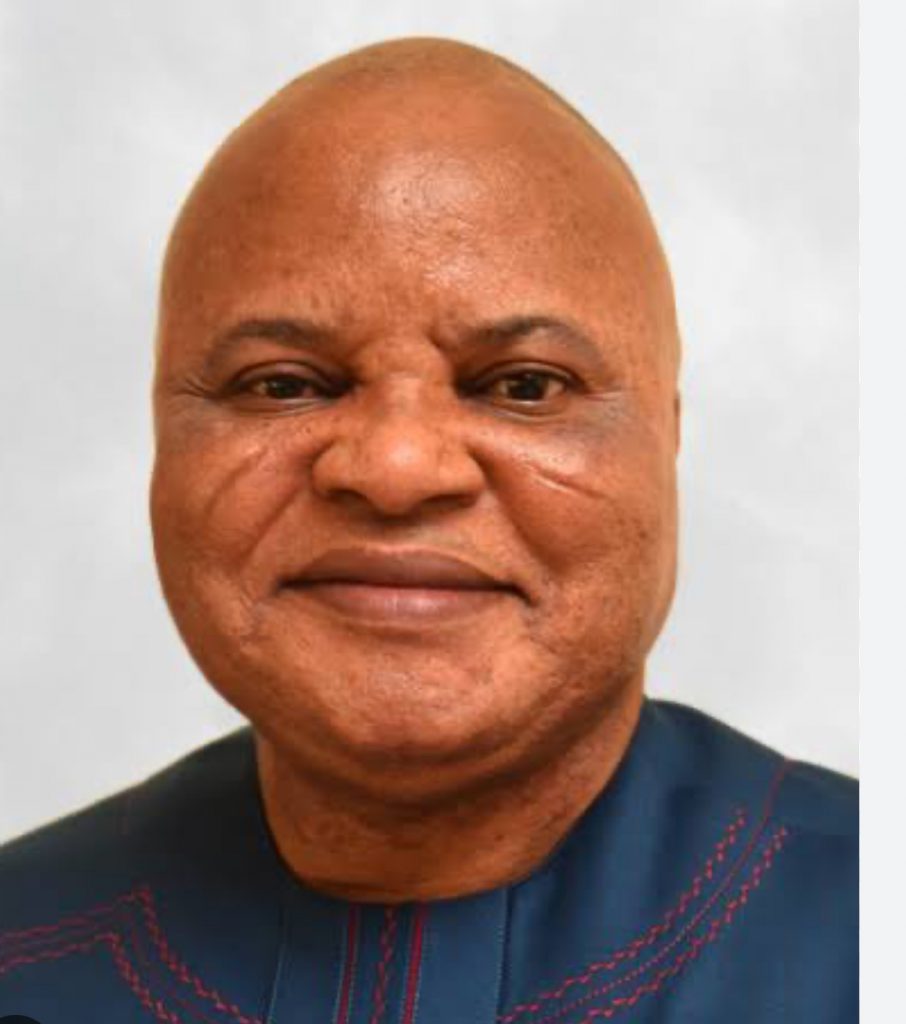
Senator Ifeanyi Araraume, a prominent chieftain of the All Progressives Congress (APC), has extended warm felicitations to Muslims in Nigeria and across the globe on the joyous occasion of Eid-el-Fitr.
In a statement to mark the end of Ramadan, Araraume highlighted the significance of the month long period of spiritual reflection, fasting, and devotion. “As Muslims gather with loved ones to share in the festivities, I join in the cheer, wishing everyone a blessed and peaceful Eid,” he said.
The Senator expressed profound appreciation to Muslim Nigerians for their contributions to the nation’s growth, describing their faith, resilience, and patriotism as beacons of hope. “Your unwavering commitment to Nigeria’s progress is truly commendable,” he stated.
As the country navigates its current challenges, Araraume called for unity, understanding, and collective effort. “Let us embrace the spirit of Eid, forgiveness, generosity, and kindness, to build a brighter future for ourselves and generations to come,” he urged.
Araraume also extended solidarity to President Bola Tinubu, a distinguished Muslim and the leader of APC, praising his visionary leadership and dedication to nation building. “President Tinubu’s commitment to serving Nigeria has been exemplary, and we assure him of our continued support,” he said.
Reaffirming the APC’s commitment to national prosperity, Araraume emphasized that the values of compassion, unity, and progress embodied by Eid align deeply with the party’s ethos. “As we mark this occasion, we reaffirm our dedication to creating a Nigeria where faith and ethnic background are not barriers to success,” he concluded.


-
 news5 years ago
UPDATE: #ENDSARS: CCTV footage of Lekki shootings intact – Says Sanwo – Olu
-
 lifestyle6 years ago
Former Miss World: Mixed reactions trail Agbani Darego’s looks
-
 health5 years ago
Chairman Agege LG, Ganiyu Egunjobi Receives Covid-19 Vaccines
-
 lifestyle5 years ago
Obateru: Celebrating a Quintessential PR Man at 60
-
 health6 years ago
UPDATE : Nigeria Records 790 new cases of COVID-19
-
 health6 years ago
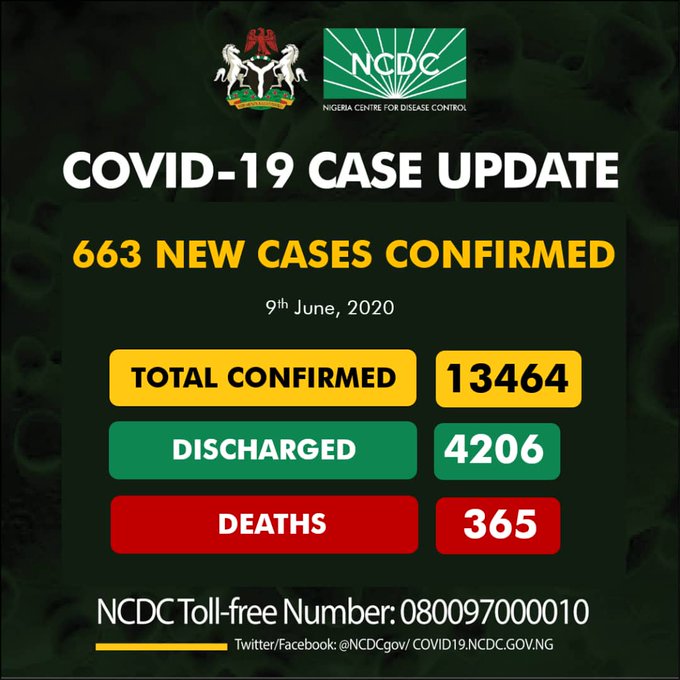
BREAKING: Nigeria confirms 663 new cases of COVID-19
-
 entertainment1 year ago
Ashny Set for Valentine Special and new Album ‘ Femme Fatale’
-
 news10 months ago
BREAKING: Tinubu swears in new NNPCL Board