
news
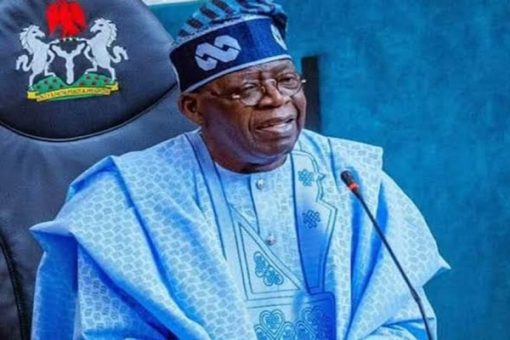
Breaking : Tinubu signs $10 billion Executive Order to unlock fresh investment in oil and gas, Says Gbajabiamila

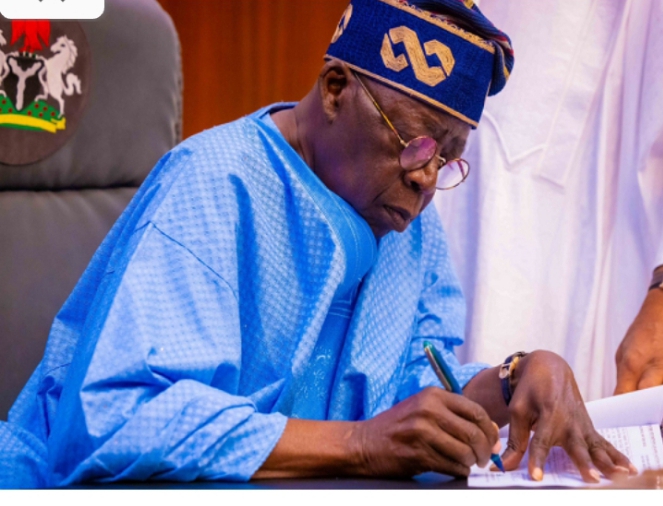
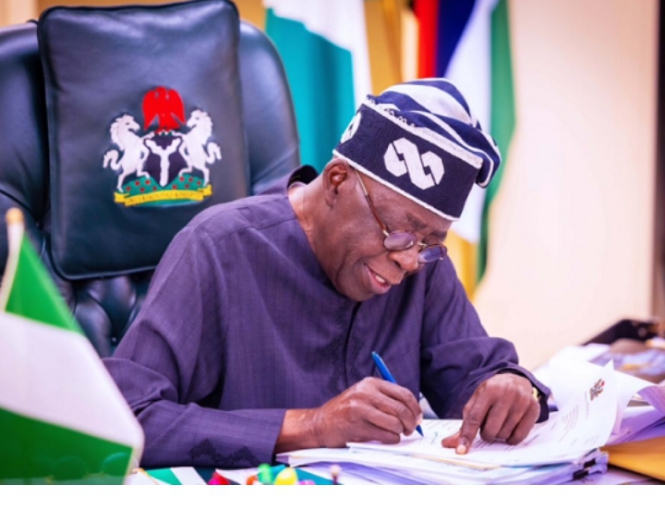 President Bola Tinubu said on Tuesday, April 30, that he recently signed an Executive Order that to unlock about $10 billion in fresh investments in the nation’s oil and gas sector.
Speaking at a opening of a two day retreat on economic transformation and development organised by the House of Representatives, the president said the development is expected to happen through Fiscal Incentives for Non-Associated Gas (NAG), Midstream and Deepwater Oil & Gas Developments.
Represented by his Chief of Staff, Femi Gbajabiamila, the president also disclosed that just last week, the Nigerian government signed the consolidated guidelines for implementing Fiscal Incentives for the Oil & Gas Sector.
According to him, the guidelines, which represent a cornerstone of the Presidential Directive, aim to enhance the Nigerian oil and gas sector’s global competitiveness while stimulating economic growth.
He said further that “the Executive Order also streamlines contracting processes, procedures, and timelines from 36 months to 6 months. The order also seeks to ensure that local content requirements are implemented without impeding investments or the cost competitiveness of oil and gas projects”.
Related to this, the President said are the reforms being implementing to the nation’s tax regimes to limit taxes collected without negatively affecting government revenues.
He said: “All of these have the same objective – to reduce government interference with the commercial imperatives of businesses in the country so that businesses based here can be competitive and focus on their core objectives of economic growth through innovation and trade.
“We will need the support of the National Assembly to fully implement some of these reforms, as statutory changes will be required in some areas.
“I am confident that when the time comes, the governing partnership we have established between the Executive and the Legislature will ensure that these changes are effected swiftly to benefit our nation.”
The president said despite the sceptics, the productive collaboration between the executive, the House, and the Senate has yielded significant results with the successfully passage of numerous bills aimed at enhancing the welfare of Nigerians.
He expressed appreciation to the leadership of the National Assembly for their swift action in considering and passing the Student Loans (Access to Higher Education) (Repeal and Reenactment) Act 2024.
He said: “Your actions have substantially fortified the legal framework of the Students Tertiary Education Loan Program, ensuring its efficient implementation. These achievements are a testament to the power of our partnership and the positive impact it can have on our nation.
“In a World Bank document titled “Legislative Oversight and Budgeting: A World Perspective,” Thomas Frederick Remington wrote “for legislators to effectively fulfil their roles of representation, oversight, and law-making, a certain level of cooperation between the Legislature and the Executive in policymaking is essential.
“The legislature must have the capacity to monitor the executive, and the executive, in turn, should be willing to comply with the legislative enactments.
“It is not just a coincidence but a strategic advantage for our country that the governing relationship between the Executive and the Legislature perfectly reflects this ideal.
“As you know, my administration is implementing significant policy changes to reform how we govern and position our country for progress and shared prosperity for all citizens.
“These reforms, while necessary and, in some cases, long overdue, are not without their challenges. I am deeply grateful for your unwavering support and understanding during these times. Your understanding and support have been invaluable, and I am confident that with our continued collaboration, we can overcome any challenges that lie ahead.
“The oil and gas industry has long been the lifeblood of our national economy. My administration is working tirelessly to change this and diversify our economy from overreliance on the production of fossil fuels. However, we are also determined to maximise revenue potential from this critical industry.
“For this reason, we are pushing policies to attract investment in the oil and gas sector”.
The President also said: “we can only justify our collective mandate and the trust our people repose in us through constructive collaboration between the National Assembly and the Executive. This joint effort is the minimum the people who voted for us expect from us.
“However, the very essence of checks and balances means there will be times when the executive and legislative prerogatives inevitably collide. Above all else, the national interest must guide our decisions in those moments. We share a common responsibility in shaping the future of our nation, and it is through our collaboration that we can effectively fulfil this duty.
In his address at the event, Speaker of the House of Representatives, Abbas Tajudeen said the House made a deliberate decision to focus on tax reforms and modernisation as well as a review of the implementation of the Petroleum Industry Reform Act (2021), adding that the overarching objective is to discuss and identify concrete legislative strategies for economic transformation.
The Speaker said further that the commitment and foresight shown by the government in addressing economic challenges deserve commendation, adding that “it is imperative that we, as legislators, align our efforts to support and enhance these endeavours.”
He said by designing and implementing progressive tax policies, the nation strive to ensure a fair and efficient tax system that boosts revenue while fostering economic growth and equity.
This, he said involves not only broadening the tax base and simplifying tax codes, but also enhancing compliance and minimising loopholes that benefit only the wealthy.
According to him, the retreat aims to foster stakeholder engagement, ensure constructive dialogue, exchange ideas and offer insights on legislative strategies that will contribute to the economic transformation of our country.
He said further that the retreat allows the lawmakers to take a deep dive into the tax reforms instituted by President Tinubu and undertake a review of the implementation of the Petroleum Industry Act (2021).
He said the House consider these two initiatives vital in our nation’s quest for economic recovery, transformation and growth. The two areas speak to both the oil and non-oil sectors of the Nigerian economy.
The Speaker lamented that Nigeria, Africa’s most populous nation, has long been grappling with issues related to tax collection and revenue generation with Nigeria’s general government revenue was recorded at 7.3 per cent of GDP, which is significantly lower than the average revenue of countries in the ECOWAS.
He said Nigeria’s fiscal revenue has declined, predominantly due to decreasing oil revenue over the last ten years, while non-oil revenue has remained stagnant at about 4-5 per cent of GDP.
He said further that Nigeria’s tax revenue struggles are primarily due to narrow bases for indirect taxes, low compliance rates among taxpayers, substantial tax exemptions, and generally low tax rates.
He said ‘This situation is compounded by a lack of enthusiasm and morale for tax compliance, contributing to the nation’s underwhelming fiscal performance. Comparatively, Nigeria’s efficiency in collecting Value Added Tax (VAT) is the lowest among its African peers, indicating significant inefficiencies in its tax system.
“This trend of low tax revenue, coupled with a continued dependency on the increasingly unstable oil revenue, presents a major risk to Nigeria’s fiscal sustainability. It also highlights an important area for potential reform to boost revenue and stabilise the country’s economic framework.
“The lack of growth in non-oil revenue sources and the volatile nature of oil income underscore the urgent need for Nigeria to diversify its revenue base and enhance its fiscal management to ensure economic stability and growth.”
He argued that several empirical studies have shown that Nigeria has the potential to further increase revenue if priority tax reforms are implemented, adding that the House stands ready to support the Executive to achieve its overall goal of reversing the negative trend.
Speaking on the Petroleum Industry Act, the Speaker said the PIA is not just a piece of legislation, but a transformative blueprint designed to overhaul the petroleum industry, which is the backbone of the nation’s economy.
According to him, if executed effectively and thoroughly, the PIA could set a benchmark for exemplary natural resource management that would involve distinct and defined roles within the industry subsectors, the establishment of a national petroleum company that is both commercially-oriented and profit-driven, and the incorporation of transparency, good governance, and accountability in managing Nigeria’s petroleum resources.
The law, he said would support the economic and social progress of host communities, ensure environmental remediation, and create a favourable business environment for oil and gas operations within the country.
Abbas said the realisation of these outcomes depends on the ability of the political and oil industry leaders to address several significant challenges, including interpretative challenges due to ambiguous language, which could lead to disputes and uncertainty in its implementation.
He stressed that the complexity of the law necessitates enhanced capacity building within new regulatory institutions to ensure effective interpretation and application, as well as efficient fund management.
He maintained that the National Assembly was vital in ensuring continuous review of the Petroleum Industry Act to ensure its effectiveness in a rapidly evolving industry landscape.
Deputy Speaker of the House, Benjamin Kalu said on Tuesday that Nigeria’s current tax system is suffering from inefficiency leading to some of the lowest tax collection rate in the world.
Kalu put the nation’s tax collection at about 10.8 percent of GDP, adding that the statistics is according to data from the Federal Inland Revenue Service (FIRS) and the National Bureau of Statistics (NBS).
He said these inefficiencies hinder the nation’s ability to invest in essential public services and infrastructure, adding that the role of the National Assembly, particularly the House of Representatives, is crucial in enacting reforms that broaden the tax base, simplify the tax code, and enhance compliance mechanisms without placing undue burdens on Nigerians.
He said “the role of the National Assembly, particularly the House of Representatives, in this process cannot be overstated.
“We are the custodians of the people’s will, entrusted with the responsibility of ensuring that the lofty ideals enshrined in the PIA are translated into tangible benefits for all Nigerians. “This retreat serves as a critical forum for us to collectively strategize on how to fulfill this vital mandate.”
Executive Chairman of the Federal Inland Service, Zack Adedeji said there must be collective effort and shared commitment for implementing collective tax reforms to empower citizens and ensure a resilient future.
Represented by the Director, Support Services Group, Mohammed Lawal Abubakar, Adedeji said the country has embarked on tax reforms to position tax administration ensuring transparency and accountability to enhance revenue and achieving revenue targets for economic development.
He added that the service has segmented tax payers into various categories for more effective tax administration and customers focused strategies to serve the country through innovative approaches.
He explained that the nation’s tax policy was hinges on both direct and indirect tax to optimize revenue collection and minimize leakages.
…dismisses appeal, awards N2m cost against party
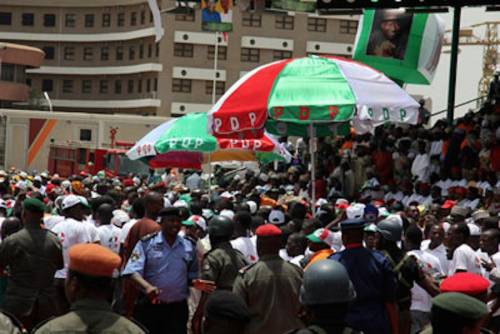
The Court of Appeal in Abuja has dismissed an appeal by the Peoples Democratic Party (PDP) against the October 31 judgment by Justice James Omotosho of the Federal High Court in Abuja restraining the Independent National Electoral Commission (INEC) from recognising the outcome of the national convention planned for Ibadan, Oyo State on November 15 and 16 by the PDP.
In a unanimous judgment on Monday, a three-member panel of the appellate court resolved the four issues for determination against the PDP.
It held that the appeal by the PDP was without merit and that the Federal High Court was right to have entered the October 31 judgment and granted all the reliefs sought by the plaintiffs.
The Court of Appeal faulted the PDP’s claim that the trial court lacked jurisdiction to have heard the case on the grounds that issues involved were solely internal affairs of the party.
The court also held that the plaintiffs had the locus standi to have institutes the suit to protect their democratic rights and that the PDP was not denied fair hearing as it claimed in its appeal.
The court awarded N2million cost against the PDP for filing a frivolous appeal.
The court is yet to render its decisions in the remaining eight appeals, which include judgment and rulings
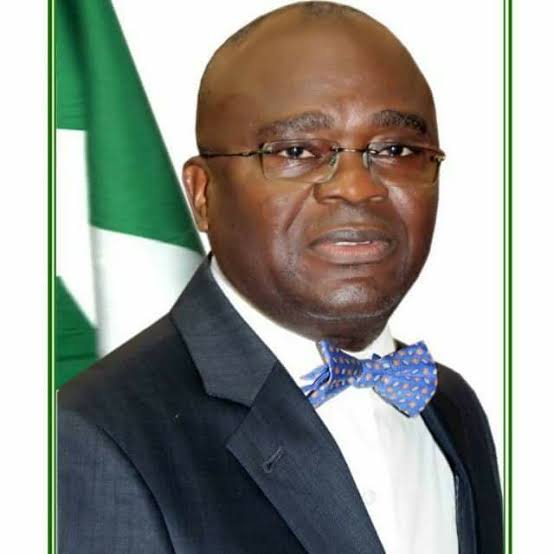
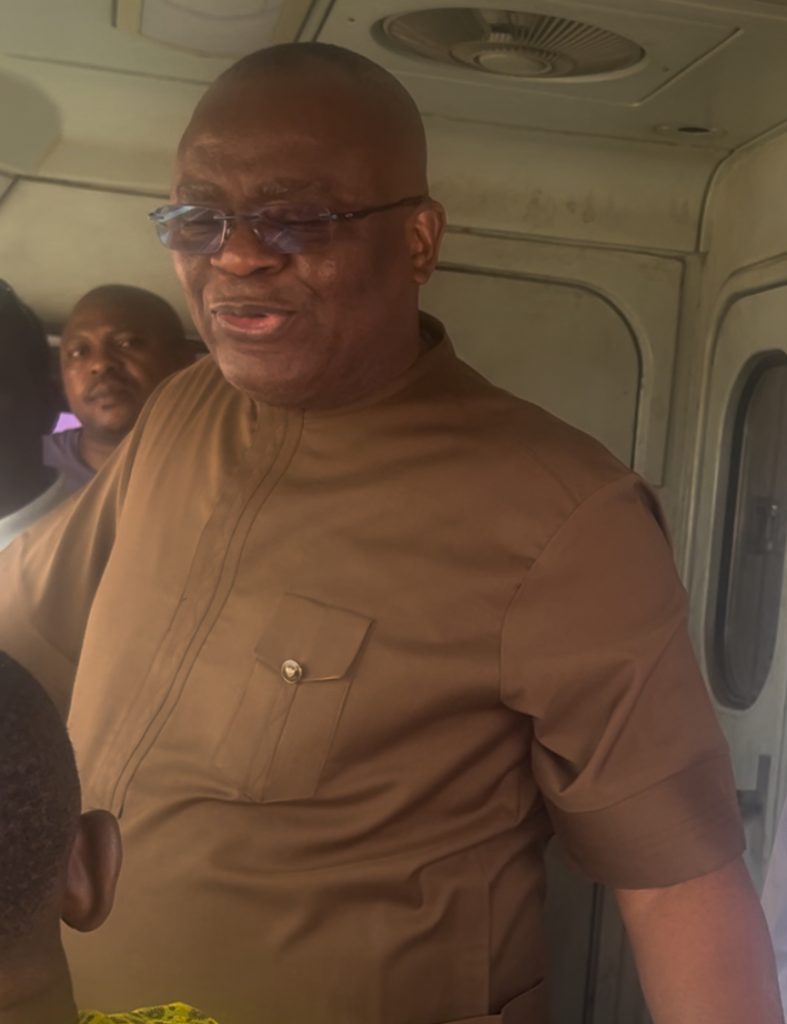 Opeifa maintained that derailments are not peculiar to Nigeria, noting that such incidents occur across advanced rail systems globally.
“Derailments are regular occurrences in the rail sector worldwide. In February alone, there were incidents in countries like Britain and others. Around the same time we experienced one, there were multiple derailments across the world,” he said.
He disclosed that in 2025, Nigeria recorded three major derailments:
• August 26 at Asham in Kaduna State
• November 1 at Abraka on the Warri–Itakpe line
• November 8 at Agbor on the same corridor
He said the NRC responded swiftly, restoring services within 24 hours in one case, while others were resolved within 21 and 28 days respectively.
Opeifa stressed that derailments can result from factors such as weather conditions, signal glitches, human error, speeding, or aging infrastructure, but noted that in Nigeria’s recent cases, there were no fatalities.
“These incidents are preventable and efforts are ongoing to minimize them. However, they should not be seen as major setbacks to the overall progress of the railway system,” he said.
On Allegations of Mismanagement
Addressing allegations of financial mismanagement within the corporation, Opeifa declined detailed comments, citing ongoing legal processes.
“When a matter is in court, it is sub judice. Allegations of corruption or mismanagement should be handled by the appropriate authorities,” he stated.
He reiterated that his priority is to reposition the NRC in line with global best practices and ensure efficient rail services for Nigerians.
Expansion, Upgrades and National Connectivity
The NRC boss said efforts are underway to restore damaged coaches and upgrade infrastructure using local engineers and technicians.
“We are bringing back the lines and retrofitting coaches. The Warri–Itakpe line is operational. The Abuja–Kaduna line is running, and we are increasing trips from two to three,” he said.
On long-term plans, Opeifa disclosed that the NRC roadmap envisions rail connectivity across major cities nationwide, subject to funding and phased execution.
He dismissed claims of abandoned projects, explaining that rail developments are capital-intensive and implemented in phases based on available resources.
He cited progress on the Lagos–Ibadan corridor—part of the larger Lagos–Kano project—as well as ongoing work on the Kano–Maradi line linking key northern cities.
Lagos–South-East, Port Connections in View
Opeifa also highlighted plans to expand connectivity between southern ports and inland cities. These include proposed links from Warri to Abuja and from Lekki Deep Sea Port to Kajola, Benin, Onitsha, and Aba, enabling both passenger and cargo movement.
Toward Modern Signaling and Faster Trains
On modernization, he said Nigeria is gradually upgrading from older narrow-gauge systems to standard-gauge infrastructure with improved signaling technology.
He noted that metro rail projects in Kaduna, Kano, and Lagos are being developed with higher signaling standards, positioning the country for faster and more efficient train services in the coming years.
“We are not yet at the highest global level, but we are moving steadily upward,” Opeifa said.
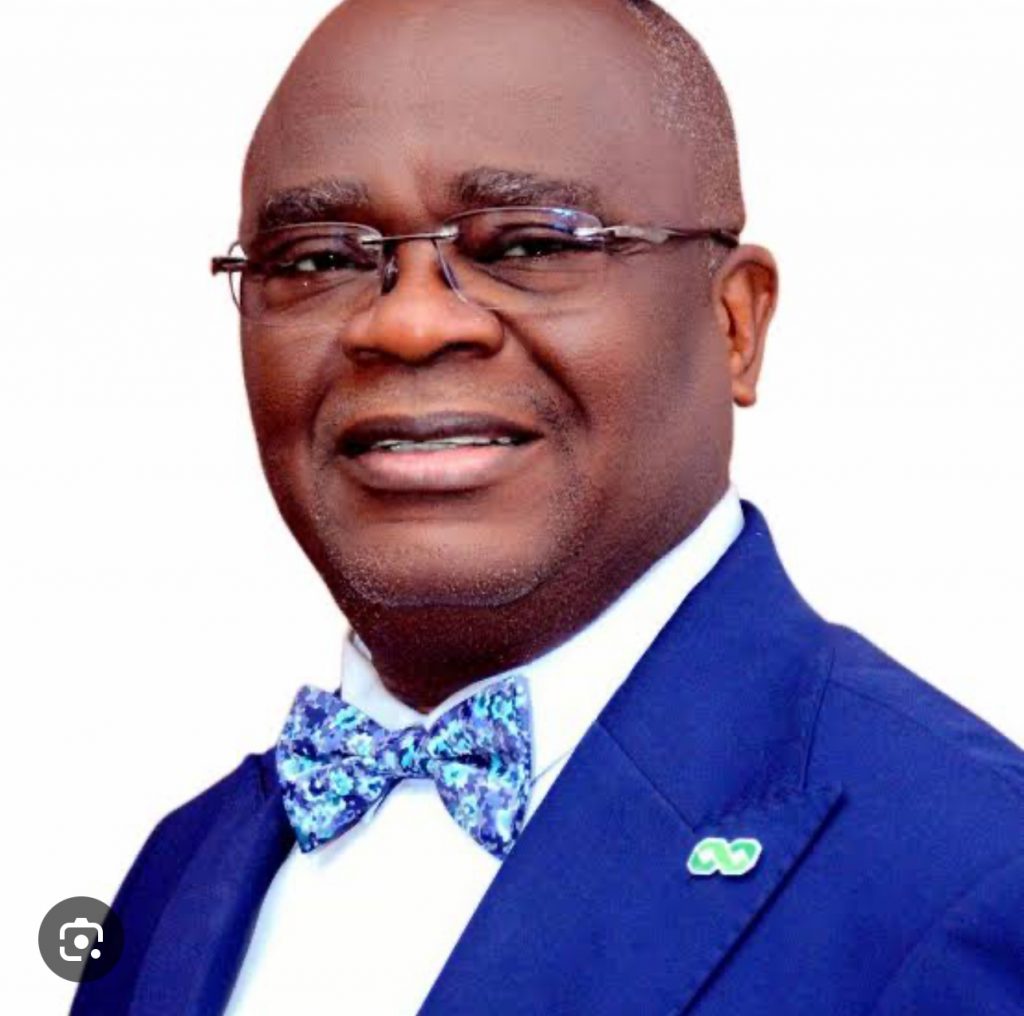 A quiet transformation is reshaping the daily commute between Nigeria’s commercial hub and the historic city of Ibadan. Passengers on the Lagos–Ibadan standard gauge corridor say services have become more efficient and predictable following a clampdown on ticket racketeering led by Kayode Opeifa
The renewed confidence in the rail line linking Lagos and is influencing residential and employment decisions among middle-income earners who once considered daily intercity commuting unrealistic.
“It is now possible to live in Ibadan and work in Lagos without the daily anxiety of securing a ticket,” said Adewale Bamidele, a financial analyst who travels three times a week. “Before, you needed connections. Now, you book, you board, you arrive.”
A Line Once Hindered by Middlemen
The Lagos–Ibadan railway, inaugurated as a flagship infrastructure project under the administration of former President Buhari was designed to ease pressure on the congested Lagos–Ibadan Expressway and deepen economic integration across the South-West.
However, in its early phases, passengers frequently complained of informal ticket rackets. Allegations included bulk-buying by intermediaries and artificial scarcity that forced travellers to pay inflated prices for seats on high-demand trains.
Industry observers say such practices undermined the railway’s credibility as a mass transit solution. “Transport systems thrive on predictability and fairness,” said a transport economist “Once access is perceived as compromised, commuters revert to road transport despite the risks and delays.”
Enforcement and Digitisation
Since assuming oversight responsibilities within the sector, Opeifa has reportedly intensified internal monitoring and strengthened digital ticketing protocols. Railway officials, speaking on condition of anonymity, said stricter verification processes and disciplinary measures against errant staff have curtailed unauthorised ticket sales.
Although the Nigerian Railway Corporation has not released detailed enforcement data, anecdotal evidence from regular commuters points to shorter queues, smoother boarding procedures and fewer last-minute cancellations.
For professionals with flexible work schedules, the improvement has been significant. The average journey time of about two to three hours—depending on the service type—now compares favourably with unpredictable road travel, which can take considerably longer during peak traffic.
Changing Urban Dynamics
Property agents in Ibadan report a modest rise in enquiries from Lagos-based workers seeking more affordable housing. Rents in many parts of Ibadan remain significantly lower than comparable neighbourhoods in Lagos, offering relief to households grappling with inflationary pressures.
“Rail reliability changes everything,” said Funke Adebayo, a real estate consultant in Ibadan. “When people trust the timetable, they are more willing to relocate.”
Economists caution, however, that long-term success will depend on consistent maintenance, adequate security along the corridor and transparent ticketing systems. Any return to informal practices could quickly erode recent gains.
The Lagos–Ibadan corridor is widely regarded as a litmus test for Nigeria’s broader rail ambitions. With additional standard gauge projects planned or underway nationwide, policymakers face mounting pressure to ensure that infrastructure investments translate into reliable public service delivery.
For now, passengers remain cautiously optimistic.
“It feels more organised,” Bamidele said while disembarking at Mobolaji Johnson Station in Lagos. “If this standard is sustained, rail can genuinely compete with road transport.”
Nigeria agree, the real challenge lies not just in laying tracks, but in sustaining public trust.


-
 news5 years ago
UPDATE: #ENDSARS: CCTV footage of Lekki shootings intact – Says Sanwo – Olu
-
 lifestyle6 years ago
Former Miss World: Mixed reactions trail Agbani Darego’s looks
-
 health5 years ago
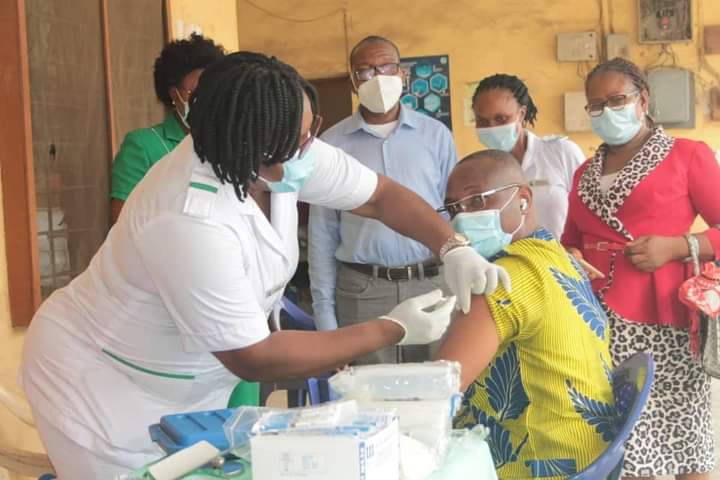
Chairman Agege LG, Ganiyu Egunjobi Receives Covid-19 Vaccines
-
 lifestyle4 years ago
Obateru: Celebrating a Quintessential PR Man at 60
-
 health6 years ago
UPDATE : Nigeria Records 790 new cases of COVID-19
-
 health6 years ago
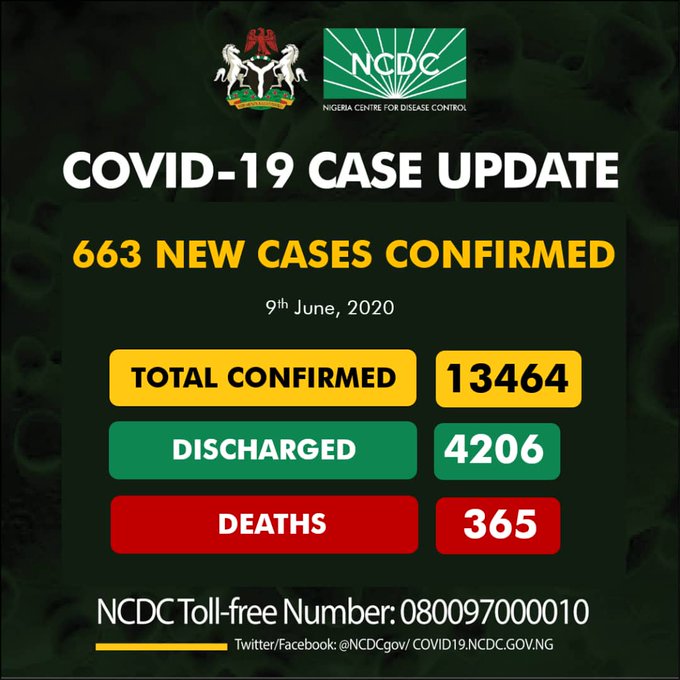
BREAKING: Nigeria confirms 663 new cases of COVID-19
-
 entertainment1 year ago
Ashny Set for Valentine Special and new Album ‘ Femme Fatale’
-
 news10 months ago
BREAKING: Tinubu swears in new NNPCL Board