
news
FG APPROVES FUNDING OF 30KM DUALIZATION OF THREE SECTIONS OF BENIN- LOKOJA HIGHWAY UNDER TAX CREDIT SCHEME FOR BUA GROUP, SAYS UMAHI

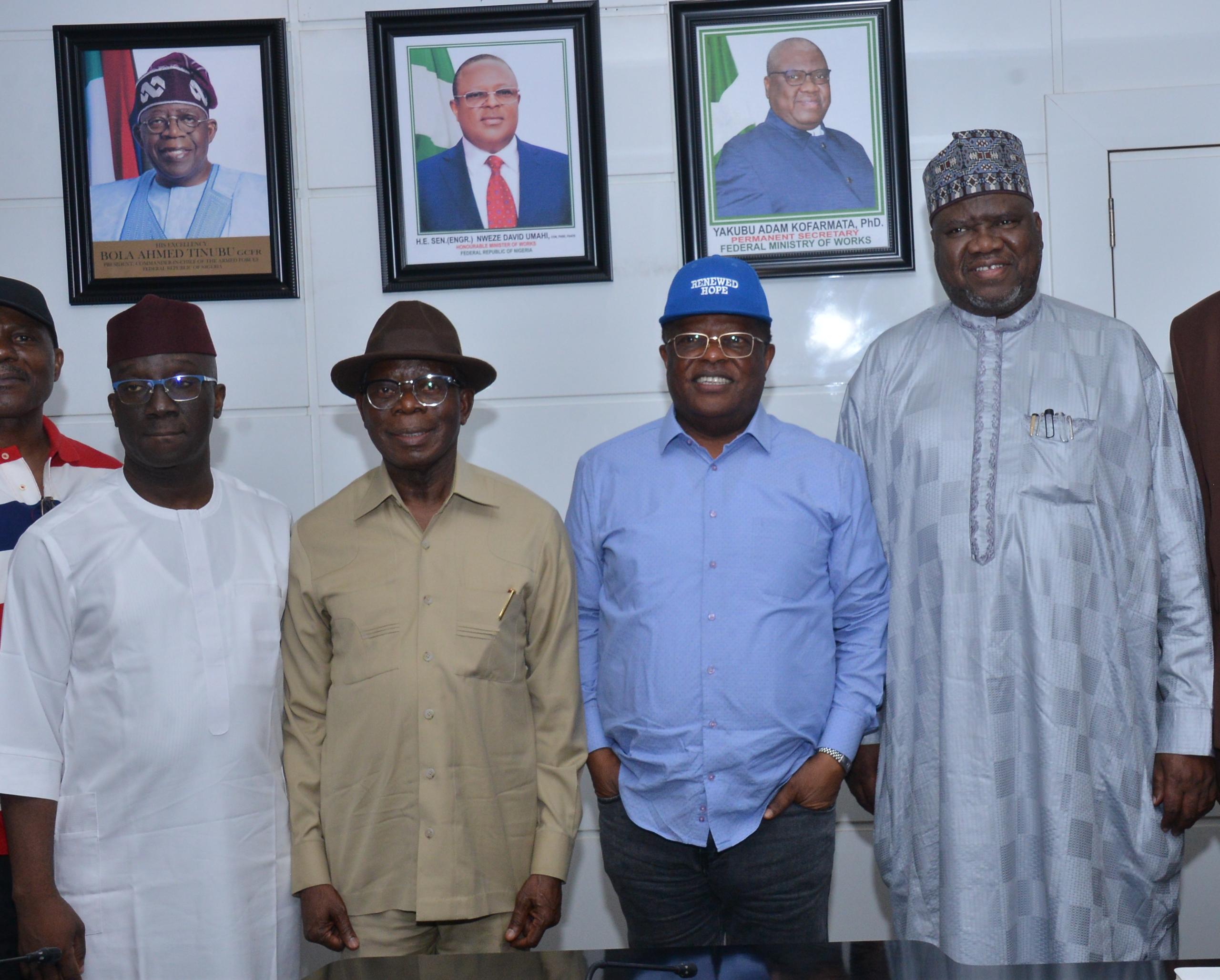
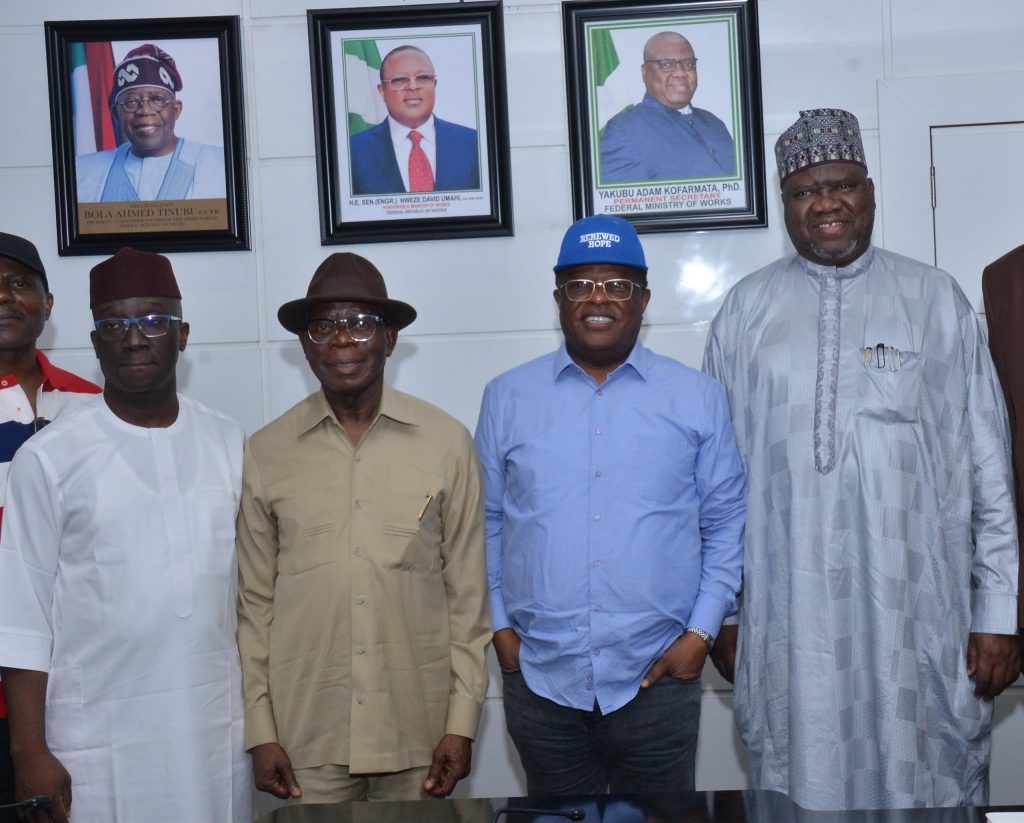 In a bid to provide urgent and accelerated intervention on the critical sections of the Benin- Lokoja Federal Highway, the Renewed Hope administration of the President of Nigeria, *His Excellency, President Asiwaju Bola Ahmed Tinubu GCFR* has approved the immediate funding of 30km dualization of three sections of the road, to be funded under Tax Credit Scheme by BUA Group. The Hon. Minister of Works, *His Excellency Sen Engr. Nweze David Umahi CON* made this known during a meeting with all the contractors handling the Benin- Lokoja Federal Highway and some stakeholders from the area. The Honourable Minister said that the Ministry took some steps to review the texture of the pavement of the project to conform to the new innovation introduced by Renewed Hope administration to ensure best standards and durability According to him, “I first went through the road in September, and when I went through it, I was very satisfied that BPP and the Ministry did very fantastic work. But all I did was to keep the project but review the texture of the pavement. And so we allowed the existing carriageway to be on asphalt and then reviewed the new carriageway to be on concrete. Being satisfied, so we went through the process of notifying the BPP, and from there, we went to FEC, and graciously, FEC approved, and so we are in the process of signing an addendum to the contract.” “Mr. President has approved that BUA Group should do 30km of the road in 3 locations multiplied by 2, that is 60km on Tax Credit”
The Honourable Minister commended BUA Group for their interest to handle the construction of the 30 km carriageway under Tax Credit Scheme and said the intervention was targeted at the critical sections of the road as already isolated when he last visited the Benin- Lokoja road. He stated, “Let me commend BUA plc very highly, because on their own they had indicated interest to do about 30km of the road on tax credit. That was one of the reasons I decided to go and revisit the road to know the section they needed to do and also to open the road. So, we had to open the road. We appealed to the road transport workers, that work would start Monday, the next week. That was 18th, and indeed, we briefed the President, and then Senator Adam Oshiomhole now came with the full weight of his person.
Speaking on behalf of the people of the area, the Senator representing Edo North Senatorial District and Chairman, Senator Committee on Interior, Senator Adams Oshiomhole praised the determination of the Renewed Hope administration of Mr. President in changing the socio-economic narrative of the nation through aggressive road infrastructure transformation and the uncommon commitment of the Honourable Minister of Works in achieving the vision of Mr. President on road infrastructure development. The Senator who came in the company of the APC Candidate in the Edo State September 2024 Governorship election and Senator representating Edo Central Senatorial District, Sen. Monday Okpebholo expressed his profound pleasure over the new paradigm in the Federal Ministry of Works, noting that the Ministry under Sen. Umahi has recorded unprecedented performance in the road infrastructure development within the shortest period of time. He said, ” I was shocked that within 72 hours this Minister did not only hear the word of the President, he packaged what I have seen from the briefing to be a doable and workable approach to solving a problem that four or five ministers before him could not solve. So I wish to ask us to appreciate his energy, his drive, and his focus, without which we will not be here today.”
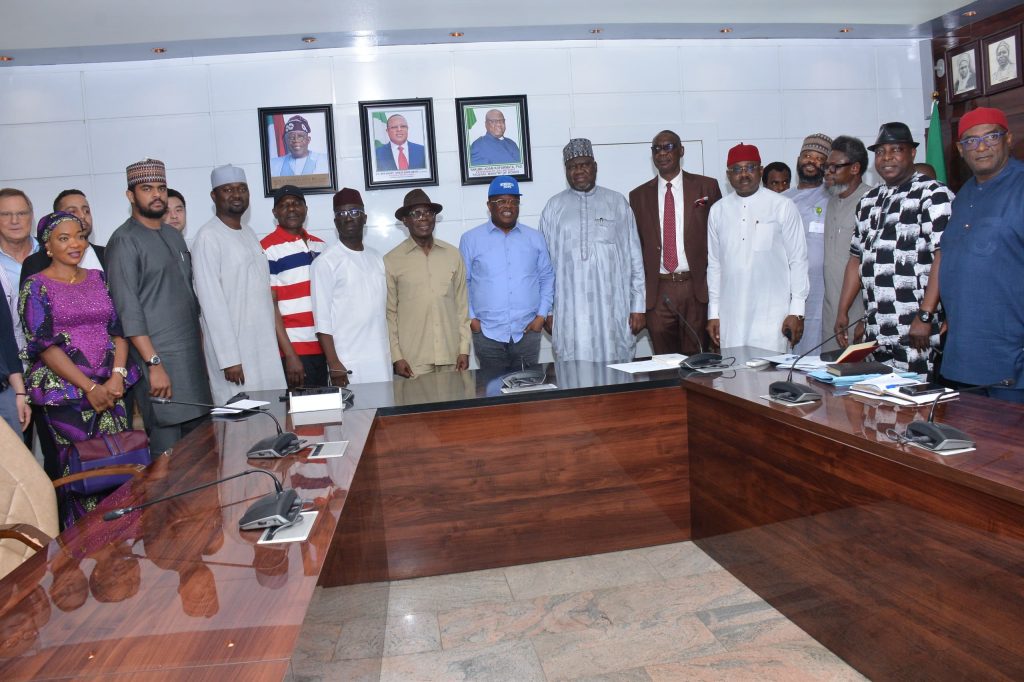
In their separate remarks, the Governorship candidate of APC in Edo, Sen Monday Okpebholo said, “Mr. President has rekindled our hope. Just within the shortest time of our request to the Honourable Minister, magic has been done, if this is how Nigeria works; everybody will want to come back home, nobody will want to ‘japa’.” On his part, the Group Executive Director of BUA Group, Kabiru Rabiu, assured of the commitment of the company in delivering the project within a record time. In his vote of thanks, the Permanent Secretary, Federal Ministry of Works, Yakubu Adam Kofaramata,PhD, appreciated Mr. President for the new narrative in the Federal Ministry of Works, which is made possible by the appointment of a workaholic and highly committed Honourable of Works.
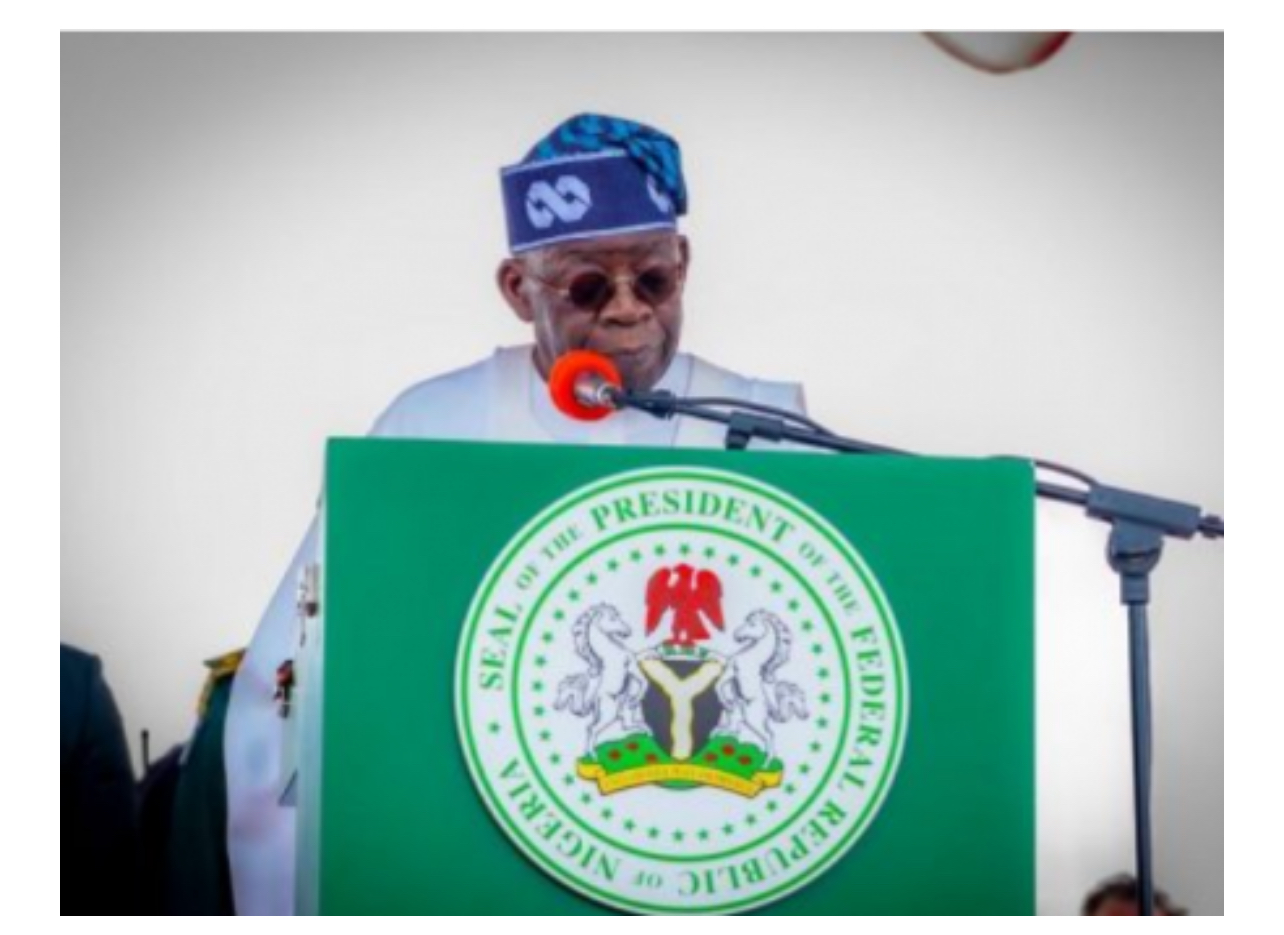
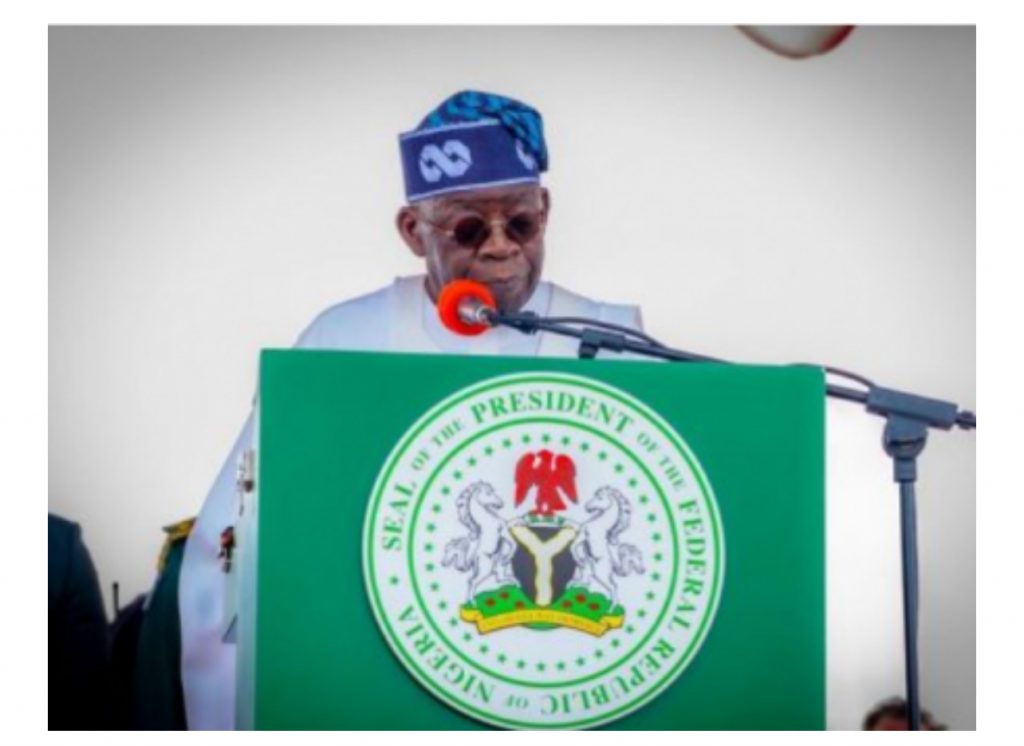
President honours Gens. Yar’Adua, Williams, Igbokwe, media moguls, activists, other heros
With a call on Nigerians to unite in the fight against terrorism, banditry and kidnapping, President Bola Ahmed Tinubu reflected on the nation’s 27 years of uninterrupted democracy.
He said such joint efforts had become imperative because the battle against insecurity cannot be left to the government alone.
The President listed some deserving individuals, including the late Gen. Shehu Musa Yar’Adua, Gen. Ishola Williams, media executives, rights crusaders and others for national honours.
In his Democracy Day broadcast this morning, the President urged citizens to avoid ethnic profiling and blame games in the face of security challenges.
He assured that the country would emerge stronger and more united after overcoming terrorism.
He said: “At a time like this, let us not assign blame or point fingers. Crime has no ethnicity.
“We must stand united and be assured that the enemies of our nation shall soon be history.
“We will triumph over terror and continue to build a more prosperous nation.”
The President spoke against the backdrop of recent abductions in Oyo and Borno states.
He described the incidents as a painful reminder that democracy cannot thrive without security.
Expressing optimism that the abducted children would regain their freedom, Tinubu stressed that his administration had responded decisively by declaring a security emergency and approving the recruitment of more than 50,000 police officers and thousands of military personnel.
Besides, he said the government allocated N5.41 trillion to defence and security in the 2026 Budget, describing it as the largest security vote ever.
Nigerian Entertainment News
Nigeria News Subscription
“Democracy without security is a mirage,” he said, noting that the allocation represents the biggest defence and security budget in Nigeria’s history.
Tinubu said the country had moved beyond conventional military training exercises with international partners to precision targeting of terrorist networks, citing the degradation of an ISWAP command centre in Arege, Borno State, as evidence of progress.
Reflecting on the democratic journey, Tinubu said the country had enjoyed its longest uninterrupted period of civilian rule, spanning 27 years since the return to democratic governance in 1999.
He noted that despite its imperfections, Nigeria’s democracy remained resilient because citizens had consistently chosen leaders through the ballot box, resolved disputes through legal institutions and ensured peaceful transitions of power.
Ahead of the forthcoming governorship elections in Ekiti and Osun states, the President urged stakeholders to safeguard the integrity of the electoral process.
He called on the Independent National Electoral Commission (INEC), security agencies and political parties to ensure peaceful and credible polls, warning that democracy suffers whenever citizens lose confidence in elections.
The Ekiti governorship election will be held on June 20, while the Osun poll is scheduled for August 15.
Tinubu challenged the National Assembly, the Judiciary, the media and civil society organisations to continue serving as guardians of democratic governance.
“Criticise me, disagree with me, but never stop believing in Nigeria,” he said.
On youths, the President urged them to see the country as their future and contribute actively to national development rather than seeking opportunities elsewhere.
He said: “Nigeria is your home and your future. Build here, code here, work here, and vote here. Every great nation was built by those who stayed to solve problems, not by those who abandoned ship.”
The President also commended members of the armed forces, police, intelligence agencies, traditional rulers, religious leaders and community heads for their roles in promoting peace and national cohesion.
The President paid glowing tribute to Nigerians who endured imprisonment, exile, persecution and death during the struggle for democracy, describing them as heroes whose sacrifices made the current democratic dispensation possible.
He saluted the late winner of the annulled June 12, 1993 presidential election, Chief Moshood Kashimawo Abiola, and his deceased spouse, Alhaja Kudirat Abiola, alongside other democracy vanguards.
Former President Muhammadu Buhari in 2018 signed an Executive Order proclaiming June 12, the date of the historic election won by Abiola but annulled by the military, as Democracy Day. It has since been observed as a public holiday.
Those listed for national recognition include Chief Gani Fawehinmi, Chief Bola Ige, Chief Alfred Rewane, Senator Abraham Adesanya, Chief Anthony Enahoro, Alhaji Balarabe Musa, Commodore Dan Suleiman, Dr. Beko Ransome-Kuti, Chief Frank Kokori, Chief Arthur Nwankwo, Mr. Chima Ubani and Gen. Yar’Adua.
Tinubu also announced national honours for many journalists, activists, lawyers, politicians and civil society leaders who suffered persecution, detention, exile and other hardships during the struggle against military rule.
Many military officers who were persecuted during the pro-democracy struggle were also honoured.
They are Ayoka Lawani, Tunde Fagbenle, Oladele Alake, Olatunji Bello, Louis Odion, Segun Babatope, Sam Omatseye, Ademola Osinubi, Bola Bolawole, Lade Bonuola, Femi Kusa, Osa Director, Richard Akinnola, George Mbah, Niran Malaolu, Gbemiga Ogunleye, Jenkins Alumona, Muyiwa Adekeye, Babajide Kolade-Otitoju, Ike Okonta and Ben Charles-Obi (posthumous).
Activists on the list are Debo Adeniran, Ayo Opadokun, Ralph Obiora, Ose Osayande, Sylvester Odion-Akhaine and Arthur Nwankwo (posthumous).
Others are Osagie Obayuwana, Joe Okei-Odumakin, Titus Mann, Joe Igbokwe, Maj.-Gen. Ishola Williams (retd) and Femi Aborisade.
The President equally recognised many military officers, including Maj.-Gen. M.A. Garba, Brig.-Gen. Lawal Jaafaru Isa, Col. Umar Farouk Ahmed, Col. Sambo Dasuki, Col. Lawan Gwadabe, Brig. Jonathan Ndam Temlong, Col. Musa Shehu, Maj.-Gen. Chris Eze, Maj.-Gen. Harris Dzarma, Col. Isa Jibrin, Maj.-Gen. Joseph Oshanupin, Col. Olusegun Oloruntoba, Lt.-Col. Happy Kefas Bulus, Col. J. Okai, Col. Emmanuel Ndubueze, Lt.-Col. Yakubu Muazu and Brig. Yahaya Abubakar, who is the Etsu Nupe.
The President added: “Among the architects of modern democratic Nigeria, we honour General Shehu Musa Yar’Adua for his vision of national partnership.
“In recognition of his contributions, the Federal Government has approved the revitalisation and renaming of the completed Institute of Petroleum Studies, Kaduna, as the General Shehu Musa Yar’Adua University of Geological Sciences and Engineering Technology.”
Tinubu said the full honours list would be released in the coming days.
According to him, the greatest tribute Nigerians can pay to the heroes is to build a nation where freedom is protected, justice is upheld, opportunities are expanded, and government remains accountable to the people.
June 12, he believes, demonstrates the possibility of a united Nigerian nation, noting that while the heroes of that struggle secured political freedom, the responsibility of the present generation is to secure economic freedom.
‘Reforms necessary’
He defended the economic reforms undertaken by his administration, arguing that they were necessary to rescue the country from severe fiscal strain and economic uncertainty.
The President said the reforms had restored stability and credibility to economic management, increased federation revenues, improved fiscal transparency and attracted fresh investments into agriculture, manufacturing, energy, technology, mining, transportation and the creative sector.
He added that domestic refining capacity had expanded significantly, enhancing energy security and reducing dependence on imported petroleum products.
‘We’ll deliver on electricity supply’
On electricity, Tinubu said his administration inherited a sector plagued by inadequate generation, weak transmission infrastructure, huge distribution losses, a metering deficit exceeding four million customers and massive legacy debts.
He noted that the Electricity Act signed by his administration had empowered states to generate, transmit and distribute electricity, while the Presidential Power Sector Task Force had been mandated to tackle the metering gap and raise a N4 trillion bond to settle verified debts in the sector.
The President said the Rural Electrification Agency (REA), with support from the World Bank and the African Development Bank (AfDB), was extending off-grid and mini-grid electricity projects to underserved communities, educational institutions, markets and hospitals across the country.
“Electricity is a democratic dividend we owe every Nigerian. We intend to deliver it,” he said.
Nigeria Investment Opportunities
Highlighting ongoing projects, the President said they were creating jobs, improving connectivity and opening new opportunities for enterprise.
He said the National Agricultural Development Fund (NADF) was deploying 10,000 tractors over five years, while over 1,000 small and medium enterprises had been certified for export.
He added that non-oil exports grew by 21 per cent in the past year.
Despite the progress, the President acknowledged that many Nigerians continued to face economic hardship.
He assured citizens that the government remained focused on reducing inflation, increasing food production, creating jobs, improving living standards and ensuring that the benefits of economic reforms reached every household.
“We are moving from uncertainty to stability. The next phase is about accelerating growth and ensuring the benefits are felt in every home, every community and every region. We believe that democracy must be felt in the pocket,” he said.
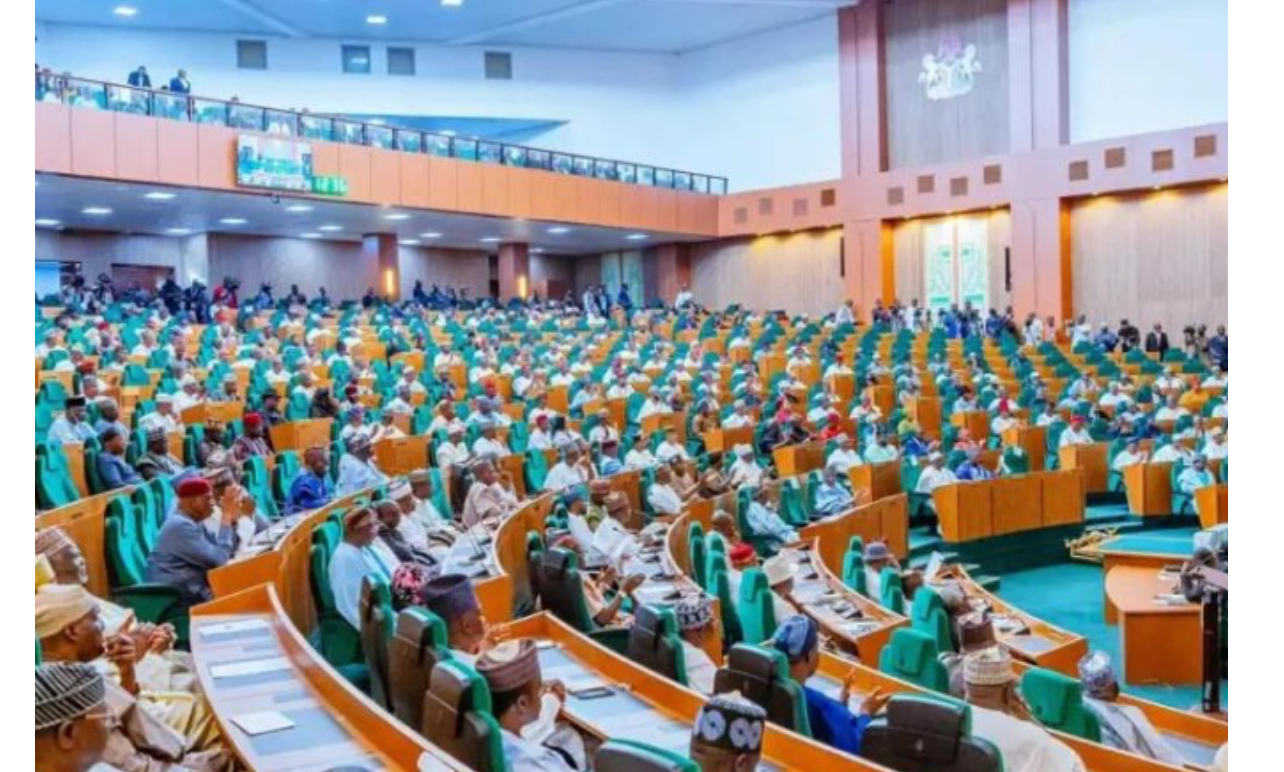
The House of Representatives has passed the state police bill, effectively making way for the decentralisation of the Nigerian policing architecture.
The resolution followed the voting by 289 lawmakers in favour of state police during Thursday’s plenary session presided over by the Speaker, Tajudeen Abbas.
Recall that the House committed Thursday’s plenary to voting on the State Police Bill following the spike in killings, kidnappings, and banditry in the past few months.
The session was not without its fair share of drama, as shortly after the lawmakers settled down for the business of the day, Kaduna lawmaker, Bashir Zubairu, moved a point of order, explaining that the document on the proposed state police put together by the House Committee on Constitution Review got to the lawmakers only on Thursday afternoon.
Recognised to speak by the speaker, Zubairu said, “Mr Speaker, this document was only made available to lawmakers in the chambers, and we are yet to go through it. We cannot do justice to it because we have not gone through it.”
Zubairu, a member of the African Democratic Congress, was ruled out of order, allowing the process to proceed.
While the Speaker took members through the clauses, voices shouting “Point of Order” could be heard, but the presiding officer ignored them.
Before the voting began, Abbas announced that the electronic voting system was faulty, noting that the exercise would be conducted based on attendance.
Out of the 290 members in attendance, 289 voted in favour of state police while one voted against. The Speaker abstained from voting.
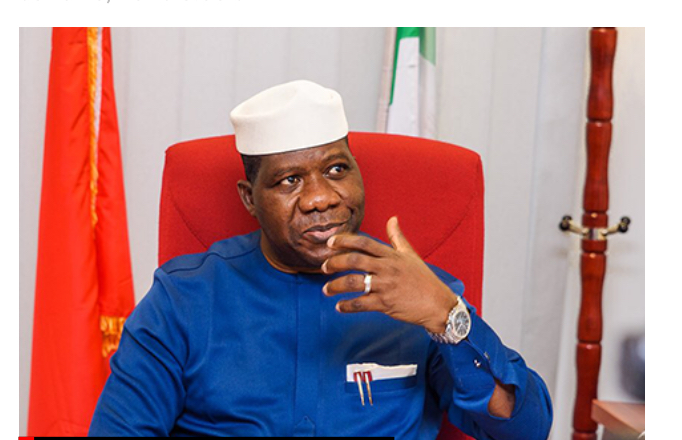
The National Assembly is set to pass the constitutional amendment bill establishing state police this week, Senate Leader Opeyemi Bamidele has disclosed, describing the reform as long overdue in view of Nigeria’s worsening security challenges.
Speaking in an interview with journalists, the lawmaker representing Ekiti Central Senatorial District said the National Assembly had concluded consultations with key stakeholders and was ready to fast-track the amendment process.
According to him, the amendment would be separated from the broader constitutional review exercise to ensure speedy passage and transmission to the 36 state Houses of Assembly for ratification.
“A cross-section of Nigerians has made it abundantly clear that there cannot be a better time to establish state police than now. We have reached a firm conclusion that we will pass the constitutional amendment to make provision for state police, and this will come to fruition this week,” Bamidele said.
He disclosed that consultations had involved the National Assembly leadership, the Attorney-General of the Federation, the Chief of Staff to the President, the Inspector-General of Police and other critical stakeholders.
The Senate Leader also revealed that President Bola Tinubu and a majority of state governors support the proposal, expressing confidence that the required approval from two-thirds of state assemblies would be secured.
On the controversy surrounding calls for a probe into military spending amid rising insecurity, Bamidele defended the Senate’s decision to reject the motion, insisting that placing the armed forces under public scrutiny while they are actively engaged in counter-terrorism operations would be counterproductive.
He said the military was confronting an unconventional enemy and had continued to make sacrifices in the fight against terrorism despite difficult circumstances.
“We cannot put our military on trial in the middle of a war. Accountability mechanisms already exist through the Senate Committees on Defence, Army, Navy and Air Force, which carry out oversight responsibilities,” he stated.
Bamidele argued that significant progress was being made against insurgents, adding that recent attacks by terrorists reflected desperation arising from heavy losses suffered during military operations.
The Senate Leader also dismissed claims that the 10th National Assembly had become a “rubber stamp” of the Executive, saying lawmakers had consistently engaged the Presidency behind closed doors to resolve disagreements before bills reached the floor.
According to him, constructive collaboration between the legislature and the executive should not be mistaken for weakness.
“We are not a rubber stamp Senate. We simply chose to resolve disagreements privately rather than perform them publicly,” he said.
On electoral reforms, Bamidele maintained that the Electoral Act should not be amended in the heat of political contests, stressing that any review should take place after elections and without retroactive effect.
He also reaffirmed his support for the publication of legislators’ salaries and allowances, saying greater transparency would help dispel public misconceptions about lawmakers’ earnings and benefits.
Regarding anti-kidnapping legislation, Bamidele disclosed that the proposed Anti-Terrorism Bill and measures prescribing the death penalty for convicted kidnappers remain on course and would be concluded alongside related constitutional amendments.
Reflecting on the performance of the 10th Senate, he identified the controversy surrounding the suspension of a senator and allegations of gender insensitivity as one of the institution’s lowest moments.
However, he highlighted several legislative achievements, including tax reforms, the student loan scheme, and the establishment of new federal tertiary institutions across the country.
Bamidele expressed optimism that the Senate’s reforms, particularly the state police initiative and tax legislation, would strengthen national security, deepen democratic governance and provide long-term economic benefits for Nigerians.


-
 news6 years ago
UPDATE: #ENDSARS: CCTV footage of Lekki shootings intact – Says Sanwo – Olu
-
 lifestyle6 years ago
Former Miss World: Mixed reactions trail Agbani Darego’s looks
-
 health5 years ago
Chairman Agege LG, Ganiyu Egunjobi Receives Covid-19 Vaccines
-
 lifestyle5 years ago
Obateru: Celebrating a Quintessential PR Man at 60
-
 health6 years ago
UPDATE : Nigeria Records 790 new cases of COVID-19
-
 health6 years ago
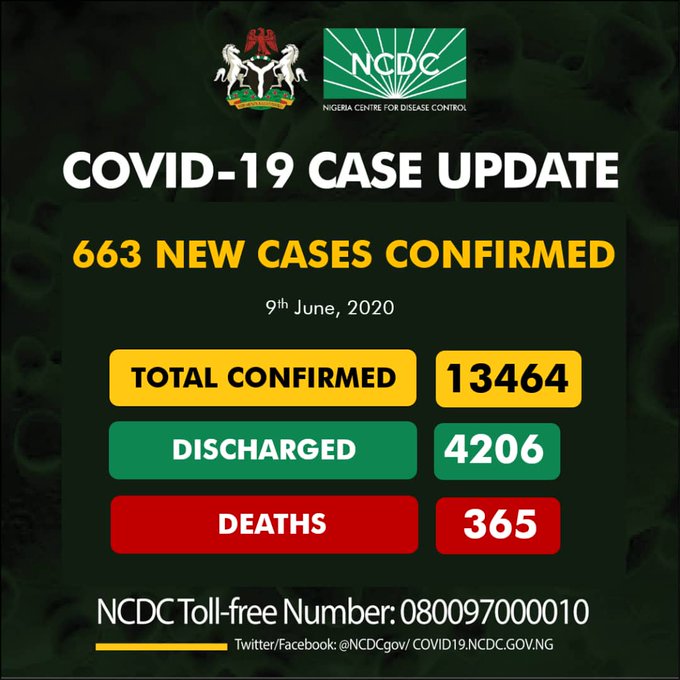
BREAKING: Nigeria confirms 663 new cases of COVID-19
-
 news1 year ago
BREAKING: Tinubu swears in new NNPCL Board
-
 entertainment1 year ago
Ashny Set for Valentine Special and new Album ‘ Femme Fatale’