news
How $6.2m was Stolen From CBN Within 24 Hours and Shared under Emefiele, Says investigative team

The sum of $6,230,000 allegedly stolen from the Central Bank of Nigeria (CBN), on February 8, 2023, was shared and invested into real estate, according…
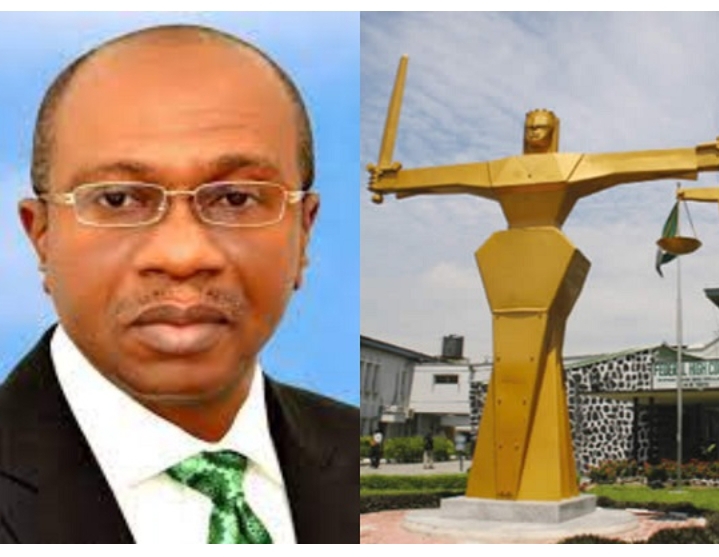
The sum of $6,230,000 allegedly stolen from the Central Bank of Nigeria (CBN), on February 8, 2023, was shared and invested into real estate, according to court documents.
The $6.2 million, according to the special presidential investigative team, led by Jim Obaze, that probed the tenure of the immediate past CBN Governor, Godwin Emefiele, was removed
from the apex bank’s vault under the guise of paying election observers.
Emefiele is standing trial on an alleged 20-count amended charge, preferred against him by the Economic and Financial Crimes Commission (EFCC).
He was alleged to have engaged in criminal breach of trust, forgery, conspiracy to obtain by false pretence and obtaining money by false pretence when he served as central bank chief.
In the court documents, investigators described the theft as an insider’s job, allegedly effected by mainly, CBN officials with the connivance of two outsiders, identified as Adamu Abubakar and Imam Abubakar.
According to the documents, investigators claimed that Odoh Eric Ocheme, Emefiele’s personal assistant, received $3,730,000 of the funds, with three other people splitting the remaining $2,500,000.
Ocheme was said to have justified his lion’s share by claiming he had to pay other interests he had within the apex bank.
In one of the court documents, it was revealed that some of the beneficiaries invested their shares of the loot, estimated at about N1.4 billion in real estate, part of which has now been recovered.
In an affidavit filed along with an extradition charge pending against Adamu Abubakar, Imam Abubakar and Odoh Eric Ocheme before a Federal High Court in Abuja, one of the investigators, a Deputy Superintendent of Police, gave details of investigators’ findings and progress made so far.
Adamu Abubakar, Imam Abubakar and Ocheme are said to be at large and are believed to have fled the country.
This informed the initiation of extradition proceedings against them before the Federal High Court in Abuja.
The Deputy Superintendent of Police was quoted to have said: “We commenced investigation into the case and obtained copies of the withdrawal slip as well as the accompanying documents, Central Bank of Nigeria memos, dated 07/02/2023 and 31/01/2023 respectively, staff identity card of one Jibril Abubakar, letter dated 2/01/2023 purportedly written by Muhammadu Buhari to Boss Mustapha and letter dated 20/01/2023 purportedly written by Boss Mustapha to Mr Godwin Emafiele, which the Central Bank of Nigeria, Abuja Branch relied on in making the payment.
“Investigation at the office of the President as well as the Secretary to the Government of the Federation in the Stale House revealed that the letters purportedly written by Muhammadu Buhari and for Secretary to the Government of the Federation (SGF) Boss Mustapha did not emanate from the offices respectively, while Jibril Abubakar, whose identity card was used to cash the money in question is not a staff of the office of the Secretary to the Government of the Federation.
“We watched the Closed-Circuit Television (CCTV) footages of the 08/02/2023 being the day the money in question was cashed, and the payee (Jibril Abubakar) could not be identified by the staff of either the CBN or that of the office of the Secretary to the Government of the Federation, where he falsely represented himself to be working.
“A further study of the Closed-circuit Television (CCTV) footage revealed that a staff of the Abuja Branch of the Central Bank of Nigeria, identified as Abdulmajeed Muhammad received the impostor (Jibril Abubakar) at the gate of the bank when he arrived on the fateful date: 08/02/2023.
“Abdulmajeed Muhammad was consequently arrested and in his statement made on 15/12/2023, he admitted helping the impostor into the Abuja Branch of the Central Bank of Nigeria, but claimed that he did that innocently, the impostor having been referred to him by Bashirudeen Maishanu; a Senior Staff of the CBN.
“Abdulmajeed Muhammad further revealed that prior to 08/02/2023 when the impostor came to cash the money in question, he (Abdulmajeed Muhammad) had been invited by Bashirudeen Maishanu to explain the procedure of public officials making cash withdrawal from the CBN as those persons claimed to be officials from the office of the SGF and that the then president had approved certain fund for official assignment.
“We visited Kuje Correctional Centre, where we interviewed Godwin Emefiele, who purportedly approved the memos authorising the payment, as then CBN and he denied seeing, talk less of approving such memos.
“We also arrested some concerned staff of the Central Bank of Nigeria, who denied any involvement in the crime, before we finally arrested Bashirudeen Maishanu, who corroborated the account of Abdulmajeed Muhammad and further confessed to have been involved in the crime which, according to him was perpetrated by himself and the first to third defendants/respondents – Adamu Abubakar, Imam Abubakar and Odoh Eric Ocheme.
“Bashiru Maishanu further confessed that himself, the first and second defendants/respondents (Adamu Abubakar and Imam Abubakar) shared the sum of $2,500,000.00 from the stolen money, while the third defendant/respondent (Odoh Eric Ocheme), being a fellow staff of the Central Bank of Nigeria, kept the balance of $3,730,000.00 claiming that he had other interests to settle in the CBN.
“Bashirudeen Maishanu further confessed that both himself, and the first and second defendants/respondents jointly invested the United States dollars equivalent of the sum of N1, 440,000,000.00 into real estate business of Afrolyk Global Ltd.
“The Managing Director of the said Afrolyk Ltd, Aminu Lawal has been arrested and he confirmed the investment by Bashirudeen Maishanu, Adamu Abubakar and Imam Abubakar, and already refunded the sum of $200 000 00 to the Special Investigator’s team as part of the money he (Aminu Lawal) received as part of the purported investment.
“Cash of about $400,000 00 has also been voluntarily returned by Bashiru Maishanu from part of his remaining share of the money in question. The money (the $6,230,000) was received in cash from the Central Bank at Nigeria and also shared in the same cash by the defendants/respondents and others, making it difficult to trace the monies without arresting the defendants/respondents.
“It was later revealed that the third defendant – Odoh Eric Ocheme – was the Personal Assistant to Godwin Emefiele as the CBN governor while the first and second defendants (Adamu Abubakar and Imam Abubakar) are businessmen and associates of Bashirudeen Maishanu.”
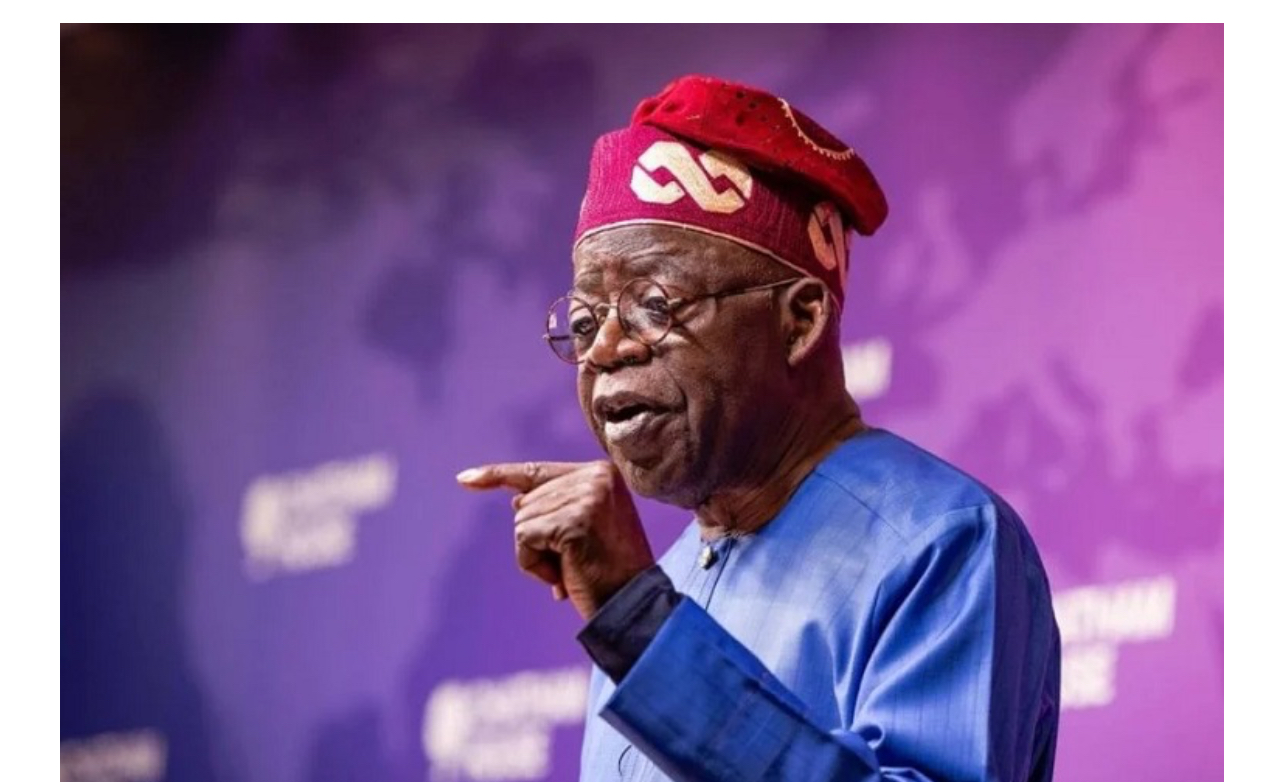
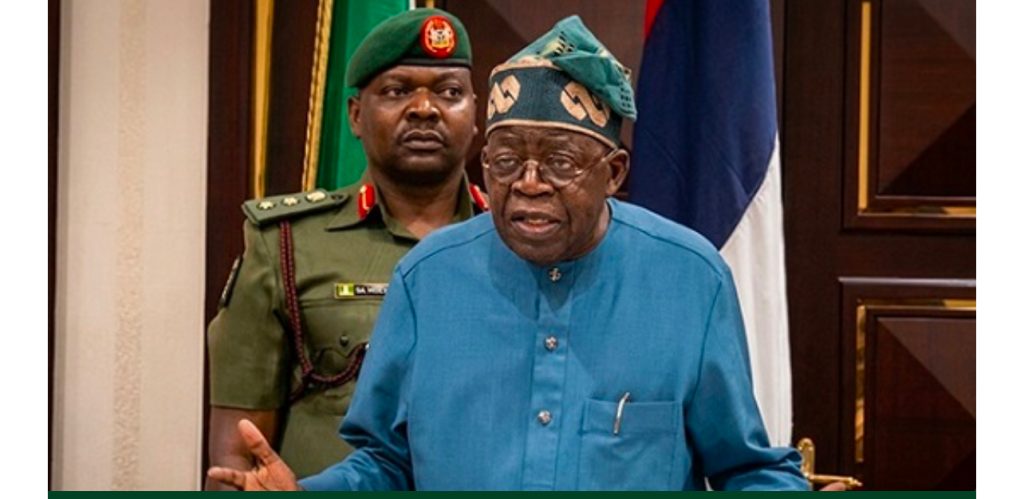
President Bola Tinubu has unveiled an investment package of more than $7 billion for the development of the Ogun State Blue Marine Special Economic Zone and the Gateway Deep Seaport, describing the projects as a major step towards strengthening Nigeria’s maritime economy and attracting foreign investment.
In a statement by his Spokesman, Bayo Onanuga, on Thursday, the President spoke in Paris, France, during the signing of Memoranda of Understanding between the Ogun State Government and DP World, a global ports and logistics operator, for the development of the projects.
Tinubu assured domestic and foreign investors that the Federal Government would continue to provide regulatory clarity, policy stability and a predictable business environment to support long-term investments in Nigeria.
“The agreements before us bring together vision, expertise, capital and execution capacity. I particularly welcome DP World, one of the world’s leading port and logistics operators,” the President said.
He added that the Federal Government would provide the necessary regulatory and institutional support to ensure that the projects moved seamlessly from agreements to implementation.
According to the President, the agreements are expected to attract an initial investment of more than $7 billion into the Nigerian economy and create over 50,000 direct jobs when fully developed, alongside additional indirect employment opportunities.
Tinubu said the projects would also generate non-oil export earnings and contribute to Nigeria’s economic diversification.
“This is economic diversification made tangible. This is industrialisation made visible. This is Renewed Hope in action,” he said.
The proposed Gateway Deep Seaport at Ogun Waterside will have a four-kilometre berth and an 18-
metre draft. The facility is expected to help decongest the Lagos port corridor and ease pressure on the Apapa and Tin Can Island ports.
The president said the deeper draft would enable the port to accommodate larger vessels while providing a competitive gateway for trade within Nigeria and across the African Continental Free Trade Area.
He noted that the proposed Ogun State Blue Marine Special Economic Zone would cover about 10,000 hectares and would be integrated with the deep seaport to support manufacturing, processing, exports and logistics.
“The Gateway Deep Seaport is the critical infrastructure that will support the zone’s viability. A port moves cargo; a port integrated with a special economic zone helps to build an economy. Each reinforces the other,” Tinubu said.
He said the Federal Government would facilitate road, rail and power connectivity to the projects, while strengthening investment security and the maritime domain and removing unnecessary bureaucratic obstacles.
The president also linked the projects to the Lagos-Calabar Coastal Highway, describing the Ogun section of the road as a critical transport connection for the emerging industrial and maritime corridor.
“The Lagos–Calabar Coastal Highway is central to this corridor’s commercial viability,” he said, adding that the 28-kilometre Ogun section of the 700-kilometre highway was scheduled for completion before the end of the year.
Tinubu said the port and industrial zone would also form part of a wider strategic corridor linking the proposed Nigerian Navy Operating Base and Dockyard with the OK LNG Project.
The President commended Ogun State Governor Dapo Abiodun and his administration for securing the land and structuring the investment framework.
“I commend Governor Dapo Abiodun and the government and people of Ogun State for securing the land, structuring the investment framework and reducing project risks for global investors,” he said.
Governor Abiodun led the Ogun State delegation at the signing ceremony, which also included state commissioners and other senior officials.
Senior representatives of DP World, the Nigerian Ports Authority and SkyKapital were also present at the event.
Tinubu urged Ogun State and the investors to maintain the momentum created by the agreements and move quickly towards implementation.
“Nigeria lies at the heart of West African trade. Yet, our strategic advantage has been constrained by port congestion, inadequate draft capacity and logistics bottlenecks that increase the cost of doing business. These projects respond directly to those constraints,” he said.
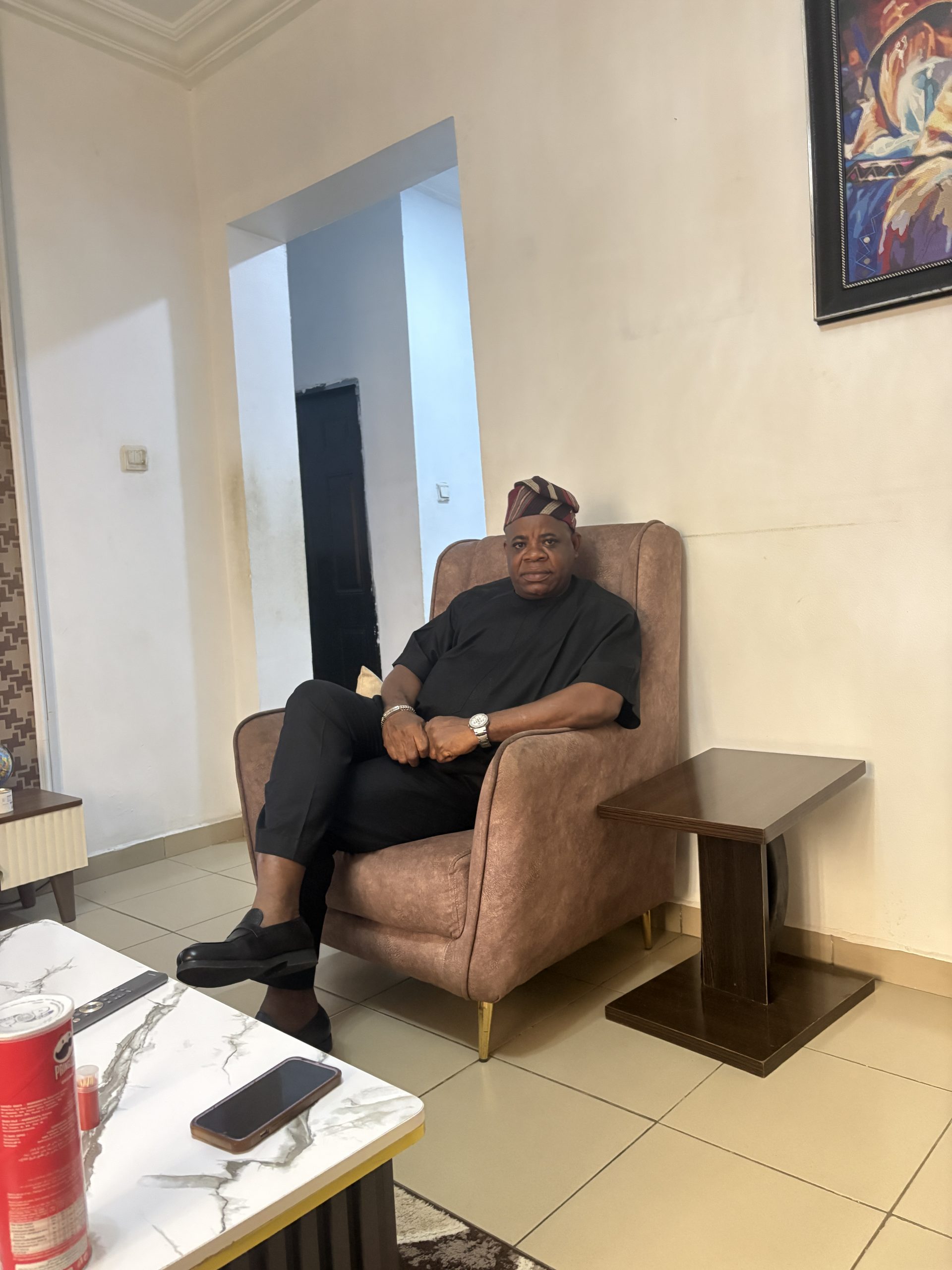
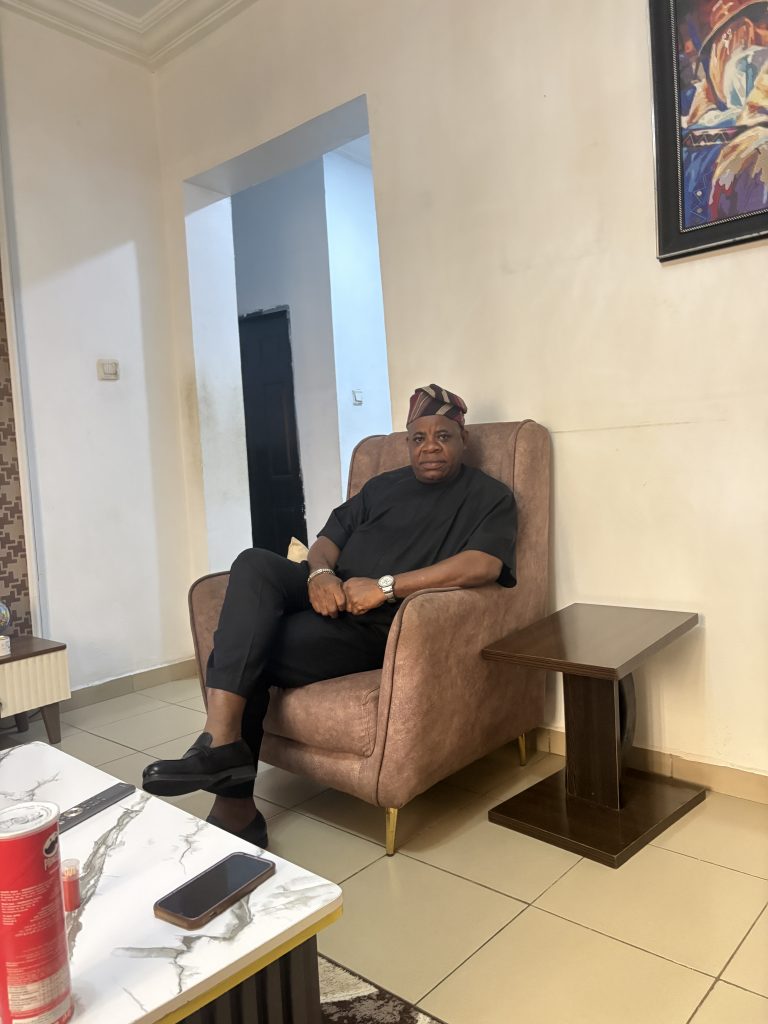
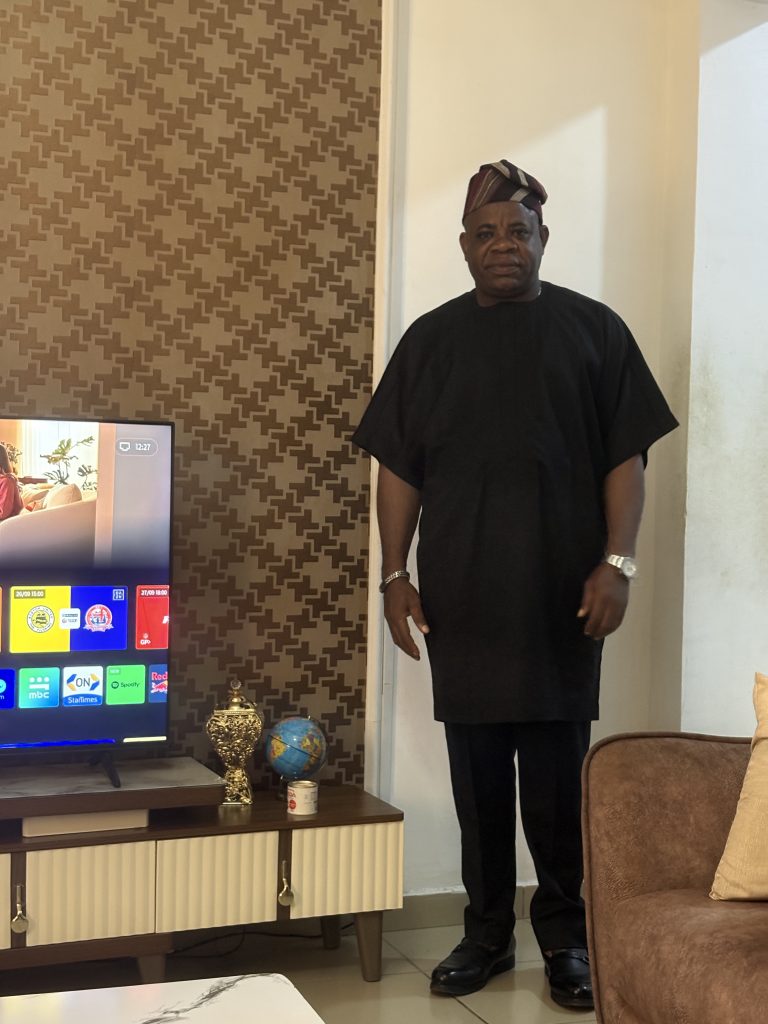 Today, I celebrate myself and give all glory and thanks to Almighty God for the gift of life and for bringing me this far. I am grateful for the opportunity to be alive, healthy, peaceful, happy, and prosperous.
As I celebrate another year today, I pray for greater blessings, wisdom, good health, peace, success, and abundant prosperity in the years ahead.
May this new chapter of my life be filled with joy, favour, wonderful opportunities, and fulfilment of my heart’s desires.
Happy Birthday to me! 🥳🎉
Congratulations to me on this special day. 🙏❤️🎂
I wish myself many more happy and prosperous returns. Cheers to a beautiful new year of my life! 🥂🎉
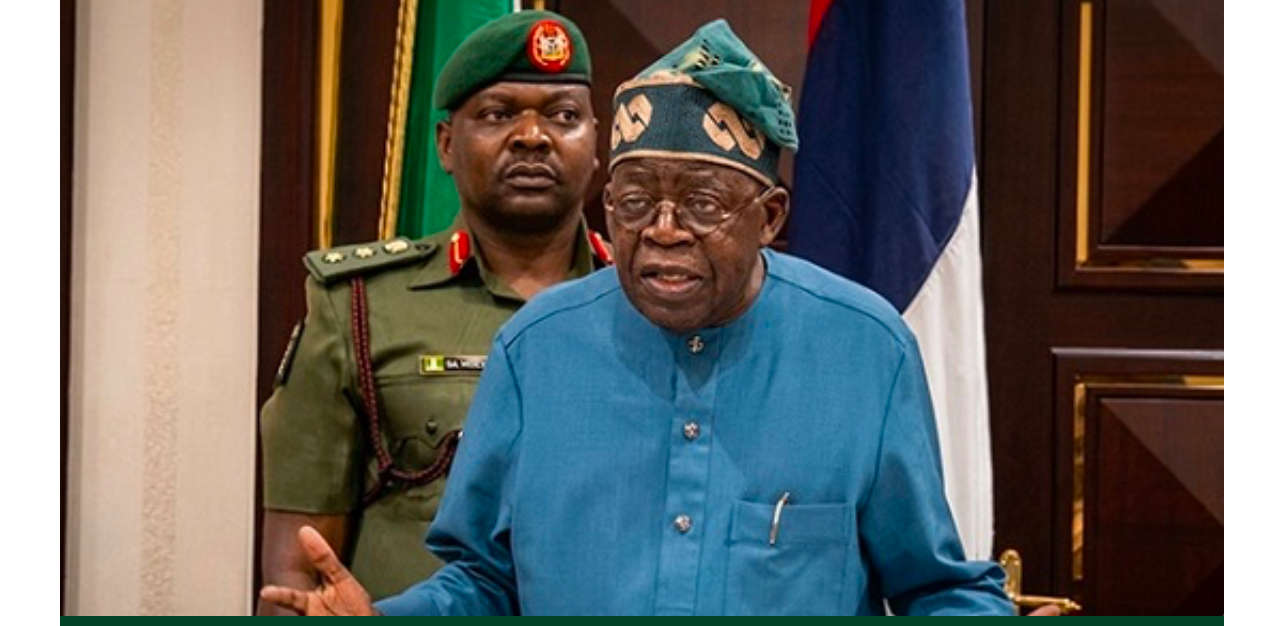
The International Chamber of Commerce tribunal in Paris has ruled in favour of Nigeria in the arbitration brought by Sunrise Power and Transmission Company Limited over the Mambilla Hydroelectric Power Project in Taraba State.
President Bola Tinubu, in a statement issued on Thursday by his Special Adviser on Information and Strategy, Bayo Onanuga, said the tribunal rejected the claims by Sunrise.
The company had sought $680m from Nigeria as a settlement sum and interest in relation to a separate arbitration in which it is claiming more than $2.7bn in compensation and interest over disputes surrounding the development of the 3,960-megawatt Mambilla project.
However, the tribunal, as reported by The Cable, also dismissed Sunrise’s claim for $400m arising from the 2020 settlement agreement, according to the details of the award reported on Thursday.
It further ordered Sunrise and its promoter, Leno Adesanya, to reimburse Nigeria 75 per cent of its legal fees and expenses, amounting to $11.82m.
The tribunal also reportedly declared that Adesanya was bound by the arbitration agreement with Nigeria under the settlement agreement and its addendum and that it had jurisdiction over Nigeria’s counterclaim against him and his firm.
In the statement, Tinubu said the ruling demonstrated the government’s determination to defend the country’s interests.
“This latest decision affirms the Nigerian State’s determination not to succumb to predatory and exploitative claims by corrupt local and international entities and their enablers and funders,” he said.
The President commended the Attorney-General of the Federation and Minister of Justice, Lateef Fagbemi, and officials of the Federal Ministry of Justice for their role in the case.
He also commended former President Olusegun Obasanjo and the late former President Muhammadu Buhari, who testified in the arbitration.
“I also commend the FRN defence team, led by Ms Elizabeth Oger-Gross and Mr Tolu Obamuroh, both of Paul Hastings LLP, for their professional and excellent defence of the country.
“I commend the patriotism and support of former President Olusegun Obasanjo, GCFR, and late President Muhammadu Buhari, GCFR, who testified in the case, which dated back to an illegal 2003 contract to build a 3,050-megawatt hydroelectric plant in Taraba State under a build-operate-transfer model.
“The Federal Executive Council never authorised the contract. I thank the other witnesses in this case, including former Ministers Babatunde Raji Fashola, SAN, and Suleiman Adamu, and the experts, for their active participation in defending Nigeria’s interest in the arbitration,” the statement read.
“I want to assure you that while our country remains committed to partnering with genuine investors and honouring its legal obligations, it will continue to defend all opportunistic claims instituted against our commonwealth strongly.
“Today’s ICC ruling clears the single biggest legal hurdle that has paralysed the Mambilla hydro power project for years,” Tinubu said.
The dispute dates back to an agreement under which Sunrise claimed it had been awarded the contract to construct the Mambilla project.
The company commenced arbitration against Nigeria at the ICC International Court of Arbitration in October 2017, seeking about $2.354bn over an alleged breach of contract.
The parties later entered into a settlement agreement in 2020, under which Nigeria was to pay Sunrise $200m.
A subsequent dispute arose after the government did not make the payment, leading to another arbitration in which Sunrise sought $400m, comprising the $200m settlement sum and a $200m default payment.
In Thursday’s award reported by The Cable, the tribunal rejected Sunrise’s claim that Nigeria had breached its obligations under the settlement agreement and its addendum.
It also rejected the company’s demand for the $400m settlement and default sums.
The Cable reported that the tribunal fixed the arbitration costs at $1.6565m, with Sunrise and Adesanya responsible for 75 per cent and Nigeria for 25 per cent. Of the $11.82m in legal fees and expenses awarded to Nigeria, $2.5m is to be recovered from funds held in escrow by the ICC, while the remaining $9.32m is payable by Sunrise and Adesanya, with interest at 10 per cent annually, compounded annually, from notification of the final award until payment.

-
 news6 years ago
UPDATE: #ENDSARS: CCTV footage of Lekki shootings intact – Says Sanwo – Olu
-
 lifestyle6 years ago
Former Miss World: Mixed reactions trail Agbani Darego’s looks
-
 health6 years ago
Chairman Agege LG, Ganiyu Egunjobi Receives Covid-19 Vaccines
-
 lifestyle5 years ago
Obateru: Celebrating a Quintessential PR Man at 60
-
 news1 year ago
BREAKING: Tinubu swears in new NNPCL Board
-
 health6 years ago
UPDATE : Nigeria Records 790 new cases of COVID-19
-
 entertainment2 years ago
Ashny Set for Valentine Special and new Album ‘ Femme Fatale’
-
 health6 years ago
BREAKING: Nigeria confirms 663 new cases of COVID-19