news
BOMBSHELL: COMMITTEE UNCOVERS BILLIONS LOOTED BY YUGUDA/ABUBAKAR, BAUCHI GOVS

It is with great pleasure that the Bauchi State Government’s Assets and Funds Recovery Committee welcomes you to its press conference. The Committee is very grateful to you for responding to its invitation, and for the fact that you will help us share this news, which is a mixture of sweet and bitter, with members of the public.
You may recall that His Excellency the Executive Governor of Bauchi State Senator Bala Abdulkadir Mohammed, CON (Kauran Bauchi) has during the electioneering campaigns, promised that if elected, he would recover all stolen funds and assets belonging to the good people of Bauchi State. The constitution and subsequent inauguration of the Committee on the 12th day of July, 2019 is therefore a promise kept. The Committee, immediately after its inauguration, sat for a maiden meeting during which it came up with a well thought out work plan. Most importantly, the Committee took a firm decision to operate within the boundaries of laws of the Federation and other enabling laws enacted by the Bauchi State House of Assembly, in the discharge of its assignment.
The Committee has received a total of 279 petitions, complaints and whistle blower exposés. In addition to these, the Committee also received information about Federal Allocations, local and international loans, aids, grants, donations and other interventions, from primary and secondary sources.
The primary sources include Federal Government MDAs such as the Office of the Accountant General of the Federation, Debt Management Office (DMO), Federal Ministry of Finance, Ecological Funds Office, Universal Basic Education Commission (UBEC) etcetera. Other primary sources include World Bank, World Health Organisation (WHO), United Nations Children’s Fund (UNICEF), United Nations Industrial Development Organization (UNIDO), Dangote Foundation and United Nations Educational, Scientific and Cultural Organization (UNESCO).
The secondary sources are the Ministries, Departments and Agencies (MDAs) in Bauchi State, to enable the Committee make comparisons and reach conclusions as to the judicious application, utilisation and management of the resources belonging to the good people of Bauchi State.
All these information were painstakingly looked into, which led to the discovery of massive fraud – outright stealing of public funds, wanton mismanagement of resources, deliberate skewing of contracts, breach of trust, reckless abuse of office and other shoddy deals perpetrated against the good people of Bauchi State by the administrations under review, with the connivance of some criminally inclined civil servants.
The following are some of the heart-wrenching discoveries made by the Committee:
FUNDS ACCRUED TO BAUCHI STATE BETWEEN MAY 2007 AND MAY 2015 (EIGHT YEARS ADMINISTRATION OF FORMER GOVERNOR ISAH YUGUDA)
STATUTORY ALLOCATION (2007 – 2015)
According to the submission by Office of the Accountant General of the Federation (OAGF), Bauchi State received a total of N393,867,570,547.75 as Statutory Allocation between May 2007 and May 2015.
Conversely, this Committee was able to trace a total of N386,500,736,402.86, from relevant Bank Statements of Accounts at the Bauchi State Treasury. A discrepancy of N6,611,420,477.79, representing Unaccounted Statutory Revenue due to Bauchi State.
SURE-P INTERVENTION PROGRAMME (2007 – 2015)
The Committee discovered that between May 2012 and December 2014, the sum of N8,338,485,091.46 as Federal Government’s SURE-P Intervention. Investigation is still going on to confirm the actual utilization of this amount and you will be duly informed of further discovery in due course.
BANK LOANS TO BAUCHI STATE (2007 – 2015)
The Committee has discovered that a total of N135,145,096,050.84 commercial loans were taken. Out of this amount, N100,961,539,849.33 were loans taken without the authorisation of Bauchi State House of Assembly as required by the extant law. The balance of N34,183,556,201.51 represents the loans which followed due process of law.
Similarly, the Committee discovered that a total of N881,464,360.73 was interest charge on the unauthorised loans.
TEN BILLION NAIRA (N10,000,000,000.00) LOAN FROM FINBANK (NOW FCMB) – BASG MAIN ACCOUNT NO. 2134384701
The Committee also discovered a commercial loan to the tune of N10,000,000,000.00 taken from the then FINBANK (now FCMB), through a credit entry in the former Main Account of the State Government No. 2134384701, which was apparently “an unsolicited” loan. There were no documents, whatsoever from the Office of the Accountant General of Bauchi State in respect of this loan. The Committee’s search is ongoing to confirm how the funds were utilised.
FIFTEEN BILLION NAIRA (N15,000,000,000.00) BOND
At the beginning of the year 2014, Bauchi State Government initiated a process for raising funds from the Capital Market through the issuance of N15,000,000,000.00 Series 1 Fixed Bond under the Bauchi State Medium Term Loan Programme.
The objective of raising these funds as stated in the issue documents were the completion of Bauchi International Airport; New Bauchi Specialist Hospital and; refinancing of existing bank loans in Fidelity Bank and FCMB.
By mid-December 2014, the process was completed and the proceeds of the Bonds Issue were disbursed through the lead bank – United Bank for Africa (UBA) Plc.
Full investigation on the utilisation and management of the funds is still in progress and details will be announced as soon as investigation is completed.
ECOLOGICAL FUNDS
According to the Office of the Accountant General of the Federation (OAGF), the sum of N2,000,000,000.00 was paid to the Bauchi State Government as it share of the Ecological Fund for the year 2013. Similarly, the Ecological Fund Office has through a letter with reference no. EF/ACCT/019/1/14 dated 18th September, 2019 confirmed that in 2014, another N500,000,000.00 was paid into the Bauchi State Government Account No. 0998552029 domiciled with FCMB, as Grant for Displaced Persons in the State.
What is outstanding is how this amount totaling N2,500,000,000.00 were expended.
A total of N564,851,151,690.05 had accrued to Bauchi State between May 2007 and May 2015. Over N200,000,000,000.00 of this funds, this Committee discovered, was mismanaged or outrightly stolen under the administration of former Governor Isah Yuguda.
In line with the Terms of Reference of the Committee, “To consider and appraise the report of various enquiry commissions or committees set-up by the previous administrations from May, 2007 to May 2019 with the view of effecting full implantation of all the recommendations requiring recovery of Government’s properties and funds,” the Committee is going to implement all the recommendations contained in the HIGH POWERED COMMITTEE report that investigated all major contracts awarded between May 2007 and May 2015.
FUNDS ACCRUED TO BAUCHI STATE BETWEEN MAY 2015 AND MAY 2019 (FOUR YEARS ADMINISTRATION OF FORMER GOVERNOR MOHAMMED ABDULLAHI ABUBAKAR, ESQ)
GOVERNMENT FINANCES:
STATUTORY ALLOCATION (2015 – 2019)
According to the submission by Office of the Accountant General of the Federation (OAGF), Bauchi State received a total of N321,460,759,830.34 as Statutory Allocation between May 2015 and May 2019.
BANK LOANS (2015 – 2019)
The Committee discovered that a total of N58,602,385,544.00 loans were taken between May 2015 and May 2019.
BAILOUT LOAN FACILITY
According to the submission by the Office of the Accountant General of Bauchi State, a bailout facility of N8,609,100,000.00; N5,968,400,090.00; N700,000,000.00 in 2016, 2017 and 2018 respectively, totalling N15,282,400,000.00 were released to the Bauchi State Government.
PARIS CLUB REFUNDS
Similarly, the total sum of N47,314,330,501.72 in 2016, 2017 and 2018 was received by the last administration of Governor Mohammed Abdullahi Abubakar, according to submission by the Office Accountant General of Bauchi State.
BUDGET SUPPORT LOAN FACILITY
The Committee discovered that the sum of N17,569,000,000.00 was received by the State as Budget Support Facility from the Federal Government of Nigeria
EXCESS CRUDE ACCOUNT (ECA) LOAN FACILITY
The sum of N10,000,000,000.00 was also received by the State as Excess Crude Account (ECA) loan facility.
However, the Committee has observed a discrepancy in the figures supplied by Office of the Accountant General of the Federation (OAGF), Debt Management Agency (Bauchi State) and Office of the Accountant General of Bauchi State on Budget Support Facility provided by the Central Bank of Nigeria (CBN). The figures under the Budget Support Facility was given as N17,569,000,000.00 and N12,125,000,000.00 by the OAGF and Office of the Accountant General of Bauchi State/Debt Management Agency (Bauchi State), respectively.
Similarly, a loan of N850,000,000.00 being counterpart funding paid Bauchi State by for the Rural Access and Agriculture Mobility Project (RAAMP) has not been captured in the debt portfolio of the State by both the Office of the Accountant General of Bauchi State and Debt Management Agency (Bauchi State).
ASSETS TAKEN AWAY/REFUSED TO BE RETURNED
The Committee discovered that the former Governor Mohammed Abdullahi Abubakar has sold to himself, seven (7) posh vehicles belonging to Bauchi State Government in violation of provisions of BAUCHI STATE BUDGET MONITORING, PRICE INTELLIGENCE AND PUBLIC PROCUREMENT LAW (BMPIPP 2008), for the disposal of government assets and/or properties. The vehicles are as follows;
Land Cruiser Armoured Jeep, with Chassis No. JTMHX09J9F4089580 auctioned at the cost of N7,800,000.00.
Land Cruiser V8, with Chassis No. JTMHX09J8D4050814 sold at the cost N2,800,000.00.
Toyota Hilux, with Chassis No. MROFX22G2F1436641sold at the cost of N1,050,000.00.
Toyota Hilux, with Chassis No. MROFX22G701415100 sold at the cost of N1,050,000.00.
Range Rover (Jeep), with Chassis No. SALWA2VF3EA366819 sold at the cost of N2,947,875.00.
Range Rover (Jeep), with Chassis No. SALLSAAD4DA800170 sold at the cost of N2,114,700.00.
Range Rover (Jeep), with Chassis No. SALLSAAD4DA81373 sold at the cost of N2,114,700.00.
Similarly, thirty (30) exotic vehicles allocated to his political appointees and public office holders that have left office were found to have not been returned. The Committee has already recovered fifteen (15) of such vehicles and, is on the trail of the remaining fifteen (15) with a view to recovering and returning them to government pool. In the same vein, the Committee has taken steps to recover the vehicles that the former governor arbitrarily sold to himself.
It was also discovered that in violation of his Oath of Office, the former Governor Mohammed Abdullahi Abubakar initiated a transaction and sold to himself a house with Certificate of Occupancy No. BA/40245 located adjacent to Wikki Hotel, belonging to Bauchi State Government, at a highly subsidised rate. This also, in gross violation of the BAUCHI STATE BUDGET MONITORING, PRICE INTELLIGENCE AND PUBLIC PROCUREMENT LAW (BMPIPP 2008), for the disposal of government assets and/or properties. Section 55, Subsection 4 & 5 states inter alia; “All procuring entities shall distribute responsibilities for the disposal of public property between procurement units and Tenders Board;” and, “A report of the findings… shall be forwarded to the Executive Council for appropriate directive.” Similarly, PART XI – Section 56, Subsection 6(f) stipulates, “Avoiding all situations likely to render an officer vulnerable to embarrassment or undue influence.” All these provisions were found to have been violated. Above all, the disposing entity, Bauchi Geographic Information Service (BAGIS) is not backed by any law, as the Bill that established the Agency in 2017 is yet to be signed into law. It follows therefore that, whatever business the Agency transacted, and with whomsoever – individuals or organisations, is illegal, null and void, and of no effect whatsoever. The Committee considers as morally reprehensible for a sitting governor to apply for the purchase of a government property and approved same for himself, placing his individual interest above public interest.
The Committee was also able to trace about fifteen (15) properties in Kaduna State, which belong to Bauchi State Government, with their Certificates of Occupancy and ground rents paid up to year 2017. However, the Committee noticed a lot of trespass and encroachment on the properties due to neglect, but legal machineries have been set to evict the trespassers.
ILLEGAL DEDUCTIONS UNDER SECURITY VOTE
WITHOUT APPROVAL
Between October 2016 and May 2018 alone, nearly N1.4 billion was outrightly stolen. In 2017 and 2018, unremitted taxes amounting to over N705 Million was uncovered to have been carted away by some greedy officers at the State Treasury.
Furthermore, there were deductions in the name of civil servants in Bauchi State, for National Housing Fund supposed to be paid to the Federal Mortgage Bank but diverted to private pockets, amounting to nearly N350 Million. Under these direct withdrawals and theft we have a total of about N2.5 Billion. The culprits have been identified and efforts have reached advanced stage to retrieve the amount, and appropriately prosecuted.
FRAUDULENT/QUESTIONABLE CONTRACTS
The Committee uncovered multi-billion naira fraudulent and questionable contracts, some of them fully paid for according to documents showing capital releases, but were either abandoned or completely not executed. While the Committee is still uncovering such contracts, a few examples of them that were established to be bogus are as follows:
CONSULTANCY CONTRACT ON PARIS CLUB REFUND
The Committee identified a highly suspicious contract on Paris Club recovery, awarded to a consultant, Mauritz Walton. What makes this contract even more suspicious was the claim by the consultant to have received N5 Billion being part payment from Bauchi State Government, waiting for a balance of N3 Billion. However, according to payment voucher from the State Treasury and a Bank Statement of Account of Bauchi State showed a figure much less than what he claimed to have received. Apparently, the Consultant has no idea on how much he has actually been paid. This underscores the shoddy nature of the contract. It is shocking that from our preliminary findings, there was no such consultancy work performed by the presumed consultant to warrant payment of such whooping amount of money. It is on record that Nigeria Governors Forum had hired a Consultant on behalf of all the States of the Federation on the same issue. The Committee is about to conclude its investigation, and certainly recover the amount fraudulently paid to the so called consultant.
FICTITIOUS CONTRACT FOR THE SUPPLY OF CHEMICALS FOR A PURPORTED FUMIGATION
The Committee uncovered a N418,425,000.00 fictitious contract awarded at the eve of the 2019 election on 31st December, 2018 by the Bauchi State Ministry for Local Government and Chieftaincy Affairs, for the supply of Agro-Allied Chemicals for fumigation in primary schools in the 20 Local Government Areas of the State. The supply of this chemicals was never done, but the contractor, one Wuro Soyo Investment Nigeria Limited has been fully paid. It is instructive to know that, chemicals of this amount when diluted, can spray a farmland equal to the entire land area of Bauchi State, which is 49,119 km2.
CONTRACT FOR THE REHABILITATION OF MURTALA MOHAMMED WAY (CBN ROUNDABOUT-FEDERAL LOW COST-RAILWAY ROUNDABOUT)
This contract is the most controversial of all the contacts awarded under the administration of former Governor Mohammed Abdullahi Abubakar. The 4.5km road contract was originally awarded at the cost N2,328,679,294.33 on 3rd November, 2015. The Committee observed that this contract has been reviewed two times, in the sum of N1,744,338,324.33 and N2,428,995,536.88 respectively. As at today, the contractor has been paid a total sum of N2,786,321,283.45. The Committee’s valuation of work done to date is only N1,318,692,684.54, implying that an overpayment to the tune of N1,467,628,598.91 has been made to the contractor, Messrs QUMECS NIG. LTD.
It is disheartening that after all these payments, work was abandoned and the contractor is not on site. The upward review of this contract, the Committee observed, was done illegally which led to the overpayment as mentioned above. It was also observed that some Certificates of Valuation (CV) raised were not forwarded to Due Process Office Certification for Payments. These Certificates are those that contained the illegally reviewed rates. There seems to be a collusion between some unpatriotic Government Officials and the contractor to review the contracts upward. These officials would be sanctioned according to the Civil Service Rules and Regulations, and the amount overpaid would be recovered.
CONTRACT OF 1.3KM LINK ROAD WITH STREET LIGHT AT FADAMAN MADA, BAUCHI
This contract was awarded to Messrs KANNOU PROJECT NIG. LTD. at original cost of N298,596,929.00 in November 2015. The contract was later reviewed upward to N463,817,177.75. The total amount paid to the contractor as at today is N412,771,115.00, and the actual value of work done is worth N298,715,521.21. The illegal review of the original contract rate led to the overpayment of N414,055,593.79. There is an established collusion between some Government Officials and the contractor, which resulted in the overpayment. The officials would be treated appropriately while recovery of overpayment is being handled.
CONTRACT FOR THE DESIGN AND CONSTRUCTION OF ITAS-ATAFOWA-MAGARYA ROAD
This contract was awarded to Messrs KANNOU PROJECT NIG. LTD. at the original cost of N1,455,001,214.90 on 7th October, 2016. It was later reviewed upward to N2,979,340,218.25. A total of N553,978,770.00 has been paid to the contractor, while value of work done is only N151,122,021.00. The project has been abandoned and the contractor has left the project site. It clearly appears that the contractor is incompetent to handle project of such magnitude and complexity, that is why for nearly four years on site, and with the amount paid, only 5% work is achieved. This contract is recommended to be determined and the amount of N402,856,749.64 being overpayment to the contractor be recovered.
CONTRACT FOR THE SUPPLY OF 500 UNITS OF TRACTORS INCLUDING COMPLETE IMPLEMENTS
This contract was awarded at the cost of N7,925,000,000.00. This contract was a Public Private Partnership contract, with State and LGs to pay N3,170,000,000.00 (being 40% of the contract sum) and the contractor and Bank to pay N4,755,000,000.00 (being 60% of the contract sum). As at September 2018, a total payment of N2,068,958,350.00 has been made to the contractor.
However, as at today only 40 Units of tractors valued at N554,829,280.00 were supplied by the contractor, leaving a balance of N1,514,129,070.00 with the contractor to date. The contractor’s ground for non-completion of the contract was that the Client could not pay up the “agreed” Advance Payment of 40% balance of N600,000,000.00. The Committee is making appropriate recommendation to the Government on the best option to tackle this matter.
CONTRACT FOR THE SUPPLY OF MAHOGANY AND SHRUOD TO CEMETERIES
This contract was awarded between 2016 and January 2019, to an array of companies including one that is an Engineering and Design Company. The supplies were to be made to Bauchi Central Cemetery, Azare, Misau, Ningi, Jama’are, Dass, Toro, Gamawa, Darazo, Alkaleri Cemeteries, and other “various locations” not properly defined. The total number of mahogany to be supplied is 573,000 (2”x12”x12”) at the cost of N1,568,033,810.00. While the total number of shroud to be supplied is 66,000 bundles at the cost of N820,423,360.00. The total cost of the contract therefore, is N2,388,457,170.00.
The above outrageous contract implied that at the worst case scenario, at least 573,000 people must have died within this period for the mahogany to be exhausted. While a total number of 198,000 people must have died within the period for 66,000 bundles of shroud to be exhausted.
In the meantime, the relevant Ministry handling the two related matters has already approached the current Governor for approval to supply more of such materials at over N155 Million Naira, but investigation would be concluded when the Committee confirm death figures from various locations to assess the true position of whether or not the materials could truly be said to have been exhausted.
CONTRACT FOR THE REHABILITATION AND CONSTRUCTION OF SOME ROADS IN BAUCHI
This contract was awarded to Messrs QUMECS NIG. LTD. at the initial cost of N1,957,519,297.53. It was later reviewed downward twice in the sum of N1,103,734,742.13 and N1,237,202,468.13 respectively. Similarly, the sum of N133,467,726.00 was found to have been added to the contract sum as “Loss of Profit” to compensate for the omission of Asphalt Work. This, the Committee believes is too much a compensation. The percentage of work done to date is 21.6% and, the contract has been abandoned and the contractor has left site. The Committee has established an overpayment of N537,117,385.86, which is going to be recovered. In the same vein, the appropriate compensation for “Loss of Profit” would be determined, and any such amount overcharged would be recovered.
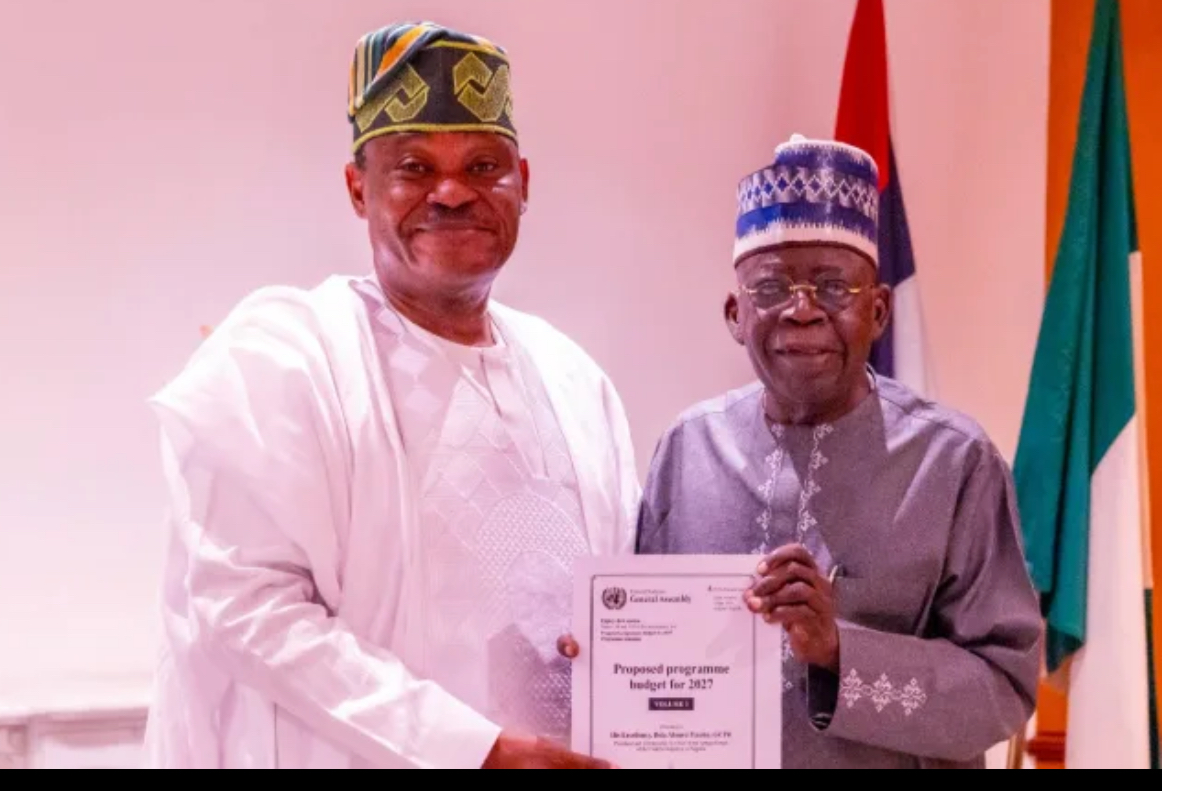
 No President Bola Tinubu received in audience the Permanent Representative of Nigeria to UN, Ambassador Jimoh Ibrahim after he presented the proposed $14 billion UN budget for 2027.
President Bola Tinubu has received copies of the proposed 2027 United Nations budget from Nigeria’s Permanent Representative to the UN, Jimoh Ibrahim.
Ibrahim, who chairs the UN committee responsible for budgetary and administrative matters, presented the seven-volume document to the President at the State House, Abuja.
Speaking to journalists after the presentation, Ibrahim described the occasion as historic, saying it was the first time in 66 years that a Nigerian president had received the proposed UN budget through the process.
He said, “This is the presentation of the United Nations proposed budget for 2027 that was presented to me by the General Assembly, by the Secretary-General of the United Nations to the Fifth Committee, and that budget has seven volumes.
“So it has to be presented to my country because my country is a member of the United Nations. I share the budget at the committee, so the appropriate thing to do is to bring the budget home and deliver it to the President.
“This is the first time in 66 years that Nigeria will share budget in the committee. The first time. So I don’t know when we’re going to do that again in history.”
Ibrahim added, “President Bola Tinubu is making history to have been able to receive that budget, being the first President in 66 years that will receive such budget from the United Nations, and it’s not a small issue for a country to receive the whole UN budget.”
He said the proposed budget covered the organisation’s regular activities and peacekeeping operations, with approximately $3.4bn allocated to the regular budget and $8.5bn for peacekeeping.
Ibrahim put the total at about $14bn, although the figures he cited for the two components add up to $11.9bn.
He stressed that the document was still a proposal and had not received final approval from UN member states.
“The budget still has to be approved. This is a proposed budget. It’s at the proposed stage. You submit it to your country, and thereafter the budget is finally discussed. Figures are adjusted, and then finally the final budget is approved and spending commences,” he said.
Asked about the support Nigeria could receive from the UN, Ibrahim said discussions on the proposed budget were ongoing and declined to specify what Nigeria might benefit from it.
He also cited the construction of a $267m UN conference centre in Kenya as an example of the organisation’s investment in facilities in member states.
The proposed budget will undergo further scrutiny and adjustments before member states approve the final figures and spending begins.
news
Abuja-Kaduna Train: Opeifa Denies NRC’s Involvement in Ticket Racketeering, Blames Scammers and High Demand
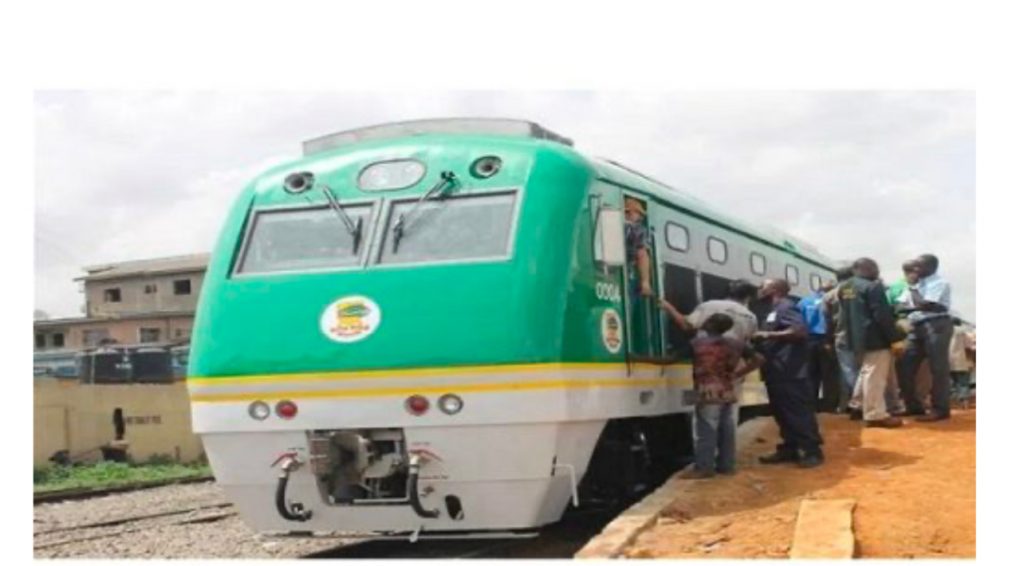
……..NRC Introduces Double Verification to Curb Racketeering
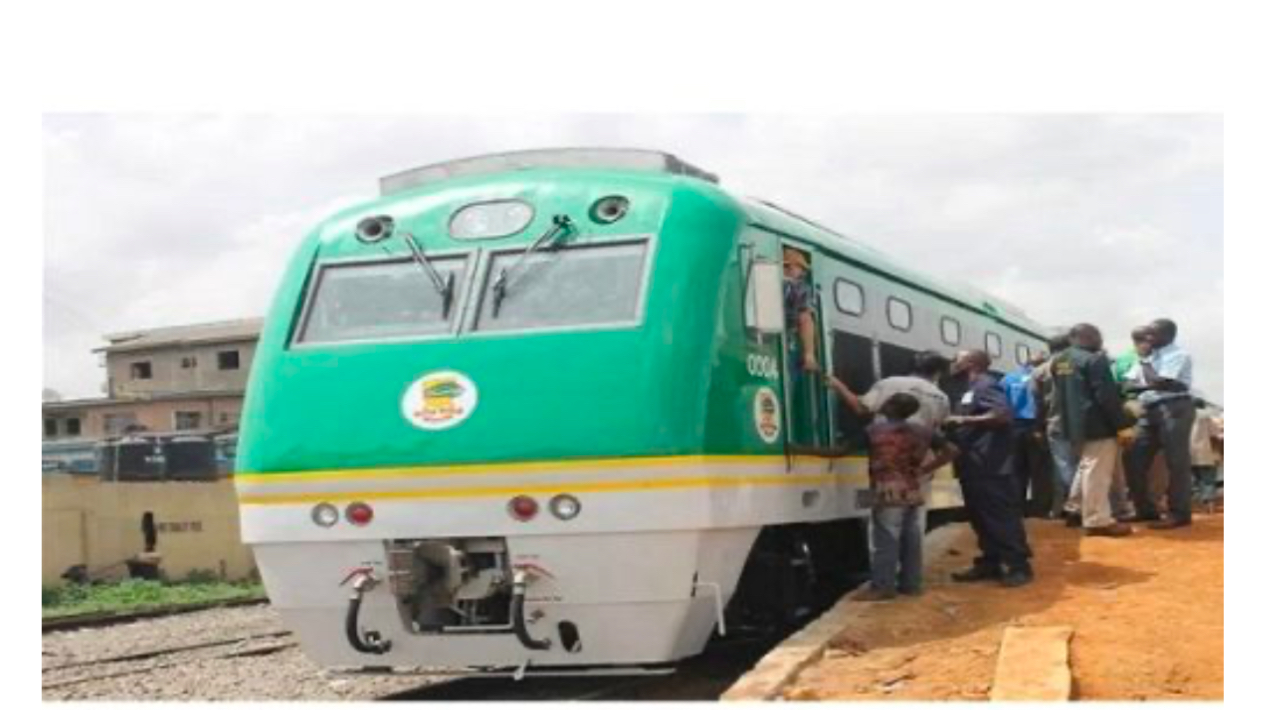
The Managing Director of the Nigerian Railway Corporation (NRC), Dr Kayode Opeifa, has denied allegations that the corporation deliberately creates artificial scarcity of train tickets on the Abuja-Kaduna Train Service (AKTS) to facilitate their resale at inflated prices through unauthorised agents.
The controversy followed a viral social media video by Instagram blogger Faizah Raji, who operates under the handle @wearegst, alleging that the corporation deliberately withholds tickets from its official electronic ticketing platform and makes them available through agents at exorbitant prices.
In the video, titled “The NRC Is Stealing Its Own Tickets to Resell,” the blogger claimed that she was unable to obtain a ticket through the official booking portal but subsequently purchased one from an agent at twice the official price.
Responding to the allegations, the NRC management described the claims linking the corporation to the alleged racketeering as misleading, insisting that the corporation does not directly buy or sell tickets on the Abuja-Kaduna corridor.
According to the management, electronic ticketing on the standard-gauge rail services operates under a Public-Private Partnership (PPP) arrangement, with private concessionaires responsible for ticket sales.
SecureID/TPS handles ticketing for the Abuja-Kaduna Train Service, while Global Software Digital Solutions (GSDS) manages the Lagos-Ibadan Train Service. Fane Warri-Itakpe Ticketing Solutions Limited is responsible for ticketing on the Warri-Itakpe Train Service.
The NRC said the concessionaires were approved by the Infrastructure Concession Regulatory Commission (ICRC) and the Federal Executive Council (FEC) before 2023.
Explaining the persistent difficulty passengers face in securing tickets, the corporation attributed the situation largely to a significant imbalance between passenger demand and the number of seats available.
According to the NRC, demand for train services on the Abuja-Kaduna corridor has exceeded available capacity by more than tenfold, putting considerable pressure on the ticketing system.
The management maintained that the reported experience of purchasing a ticket through an agent did not, in itself, establish that the corporation was responsible for creating artificial scarcity or facilitating the alleged resale.
It also warned passengers against patronising unofficial ticket agents, stressing that those who purchase tickets outside approved channels do so at their own risk.
The corporation explained that the Federal Government introduced the National Identification Number (NIN) requirement for train ticket purchases following the 2022 Abuja-Kaduna train attack, as part of measures to improve passenger identification and curb ticket racketeering.
However, it said suspected fraudsters had devised ways of obtaining multiple NINs to purchase tickets for resale to unsuspecting travellers.
To address the challenge, the NRC introduced a double-verification process in 2025, requiring passengers to undergo NIN verification and present personal identification before boarding.
The corporation said its ticketing and verification system is integrated with the database of the National Identity Management Commission (NIMC), enabling officials at Idu and Kubwa in Abuja, as well as Rigasa in Kaduna, to verify the identity and photograph associated with the NIN used to purchase a ticket.
The management, however, acknowledged that the Rigasa station in Kaduna lacks an adequate access-control system, a shortcoming it said could occasionally allow agents linked to ticket scams to overwhelm security personnel.
The introduction of a second verification process, modelled on the system used at Terminal 2 of the Murtala Muhammed International Airport in Lagos, is intended to strengthen checks and prevent passengers from travelling with tickets purchased using another person’s identity.
As part of efforts to address complaints about ticket availability, the NRC said the electronic ticketing concessionaires had been directed to improve access to their online platforms and ensure compliance with established ticketing procedures.
The corporation also reiterated that purchasing tickets from third parties using another person’s NIN or name was unacceptable, describing the practice as economic sabotage.
It stressed that passengers should book through approved portals and avoid sharing their NIN details and other personal information with agents or third parties who could exploit such information for fraudulent transactions.
The NRC management declared zero tolerance for ticket racketeering, warning that any staff member found participating in or colluding with individuals involved in the practice would face disciplinary action.
The corporation said it remained committed to protecting the integrity of its operations, improving customer service and ensuring that passengers have access to safe, affordable, reliable and convenient rail transportation.
While the allegations have renewed public debate over ticket availability and the effectiveness of the electronic ticketing system, the NRC maintained that the immediate challenges include rising passenger demand, limited seating capacity and the activities of individuals exploiting the system.
The corporation urged passengers to use only approved ticketing platforms and cooperate with verification procedures to help curb fraud and protect the railway system.
The NRC said it would continue working with relevant stakeholders to strengthen its ticketing processes and improve the passenger experience across its rail corridors.
news
Ondo Sports Council Chairman Declares 2026 ADU Unity Cup Open as Ijapo Ages FC Edges Odigbo LG FC

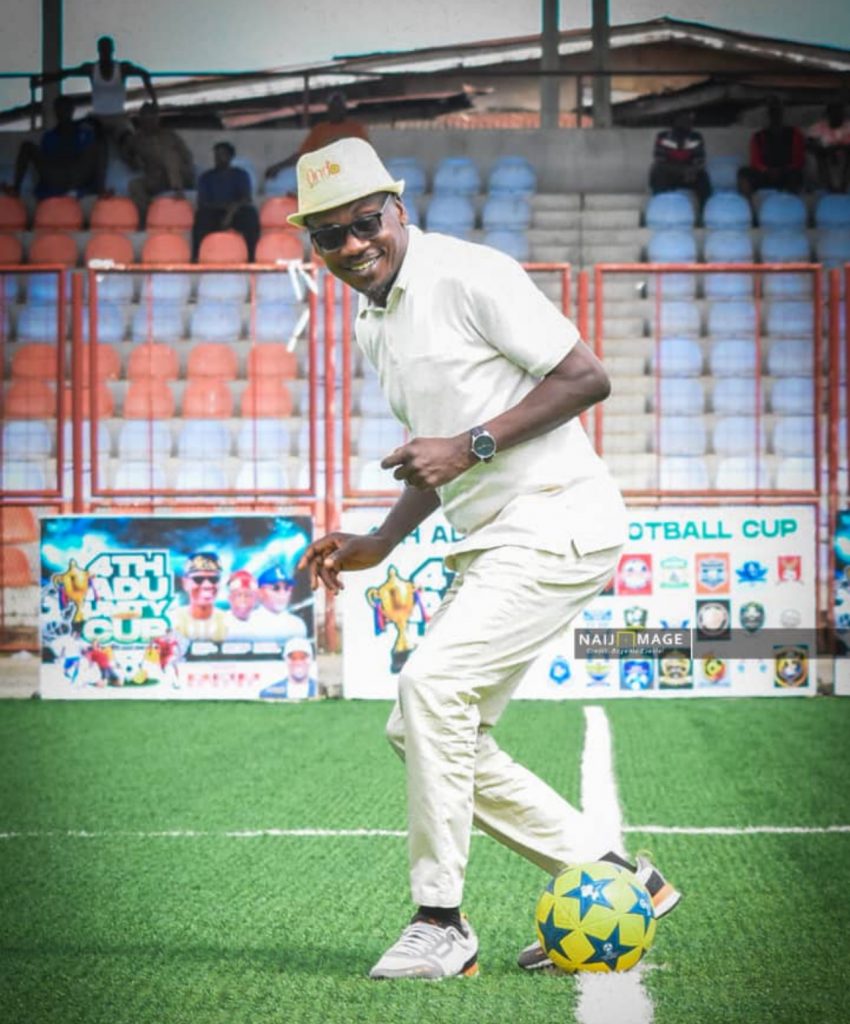
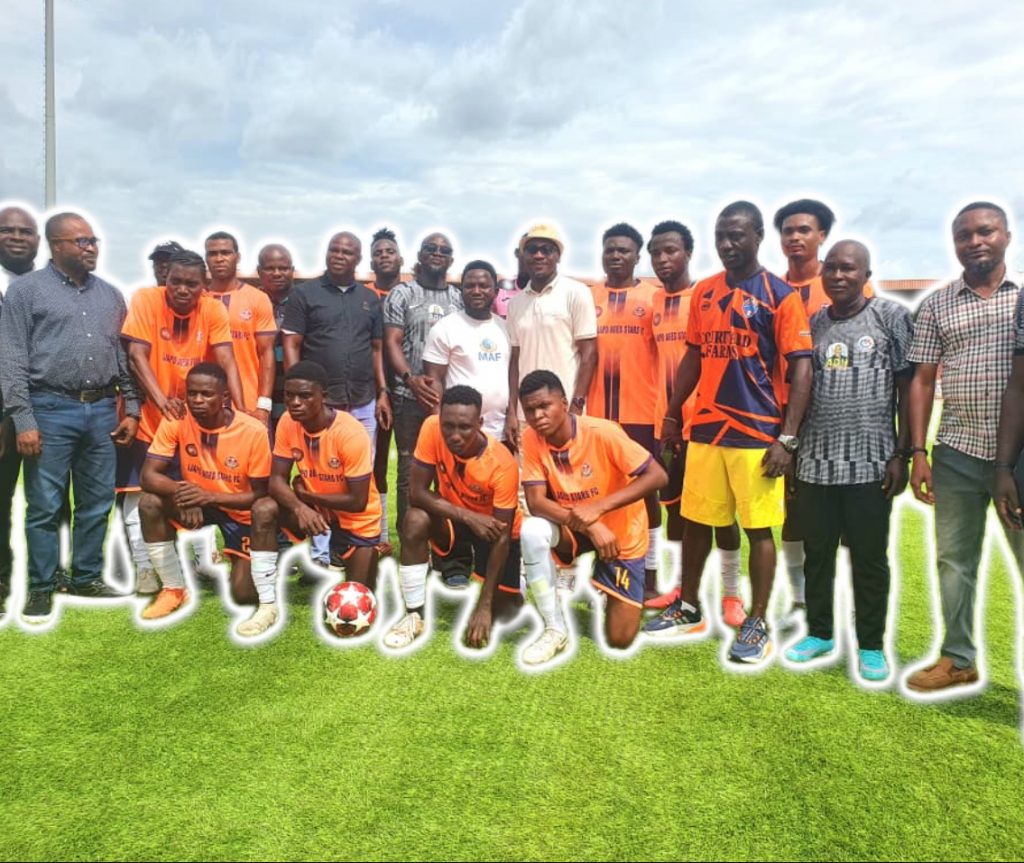 The Chairman of the Ondo State Sports Council, Hon. (Coach) Abimbola Oladimeji, has officially declared the 2026 ADU Unity Cup open, marking the commencement of another edition of the football competition aimed at promoting unity, sportsmanship and grassroots football development.
The opening ceremony attracted football enthusiasts and supporters who gathered to witness the start of the tournament and celebrate the spirit of competition among participating teams.
In the opening match, Ijapo Ages FC secured a narrow 1–0 victory over Odigbo LG FC in an entertaining encounter, giving the team a winning start to its campaign in the competition.
The ADU Unity Cup continues to provide a platform for players to showcase their talents, foster unity among communities and contribute to the development of football at the grassroots level.

-
 news6 years ago
UPDATE: #ENDSARS: CCTV footage of Lekki shootings intact – Says Sanwo – Olu
-
 lifestyle6 years ago
Former Miss World: Mixed reactions trail Agbani Darego’s looks
-
 health6 years ago
Chairman Agege LG, Ganiyu Egunjobi Receives Covid-19 Vaccines
-
 lifestyle5 years ago
Obateru: Celebrating a Quintessential PR Man at 60
-
news8 years ago
-
 news1 year ago
BREAKING: Tinubu swears in new NNPCL Board
-
 health6 years ago
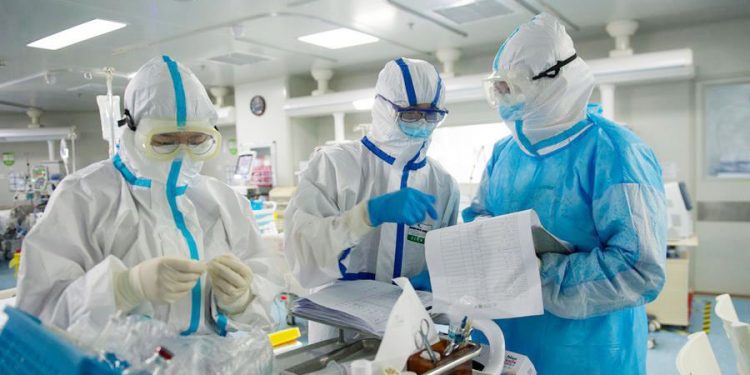
UPDATE : Nigeria Records 790 new cases of COVID-19
-
 society3 years ago
Bisbam CEO, Abisola Bamidele, Bags Owu Chieftaincy Title