
news
$2 billion Fraud : Kyari, being probed over funding of the repair work on refineries, others, Says EFCC

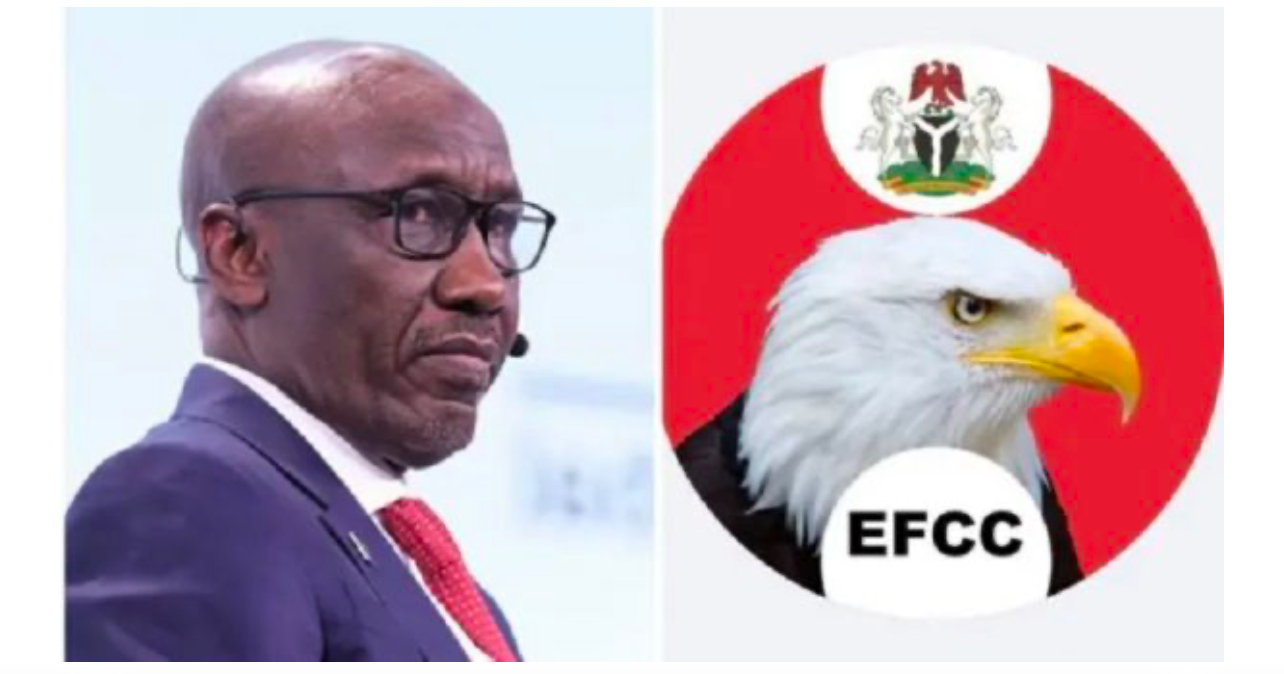
Ex-GCEO: I have nothing to hide
Former Group Chief Executive Officer (GCEO) of the Nigerian National Petroleum Company Limited (NNPCL), Mele Kolo Kyari, is being probed over funding of the repair work on refineries.
He was taken before investigators at the Abuja Headquarters of the Economic and Financial Crimes Commission (EFCC) yesterday.
As of 8:30pm, he had not been allowed to go, raising suspicion whether or not he was detained.
Under investigation, according to sources at the anti-graft agency, are:
•How the over $2 billion meant for Turn-Around Maintenance (TAM) was spent: The money, it was learnt, was made available, thus: $1.55 billion to the Port Harcourt Refinery; $740.6 million (Kaduna Refinery) and $656.9 million (Warri Refinery).
•The contracts awarded during his tenure:
Kyari, before submitting himself to interrogation, had always insisted he had nothing to hide.
In a statement on his invitation, titled: “Hard questions, honest answers”, Kyari said: “I have done my part; the EFCC must do theirs. When each of us does our duty – without fear of favor, with honour, respect and commitment – Nigeria moves forward.”
On arrival at the EFCC headquarters, his international passport was seized.
The four state-run refineries are: Port Harcourt Refining Company (PHRC) (2); Warri Refining and Petrochemical Company (WRPC) and the Kaduna Refining and Petrochemical Company (KRPC).
They have installed capacity to produce 445,000 barrels per day (bpd)
The two Port Harcourt refineries have a combined capacity of 210,000 barrels per day (bpd), Warri has a capacity of 125,000 bpd and Kaduna has 110,000 bpd.
But the refineries remained non-functional for years despite several attempts to refurbish them.
About $18 billion has been sunk into TAM since 2010 but the refineries were still in poor state.
According to an EFCC source, Kyari was asked to “state how much was voted for TAM during his tenure, what was expended and the balance, if any.
“Detectives were also curious to know how N4.8 trillion was incurred as operating costs on the refineries when they weren’t working.
“The most crucial aspect of the investigation is why the refineries broke down shortly after repairs.
“Some of his former top officials have refunded money to the EFCC from TAM cash. Kyari is to explain what he knew about how the slush funds came about.”
The source said: “After the probe of TAM, Kyari will proceed to the second phase of the investigation, which is about the humongous contracts awarded during his tenure.
“So far, we have seized his international passport to limit his movement to the country in the course of investigation.”
TAM has been a major money pit of NNPC in the last three years, in particular.
On June 24, 2022, the Federal Executive Council awarded Maintenance Services for Quick Fix Repairs of Warri Refinery to Daewoo Engineering and Construction Limited at $497, 328, 500.
The contract was different from the 2017 job award to Saipem Contracting Nigeria Limited for Tech Plant Survey of Warri and Kaduna Refineries at 2, 025, 000.32 Euros.
The rehabilitation of the Kaduna Refinery and Petro-Chemical Company (KRPC) had, in the past 10 years, gulped N2.26 billion.
The NNPCL approved a renovation deal with Daewoo Engineering and Construction Limited to renovate Kaduna Refinery in February 2023 to restore the refinery to production of 110,000 barrels of petrol per day and at least 60 per cent capacity by early last year.
Kyari was appointed NNPCL GCEO in 2019 and served till April 2, when his appointment was terminated.
On August 28, Kyari’s successor, Bayo Ojulari, said Nigeria lost between $300 million and $500 million monthly while the Port Harcourt Refinery was operating.
He said: “When I resumed, one of the first priorities I focused on was the refinery. I did a quick review to see if we could quickly fix it. What I found is that we were losing between $300 million to $500 million on a monthly basis in the refinery.
“We were pumping about 50,000 barrels of crude to go into the refinery. What was coming out was less than 40 per cent equivalent of what was coming in.”
Ojulari spoke in his Abuja office when he met with the leadership of Petroleum and Natural Gas Senior Staff Association of Nigeria (PENGASSAN).
After years of being in comatose, the NNPCL restarted the Port Harcourt Refinery in November, 2024. Kyari announced the reopening of the facility to a huge applause by Nigerians, but the operation was halted in May, barely one month after Ojulari’s resumption.
Ojulari said he halted the operation of the refinery to prevent further losses, and work towards a sustainable arrangement.
Ojulari explained: “The first thing we said was rather than continue to lose, let’s quickly stop and look for a way to put this refinery into a sustainably profitable venture.”
He said the NNPCL was working to revive the moribund refineries to operate at full capacity by adopting the Nigeria Liquefied Natural Gas (NLNG) model (Public, Private, Partnership), which PENGASSAN advocated during the meeting.
The NNPCL chief said talks were on to find a viable solution to the refining crisis, ensuring the refineries become a sustainably profitable venture.
He said the national oil company had concluded a technical review for the three refineries, pointing out that the long term neglect and lack of maintenance were major reasons behind the huge losses recorded monthly, despite the huge investments to make them work.
The NNPCL chief, who explained that a lot of money has been spent on the refineries, admitted that it has been challenging to translate those funds into profitability.
He likened the situation of the refineries to parking an old car for some time without any greasing and oiling. He added that the Port Harcourt Refinery has been difficult to put back because of years of neglect and it’s been difficult: when you fix one thing, the other thing is still there.
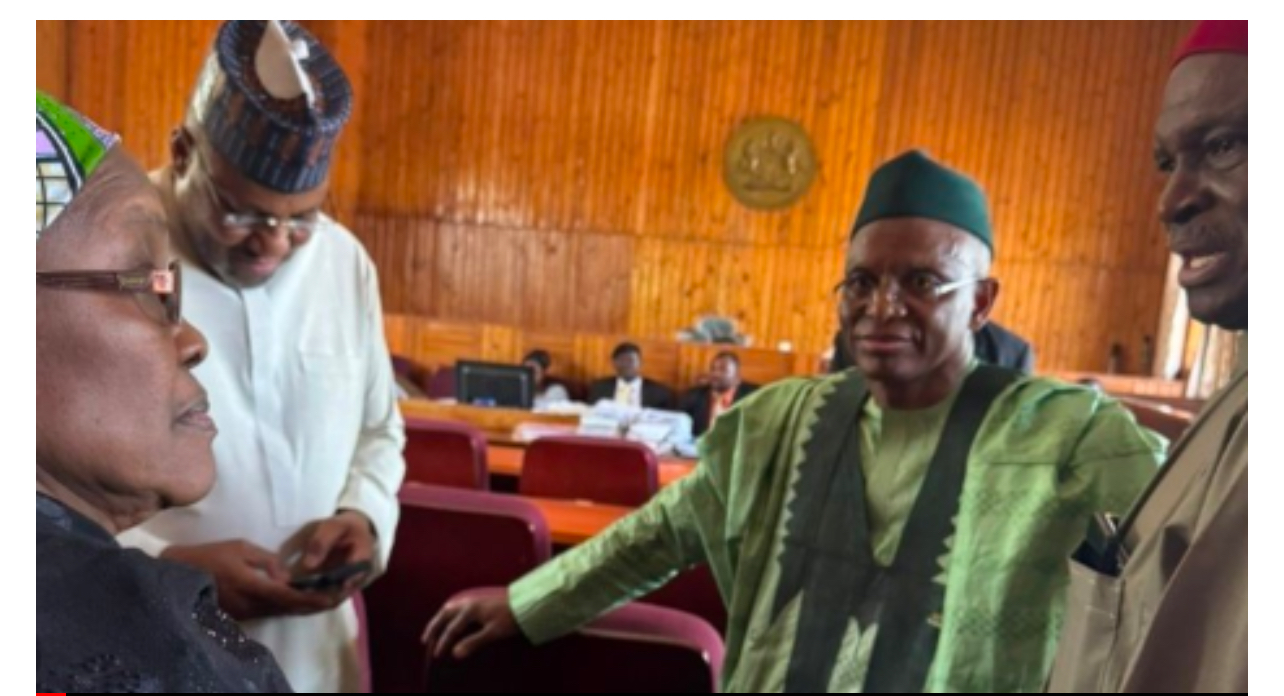
Security presence surged around the Federal High Court in Kaduna on Tuesday as operatives from multiple agencies were deployed ahead of the arraignment of former Kaduna State Governor, Nasir El-Rufai, over alleged corruption-related offences.
By about 7:00 a.m., heavily armed personnel of the Department of State Services, Nigeria Police Force, Mobile Police Force, and Nigeria Security and Civil Defence Corps had taken positions at strategic locations leading to the court complex situated within the old Nigerian Defence Academy area.
Access roads to the venue witnessed restrictions, forcing vehicles into a single lane from the Ungwan Sarki axis through Kawo and triggering early morning gridlock.
The heavy security followed a prior notice by the Independent Corrupt Practices and Other Related Offences Commission that it would arraign El-Rufai on Tuesday, March 24, 2026, before the Federal High Court sitting in Kaduna.
In a statement issued by its Head of Media and Public Communications, John Odey, the commission said the former governor would be docked alongside one Joel Adoga in suit number FHC/KD/73/2026.
The agency explained that the charges against the defendants include alleged conversion, unlawful possession of public property, and money laundering.
“The Independent Corrupt Practices and Other Related Offences Commission is set to arraign the former Governor of Kaduna State, Malam Nasir El-Rufa’i, and one Joel Adoga at the Federal High Court of Nigeria in the Kaduna Judicial Division on Tuesday, March 24, 2026. The charges range from conversion of and possession of public property to money laundering,” the statement read.
It further disclosed that another case, marked KDH/KAD/ICPC/01/26, had been instituted against El-Rufai and one Amadu Sule before a Kaduna State High Court.
According to the commission, the state charges border on abuse of office, fraud, intent to commit fraud, and conferring undue advantage.
“Similarly, another charge against Malam Nasir El-Rufa’i and one Amadu Sule has been filed before a Kaduna State High Court in the Kaduna Judicial Division. The charges range from abuse of office and fraud to intent to commit fraud and conferring undue advantage, among others,” the statement added.
The ICPC said both cases were filed on March 18, 2026, adding that a date for arraignment in the state court would be announced later.
It also insisted that El-Rufai had been properly served, stressing its adherence to due process and the rule of law.
The development came amid growing pressure from stakeholders, including the African Democratic Congress, which called for his immediate release or arraignment, describing his continued detention without formal charges as unconstitutional.
In the same vein, the Muslim Rights Concern criticised his prolonged detention, while members of his family also alleged a breach of his fundamental rights.
El-Rufai was first arrested by the Economic and Financial Crimes Commission on February 16, 2026, granted bail two days later, and subsequently re-arrested by the ICPC.
He has remained in the custody of the anti-graft agency since then, pending his arraignment.
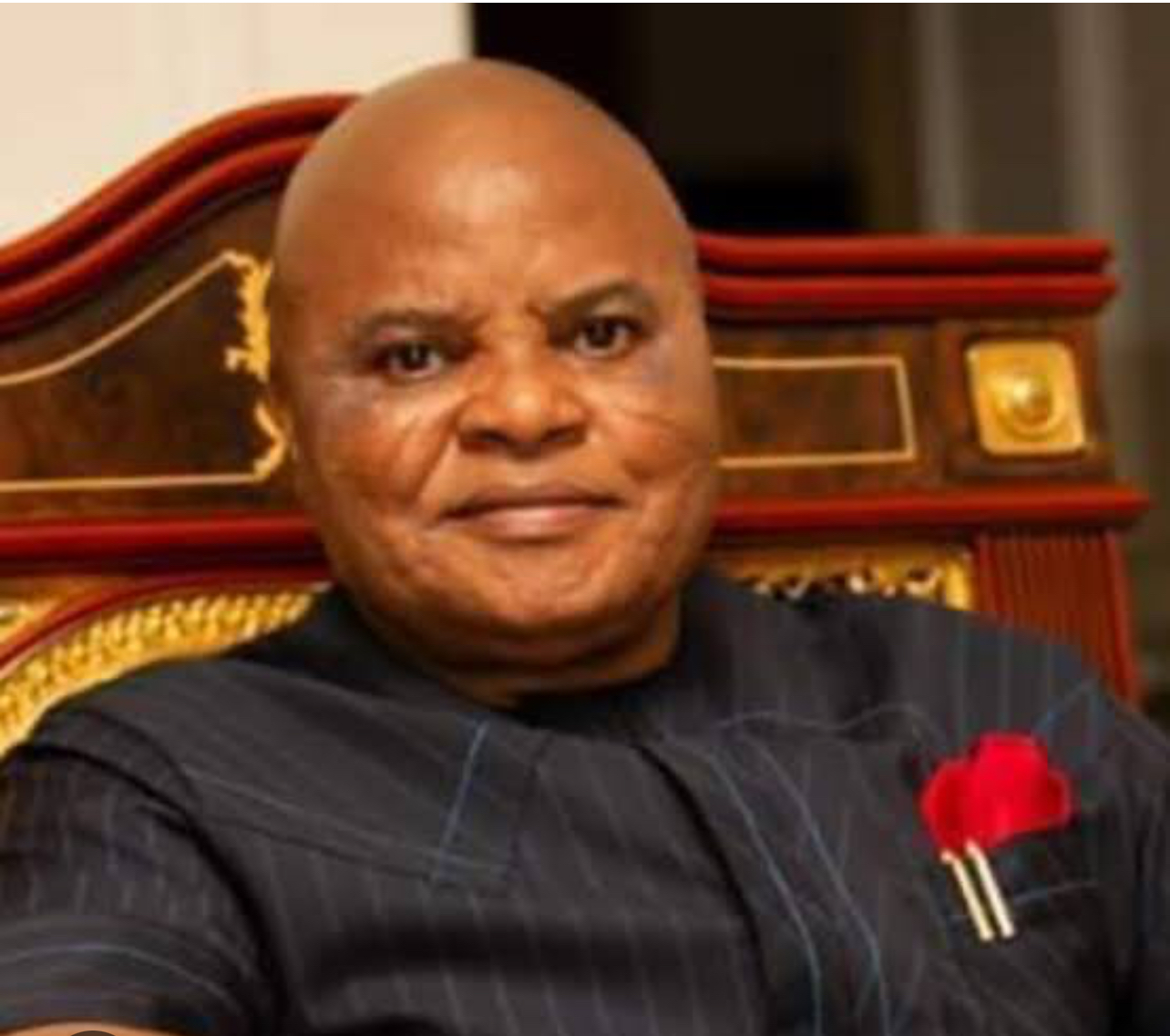
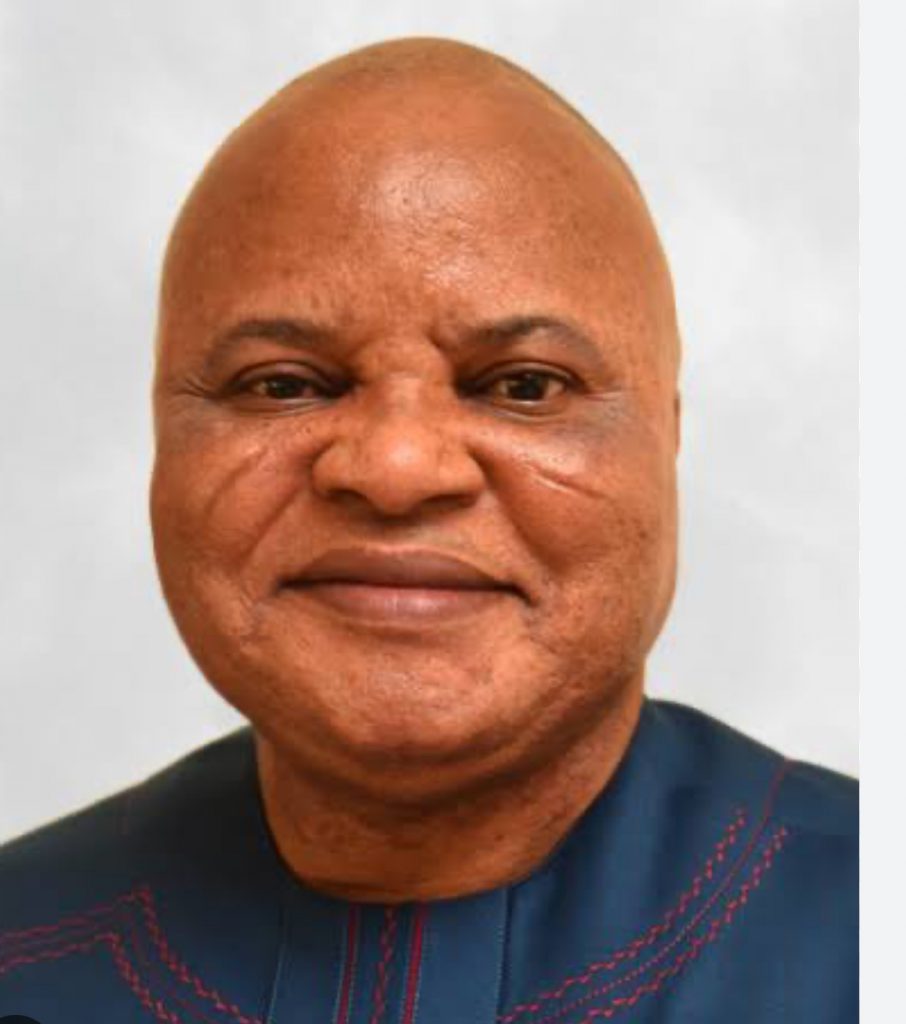
Senator Ifeanyi Araraume, a prominent chieftain of the All Progressives Congress (APC), has extended warm felicitations to Muslims in Nigeria and across the globe on the joyous occasion of Eid-el-Fitr.
In a statement to mark the end of Ramadan, Araraume highlighted the significance of the month long period of spiritual reflection, fasting, and devotion. “As Muslims gather with loved ones to share in the festivities, I join in the cheer, wishing everyone a blessed and peaceful Eid,” he said.
The Senator expressed profound appreciation to Muslim Nigerians for their contributions to the nation’s growth, describing their faith, resilience, and patriotism as beacons of hope. “Your unwavering commitment to Nigeria’s progress is truly commendable,” he stated.
As the country navigates its current challenges, Araraume called for unity, understanding, and collective effort. “Let us embrace the spirit of Eid, forgiveness, generosity, and kindness, to build a brighter future for ourselves and generations to come,” he urged.
Araraume also extended solidarity to President Bola Tinubu, a distinguished Muslim and the leader of APC, praising his visionary leadership and dedication to nation building. “President Tinubu’s commitment to serving Nigeria has been exemplary, and we assure him of our continued support,” he said.
Reaffirming the APC’s commitment to national prosperity, Araraume emphasized that the values of compassion, unity, and progress embodied by Eid align deeply with the party’s ethos. “As we mark this occasion, we reaffirm our dedication to creating a Nigeria where faith and ethnic background are not barriers to success,” he concluded.
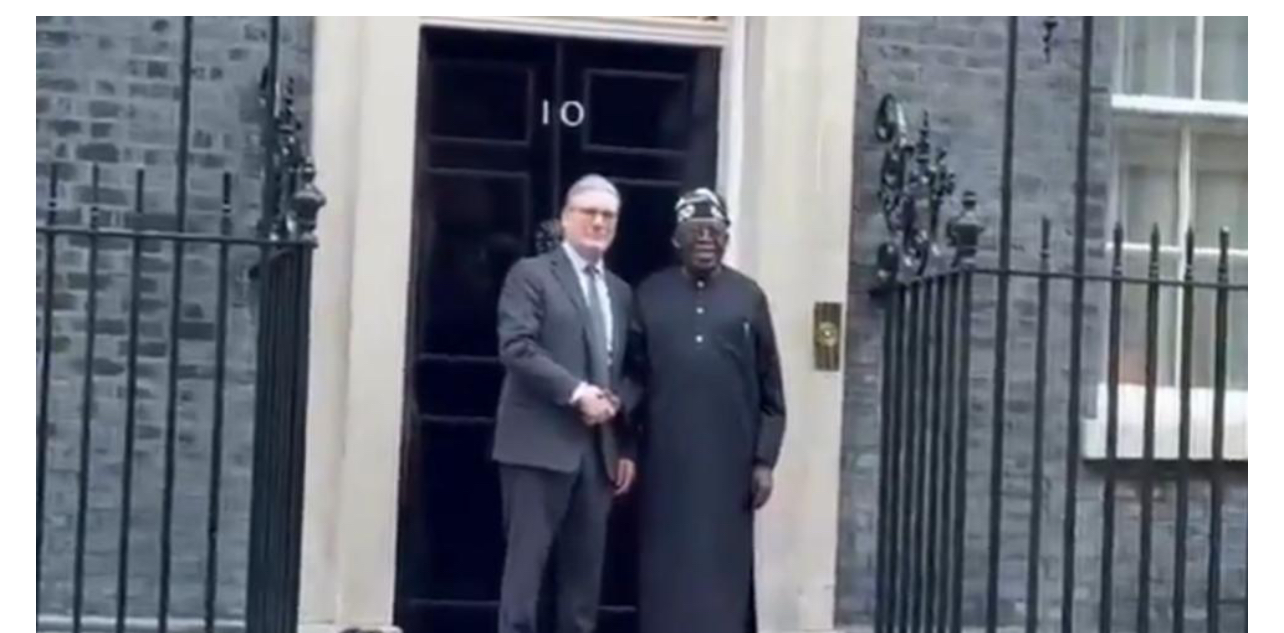
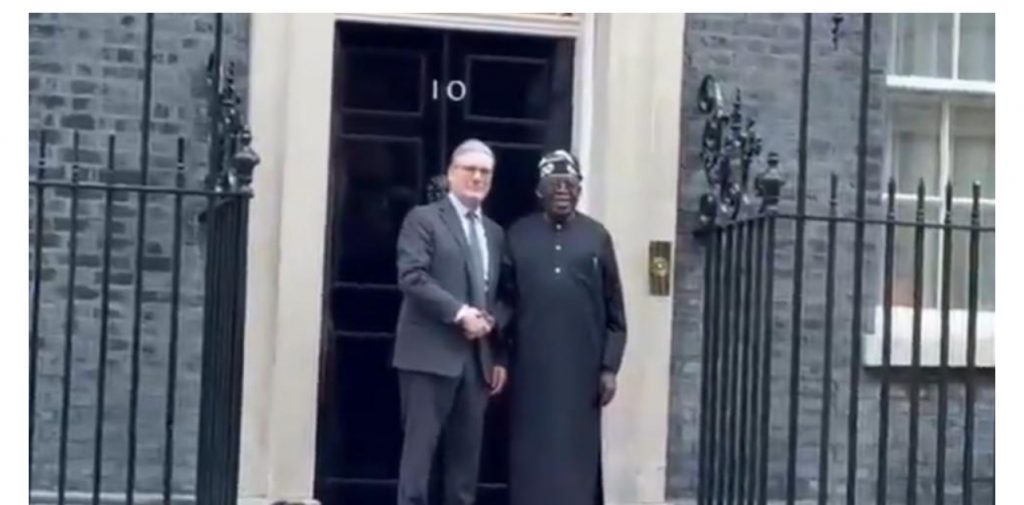
President Bola Tinubu is currently meeting with United Kingdom Prime Minister Keir Starmer in a high-level bilateral engagement aimed at strengthening ties between Nigeria and Britain.
A statement by the Special Adviser to the President on Information and Strategy, Bayo Onanuga, on Monday, said the meeting will culminate in the signing of various Memoranda of Understanding and agreements, including those on trade, investment, defence, and cultural cooperation.
The statement said the meeting reinforces Nigeria’s commitment to deepening bilateral relations, attracting foreign investment, and modernising key infrastructure to support economic growth.
It added that a major highlight of the visit was the signing of a £746 million financing agreement between UK Export Finance, the Nigerian Ports Authority, and the Federal Ministry of Finance.
Morning Recap: Nigeria, Britain set for fresh security alliances, Saudi Arabia declares Friday Eid-el-Fitr, other top stories
The statement said the deal will fund the refurbishment of two key maritime infrastructures — the Lagos Port Complex (Apapa Quays) and the Tin Can Island Port Complex.
The President and the First Lady had earlier been the guests of their Majesties King Charles III and Queen Camilla at Windsor Castle.
Tinubu was accompanied by a high-profile delegation, including Senate President Godswill Akpabio; Attorney General and Minister of Justice, Prince Lateef Fagbemi; Minister of Solid Minerals, Dele Alake; Minister of Information and National Orientation, Idris Mohammed; and Minister of State for Foreign Affairs, Ambassador Bianca Ojukwu.
Other members of the delegation include Minister of Finance and Coordinating Minister of the Economy, Wale Edun; Minister of Industry, Trade and Investment, Dr. Jumoke Oduwole; Minister of Culture and Creative Economy, Hannatu Musawa; Minister of Communications and Digital Economy, Bosun Tijani; Minister of Defence, Gen. Christopher Musa; National Security Adviser, Malam Nuhu Ribadu; and Director-General of the National Intelligence Agency, Mohammed Mohammed.


-
 news5 years ago
UPDATE: #ENDSARS: CCTV footage of Lekki shootings intact – Says Sanwo – Olu
-
 lifestyle6 years ago
Former Miss World: Mixed reactions trail Agbani Darego’s looks
-
 health5 years ago
Chairman Agege LG, Ganiyu Egunjobi Receives Covid-19 Vaccines
-
 lifestyle5 years ago
Obateru: Celebrating a Quintessential PR Man at 60
-
 health6 years ago
UPDATE : Nigeria Records 790 new cases of COVID-19
-
 health6 years ago
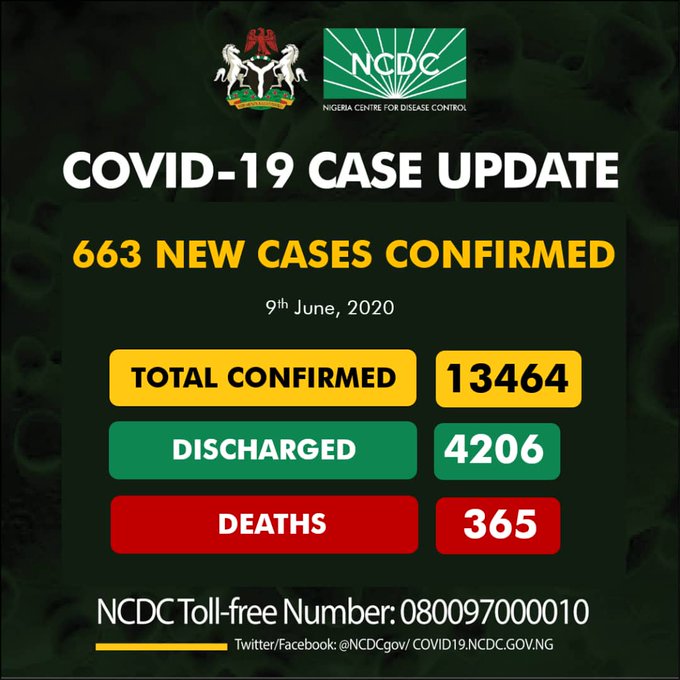
BREAKING: Nigeria confirms 663 new cases of COVID-19
-
 entertainment1 year ago
Ashny Set for Valentine Special and new Album ‘ Femme Fatale’
-
 news10 months ago
BREAKING: Tinubu swears in new NNPCL Board