
news
Breaking: Full Details of President budget presentation at National Assembly. “Let us work together to serve for the benefit of the people of our beloved country” Say Tinubu

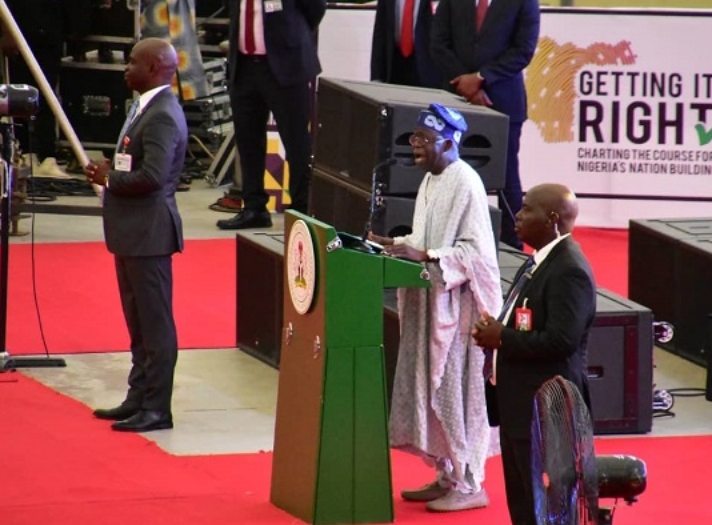
In furtherance of my sacred duties and obligations as President of the Federal Republic of Nigeria, it is my honour to be here today to present my administration’s 2024 Budget Proposal to this Joint Session of the 10th National Assembly.
This moment is especially profound and significant to me because it is my first annual budgetary presentation to the National Assembly.
Distinguished Senators and Honourable Members of the National Assembly, I commend your swift consideration and passage of the 2023 Supplementary Appropriation Bills and the 2024-2026 Medium Term Expenditure Framework and Fiscal Strategy Paper. Your prompt action underscores your devotion to economic development and to the greater welfare of our people.
It also highlights your desire to work in close collaboration with the Executive branch. We do not serve ourselves. We must always strive to work together to serve and benefit the people of our beloved country.
I am confident that the National Assembly will continue to work closely with us to ensure that deliberations on the 2024 Budget are thorough but also concluded with reasonable dispatch. Our goal is for the Appropriation Act to come into effect on the 1st of January 2024.
It is, by now, a matter of recorded history that my very first fiscal intervention as President of this great nation was to end the fuel subsidy regime which had proven to be so harmful to the overall health of our national economy. The second was to negotiate and subsequently present a supplementary budget to enable my government to fund the items needed to restore macro-economic stability and mitigate the harsh impact of subsidy removal.
The third was to secure a second supplementary budget, this time to enable us to keep our promises to promote national security, invest in infrastructure and provide much needed support to the most vulnerable households in our society.
In swearing-in my cabinet and reflecting on the unique challenges facing us, I invited the Ministers to imagine that we are attempting to draw water from a dry well. Today, I stand before you to present our Budget of Renewed Hope; a budget which will go further than ever before in cementing macro-economic stability, reducing the deficit, increasing capital spending and allocation to reflect the eight priority areas of this Administration. The budget we now present constitutes the foundation upon which we shall erect the future of this great nation.
PREVAILING ECONOMIC ENVIRONMENT
Economic conditions remain challenging both abroad and at home. Despite lingering Post-Covid supply and production bottlenecks, armed conflict in various parts of the world and restrictive monetary policies in major economies, we expect global growth to hover around 3.0 percent in 2024. This relative low rate has significant implications for our economy due to our current reliance on importation.
Distinguished Senators, Honourable Members: despite the global headwinds, the Nigerian economy has proven resilient, maintaining modest but positive growth over the past twelve months.
Inflation has trended upward due to weak global conditions. To contain the rising domestic prices, we will ensure effective coordination of fiscal and monetary policy measures, and collaborate with sub-national governments to address structural factors driving inflation in Nigeria.
The Budget proposal meets our goal of completing critical infrastructure projects which will help address structural problems in the economy by lowering the costs of doing business for companies and the cost of living for the average person, The Honourable Minister of Budget and Economic Planning will provide full details of this proposal.
PERFORMANCE OF THE 2023 BUDGET
Distinguished Senators and Honourable Members, an aggregate revenue of 11.045 trillion naira was projected to fund the 2023 Budget of 24.82 trillion naira with a deficit of about 6.1 percent of GDP.
As of September 30, the Federal Government’s actual aggregate revenue inflow was 8.65 trillion naira, approximately 96 percent of the targeted 8.28 trillion naira.
Despite the challenges, we continue to meet our obligations.
THEME AND PRIORITIES OF THE 2024 BUDGET
Distinguished Senators, Honourable Members, permit me to highlight key issues relating to the budget proposals for the next fiscal year. The 2024 Appropriation has been themed the Budget of Renewed Hope. The proposed Budget seeks to achieve job-rich economic growth, macro-economic stability, a better investment environment, enhanced human capital development, as well as poverty reduction and greater access to social security.
Defence and internal security are accorded top priority. The internal security architecture will be overhauled to enhance law enforcement capabilities and safeguard lives, property and investments across the country.
Human capital is the most critical resource for national development. Accordingly, the budget prioritizes human development with particular attention to children, the foundation of our nation.
To improve the effectiveness of our budget performance, government will focus on ensuring value for money, greater transparency and accountability. In this regard, we will work more closely with development partners and the private sector.
To address long-standing issues in the education sector, a more sustainable model of funding tertiary education will be implemented, including the Student Loan Scheme scheduled to become operational by January 2024.
A stable macro-economic environment is important to catalyse private investment and accelerate economic growth. We have and shall continue to implement business and investment friendly measures for sustainable growth.
We expect the economy to grow by a minimum of 3.76 percent, above the forecasted world average. Inflation is expected to moderate to 21.4 percent in 2024.
In preparing the 2024 Budget, our primary objective has been to sustain our robust foundation for sustainable economic development. A critical focus of this budget and the medium term expenditure framework is Nigeria’s commitment to a greener future.
Emphasizing public-private partnerships, we have strategically made provisions to leverage private capital for big-ticket infrastructure projects in energy, transportation and other sectors. This marks a critical step towards diversifying our energy mix, enhancing efficiency, and fostering the development of renewable energy sources.
Tinubu targets $10billion ship charter market to create jobs, boost economy
Reframing Tinubu’s development agenda through diplomacy
By allocating resources to support innovative and environmentally conscious initiatives, we aim to position Nigeria as a regional leader in the global movement towards clean and sustainable energy.
As we approach COP 28 climate summit, a pivotal moment for global climate action, I have directed relevant government agencies to diligently work towards securing substantial funding commitments that will bolster Nigeria’s energy transition.
It is imperative that we seize this opportunity to attract international partnerships and investments that align with our national goals. I call upon our representatives to engage proactively to showcase the strides we have made in the quest to create an enabling environment for sustainable energy projects.
Together, we will strive for Nigeria to emerge from COP 28 with tangible commitments, reinforcing our dedication to a future where energy is not only a catalyst for development but also a driver of environmental stewardship.
Distinguished members of the National Assembly, the revised 2024-2026 Medium Term Expenditure Framework (MTEF) and Fiscal Strategy Paper (FSP) sets out the parameters for the 2024 Budget.
After a careful review of developments in the world oil market and domestic conditions, we have adopted a conservative oil price benchmark of 77.96 US Dollars per barrel and daily oil production estimate of 1.78 million barrels per day. We have also adopted a Naira to US Dollar exchange rate of 750 naira per US Dollar for 2024.
Accordingly, an aggregate expenditure of 27.5 trillion naira is proposed for the Federal Government in 2024, of which the non-debt recurrent expenditure is 9.92 trillion naira while debt service is projected to be 8.25 trillion naira and capital expenditure is 8.7 trillion naira.
Nigeria remains committed to meeting its debt obligations. Projected debt service is 45% of the expected total revenue.
Budget deficit is projected at 9.18 trillion naira in 2024 or 3.88 percent of GDP. This is lower than the 13.78 trillion naira deficit recorded in 2023 which represents 6.11 percent of GDP.
The deficit will be financed by new borrowings totalling 7.83 trillion naira, 298.49 billion naira from Privatization Proceeds and 1.05 trillion naira drawdown on multilateral and bilateral loans secured for specific development projects.
Our government remains committed to broad-based and shared economic prosperity. We are reviewing social investment programmes to enhance their implementation and effectiveness. In particular, the National Social Safety Net project will be expanded to provide targeted cash transfers to poor and vulnerable households. In addition, efforts will made to graduate existing beneficiaries toward productive activities and employment.
We are currently reviewing our tax and fiscal policies. Our target is to increase the ratio of revenue to GDP from less than 10 percent currently to 18 percent within the term of this Administration. Government will make efforts to further contain financial leakages through effective implementation of key public financial management reforms.
Distinguished Senators and Honourable Members, in view of the limited resources available through the federal budget, we are also exploring Public Private Partnership arrangements to finance critical infrastructure.
We, therefore, invite the private sector to partner with us to ensure that our fiscal, trade and monetary policies, as well as our developmental programs and projects succeed in unlocking the latent potential of our people and other natural endowments, in line with our national aspirations.
Distinguished Senators and Honourable Members, this Budget presentation would be incomplete without commending the patriotic resolve of the 10th National Assembly to collaborate with the Executive on our mission to renew hope and deliver on our promises to the Nigerian people. I assure you of the strong commitment of the Executive to sustain and deepen the relationship with the National Assembly.
As you consider the 2024 Budget estimates, we trust that the legislative review process will be conducted with a view to sustaining our desired return to a predictable January-December fiscal year.
I have no doubt that you will be guided by the interest of all Nigerians. We must ensure that only projects and programs with equitable benefits are allowed into the 2024 Budget. Additionally, only projects and programs which are in line with the sectoral mandates of MDAs and which are capable of realizing the vision of our Government should be included in the budget.
As a Government, we are committed to improving the lot of our people and delivering on our promises to them. The 2024 Budget has the potential to boost performance, promote the development of Micro, Small and Medium-sized Enterprises, enhance security and public safety, and improve the general living conditions of our people.
In closing, I am confident that these budgetary allocations and directives will set Nigeria on a transformative path towards a sustainable and resilient energy future, fostering economic growth, job creation, and environmental preservation.
It is with great pleasure, therefore, that I lay before this distinguished Joint Session of the National Assembly, the 2024 Budget Proposals of the Federal Government of Nigeria, titled The Renewed Hope Budget.
I thank you most sincerely for your attention. May we collectively chart the course towards a brighter and cleaner future for our great nation.
May God bless the Federal Republic of Nigeria.
……Era of shared prosperity begins, Tinubu assures
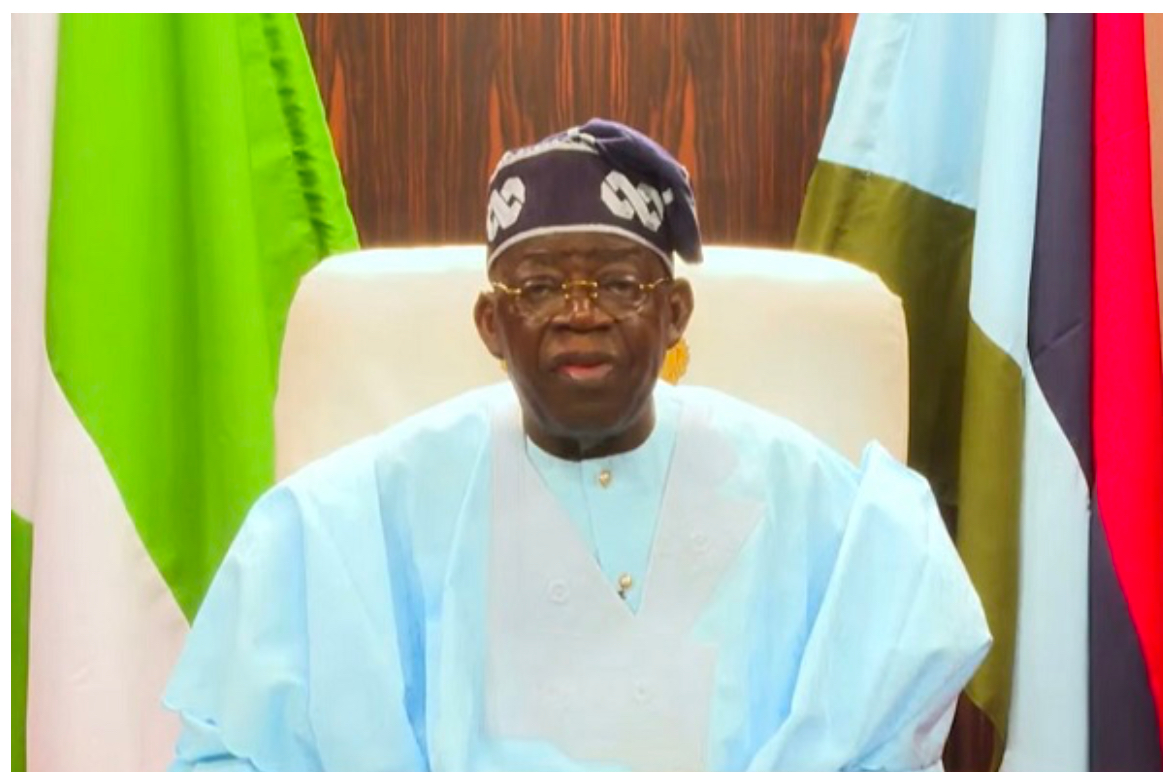
Nigeria has reached a turning point in its economic recovery, President Bola Ahmed Tinubu declared.
He said the period of painful reforms has accomplished its purpose, and the country is now entering what he described as an “age of prosperity”.
Tinubu, in his Independence Day address to Nigerians marking the country’s 66th anniversary this morning, said the central task of his administration would henceforth shift from correcting structural economic distortions to ensuring that the gains of the reforms translate into lower living costs, jobs, increased production and broadly shared prosperity.
“The age of reform has done its work. Now begins the age of prosperity.
“An age in which the promise of this great nation must finally become the lived experience of Nigerians from all walks of life”, the President said.
He said the government’s immediate priority in the new phase would be to bring down the cost of living by reducing the cost of producing and transporting food and other goods consumed by Nigerians.
Tinubu, who likened the state of the economy his administration inherited in 2023 to a cancer patient requiring painful treatment, said the government had completed what he called the “emergency treatment” of the economy and repaired its foundations.
“My fellow Nigerians, we have reached a turning point.
“The emergency treatment is over. The foundation has been repaired. The central economic task before us has changed. For three years, our overriding purpose was to correct our nation’s course.
“Now, our purpose is simple: shared and widespread prosperity,” he said.
The President said the prosperity being envisaged was not merely about headline economic growth or improved statistics, but about creating conditions under which Nigerians could afford food and transportation, access education and healthcare, secure productive employment and confidently plan their future.
He said his administration would pursue increased agricultural production through mechanised irrigation, dry-season farming, improved access to seeds and fertiliser, greater mechanisation and investment in storage and transportation.
According to him, ongoing investments in roads, railways and ports would also reduce the cost of moving produce and manufactured goods from farms and factories to markets.
“Our logic is simple. When a farmer produces more cheaply, when fewer crops are lost between the farm and the market, when a manufacturer spends less on electricity, when a truck reaches its destination faster, and when the business environment fosters fair competition, all those savings will ultimately find their way into the price of goods in the market,” he said.
Tinubu said job creation, enterprise development and industrial expansion would also be placed at the centre of government policy, with greater emphasis on gas-powered industries, revival of manufacturing centres, digital connectivity and improved access to infrastructure and finance.
The President said the country must convert its huge youthful population into an engine of economic production by equipping young people with skills demanded by employers and creating conditions for Nigerian businesses to expand.
“I want to see more Nigerians making things. I want to see more Nigerian farms feeding our cities and supplying our factories. I want to see Nigerian businesses selling Nigerian goods to the whole world. I want young Nigerians building unicorns and creating opportunities for others here at home,” he said.
Defending the economic reforms undertaken since his assumption of office, Tinubu rejected calls for a reversal of some of the policies, particularly subsidies, arguing that the measures did not create Nigeria’s economic weaknesses but were introduced to confront them.
The President compared previous economic management approaches to administering painkillers to a cancer patient instead of treating the underlying disease.
“For too long, Nigeria’s leaders chose morphine while praying for a miracle that never came.
“They focused on symptoms while allowing the disease to take hold deep within the fabric of our society. We spent enormous sums sustaining inefficient arrangements that were never intended to last. We hid from difficult truths and passed the consequences from one generation to the next,” he said.
Tinubu acknowledged that the reforms imposed hardship on Nigerians, saying their “side effects were real,” but insisted that Nigerians must distinguish between what he described as the medicine and the disease.
“Our reforms did not create the weaknesses in our economy. They confronted them.
“Now, as certain influential but regressive voices would have us abandon the treatment and return ourselves to the abuse of addictive subsidies, we must resist their siren song. We must remember why we began this journey and how far we have already come,” he said.
The President said three and a half years after the reforms began, the country’s economic outlook had improved, citing economic growth of more than four per cent this year, contributions from both oil and non-oil sectors, declining oil theft, falling inflation, improved foreign reserves and greater stability in the foreign exchange market.
He also said Nigeria recorded its highest non-oil export revenue in 2025, exceeding $6 billion, adding that increased foreign direct investment and private sector activity reflected improving confidence in the economy.
While acknowledging that millions of Nigerians were still struggling with food, school fees, healthcare, transportation and other basic needs, Tinubu said the government would continue strengthening support for vulnerable households while pursuing policies capable of lifting people permanently out of poverty.
He said the National Social Register was being improved to ensure assistance reached those genuinely in need, while programmes such as the Nigerian Education Loan Fund and the Nigerian Consumer Credit Corporation, CREDICORP, were designed to broaden access to education and essential assets.
According to him, the government would also work with states and local governments to strengthen primary healthcare, basic education and other public services relied upon by low-income Nigerians.
“These programmes are not substitutes for prosperity. They are a bridge to aid our nation’s citizens on their path towards it. Our objective is not to manage poverty more efficiently.
“We will defeat it,” Tinubu declared.
He admitted that reversing decades of poverty, low productivity, inadequate infrastructure and weak institutions would take time, discipline, sustained economic growth and the creation of millions of productive opportunities.
“We cannot erase in four years what accumulated over generations. But we can change its course. We can build an economy that steadily lifts people out of poverty while ensuring that those who remain vulnerable are not abandoned along the way,” he said.
Reflecting on Nigeria’s 66 years of independence, Tinubu paid tribute to generations of Nigerians who had kept faith with the country despite war, military rule, economic crises, insecurity and political upheavals.
He also praised farmers, traders, teachers, entrepreneurs and members of the Armed Forces and security agencies, saying their sacrifices had sustained the country through difficult periods.
The President said Nigeria’s founding fathers fought not merely for a flag, anthem or international recognition, but for Nigerians to have the freedom to determine their destiny and build a country capable of providing opportunity, dignity and a better life.
He urged Nigerians not to retreat from the difficult choices already made, expressing confidence that the sacrifices of recent years would eventually translate into improved living standards.
“Nigeria has corrected its course. We have passed through our own Red Sea. This is not the time to look back. Let us go forward together, with faith in ourselves, faith in our country, and faith that the sacrifices we have made will yield their reward,” Tinubu said.
Describing the country’s desired destination as a “Promised Land” of abundance, opportunity and broadly shared prosperity, the President said the foundations for that future had already been laid.
“Our destination is in sight. Our foundations are strong. Our direction is clear. So let us go forward. No looking back,” he declared.

President Bola Tinubu has returned to Nigeria after spending about four weeks in Europe. Government
The presidential aircraft carrying the President landed at the Presidential Wing of the Murtala Muhammed International Airport at about 6:22 p.m. on Tuesday.
Journalists at the airport were restricted from taking visuals of the President’s arrival as the aircraft made its way to the terminal.
Tinubu departed Nigeria on August 30 for London, then travelled to Paris, where he held engagements with French President Emmanuel Macron, including a dinner. Government
His return marks the end of his extended stay abroad; the President is expected to participate in activities marking Nigeria’s 66th Independence Anniversary on October 1st.
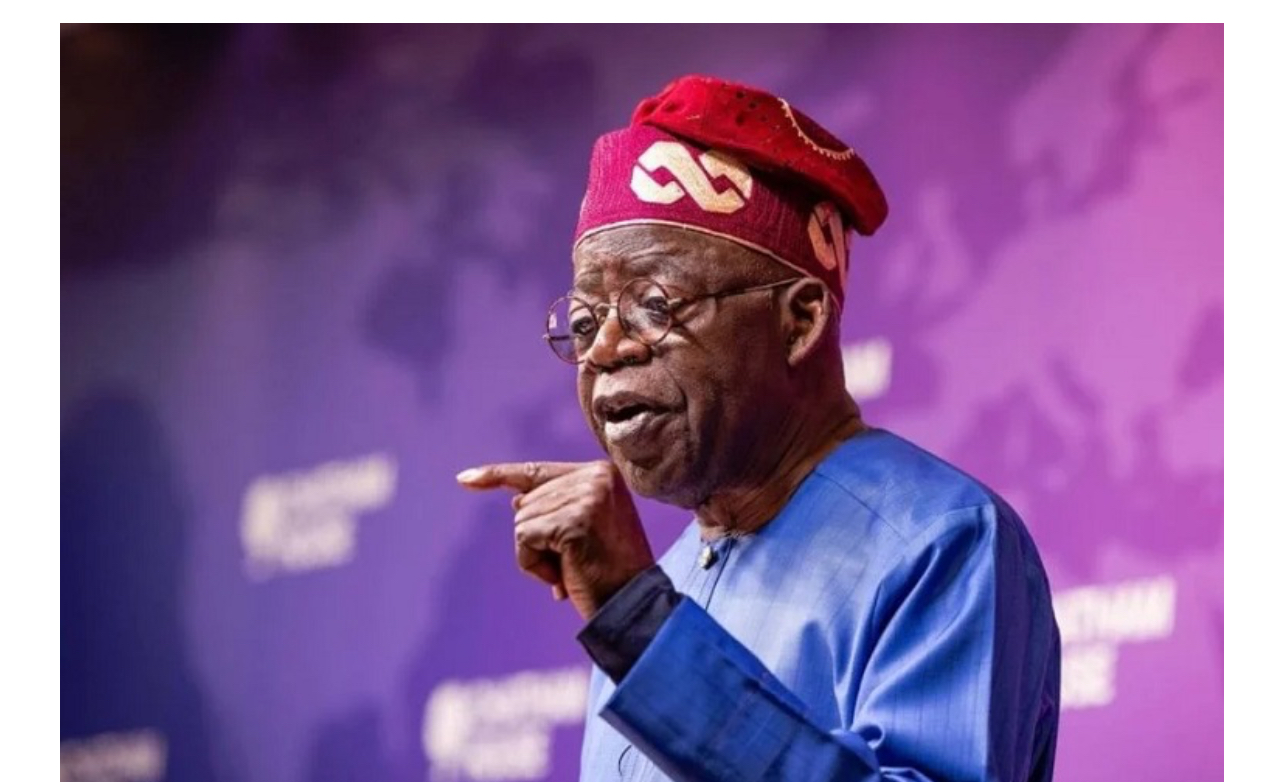
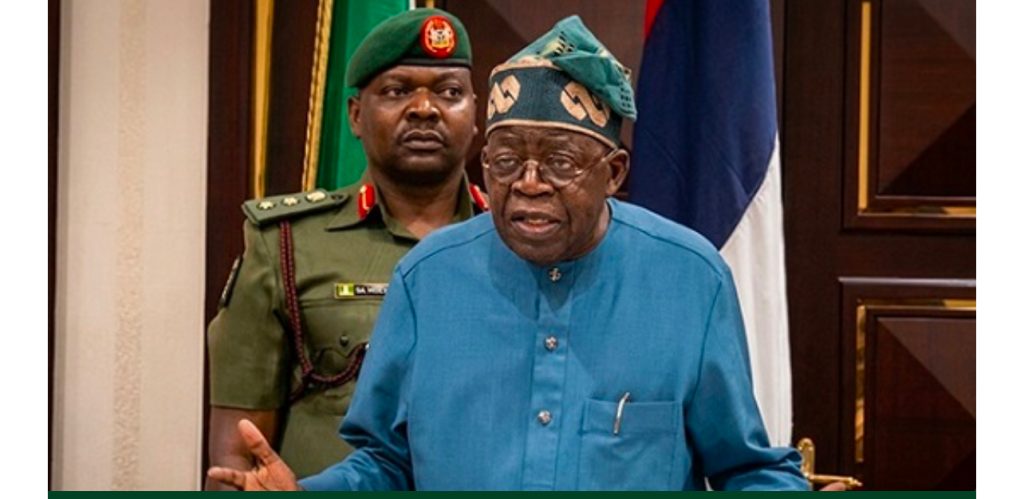
President Bola Tinubu has unveiled an investment package of more than $7 billion for the development of the Ogun State Blue Marine Special Economic Zone and the Gateway Deep Seaport, describing the projects as a major step towards strengthening Nigeria’s maritime economy and attracting foreign investment.
In a statement by his Spokesman, Bayo Onanuga, on Thursday, the President spoke in Paris, France, during the signing of Memoranda of Understanding between the Ogun State Government and DP World, a global ports and logistics operator, for the development of the projects.
Tinubu assured domestic and foreign investors that the Federal Government would continue to provide regulatory clarity, policy stability and a predictable business environment to support long-term investments in Nigeria.
“The agreements before us bring together vision, expertise, capital and execution capacity. I particularly welcome DP World, one of the world’s leading port and logistics operators,” the President said.
He added that the Federal Government would provide the necessary regulatory and institutional support to ensure that the projects moved seamlessly from agreements to implementation.
According to the President, the agreements are expected to attract an initial investment of more than $7 billion into the Nigerian economy and create over 50,000 direct jobs when fully developed, alongside additional indirect employment opportunities.
Tinubu said the projects would also generate non-oil export earnings and contribute to Nigeria’s economic diversification.
“This is economic diversification made tangible. This is industrialisation made visible. This is Renewed Hope in action,” he said.
The proposed Gateway Deep Seaport at Ogun Waterside will have a four-kilometre berth and an 18-
metre draft. The facility is expected to help decongest the Lagos port corridor and ease pressure on the Apapa and Tin Can Island ports.
The president said the deeper draft would enable the port to accommodate larger vessels while providing a competitive gateway for trade within Nigeria and across the African Continental Free Trade Area.
He noted that the proposed Ogun State Blue Marine Special Economic Zone would cover about 10,000 hectares and would be integrated with the deep seaport to support manufacturing, processing, exports and logistics.
“The Gateway Deep Seaport is the critical infrastructure that will support the zone’s viability. A port moves cargo; a port integrated with a special economic zone helps to build an economy. Each reinforces the other,” Tinubu said.
He said the Federal Government would facilitate road, rail and power connectivity to the projects, while strengthening investment security and the maritime domain and removing unnecessary bureaucratic obstacles.
The president also linked the projects to the Lagos-Calabar Coastal Highway, describing the Ogun section of the road as a critical transport connection for the emerging industrial and maritime corridor.
“The Lagos–Calabar Coastal Highway is central to this corridor’s commercial viability,” he said, adding that the 28-kilometre Ogun section of the 700-kilometre highway was scheduled for completion before the end of the year.
Tinubu said the port and industrial zone would also form part of a wider strategic corridor linking the proposed Nigerian Navy Operating Base and Dockyard with the OK LNG Project.
The President commended Ogun State Governor Dapo Abiodun and his administration for securing the land and structuring the investment framework.
“I commend Governor Dapo Abiodun and the government and people of Ogun State for securing the land, structuring the investment framework and reducing project risks for global investors,” he said.
Governor Abiodun led the Ogun State delegation at the signing ceremony, which also included state commissioners and other senior officials.
Senior representatives of DP World, the Nigerian Ports Authority and SkyKapital were also present at the event.
Tinubu urged Ogun State and the investors to maintain the momentum created by the agreements and move quickly towards implementation.
“Nigeria lies at the heart of West African trade. Yet, our strategic advantage has been constrained by port congestion, inadequate draft capacity and logistics bottlenecks that increase the cost of doing business. These projects respond directly to those constraints,” he said.

-
 news6 years ago
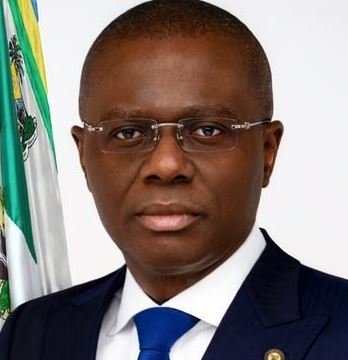
UPDATE: #ENDSARS: CCTV footage of Lekki shootings intact – Says Sanwo – Olu
-
 lifestyle6 years ago
Former Miss World: Mixed reactions trail Agbani Darego’s looks
-
 health6 years ago
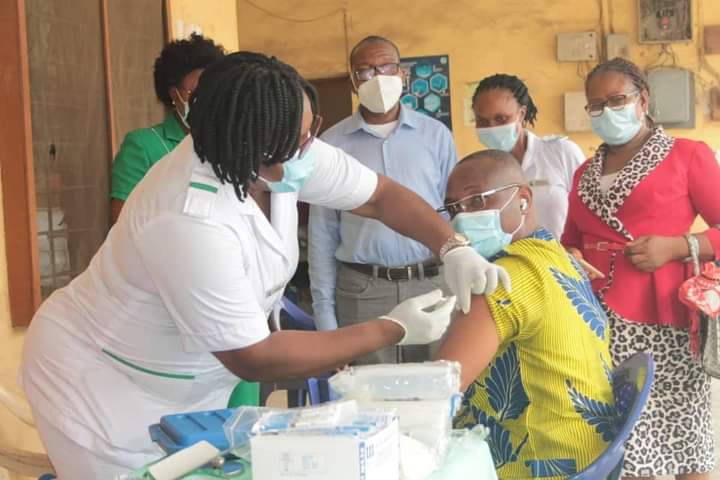
Chairman Agege LG, Ganiyu Egunjobi Receives Covid-19 Vaccines
-
 lifestyle5 years ago
Obateru: Celebrating a Quintessential PR Man at 60
-
 news1 year ago
BREAKING: Tinubu swears in new NNPCL Board
-
 health6 years ago
UPDATE : Nigeria Records 790 new cases of COVID-19
-
 entertainment2 years ago
Ashny Set for Valentine Special and new Album ‘ Femme Fatale’
-
 health6 years ago
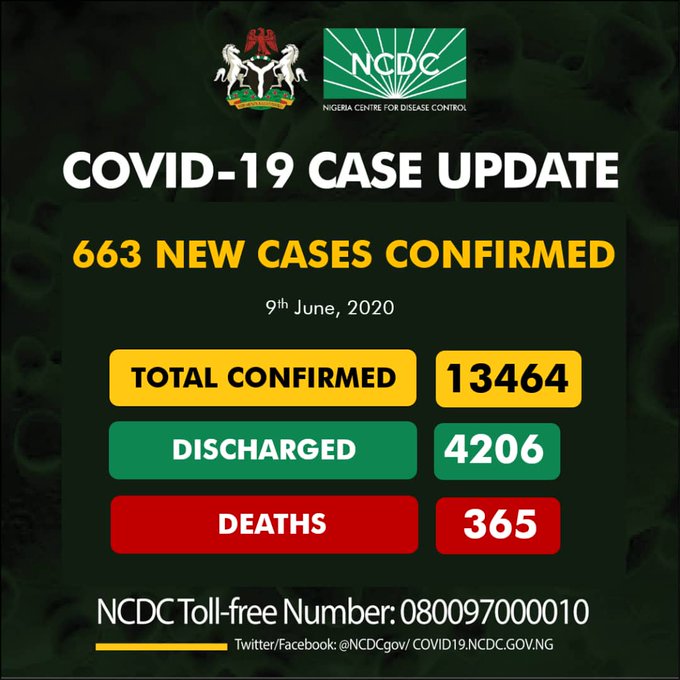
BREAKING: Nigeria confirms 663 new cases of COVID-19