
news
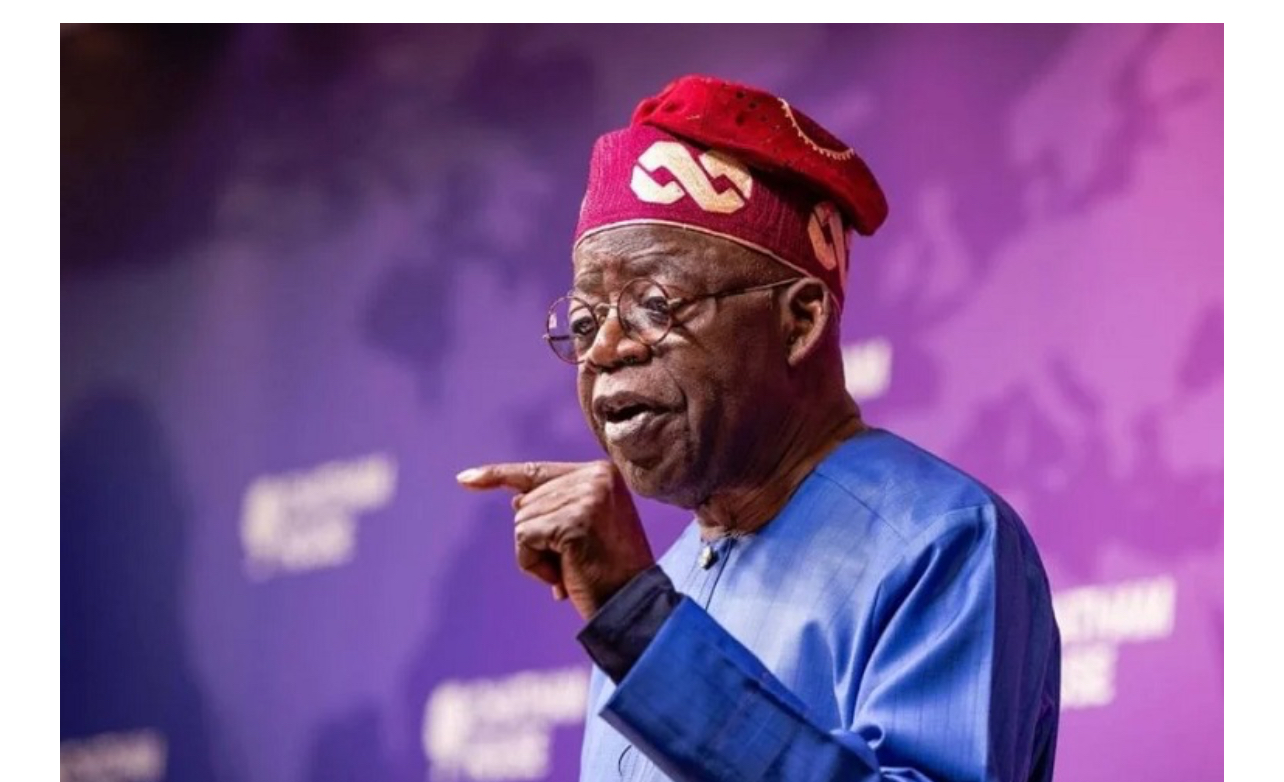
Nigeria at 66: “Age of Reform Has Done Its Work; Now Begins Age of Prosperity”, Says Tinubu

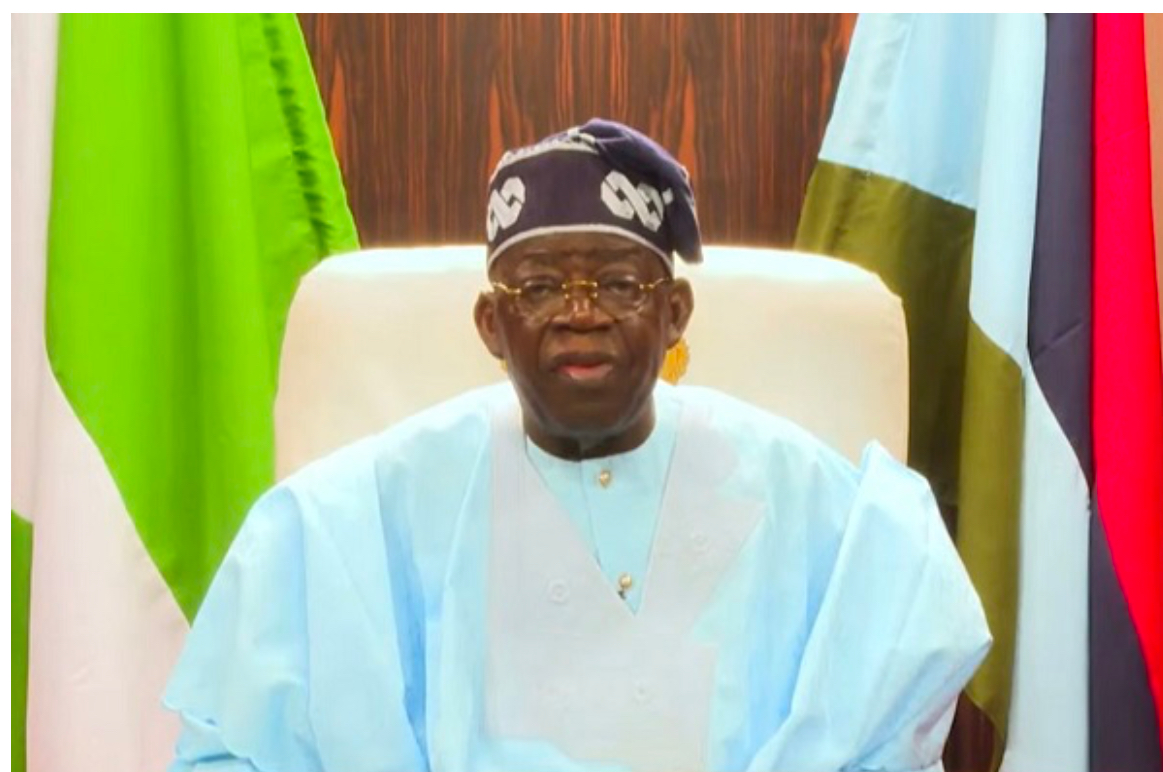
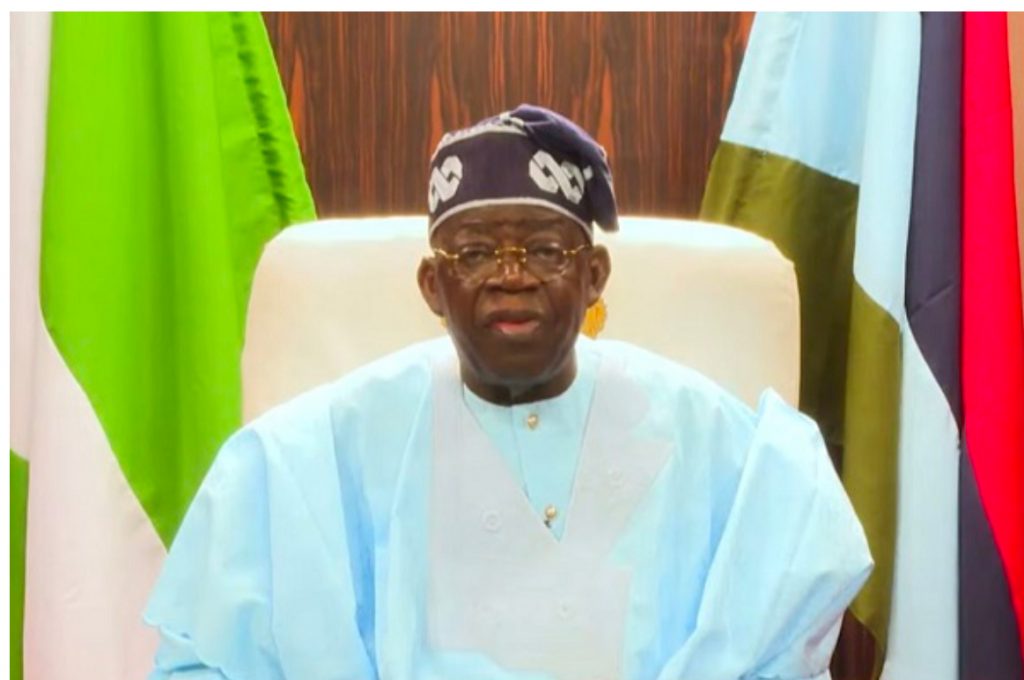
……Era of shared prosperity begins, Tinubu assures
Nigeria has reached a turning point in its economic recovery, President Bola Ahmed Tinubu declared.
He said the period of painful reforms has accomplished its purpose, and the country is now entering what he described as an “age of prosperity”.
Tinubu, in his Independence Day address to Nigerians marking the country’s 66th anniversary this morning, said the central task of his administration would henceforth shift from correcting structural economic distortions to ensuring that the gains of the reforms translate into lower living costs, jobs, increased production and broadly shared prosperity.
“The age of reform has done its work. Now begins the age of prosperity.
“An age in which the promise of this great nation must finally become the lived experience of Nigerians from all walks of life”, the President said.
He said the government’s immediate priority in the new phase would be to bring down the cost of living by reducing the cost of producing and transporting food and other goods consumed by Nigerians.
Tinubu, who likened the state of the economy his administration inherited in 2023 to a cancer patient requiring painful treatment, said the government had completed what he called the “emergency treatment” of the economy and repaired its foundations.
“My fellow Nigerians, we have reached a turning point.
“The emergency treatment is over. The foundation has been repaired. The central economic task before us has changed. For three years, our overriding purpose was to correct our nation’s course.
“Now, our purpose is simple: shared and widespread prosperity,” he said.
The President said the prosperity being envisaged was not merely about headline economic growth or improved statistics, but about creating conditions under which Nigerians could afford food and transportation, access education and healthcare, secure productive employment and confidently plan their future.
He said his administration would pursue increased agricultural production through mechanised irrigation, dry-season farming, improved access to seeds and fertiliser, greater mechanisation and investment in storage and transportation.
According to him, ongoing investments in roads, railways and ports would also reduce the cost of moving produce and manufactured goods from farms and factories to markets.
“Our logic is simple. When a farmer produces more cheaply, when fewer crops are lost between the farm and the market, when a manufacturer spends less on electricity, when a truck reaches its destination faster, and when the business environment fosters fair competition, all those savings will ultimately find their way into the price of goods in the market,” he said.
Tinubu said job creation, enterprise development and industrial expansion would also be placed at the centre of government policy, with greater emphasis on gas-powered industries, revival of manufacturing centres, digital connectivity and improved access to infrastructure and finance.
The President said the country must convert its huge youthful population into an engine of economic production by equipping young people with skills demanded by employers and creating conditions for Nigerian businesses to expand.
“I want to see more Nigerians making things. I want to see more Nigerian farms feeding our cities and supplying our factories. I want to see Nigerian businesses selling Nigerian goods to the whole world. I want young Nigerians building unicorns and creating opportunities for others here at home,” he said.
Defending the economic reforms undertaken since his assumption of office, Tinubu rejected calls for a reversal of some of the policies, particularly subsidies, arguing that the measures did not create Nigeria’s economic weaknesses but were introduced to confront them.
The President compared previous economic management approaches to administering painkillers to a cancer patient instead of treating the underlying disease.
“For too long, Nigeria’s leaders chose morphine while praying for a miracle that never came.
“They focused on symptoms while allowing the disease to take hold deep within the fabric of our society. We spent enormous sums sustaining inefficient arrangements that were never intended to last. We hid from difficult truths and passed the consequences from one generation to the next,” he said.
Tinubu acknowledged that the reforms imposed hardship on Nigerians, saying their “side effects were real,” but insisted that Nigerians must distinguish between what he described as the medicine and the disease.
“Our reforms did not create the weaknesses in our economy. They confronted them.
“Now, as certain influential but regressive voices would have us abandon the treatment and return ourselves to the abuse of addictive subsidies, we must resist their siren song. We must remember why we began this journey and how far we have already come,” he said.
The President said three and a half years after the reforms began, the country’s economic outlook had improved, citing economic growth of more than four per cent this year, contributions from both oil and non-oil sectors, declining oil theft, falling inflation, improved foreign reserves and greater stability in the foreign exchange market.
He also said Nigeria recorded its highest non-oil export revenue in 2025, exceeding $6 billion, adding that increased foreign direct investment and private sector activity reflected improving confidence in the economy.
While acknowledging that millions of Nigerians were still struggling with food, school fees, healthcare, transportation and other basic needs, Tinubu said the government would continue strengthening support for vulnerable households while pursuing policies capable of lifting people permanently out of poverty.
He said the National Social Register was being improved to ensure assistance reached those genuinely in need, while programmes such as the Nigerian Education Loan Fund and the Nigerian Consumer Credit Corporation, CREDICORP, were designed to broaden access to education and essential assets.
According to him, the government would also work with states and local governments to strengthen primary healthcare, basic education and other public services relied upon by low-income Nigerians.
“These programmes are not substitutes for prosperity. They are a bridge to aid our nation’s citizens on their path towards it. Our objective is not to manage poverty more efficiently.
“We will defeat it,” Tinubu declared.
He admitted that reversing decades of poverty, low productivity, inadequate infrastructure and weak institutions would take time, discipline, sustained economic growth and the creation of millions of productive opportunities.
“We cannot erase in four years what accumulated over generations. But we can change its course. We can build an economy that steadily lifts people out of poverty while ensuring that those who remain vulnerable are not abandoned along the way,” he said.
Reflecting on Nigeria’s 66 years of independence, Tinubu paid tribute to generations of Nigerians who had kept faith with the country despite war, military rule, economic crises, insecurity and political upheavals.
He also praised farmers, traders, teachers, entrepreneurs and members of the Armed Forces and security agencies, saying their sacrifices had sustained the country through difficult periods.
The President said Nigeria’s founding fathers fought not merely for a flag, anthem or international recognition, but for Nigerians to have the freedom to determine their destiny and build a country capable of providing opportunity, dignity and a better life.
He urged Nigerians not to retreat from the difficult choices already made, expressing confidence that the sacrifices of recent years would eventually translate into improved living standards.
“Nigeria has corrected its course. We have passed through our own Red Sea. This is not the time to look back. Let us go forward together, with faith in ourselves, faith in our country, and faith that the sacrifices we have made will yield their reward,” Tinubu said.
Describing the country’s desired destination as a “Promised Land” of abundance, opportunity and broadly shared prosperity, the President said the foundations for that future had already been laid.
“Our destination is in sight. Our foundations are strong. Our direction is clear. So let us go forward. No looking back,” he declared.
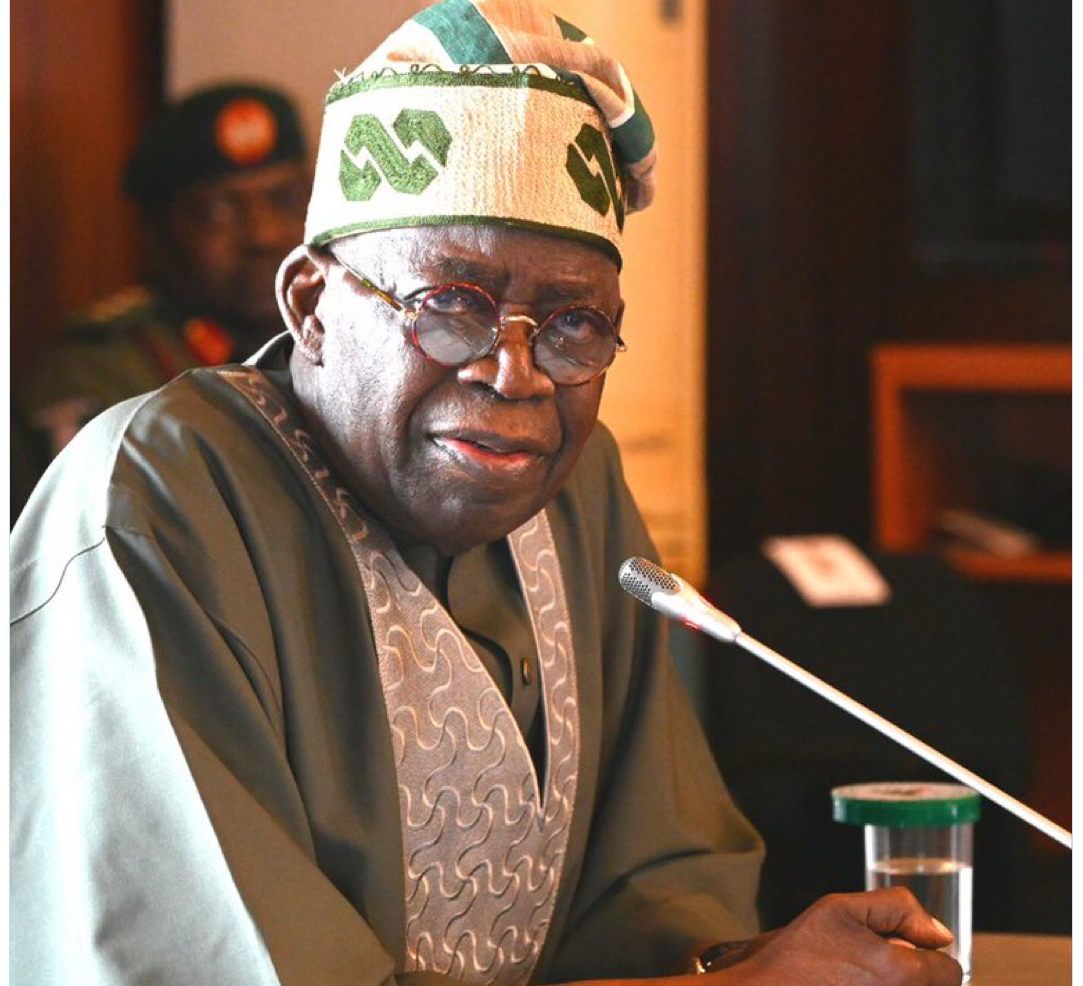
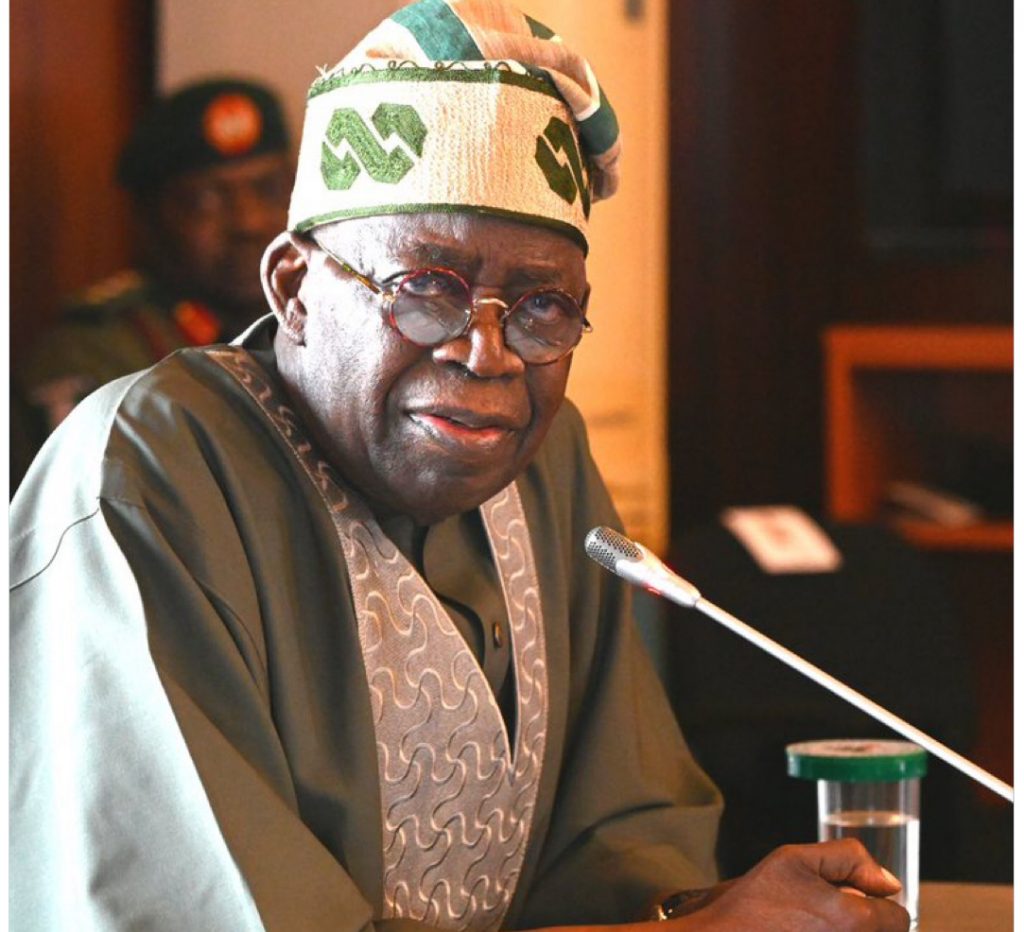
…Military eliminates over 15,000 terrorists in 3 years
…130,000 Boko Haram fighters and dependents surrender
The All Progressives Congress Presidential Campaign Council (APC PCC) has announced that President Bola Tinubu has finalised a comprehensive Five-Year Strategic Defence Operations Plan to end Nigeria’s 17-year battle against insurgency, banditry, and kidnapping.
The development was contained in a statement on Sunday in Abuja by the spokesperson for the APC PCC, Dele Alake.
The campaign council stated that the new framework is designed to overhaul the nation’s security architecture by aligning defence priorities, capability development, and expenditure with current and emerging threats.
According to Alake, the administration’s military operations over the past three years have yielded significant results, including the neutralisation of over 15,000 Boko Haram terrorists and bandits, alongside the surrender of more than 130,000 insurgents and their dependents through the government’s rehabilitation programme, Operation Safe Corridor.
“President Bola Tinubu is determined to end the 17-year scourge of insecurity ravaging parts of Nigeria through a comprehensive Five-Year Strategic Defence Operations Plan designed to strengthen the country’s security architecture, improve military effectiveness, and ensure a coordinated response to emerging threats,” Alake stated.
He explained that the initiative shifts the security apparatus toward a “more coordinated, intelligence-led, technology-enabled, and prevention-oriented system,” combining sustained kinetic military offensives with non-kinetic interventions.
Detailing the structural reforms undertaken to boost troop availability and rapid response, the APC PCC spokesperson said President Tinubu has created four new Nigerian Army divisions and restructured existing military formations to decentralise operations.
To accelerate recruitment, the President also approved establishing two new Army depots in Osogbo, Osun State, and Amasiri-Edda, Ebonyi State. Each facility can train 6,000 recruits simultaneously, adding a combined training capacity of 12,000 soldiers.
2027: Tinubu shortest route to Nigeria’s prosperity, says Wali
2027: Jigawa APC stakeholders endorse Tinubu, Namadi, senator for second term AccessServices
Alake noted that the Osogbo depot is already operational, with 5,210 recruits currently undergoing training.
The statement also said the President has authorised a major recruitment drive across the security forces, approving the enlistment of an additional 28,000 soldiers into the Army and 50,000 new officers into the Nigeria Police Force to bolster internal security, improve policing capacity, and strengthen the country’s response to criminal activities.
On personnel welfare, Alake highlighted ongoing investments in military accommodation and operational infrastructure, citing the construction of a 700-unit military barracks in Ikere-Ekiti, Ekiti State.
“These measures reflect the administration’s determination to address manpower and infrastructure gaps, improve the capacity of security agencies, and ensure personnel are adequately trained, equipped, and deployed to areas facing security challenges,” the statement read.
On defence spending and combat readiness, Alake said the Five-Year Strategic Defence Operations Plan ensures clearly identified threats and national priorities guide security sector investments.
He added that the strategic framework is designed to close critical capability gaps, optimise available military resources, and eliminate unnecessary expenditure and waste across the defence sector.
I have followed recent reports of violence accompanying political events in different parts of the country.
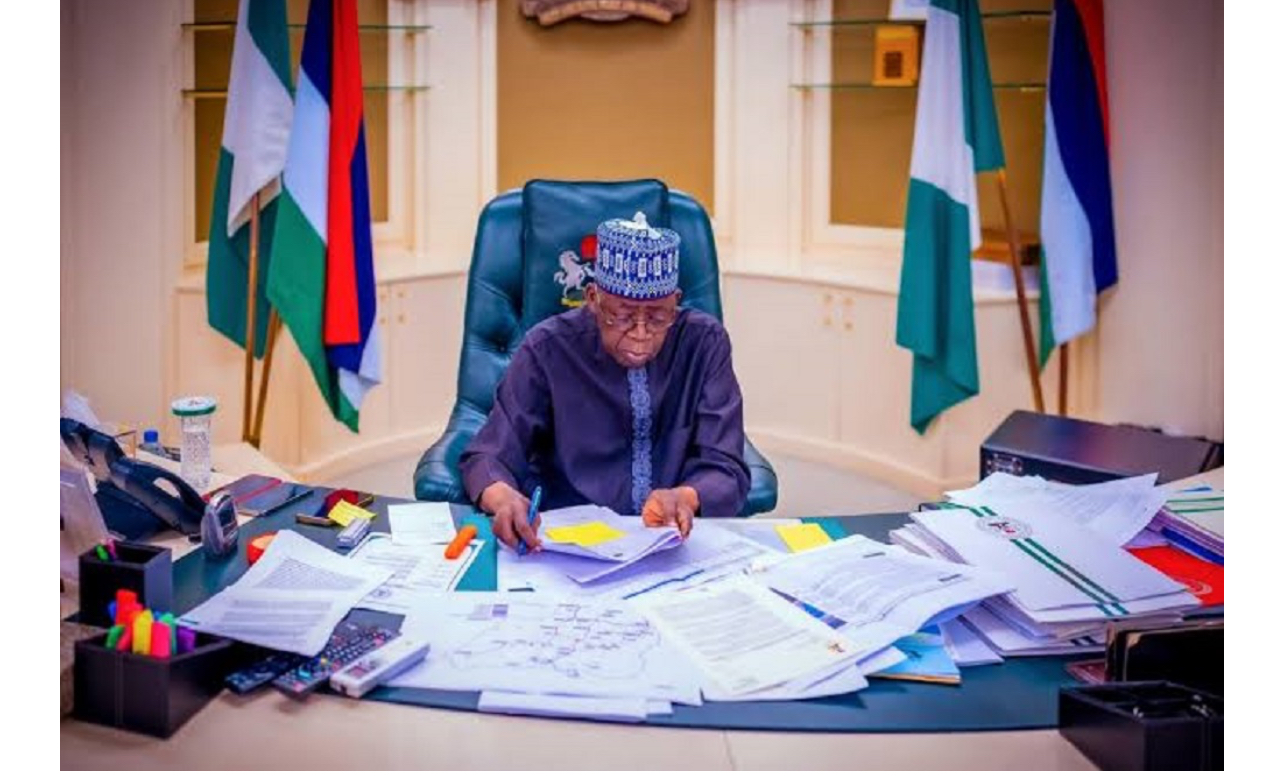
Every form of violence stands condemned. Violence should never have a place in our political campaigns as we move toward the 2027 general elections.
Our campaigns should be about issues, a contestation of ideas that promote the welfare of our people and the progress of our country.
As the leader of this country, I commit myself to a peaceful, free, and fair election, and I urge political leaders and supporters across party lines to conduct themselves responsibly.
I have said that being in different political parties or pursuing different ambitions does not make us enemies.
As Nigerians, we are members of the same household living in different rooms. Therefore, our politics must elevate human conditions and focus on national progress and development.
I want to reiterate my previous directive to the security agencies: be strict and firm against anyone who seeks to test our resolve and will to preserve public order.
Our administration is committed to an orderly and peaceful election, and all political parties and candidates should be protected and free to campaign anywhere in the country without molestation or fear for their safety.
We shall not tolerate any irresponsible conduct by politicians and their supporters.
Security agencies are therefore authorised to confront thuggery and other anti-social and anti-democratic activities with full force.
“ The Central Planning Committee for the official unveiling of the book, The Courage to Reform: Architecture of President Bola Ahmed Tinubu, GCFR, Beyond 2027 — Statecraft, Vision for National Renewal, has announced Tuesday, December 1, 2026, as the new date for the highly anticipated ceremony.
The unveiling, which was initially scheduled for Thursday, November 5, 2026, at the Bola Ahmed Tinubu International Conference Centre, Abuja, was earlier postponed following adjustments to the official schedule of President Bola Ahmed Tinubu, GCFR, who is the Special Guest of Honour at the occasion.
HON. IMAAN SULAIMAN-IBRAHIM
Honourable Minister of Women Affairs and Social Development
Chairperson, Central Planning Committee


-
 news6 years ago
UPDATE: #ENDSARS: CCTV footage of Lekki shootings intact – Says Sanwo – Olu
-
 lifestyle6 years ago
Former Miss World: Mixed reactions trail Agbani Darego’s looks
-
news8 years ago
-
 health6 years ago
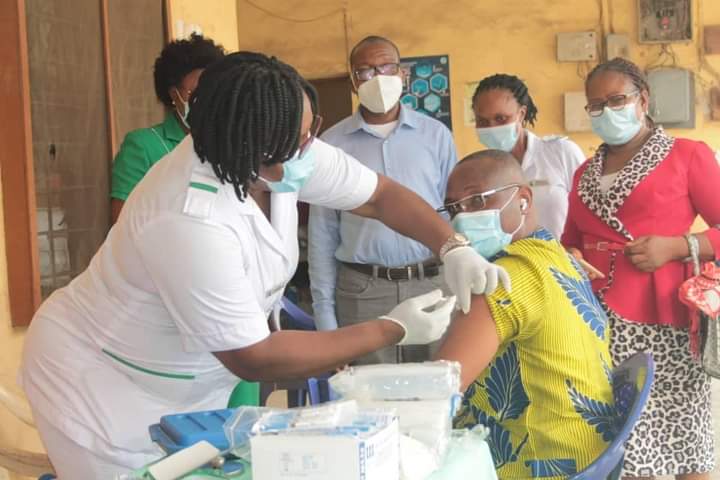
Chairman Agege LG, Ganiyu Egunjobi Receives Covid-19 Vaccines
-
 lifestyle5 years ago
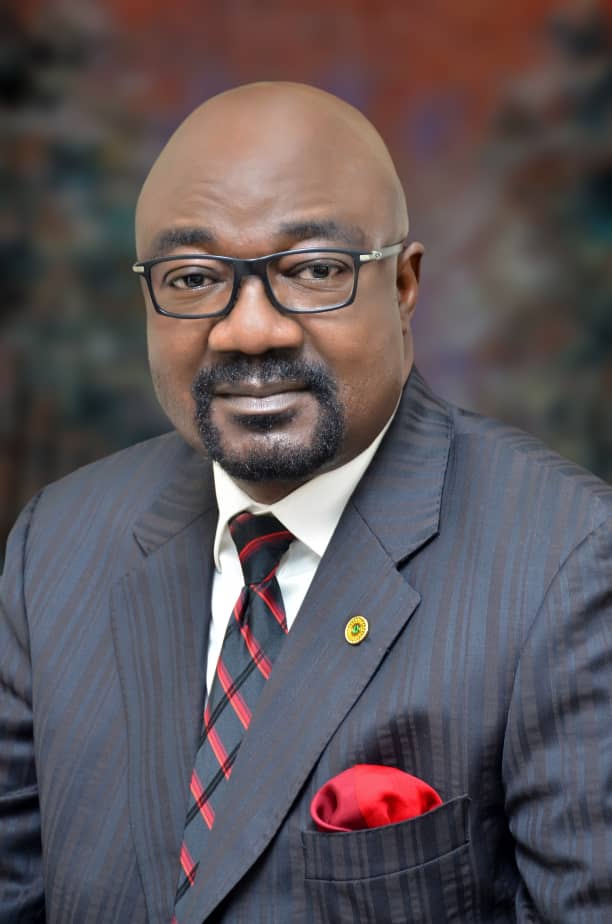
Obateru: Celebrating a Quintessential PR Man at 60
-
 news1 year ago
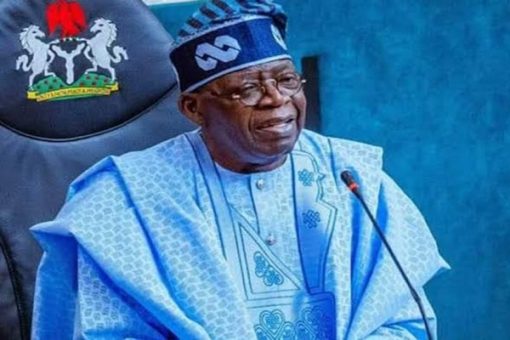
BREAKING: Tinubu swears in new NNPCL Board
-
 society3 years ago
Bisbam CEO, Abisola Bamidele, Bags Owu Chieftaincy Title
-
 health6 years ago
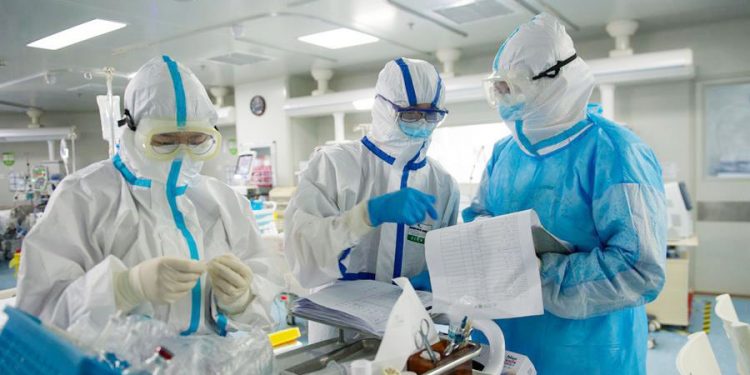
UPDATE : Nigeria Records 790 new cases of COVID-19