
brand
THE EVOLUTION OF NIGERIAN BANK OVER THE LAST FEW YEARS,A SERIES OF REFORMS HAVE REVITALISED THE BAKING INDUSTRY IN NIGERIA.JIM OVIA, CHAIRMAN OF ZENITH BANK

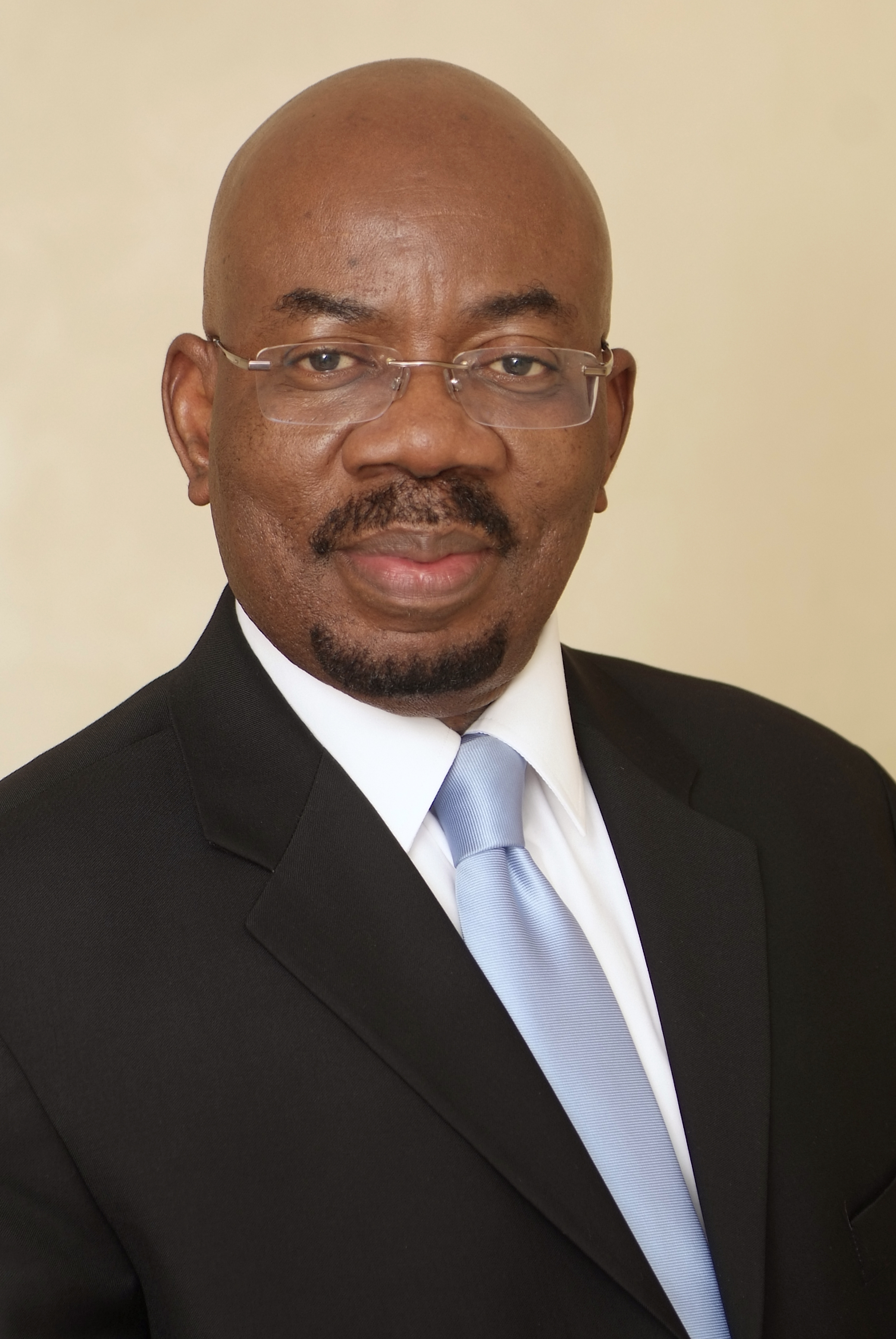
EXPLAINS HOW HIS ORGANIZATION IS CONTRIBUTINGTO ECONOMIC PROGRESS
NIGERIAS MODERNISED ECONOMY
For more than 10 years now, Nigeria economy has benefited greatly from sustained levels of growth
with annual real GDP rising to 6.3 percent in 2014 , and it is expected to continue on this positive trajectory into 2015 and beyond. Overall , the Nigerian economy is becoming more modern, resembling western developed economies, with the services industry providing the bulk of its economic output. It is responsible for more than 50 percent of total economic growth, while manufacturing and agriculture contributed around nine and 21 percent respectively, according to data complied by African economic outlook, the country has managed to diversify its economy away from oil-which is no simple feat. Other industry sectors-including the service industry-have grown to become the main drivers of growth in the country. Its population of around 178 million (see side bar) means that the retail consumer market is enormous and crammed with stirring opportunities. In Africa, the country is at the forefront of utilizing electronic banking products, with its huge telecommunications backbone, world-class banking applications and burgeoning biometric projects.
The past year has been good for Nigeria so far, but its growth has suffered, slowing slightly as consequence of reduced economic recovery in other parts of the world, and the price of oil is yet to bounce back from its current lows. Cheap oil has made a considerable dent in fiscal revenues, but due to the success of economic diversification, the country has managed to weather the storm rather effectively and helped mitigate the impact of the commodity’s low price. In order to combat the dip in revenue, the government has chosen to cut spending so that it doesn’t take on excessive levels of debt. It has also embarked on a strategy that involves shoring up non-oil revenues in a bid to compensate for declining oil revenues.
Boosting business
In a recent report by the world bank, which attempts to measure how effectively government regulation has assisted business activity in various countries, the international organization ranked Nigerians overall performance favourably, increasing its rank from 175 out of 189 to 170. The positive ranking by the world bank was due to the Nigerian government making it easier for individuals to do two things: set up a business and receive credit from financial institutions. Overall, the government has worked hard to increase the efficiency of its business environment and legal institutions in an effort to improve the performance of its economy.
The all progressives congress (APC) has continued to ease restraints on businesses, focusing on long-term judicial reforms that aim to bolster legal entities for contract enforcement.it is also eager to address issues like corruption and national security, both of which dramatically impact investor confidence and have the capablility of reducing foreign direct investment into the country. But these issues are not serious enough to dissuade all investors.
I don’t find it surprising that investors want to take part in Nigeria’s economy when you consider the exciting potential of our economy, our very high population which means we have very substantial consumer markets and our excellent infrastructures that make investment easy and ensure a good flow of information to investors themselves; said Peter Amangbo, CEO of Zenith Bank.
At zenith bank, helping domestic and foreign investors is one our strongest areas of activity. We think our devotion to customer service, our passionate enthusiasm for making sure that the service we offer are exactly what customers want and our ability to bring new services and new facilities to customers make us the bank of choice for investors both within Nigeria and beyond our borders who want to maximize their knowledge of the investment potential of Nigeria and also maximize their returns; In order to make credit more readily available for those looking to start a business, the government has had to implement a number of financial reforms. These have helped alter the financial reforms. These have helped financial environment, creating a stronger banking institutions that possess an efficient payments system. It has also helped to greatly improve the financial infrastructure of the country too.
The enormous success of e-banking in Nigeria, and the fact that it is not only seen in African.
But globally as a successful economy, is partly explained by the Central Bank Nigeria (CBN) encouraging cashless transactions in other to engender flexibility, speed and accountability. E-banking in Nigeria is also partly explained by the hurtling transformation of the economy which is increasing demands for banking services in general, and e-banking in particular.
Yet there is another key factor too: the success of e-banking in Africa’s most populous nation is also due to the sheer energy Nigeria’s most influential and far-sighted bankers, who ultimately know that the people who must want e-banking and all its associated advantages of banking services from their desktops, laptops, tablets and mobile phones, are the customers.
This makes banking easier with no need to find time to visit a physical branch, and its makes banking available on the move. A lot has changed for Nigeria’s banking industry over the years, and so World Finance spoke to Jim Ovia, Founder and Chairman of Zenith Bank, to discuss Nigeria’s economic history, and how the bank has diversified with the country’s changing economy.
From the humble beginnings
Ovia came into the industry to make a difference. He begun his career banking in Nigeria as an operator, redefining the way banking was done. He brought forward innovations in management, service delivery, customer service and the deployment of technology in banking operations.
With its head office based in Nigeria and franchises in major financial centres around the world, Zenith Bank provides an assortment of services and products in areas that include corporate and investment banking, commercial and consumer banking, personal banking, private banking and trade services.
It has over 500 branches and offices, spread across all states of the federation and the Federal Capital Territory (FCT), Abuja. Coupled with a presence in London, Ghana, Sierra Leone, The Gambia and representative offices in South Africa, Dubai and Beijing. Zenith Bank leverages its robust ICT infrastructure to provide secure and fast electronic channels and solutions to meet the dynamic needs of customers.
The extremely low turnover rate of the bank’s highest administration allows for consistency, continuity, focus and authorship. CEO Amangbo, along with the other executive directors, have been influential propelling Zenith Bank to its current market leading position. Working with Jim Ovia has put Amangbo in good stead to continue delivering the bank’s growth trajectory, of which he has been a prominent contributor.
What values have helped Zenith Bank achieve its success to date?
Zenith Bank is simply built on three core values: people, technology and service. These values have been the backbone of Zenith from inception to date. The bank thrives by putting the right people in the right places. The staff receive the best training available, which has helped build a strong corporate culture of goal oriented activities. Our people are empowered to be creative, innovative and at the same time, execute the highest level of efficiency. All these have contributed to a stable and highly motivated work force in Zenith. As a result of the training and exposure we give to our staff, we have been able to innovate, create and lead the banking revolution in Nigeria through the power of cutting-edge technology. Our practice in Zenith is to continually seek ways of improving existing banking practices, using top global bank as our yardstick.
The combination of highly motivated staff and state-of-the-art technology has led to excellent customer service, which has been our distinction within the Nigerian banking industry.
Our ability to meet and exceed the expectations of our customers over the years has made Zenith attractive to major businesses home and abroad.
How do you think the new administration can sustain economic growth?
As a bank that believe in putting the right people in the right place, Zenith has attracted and retained seasoned professionals in the area of risk management, compliance and legal services
This has helped it to build a reputation of compliance conscious bank, which has made it easier for us to work with government at all tiers and the several regulatory agencies in Nigeria and other countries. With such an international foot-print, we have and will continue to support the programmes and policies of the government in jurisdictions we operate.
As a reward to our conscious efforts on compliance with laws and regulations-and the support of government programmes-we have received significant support from the government of Nigeria, and beyond. We will continue to work cordially for more support.
After the government consolidation, larger Nigerian banks have been able to compete comfortably with other banks in the world. As players in the banking industry, we expect the new administration to continue to support the growth of Nigerian banks, as this helps to create jobs, wealth and expansion into other countries.
What is your strategy for expansion?
Zenith is continually seeking opportunities to expand and tap into profitable business ventures at home and abroad. It has a UK subsidiary, and this year opened a branch in Dubai. Despite the global economic growth downturn, there are numerous untapped business opportunities, especially in Africa and Asia, which the bank is watching closely.
How do you plan to integrate payment systems into the Zenith’s model?
As a technology driven bank, Zenith have been in the forefront of processing automation, and championed several projects that resulted to adoption of electronic banking. Zenith has deployed several platforms that have made banking services seamless and more efficient for customers. Using technology to facilitate payment has always been an integral part of Zenith’s banking model, and with the CBN’s drive for a cashless Nigeria, Zenith will continue to work with other stakeholders for a more efficient and secured payment system. The CBN has tightened monetary policy in 2015 by imposing forex restrictions on certain imports.
How have new environment conditions affected Zenith’s business, and what is need to stabilize the market? The Nigerian economy is overly import-dependent, and this today has led to a significant loss of foreign exchange. Therefore, the position of foreign exchange restrictions on certain imports would in fact not only help in foreign exchange management by saving the country a forex haemorrhage, but it would also help to promote the local industries with its attendant spill-over effect on creating jobs and increasing wealth.
The current monetary condition is a fallout of dwindling oil prices and drop in government receipts. The implication is that the CBN is not able to meet all the forex needs of every customer. However, Zenith is coping very well with the current situation by forex rationing to meet the needs of its customers, while ensuring compliance with relevant laws and regulations.
The banking system is a key piece of Nigeria’s future, but SMEs have difficulty finding capital.
How has access to financial services throughout the Nigerian economy changed?
Access to finance is no doubt challenging but improving, especially for SMEs because of high interest rates due to high cost of sourcing deposits.
However, that circumstance is gradually changing since the introduction of various intervention schemes, particularly the Micro Small and Medium Enterprise Development Fund (MSMEDF) with single digit interest rate by the CBN. It is expected that funding for SMEs will be more accessible than it used to be.
Technology features greatly at Zenith Bank. How has this being implemented?
Technology is integral to the bank’s business strategy. We deploy cutting-edge technology platforms to enable seamless transaction for our customers.



Zenith Bank Plc is set to launch the maiden edition of its Girl-Child Empowerment Programme, an initiative aimed at inspiring young girls to dream boldly, develop the skills and confidence to pursue their aspirations, and prepare for meaningful opportunities in the future.
The event, themed “Banking On Her Tomorrow,” is the brainchild of the Bank’s Group Managing Director/Chief Executive Officer, Dame Dr. Adaora Umeoji, OON, the first female GMD/CEO in Zenith Bank’s history and a strong advocate for girl-child education and empowerment. The event will be held virtually on Monday, October 12, 2026, at 11:00 a.m., a day after the International Day of the Girl Child, observed globally on October 11.
The programme, which will feature an impressive lineup of distinguished experts in various fields, seeks to provide girls with the inspiration, knowledge and practical perspectives needed to navigate their education and careers, while exposing them to opportunities in skills development, mentorship and leadership. As an annual platform, it will encourage girls to recognise their potential, broaden their aspirations and equip themselves to make informed choices about their future.
The initiative builds on Zenith Bank’s longstanding commitment to women and girls, demonstrated through programmes and platforms including the Bank’s annual International Women’s Day Seminar, its sole sponsorship of the Zenith Women’s Basketball League, the Women of Honour Awards in partnership with the Ford Foundation, and the Pad-a-Queen Initiative. These complement the Bank’s women-focused financial solutions, including the Z-Woman initiative, an empowerment programme that supports women-owned and women-led businesses through specialised funding, capacity building and networking. Together, these initiatives reflect the Bank’s broader commitment to supporting women and girls at different stages of their lives, and to contributing meaningfully to national development.
This maiden edition is open to all, with girls, parents, educators and other members of the public invited to participate. Interested participants can register via the link below. Those unable to join via Zoom can follow the live stream on Zenith Bank’s social media platforms.
brand
GTCO Plc Releases 2026 Half Year Audited Results …….. Reports Profit Before Tax of ₦603.03billion,Pays Interim Dividend of ₦1
 Guaranty Trust Holding Company Plc (“GTCO” or the “Group”) has released its Audited Consolidated and Separate Financial Statements for the period ended June 30, 2026, to the Nigerian Exchange Group (NGX) and London Stock Exchange (LSE).
The Group posted a profit before tax of ₦603.03 billion, driven by strong performance recorded on the interest and trading income lines, which grew y-o-y by 7.5% and 24.7%, respectively. The strong earningsrecorded was moderated by a ₦46.2 billion fair value loss recognized in H1–2026, limiting y-o-y growth in PBT to 0.4%.
The Group grew across its asset lines, reinforcing a balance sheet that is well structured, liquid and diversified. This growth was recorded in each jurisdiction where we operate a banking franchise, and across our Payments, Pension and Funds Management businesses.”
Group’s Total assets and shareholders’ funds closed at ₦18.6trillion and ₦3.3trillion, respectively. Capital Adequacy Ratio (CAR) remained very strong, closing at 34.9% (Bank 29.2%), and asset quality improved as evidenced by IFRS 9 Stage 3 Loans which closed at 3.5% and 4.6% % at both Bank and Group Level in H1-2026 (Bank -3.4%, Group 5.0% in FY-2025). Cost of Risk (COR) improved to 0.6% from 2.2% during the same period.
The Group’s Loan book (net) grew marginally by 0.5% from ₦3.13trillion as of December 2025 to ₦3.15trillion in June 2026, converse for improved performance on Deposit liabilities which grew by 10.3% from ₦12.87trillion to ₦14.19trillion during the same period.
Commenting on the results, the Group Chief Executive Officer of Guaranty Trust Holding Company Plc (GTCO Plc), Mr. Segun Agbaje, said; “Our half year results speak to the strength of what we have built: a resilient franchise, a strong balance sheet and a business that no longer depends on banking alone. Fair value movements weighed on reported earnings, but the core business held firm. Interest and trading income grew, deposits strengthened, and asset quality improved at Group level. The priority now is to execute with discipline and grow responsibly. Digital is our lever for scaling across Banking, Payments, Pension and Funds Management, and for building a more diversified and resilient financial services group.”
Overall, the Group continues to post one of the best metrics in the Nigerian Financial Services Industry in terms of key financial ratios i.e., Pre-Tax Return on Equity (ROAE) of 35.9%, Pre-Tax Return on Assets (ROAA) of 6.6%, Capital Adequacy Ratio (CAR) of 34.9% (Bank: 29.2%) and Cost to Income ratio of 31.5%.
GTCO Plc is a leading financial services group with operations across Africa and the United Kingdom. Renowned for its strong corporate governance, innovative financial solutions, and customer-centric approach, the Group provides a wide range of banking and non-banking services including payments, funds management, and pension fund administration. The Group is committed to delivering long-term value to stakeholders while driving growth and development across its markets

 The road to the 2026 Zenith Bank NBBF Women’s Basketball League title reaches its defining stage as the nation’s top eight teams converge on the Indoor Sports Hall of the National Stadium, Surulere, Lagos, from September 28 to October 3, 2026, for the highly anticipated national Finals.
Emerging from fiercely contested Atlantic and Savannah Conference campaigns, Nigeria Customs, AS Sky Queens, Titans, Air Warriors, MFM, First Bank, Victoria Queens,and Bayelsa Blue Whales have earned their place in the final battle for national honours.
And there is plenty to look forward to.
Last year’s champions, Dolphins Basketball Club, who lifted the trophy after defeating First Bank in the final, will not be in the mix this year after failing to make the top 4 of the Atlantic Conference, leaving the title firmly up for grabs and setting the stage for a new champion to emerge.
But the trophy will be contested by teams with plenty of championship pedigree.
First Bank, last year’s finalist and the most successful team in the history of the competition, arrives with a record nine league titles, while MFM will be looking to draw on its recent dominance after winning back-to-back championships in 2023 and 2024. With both sides among the Final 8, history, experience and ambition will collide as the battle for the crown unfolds.
It is a level of competition that reflects the growth of a league that has, for more than two decades, provided a platform for Nigeria’s best female basketball talents to emerge, compete and develop. At the heart of that journey has been Zenith Bank, the sole sponsor of the National Women’s Basketball League since 2005.
Through its partnership with the Nigeria Basketball Federation (NBBF), Zenith Bank has consistently supported the development of women’s basketball, helping to provide and sustain a competitive platform where talents can be discovered, nurtured and prepared for the highest levels of the sport.
The league has also served as an important pathway to theNational Women Basketball team, D’Tigress, with several players who have featured prominently for Nigeria emerging from the domestic competition. Beyond the national team, the league continues to contribute to youth development by giving young female athletes the opportunity to build confidence, skill, discipline, teamwork and professional sporting careers.
Now, the spotlight turns to Lagos. Which team will grab theopportunity to write a new chapter in the history of Nigerian women’s basketball?
Eight teams. One destination. One crown.
For Zenith Bank, the sponsorship of the Women’s Basketball League represents more than support for a sporting competition. It reflects the Bank’s broader commitment to creating platforms that provide opportunities, develop potential and make a meaningful difference in the lives of young Nigerians.
This commitment extends across several areas of community development, with notable initiatives including:
Through these initiatives and its longstanding support for women’s basketball, Zenith Bank continues to demonstrate that its commitment to society goes beyond banking, with a focus on creating opportunities and contributing to the development of communities and the next generation.


-
 news6 years ago
UPDATE: #ENDSARS: CCTV footage of Lekki shootings intact – Says Sanwo – Olu
-
 lifestyle6 years ago
Former Miss World: Mixed reactions trail Agbani Darego’s looks
-
 health6 years ago
Chairman Agege LG, Ganiyu Egunjobi Receives Covid-19 Vaccines
-
 lifestyle5 years ago
Obateru: Celebrating a Quintessential PR Man at 60
-
 news1 year ago
BREAKING: Tinubu swears in new NNPCL Board
-
 health6 years ago
UPDATE : Nigeria Records 790 new cases of COVID-19
-
 entertainment2 years ago
Ashny Set for Valentine Special and new Album ‘ Femme Fatale’
-
 society3 years ago
Bisbam CEO, Abisola Bamidele, Bags Owu Chieftaincy Title