
news
To Curb Insecurity, Northern Governors Propose 6-Month Ban on Mining, Support State Police

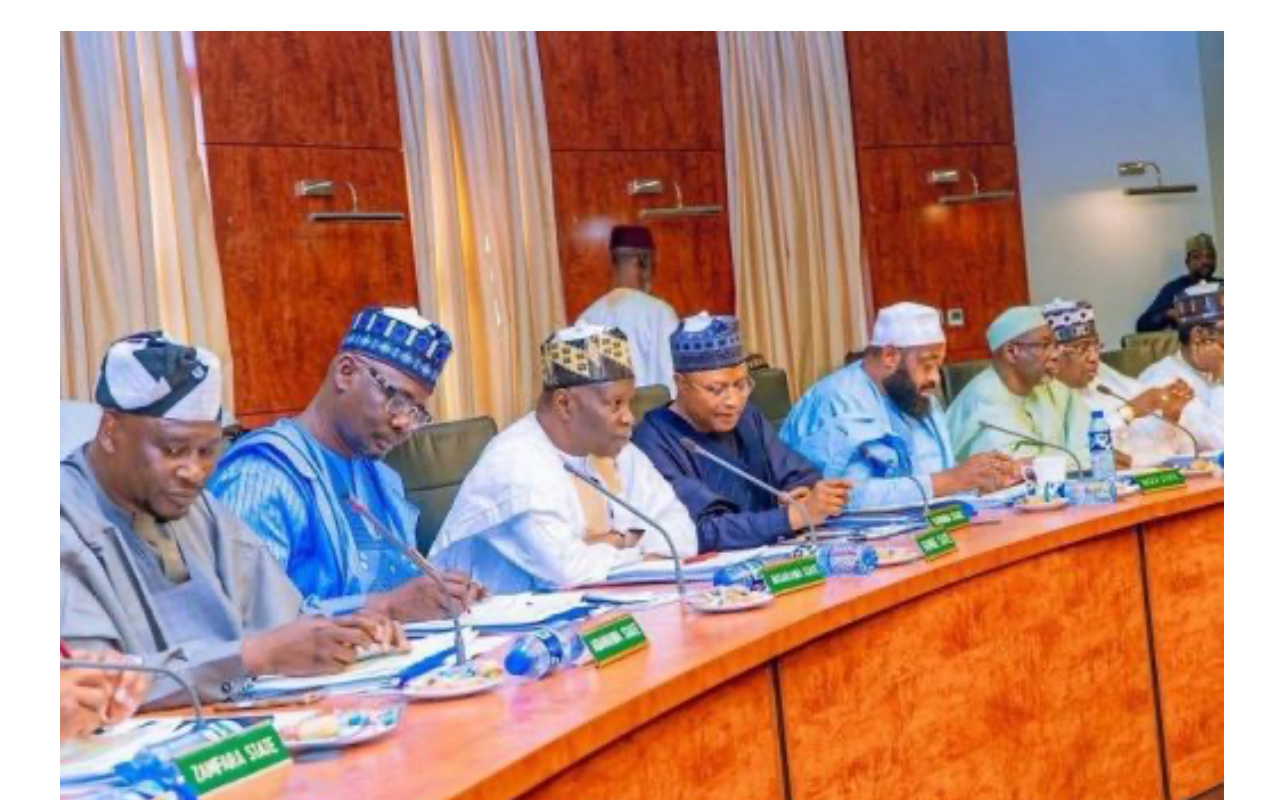
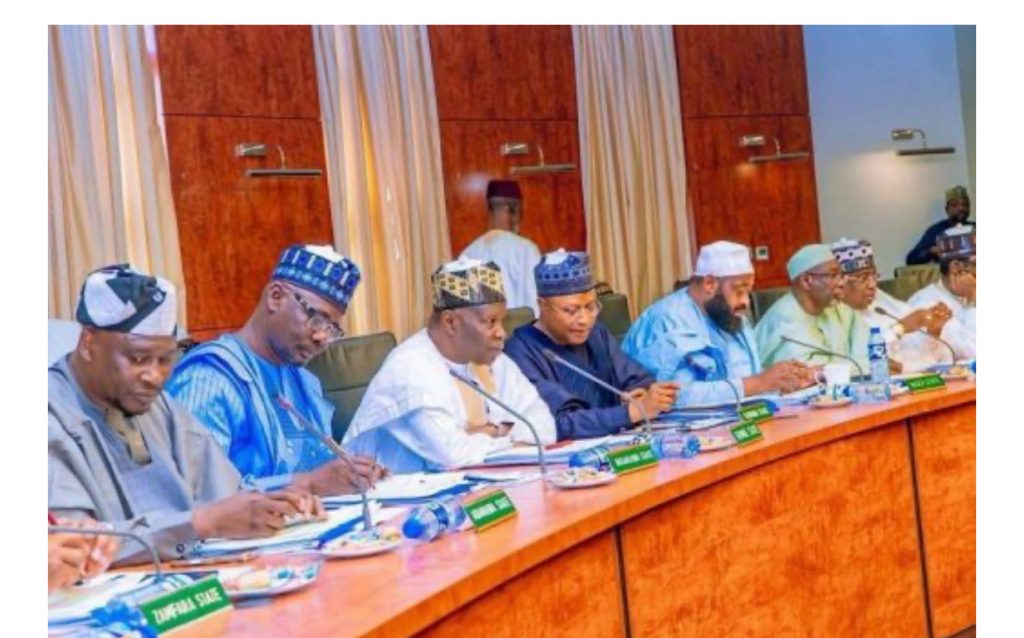 The 19 northern governors and traditional rulers yesterday urged President Bola Ahmed Tinubu to suspend mining for six months in the region as part of measures in tackling banditry and halting criminal networks exploiting the sector.
The leaders, who resolved to set up N1 billion monthly Security Trust Fund, also reaffirmed their support for state police.
The Northern States Governors’ Forum (NSGF) and the Northern Traditional Rulers’ Council converged on the Sir Kashim Ibrahim House, Kaduna, for deliberations on the rising insurgency that has devastated the region.
In recent months, only a few of the 19 states in the North were spared of banditry and insurgency.
The governor of Gombe State, Inuwa Yahaya, who read the communique at the end of the meeting, said northern leaders have identified illegal mining as a major driver of insecurity, fuelling armed groups, financing criminal gangs and destabilising rural communities.
They urged the President to mandate the minister of Solid Minerals to subject all mining licences to a six-month revalidation audit.
Yahaya, who chairs the NGSF, said the forum expressed deep concern about recent killings and mass abductions in Kebbi, Kwara, Kogi, Niger, Sokoto, Jigawa and Kano states, as well as renewed Boko Haram attacks in Borno and Yobe, and condoled with the affected families.
The forum lauded President Tinubu for the prompt rescue operations that led to release of some abducted children, and the security agencies for battling insurgents and bandits.
Yahaya said the region is united in backing every decisive step to crush the criminal elements.
He said the governors and monarchs endorsed the push for state police, urging lawmakers from the North to move swiftly to actualise the constitutional amendments required for its operations.
“The forum collectively resolved to work closely with the Federal Government under President Tinubu to turn the tide and ensure lasting peace and stability for our region and the nation,” he added.
To strengthen regional security coordination, Yahaya said the forum approved creation of a Northern Security Trust Fund, to be financed by a N1billion monthly contribution from each state and local government, deducted at source under an agreed framework.
He said the fund, with the proposed mining suspension, would disrupt key revenue channels for armed groups, boost law-enforcement capability, and support a unified security response in the 19 states.
Yahaya said underdevelopment, illiteracy, climate change, unemployment and poor resource management should be addressed in parallel with military responses.
Kaduna State Governor Uba Sani said the centralised policing model was grossly inadequate for a nation of over 230 million people and vast ungoverned spaces.
Sani hailed Yahaya’s leadership and lauded other governors for their determination to safeguard their states despite mounting challenges.
He praised traditional rulers for their stabilising presence, describing their wisdom as crucial at this fragile moment.
The Kaduna governor warned against what he called a “troubling trend” of politicising insecurity, accusing some opposition leaders of amplifying fear for partisan advantage.
Sani said: “We must resist this behaviour. We have a President who understands the North, values the North, and consistently demonstrates respect for our perspectives.”
The Sultan of Sokoto, Alhaji Sa’ad Abubakar III, who spoke on behalf of the monarchs, urged the governors to “double their efforts” and unite against the worsening security and other socio-economic maladies.
He said: “As leaders, we need to really tell ourselves the truth. But I want to assure you — we are 100 per cent with you in this drive to make the North a better place, because we don’t have any other place to be.”
Abducted Kwara monarch, six others out of bandits’ custody
Kidnapped Ojibara of Bayagan community in Ifelodun Local Government of Kwara State Alhaji Kamilu Salami has regained freedom.
The monarch and six others escaped from the bandits’ den, it was learnt.
The monarch’s abductors earlier demanded N150 million ransom.
It was gathered that the monarch and six other abductees from the neighbouring community were able to escape following an attack launched on the bandits by the vigilantes, who flooded the forests.
A source said: “The vigilante team launched an attack on the bandits in the forests and engaged them in a gun duel around Eku Idaji, close to Igbaja.
“Although, the Baale and the six other escapees are yet to arrive in the community, they have made contact with members of the community who confirmed what happened.”
Gunmen kidnap farmer in Eruku again
Four gunmen at the weekend attacked Eruku, Ekiti Local Government again, and abducted a farmer, simply identified as Mr Aasaru.
The latest attack on Eruku is the second in a month and occurred barely a week after the Federal Government secured release of 38 abducted members of Christ Apostolic Church (CAC) in the community.
It was gathered that the bandits attacked Aasaru in a farm on the road leading to Koro.
Kwara State Police Command’s spokesperson, Toun Ejire-Adeyemi confirmed the development.
She said: “Police operatives from Eruku Division received a complaint on Sunday that four armed men invaded a farm on Koro Road, Eruku, about 1230hours, and abducted Aasanru, aged 40.
“Upon receipt of the report, a joint team of police, military personnel and local vigilante members was deployed in the area for an intensive search and rescue operation.”
She said efforts were on to secure release of the abducted farmer.
‘Fed Govt to expose terrorism financiers, tighten border security’
Identities of terrorists and their financiers are to be made public by the Federal Government, Presidential aide Daniel Bwala has said.
This is part of sweeping security measures to disrupt funding networks sustaining violent groups in the country, Bwala, special adviser to the President on Public Communication, said during a chat on a national television monitored in Lagos.
He was answering questions on issues about Nigeria-US collaboration on the battle against terror, surge in attacks and the steps being taken to contain rising insecurity.
Bwala, who noted that terrorism has evolved into a threat that extends beyond national borders, said the government was working on exposing those behind terror financing.
According to him, the President has taken “far-reaching and tough decisions” to cripple the financial backbone of terrorists.
“The lifeline of all terrorist activities is finance. When you cut the finance from them, it dies naturally. Previous administrations knew the financiers but were either unwilling or unable to act. This President is not going to tolerate that.
“In the next few days, Nigerians will know who the terrorists are, and those funding them.”
Bwala noted that terror groups operating often wield sophisticated weapons, surveillance drones and military fatigues, which clearly point to established financing channels in and outside the country.
He referenced the U.S. strategy that defeated ISIS by blocking its financial supply lines, arguing that Nigeria must adopt a similar approach.
Bwala said strengthening security along Nigeria’s porous borders was critical, noting that terrorists moving from the Sahel rely heavily on uncontrolled routes to transport arms, fighters and illicit funds.
Four Northern Governors paying above N70,000 minimum wage
How much shame can Northern governors endure?
He added that recent attacks on schools, religious centres and remote communities have reinforced the need for a shift in strategy.
According to him, terrorists now target schools and children, prompting revival of the “Safe Schools Initiative” under Ministry of Finance.
Religious bodies, he said, have also been advised to strengthen internal security vigilance.
On cooperation with the U.S., Bwala said Nigeria is seeking intelligence-based support rather than foreign boots on the ground.
“If you bring foreign troops who don’t understand our terrain or asymmetric warfare, they will be killed like chickens,” he said.
Instead, the government wants advanced drone systems, satellite imagery, technical surveillance and community-based intelligence to drive more effective operations.
Bwala linked the recent rise in terror activities to two major theories:
“Attempts by foreign interests to justify military intervention in Nigeria; and political sabotage ahead of future elections aimed at destabilising the government.”
He added that criminal elements in communities have also taken advantage of the situation, while propaganda networks, including AI-generated fake news and cloned voices, were being deployed to fuel panic.
Despite these challenges, he said global partners recognise Nigeria’s broader strategy and are willing to support efforts to dismantle the financing, recruitment and movement of terrorists in the country.
Nigerian Air Force (NAF) and Universal Basic Education Commission (UBEC) have partnered to strengthen security in schools as part of the Federal Government’s efforts to prevent terrorist infiltration.
The partnership was formalised during a visit to UBEC by Chief of Air Staff (CAS), Air Marshal Sunday Aneke.
According to NAF spokeman, Air Commodore Ehimen Ejodame, the CAS stressed the need for stronger ties between security agencies and education authorities to safeguard learning environments, especially in vulnerable areas.
Nigerian Politics Analysis
He said Air Marshal Aneke welcomed deeper cooperation under UBEC’s Safe School Programme to improve monitoring, accountability and protection of basic education facilities.
The CAS also highlighted NAF’s contribution to secure an inclusive learning through its 20 primary and 13 secondary schools, adding that the service was upgrading facilities, improving digital literacy and supporting teacher development.
He listed priority areas for partnership, including infrastructure support for NAF schools, joint teacher training, integration into UBEC’s digital education platforms and strengthened quality assurance.
Air Marshal Aneke noted that enhanced collaboration with UBEC would boost deployment of safe-school technologies and modern learning systems.
UBEC Executive Secretary, Dr. Aisha Garba, welcomed the partnership, lauding NAF’s role in national development.
She said no education system can thrive without safety, and pledged the commission’s commitment to technical cooperation that improves school security, learning outcomes and resilience in the basic education sector.
Police intercept French, Arabic speaking migrants in Nasarawa
Nasarawa State Police Command has intercepted several foreign nationals, mostly Malians, allegedly trafficked into the state under the guise of job opportunities abroad.
Commissioner of Police Shetima Jauro Mohammed told reporters in Lafia that the migrants spoke only French and Arabic. He said intelligence showed that they were brought into Orange Market, Mararaba, Karu Local Government, where they were held for about a week.
According to him, about 10:40 am on November 30, operatives acting on credible information raided a bungalow in the area and rescued 32 men and seven women.
He said the victims were Malian nationals, except one Ivorian, adding that they were lured by a Malian, identified as Abdullahi Berter, who promised to help them secure jobs in France but instead trafficked them into Nigeria.
The suspect, who reportedly instructed them to bring in more recruits for an unspecified operation, is at large. A manhunt has been launched for him and his accomplices.
The commissioner said the rescued victims would be handed over to Nigeria Immigration Service for further investigation.
Mohammed also announced the arrest of a suspected kidnapper in Kertyo Village, Obi Local Government. He said operatives, while acting on intelligence, arrested Abubakar Adamu of Adudu District, Awe council, adding that he led detectives to his Ruga, where an AK-47 rifle and 11 rounds of 7.62mm ammunition were recovered.
He is under investigation and will be charged to court.
Police kill three bandits, foil planned attack in Abuja
It was end of the road yesterday for three bandits in the Federal Capital Territory (FCT).
Three of the gang members, who were said to have planned to attack some communities in Abuja were neutralised by the police command in a coordinated ambush on their hideouts in Kwali.
Intelligence reports showed that the criminals had concluded plans to strike the community on or before December 1, prompting Commissioner of Police, Miller Dantawaye, to direct the Anti-Kidnapping Unit to intensify operations and track the syndicate’s movement.
FCT Police Public Relations Officer, SP Josephine Adeh, said the operation began after officers traced and arrested a key conspirator, Sani Mohammed Umar, also known as Boko, about 2:11 p.m. on November 30.
His mobile phone, suspected to be the primary device used to coordinate the gang’s operations, was recovered from him.
Though the police did not name the specific community targeted for the planned attack, Adeh said: “Investigations confirmed that the suspect belonged to the gang responsible for the previous attacks and kidnappings in ACO and Dupa and Gwagwalada, as well as multiple robbery incidents in Gwagwalada, Kuje, and Kwali.
He also admitted that his gang members were waiting for him at Gada Biyu Hills, Kwali, where they had converged on to begin their next planned community attack”.
She explained that the Anti-Kidnapping team advanced into the forest about 11:01 p.m., reached the gang’s meeting point, and laid an ambush.
Adeh continued: “On sighting the operatives, the bandits opened fire. The Police responded decisively, engaging the criminals in a fierce 30-minute gun duel, during which three of the bandits were neutralised, while others escaped with ‘gunshot wounds”.
Items recovered from the bandits include three AK-47 rifles, three magazines, and 33 rounds of live ammunition.
The police said a joint operation involving operatives and troops of 176 Battalion is ongoing, with teams combing the forest and blocking all escape routes. Medical facilities in the area have also been placed on the alert to report persons coming with bullet wounds.
The commissioner hailed the gallantry of the Anti-Kidnapping Unit and urged residents to remain vigilant and continue to provide timely information.
Senate postpones National Security Summit ‘indefinitely’
The Senate has postponed its planned National Security Summit, scheduled to begin in Abuja, yesterday.
The Senate Planning Committee on the summit, at the weekend, wrote to invitees, notifying them of the postponement.
Although some sources suggested the summit might hold in January, there was no official confirmation.
Senate spokesman Adeyemi Adaramodu is yet to comment on the development.
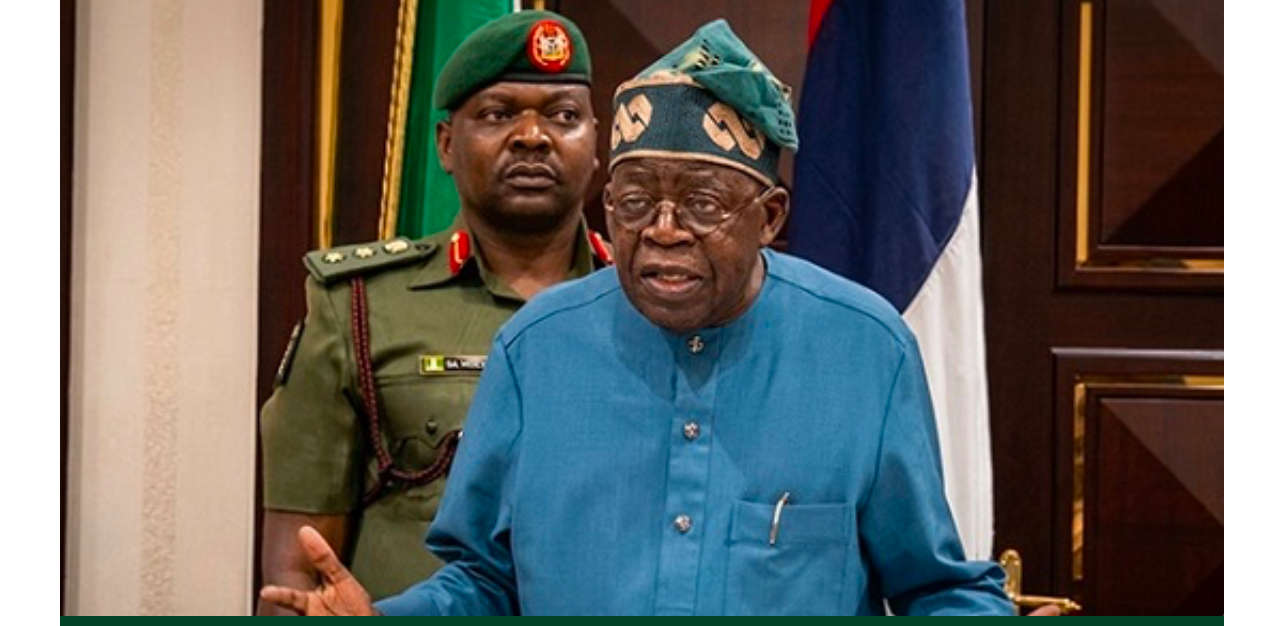
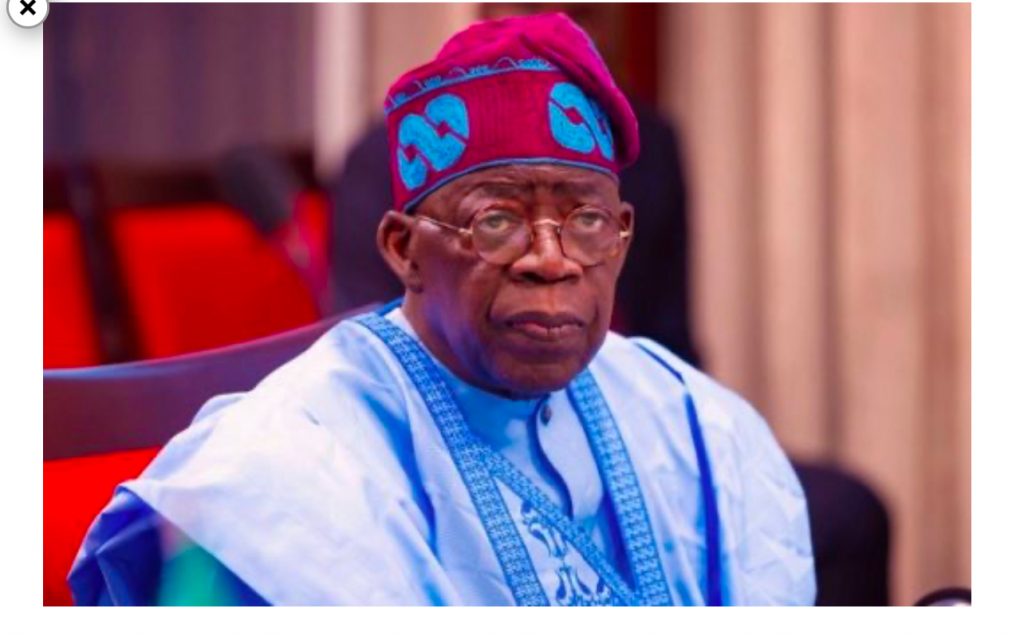 President Bola Tinubu has urged the National Identity Management Commission (NIMC) to work towards achieving 95 per cent National Identity Number (NIN) coverage by December 2026.
The President gave the directive at the State House, Abuja, while delivering the keynote address at the 2026 National Identity Day celebration organised by NIMC.
He acknowledged NIMC’s excellent work so far, noting that National Identity Number (NIN) enrolment peaked at about 142 million, up from over 80 million Nigerians captured in the National Identity Database when he assumed office more than three years ago.
President Tinubu was represented at the event by his Chief of Staff, Hon. Femi Gbajabiamila. The event had the theme: “Nigeria’s digital public ecosystem: powering Africa’s digital economy.”
It was attended by the representative of Vice President Kashim Shettima, Senator Ibrahim Hadejia; the Secretary to the Government of the Federation (SGF), Senator George Akume; the Minister of Interior, Dr Olubunmi Tunji-Ojo; and the Minister of Education, Dr Tunji Alausa, amongst others.
President Tinubu said the target should be pursued through expanded ward-level enrolment, mobile registration initiatives and continued deployment of licensed enrolment networks. Government
The President noted that his administration’s vision goes beyond NIN coverage, stating that Nigeria “must build an identity system that is continuously useful, secure and responsive to the needs of Nigerians.”
“We are laying the foundations for a future of integrated digital services, including e-health records, e-transport systems and a more harmonised national data architecture.
“We must do this while protecting the rights, privacy and dignity of our citizens. The digital state must never become a state without accountability.
“Our commitment must therefore remain clear: innovation must be matched by responsibility. Efficiency must be matched by inclusion, security must be matched by trust. And digital transformation must ultimately improve the lives of ordinary Nigerians,” President Tinubu said.
The President, who commended the Director General of NIMC, Engr Abisoye Coker-Odusote, for a job well done over the past three years, called on Nigerians who have not obtained their NIN to do so, saying their NIN represents their connection to a modern Nigerian state.
Tinubu also applauded this year’s National Identity Day theme as very important, saying “Nigeria’s digital ecosystem must power Nigeria’s digital economy–and Nigeria’s digital economy must help power Africa’s.”
The President further said National Identity remains the engine room for the government’s Renewed Hope Agenda, noting that identity transformation is contributing directly to the government’s priorities.
“The NIMC ecosystem has created opportunities for thousands of Nigerians across the country. With more than 173 private companies, 30 state governments and 14 public sector institutions approved as licensed enrolment agents, the identity ecosystem is generating employment for enrolment officers, data professionals, supervisors, technology specialists and other support personnel. This is a digital infrastructure creating real economic opportunity,” he said. NigeriaNews Subscription
Speaking on the significance of national identity to Nigeria’s national security, President Tinubu said the two are linked, describing the connection as indispensable.
“A secure identity system is indispensable to a secure nation. By strengthening identity verification and enabling responsible information sharing across relevant government institutions, we are improving our capacity to combat identity fraud, financial crimes and other threats to national security.
“The ongoing collaboration among institutions, including the Nigeria Police Force, Nigeria Immigration Service, and the Economic and Financial Crimes Commission, demonstrates what is possible when government systems work together,” President Tinubu said. GeographicReference
The Minister of Interior, Dr Olubunmi Tunji- Ojo, also praised the Director General of NIMC for delivering excellent work with little supervision, saying she has shown appreciable leadership.
He said the President expected more from her and her team, adding that Nigerians need wider, easier, and more convenient access to identity services, including for Nigerians in the diaspora.
“We need more in providing a trusted national public key infrastructure and digital public infrastructure that support secure digital identity, authentication and electronic trust services, more in including a stronger foundation for Nigeria’s digital economy, digital governance and long-term national development,” Tunji-Ojo said. GeographicReference
The Director General of NIMC, Abisoye Coker-Odusote, in her remarks, commended President Tinubu and the Minister of Interior for their support, saying it has brought about a total transformation of Nigeria’s identity and existence.
She said, “Our reach tells its own story. Enrolments have grown from less than 100 million to over 142 million Nigerians and legal residents. The engine behind that growth is the ward-to-ward Enrolment Project, undertaken directly under Mr President’s initiative. NigeriaNews Subscription
“This project carried our officers into all 8, 8,809 boards of this Federation and mobilised the National Youth Service Corps members as adult enrolment officers in connection with front-end partners in communities that had never before hosted an enrolment desk.
“Alongside it, we launched the Self- Service Notification Platform, which has already processed close to two million record updates, turning a process that once took weeks in two communities into one that takes 24 to 48 hours directly from a citizen’s phone.”
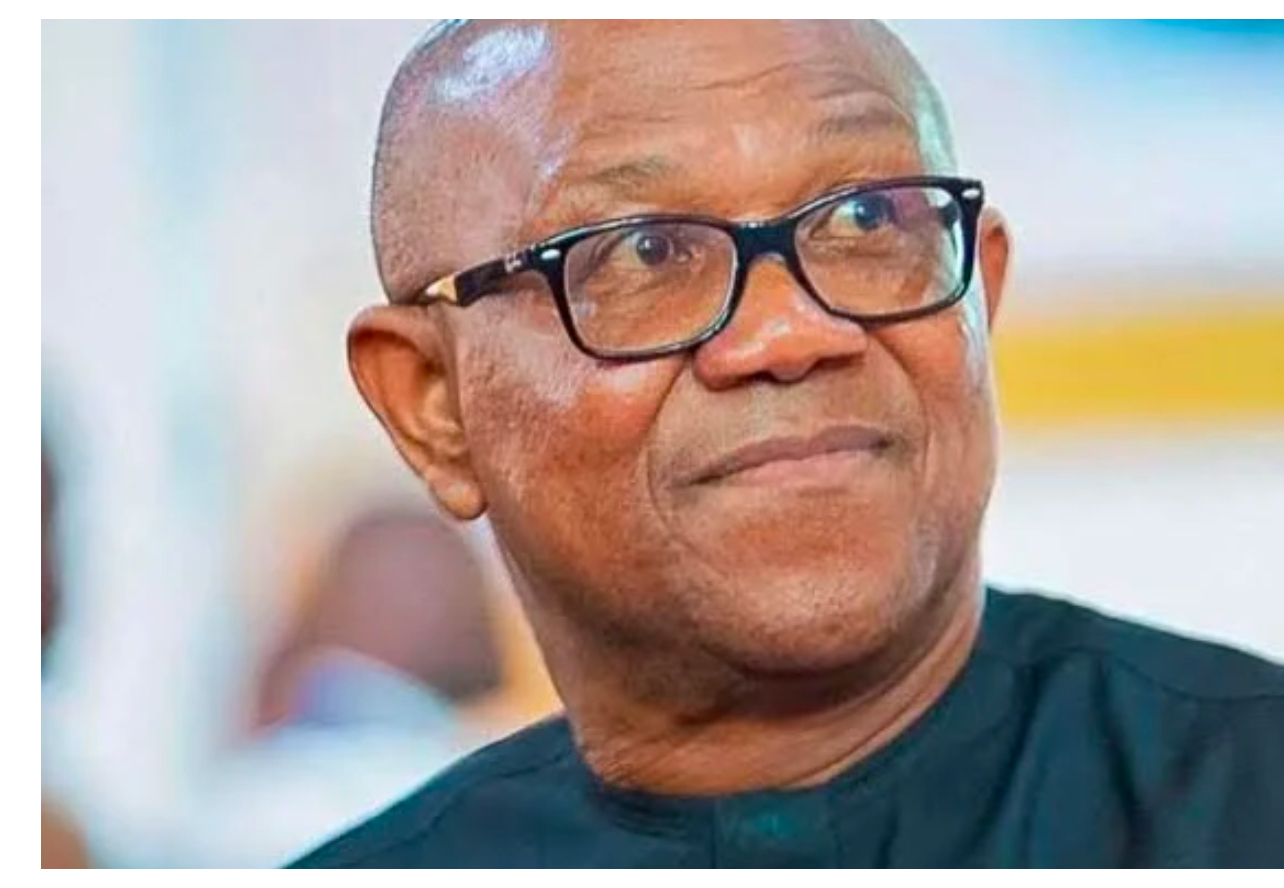
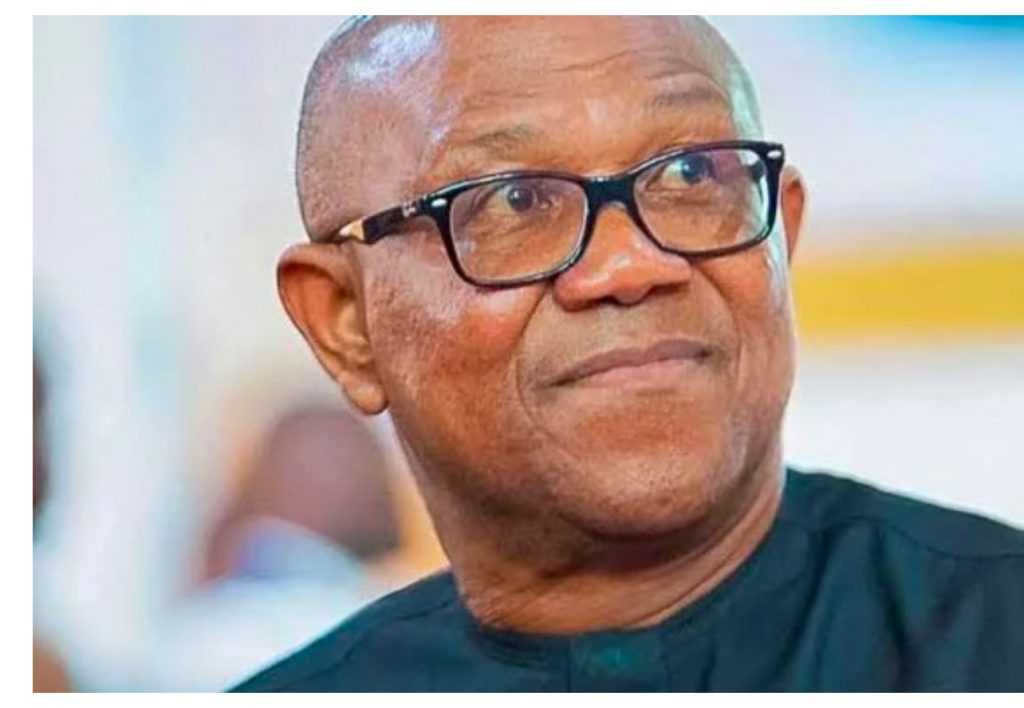
The presidential candidate of the Labour Party in the 2023 general election and a leading opposition figure ahead of the 2027 presidential election, Peter Obi.
The presidential candidate of the Nigeria Democratic Congress,
The Presidency has reacted to the ongoing dispute between former Anambra State Governor and presidential candidate of the Nigeria Democratic Congress, Peter Obi, and the state government over the state’s debts and financial liabilities.
Special Adviser to President Bola Tinubu on Information and Strategy, Bayo Onanuga, in a post on X on Wednesday, said Obi had claimed to have left Anambra without debt and challenged him to follow through on his pledge to quit the presidential race if his claim was disproved.
 Bayo Onanuga. US
File: Special Adviser to President Bola Tinubu on Information and Strategy, Bayo Onanuga.
Onanuga wrote, “Peter Obi claimed he left Anambra with a clean slate of debt and even threatened to quit the presidential race if his claims were proven otherwise.”
He added that the Anambra State Government had responded with claims concerning liabilities allegedly left by the former governor’s administration.
“Now, the Anambra government has confronted him with facts and figures showing he owed Water Corporation workers, teachers, and pension and gratuities, and had also borrowed for frivolous things,” Onanuga said.
“The ball is back in his court. Will he follow through on his threat by quitting the race?” he asked.
Anambra govt disputes Obi’s ₦2.13bn ecological fund claim
The reaction followed a fresh response by the Anambra State Government to Obi’s Tuesday denial of claims that his administration left behind inherited debts, including a ₦2bn ecological fund, contractor liabilities and unpaid salaries, gratuities and pensions.
Obi had said his administration cleared more than ₦35bn in historical gratuities and arrears and left office without outstanding salary, pension or gratuity obligations.
He also disputed the government’s claim concerning the ecological fund, saying more than ₦2.13bn was left untouched in a First Bank account for the Oko/Umuchiana erosion crisis.
Soludo
File: Governor Charles Soludo of Anambra State
However, in a statement on Wednesday, Anambra State Commissioner for Information and Value Reformation, Law Mefor, disputed Obi’s account, saying the account he identified was an Internally Generated Revenue Consolidated Revenue Account and not an ecological fund account.
Mefor said the government obtained a certified printout of the account and claimed that “from 2011 when the account was opened until date, there has never been any such amount—whether as inflow or balance—in the account.”
Obi had challenged anyone who could establish that his account of the state’s finances was incorrect, saying, “If anybody can establish anything to the contrary, I will stop campaigning.”
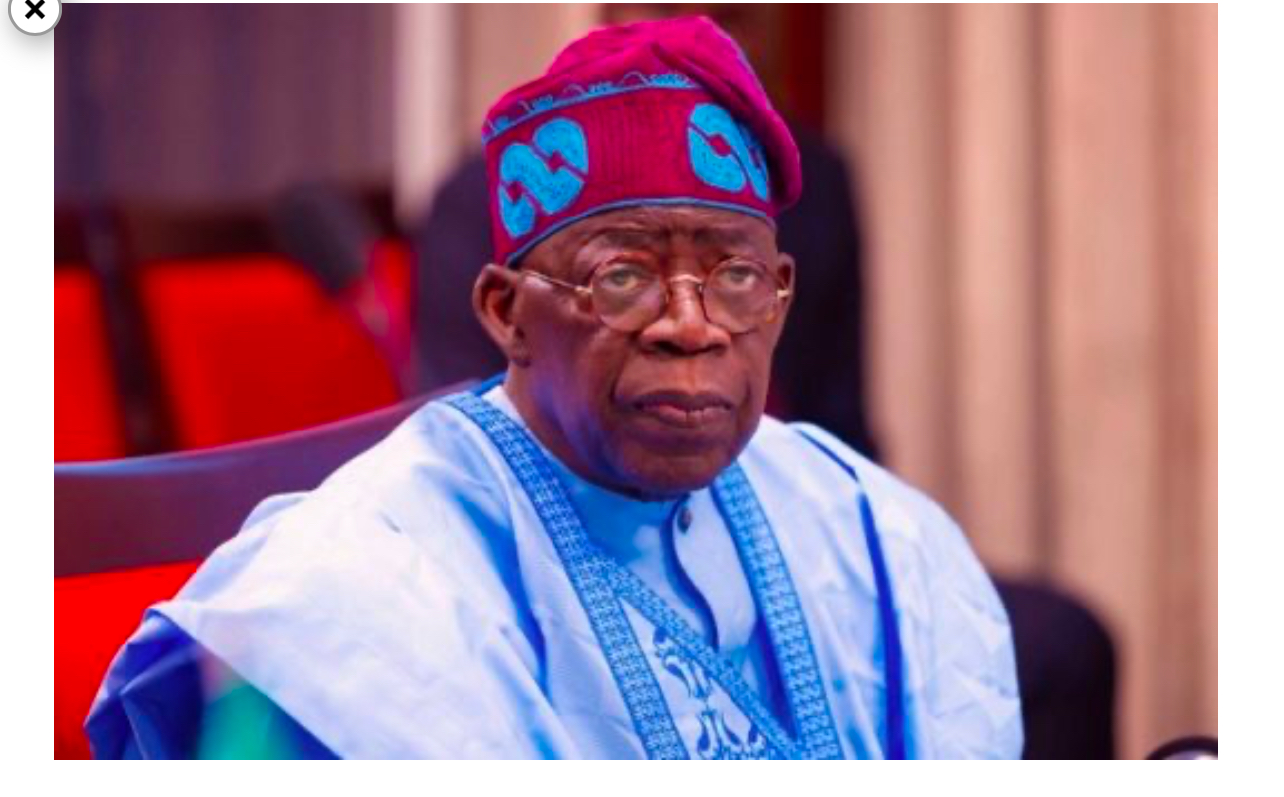
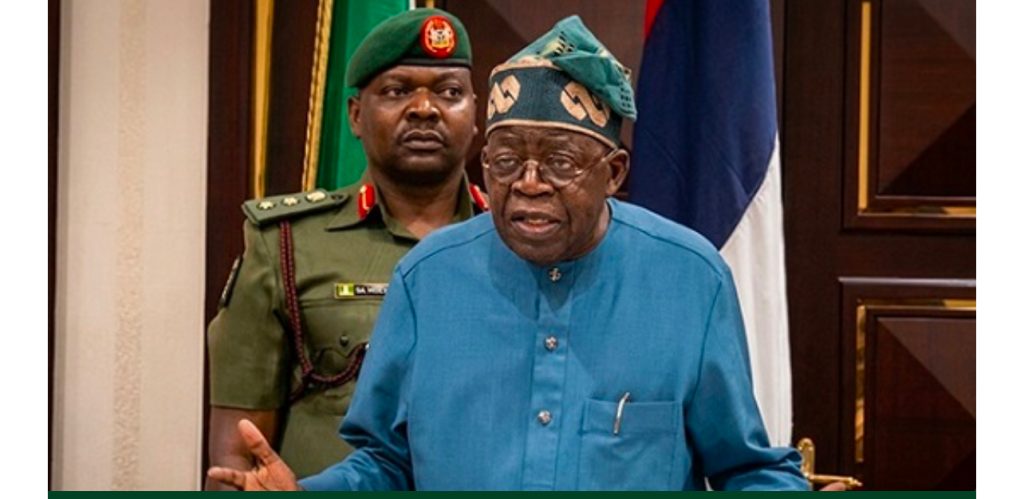
President Bola Tinubu has directed the Secretary to the Government of the Federation, George Akume, to ensure the release of all funds approved for the regional commissions.
Tinubu gave the directive on Monday at the North Central Development Commission Summit, themed “The Great Leap Forward: A 20-Year Economic Infrastructure and Social Development Plan for the North Central Region.”
Akume, who represented the President at the summit, said the creation of regional development commissions was part of the administration’s Renewed Hope Agenda to accelerate development across the country.
“Government will continue to give the NCDC and other Regional Development Commissions the political and financial backing to embark on key projects that will unlock the economic and industrial potentials of the nation.
“I therefore direct the Secretary to the Government of the Federation to ensure that all funds accruable to the Commissions are released as and when due,” he said.
The President, however, said the commissions should not rely solely on government funding, urging them to explore public-private partnerships, donor funding and development financing for transformative projects.
He said the commissions were expected to focus on major projects in rail, air transportation, industrialisation, security, investment, human capital development, education and health.
Tinubu also warned the boards and management of the commissions against corruption, marginalisation, politicisation and misuse of government resources.
“Such actions will not be tolerated, and government will not hesitate to sanction anyone found culpable,” he said.
The President said the regional commissions were not established to replace or duplicate the functions of state and local governments or existing federal institutions.
He said the North Central Development Commission should support efforts to address the security challenges in the region, stressing that development could only take place in a stable environment.
Meanwhile, the Nasarawa State Governor and Chairman of the North Central Governors’ Forum, Abdullahi Sule, said the region possessed the human and natural resources needed to drive economic development.
Sule said the region had demonstrated its capacity in agriculture, mining and industrial production, stressing the need to move from the extraction of raw materials to processing and value addition.
“When you are mining in North Central, you must also process in North Central,” the governor said.
He cited the establishment of a cement factory in Kogi State as an example of how local processing could transform Nigeria’s economy.
The governor said Nasarawa State, which had more than 400 steel licences when he assumed office in 2019, previously had no processing plant despite its mineral resources.
He said the state had since become home to the country’s largest and second-largest lithium processing plants.
“The North Central is the home of Benue cement. The North Central is the home of rice production. The North Central is the home of sesame production. So we have it all. Whatever it is that we are looking for, we have it,” Sule said.
He said what the region needed was leadership capable of developing and implementing long-term plans.
“What do we need more? We need thinkers. We need implementers. We need people who understand what it means to lead,” he said.
Sule also commended the Tinubu administration’s economic reforms, saying the policies had increased revenues available to the federal, state and local governments.
“Today, we are paying salaries without borrowing money from the bank. Even if you hate him, you cannot hate his policies. Even if you disagree with him, you cannot disagree with his policies. And that is the only way we can build,” he said.
Earlier, the Chief Executive Officer of the North Central Development Commission, Cyril Tsenyil said the commission’s role was to coordinate regional development and mobilise resources and partnerships rather than replace the six state governments and the Federal Capital Territory.
He said the commission’s 20-year plan would focus on developing regional economic corridors, processing agricultural and mineral resources, improving infrastructure and creating opportunities for young people.
He said the region should aspire to become one of Africa’s most competitive agricultural regions rather than merely being known as Nigeria’s agricultural hub.


-
 news6 years ago
UPDATE: #ENDSARS: CCTV footage of Lekki shootings intact – Says Sanwo – Olu
-
 lifestyle6 years ago
Former Miss World: Mixed reactions trail Agbani Darego’s looks
-
 health6 years ago
Chairman Agege LG, Ganiyu Egunjobi Receives Covid-19 Vaccines
-
 lifestyle5 years ago
Obateru: Celebrating a Quintessential PR Man at 60
-
 news1 year ago
BREAKING: Tinubu swears in new NNPCL Board
-
 health6 years ago
UPDATE : Nigeria Records 790 new cases of COVID-19
-
 entertainment2 years ago
Ashny Set for Valentine Special and new Album ‘ Femme Fatale’
-
 health6 years ago
BREAKING: Nigeria confirms 663 new cases of COVID-19