
news
Alleged Attack on NLC leadership : “NLC is feeling guilty in hatching its hidden agenda influenced by partisan considerations,” Says Onanuga


…Pressure mounts on NLC over planned protests
Political leaders, pan-ethnic organisations and civil society groups yesterday mounted pressure on the Nigeria Labour Congress (NLC) to shelve its proposed protest over the rising cost of living.
The two-day protest is billed for tomorrow and Wednesday.
Pan-Yoruba socio-political organisation, Afenifere; Lagos People’s Assembly (LPA) and Arewa Think-Tank cautioned against blackmailing President Bola Ahmed Tinubu with protests.
They stressed that the Federal Government deserves cooperation in its bid to tackle the economic challenges.
Last week, Ohanaeze Ndigbo President Chief Emmanuel Iwuanyanwu urged the NLC to toe the line dialogue.
He urged the people to shun any form of protest.
The Directorate of State Service (DSS) warned that there is a possibility of the protest being hijacked, thereby turning an otherwise peaceful exercise into a violent one.
According to a statement by its spokesman, Dr. Peter Afunnaya, the protest may herald violence that may further impact negatively on the economy.
At the weekend, Attorney-General of the Federation and Minister for Justice Lateef Fagbemi warned the NLC leaders not to risk contempt of court.
The Lagos Police Command also warned protesters against impeding the flow of traffic in Lagos during the protest.
The Police Commissioner, Fayoade Adegoke, said violation of human rights by protesters will not be permitted.
Trade Union Congress (TUC), the second labour centre, disowned the NLC’s plan, saying it was uncalled for and unilaterally decided.
However, the NLC yesterday insisted that the protest would go on.
Its President, Joe Ajaero, said: “We remain resolute, determined and prepared to express our pain and grief peacefully as Nigerians come 27th and 28th of February 2024.”
Ajaero, who maintained that NLC would go ahead with its plan to protest the “mounting hunger and insecurity” in the country on Tuesday and Wednesday, accused the Federal Government of trying to use an amorphous group – Nigeria Civil Society Forum (NCSF) – to attack its members during the rallies.
He said there would be a total shutdown of the country through the withdrawal of services by workers if any of its members were attacked during the protest.
Ajaero alleged in a statement that the right to protest and freedom from slavery was being threatened in Nigeria.
The statement reads: “We would want to inform Nigerians that the state has perfected plans to attack our peaceful rallies across the country.
“One of the groups being primed to attack our peaceful rallies is by a nebulous name, Nigeria Civil Society Forum (NCSF).
“NCSF is one of the emergency groups put together, funded, promoted and remote-controlled by the government to cause violence against our members for electing to peacefully protest against hunger in the land.
“We would want the state to know that the solution to our horrible economic situation and hunger is not by suppressing peaceful dissent or inflicting violence on peacefully protesting citizens as the government did in Minna and other cities where its agents tear-gassed and beat up women before locking them up for raising their voices against hunger.
“It does not lie in the deployment of state-sponsored terror. The pangs of hunger cannot be cowed by bullets or tear gas.
“In light of this, we at the Nigeria Labour Congress and civil society allies are moving ahead with our protest rallies against economic hardship and insecurity in line with the decision of the National Executive Council.
“As citizens, we have a fundamental right to peaceful protest and history bears us witness that our protests are always peaceful except in instances of state-engineered violence.
“In light of this, we advise the state to put on its thinking cap and find solutions to the pains it continues to cause the people instead of further dehumanising them.
“However, if it is irrevocably set on the path of violence against us and other peace-loving Nigerians, it will be making a costly mistake because if we are attacked, there will be a total shutdown via withdrawal of services by workers.
“Let no one be deceived, we and other deprived Nigerians cannot easily be intimidated.
“Lest those in power now who may have forgotten be reminded, we faced a more resourceful and resilient adversary in order to have democracy.
“All we are saying now is: let there be food for the people, let the people live in safety, let the people live a life of dignity devoid of suffocating IMF/World Bank economic policies.
“Once again, we advise those waiting in the wings to unleash violence on us that this is not about the NLC but about Nigerians who are saying ‘enough is enough’, about a people who have resolved not to be further pushed into the pit of misery and hopelessness, while a few live in obscene luxury at our collective expense.”
Also, two groups, The Joint Action Front (JAF) and the Coalition for Revolution (CORE) said they would participate in the protest in solidarity with the NLC.
No plan to attack NLC, says Fed Govt
The Federal Government denied the allegation of a planned attack on NLC leadership, describing it as “speculative”.
Special Adviser to the President on Information and Strategy Bayo Onanuga, said by raising the allegation, “NLC is feeling guilty in hatching its hidden agenda influenced by partisan considerations”.
Onanuga, who spoke with reporters in Abuja, said the planned protest is illegal as it is against a subsisting order of the court.
He said the NLC had a hidden agenda because most of the issues raised by labour for embarking on the protest had been addressed by the government.
Onanuga insisted that the issues raised by the labour had been addressed by the government, including the payment of a wage award of N35,000 for six months.
He said the money had been paid to civil servants up till January and only that of February is outstanding.
The President’s aide said the Federal Government had inaugurated a 37-member Tripartite Committee on National Minimum Wage to review and come up with an acceptable and sustainable Minimum Wage.
He said the government had made substantial financial commitments on the provision of CNG Buses and Conversion Kits.
Onanuga said the busses will be rolled out very soon to alleviate the transportation challenges being faced by Nigerians.
Counsel to NLC Femi Falana said the proposed protest is legal, stressing that the union will not be committing any contempt of court.
In his reply to Fagbemi, he said: “Having withdrawn the contempt proceedings filed against the NLC and TUC for embarking on public protest on August 2, 2023, you ought not to have threatened the NLC with contempt of court over its plan to hold rallies from February 27-28, 2024 against the astronomical cost of living in the country.”
Falana recalled that following the removal of fuel subsidy by President Tinubu on May 29, last year, the Federal Government commenced negotiations with the NLC and the TUC.
He said while the negotiations were in progress, the Federal Ministry of Justice rushed to the National Industrial Court to file Suit No NICN/ABJ/158/2023 against Labour on the same issue.
Falana said on June 5, 2023, Justice Yemi Anuwe granted the application of the Federal Government for an ex parte order to restrain the NLC and TUC from embarking on strike against the removal of fuel subsidy.
He added: “Although both the NLC and TUC complied with the ex-parte order, they promptly applied to set aside same for want of jurisdiction.
“They equally asked for a stay of execution of the order ex parte pending the determination of the motion.”
Falana said the application to set aside the ex-parte order filed by the defendants and the motion for interlocutory injunction filed by the claimants have not been considered as parties resolved to settle the case out of court.
Though the parties signed a 16-point memorandum of understanding, he said the Federal Government did not implement all the terms of the agreement.
Hence, on August 2, 2023, both NLC and TUC held a peaceful protest throughout the country.
He regretted that instead of implementing the agreement, the Federal Government initiated contempt proceedings against the NLC and TUC at the National Industrial Court.
He said they challenged the competence of the contempt proceedings, but the Federal Government turned around to withdraw the application for contempt.
He also recalled that on November 10, 2023, the Federal Government filed another suit, NICN/ABJ/322/2023, at the National Industrial Court against the NLC and TUC, notwithstanding the pendency of Suit No. Suit No NICN/ABJ/158/2023.
He said on that same day, the President of the National Industrial Court, Justice Benedict Kanyip, granted an ex-parte order to restrain the NLC and TUC from embarking on the planned strike.
He said the judge, however, directed that the case file be transferred to Justice Olufunke Yemi Anuwe who is handling a similar labour dispute between the same parties.
Both NLC and TUC challenged the competence of the fresh suit on the ground that it constituted a gross abuse of the court process.
Falana said the application has not been heard and determined by the National Industrial Court to date.
Afenifere leader Pa Reuben Fasoranti urged Nigerians to refrain from protests that can escalate tension.
He said the outcry over the hardship, hunger, and price hikes was not unexpected, urging Nigerians to come to terms with the realities of the national challenges, which the President is tackling.
The Yoruba leader said in a statement in Akure, Ondo State, that the difficult economic measures were part of a larger strategy aimed at restoring economic prosperity and stability.
The statement reads: “Government’s commitment to implementing these measures is a testament to its dedication to addressing the root causes of our economic challenges, inherited from the ills of the previous years.
“As a responsible leader, I appeal to every Yoruba man and woman, young and old, and our fellow citizens across the nationalities to exercise patience and refrain from engaging in protests or actions that may escalate tension.
“Understandably, the immediate impact of Tinubu’s economic reforms is challenging to everyone, but it is crucial to give the government the necessary time to realise the intended benefits.
“It is important to note that the removal of fuel subsidy and the floating of the Naira are not undertaken lightly, as we all know the great damage done to our national prosperity through the nefarious activities of the agents of darkness within the oil and financial sectors.
“These measures by the Federal Government, though painful in the short term, are designed to create a more sustainable economic environment that will benefit us all in the long run.
“It requires collective understanding and resilience from every citizen as we navigate through these challenging times.
“We cannot afford a preference for the euthanasic approach of painless death of our nation where we are propped up with loans and subsidies until a total collapse into a failed nation, while we have the opportunity of painful healing through treatment with multiple surgeries that will guarantee not just our survival, but restored health, vigour and thriving life. We must endure today’s hardship for tomorrow’s prosperity.
“I implore you to trust in the government’s commitment to the welfare of our nation. Let us engage in constructive dialogue and contribute positively to the ongoing economic reforms.
“Join me in appealing for unity and understanding among our people. Together, we can weather this storm and emerge stronger as a nation.
“I want to assure you as the Leader of Afenifere, that we are actively engaging with the government at different levels to address the concerns of our people.
“Let us remain steadfast, patient, and united in the face of these challenges, confident that our collective resilience will pave the way for a more prosperous future.”
A group, ‘Lagos People’s Assembly (LPA), warned against the protest by the NLC, saying it could be hijacked by men of violence.
It called for dialogue between the Federal Government and Labour.
LPA noted that Nigerians are going through economically challenging times like citizens of other countries, recalling that the hardship had been predicted.
Addressing reporters in Lagos, one of its conveners, Gbenga Soloki, said the removal of the fuel subsidy regime by the Tinubu Administration and the unification of the forex system were inevitable in terminating the haemorrhaging of the economy.
He said while the new economic measures have come with pains as underscored by the high prices of goods and services, the revenue accruing to the government at all tiers has increased.
Another activist, Nelson Ekujimi, drew attention to various palliatives by the Federal Government, the Sanwo-Olu Administration and local councils to ease the burden on Lagosians.
He added: “We are earnestly adding our voices to that of other patriots and men and women of goodwill and peace, to call on the NLC to shelve its two days of protest marches for the sake of national peace and security.
“While we recognise the right of the labour unions to embark on protest or strike, going on a protest march at this point will be injurious to the economic wellbeing of Lagosians, Nigerians and a negation of what labour stands for.
“Lagos State is a volatile environment because it is the envy of anti-democratic elements who would stop at nothing to pull the state and Nigeria backwards at the slightest opportunity.
“The trauma of the 2020 EndSARS protests with its damage to limbs, destruction of life and public and private properties still haunts us to date.”
Ekunjimi called for a constructive engagement between the government and the citizenry instead of opting for a protest that could turn violent.
The police in Lagos warned intending protesters not to disrupt the flow of traffic.
Police Commissioner Adegoke warned in a statement by the command’s spokesman, Benjamin Hundeyin, that anyone or group of persons found infringing on the rights of other citizens would be dealt with.
He assured law-abiding residents that necessary measures had been put in place for the safety of life and property.
Former governorship candidate of the Social Democratic Party (SDP) in Kogi State, Alhaji Murtala Ajaka, appealed to NLC to shelve its planned protest in national interest.
He cautioned that embarking on an industrial action at this period may be a recipe for the breakdown of civil order.
Ajaka said in a statement in Abuja that President Tinubu needs the support of Nigerians in his bid to reposition the economy.
The statement read: “I dutifully join other patriots in identifying with the concerns of fellow Nigerians over the prevailing economic hardship in our dear country; and also to offer counsel to the NLC against embarking on their proposed protest.”
A Northern group, Arewa Think Tank, lamented that greedy politicians were instigating Nigerians to protest.
Its Convener, Muhammad Alhaji Yakubu, who spoke with reporters in Kaduna, said there will be light at the end of the tunnel because President Tinubu is working hard to end the hardship.
He said: “I don’t want us to over dramatise this and fall into the traps of those who don’t want the administration of President Bola Tinubu to succeed. We should be cautious because all over the world, there are economic challenges.
“I am not defending the government. I know that there are real issues, but let’s look at the genuine ones. We shouldn’t allow disgruntled politicians or disgruntled elements in collaboration with foreigners to destabilise our country.
“Let’s see how we can give Tinubu-led government some breathing space and some time before we start coming down heavy on it.
“One of the fastest ways the Arewa Think Tank is suggesting to the federal, state and local governments to ameliorate these challenges and food insecurity in the country at the moment is for these three tiers of government to sit together and ensure that in every local government in Nigeria, the sum of N20 million is set aside every month to buy foodstuffs and distribute to the most needy.
“If this can be done in the next three to six months, it will go a long way to ameliorate this artificial food scarcity and food insecurity which were created by some very greedy politicians, middlemen and businessmen.”
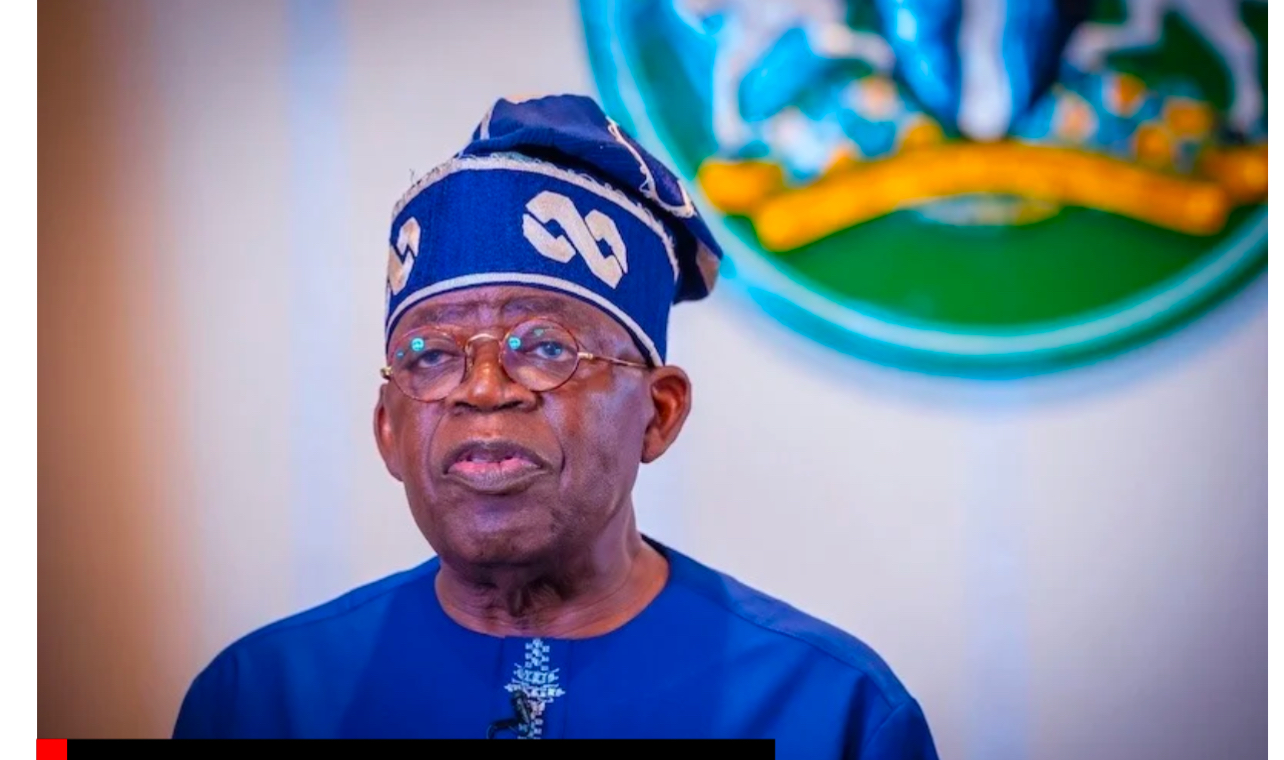
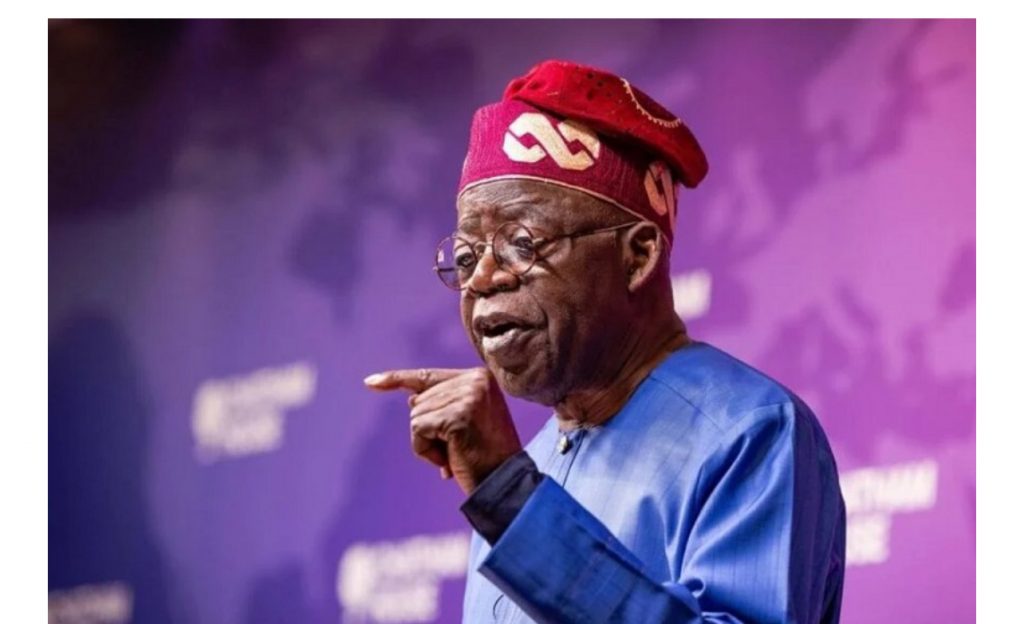
President Bola Tinubu has blamed his political opponents for hunger and poverty in Nigeria, saying his administration is working to address the challenges.
Tinubu spoke on Saturday at the All Progressives Congress presidential campaign flag-off rally at Ranchers Bees Stadium in Kaduna State ahead of the 2027 general elections.
“I have an argument. I hear my opponent talking about hunger, poverty. Who created it? They did! They created the hunger, they created the poverty. We are trying to eradicate it,” the President said.
He also defended his administration’s record on salary payments and praised governors for their performance.
Nigeria’s debt interest payments exceed revenue by ₦1.5 trillion
“We pay salaries regularly. Our governors are working. I am proud of them. They are developing,” he said.
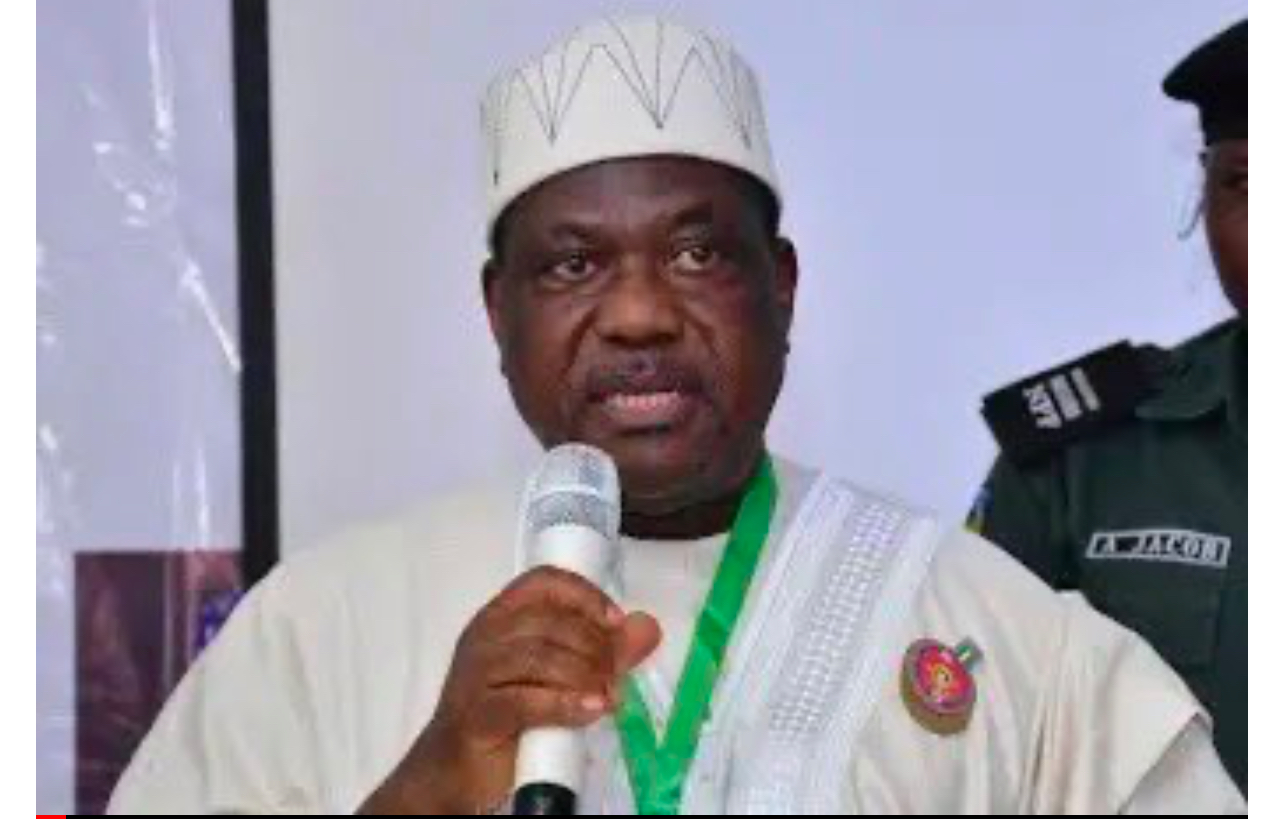
 The Secretary to the Government of the Federation, Senator George Akume, has said the North should support President Bola Tinubu for a second term in 2027.
He insisted that any Northerner seeking the presidency in 2027 would be working against the region’s interests.
Akume said the North should allow Tinubu to complete his political project before considering another presidential bid in 2031.
The SGF stated this on Saturday while addressing Benue State indigenes resident in Kaduna ahead of the flag-off of the All Progressives Congress presidential campaign in the state capital.
He urged Northerners to remain united and resist political ambitions capable of dividing the region ahead of the 2027 general elections.
Add us to your Preferred Sources
“The North must remain united and focus on its collective interest rather than allow individual ambitions to divide us,” Akume said.
The former Benue State governor argued that the region needed to consider its long-term political interests and the implications of the 2027 presidential election for its future.
He said, “President Bola Tinubu should be allowed to complete his political project before the North considers its own presidential ambition in 2031.”
Akume also cautioned against attempts to divide Northerners along political, religious and personal lines, stressing that unity remained essential to the region’s political relevance.
“We must not allow political, religious or personal differences to undermine our common interests. The strength of the North lies in our ability to work together,” he said.
The SGF further called for peaceful coexistence and cooperation among Nigeria’s diverse ethnic and religious communities, saying national development depended on unity.
He urged the people to examine political developments carefully and avoid being misled by individuals whose ambitions might conflict with the broader interests of the region.
The meeting brought together Benue indigenes living in Kaduna and other political stakeholders to discuss issues affecting their community, political representation and engagement with leaders at the national level.
The APC presidential campaign flag-off in Kaduna is expected to bring together party leaders, supporters and political stakeholders from across the country.
news
State Police: Five More State Assemblies Pass Bill as 90% of States Are Ready for Transmission to National Assembly on October 29 – Gbajabiamila
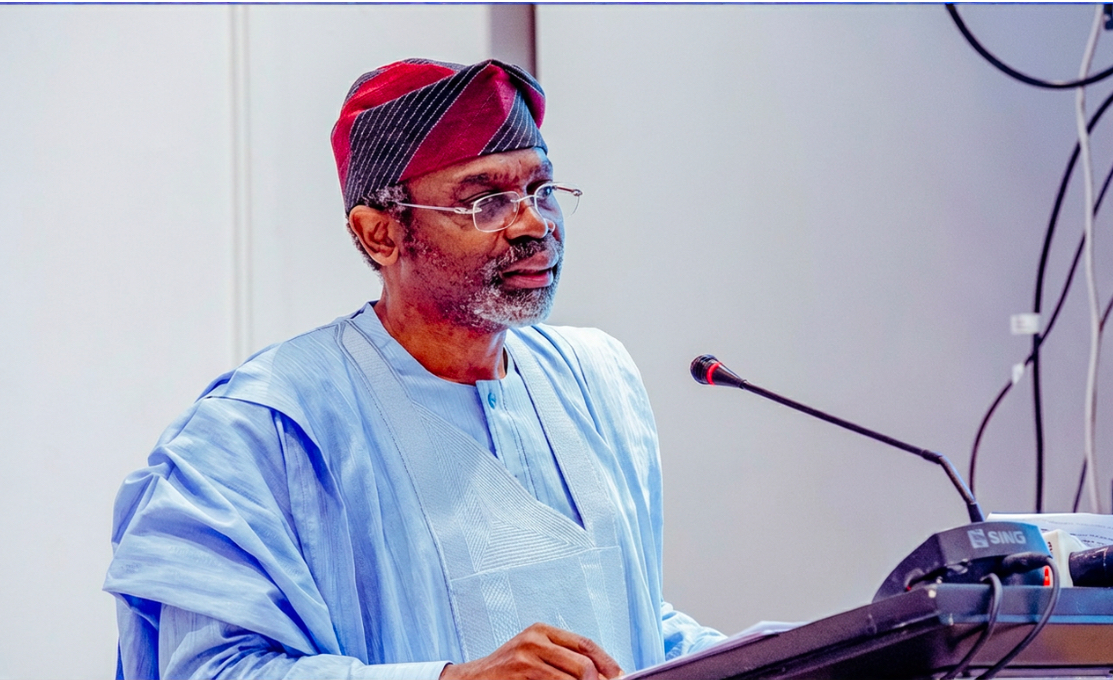
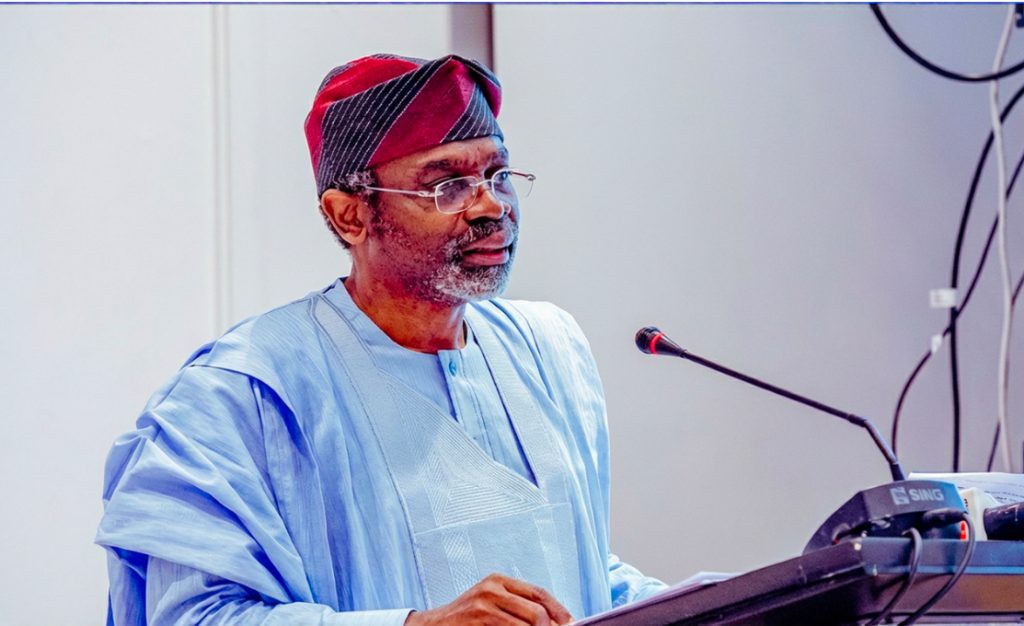 The Presidential Working Group on the National Policing Bill on Tuesday said it had submitted the draft National Policing Bill, 2026, and 29 consequential amendment bills to the Ministry of Justice for legislative drafting review and validation.
This comes as Ogun, Delta, Plateau, Kwara and Adamawa state assemblies approved the police bill alongside Edo, Osun, Oyo, Rivers and Zamfara, which had earlier endorsed the constitutional amendments required to institute state policing.
The proposed Constitution of the Federal Republic of Nigeria, 1999 (Sixth Alteration) Bill, 2026, was transmitted to the 36 State Houses of Assembly on September 16, 2026 by the Clerk to the National Assembly, Kamoru Ogunlana, for consideration and approval.
The Sixth Alteration Bill amends section 214 of the Constitution to replace the single Nigeria Police Force with a Federal Police Service and State Police Services as part of efforts to address the country’s security challenges.
In a statement signed Tuesday by the Chief of Staff to the President and Chairman of the Working Group, Femi Gbajabiamila, the group said it had completed the drafting stage of its assignment.
The PWG explained that the draft bill was submitted to the Attorney-General of the Federation and Minister of Justice on Monday.
It said, “The submission was made on October 19, 2026, to the Honourable Attorney-General of the Federation and Minister of Justice, in line with the Working Group’s work plan.
“The ministry’s review will ensure that the bills conform to legislative drafting standards and conventions, and that they do not conflict with existing laws.
“The Ministry of Justice is expected to return the validated draft bills to the Working Group on or before Friday, 30th October 2026. The Working Group will then give the validated bills final consideration before presenting them to Mr President, thereby concluding its mandate.”
Gbajabiamila said the proposed National Policing Bill seeks to establish the constitutional and legislative framework for a dual policing structure, made up of a Federal Police Service and State Police Services.
He added that the Working Group remained committed to “a rigorous and transparent process” that would deliver a comprehensive legislative proposal for the President’s consideration and subsequent transmission to the National Assembly.
According to the former legislator, the work was proceeding alongside the ongoing consideration of the Constitution (Sixth Alteration) Bill, 2026 by the State Houses of Assembly, which “must be completed before the Bill is transmitted to the National Assembly”.
On October 15, Gbajabiamila told State House correspondents that the policing bill was “90 per cent ready” and would be transmitted to the National Assembly on October 29.
The Senate passed the bill on June 24, after which it was also passed by the House of Representatives.
Afterwards, the National Assembly sent it to the 36 State Houses of Assembly on September 16, where it must be approved by at least 24 state assemblies.
Tinubu inaugurated the seven-member Presidential Working Group on July 7, with its steering committee starting work on August 3.
He mandated it to produce a “technically robust, implementation-ready draft National Policing Bill.’’
When asked how long the review by the justice ministry would take, Kamarudeen Ogundele, the Special Assistant, Media, to the AGF, said, “Is there any rule that says that it must be done within one week, two months, three months or four months? When did we start having periods within which a case should be treated and sent for approval?
‘’I am not in the position to confirm that now. This thing has a procedure; it has a process, and due process must be followed. So, now saying that maybe it has to be done within one week or two weeks or whatever, where no law says it must be done within that period or whatever, is unnecessary,” he added.
The Senate also declined to comment on the Executive’s proposed timeline, saying it would wait until it formally receives the bills before taking a position.
The Chairman of the Senate Committee on Media and Public Affairs, Senator Yemi Adaramodu, disclosed this.
“Well, we cannot pass comment on what the Executive said until we receive correspondence from them,” he said.
Adaramodu, however, described the proposed legislation as a matter of public interest that lawmakers were determined to conclude expeditiously.
The Senate spokesman dismissed concerns over delays by state assemblies in approving the constitutional amendment, despite the expiration of the 30-day deadline set for them to submit their inputs.
He explained that the deadline was intended for state legislatures to communicate their positions, adding that the Senate would consider their responses alongside the executive’s proposals.
“All those things (state approvals) will be brought to us, and we will put them under consideration because we are still going to hold a conference to address it.
“Again, you need to understand that the 30-day deadline is not for us. It is for the states to send in their inputs. And they have been doing that,” he said.
Adaramodu expressed confidence that all states would have submitted their responses by the time the executive formally transmitted its proposals. He maintained that the process would not undermine the Senate’s commitment to passing the legislation before the end of the year.
Ogun State House of Assembly passed a resolution supporting the consideration of the 1999 Constitution of the Federal Republic of Nigeria (Sixth Alteration) Bill, 2026, on the establishment of State Police Services.
The assembly, during its sitting on Tuesday, passed the resolution, titled: ‘H.R. No. 194/OG/2025- Consideration of the Constitution of the Federal Republic of Nigeria ( 1999) (Sixth Alteration) Bill, 2026 (Establishment of State Police Services).’
The passage of the resolution followed the presentation of the report of the Ad-hoc Committee on Constitutional Review chaired by a former Speaker, Olakunle Oluomo, who presented the committee’s report on 26 clauses and sectional amendments to the Constitution.
Oluomo took the proposed amendments one after the other, with members voting in favour of all the clauses and sections contained in the amendments.
The proposed amendments covered different aspects of the bill, including the substitution, insertion and alteration of specific constitutional provisions.
The lawmaker later moved the motion for the adoption of the committee’s report, seconded by Adegoke Adeyanju and supported by all the members through a voice vote.
The House Leader, Yusuf Sherif, subsequently moved that the report be adopted as a resolution of the House, seconded by the Chief Whip, Omolola Bakare, and was unanimously supported by all the lawmakers through a voice vote.
In his remarks, the Speaker, Daisi Elemide, said, “The Assembly joined other state Houses of Assembly across the country in supporting the establishment of State Police, and this decision is historic.
“The passage of the resolution reflected the position of the lawmakers and the people of the State in supporting the establishment of State Police to strengthen security, through improved security measures in protecting the lives and property of the citizenry, thereby promoting the social well-being and economic development of the state”
Elemide later directed that a clean copy of the resolution be transmitted to the National Assembly to communicate the state’s support for the establishment of State Police Services.
Similarly, members of the Delta State House of Assembly unanimously approved the 6th Alteration Bill of the Constitution of the Federal Republic of Nigeria, 1999 (as amended) to provide for the establishment of State Police Services.
All 23 members present at plenary on Tuesday, through head count, voted in favour of the bill.
The letter, which was read on the floor by the Speaker, Emomotimi Guwor, outlined the objective of the bill, which seeks to provide a constitutional framework for the establishment of State Police Services while preserving the Nigeria Police Force as the Federal Police Service.
Leading the debate on the merits of the bill, the Majority Leader, Emeka Nwaobi, said, “The proposed amendment aims to guarantee security of lives and property through a dual policing system, allowing states to establish and fund their own police services to address rising cases of insecurity, particularly at the local level.”
Other lawmakers, who spoke in favour of the bill, affirmed their support, noting that it would strengthen local intelligence gathering, improve response to security challenges, create employment opportunities and help tackle insecurity at the grassroots.
Guwor commended the members for their support and patriotism, assuring that “the establishment of state police would go a long way in strengthening grassroots policing and creating a safer environment for investment and development to thrive in Delta State in line with the M.O.R.E Agenda of the Oborevwori administration.”
Guwor, who is also the Chairman, Conference of Speakers of State Legislatures, stated, “Distinguished colleagues, I commend you for approving the Constitution of the Federal Republic of Nigeria (Sixth Alteration) Bill, 2026, in line with section 9 sub-section (2) of the Constitution of the Federal Republic of Nigeria, 1999 (as altered).
“This is a significant step towards the establishment of State Police in Nigeria. It brings us closer to a policing system that is more responsive to our communities, improves intelligence gathering and strengthens our capacity to tackle security challenges.
“For Delta State, this reform holds great promise for protecting lives and property, sustaining peace and creating a safer environment for investment and development in line with the M.O.R.E Agenda of our amiable Governor, Sheriff Oborevwori.
“I congratulate this Honourable House on this important resolution. May our collective efforts continue to advance peace, security and good governance in Delta State and Nigeria in general.”
The speaker, thereafter, directed the Clerk of the House, Otto Aghoghophia, to communicate the resolution of the Delta State House of Assembly to the National Assembly, accordingly.
Earlier at the plenary, the House observed a one-minute silence in honour of former Governor of Delta State, Dr Emmanuel Uduaghan, who passed away on Monday.
The Adamawa State House of Assembly on Tuesday passed 24 out of 26 clauses of the state Police Bill, 2026, rejecting two clauses.
At an emergency sitting on Tuesday, the lawmakers, who had been on recess in China, spent over two hours reading each section of the Alteration Bill for members to approve or disapprove.
Speaker Bathiya Wesley, who presided over the session, directed the Clerk of the House to produce a clean copy of the approved 24 clauses and transmit them to the National Assembly.
Speaking to journalists after the sitting, the Chairman, House Committee on Information, Musa Kallam, representing Mayo-Belwa State Constituency, pointed out that state policing would help combat criminal activities in the country.
On the two rejected clauses, he disclosed that they were not properly defined and that the majority of the members were not clear on those clauses.
“Some of my colleagues were not clear on those clauses, and they decided to reject them. Since they were in the majority, there is nothing we can do.”
On the concern that governors could deploy state police against their political opponents, he clarified that the Constitutional alteration had stipulated the limit of governors’ powers in controlling state police.
“Let us not jump to the conclusion that state governors will take over when the state police take off, and if there is anything that the National Assembly feels should be amended to strengthen the state police, the Constitution will still be amended. The idea of state police is fantastic and must be sustained,” he noted.
Like Delta and Ogun, the Kwara State House of Assembly also approved the proposed amendment to the 1999 Constitution to provide a legal framework for the establishment of state police in the country.
The approval was given during Tuesday’s plenary in Ilorin after the speaker, Yakubu Danladi-Salihu, read a letter from the Clerk of the National Assembly on the proposed constitutional alteration.
The development was disclosed in a statement made available toour correspondence by the Chief Press Secretary to the speaker, Abdulkadir Yusuf.
Leading the debate on the amendment, the House Leader, Mogaji Abdulkadri, enumerated the various advantages the proposed amendment would have on the country’s policing system.
Other lawmakers who spoke on the constitutional amendment supported the proposal, saying “it would bring policing closer to the people and strengthen security across the country.”
The lawmakers affirmed that the alteration would “bring police closer to the people, thereby improving the security of lives and property of people across the country.”
Following the debate, the speaker directed the Clerk of the House, Ahmed Olayiwola, to communicate the Assembly’s approval to the National Assembly for further action.
The Plateau State House of Assembly equally endorsed the Constitution amendment bill seeking the creation of a state police, describing the proposal as timely and necessary to address the country’s security challenges.
The endorsement followed the adoption of the report of the Ad-hoc Committee constituted to scrutinise the Constitution of the Federal Republic of Nigeria, 1999 (Sixth Alteration) Bill, 2026, which was considered at plenary on Monday.
In a statement signed by the media aide to the speaker, Philip Eplong, and made available to The PUNCH on Tuesday, he said the decision was taken during Monday’s plenary session presided over by Speaker Naanlong Daniel.
Eplong’s statement read, “Presenting the committee’s report, its chairman and member representing Qua’an-Pan South Constituency, Prof. Theodore Maiyaki, said the proposed constitutional alteration was necessary in view of prevailing security challenges, the shortage of manpower in the Nigeria Police Force and the need to strengthen local policing arrangements.’’
He explained that the proposal sought to establish a constitutional framework for Federal and State Police Services, with appropriate safeguards for human rights, operational standards, accountability and coordination. The committee observed that the proposed amendment was timely, considering the need to strengthen security and improve responses to threats within communities.
The committee further noted that security remained critical to the socioeconomic development of Plateau State and other parts of the country.
It, therefore, recommended that the House supported the proposed constitutional alteration in line with the relevant legislative requirements.
Following deliberations, the House adopted the committee’s recommendations and voted in support of the proposed constitutional amendment.
The speaker commended the committee for its work and appreciated members for their patience, commitment and sacrifice in considering the important legislative matter.
The Kebbi State House of Assembly has received a bill seeking to amend the 1999 Constitution to provide for the establishment of state police services across the country.
The bill was transmitted to the Assembly by the National Assembly for consideration and approval as part of the ongoing constitutional amendment process.
The Majority Leader of the Kebbi Assembly, Faruku Aliyu Nassarawa Jega, disclosed this during Tuesday’s plenary session while reading a letter from the Clerk to the National Assembly, Kamoru Ogunlana.
The letter, dated September 16, 2026, and addressed to the Speaker of the Kebbi Assembly, Salihu Maikasuwa Dangoje, stated that the bill was passed by the Senate on June 24, 2026, and the House of Representatives on July 23, 2026.
According to the letter, the proposed legislation seeks to establish a constitutional framework for state police services while retaining the Nigeria Police Force as the federal police service.
The National Assembly urged the Kebbi Assembly to give the bill expeditious consideration and communicate its decision promptly to facilitate the completion of the constitutional amendment process.
“The leadership of the National Assembly respectfully requests that the Kebbi State House of Assembly accord the Bill expeditious consideration and communicate its resolution to the National Assembly at the earliest opportunity,” the letter stated.
It added that the request was made pursuant to Section 9(1) and (2) of the 1999 Constitution, as amended, following directives from the President of the Senate and the Speaker of the House of Representatives.
The bill has been referred to the House Committee on Internal Security for further deliberation ahead of the Assembly’s decision.
Under the constitutional amendment procedure, a proposed alteration must be approved by at least two-thirds of the 36 state Houses of Assembly before it can be presented to the President for assent.
The proposed establishment of state police has remained a major issue in Nigeria’s security debate, with proponents arguing that decentralising policing would improve responses to local security threats and strengthen community-based security efforts.
The proposal is particularly significant for states such as Kebbi, which have faced security challenges, including banditry, kidnapping and other criminal activities.
Supporters believe state police officers would be better positioned to gather intelligence, understand local security concerns and respond more quickly to emerging threats because of their proximity to the communities they serve.
However, the proposal has also raised concerns about potential political interference, abuse of power and the need for adequate safeguards to guarantee the independence, accountability and professionalism of state police services.
The Kebbi Assembly is expected to deliberate on the bill through its legislative processes before communicating its position to the National Assembly.
Murtala Adamu Diri, Press Secretary to the Speaker of the Kebbi State House of Assembly, announced the development in a statement issued on Tuesday.


-
 news6 years ago
UPDATE: #ENDSARS: CCTV footage of Lekki shootings intact – Says Sanwo – Olu
-
 lifestyle6 years ago
Former Miss World: Mixed reactions trail Agbani Darego’s looks
-
news8 years ago
-
 health6 years ago
Chairman Agege LG, Ganiyu Egunjobi Receives Covid-19 Vaccines
-
 lifestyle5 years ago
Obateru: Celebrating a Quintessential PR Man at 60
-
 news1 year ago
BREAKING: Tinubu swears in new NNPCL Board
-
 health6 years ago
UPDATE : Nigeria Records 790 new cases of COVID-19
-
 society3 years ago
Bisbam CEO, Abisola Bamidele, Bags Owu Chieftaincy Title