
news
Breaking : Tinubu Approves Revival of Ajaokuta Steel Mill, and others to Create more jobs for Nigerians

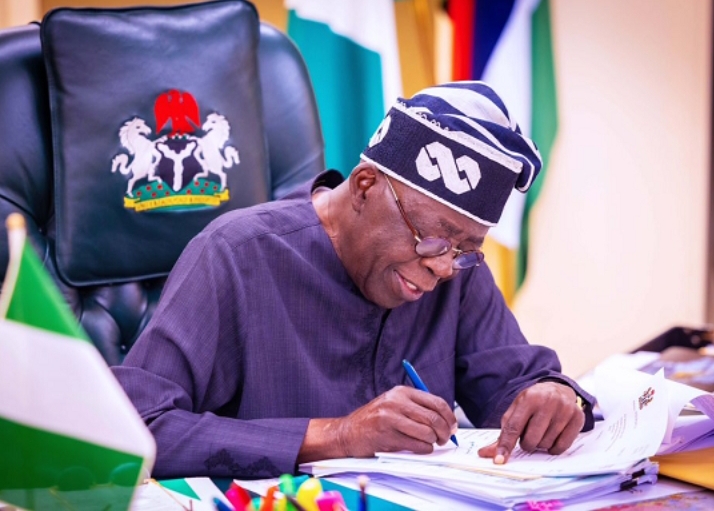
President Bola Tinubu has approved the setting up of an inter-ministerial committee on the execution of three steel development projects, including the revival of the Ajaokuta Steel Mill.
Minister of Steel Development, Shauibu Audu, disclosed this to journalists at the State House, Abuja, after he and the Minister of Defense, Abubakar Badaru, met with President Tinubu at the State House on Thursday.
Members of the committee include the Minister of Finance and the Coordinating Minister of the Economy, Wale Edun, Minister of Industry, Trade and Investment, Doris Uzoka, Minister of Solid Minerals Development, Dele Alake, the Minister of Defence, Muhammadu Badaru and the Minister of Steel Development, Shuaibu Audu.
According to Audu, besides the task of sourcing funding for the revitalisation of the moribund Ajaokuta Steel Company Limited, the committee will also work to actualise the setting up a steel company y a Chinese company, Lu’an Steel Holding Group, as well as finding a location for a proposed steel plant for the India firm, Jindal Steel.
Audu stated that if the committee can complete all the projects, that have been committed to its hands which include the revival of the Ajaokuta steel mill, President Tinubu’s administration will be able to create not less than 500,000 jobs.
Speaking on the agendas before the Committee, the Minister disclosed that two members of the committee, the Minister of Defence and himself met with the Lu’an Steel Company, one of the top 20 steel companies in China that produces about 20 million metric tons of steel per annum, has agreed to set up a new steel plant in Nigeria.
As a follow-up to the agreement, the steel company has given its commitment to deploy an advanced team to Nigeria after the Chinese New Year by the end of February 2024.
“We were in China on the 1st of January 2024. We were there till the 8th of January. And met with the Lu’an Steel Company, which is one of the largest steel companies in China, and the top 20 steel companies in China. They produce about 20 million metric tons of steel per annum.
“We had very meaningful discussions with them, the Minister of Defense and I, and they agreed and made a commitment to set up a new steel plant in Nigeria, where thousands of jobs would be created, and they would invest billions of dollars in foreign direct investments into Nigeria.
“In that same regard as well, basically, in our discussions with Lu’an Steel Group, they mentioned that they would send an advanced team to Nigeria after the Chinese New Year. Sometime at the end of February 2024. We briefed Mr. President that when the team is on the ground, we would like to also give them an audience with Mr. President, which he approved. Mr President was very happy with the development.”
The Minister also revealed that reviving the entire Ajaokua Steel plant will cost Nigeria between the sum of $2 to $ 5 million while restarting the living steel section of the mill will cost the nation about N35 billion.
Audu said that President Tinubu had approval in late 2023 to raise funds locally to restart and rebuild the light steel mill of the Ajaokuta Steel plant to be able to produce iron rods, he said the iron rods would be used by the Ministry of Works to drive the plans to construct 30,000 kilometres of roads across Nigeria.
He further disclosed that the light steel mill will produce about 400,000 tons out of the 7 million iron rods needed by the Federal Ministry of Works if the committee can restart the steel plant.
“The second agenda for discussion with Mr President was that Mr President gave me approval towards the end of last year to raise some money to restart and rebuild the light steel mill of the Ajaokuta Steel Plant to be able to produce iron rods, which iron rods would be taken by the Ministry of works.
“The Minister of Works, Senator David Umahi, has already written a letter to me through his ministry, guaranteeing that they will be off-takers in the iron rods that are being produced. The President under the Renewed Hope Agenda, which the Minister of Works is driving plans to construct about 30,000 kilometres of roads across Nigeria, where they will need about 7 million metric tons of iron road. We can produce about 400,000 tons of those iron rods in Ajaokuta if we’re able to restart the steel plant”, he said.
“Mr President approved for us to raise money locally. The first phase of the project. For Ajaokuta Steel Plant, to revive the entire steel plant will cost somewhere between $2 to $5 million however to restart the living steel section of the mill is going to cost us about N35 billion. So we’re going to the market to show proof of consent to raise this money from local financial institutions to be able to restart that.”
The Minister further made known that the Jindal steel company which pledged $5b on the sidelines of the G-20 Summit in India, had made a further commitment with the Nigerian government to secure an ideal location to begin operations in Nigeria.
He said that Jindal Steel would either set up a greenfield or acquire an existing plant such as the Delta steel plant.
“The last item on the agenda was feedback to Mr. President on Jindal Steel. If you recollect on the sidelines of the G 20. Meeting in India, Jindal Steel committed to invest $5 billion. So I briefed Mr. President and I’ve met with representatives of Jindal Steel, and they’re very serious about their commitment and we’re currently looking for a land that is close to a gas station that has a port and is close to the natural or mineral resources such as, you know, iron ore and the likes to be able to get them the ideal location. Either they set up a greenfield or they acquire an existing plant, such as, you know, the Delta steel plant.
Further speaking on the establishment of military hardware in Nigeria, the Minister of Steel hinted that the Chinese team has agreed to help Nigeria build the military hardware capabilities in one of the production units of the Ajaokuta steel plant.
“The reason the minister of defence and I jointly met with Mr President was that we’re setting up a military hardware capacity and capability in Ajaokuta steel plant and based on that the Chinese team would help us to build that military hardware capabilities in Ajaokuta, in one of the production units. And so that’s the first agenda on the table for the joint meeting”, he said.
Meanwhile, the Minister has revealed plans to investigate why the moribund Ajaokuta Steel Company Limited accumulated N33 billion in electricity debt which caused the Transmission Company of Nigeria (TCN) to disconnect the company from the national grid.
The TCN announced the decision this week to disconnect the steel company over the debt owed to the Nigerian Bulk Electricity Trading PLC (NBET) and service providers.
The debt is made up of N33,071,002,129.49, comprising N30,849,749,981.01 for energy and capacity delivered by NBET and N2,221,252,148.48 owed to service providers.
Reacting to the development in a chat with correspondents, the minister affirmed that the issue will be clearly looked at to get to the bottom of it.
He wondered why the company will accumulate such debt in electricity consumption when it had not been in operating in full capacity.
“I mean these are some of the things that there needs to be clearly looked into. Like you mentioned. One of the things I spoke to the MD of Ajaokuta today, and this was one of the questions I asked and we’re going to get to the bottom of it, why consumption of so much electricity in a place that is not operating at full capacity.
“Part of what we also need to do is that we’re trying to revive Ajaokuta in a collegiate system, in piecemeal, and so we may not have the capacity to be able to pay all those outstanding amounts immediately.
“Part of what the MD of Ajaokuta told me is that most of them money is in interest payments. And NBET, the electricity company that has disconnected it is also a government agency.”
Noting the role of NBET in the disconnection, Shuaibu hinted that government will that not allow its agency to hinder the effort to revive the steel company, which has not been in operation for about 45 years.
“So, if we as a government ministry, government agency are trying to revive Ajaokuta working hard to do that, we should not have another hand within the same government making things very difficult for us.
“And so, part of what we plan to do is to sit down on the table in the next few days as quickly as possible to be able to come up with a plan so that they can put it back on the grid and put things back in order.
“Is a gradual process Ajaokuta cannot be revived overnight. This is an institution, this is a plant that has not been working for 45 years, it is a difficult task to try and get it back on track.
“So, we need the support of the entire government apparatus, we need support of stakeholders, we need support of everyone to be able to do this difficult job.
“This job is not a job that myself and Mr. President can do alone. We need the support of everyone including the electricity company to be able to help us to get this project back on track so that we can create the hundreds of thousands of jobs I want to create for Nigerians”, he said.
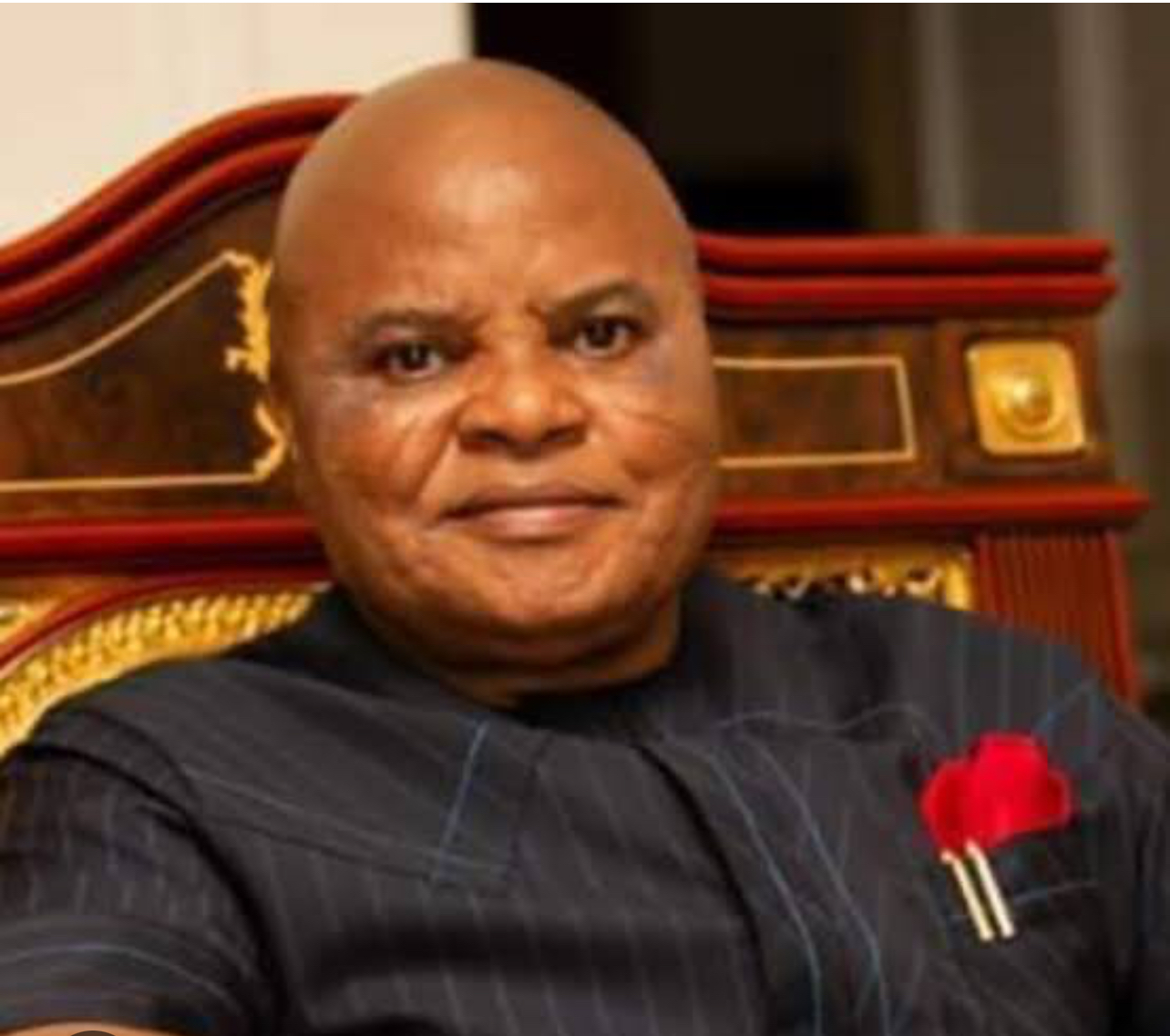
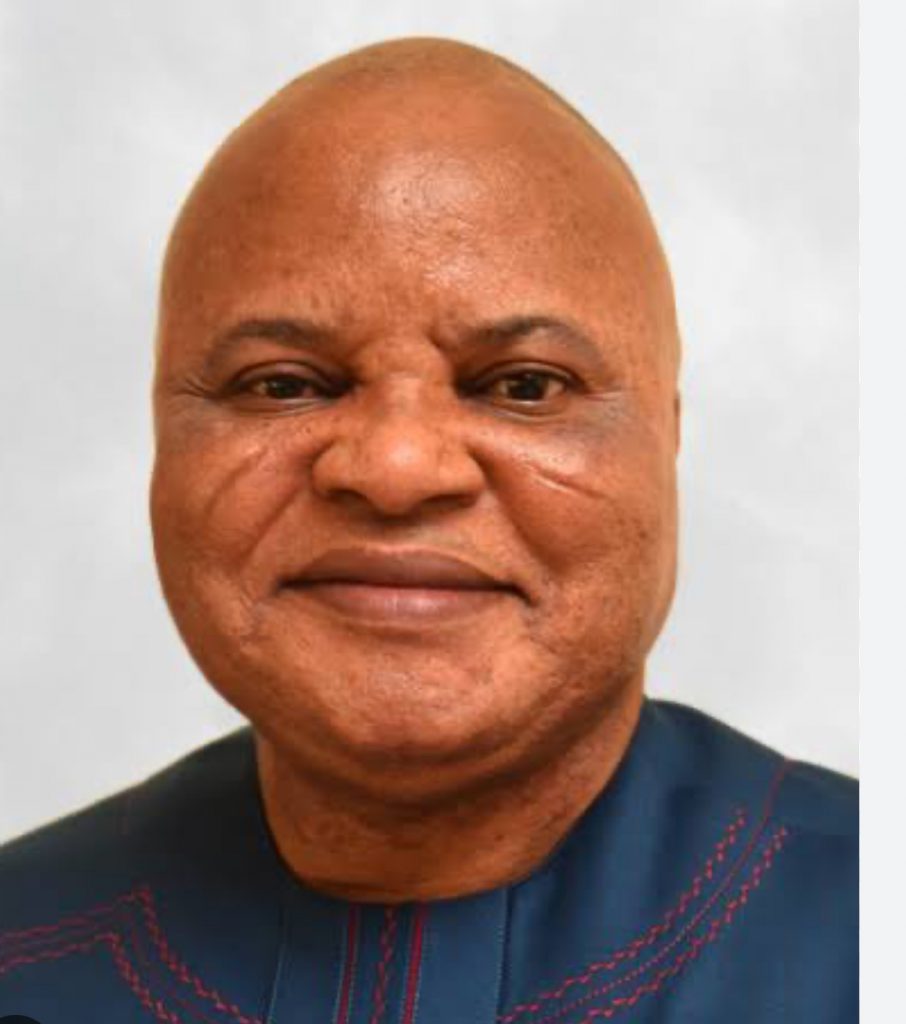
Senator Ifeanyi Araraume, a prominent chieftain of the All Progressives Congress (APC), has extended warm felicitations to Muslims in Nigeria and across the globe on the joyous occasion of Eid-el-Fitr.
In a statement to mark the end of Ramadan, Araraume highlighted the significance of the month long period of spiritual reflection, fasting, and devotion. “As Muslims gather with loved ones to share in the festivities, I join in the cheer, wishing everyone a blessed and peaceful Eid,” he said.
The Senator expressed profound appreciation to Muslim Nigerians for their contributions to the nation’s growth, describing their faith, resilience, and patriotism as beacons of hope. “Your unwavering commitment to Nigeria’s progress is truly commendable,” he stated.
As the country navigates its current challenges, Araraume called for unity, understanding, and collective effort. “Let us embrace the spirit of Eid, forgiveness, generosity, and kindness, to build a brighter future for ourselves and generations to come,” he urged.
Araraume also extended solidarity to President Bola Tinubu, a distinguished Muslim and the leader of APC, praising his visionary leadership and dedication to nation building. “President Tinubu’s commitment to serving Nigeria has been exemplary, and we assure him of our continued support,” he said.
Reaffirming the APC’s commitment to national prosperity, Araraume emphasized that the values of compassion, unity, and progress embodied by Eid align deeply with the party’s ethos. “As we mark this occasion, we reaffirm our dedication to creating a Nigeria where faith and ethnic background are not barriers to success,” he concluded.
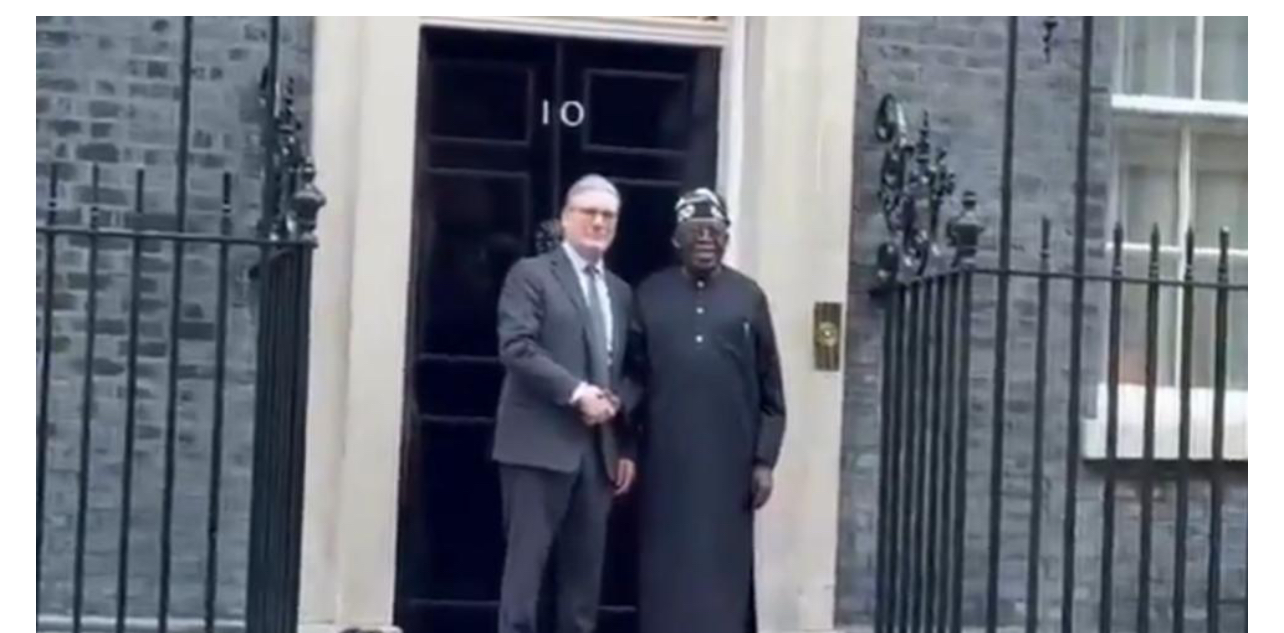
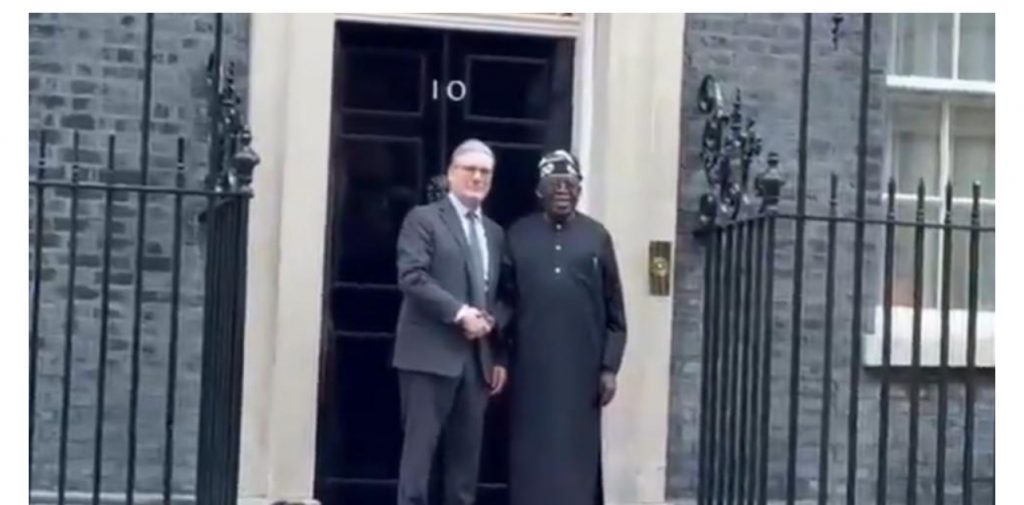
President Bola Tinubu is currently meeting with United Kingdom Prime Minister Keir Starmer in a high-level bilateral engagement aimed at strengthening ties between Nigeria and Britain.
A statement by the Special Adviser to the President on Information and Strategy, Bayo Onanuga, on Monday, said the meeting will culminate in the signing of various Memoranda of Understanding and agreements, including those on trade, investment, defence, and cultural cooperation.
The statement said the meeting reinforces Nigeria’s commitment to deepening bilateral relations, attracting foreign investment, and modernising key infrastructure to support economic growth.
It added that a major highlight of the visit was the signing of a £746 million financing agreement between UK Export Finance, the Nigerian Ports Authority, and the Federal Ministry of Finance.
Morning Recap: Nigeria, Britain set for fresh security alliances, Saudi Arabia declares Friday Eid-el-Fitr, other top stories
The statement said the deal will fund the refurbishment of two key maritime infrastructures — the Lagos Port Complex (Apapa Quays) and the Tin Can Island Port Complex.
The President and the First Lady had earlier been the guests of their Majesties King Charles III and Queen Camilla at Windsor Castle.
Tinubu was accompanied by a high-profile delegation, including Senate President Godswill Akpabio; Attorney General and Minister of Justice, Prince Lateef Fagbemi; Minister of Solid Minerals, Dele Alake; Minister of Information and National Orientation, Idris Mohammed; and Minister of State for Foreign Affairs, Ambassador Bianca Ojukwu.
Other members of the delegation include Minister of Finance and Coordinating Minister of the Economy, Wale Edun; Minister of Industry, Trade and Investment, Dr. Jumoke Oduwole; Minister of Culture and Creative Economy, Hannatu Musawa; Minister of Communications and Digital Economy, Bosun Tijani; Minister of Defence, Gen. Christopher Musa; National Security Adviser, Malam Nuhu Ribadu; and Director-General of the National Intelligence Agency, Mohammed Mohammed.
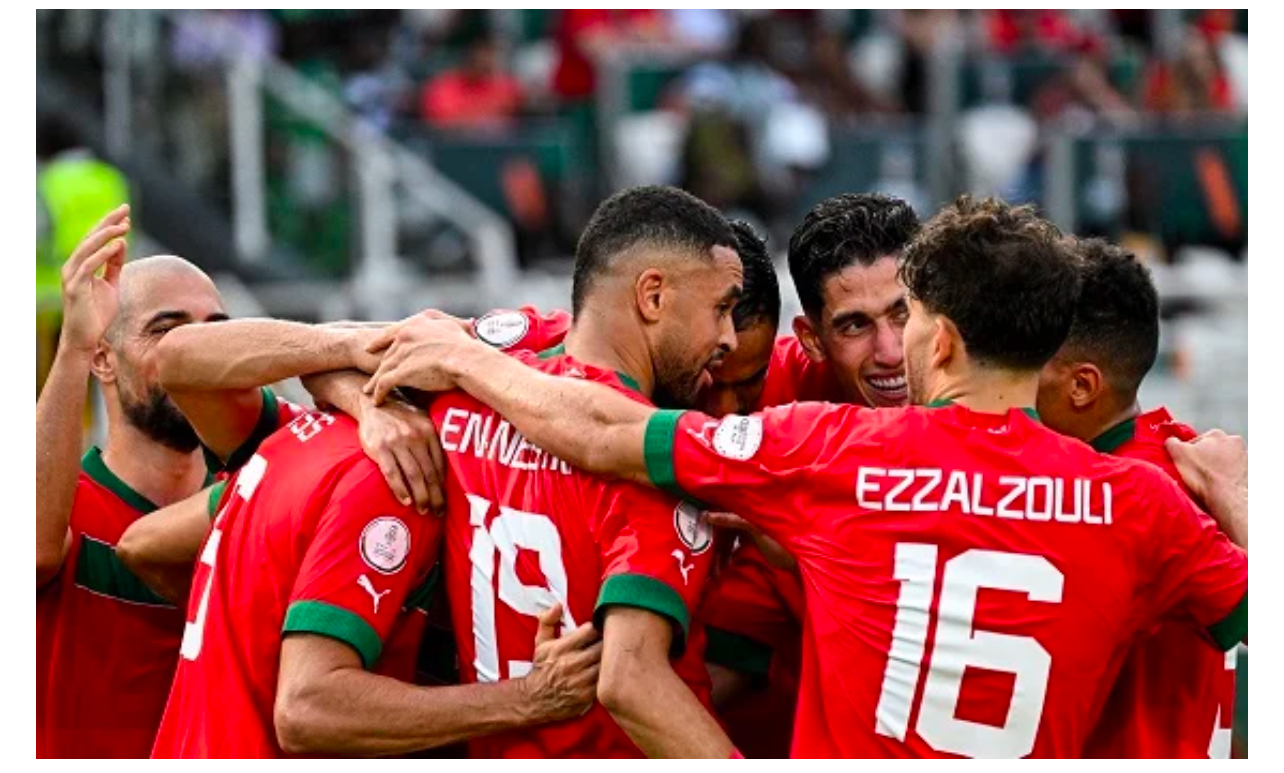
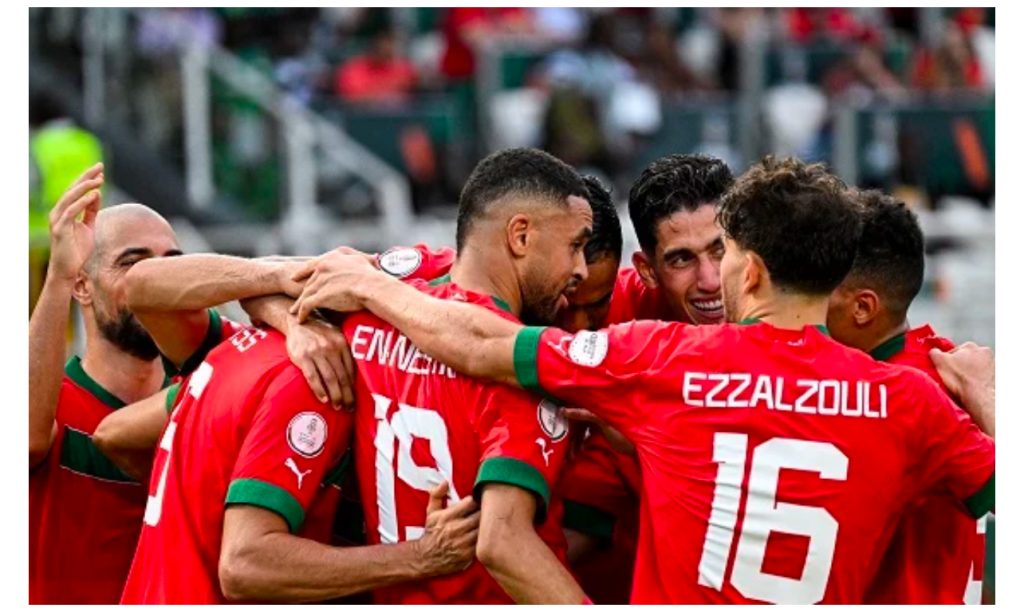
Morocco have been officially crowned champions of the 2025 Africa Cup of Nations after the CAF Appeal Board overturned the result of the final against Senegal. The decision comes after extraordinary scenes in Rabat where the Lions of Teranga walked off the pitch in protest, leading to a retrospective 3-0 forfeit victory for the host nation.
In a detailed statement, the CAF Appeal Board confirmed that the appeal lodged by the FRMF was “declared admissible in form and the appeal is upheld.” This landmark ruling effectively strips Senegal of what would have been their second continental crown, rewarding the hosts for a match that descended into chaos during extra time.
The roots of the controversy lie in a heated moment deep into stoppage time when Morocco’s Brahim Diaz went down in the box. While the referee initially waved play away, a VAR review resulted in a spot-kick for the hosts. This sparked a furious reaction from the Senegalese bench, with head coach Pape Thiaw instructing his players to return to the dressing room in a protest that lasted several minutes.
The CAF Appeal Board found that “the conduct of the Senegal team falls within the scope of Articles 82 and 84 of the Regulations of the Africa Cup of Nations.” By leaving the field of play, Senegal was deemed to have infringed on the regulations, leading to the administrative 3-0 defeat. The ruling sets aside the previous CAF Disciplinary Board decision and confirms that the protest lodged by Morocco has been fully upheld


-
 news5 years ago
UPDATE: #ENDSARS: CCTV footage of Lekki shootings intact – Says Sanwo – Olu
-
 lifestyle6 years ago
Former Miss World: Mixed reactions trail Agbani Darego’s looks
-
 health5 years ago
Chairman Agege LG, Ganiyu Egunjobi Receives Covid-19 Vaccines
-
 lifestyle4 years ago
Obateru: Celebrating a Quintessential PR Man at 60
-
 health6 years ago
UPDATE : Nigeria Records 790 new cases of COVID-19
-
 health6 years ago
BREAKING: Nigeria confirms 663 new cases of COVID-19
-
 entertainment1 year ago
Ashny Set for Valentine Special and new Album ‘ Femme Fatale’
-
 news10 months ago
BREAKING: Tinubu swears in new NNPCL Board