
news
How Abdul Samad Rabiu Led BUA Group is Making Life Difficult for Kano Bakers



…raises fresh alarm over terrorism, banditry at State House Iftar
…Akpabio pledges more support, vows no executive bill will die in Senate
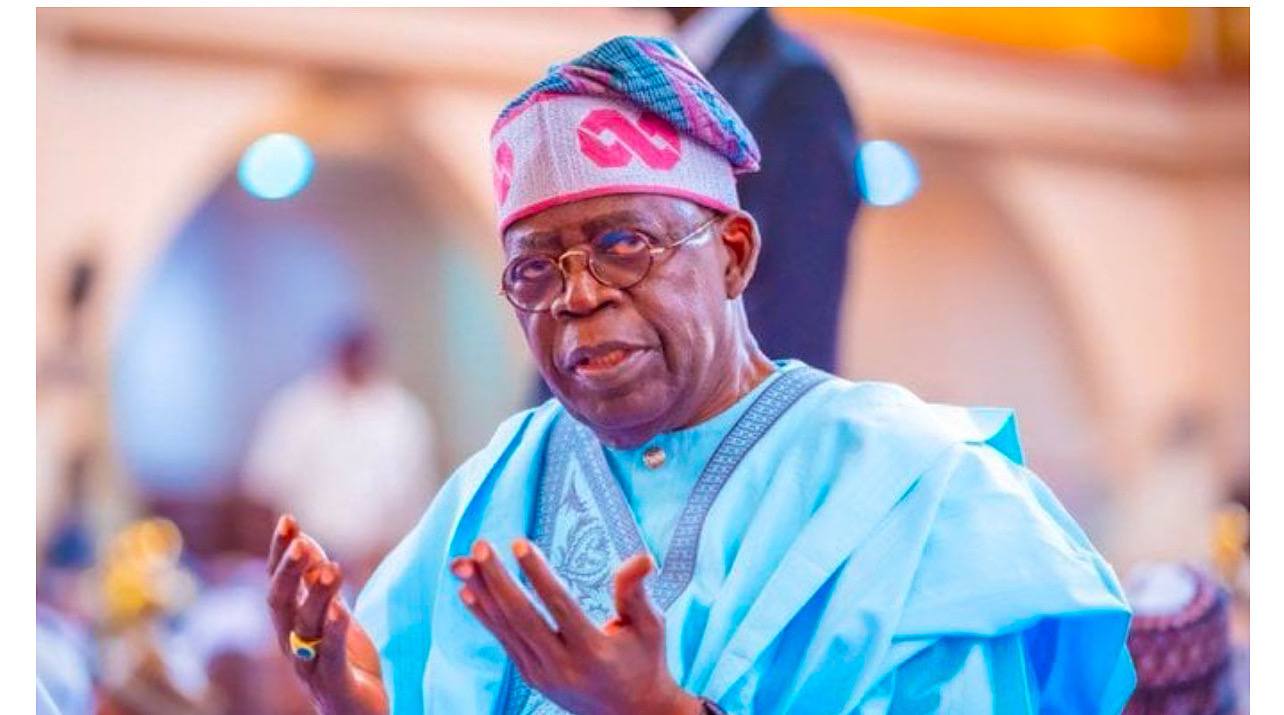
President Bola Ahmed Tinubu on Wednesday night formally urged the Senate to begin the process of amending the 1999 Constitution to provide for the establishment of state police, declaring that Nigeria must urgently restructure its security architecture to confront terrorism, banditry and insurgency.
Speaking at an interfaith breaking of fast with the leadership and members of the Senate at the State House, Abuja, the President said the time had come for lawmakers to “start thinking” about embedding state policing in the Constitution to enable governments at subnational levels better secure their territories.
“Nigeria is extremely challenged, we are facing terrorism, banditry, insurgency, but you never failed to make a right response to these calls. What I will ask for tonight is for you to start thinking how best to amend the Constitution to incorporate the state police for us to secure our country, take over our forests from marauders, free our children from fear”, Tinubu said.
The President’s latest appeal adds momentum to a campaign he has sustained since early in his administration.
In February 2024, during an emergency meeting with the 36 state governors at the State House, Tinubu approved the creation of a joint committee of federal and state representatives to explore modalities for establishing state police, insisting that the country must “move aggressively” to improve security of lives and property.
He renewed the call in November 2025, urging the National Assembly to begin reviewing relevant laws to allow states willing to establish their own policing structures to do so.
At the APC National Caucus meeting in December 2025, he again pressed governors and lawmakers to back constitutional reforms for state police and local government autonomy.
Only days ago, at an interfaith breaking of fast with governors at the Presidential Villa, the President declared that state police “can’t wait” and “will not be postponed,” urging preparations for what he described as a necessary shift in the nation’s security architecture.
At Wednesday’s gathering with senators, Tinubu framed the proposed reform as a constitutional obligation anchored on unity and shared responsibility.
“What you have faced in the challenging period of this country, the terrorism and banditry, is causing us havoc and we should pull together, unite in a way that our forefathers contemplated to bring about a constitutional democracy and pull us together. They didn’t say we should fight,” he said.
Beyond security, the President expressed deep appreciation to lawmakers for supporting what he described as bold and necessary economic reforms.
“I have a lot of credit for bold reforms. Without your collaborations, without your inspirations, those reforms are not possible. We are reformists together,” he said.
Tinubu defended the removal of petrol subsidy and foreign exchange reforms, describing them as steps taken to halt “monumental corruption.”
“What we gave up and what we stopped is a monumental corruption in subsidy. We gave it up. We don’t want to participate in monumental corruption, in arbitrage, foreign exchange,” he stated.
‘Amend Constitution to accommodate state police’
State police and questions Nigeria can no longer avoid
Senate backs state police, technology-driven reforms to boost Nigeria’s security
According to him, the reforms have laid the foundation for economic stability.
“You don’t have to chase me for dollars. In the past, you could see what Nigeria is today. You should be proud… What we are enjoying is stable economy, prosperity beckoning on us. We just need to work hard for it,” he added.
Responding to criticisms from political opponents, the President dismissed claims that he was stifling opposition voices.
“When they accused me of killing oppositions, I didn’t have a gun… I can’t blame anybody from jumping out of a sinking ship if they did,” he said, in apparent reference to recent defections.
He described the coincidence of Ramadan and Lent as symbolic of national unity and called for continued harmony between the executive and legislature.
“We are committed to Nigerian entity succeeding. We are committed to make law for the welfare, prosperity of the country. I think we are committed together to govern together,” he said.
In his response, President of the Senate, Senator Godswill Akpabio, assured the President of the chamber’s loyalty and continued cooperation.
“We have nothing to give to you than to assure you of our loyalty,” Akpabio said. “I’m sure you have noticed that nothing you have ever sent to us died in first reading, and it will never happen.”
He said the Senate painstakingly reviews executive proposals to ensure they serve national interest, even when they initially attract criticism.
“We sit down to painstakingly go through everything that comes before us, and then at the end, we see that it is in the interest of Nigerians, even when the social media is not seeing it,” he said.
Akpabio commended Tinubu’s tax reforms, foreign exchange unification, fuel subsidy removal and the recent electoral amendment, noting that the President promptly assented to the revised Electoral Act when convinced it served national interest.
He expressed optimism that by 2031, Nigeria would be more prosperous under Tinubu’s leadership and offered prayers for peace amid what he described as “troubles and sponsored insecurity” in parts of the country.
The Senate President also thanked Tinubu for appointing former Senator Jimoh Ibrahim as an ambassador, describing it as recognition of legislative talent.
The interfaith gathering ended with prayers for unity, wisdom and strength for the nation’s leaders as they navigate security and economic challenges.
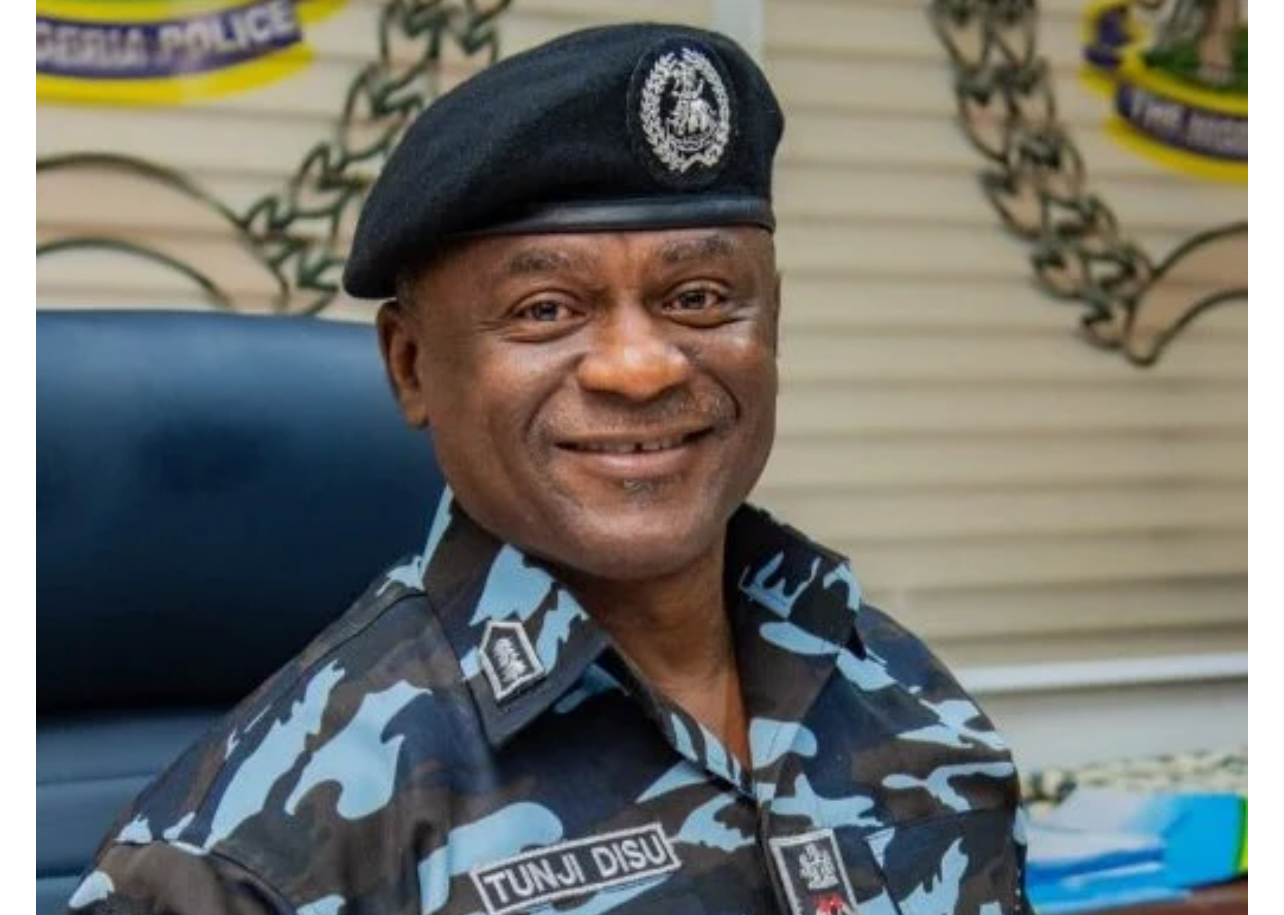
President Bola Tinubu has accepted the resignation of the Inspector-General of Police, Kayode Egbetokun, and approved the appointment of Tunji Disu as Acting Inspector-General of Police with immediate effect.
Our correspondent had earlier reported that Egbetokun tendered his resignation letter on Tuesday, citing pressing family considerations.
Appointed in June 2023, Egbetokun was serving a four-year term scheduled to conclude in June 2027, in line with the amended provisions of the Police Act.
In a statement issued on Tuesday by his Special Adviser on Information and Strategy, Bayo Onanuga, the President received the letter earlier on Tuesday and expressed appreciation for his service to the nation.
He also commended Egbetokun’s “decades of distinguished service to the Nigeria Police Force and the nation,” acknowledging his “dedication, professionalism, and steadfast commitment to strengthening internal security architecture during his tenure.”
“In view of the current security challenges confronting the nation, and acting in accordance with extant laws and legal guidance, President Tinubu has approved the appointment of Assistant Inspector-General of Police Tunji Disu to serve as Acting Inspector-General of Police with immediate effect.
“The President is confident that AIG Disu’s experience, operational depth, and demonstrated leadership capacity will provide steady and focused direction for the Nigeria Police Force during this critical period,” the statement read.
It added that in compliance with the provisions of the Police Act 2020, the President will soon convene a meeting of the Nigeria Police Council to formally consider Disu’s appointment as substantive Inspector-General of Police, after which his name will be forwarded to the Senate for confirmation.
The President reaffirmed his administration’s commitment to enhancing national security, strengthening institutional capacity, and ensuring that the Nigeria Police Force remains professional, accountable, and fully equipped to discharge its constitutional responsibilities.
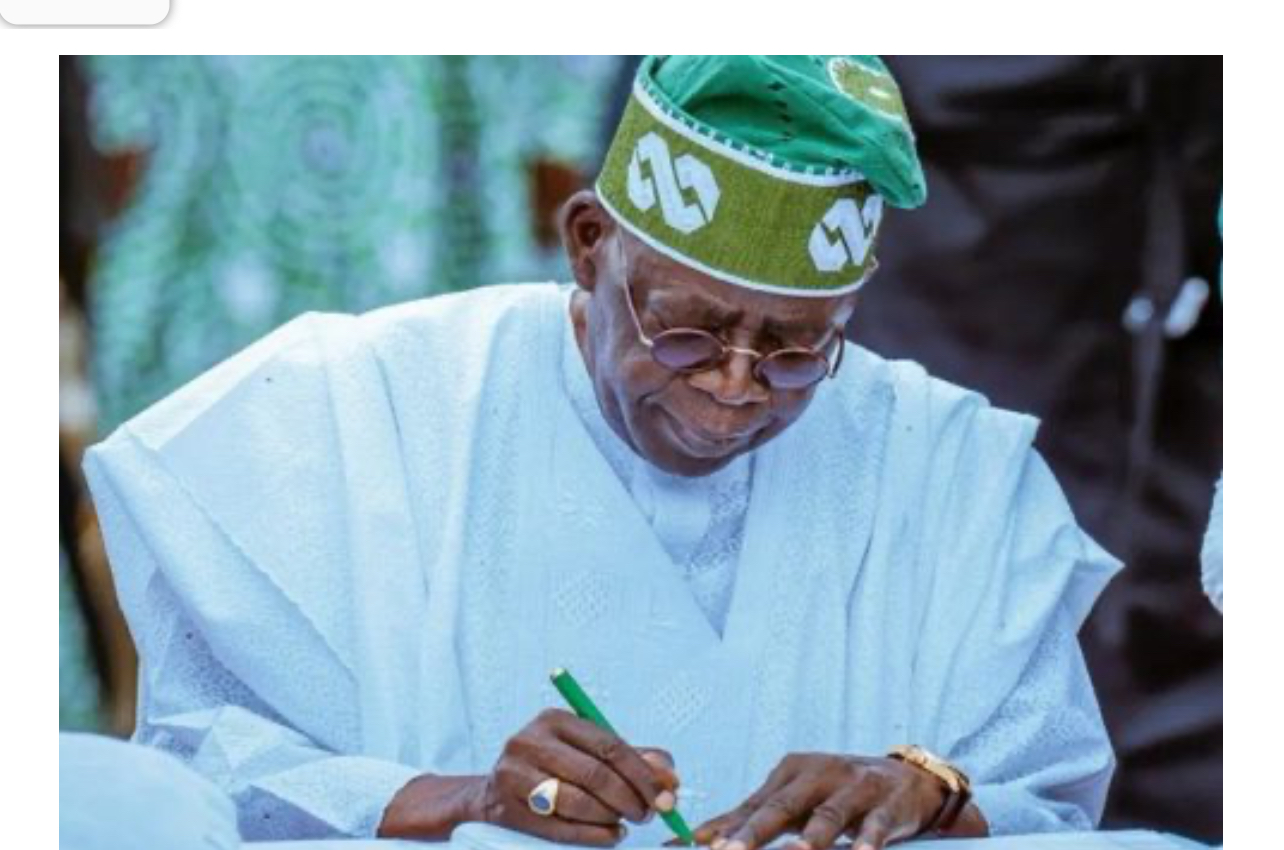
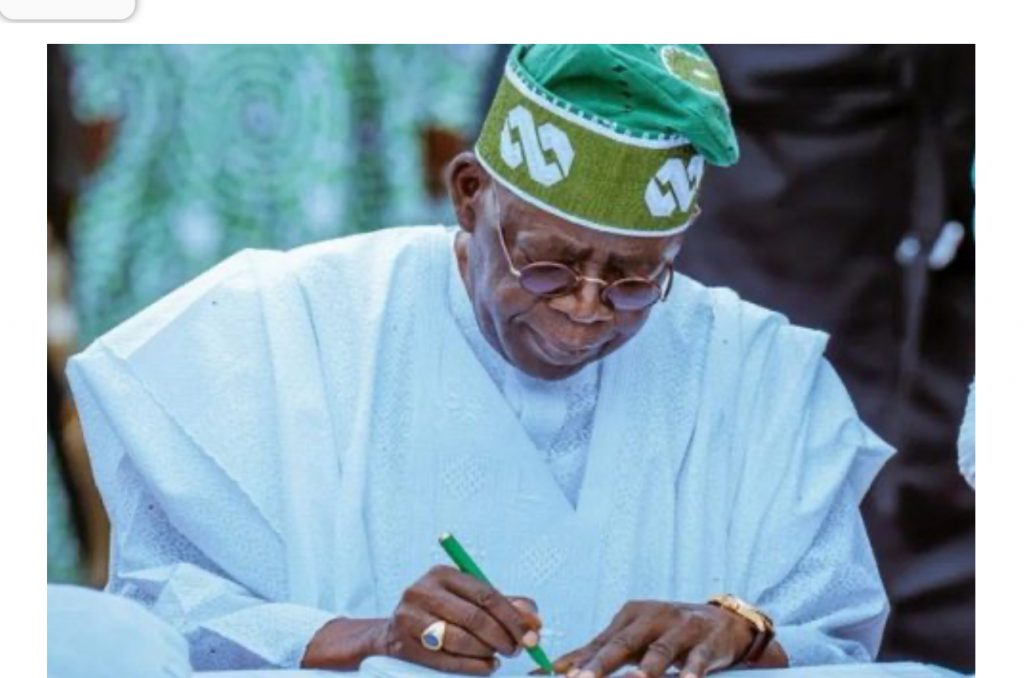
President Bola Tinubu has signed the Electoral Act 2026 (Amendment) into law, days after the Independent National Electoral Commission (INEC) released the timetable for the 2027 general elections.
The signing ceremony took place at the State House, Abuja, at about 5:00pm on Wednesday, with principal officers of the National Assembly in attendance.
The National Assembly had on Tuesday passed the Electoral Act 2026 (Amendment) Bill.
The latest amendment comes amid intense public debate over the electronic transmission of election results in real time.
Last week, protests erupted at the National Assembly complex as civil society organisations and opposition figures mounted pressure on lawmakers to mandate live transmission of results from polling units directly to INEC’s central server.
The protesters argued that real-time transmission would reduce result manipulation and strengthen public confidence in the electoral process.
However, the ruling All Progressives Congress (APC) and some stakeholders have raised concerns about the technical feasibility of live transmission, particularly in communities with weak telecommunications infrastructure. They have argued for a phased or hybrid approach that would allow manual collation where electronic systems fail.


-
 news5 years ago
UPDATE: #ENDSARS: CCTV footage of Lekki shootings intact – Says Sanwo – Olu
-
 lifestyle6 years ago
Former Miss World: Mixed reactions trail Agbani Darego’s looks
-
 health5 years ago
Chairman Agege LG, Ganiyu Egunjobi Receives Covid-19 Vaccines
-
 lifestyle4 years ago
Obateru: Celebrating a Quintessential PR Man at 60
-
 health6 years ago
UPDATE : Nigeria Records 790 new cases of COVID-19
-
 health6 years ago
BREAKING: Nigeria confirms 663 new cases of COVID-19
-
 entertainment1 year ago
Ashny Set for Valentine Special and new Album ‘ Femme Fatale’
-
 news9 months ago
BREAKING: Tinubu swears in new NNPCL Board