
news
How Laolu Martins, Bukka Hut Boss Committed Suicide After Losing A Bet Review!

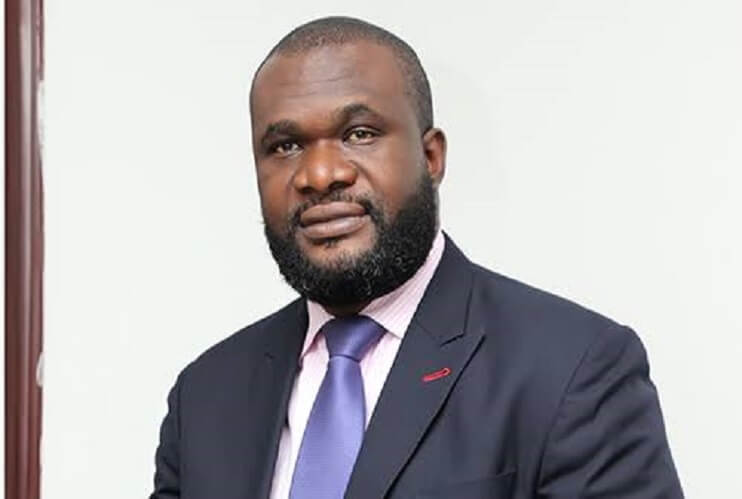
.On Wednesday, September 28, 2022 will not be forgotten in a hurry as it was a very sad day as a very sad day for family members, friends and well wishers of one of the owners of a popular restaurant chain, Bukka Hut, Laolu Martins as he reportedly committed suicide in the early hours of the day.
While many were still confused about his sudden death, a renowned theatre producer and investment banker, Joseph Edgar, aka The Duke of Shomolu confirmed that the CEO of NISL Ventures slipped into depression after losing a bet.
The family of Laolu Martins said in a statement that was released on Wednesday that the quintessential banker with over 21 years of experience in investment banking, corporate banking, stockbroking, asset management and pension fund management, died in the evening of Tuesday, September 27, 2022.
“We hereby solicit the support and understanding of everyone as the family grieves the loss of our beloved Laolu in our privacy.
“Our kind request is that you support the family – wife, children, aged mother and father and his siblings with your prayers at this difficult time.
“Further announcements will be made by the family,” the statement said.
Martins started his career with PricewaterhouseCoopers in 1999.
He joined Investment Banking & Trust Company Plc now Stanbic IBTC Bank Plc where he served in the Financial Control and Trade Finance/Foreign Operations units of the Bank before being seconded to Stanbic IBTC Asset Management Ltd where at various times he was Financial Controller, Head Asset Management and lastly Head Stockbroking.
He later resigned in 2005 to join Shell Nig. CPFA Ltd, the Fund Manager of the Shell Companies in Nigeria Pensions Scheme where he was Head, Investments up till 2008 when he resigned to join Nigeria International Security Limited, NISL, an independent financial services firm specialising in investments within the Nigerian space.
In a tribute titled; “Laolu Martins – sad end to a beautiful life,” Edgar wrote:
“I just got a call from my sister Ore. Edgar see what i am seeing o. Pls check if its true.
“It was a post about Laolu. He was said to have committed suicide at 3am this morning in Lekki.
“I screamed. Made a call and confirmed the incident.
“They said he had taken a bet against the dollar and with this rubbish going on in the forex markets he lost big time and may have slipped into a depression leading to this.
“These are not confirmed but what is confirmed is that Laolu is no more.
“Laolu was brilliant. A stockbroker, Asset Manager and an Investment banker.
“I first met him while he was at Shell Trustees. He was a brilliant Fund manager who used to give me business.
“I was then in BGL and had pencilled down Shell Trustees, First Trustees and NPA Superannuation Fund to break
“I had broken the other two with First Trustees where the super brilliant Ekure was the MD and NPA where the late man about town Henry Abebe was head
“But Shell was tough. You cdnt even enter their office talkless of breaking anything.
“So, i got Laolu’s email and sent him a passionate mail telling him why he needed my services if he was going to make a mark at Shell.
“He replied and gave me an appointment and there started a beautiful friendship.
“I watched him grow. Saw him aquire NISL and go into the Fast Food business with his partners as they opened Buka Hut all over the place.
“He started supporting my plays and he will be calling me to ask if i wont come for sponsorship since his money was ‘small’.
“Then i stopped hearing from him. Calls where not returned but i didn’t mind since i could see that he was doing well.
“They had just opened a new outlet at keffi and i was proud of him and his people
“Then i went to eat Afang at the new Just Afang restaurant in Ikoyi beside his office and branched to ask him to join me.
“He wasn’t in the office and still didnt take my calls so i left him since i didnt even knw the cost of the Afang bf i go and shoot myself
“So you can imagine my shock as i hear this story this morning. This last night o, Laolu jumped and left.
“Whatever has led to this, is really not worth it. But then again, people have different constitutions and mental aptitude
“This is why we must be kind to each other. Reach out, call people ask after their well being
“Much more importantly. If you have a problem, shout. Ask for help, seek advice. Dont be quiet shout.
“If Buhari with all the problem of this country on his head is still seating comfortably in Aso rock with tootpick in his mouth, why would you now with your own small problem come and jump
“This is really sad. Really really sad.
“Kai. May his soul rest in peace.”
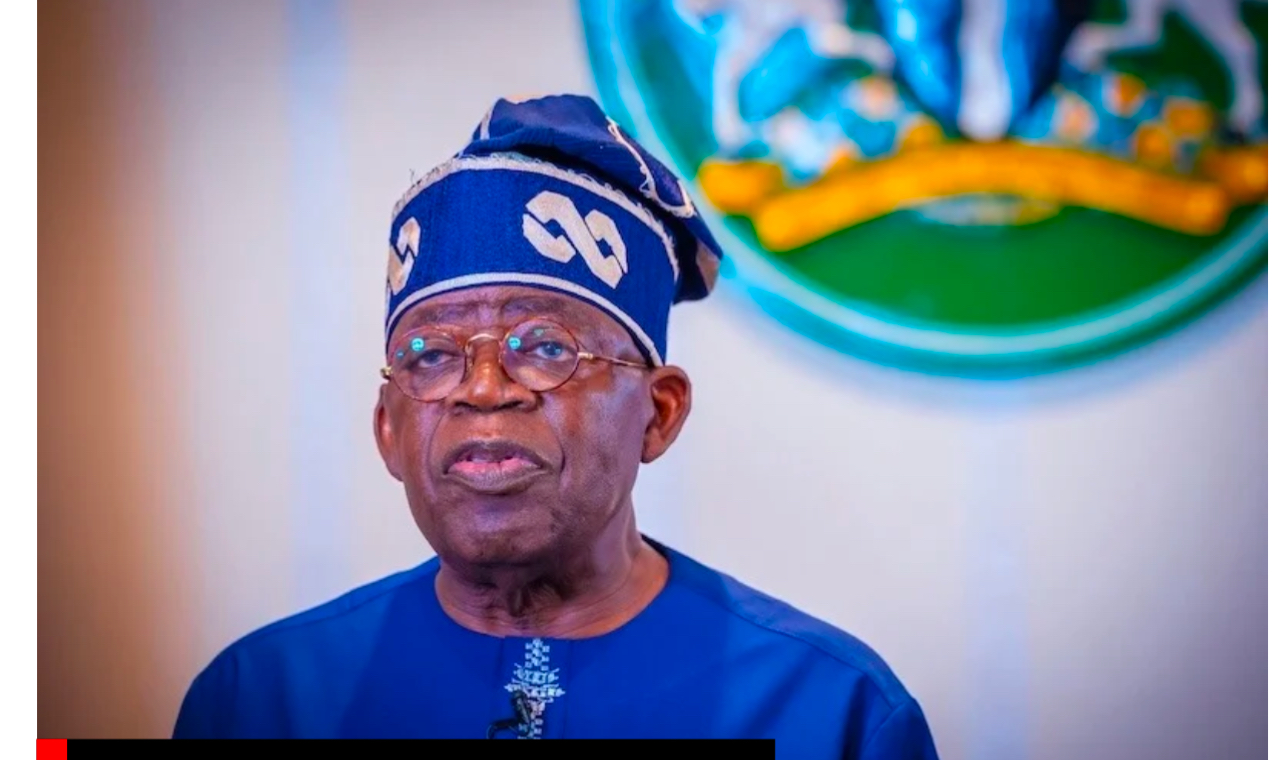
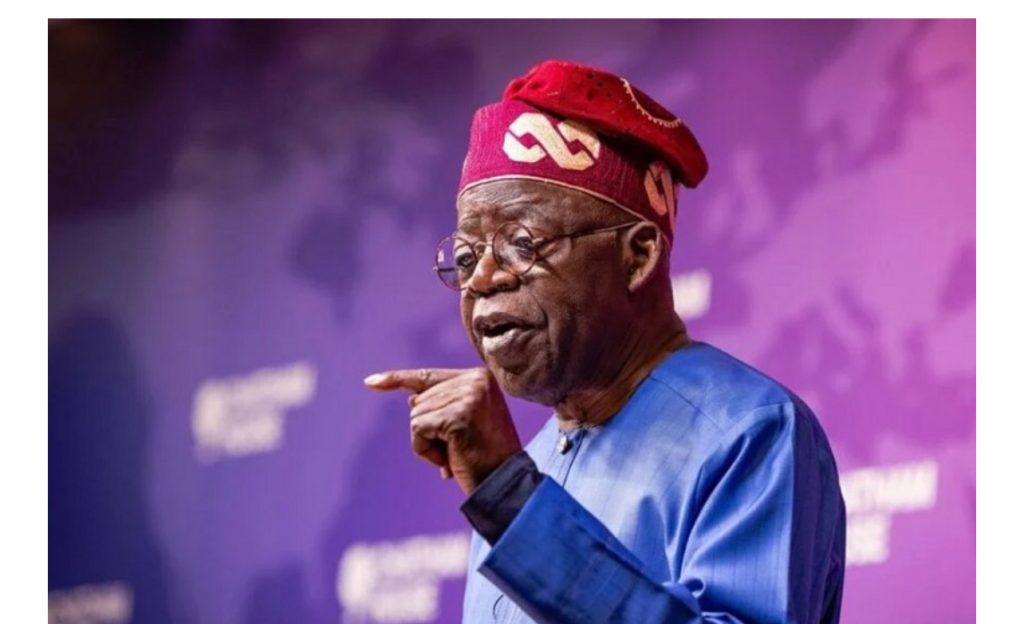
President Bola Tinubu has blamed his political opponents for hunger and poverty in Nigeria, saying his administration is working to address the challenges.
Tinubu spoke on Saturday at the All Progressives Congress presidential campaign flag-off rally at Ranchers Bees Stadium in Kaduna State ahead of the 2027 general elections.
“I have an argument. I hear my opponent talking about hunger, poverty. Who created it? They did! They created the hunger, they created the poverty. We are trying to eradicate it,” the President said.
He also defended his administration’s record on salary payments and praised governors for their performance.
Nigeria’s debt interest payments exceed revenue by ₦1.5 trillion
“We pay salaries regularly. Our governors are working. I am proud of them. They are developing,” he said.
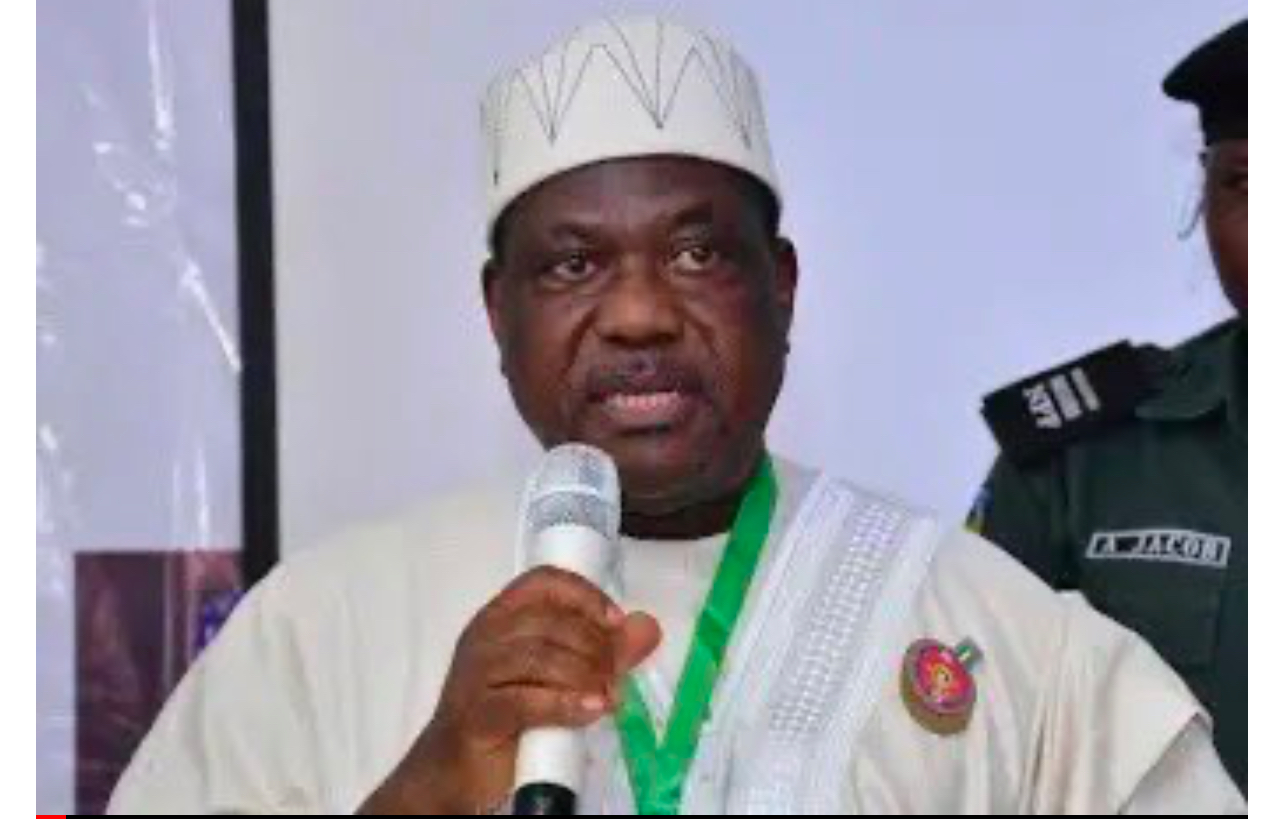
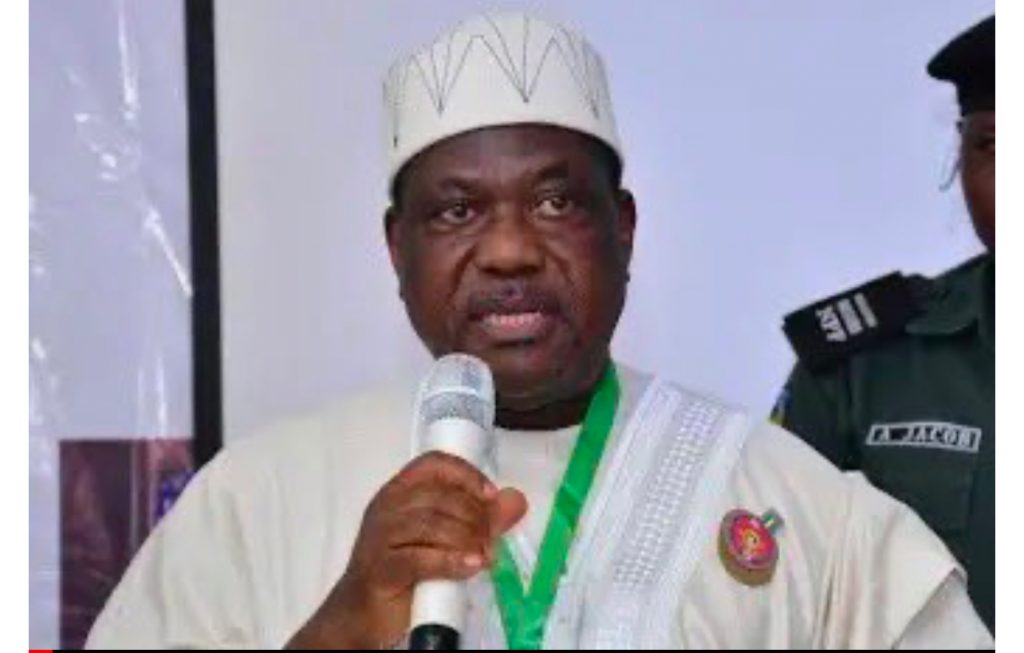 The Secretary to the Government of the Federation, Senator George Akume, has said the North should support President Bola Tinubu for a second term in 2027.
He insisted that any Northerner seeking the presidency in 2027 would be working against the region’s interests.
Akume said the North should allow Tinubu to complete his political project before considering another presidential bid in 2031.
The SGF stated this on Saturday while addressing Benue State indigenes resident in Kaduna ahead of the flag-off of the All Progressives Congress presidential campaign in the state capital.
He urged Northerners to remain united and resist political ambitions capable of dividing the region ahead of the 2027 general elections.
Add us to your Preferred Sources
“The North must remain united and focus on its collective interest rather than allow individual ambitions to divide us,” Akume said.
The former Benue State governor argued that the region needed to consider its long-term political interests and the implications of the 2027 presidential election for its future.
He said, “President Bola Tinubu should be allowed to complete his political project before the North considers its own presidential ambition in 2031.”
Akume also cautioned against attempts to divide Northerners along political, religious and personal lines, stressing that unity remained essential to the region’s political relevance.
“We must not allow political, religious or personal differences to undermine our common interests. The strength of the North lies in our ability to work together,” he said.
The SGF further called for peaceful coexistence and cooperation among Nigeria’s diverse ethnic and religious communities, saying national development depended on unity.
He urged the people to examine political developments carefully and avoid being misled by individuals whose ambitions might conflict with the broader interests of the region.
The meeting brought together Benue indigenes living in Kaduna and other political stakeholders to discuss issues affecting their community, political representation and engagement with leaders at the national level.
The APC presidential campaign flag-off in Kaduna is expected to bring together party leaders, supporters and political stakeholders from across the country.
news
State Police: Five More State Assemblies Pass Bill as 90% of States Are Ready for Transmission to National Assembly on October 29 – Gbajabiamila
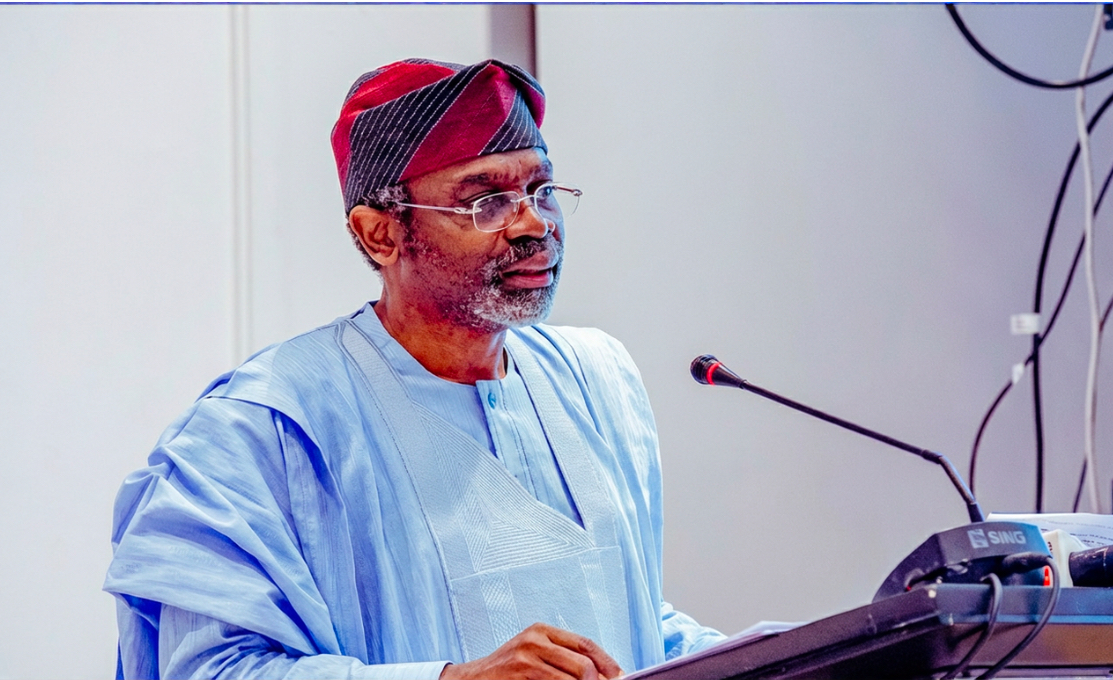
 The Presidential Working Group on the National Policing Bill on Tuesday said it had submitted the draft National Policing Bill, 2026, and 29 consequential amendment bills to the Ministry of Justice for legislative drafting review and validation.
This comes as Ogun, Delta, Plateau, Kwara and Adamawa state assemblies approved the police bill alongside Edo, Osun, Oyo, Rivers and Zamfara, which had earlier endorsed the constitutional amendments required to institute state policing.
The proposed Constitution of the Federal Republic of Nigeria, 1999 (Sixth Alteration) Bill, 2026, was transmitted to the 36 State Houses of Assembly on September 16, 2026 by the Clerk to the National Assembly, Kamoru Ogunlana, for consideration and approval.
The Sixth Alteration Bill amends section 214 of the Constitution to replace the single Nigeria Police Force with a Federal Police Service and State Police Services as part of efforts to address the country’s security challenges.
In a statement signed Tuesday by the Chief of Staff to the President and Chairman of the Working Group, Femi Gbajabiamila, the group said it had completed the drafting stage of its assignment.
The PWG explained that the draft bill was submitted to the Attorney-General of the Federation and Minister of Justice on Monday.
It said, “The submission was made on October 19, 2026, to the Honourable Attorney-General of the Federation and Minister of Justice, in line with the Working Group’s work plan.
“The ministry’s review will ensure that the bills conform to legislative drafting standards and conventions, and that they do not conflict with existing laws.
“The Ministry of Justice is expected to return the validated draft bills to the Working Group on or before Friday, 30th October 2026. The Working Group will then give the validated bills final consideration before presenting them to Mr President, thereby concluding its mandate.”
Gbajabiamila said the proposed National Policing Bill seeks to establish the constitutional and legislative framework for a dual policing structure, made up of a Federal Police Service and State Police Services.
He added that the Working Group remained committed to “a rigorous and transparent process” that would deliver a comprehensive legislative proposal for the President’s consideration and subsequent transmission to the National Assembly.
According to the former legislator, the work was proceeding alongside the ongoing consideration of the Constitution (Sixth Alteration) Bill, 2026 by the State Houses of Assembly, which “must be completed before the Bill is transmitted to the National Assembly”.
On October 15, Gbajabiamila told State House correspondents that the policing bill was “90 per cent ready” and would be transmitted to the National Assembly on October 29.
The Senate passed the bill on June 24, after which it was also passed by the House of Representatives.
Afterwards, the National Assembly sent it to the 36 State Houses of Assembly on September 16, where it must be approved by at least 24 state assemblies.
Tinubu inaugurated the seven-member Presidential Working Group on July 7, with its steering committee starting work on August 3.
He mandated it to produce a “technically robust, implementation-ready draft National Policing Bill.’’
When asked how long the review by the justice ministry would take, Kamarudeen Ogundele, the Special Assistant, Media, to the AGF, said, “Is there any rule that says that it must be done within one week, two months, three months or four months? When did we start having periods within which a case should be treated and sent for approval?
‘’I am not in the position to confirm that now. This thing has a procedure; it has a process, and due process must be followed. So, now saying that maybe it has to be done within one week or two weeks or whatever, where no law says it must be done within that period or whatever, is unnecessary,” he added.
The Senate also declined to comment on the Executive’s proposed timeline, saying it would wait until it formally receives the bills before taking a position.
The Chairman of the Senate Committee on Media and Public Affairs, Senator Yemi Adaramodu, disclosed this.
“Well, we cannot pass comment on what the Executive said until we receive correspondence from them,” he said.
Adaramodu, however, described the proposed legislation as a matter of public interest that lawmakers were determined to conclude expeditiously.
The Senate spokesman dismissed concerns over delays by state assemblies in approving the constitutional amendment, despite the expiration of the 30-day deadline set for them to submit their inputs.
He explained that the deadline was intended for state legislatures to communicate their positions, adding that the Senate would consider their responses alongside the executive’s proposals.
“All those things (state approvals) will be brought to us, and we will put them under consideration because we are still going to hold a conference to address it.
“Again, you need to understand that the 30-day deadline is not for us. It is for the states to send in their inputs. And they have been doing that,” he said.
Adaramodu expressed confidence that all states would have submitted their responses by the time the executive formally transmitted its proposals. He maintained that the process would not undermine the Senate’s commitment to passing the legislation before the end of the year.
Ogun State House of Assembly passed a resolution supporting the consideration of the 1999 Constitution of the Federal Republic of Nigeria (Sixth Alteration) Bill, 2026, on the establishment of State Police Services.
The assembly, during its sitting on Tuesday, passed the resolution, titled: ‘H.R. No. 194/OG/2025- Consideration of the Constitution of the Federal Republic of Nigeria ( 1999) (Sixth Alteration) Bill, 2026 (Establishment of State Police Services).’
The passage of the resolution followed the presentation of the report of the Ad-hoc Committee on Constitutional Review chaired by a former Speaker, Olakunle Oluomo, who presented the committee’s report on 26 clauses and sectional amendments to the Constitution.
Oluomo took the proposed amendments one after the other, with members voting in favour of all the clauses and sections contained in the amendments.
The proposed amendments covered different aspects of the bill, including the substitution, insertion and alteration of specific constitutional provisions.
The lawmaker later moved the motion for the adoption of the committee’s report, seconded by Adegoke Adeyanju and supported by all the members through a voice vote.
The House Leader, Yusuf Sherif, subsequently moved that the report be adopted as a resolution of the House, seconded by the Chief Whip, Omolola Bakare, and was unanimously supported by all the lawmakers through a voice vote.
In his remarks, the Speaker, Daisi Elemide, said, “The Assembly joined other state Houses of Assembly across the country in supporting the establishment of State Police, and this decision is historic.
“The passage of the resolution reflected the position of the lawmakers and the people of the State in supporting the establishment of State Police to strengthen security, through improved security measures in protecting the lives and property of the citizenry, thereby promoting the social well-being and economic development of the state”
Elemide later directed that a clean copy of the resolution be transmitted to the National Assembly to communicate the state’s support for the establishment of State Police Services.
Similarly, members of the Delta State House of Assembly unanimously approved the 6th Alteration Bill of the Constitution of the Federal Republic of Nigeria, 1999 (as amended) to provide for the establishment of State Police Services.
All 23 members present at plenary on Tuesday, through head count, voted in favour of the bill.
The letter, which was read on the floor by the Speaker, Emomotimi Guwor, outlined the objective of the bill, which seeks to provide a constitutional framework for the establishment of State Police Services while preserving the Nigeria Police Force as the Federal Police Service.
Leading the debate on the merits of the bill, the Majority Leader, Emeka Nwaobi, said, “The proposed amendment aims to guarantee security of lives and property through a dual policing system, allowing states to establish and fund their own police services to address rising cases of insecurity, particularly at the local level.”
Other lawmakers, who spoke in favour of the bill, affirmed their support, noting that it would strengthen local intelligence gathering, improve response to security challenges, create employment opportunities and help tackle insecurity at the grassroots.
Guwor commended the members for their support and patriotism, assuring that “the establishment of state police would go a long way in strengthening grassroots policing and creating a safer environment for investment and development to thrive in Delta State in line with the M.O.R.E Agenda of the Oborevwori administration.”
Guwor, who is also the Chairman, Conference of Speakers of State Legislatures, stated, “Distinguished colleagues, I commend you for approving the Constitution of the Federal Republic of Nigeria (Sixth Alteration) Bill, 2026, in line with section 9 sub-section (2) of the Constitution of the Federal Republic of Nigeria, 1999 (as altered).
“This is a significant step towards the establishment of State Police in Nigeria. It brings us closer to a policing system that is more responsive to our communities, improves intelligence gathering and strengthens our capacity to tackle security challenges.
“For Delta State, this reform holds great promise for protecting lives and property, sustaining peace and creating a safer environment for investment and development in line with the M.O.R.E Agenda of our amiable Governor, Sheriff Oborevwori.
“I congratulate this Honourable House on this important resolution. May our collective efforts continue to advance peace, security and good governance in Delta State and Nigeria in general.”
The speaker, thereafter, directed the Clerk of the House, Otto Aghoghophia, to communicate the resolution of the Delta State House of Assembly to the National Assembly, accordingly.
Earlier at the plenary, the House observed a one-minute silence in honour of former Governor of Delta State, Dr Emmanuel Uduaghan, who passed away on Monday.
The Adamawa State House of Assembly on Tuesday passed 24 out of 26 clauses of the state Police Bill, 2026, rejecting two clauses.
At an emergency sitting on Tuesday, the lawmakers, who had been on recess in China, spent over two hours reading each section of the Alteration Bill for members to approve or disapprove.
Speaker Bathiya Wesley, who presided over the session, directed the Clerk of the House to produce a clean copy of the approved 24 clauses and transmit them to the National Assembly.
Speaking to journalists after the sitting, the Chairman, House Committee on Information, Musa Kallam, representing Mayo-Belwa State Constituency, pointed out that state policing would help combat criminal activities in the country.
On the two rejected clauses, he disclosed that they were not properly defined and that the majority of the members were not clear on those clauses.
“Some of my colleagues were not clear on those clauses, and they decided to reject them. Since they were in the majority, there is nothing we can do.”
On the concern that governors could deploy state police against their political opponents, he clarified that the Constitutional alteration had stipulated the limit of governors’ powers in controlling state police.
“Let us not jump to the conclusion that state governors will take over when the state police take off, and if there is anything that the National Assembly feels should be amended to strengthen the state police, the Constitution will still be amended. The idea of state police is fantastic and must be sustained,” he noted.
Like Delta and Ogun, the Kwara State House of Assembly also approved the proposed amendment to the 1999 Constitution to provide a legal framework for the establishment of state police in the country.
The approval was given during Tuesday’s plenary in Ilorin after the speaker, Yakubu Danladi-Salihu, read a letter from the Clerk of the National Assembly on the proposed constitutional alteration.
The development was disclosed in a statement made available toour correspondence by the Chief Press Secretary to the speaker, Abdulkadir Yusuf.
Leading the debate on the amendment, the House Leader, Mogaji Abdulkadri, enumerated the various advantages the proposed amendment would have on the country’s policing system.
Other lawmakers who spoke on the constitutional amendment supported the proposal, saying “it would bring policing closer to the people and strengthen security across the country.”
The lawmakers affirmed that the alteration would “bring police closer to the people, thereby improving the security of lives and property of people across the country.”
Following the debate, the speaker directed the Clerk of the House, Ahmed Olayiwola, to communicate the Assembly’s approval to the National Assembly for further action.
The Plateau State House of Assembly equally endorsed the Constitution amendment bill seeking the creation of a state police, describing the proposal as timely and necessary to address the country’s security challenges.
The endorsement followed the adoption of the report of the Ad-hoc Committee constituted to scrutinise the Constitution of the Federal Republic of Nigeria, 1999 (Sixth Alteration) Bill, 2026, which was considered at plenary on Monday.
In a statement signed by the media aide to the speaker, Philip Eplong, and made available to The PUNCH on Tuesday, he said the decision was taken during Monday’s plenary session presided over by Speaker Naanlong Daniel.
Eplong’s statement read, “Presenting the committee’s report, its chairman and member representing Qua’an-Pan South Constituency, Prof. Theodore Maiyaki, said the proposed constitutional alteration was necessary in view of prevailing security challenges, the shortage of manpower in the Nigeria Police Force and the need to strengthen local policing arrangements.’’
He explained that the proposal sought to establish a constitutional framework for Federal and State Police Services, with appropriate safeguards for human rights, operational standards, accountability and coordination. The committee observed that the proposed amendment was timely, considering the need to strengthen security and improve responses to threats within communities.
The committee further noted that security remained critical to the socioeconomic development of Plateau State and other parts of the country.
It, therefore, recommended that the House supported the proposed constitutional alteration in line with the relevant legislative requirements.
Following deliberations, the House adopted the committee’s recommendations and voted in support of the proposed constitutional amendment.
The speaker commended the committee for its work and appreciated members for their patience, commitment and sacrifice in considering the important legislative matter.
The Kebbi State House of Assembly has received a bill seeking to amend the 1999 Constitution to provide for the establishment of state police services across the country.
The bill was transmitted to the Assembly by the National Assembly for consideration and approval as part of the ongoing constitutional amendment process.
The Majority Leader of the Kebbi Assembly, Faruku Aliyu Nassarawa Jega, disclosed this during Tuesday’s plenary session while reading a letter from the Clerk to the National Assembly, Kamoru Ogunlana.
The letter, dated September 16, 2026, and addressed to the Speaker of the Kebbi Assembly, Salihu Maikasuwa Dangoje, stated that the bill was passed by the Senate on June 24, 2026, and the House of Representatives on July 23, 2026.
According to the letter, the proposed legislation seeks to establish a constitutional framework for state police services while retaining the Nigeria Police Force as the federal police service.
The National Assembly urged the Kebbi Assembly to give the bill expeditious consideration and communicate its decision promptly to facilitate the completion of the constitutional amendment process.
“The leadership of the National Assembly respectfully requests that the Kebbi State House of Assembly accord the Bill expeditious consideration and communicate its resolution to the National Assembly at the earliest opportunity,” the letter stated.
It added that the request was made pursuant to Section 9(1) and (2) of the 1999 Constitution, as amended, following directives from the President of the Senate and the Speaker of the House of Representatives.
The bill has been referred to the House Committee on Internal Security for further deliberation ahead of the Assembly’s decision.
Under the constitutional amendment procedure, a proposed alteration must be approved by at least two-thirds of the 36 state Houses of Assembly before it can be presented to the President for assent.
The proposed establishment of state police has remained a major issue in Nigeria’s security debate, with proponents arguing that decentralising policing would improve responses to local security threats and strengthen community-based security efforts.
The proposal is particularly significant for states such as Kebbi, which have faced security challenges, including banditry, kidnapping and other criminal activities.
Supporters believe state police officers would be better positioned to gather intelligence, understand local security concerns and respond more quickly to emerging threats because of their proximity to the communities they serve.
However, the proposal has also raised concerns about potential political interference, abuse of power and the need for adequate safeguards to guarantee the independence, accountability and professionalism of state police services.
The Kebbi Assembly is expected to deliberate on the bill through its legislative processes before communicating its position to the National Assembly.
Murtala Adamu Diri, Press Secretary to the Speaker of the Kebbi State House of Assembly, announced the development in a statement issued on Tuesday.


-
 news6 years ago
UPDATE: #ENDSARS: CCTV footage of Lekki shootings intact – Says Sanwo – Olu
-
 lifestyle6 years ago
Former Miss World: Mixed reactions trail Agbani Darego’s looks
-
news8 years ago
-
 health6 years ago
Chairman Agege LG, Ganiyu Egunjobi Receives Covid-19 Vaccines
-
 lifestyle5 years ago
Obateru: Celebrating a Quintessential PR Man at 60
-
 news1 year ago
BREAKING: Tinubu swears in new NNPCL Board
-
 health6 years ago
UPDATE : Nigeria Records 790 new cases of COVID-19
-
 society3 years ago
Bisbam CEO, Abisola Bamidele, Bags Owu Chieftaincy Title