
news
How Tinubu’s Reforms Are Redefining Nigeria’s Economic Future

By: Dr Abolade Agbola
In a few months, the economic reforms of the government of President Tinubu will be three years old, while the government will be on the last lap of its four-year first-term mandate. The President’s statement at his inauguration on the 29th May 2023, that “the fuel subsidy was gone,” ushered in a series of reforms that reshaped the economy. Two weeks after the President’s inauguration, the Central Bank unified the multiple exchange rates on 14th June 2023 and transitioned from a rigid, multi-layered exchange rate system to a unified, “willing buyer-willing seller” managed float regime. The Presidential Committee on Fiscal Policy and Tax Reforms was constituted in July 2023 to draft a new tax and fiscal law. In March 2024, the Central Bank announced a new threshold for bank capital, requiring banks to increase their minimum share capital by the March 31, 2026, deadline to strengthen the financial system against impending economic shocks following the reforms and support the nation’s economic growth target of $ 1 trillion in GDP by 2030. Nigeria has had several foreign exchange market reforms, but the most profound ones are the transition from the Import licensing scheme to the Second-Tier Foreign Exchange market in 1986, following the deregulation and liberalization of the economy, and the massive devaluation of the currency in 1994. The uniqueness of the 2023 reforms lay in their timing, at the dawn of the administration, and in complementary policies such as the floating of the Naira following the abolition of multiple exchange rates, thus allowing the market to achieve equilibrium simultaneously in the pricing of petrol and the Naira.
The fuel subsidy removal led to a price increase for petrol from N200 per litre in May 2023 to between N1,200 and N1,300 per litre in early 2025. The floating of the Naira and unification of multiple exchange rates led to the currency’s massive devaluation from N460: $1 on 29th May 2023 to N1,700: $1 by November 2024. The post-subsidy removal and Naira floatation in the economy led to high inflation and a decline in household consumption. According to the World Bank, 56% of Nigerians (over 113 million people) living below the poverty line in 2023 are projected to reach 61% (139 million) by 2025. Today, the Naira is stabilizing at about N1,400: $1, while petrol has fallen to about N880 per litre, and inflation has receded to 15.15%, with prospects of getting to a single digit before the end of 2026. A single-digit inflation rate will take a substantial number of people out of poverty as the mystery index declines alongside the receding inflationary spiral, as policies that foster job creation, reduce price volatility, and stimulate economic growth are implemented.
Nigeria was on the brink of economic collapse in 2023. Most of the sub-nationals were unable to pay salaries. There was no budget for fuel subsidy from 1st June 2023. The external reserves of US$34.39 billion in May 2023 were barely adequate to finance 6.5 months of imports of goods and services and 8.8 months of imports of goods only. JP Morgan, a global financial institution, later claimed that the previous administration actually left Nigeria with a net reserve of $3.7 billion, rather than $34.39 billion. In May 2023, the Central Bank of Nigeria (CBN) had a foreign currency liability to foreign airlines of approximately $2.27 billion due to the airlines’ inability to repatriate their ticket sales revenue. Nigeria’s foreign reserves stood at $45.21 billion as of December 2025. In fact, the country experienced significant trade surpluses, with reports indicating around N6.69 trillion (Exports: N22.81tn, Imports: N16.12tn) as at the third quarter of 2025, driven by rising crude oil and non-oil exports, such as refined petroleum, despite some fluctuations and policy impacts, highlighting economic restructuring towards diversification.
Nigeria’s economic decline, which compelled the latest reforms, began in 2014, when crude prices began plummeting from their peak of $114 per barrel. Nigeria had two recessions in 4-year intervals, the 2016 recession, when the price of crude oil fell to $27 per barrel due to a U.S. shale oil-inspired glut. The other recession in 2020 was a result of the COVID-19 pandemic, when crude oil prices dropped to $17 per barrel amid worldwide lockdowns aimed at containing it. The economy was rebounding in 2022 when the Russia-Ukraine war disrupted the global commodity supply chain and triggered another round of economic crises. The government was reluctant to depreciate the Naira in response to economic realities, given its populist and leftist inclinations. The consequence was the near collapse of the economy by the time the 2023 elections were held. The government borrowed massively with the intent of spending its way out of the recession. Nigeria’s total public debt was N77 Trillion, or $108 billion, when President Tinubu was sworn in on the 29th May 2023. The debt profile had risen to N160 trillion ($111 billion) by the end of 2025, a moderate growth given the significant depreciation of the currency and the vast improvement in the country’s fortunes in the past two years.
Nigeria had intermittently grappled with rent, creating multiple exchange rates since 1986, when the corrupt-laden import license scheme gave way to currency auctions using the Dutch auction method. In 1986, amid the crude oil price meltdown, Nigerians rejected the IMF loan after a debate instigated by the military to carry the people along with the options available at the time for addressing the nation’s economic crisis. The objective of the IMF/World Bank-backed policy was to diversify the oil-dependent economy, reduce imports, privatize state firms, devalue the Naira, and foster private-sector growth to combat worsening economic conditions, such as inflation and debt overhang. In 2023, at its zenith, the rent reached N300 for every dollar sold by the central bank, creating artificial advantages in the market and enabling a few to extract wealth without effort. No wonder President Tinubu remarked while campaigning that if the multiple exchanges remain for one day after he is sworn in as President, it means he is benefiting from the fraud, and added, “God forbid.”
Fuel price regulation started with the Price Control Act of 1977. The fuel subsidy was introduced around 1986, when we designated fuel stations into two categories. The station that sells to commercial vehicles offers subsidized prices, while the one that sells to private vehicles charges market rates. The arrangement collapsed, and the subsidy regime crept in.
Just as in 2023, Nigeria undertook a massive devaluation of the Naira and the removal of petroleum subsidies in 1994 during the era of General Sanni Abacha. The Naira was devalued from N22 to N80 per dollar in 1994, following the near-collapse of the economy after the annulment of the 12th June 1993 elections and a protracted period of low crude oil prices, which reached $16 per barrel in 1994. Almost simultaneously, the government removed some fuel subsidies and established the Petroleum Trust Fund, headed by the late President Muhammadu Buhari as Chairman, to manage projects funded by part of the removed subsidies. According to CBN data, inflation rose from 57.03% in 1994 to 72.83% in 1995 due to the policy. The inflationary rate declined to 29.26% in 1996, and 8.52% in 1997, and 9.99% in 1998.
The reforms by President Tinubu in 2023, following the floatation of the Naira and the removal of the fuel subsidy, created a similar inflationary spiral. Inflation rate rose from 22.41% in May 2023 to 28.92% in December 2023, marking a 21-year high. The surge in inflation peaked at 34.80% by December 2024. The year-on-year inflation, however, declined to 15.15% by December 2025, indicating improving price stability as we approach the third year of the reforms. There is no doubt that inflation will recede to single digits before the end of 2026 as the trigger factors (petrol prices and exchange rates) are now determined by market forces.
The reforms of President Tinubu in 2023 were unique in several ways. The courage to embark on both fuel subsidy removal and floatation of the Naira simultaneously at the dawn of the regime amounted to front-loading the expected and inevitable policy pains for gains that will manifest as the administration winds down its first term in office. What is certain after discounting for possible, unpredictable global headwinds such as commodity price volatility, the pandemic, climate change, and supply chain disruptions, to name a few, is that the economy will continue to improve as we approach the election year. The trend will certainly play a key role in the 2027 elections. Unlike the 1994 subsidy removal and devaluation of the Naira, during which a portion of the fuel subsidy removal benefits was allocated to the Petroleum Trust Fund(PTF), the benefits of the 2023 policy actions were equitably and transparently shared among the three tiers of government, thereby strengthening the fiscal position of the federating units. The inequitable distribution of PTF projects among the federating units remains a recurring point of criticism of the initiative. Monthly allocations to the 36 states and 774 local councils increased from roughly ₦458.81 billion in May 2023 to over ₦991 billion by June 2025, representing a 116% increase in some periods. The improved FACC allocation to the states may be one of the reasons for the cordial relationship between most of the state governors and the federal government, as the states were able to execute many projects to fulfill their campaign promises.
Another unique foresight of the government in implementing the 2023 reforms is the recapitalization of banks to strengthen financial institutions, as the Naira weakens amid a spike in inflation. The massive devaluation of the Naira in 1994 led to a wave of bank failures some years later. According to Central Bank reports, by 1998, 20 distressed banks had had their licenses revoked, with dire consequences for the economy. The 2024 banking recapitalization, ending March 2026, which gave banks a 24-month window to shore up their capital, was a masterstroke to strengthen the financial system, build stronger, more resilient banks to withstand Naira depreciation shocks, and foster sustainable economic growth and development.
The brand-new set of tax and fiscal laws delivered by the Presidential Committee on Fiscal Policy and Tax Reforms became operational on the 1st of January 2026. The law aims to remove all barriers to business growth in Nigeria and further diversify the economy by enhancing its revenue profile, weaning the nation from reliance on crude oil export revenue. The laws are to enhance revenue collection efficiency, ensure transparent reporting, and promote the effective utilization of tax and other revenues to boost citizens’ tax morale, foster a healthy tax culture, and drive voluntary compliance.
The government, after protracted negotiations with labour unions, reviewed the national minimum wage in July 2024, from ₦30,000 to ₦70,000 per month, to mitigate the impact of inflation, one of the most debilitating unintended consequences of the reforms. The government, in a proactive move, promulgated the National Minimum Wage Amendment Act 2024 to shorten the minimum wage review period from 5 years to 3 years, meaning that the next formal review is due in 2027. There are several other projects and programmes aimed at repositioning the economy, such as the massive divestment of onshore oil assets in 2024 by International Oil Companies (IOCs) to indigenous Nigerian firms, which has increased crude oil production from 1.1mbarrel per day in 2023 to around 1.44million barrels per day (mbpd) in 2025. The speedy conclusion of the transfer deals and the rework of the assets is crucial to the actualization of the government’s target of daily production of 2.5m barrels per day in 2026 and the turnaround of the economy for another era of sustainable growth and development.
There is also the deployment of 2,000 high-quality tractors with trailers, ploughs, harrows, sprayers, and planters in 2025 as part of the government’s commitment to inject 2000 tractors annually to improve farming efficiency and reverse the poor mechanization of our farms. Nigeria, with a land area of 92m hectares, of which 34m hectares is arable, has less than 50,000 tractors, which is dismally low and significantly responsible for our food insecurity.
In conclusion, there is no doubt that the President and his team have done many things differently, such as the audacious simultaneous removal of the fuel subsidy and the unification of the multiple exchange rates, the floatation of the Naira, new fiscal and tax laws, the recapitalization of banks, and the minimum wage review. These are comprehensive monetary, fiscal, and structural reforms that are delivering changes, transitioning our country from a restricted, inefficient, or crisis-prone economy to a more open, market-oriented, and competitive one. The pains uploaded upfront at the inception of the regime are giving way to discernible gains and unprecedented reset of the economy for sustainable growth and development. Our nation is poised to enter another era of pervasive economic boom, having emerged from the bust cycle that began in 2014 stronger. A solid framework for replicating the economic boom of 2005 to 2014 has been laid by adopting market-determined exchange rates and fuel prices, and by ramping up crude oil production. The government must evolve pragmatic trade and investment policies to mitigate some of the unintended consequences of the reforms, such as dwindling household consumption, escalating inequalities, and the percentage of people living below the poverty line, while protecting local industries, attracting foreign investment, boosting job creation, and enhancing the standard of living of the people. Nigeria is no doubt set for another era of sustainable growth and development.
Dr Abolade Agbola, DBA, MSc Ag Econs, FCS, FCIB, Managing Director of Lam Agro Consult Limited and Lam Business Solutions, is a Stockbroker, Banker, and Agribusiness Business Consultant .He writes from Lagos
:
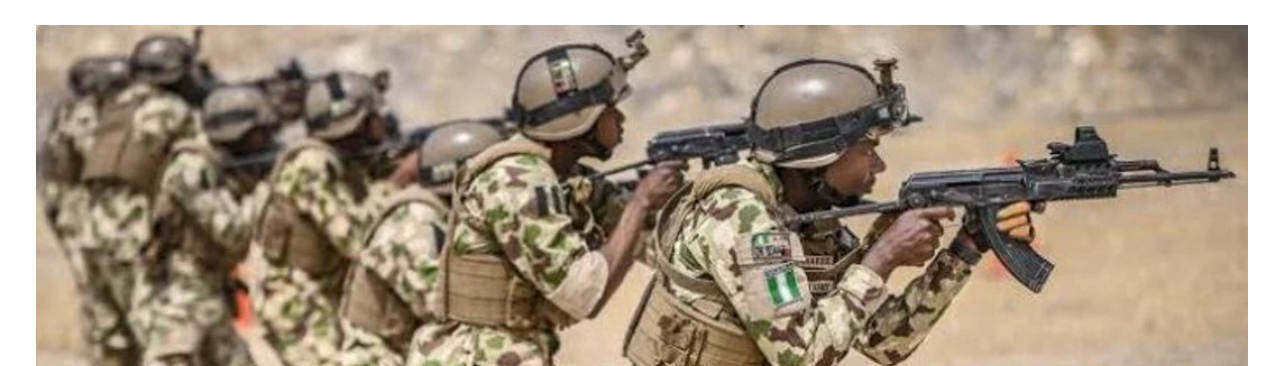
Troops of the Nigerian Army have rescued 31 civilians abducted during an Easter church service in Ariko Village, Kachia Local Government Area of Kaduna State.
The rescue followed a distress call reporting that terrorists had invaded an ECWA Church in the community and abducted worshippers during the service.
In a statement posted on its X handle on Sunday, the Army said that upon receiving the information, troops swiftly mobilised to the scene and, with the support and guidance of members of the Ariko community, advanced in pursuit of the fleeing attackers.
The Army said the troops engaged the terrorists in a fierce firefight, overpowering them with superior firepower.
“Troops of the Nigerian Army, through a swift response, successfully foiled a terrorist attack, leading to the rescue of 31 civilians abducted during an Easter church service in Ariko Village, Kachia Local Government Area of Kaduna State.
“The swift response followed a distress call reporting the abduction of worshippers during an Easter service at an ECWA Church in Ariko Village. The troops, on receipt of the information, promptly mobilised to the scene. With the support and guidance of members of the Ariko community, they advanced in pursuit of the fleeing terrorists and engaged the criminals in a fierce firefight, overwhelming them with superior firepower.
“The pressure mounted by the advancing troops forced the terrorists to abandon 31 hostages, including one injured victim who is currently receiving medical attention,” the statement partly read.
However, the army disclosed that troops also recovered the remains of five victims already killed by the terrorists at the scene.
“Regrettably, the remains of five victims already killed by the terrorists were also recovered at the scene. The fleeing terrorists are believed to have sustained significant casualties, as evidenced by blood trails along their escape routes.
“Troops have since intensified pursuit operations to track the fleeing elements to their enclaves, with ongoing efforts aimed at rescuing any remaining captives and ensuring the perpetrators are brought to justice,” the statement added.
The army said additional troops had been deployed to the area to reinforce ongoing operations, enhance security presence, and prevent further threats to lives and property.
“To consolidate the gains recorded, additional troops have been deployed to the area to reinforce ongoing operations, enhance security presence, and prevent further threats to lives and property.
“The Nigerian Army reaffirms its unwavering commitment to the protection of citizens and the defence of Nigeria’s territorial integrity, in collaboration with other security agencies and local stakeholders. Troops remain resolute in sustaining offensive operations against all threats to national security.
“Members of the public are encouraged to continue supporting the Nigerian Army and other security agencies by providing timely and credible information, as collective vigilance remains vital to achieving enduring peace and stability,” the statement concluded.
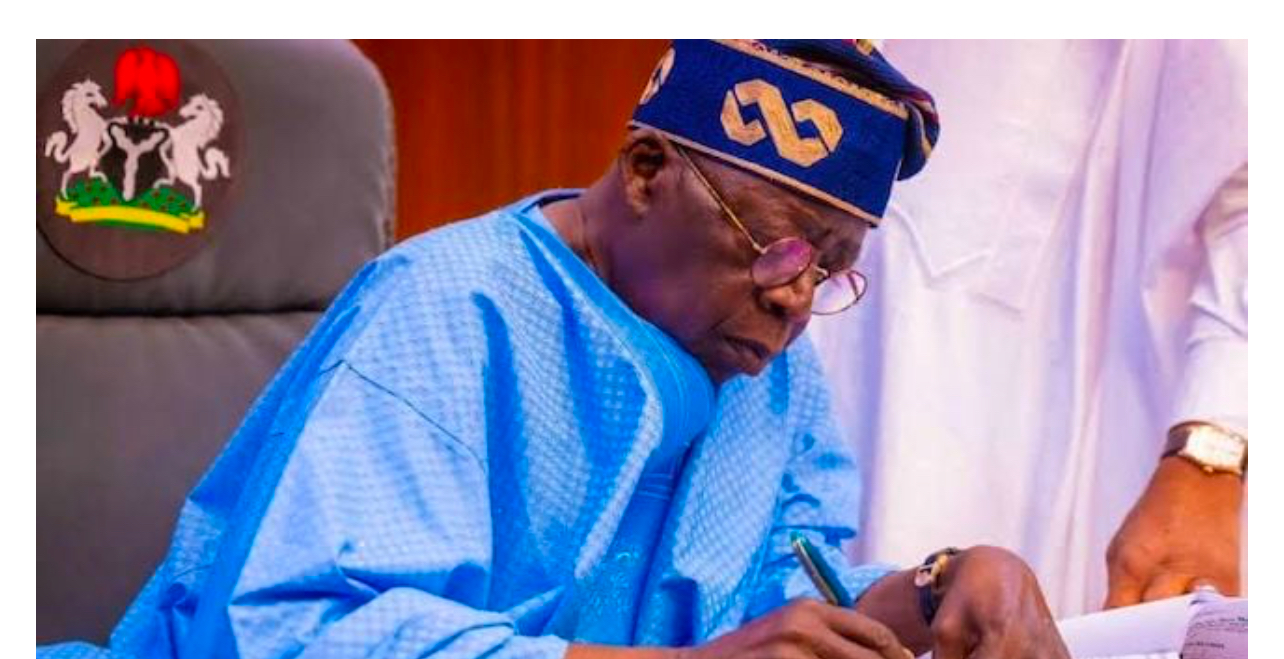
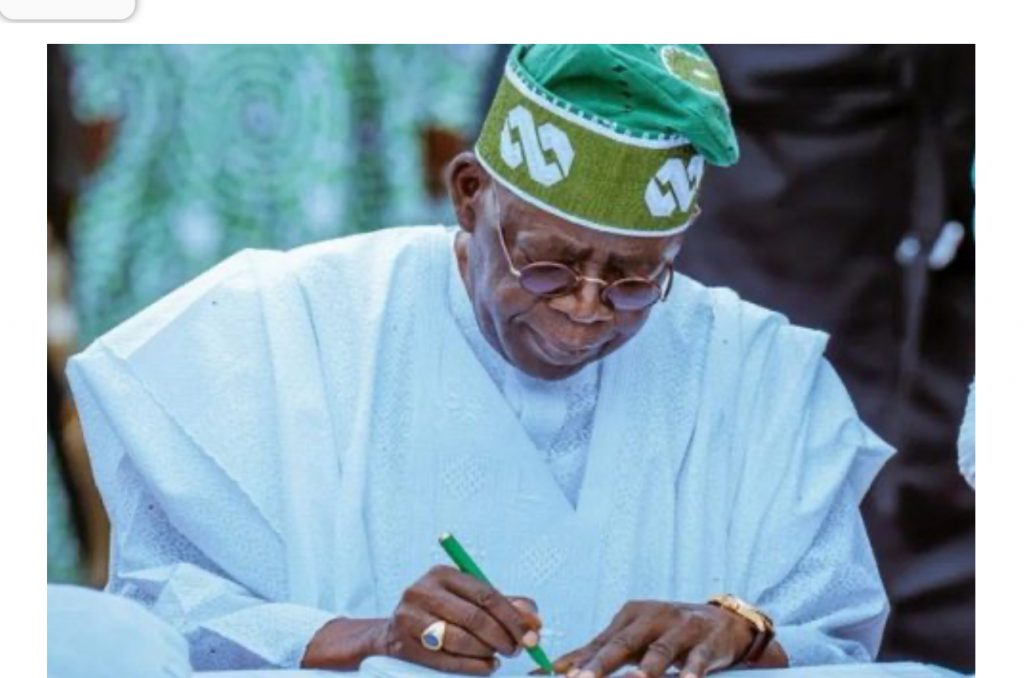 President Bola Tinubu has approved a ₦3.3 trillion payment plan aimed at resolving long-standing debts in Nigeria’s power sector and boosting the reliability of electricity supply.
The plan addresses legacy debts accumulated between February 2015 and March 2025 under the Presidential Power Sector Financial Reforms Programme.
Following a comprehensive review, the government agreed on ₦3.3 trillion as a full and final settlement, ensuring transparency and fairness.
A statement issued on Sunday by the special adviser to the president on information and strategy, Bayo Onanuga, stated that implementation of the repayment plan has already begun, with fifteen power plants already signed settlement agreements totalling ₦2.3 trillion.
The statement read, “President Bola Tinubu has approved the payment plan to finally settle the outstanding debts under the Presidential Power Sector Financial Reforms Programme.
“The debt repayment plan followed the final review of the legacy debts that have beset the power sector for more than a decade.
“The long-standing debts accumulated between February 2015 and March 2025. Following verification, ₦3.3 trillion has been agreed as a full and final settlement, ensuring a fair and transparent resolution.
“Implementation has begun, with 15 power plants signing settlement agreements totalling ₦2.3 trillion. The Federal Government has already raised ₦501 billion to fund these payments. Out of the amount, N223 billion has been disbursed, with further payments underway.
“What this means for Nigerians: With payments reaching the power value chain, generation will be more stable. With power plants supported, electricity reliability will improve.”
Commenting on the development, the Special Adviser on Energy to the President, Olu Arowolo-Verheijen, explained that the settlement would improve electricity reliability by stabilising the power value chain.
“This programme is not just about settling legacy debts. It is about restoring confidence across the power sector — ensuring gas suppliers are paid, power plants can keep running, and the system begins to work more reliably,” she said.
The adviser added that the reforms are part of broader initiatives, including better metering and service-based tariffs that link consumer payments to the quality of electricity received.
Priority will also be given to supplying electricity to businesses, industries, and small enterprises to support job creation and economic growth.
“The goal is simple: more reliable power for homes, stronger support for businesses, and a system that works better for all Nigerians,” Arowolo-Verheijen said.
President Tinubu commended all stakeholders involved in resolving the legacy issues and confirmed that the next phase of the reforms, Series II, will commence this quarter.
news
Easter : Senator Araraume urges Nigerians to embrace sacrifice, renewed hope, prays for Tinubu’s leadership
..…Says Christ’s resurrection symbolises Nigeria’s rising from challenges to glory
,,,,Commends President Tinubu’s bold reforms, calls for continued prayers
As Christians across Nigeria and the world celebrate Easter, a chieftain of the All Progressives Congress (APC), Senator Ifeanyi Godwin Araraume, has called on Nigerians to embrace the virtues of sacrifice, forgiveness, and renewed hope which the resurrection of Jesus Christ symbolises.
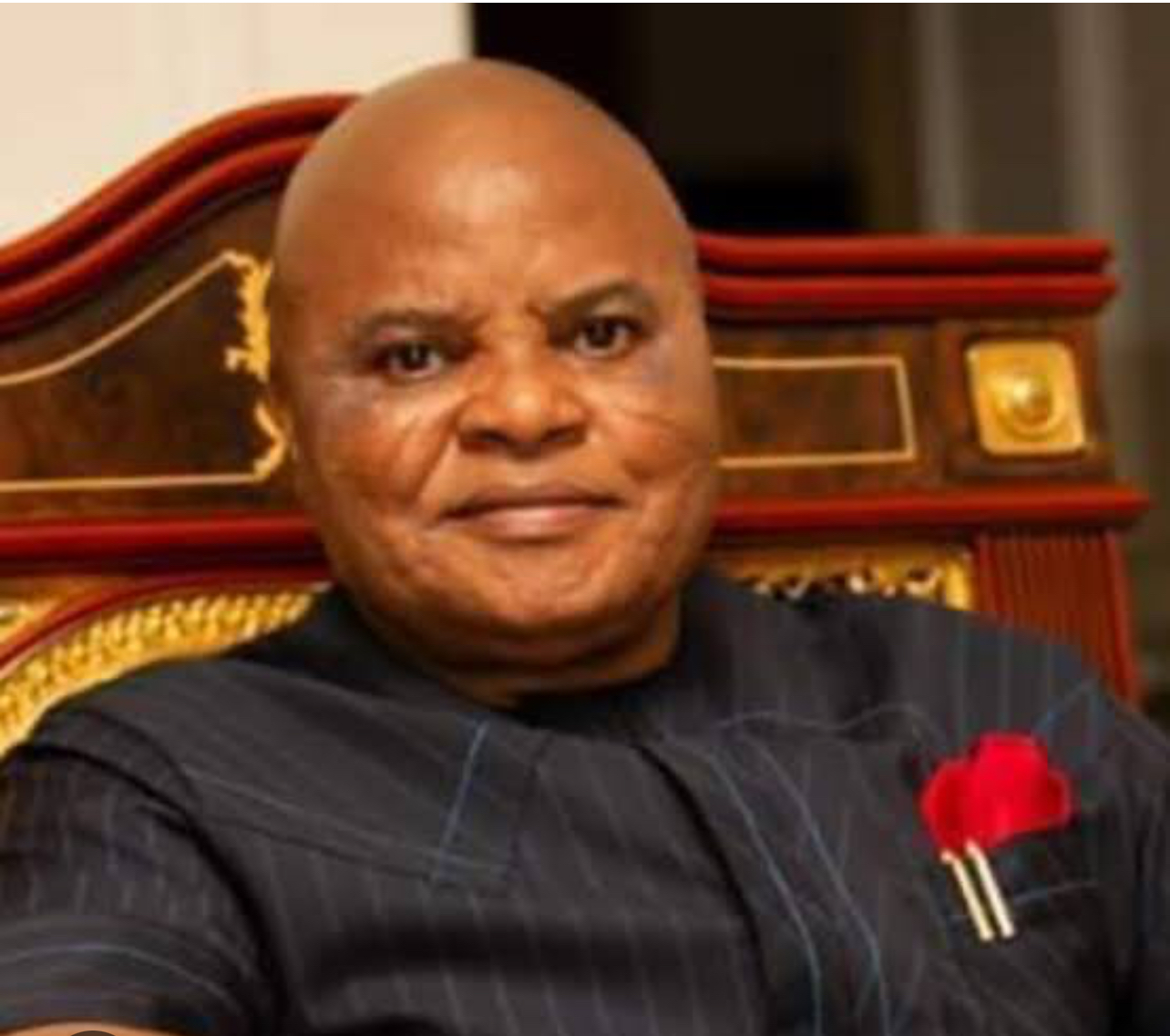
In his Easter message, which he personally signed, the former governorship candidate of Imo State reflected on the profound significance of the season, describing Easter as a divine testament that no night lasts forever, and that after every crucifixion comes a glorious resurrection.
“Easter is not merely a festival; it is a spiritual declaration that darkness does not have the final word. As Christ rose triumphantly on the third day, I believe Nigeria, too, is rising from every challenge to meet her God-ordained destiny,” Araraume stated.
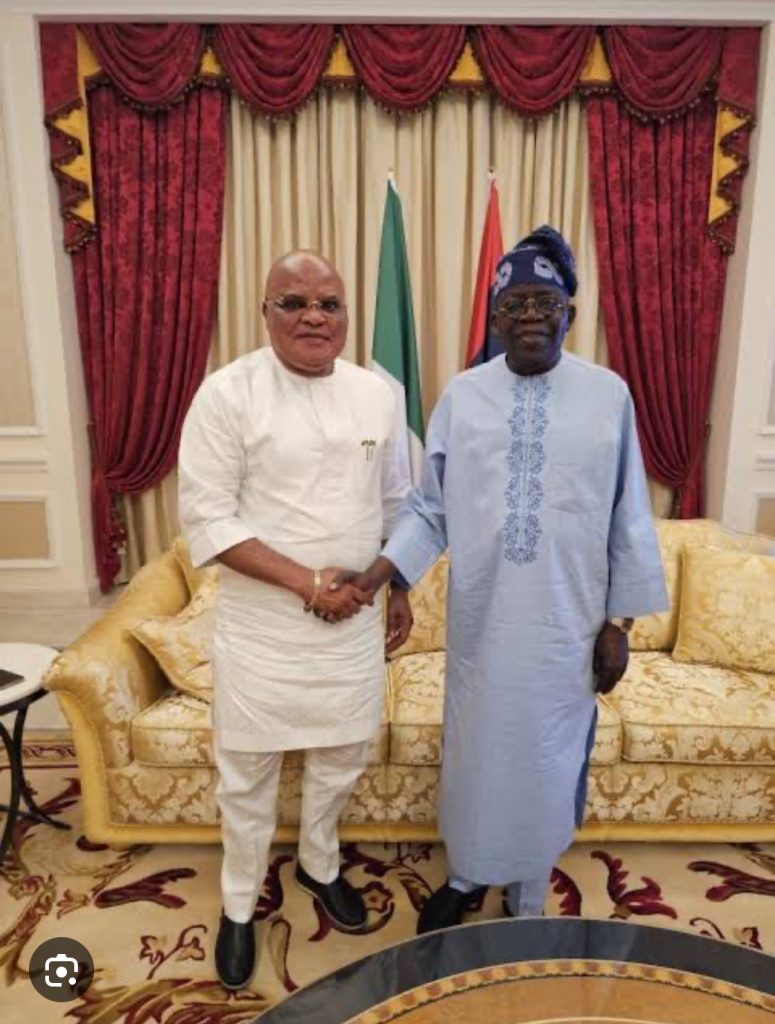
The APC chieftain used the occasion to offer fervent prayers for President Bola Ahmed Tinubu, whom he described as a courageous leader steering the ship of state through turbulent but necessary waters.
“I pray that the God who raised Christ from the dead will raise every help that President Tinubu needs to succeed. I pray for divine wisdom, physical strength, and uncommon protection over his life. Let no arrow of the wicked find its mark in his camp. May his labours for our nation yield fruits that generations yet unborn will celebrate,” Araraume prayed.
He further commended President Tinubu for his bold and far-reaching reforms, acknowledging that while the policies may demand present sacrifice from citizens, the long-term dividends will be peace, stability, and shared prosperity.
“Mr. President has shown that he has the heart of a reformer and the backbone of a statesman. These are not easy times, but great nations are forged in the furnace of difficult decisions. I call on all Nigerians, regardless of party or creed, to support this administration with patience and prayer,” the Senator added.
Senator Araraume also urged Nigerians to show love to one another, especially to the less privileged, the grieving, and the displaced, noting that the true essence of Easter is found in selfless giving and communal solidarity.
“Let us visit the orphanage, feed the hungry, and extend a hand to our neighbour in distress. That is the gospel in action. That is the Nigeria we must build together,” he said.
He wished all Christians a peaceful, joyous, and spiritually fulfilling Easter celebration.
Signed:
Senator Ifeanyi Godwin Araraume
Chieftain, All Progressives Congress (APC)


-
 news5 years ago
UPDATE: #ENDSARS: CCTV footage of Lekki shootings intact – Says Sanwo – Olu
-
 lifestyle6 years ago
Former Miss World: Mixed reactions trail Agbani Darego’s looks
-
 health5 years ago
Chairman Agege LG, Ganiyu Egunjobi Receives Covid-19 Vaccines
-
 lifestyle5 years ago
Obateru: Celebrating a Quintessential PR Man at 60
-
 health6 years ago
UPDATE : Nigeria Records 790 new cases of COVID-19
-
 health6 years ago
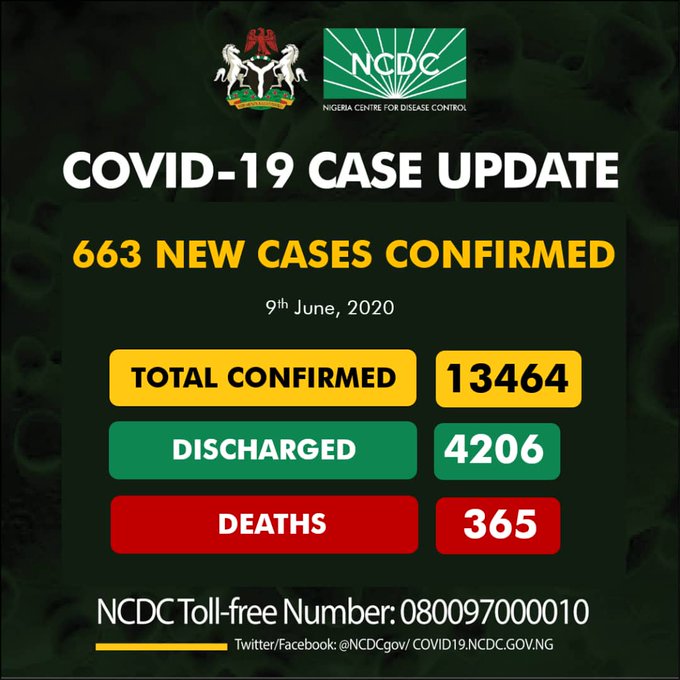
BREAKING: Nigeria confirms 663 new cases of COVID-19
-
 entertainment1 year ago
Ashny Set for Valentine Special and new Album ‘ Femme Fatale’
-
 news11 months ago
BREAKING: Tinubu swears in new NNPCL Board