
news
“I WILL NOT LOSE THE BATTLE TO KEEP NIGERIA SECURE,” SAYS TINUBU

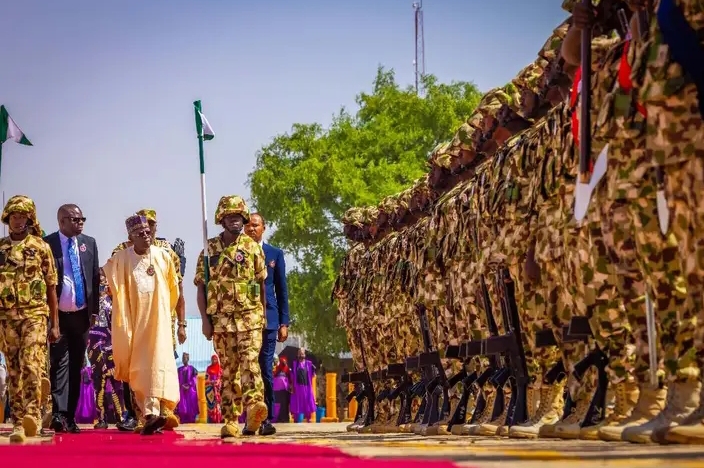
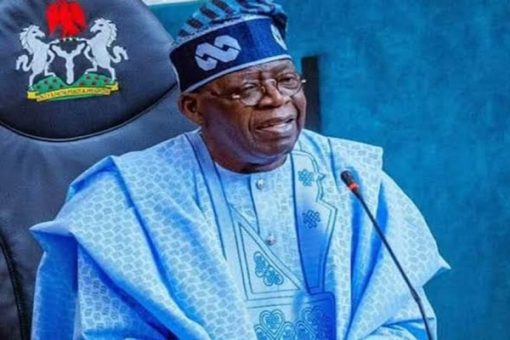
President Bola Tinubu says he will continue to work assiduously and provide the military with the necessary support to keep the troublers of the nation at bay.
Speaking at the Chief of Army Staff Annual Conference 2023 in Maiduguri, Borno State, on Monday, the President said he has no intention of relenting or resting on his laurels in securing Nigeria, declaring that he will win the battle to keep Nigeria safe.
President Tinubu, who acknowledged the Nigerian Army’s commitment to national security, asked the army to remain non-partisan but vigilant in upholding democratic principles, emphasizing their role as a guardian of constitutional order during elections.
“The professional conduct of the Armed Forces during the elections in Bayelsa, Imo and Kogi States underscores your role as a guardian of our constitutional order and democracy precepts. In this regard, the Nigerian Army must remain completely non-partisan but vigilantly pro-democracy.
“We also note with great satisfaction the many civilian-military projects across the country, some of which will be commissioned during this Conference.
“These projects not only bring the military and civilian population into closer affinity and mutual understanding, they also serve the practical purpose of tangibly improving the living conditions of the people,” the President said.
Citing the recent procurement of new aircraft as a testament of his resolve to upgrade national defence capability, President Tinubu also affirmed his administration’s commitment to advancing the ongoing modernization process within the military, with a focus on improving mobility, communications, and offensive striking capabilities.
The President, while expressing the nation’s gratitude for the service and sacrifice of the armed forces, recalled his earlier approval of N18 billion in Group Life Assurance benefits for families of fallen heroes, even as he pledged continuous government support for the welfare of serving personnel and their families.
The Minister of Defence, Mohammed Badaru Abubakar said the President’s new approach to empowering the force and enhancing intra-military collaboration has led to a substantial increase in morale for the armed forces.
“Mr. President, you are a man of your word. Your Renewed Hope agenda assured Nigerians of progress in the fight against insecurity. The men of the armed forces are more committed than ever before. They see the progress they recording. They know the damage they are inflicting on our enemies. They have high morale. Our enemies do not because of your leadership. Thank you, Mr. President,” the Minister stated.
He pledged to sustain his support for the Nigerian military in the provision of infrastructure while acknowledging the unalloyed commitment of the Tinubu administration to substantial investments to enhance the operational capabilities of the military.
The Chief of Army Staff, Lieutenant General Taoreed Lagbaja, informed the President that ongoing military operations in different parts of the country have significantly weakened criminal elements, while checkmating farmer-herders crises in various parts of the country.
“Notwithstanding these achievements, we recognize the importance of continuous evaluation and this conference will be instrumental in formulating long-term strategies to bolster our ability to carry out our constitutional responsibility in the year 2024,” the Army Chief said.
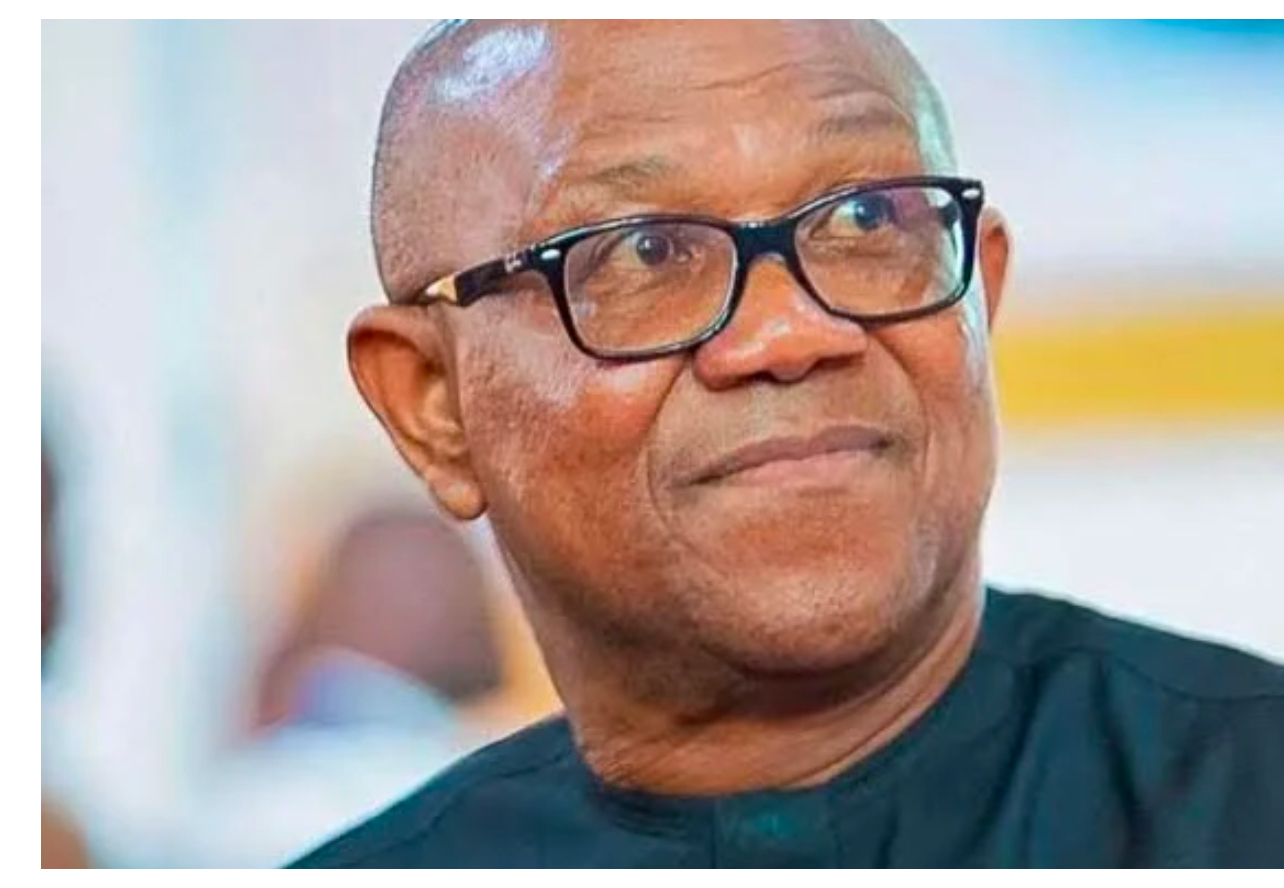
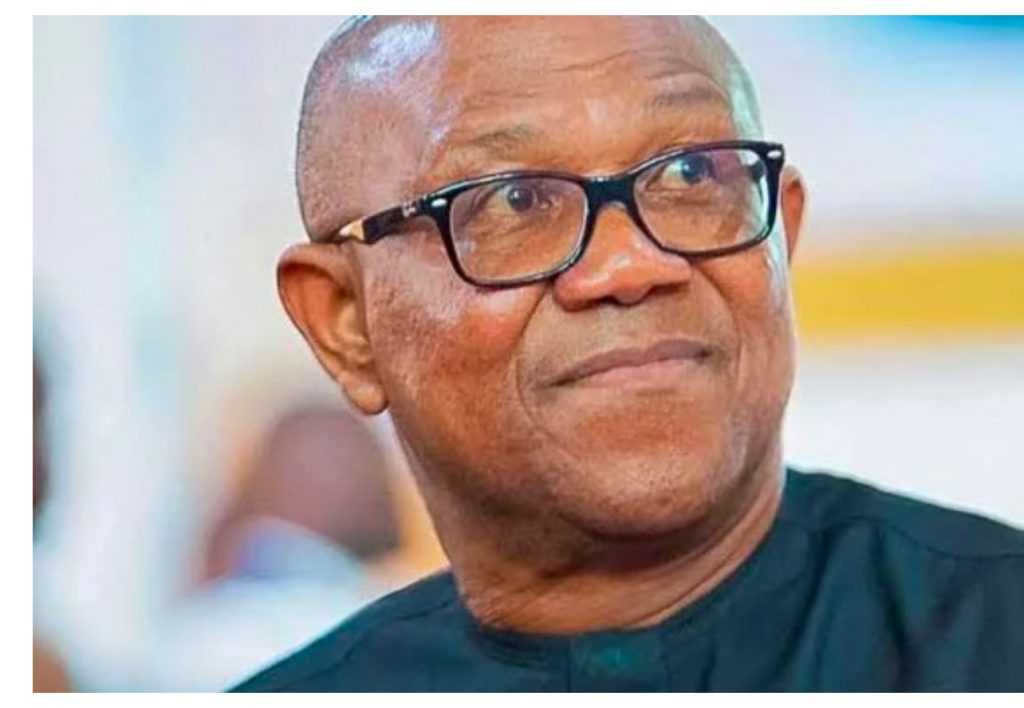
The presidential candidate of the Labour Party in the 2023 general election and a leading opposition figure ahead of the 2027 presidential election, Peter Obi.
The presidential candidate of the Nigeria Democratic Congress,
The Presidency has reacted to the ongoing dispute between former Anambra State Governor and presidential candidate of the Nigeria Democratic Congress, Peter Obi, and the state government over the state’s debts and financial liabilities.
Special Adviser to President Bola Tinubu on Information and Strategy, Bayo Onanuga, in a post on X on Wednesday, said Obi had claimed to have left Anambra without debt and challenged him to follow through on his pledge to quit the presidential race if his claim was disproved.
 Bayo Onanuga. US
File: Special Adviser to President Bola Tinubu on Information and Strategy, Bayo Onanuga.
Onanuga wrote, “Peter Obi claimed he left Anambra with a clean slate of debt and even threatened to quit the presidential race if his claims were proven otherwise.”
He added that the Anambra State Government had responded with claims concerning liabilities allegedly left by the former governor’s administration.
“Now, the Anambra government has confronted him with facts and figures showing he owed Water Corporation workers, teachers, and pension and gratuities, and had also borrowed for frivolous things,” Onanuga said.
“The ball is back in his court. Will he follow through on his threat by quitting the race?” he asked.
Anambra govt disputes Obi’s ₦2.13bn ecological fund claim
The reaction followed a fresh response by the Anambra State Government to Obi’s Tuesday denial of claims that his administration left behind inherited debts, including a ₦2bn ecological fund, contractor liabilities and unpaid salaries, gratuities and pensions.
Obi had said his administration cleared more than ₦35bn in historical gratuities and arrears and left office without outstanding salary, pension or gratuity obligations.
He also disputed the government’s claim concerning the ecological fund, saying more than ₦2.13bn was left untouched in a First Bank account for the Oko/Umuchiana erosion crisis.
Soludo
File: Governor Charles Soludo of Anambra State
However, in a statement on Wednesday, Anambra State Commissioner for Information and Value Reformation, Law Mefor, disputed Obi’s account, saying the account he identified was an Internally Generated Revenue Consolidated Revenue Account and not an ecological fund account.
Mefor said the government obtained a certified printout of the account and claimed that “from 2011 when the account was opened until date, there has never been any such amount—whether as inflow or balance—in the account.”
Obi had challenged anyone who could establish that his account of the state’s finances was incorrect, saying, “If anybody can establish anything to the contrary, I will stop campaigning.”
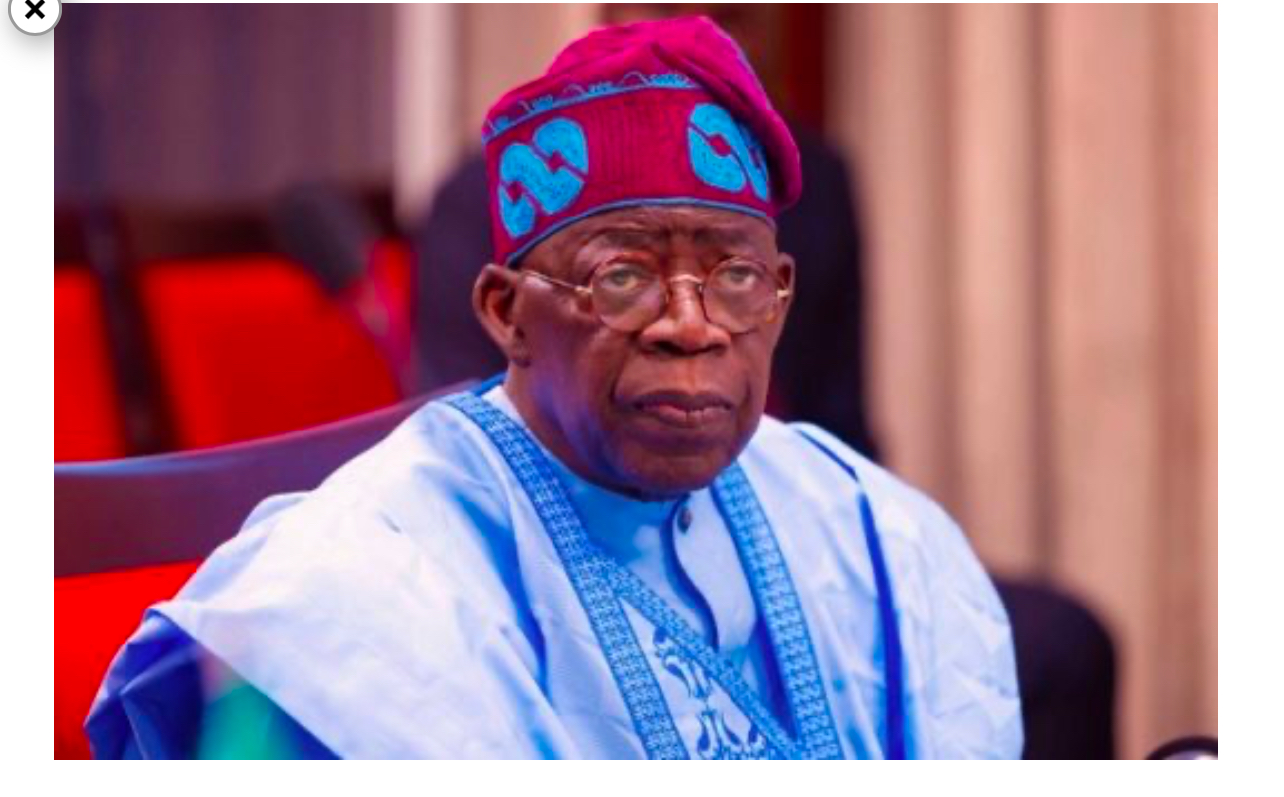
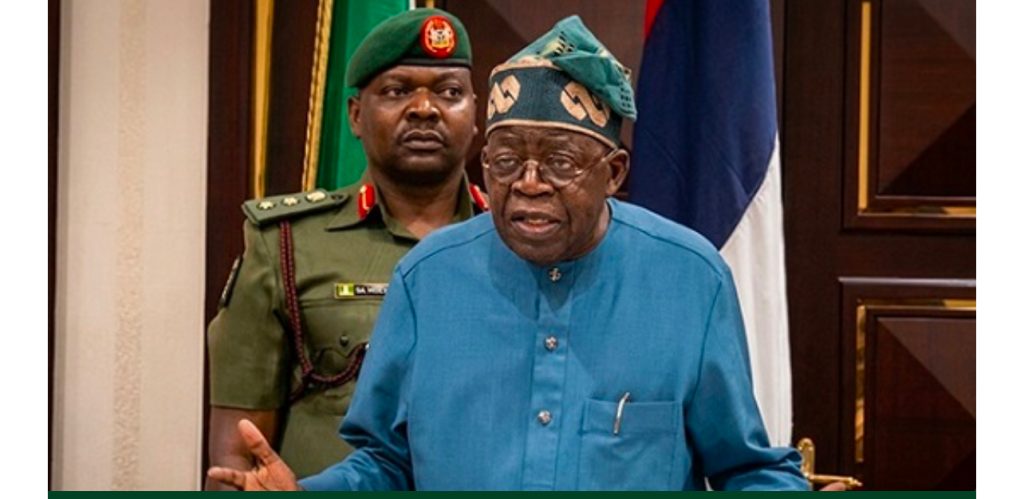
President Bola Tinubu has directed the Secretary to the Government of the Federation, George Akume, to ensure the release of all funds approved for the regional commissions.
Tinubu gave the directive on Monday at the North Central Development Commission Summit, themed “The Great Leap Forward: A 20-Year Economic Infrastructure and Social Development Plan for the North Central Region.”
Akume, who represented the President at the summit, said the creation of regional development commissions was part of the administration’s Renewed Hope Agenda to accelerate development across the country.
“Government will continue to give the NCDC and other Regional Development Commissions the political and financial backing to embark on key projects that will unlock the economic and industrial potentials of the nation.
“I therefore direct the Secretary to the Government of the Federation to ensure that all funds accruable to the Commissions are released as and when due,” he said.
The President, however, said the commissions should not rely solely on government funding, urging them to explore public-private partnerships, donor funding and development financing for transformative projects.
He said the commissions were expected to focus on major projects in rail, air transportation, industrialisation, security, investment, human capital development, education and health.
Tinubu also warned the boards and management of the commissions against corruption, marginalisation, politicisation and misuse of government resources.
“Such actions will not be tolerated, and government will not hesitate to sanction anyone found culpable,” he said.
The President said the regional commissions were not established to replace or duplicate the functions of state and local governments or existing federal institutions.
He said the North Central Development Commission should support efforts to address the security challenges in the region, stressing that development could only take place in a stable environment.
Meanwhile, the Nasarawa State Governor and Chairman of the North Central Governors’ Forum, Abdullahi Sule, said the region possessed the human and natural resources needed to drive economic development.
Sule said the region had demonstrated its capacity in agriculture, mining and industrial production, stressing the need to move from the extraction of raw materials to processing and value addition.
“When you are mining in North Central, you must also process in North Central,” the governor said.
He cited the establishment of a cement factory in Kogi State as an example of how local processing could transform Nigeria’s economy.
The governor said Nasarawa State, which had more than 400 steel licences when he assumed office in 2019, previously had no processing plant despite its mineral resources.
He said the state had since become home to the country’s largest and second-largest lithium processing plants.
“The North Central is the home of Benue cement. The North Central is the home of rice production. The North Central is the home of sesame production. So we have it all. Whatever it is that we are looking for, we have it,” Sule said.
He said what the region needed was leadership capable of developing and implementing long-term plans.
“What do we need more? We need thinkers. We need implementers. We need people who understand what it means to lead,” he said.
Sule also commended the Tinubu administration’s economic reforms, saying the policies had increased revenues available to the federal, state and local governments.
“Today, we are paying salaries without borrowing money from the bank. Even if you hate him, you cannot hate his policies. Even if you disagree with him, you cannot disagree with his policies. And that is the only way we can build,” he said.
Earlier, the Chief Executive Officer of the North Central Development Commission, Cyril Tsenyil said the commission’s role was to coordinate regional development and mobilise resources and partnerships rather than replace the six state governments and the Federal Capital Territory.
He said the commission’s 20-year plan would focus on developing regional economic corridors, processing agricultural and mineral resources, improving infrastructure and creating opportunities for young people.
He said the region should aspire to become one of Africa’s most competitive agricultural regions rather than merely being known as Nigeria’s agricultural hub.
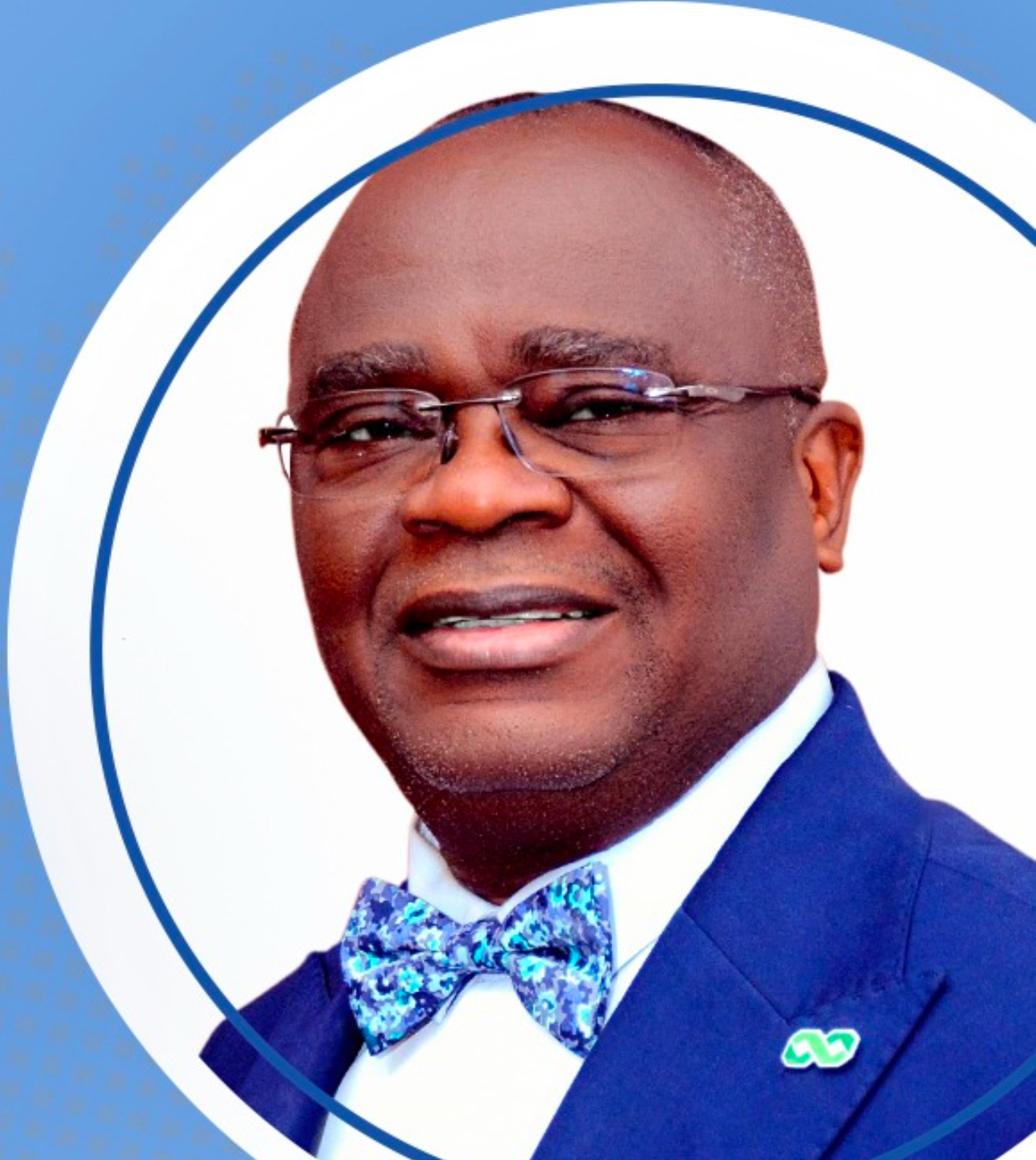
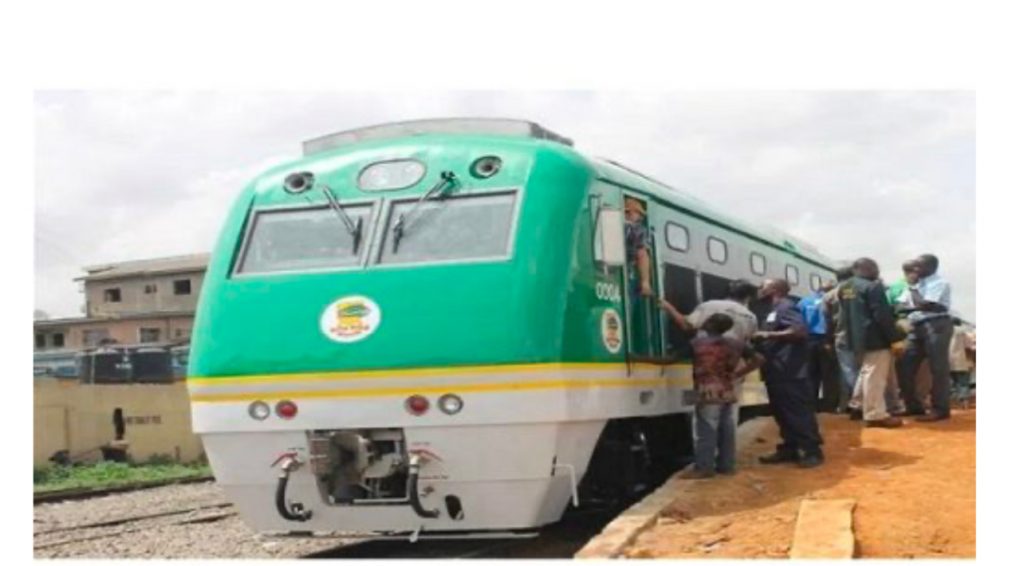 The Managing Director/Chief Executive Officer of the Nigerian Railway Corporation (NRC), Dr. Kayode Opeifa, has said an efficient railway system will boost Nigeria’s GDP, strengthen trade and food security, reduce transportation costs and improve the general standard of living.
Speaking on TVC’s This Morning Show, Opeifa said the Corporation is focused on optimising existing railway assets while encouraging greater participation by state governments, regional development commissions and the private sector.
“The NRC is not doing badly, but we could do better. We should have been better than where we are today if not for many years of inaction,” he said.
He explained that Nigeria inherited an extensive railway network linking major parts of the country, but decades of inadequate investment and the abandonment of the narrow-gauge system during the modernisation drive created major setbacks.
According to him, the present administration is correcting past mistakes by rehabilitating existing lines, expanding the standard-gauge network and strengthening partnerships with states.
Opeifa said moving railway matters from the Exclusive Legislative List to the Concurrent List has opened fresh opportunities for states and private investors.
He cited the Lagos Red Line as a successful example of what he described as “Railing with the States,” adding that similar initiatives are being pursued in Plateau and Zamfara states.
He also disclosed that regional development commissions and state governments across the South West, South East, North East and North Central are engaging the NRC on railway development.
“Every state and region is now showing interest, and the national government is ready,” he said.
On freight development, Opeifa said the Federal Government had completed the connection of the Lagos-Ibadan Standard Gauge Railway to the port, while goods are also being moved from Apapa towards Ilorin on the narrow gauge.
It
He added that arrangements had been concluded to move freight from Lagos to Kano, Kaduna and Minna, stressing that the Corporation is determined to keep existing railway corridors commercially active.
The NRC boss said the Port Harcourt-Aba section of the Eastern corridor had also been completed and was operational.
He identified poor road links to railway stations as a major challenge to intermodal transportation and urged state governments to provide efficient connections between railway stations, cities and public transport networks.
According to him, railway remains a major driver of industrial development, supporting factories, agriculture, mining, petroleum distribution and inland container movement.
He said completion of rehabilitation works on the Western Line would create opportunities for increased movement of petroleum products and other freight by rail, thereby reducing pressure on roads.
Opeifa also disclosed that the NRC is exploring opportunities in livestock and agricultural transportation, including the use of refrigerated wagons for perishable goods.
On regional connectivity, he said Nigeria’s railway links with neighbouring countries would strengthen trade and give landlocked countries access to Nigerian seaports.
He expressed optimism that the Kaduna-Kano railway project could be completed by December 2026, paving the way for rail movement from Abuja to Kano.
Speaking on the suspended Warri-Itakpe Train Service, Opeifa apologised to passengers and said safety remained the Corporation’s priority.
He explained that although track rehabilitation and a test run had been completed, passenger operations would not resume until safety audits of the track, equipment and personnel were concluded.
Opeifa also said the NRC had completed a proof of concept for the use of Liquefied Natural Gas in railway operations and remained committed to tackling ticket racketeering.
“If we get the railway system right, our GDP will increase, farmers and small businesses will benefit, inflation will continue its downward movement and the general standard of living will improve,” he said.
He urged state and local governments, regional development bodies and private investors to take advantage of opportunities in the railway sector.


-
 news6 years ago
UPDATE: #ENDSARS: CCTV footage of Lekki shootings intact – Says Sanwo – Olu
-
 lifestyle6 years ago
Former Miss World: Mixed reactions trail Agbani Darego’s looks
-
 health6 years ago
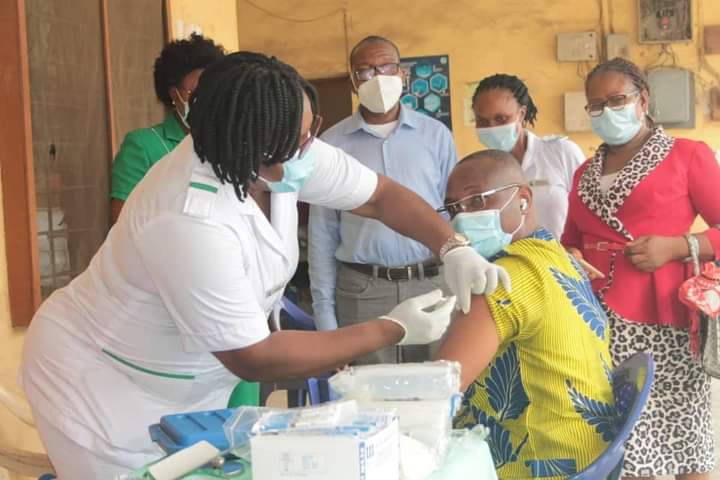
Chairman Agege LG, Ganiyu Egunjobi Receives Covid-19 Vaccines
-
 lifestyle5 years ago
Obateru: Celebrating a Quintessential PR Man at 60
-
 news1 year ago
BREAKING: Tinubu swears in new NNPCL Board
-
 health6 years ago
UPDATE : Nigeria Records 790 new cases of COVID-19
-
 entertainment2 years ago
Ashny Set for Valentine Special and new Album ‘ Femme Fatale’
-
 health6 years ago
BREAKING: Nigeria confirms 663 new cases of COVID-19