
news
National Policing Bill Set for Seven-Week Implementation Plan, Says Gbajabiamila

•Working group opens portal for public input • ‘It is Tinubu’s most consequential reforms’
The process leading to the creation of state police has been fast-tracked.
A seven-week roadmap for the National Policing Bill commenced on July 27 and is expected to be completed on September 14.
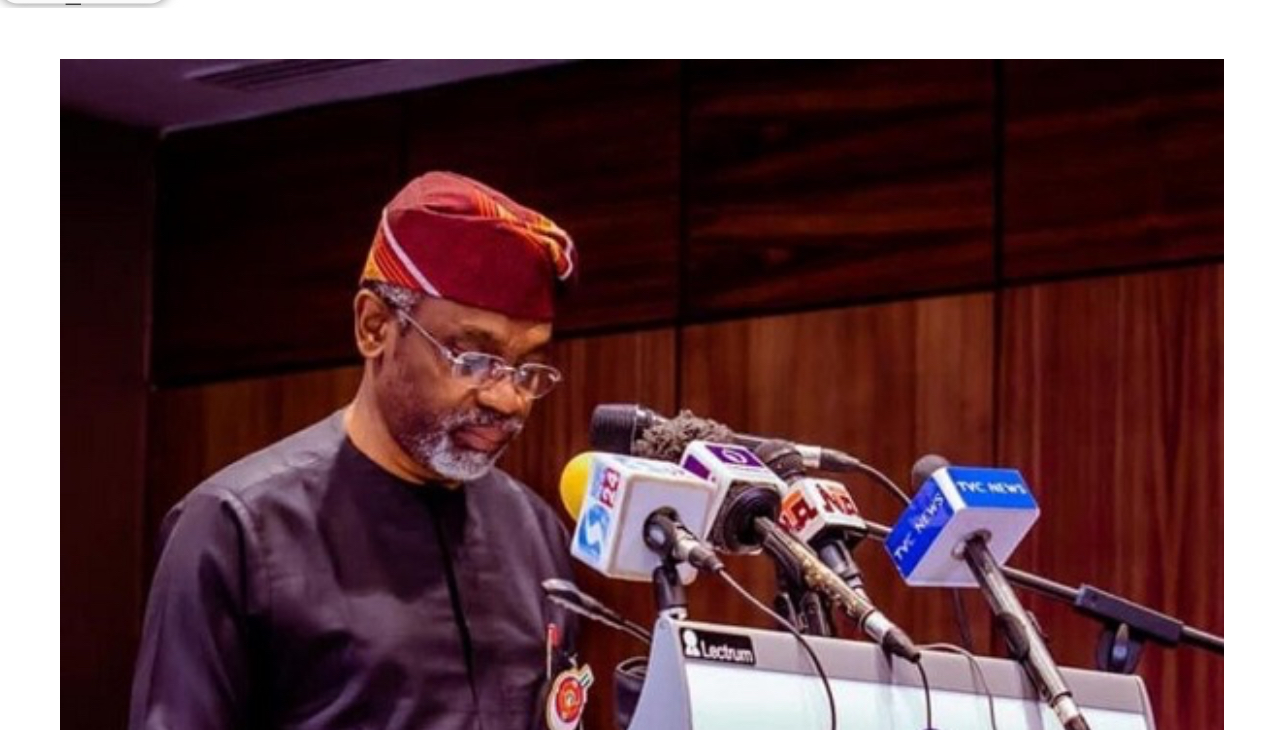
Chairman of the Presidential Working Group on the National Policing Bill, Mr Femi Gbajabiamila, unveiled the action plan yesterday after the group’s meeting.
He said the seven-week work programme would proceed through simultaneous legal drafting, policy research, data analysis and implementation modelling.
Gbajabiamila added that the final submission would include schedules, an explanatory memorandum, a legal audit, a consequential amendments matrix, clause-by-clause analysis, a state readiness framework, fiscal and implementation notes, a validation report, a risk register and a digital archive.
The Chief of Staff reiterated the Federal Government’s commitment to decentralised policing that would not undermine national unity or the rule of law.
He said: “State police cannot mean 36 state militias,” adding that while states must have a legitimate role in public safety, “no political office holder should be able to direct the arrest of an opponent, the suppression of lawful political activity, or the selective enforcement of the law.”
Gbajabiamila explained that federal intervention would remain “exceptional, evidence-based, proportionate, time-limited and reviewable”, while officers would remain accountable to the Constitution rather than political interests.
He said no state would be permitted to commence policing operations until it demonstrated readiness in recruitment, training, equipment, pensions, complaints handling, financial sustainability, firearms control and independent oversight.
Gbajabiamila added: “Operational commencement must be based on readiness, not announcement. Although states could exceed national benchmarks, no Nigerian should receive a lower standard of protection because of where they reside.”
To encourage public participation, the Chief of Staff called for memoranda and position papers from Nigerians, civil society organisations, professional bodies, security institutions and other stakeholders.
He said a dedicated portal, nationalpolicingbill.com, had gone live to receive submissions, with plans to migrate it to a government domain.
On the financial implications of the reform, Gbajabiamila said it was premature to estimate the cost, noting that expenditure would be determined through empirical research conducted on a state-by-state basis.
He dismissed fears that some states might lack the capacity to establish police services.
However, Gbajabiamila explained that where a state is genuinely unable to meet the prescribed standards, the Nigeria Police Force would continue to provide policing services until the state becomes operational.
Gbajabiamila said the committee is expected to submit an Executive Bill to President Bola Ahmed Tinubu on September 3.
He said the package would go beyond draft legislation, adding that it would also provide the implementation blueprint required to operationalise a dual federal-state policing architecture once the constitutional amendment creating state police comes into force.
Hailing the initiative, Ogun State Governor Dapo Abiodun described the National Policing Bill as one of President Tinubu’s most consequential reforms.
Also assuring Nigerians of the prospects of the initiative, the Attorney-General of the Federation and Minister of Justice, Prince Lateef Fagbemi (SAN), said the enforcement of national standards would prevent abuse of state police and protect citizens.
Explaining further, Gbajabiamila said that following the completion of the draft, nationwide consultations would be held before the President grants final approval, after which the executive bill would be transmitted to the National Assembly.
He said: “The resulting draft executive bill package is scheduled for presentation to the President on the 3rd of September.
“We have tweaked the process so that the national consultation will come before the President’s final approval, after which the text and supporting materials will be revised and prepared for formal transmission to the National Assembly.”
He stressed that despite the progress made by the National Assembly, no state police service currently exists in Nigeria because the constitutional amendment has not yet secured the approval of the required number of state Houses of Assembly.
He said that while the constitutional amendment would create the legal authority for state policing, it would not by itself resolve critical operational issues such as recruitment, training, funding, command structures, jurisdiction, pensions, firearms regulation, data management, complaints mechanisms and inter-agency cooperation.
Gbajabiamila explained that those issues would be addressed in the National Policing Bill and other consequential legislation being prepared by the working group.
Gbajabiamila said the assignment also includes a review of the Police Act 2020, the Police Service Commission framework, police regulations and other laws affected by the reform, alongside provisions for minimum national policing standards, state certification, interstate cooperation, independent complaints institutions, human rights safeguards, forensic systems, funding arrangements and transition plans.
He said President Tinubu had approved a multidisciplinary Policy Advisory Committee, chaired by Justice Mohammed Abdullahi Liman, to provide technical oversight and validate the bill, fiscal framework and implementation materials before executive consideration.
He said the committee would draw its membership from the judiciary, academia, security agencies, the National Assembly, the Office of the National Security Adviser, the Nigeria Police Force, the Nigerian Bar Association, the Nigeria Governors’ Forum and state Attorneys-General representing the six geopolitical zones. NigerianBusiness Coverage
Abiodun described the National Policing Bill as one of the most consequential reforms of the Tinubu administration, saying the legislation would provide the legal and operational framework needed to translate the constitutional amendment into a workable policing system.
Abiodun, who represents the Nigeria Governors’ Forum (NGF) on the Presidential Working Group on the National Policing Bill, told reporters that the bill would address critical issues, including the jurisdiction of federal and state police, funding arrangements, recruitment, start-up grants for states and amendments to existing laws affected by the reform.
He noted that many Nigerians had assumed that states would immediately establish police services once the National Assembly approved the constitutional amendment, explaining that the current assignment of the working group is to produce the detailed implementation framework that would make the reform operational. NigerianBusiness Coverage
Nigerian Entrepreneur Support
Abiodun said: “What we’ve seen and witnessed is the amendment of the Constitution, and we’ve seen a groundswell of support by the entirety of Nigerians with a very high level of expectation that once the amendment was completed by the National Assembly, the next thing is for states to begin to implement their various state policing systems.
“The truth is that what this working group is working on is what would allow for the details of that implementation, which will be reflected in the bill.”
Abiodun dismissed insinuations that the Federal Government was attempting to retain control over state policing through the proposed legislation, insisting that the bill was intended only to translate the constitutional amendment into an effective and workable legal framework.
He said: “Someone has to be responsible for ensuring that the amendment now reflects in a bill that can be operated, and that’s what we’re working on.”
The governor explained that the legislation would also make consequential amendments to other existing laws, including the Firearms Act, while clearly defining the responsibilities of both federal and state police services.
He urged Nigerians to actively participate in shaping the proposed legislation through the newly launched public engagement portal, nationalpolicingbill.com, describing it as an interactive platform designed to give citizens a sense of ownership of the reform. NigerianBusiness Coverage
Fagbemi said the primary objective of the proposed legislation was to strengthen the protection of lives and property while ensuring that state police never become instruments of political persecution.
He explained that where any state is not yet prepared to establish its own police service, the Nigeria Police Force would continue to provide policing until such capacity is developed.
Nigerian Business Coverage
Fagbemi said: “Law abhors a vacuum, so the federal presence will continue to dominate in that area.”
The minister defended the proposed minimum national policing standards, saying they were essential to guarantee equal protection for Nigerians irrespective of where they reside. NigerianBusiness Coverage
He said: “The main thrust of this bill is to ensure security of lives and property, and it is also important that we do not make state policing a weapon of political persecution or oppression.
“There must be standards. There must be the minimum threshold to guarantee the continued existence and operation of society.”
The minister said the standards would be aligned with globally recognised policing practices, assuring that officers moving between the federal and state police services would not lose their benefits.
Other members of the Presidential Working Group at the briefing included the Inspector-General of Police, Tunji Disu; NBA President Afam Osigwe (SAN); Chairman of the Policy Advisory Committee, Justice Abdullahi Liman; and Senior Special Assistant to the President on Planning and Research, Nnadubem Moghalu.
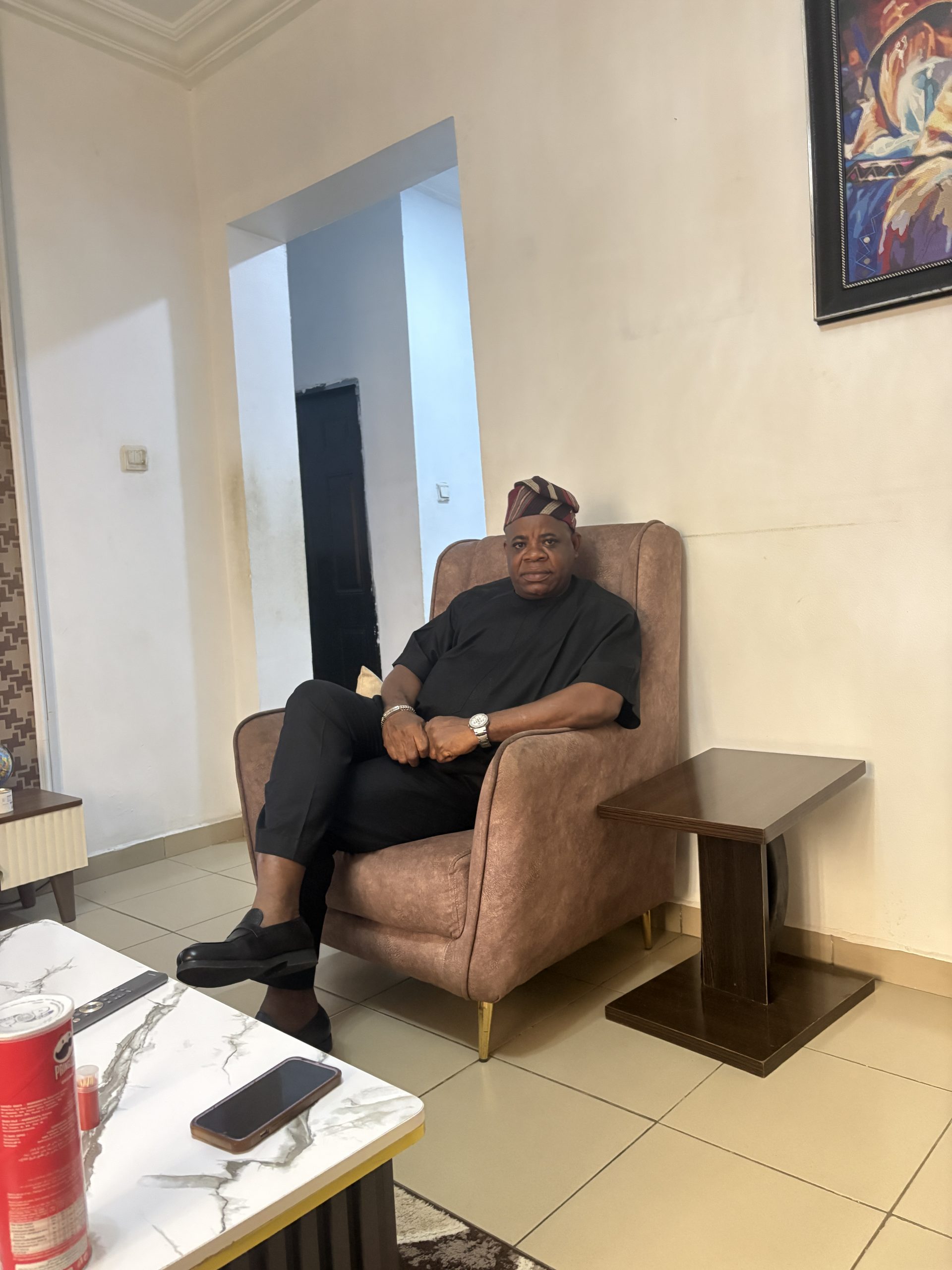
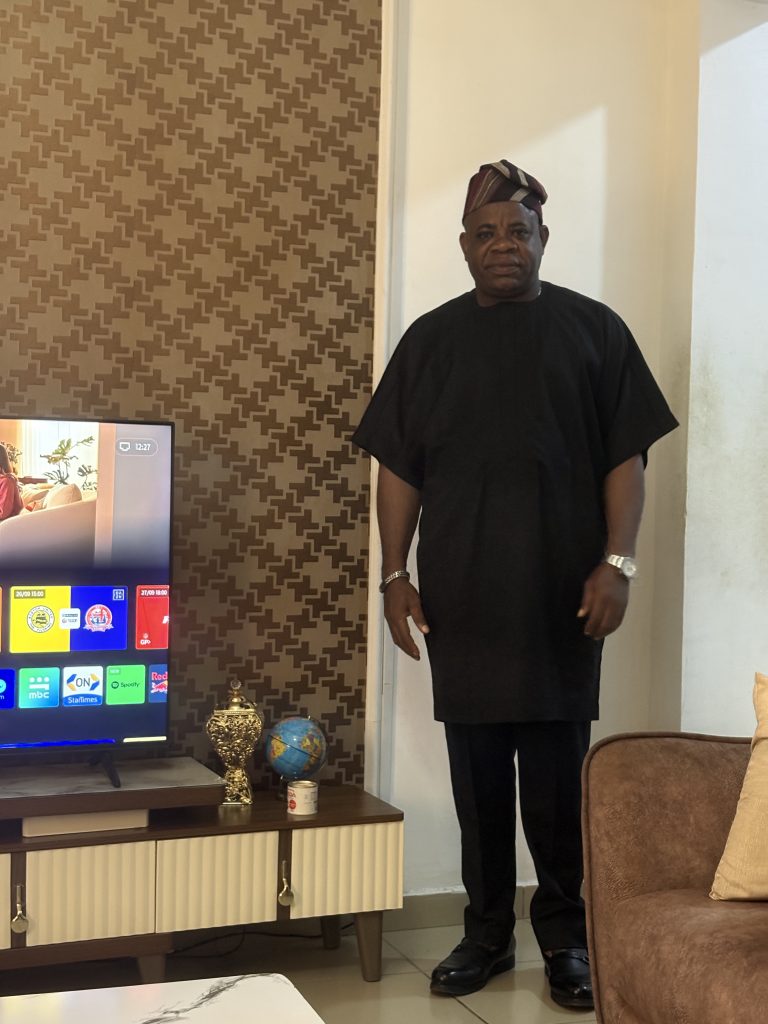 Today, I celebrate myself and give all glory and thanks to Almighty God for the gift of life and for bringing me this far. I am grateful for the opportunity to be alive, healthy, peaceful, happy, and prosperous.
As I celebrate another year today, I pray for greater blessings, wisdom, good health, peace, success, and abundant prosperity in the years ahead.
May this new chapter of my life be filled with joy, favour, wonderful opportunities, and fulfilment of my heart’s desires.
Happy Birthday to me! 🥳🎉
Congratulations to me on this special day. 🙏❤️🎂
I wish myself many more happy and prosperous returns. Cheers to a beautiful new year of my life! 🥂🎉
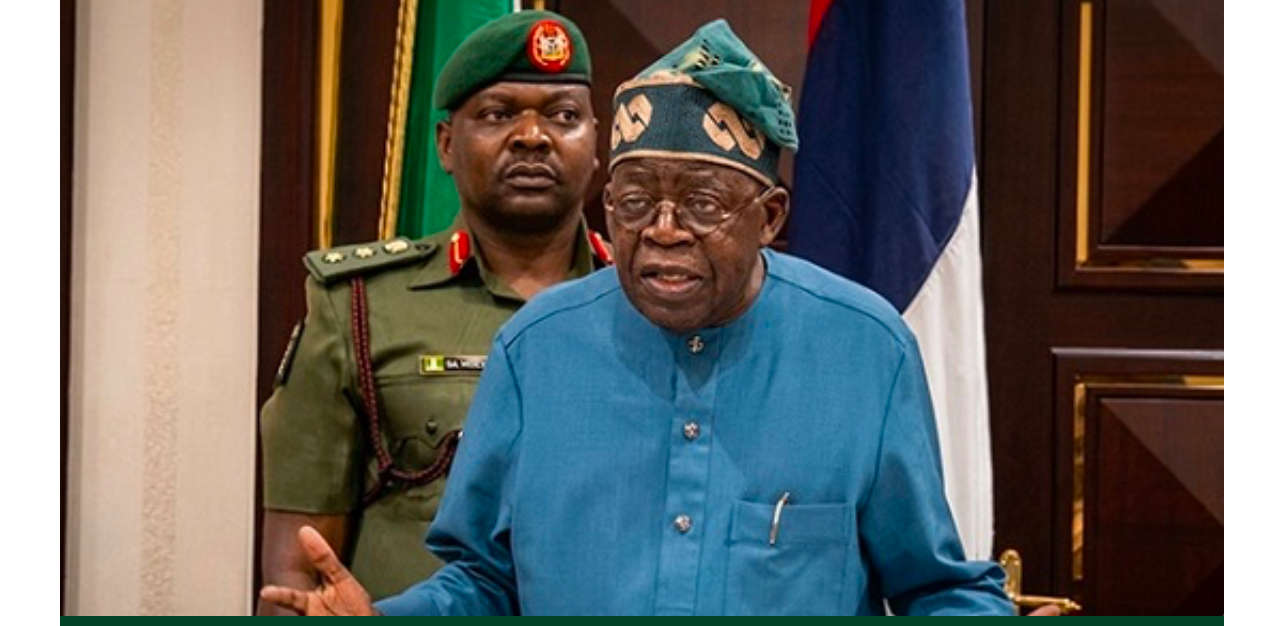
The International Chamber of Commerce tribunal in Paris has ruled in favour of Nigeria in the arbitration brought by Sunrise Power and Transmission Company Limited over the Mambilla Hydroelectric Power Project in Taraba State.
President Bola Tinubu, in a statement issued on Thursday by his Special Adviser on Information and Strategy, Bayo Onanuga, said the tribunal rejected the claims by Sunrise.
The company had sought $680m from Nigeria as a settlement sum and interest in relation to a separate arbitration in which it is claiming more than $2.7bn in compensation and interest over disputes surrounding the development of the 3,960-megawatt Mambilla project.
However, the tribunal, as reported by The Cable, also dismissed Sunrise’s claim for $400m arising from the 2020 settlement agreement, according to the details of the award reported on Thursday.
It further ordered Sunrise and its promoter, Leno Adesanya, to reimburse Nigeria 75 per cent of its legal fees and expenses, amounting to $11.82m.
The tribunal also reportedly declared that Adesanya was bound by the arbitration agreement with Nigeria under the settlement agreement and its addendum and that it had jurisdiction over Nigeria’s counterclaim against him and his firm.
In the statement, Tinubu said the ruling demonstrated the government’s determination to defend the country’s interests.
“This latest decision affirms the Nigerian State’s determination not to succumb to predatory and exploitative claims by corrupt local and international entities and their enablers and funders,” he said.
The President commended the Attorney-General of the Federation and Minister of Justice, Lateef Fagbemi, and officials of the Federal Ministry of Justice for their role in the case.
He also commended former President Olusegun Obasanjo and the late former President Muhammadu Buhari, who testified in the arbitration.
“I also commend the FRN defence team, led by Ms Elizabeth Oger-Gross and Mr Tolu Obamuroh, both of Paul Hastings LLP, for their professional and excellent defence of the country.
“I commend the patriotism and support of former President Olusegun Obasanjo, GCFR, and late President Muhammadu Buhari, GCFR, who testified in the case, which dated back to an illegal 2003 contract to build a 3,050-megawatt hydroelectric plant in Taraba State under a build-operate-transfer model.
“The Federal Executive Council never authorised the contract. I thank the other witnesses in this case, including former Ministers Babatunde Raji Fashola, SAN, and Suleiman Adamu, and the experts, for their active participation in defending Nigeria’s interest in the arbitration,” the statement read.
“I want to assure you that while our country remains committed to partnering with genuine investors and honouring its legal obligations, it will continue to defend all opportunistic claims instituted against our commonwealth strongly.
“Today’s ICC ruling clears the single biggest legal hurdle that has paralysed the Mambilla hydro power project for years,” Tinubu said.
The dispute dates back to an agreement under which Sunrise claimed it had been awarded the contract to construct the Mambilla project.
The company commenced arbitration against Nigeria at the ICC International Court of Arbitration in October 2017, seeking about $2.354bn over an alleged breach of contract.
The parties later entered into a settlement agreement in 2020, under which Nigeria was to pay Sunrise $200m.
A subsequent dispute arose after the government did not make the payment, leading to another arbitration in which Sunrise sought $400m, comprising the $200m settlement sum and a $200m default payment.
In Thursday’s award reported by The Cable, the tribunal rejected Sunrise’s claim that Nigeria had breached its obligations under the settlement agreement and its addendum.
It also rejected the company’s demand for the $400m settlement and default sums.
The Cable reported that the tribunal fixed the arbitration costs at $1.6565m, with Sunrise and Adesanya responsible for 75 per cent and Nigeria for 25 per cent. Of the $11.82m in legal fees and expenses awarded to Nigeria, $2.5m is to be recovered from funds held in escrow by the ICC, while the remaining $9.32m is payable by Sunrise and Adesanya, with interest at 10 per cent annually, compounded annually, from notification of the final award until payment.
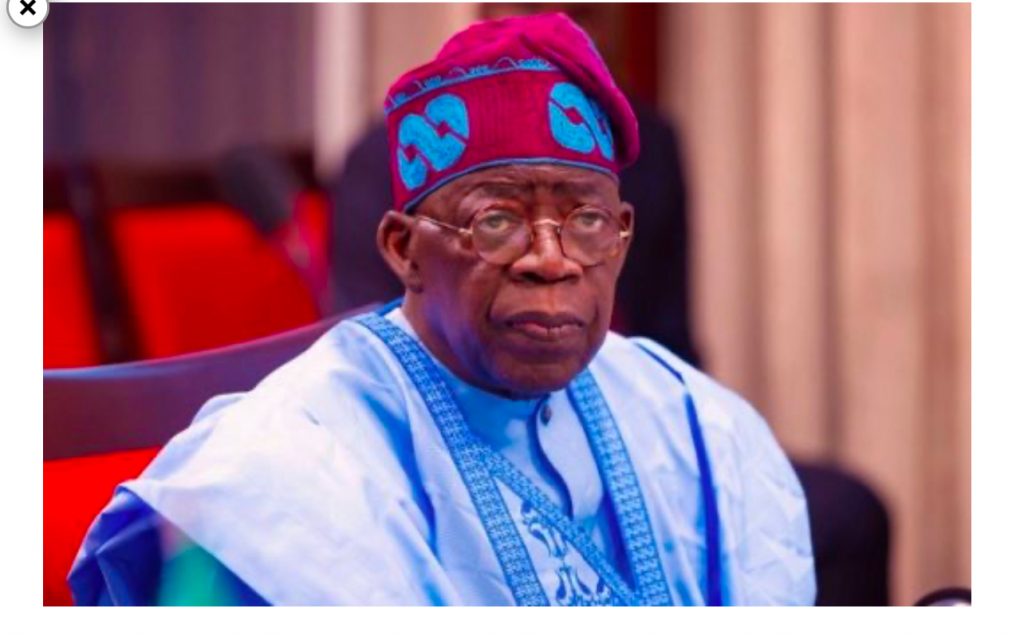 President Bola Tinubu has urged the National Identity Management Commission (NIMC) to work towards achieving 95 per cent National Identity Number (NIN) coverage by December 2026.
The President gave the directive at the State House, Abuja, while delivering the keynote address at the 2026 National Identity Day celebration organised by NIMC.
He acknowledged NIMC’s excellent work so far, noting that National Identity Number (NIN) enrolment peaked at about 142 million, up from over 80 million Nigerians captured in the National Identity Database when he assumed office more than three years ago.
President Tinubu was represented at the event by his Chief of Staff, Hon. Femi Gbajabiamila. The event had the theme: “Nigeria’s digital public ecosystem: powering Africa’s digital economy.”
It was attended by the representative of Vice President Kashim Shettima, Senator Ibrahim Hadejia; the Secretary to the Government of the Federation (SGF), Senator George Akume; the Minister of Interior, Dr Olubunmi Tunji-Ojo; and the Minister of Education, Dr Tunji Alausa, amongst others.
President Tinubu said the target should be pursued through expanded ward-level enrolment, mobile registration initiatives and continued deployment of licensed enrolment networks. Government
The President noted that his administration’s vision goes beyond NIN coverage, stating that Nigeria “must build an identity system that is continuously useful, secure and responsive to the needs of Nigerians.”
“We are laying the foundations for a future of integrated digital services, including e-health records, e-transport systems and a more harmonised national data architecture.
“We must do this while protecting the rights, privacy and dignity of our citizens. The digital state must never become a state without accountability.
“Our commitment must therefore remain clear: innovation must be matched by responsibility. Efficiency must be matched by inclusion, security must be matched by trust. And digital transformation must ultimately improve the lives of ordinary Nigerians,” President Tinubu said.
The President, who commended the Director General of NIMC, Engr Abisoye Coker-Odusote, for a job well done over the past three years, called on Nigerians who have not obtained their NIN to do so, saying their NIN represents their connection to a modern Nigerian state.
Tinubu also applauded this year’s National Identity Day theme as very important, saying “Nigeria’s digital ecosystem must power Nigeria’s digital economy–and Nigeria’s digital economy must help power Africa’s.”
The President further said National Identity remains the engine room for the government’s Renewed Hope Agenda, noting that identity transformation is contributing directly to the government’s priorities.
“The NIMC ecosystem has created opportunities for thousands of Nigerians across the country. With more than 173 private companies, 30 state governments and 14 public sector institutions approved as licensed enrolment agents, the identity ecosystem is generating employment for enrolment officers, data professionals, supervisors, technology specialists and other support personnel. This is a digital infrastructure creating real economic opportunity,” he said. NigeriaNews Subscription
Speaking on the significance of national identity to Nigeria’s national security, President Tinubu said the two are linked, describing the connection as indispensable.
“A secure identity system is indispensable to a secure nation. By strengthening identity verification and enabling responsible information sharing across relevant government institutions, we are improving our capacity to combat identity fraud, financial crimes and other threats to national security.
“The ongoing collaboration among institutions, including the Nigeria Police Force, Nigeria Immigration Service, and the Economic and Financial Crimes Commission, demonstrates what is possible when government systems work together,” President Tinubu said. GeographicReference
The Minister of Interior, Dr Olubunmi Tunji- Ojo, also praised the Director General of NIMC for delivering excellent work with little supervision, saying she has shown appreciable leadership.
He said the President expected more from her and her team, adding that Nigerians need wider, easier, and more convenient access to identity services, including for Nigerians in the diaspora.
“We need more in providing a trusted national public key infrastructure and digital public infrastructure that support secure digital identity, authentication and electronic trust services, more in including a stronger foundation for Nigeria’s digital economy, digital governance and long-term national development,” Tunji-Ojo said. GeographicReference
The Director General of NIMC, Abisoye Coker-Odusote, in her remarks, commended President Tinubu and the Minister of Interior for their support, saying it has brought about a total transformation of Nigeria’s identity and existence.
She said, “Our reach tells its own story. Enrolments have grown from less than 100 million to over 142 million Nigerians and legal residents. The engine behind that growth is the ward-to-ward Enrolment Project, undertaken directly under Mr President’s initiative. NigeriaNews Subscription
“This project carried our officers into all 8, 8,809 boards of this Federation and mobilised the National Youth Service Corps members as adult enrolment officers in connection with front-end partners in communities that had never before hosted an enrolment desk.
“Alongside it, we launched the Self- Service Notification Platform, which has already processed close to two million record updates, turning a process that once took weeks in two communities into one that takes 24 to 48 hours directly from a citizen’s phone.”


-
 news6 years ago
UPDATE: #ENDSARS: CCTV footage of Lekki shootings intact – Says Sanwo – Olu
-
 lifestyle6 years ago
Former Miss World: Mixed reactions trail Agbani Darego’s looks
-
 health6 years ago
Chairman Agege LG, Ganiyu Egunjobi Receives Covid-19 Vaccines
-
 lifestyle5 years ago
Obateru: Celebrating a Quintessential PR Man at 60
-
 news1 year ago
BREAKING: Tinubu swears in new NNPCL Board
-
 health6 years ago
UPDATE : Nigeria Records 790 new cases of COVID-19
-
 entertainment2 years ago
Ashny Set for Valentine Special and new Album ‘ Femme Fatale’
-
 health6 years ago
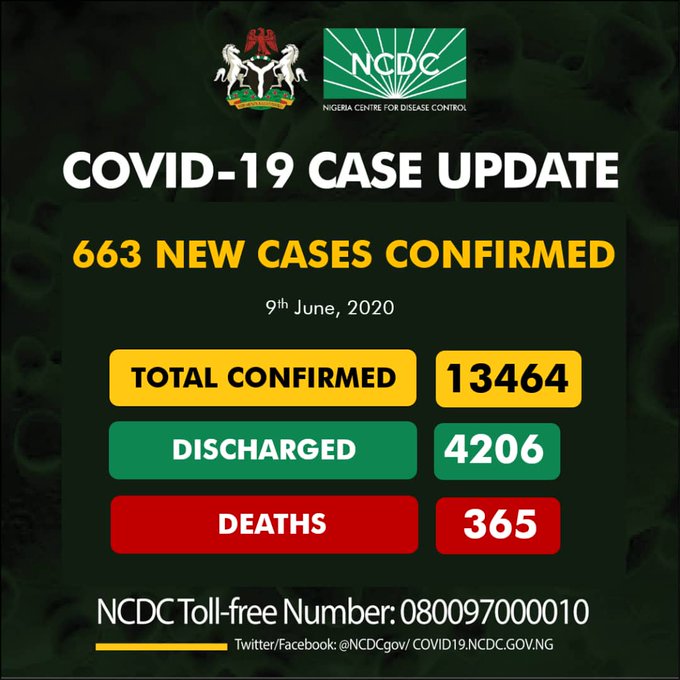
BREAKING: Nigeria confirms 663 new cases of COVID-19