
brand
NCOY: FirstBank is powering the Next Generation of Nigerian Innovators and Entrepreneurs

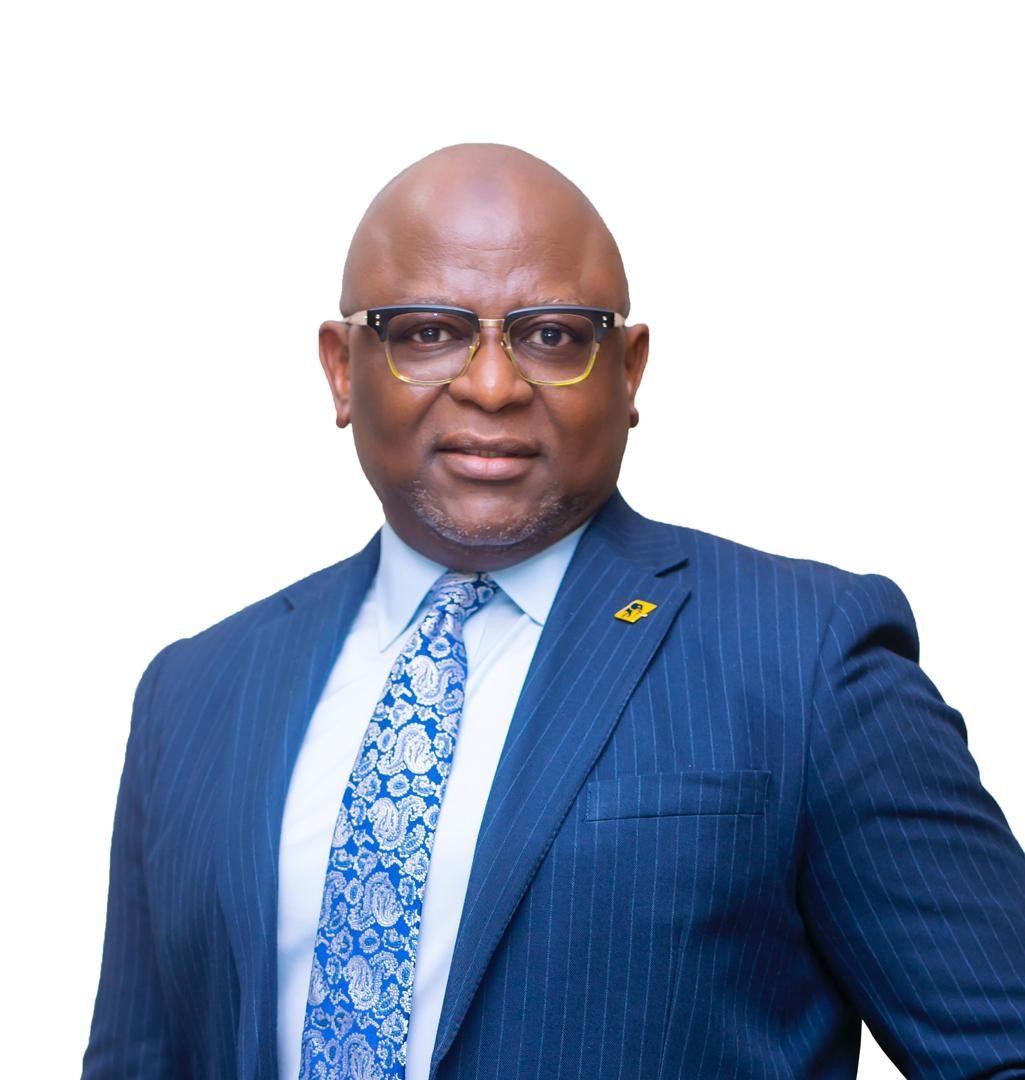
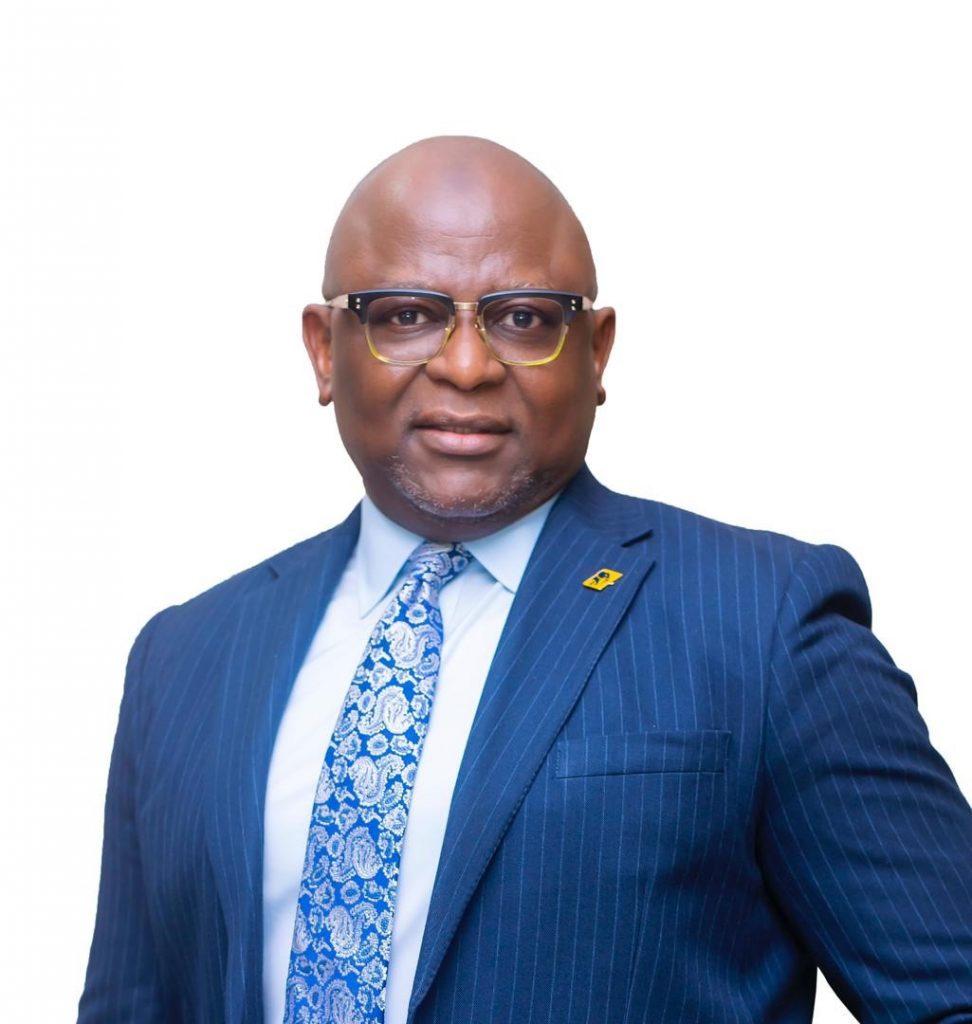 What did (the various territories that were later to be amalgamated into) Nigeria look like in 1894? How about a hundred years later in 1994? And what could Nigeria look like in the year 2094? History provides elaborate answers to the first two questions. Answers – accurate or near-accurate answers, that is – to the third, however, will rely entirely on the ability to predict/envision the future and work to invent and create the predicted future.
With a continuing shining legacy of nation building – supporting innovative financial, commercial and other developments in Nigeria and even Africa – one bank is already projecting beyond today to the year 2094 – exactly 200 years from its founding in 1894. The bank, First Bank of Nigeria Ltd, is not just predicting a bright, innovative future for Nigeria but is going all out to foster what is required to invent it. FirstBank is putting its money where its mouth is. The bank has been betting the farm on Nigeria’s young and emerging generation for decades.
Take the last two decades, for example. FirstBank has been involved with Junior Achievement Nigeria (JAN) for over twenty years as one of the many ‘fronts’ in the bank’s engagements with the next generation of Nigerians to collaboratively create the bright, innovative future that Nigerians dream of. For ten years now, FirstBank has been supporting the National Company of the Year (NCOY) competition, an extension of the JAN Company Programme, designed to help senior secondary school students better understand how businesses are organised and operated. The students will be required, during the course of the competition, to develop a business plan, establish production and sales of goods and services for their company, monitor progress toward goals at regular department and company meetings, maintain complete financial records, compile a report to stockholders, and liquidate the company at a given period with the support of a volunteer.
FirstBank’s partnership with JAN on the National Company of the Year competition has meant a decade of impact and innovation illustrated by the very nature of innovative products and services created by young minds to solve real problems facing society and the business systems they put in place in form of student companies to successfully produce and market the products and services sustainably and to impact their local communities. Consider the growing problem of fire accidents and deaths from gas explosions resulting from gas leakage in homes, offices and industries. The students from Taidob College, Abeokuta, through their student company, TC Achievers, created an innovative solution to address it.
TC Achievers produced a domestic and industrial gas leakage detector – a device which raises an alarm and sends SMS to the owner’s mobile phone once there is any gas leakage. Their innovative device fetched TC Achievers first position in the regional competition in Ogun State and at the national level in Lagos, earning them the right to represent Nigeria in Ghana at the 2019 African Company of the Year competition. Taidob College emerged from Ghana with four awards, the most by any of the participating Junior Achievement member countries, including Botswana, Eswatini (Swaziland), Gabon, Ghana, Kenya, Mauritius, South Africa, Uganda, Zambia and Zimbabwe. The Nigerian representatives won the following: Client Focus Award, Entrepreneurial Spirit Award, Facilitator of the Year Award and were second runners-up for Company of the Year Award.
The 2018 National Company of the Year competition winners who went on to emerge the grand winners at the Africa Company of the Year competition in Ghana same year, Inventive Explorers from Caro Favoured College, Ajegunle, Lagos were concerned about traffic accidents, especially in areas with school children crossing busy streets. Their innovative device, a rechargeable handheld LED traffic light, was designed to solve this real problem faced by various congested communities. Besides the grand prize at the Africa Company of the Year competition, they also brought back home the Access Award, given to the business that best exhibits the principles of global connectivity.
Guided by the same spirit of innovativeness and enterprise and a passionate desire to solve a real problem facing society that were at work when TC Achievers and Inventive Explorers devised their award-winning innovative solutions, the first runners-up in 2018, Brain Max, the student company formed by student representatives of Government Girls Secondary School, Abaji, Abuja designed a website and software application for connecting local produce farmers directly to their customers. Brain Box also won Best Corporate Social Responsibility Project Award on account of which they visited camps of Nigeria’s internally displaced persons (IDPs) to provide financial literacy and entrepreneurship education to occupants, including helping the IDPs to secure seed funding. It was the same inspiration for the second runners-up, Sharon Glory Ventures, the student company formed by students of Sharon Rose College, Saki, Oyo State who produced a water-level indicator to enable homeowners to determine the level of water in their tanks. Sharon Global Ventures also received the award for the Most Innovative Product.
In 2020, given the global COVID-19 pandemic, the FirstBank-sponsored National Company of the Year competition will be conducted virtually. The virtual format will, however, not take anything away from the allure and competitiveness that the competition has been noted for over the years. This year’s unique competition, holding on Saturday, 12 December 2020 at 3 p.m. (West/Central African time), will bring together six outstanding student companies across Nigeria to lock horns for a lifetime opportunity to carry Nigeria’s flag at the JA Africa Company of the Year competition later in the year, and possibly repeat the feat achieved by the 2018 Nigerian representatives.
The Virtual Company of the Year (VCOY) competition is the culminating point for the implementation of the Virtual Company Programme. The goal of the VCOY is to create a signature showcase for JAN and the students who benefited from the impact of the digital JA Company Programme. This pilot programme will be in two stages where the first stage will identify the top business ideas from each region and select the top five most viable business ideas and reward them with seed funding to fully develop their ideas into businesses. The second stage of this competition sees the introduction of top professionals across different sectors who would serve as the panel of judges to determine each student company’s performance against a set of established criteria. Judges look out for evidence of innovation and application of new ideas in all aspects of business and select the best team to represent Nigeria at the Africa Company of the Year competition.
Whichever student companies emerge as winners of the 2020 National Company of the Year competition, one thing is certain: All the participants, not just at the national level but also at the regional levels, will join the ever-growing and rapidly-expanding crop of young minds engaged, trained, prepped and reoriented in a FirstBank-sponsored empowerment programme to become innovative and entrepreneurial thinkers and problem solvers. The bank is supporting such programmes so the young participants will join it in the arduous task of nation building and inventing the desired future for Nigeria. FirstBank is confident that the young minds who come through the JAN Company of the Year competition will be Nigeria’s future Steve Jobs, Bill Gates, Warren Buffet, Jeff Bezos, Mark Zuckerberg, Richard Branson, Larry Page and Sergey Brin. In their time and in the envisioned future for Nigeria, the country will stand tall, unintimidated by her Western counterparts, having been catapulted to the status of a leading developed nation by the young and emerging generation FirstBank has been betting big on for years.
brand
GTCO Plc Releases 2026 Half Year Audited Results …….. Reports Profit Before Tax of ₦603.03billion,Pays Interim Dividend of ₦1
 Guaranty Trust Holding Company Plc (“GTCO” or the “Group”) has released its Audited Consolidated and Separate Financial Statements for the period ended June 30, 2026, to the Nigerian Exchange Group (NGX) and London Stock Exchange (LSE).
The Group posted a profit before tax of ₦603.03 billion, driven by strong performance recorded on the interest and trading income lines, which grew y-o-y by 7.5% and 24.7%, respectively. The strong earningsrecorded was moderated by a ₦46.2 billion fair value loss recognized in H1–2026, limiting y-o-y growth in PBT to 0.4%.
The Group grew across its asset lines, reinforcing a balance sheet that is well structured, liquid and diversified. This growth was recorded in each jurisdiction where we operate a banking franchise, and across our Payments, Pension and Funds Management businesses.”
Group’s Total assets and shareholders’ funds closed at ₦18.6trillion and ₦3.3trillion, respectively. Capital Adequacy Ratio (CAR) remained very strong, closing at 34.9% (Bank 29.2%), and asset quality improved as evidenced by IFRS 9 Stage 3 Loans which closed at 3.5% and 4.6% % at both Bank and Group Level in H1-2026 (Bank -3.4%, Group 5.0% in FY-2025). Cost of Risk (COR) improved to 0.6% from 2.2% during the same period.
The Group’s Loan book (net) grew marginally by 0.5% from ₦3.13trillion as of December 2025 to ₦3.15trillion in June 2026, converse for improved performance on Deposit liabilities which grew by 10.3% from ₦12.87trillion to ₦14.19trillion during the same period.
Commenting on the results, the Group Chief Executive Officer of Guaranty Trust Holding Company Plc (GTCO Plc), Mr. Segun Agbaje, said; “Our half year results speak to the strength of what we have built: a resilient franchise, a strong balance sheet and a business that no longer depends on banking alone. Fair value movements weighed on reported earnings, but the core business held firm. Interest and trading income grew, deposits strengthened, and asset quality improved at Group level. The priority now is to execute with discipline and grow responsibly. Digital is our lever for scaling across Banking, Payments, Pension and Funds Management, and for building a more diversified and resilient financial services group.”
Overall, the Group continues to post one of the best metrics in the Nigerian Financial Services Industry in terms of key financial ratios i.e., Pre-Tax Return on Equity (ROAE) of 35.9%, Pre-Tax Return on Assets (ROAA) of 6.6%, Capital Adequacy Ratio (CAR) of 34.9% (Bank: 29.2%) and Cost to Income ratio of 31.5%.
GTCO Plc is a leading financial services group with operations across Africa and the United Kingdom. Renowned for its strong corporate governance, innovative financial solutions, and customer-centric approach, the Group provides a wide range of banking and non-banking services including payments, funds management, and pension fund administration. The Group is committed to delivering long-term value to stakeholders while driving growth and development across its markets
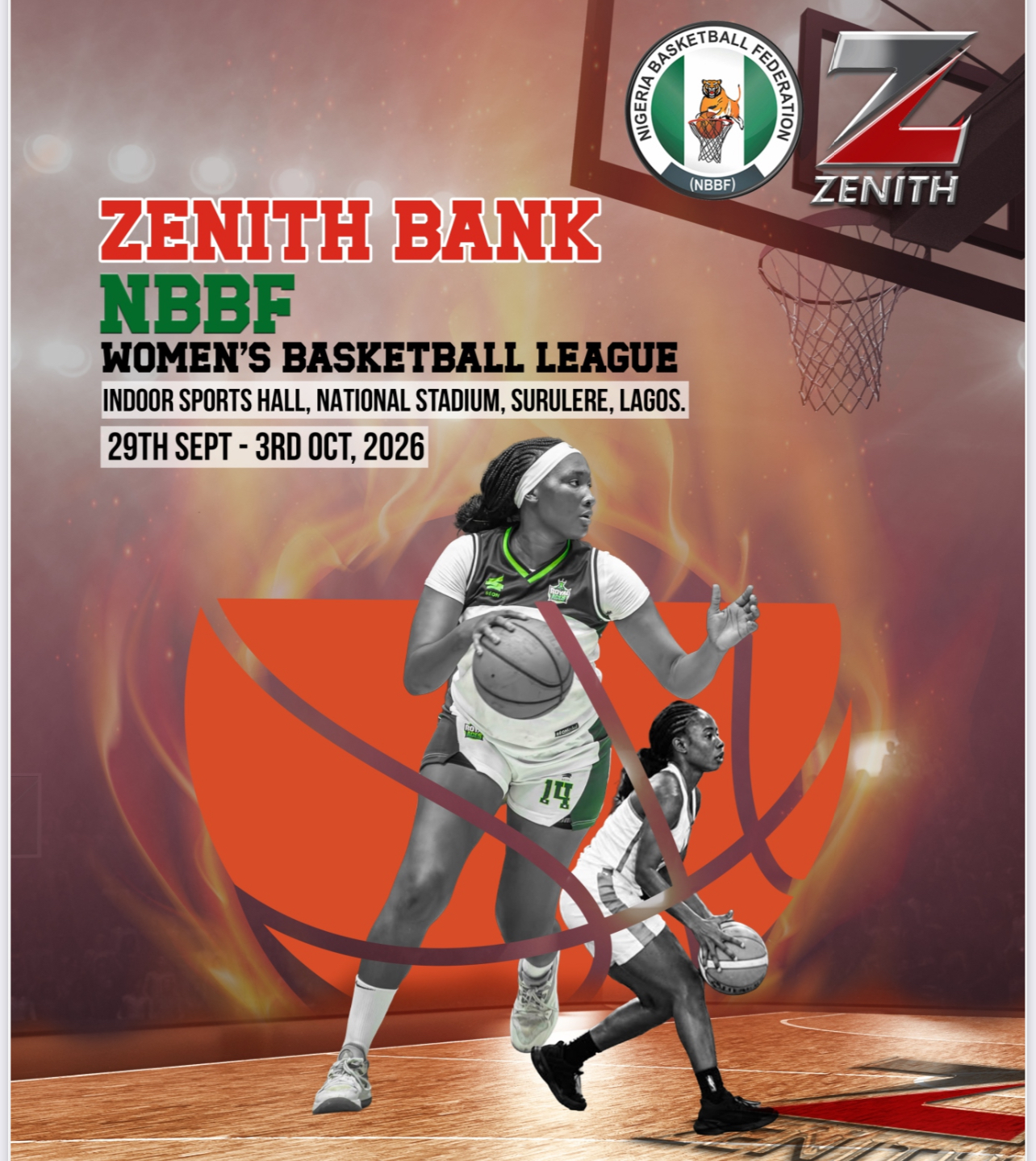
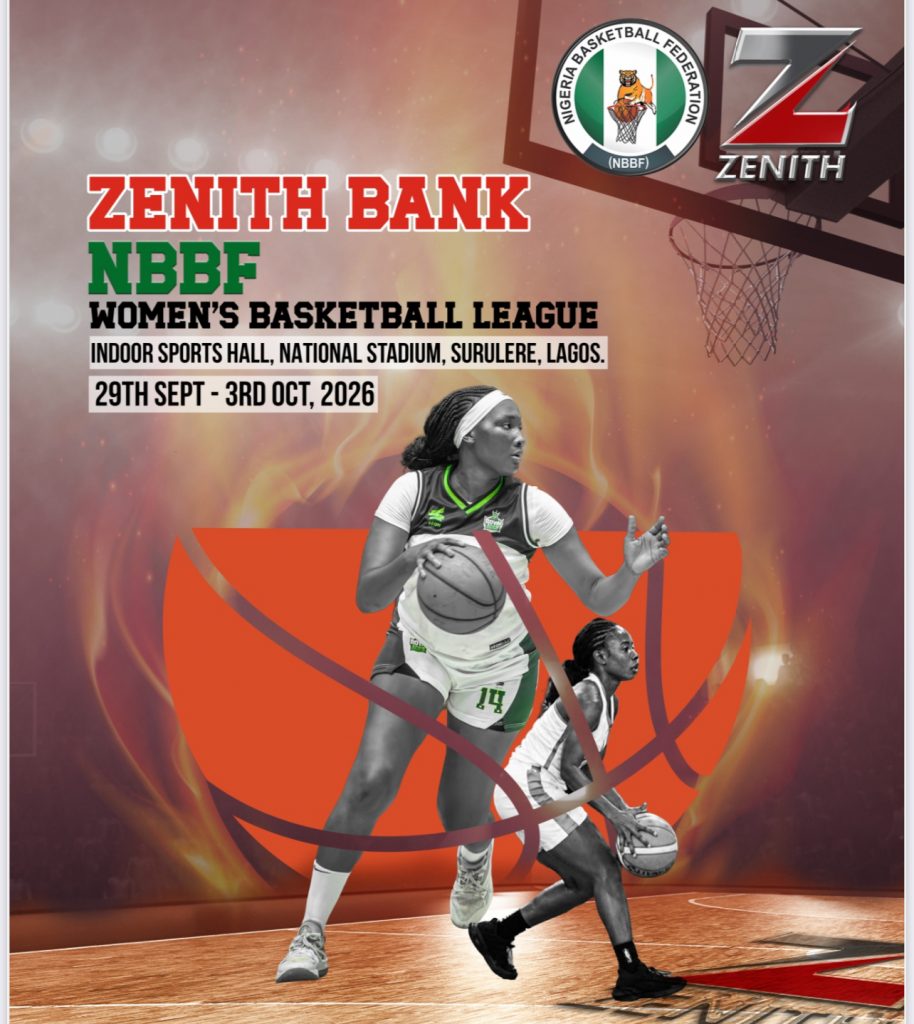 The road to the 2026 Zenith Bank NBBF Women’s Basketball League title reaches its defining stage as the nation’s top eight teams converge on the Indoor Sports Hall of the National Stadium, Surulere, Lagos, from September 28 to October 3, 2026, for the highly anticipated national Finals.
Emerging from fiercely contested Atlantic and Savannah Conference campaigns, Nigeria Customs, AS Sky Queens, Titans, Air Warriors, MFM, First Bank, Victoria Queens,and Bayelsa Blue Whales have earned their place in the final battle for national honours.
And there is plenty to look forward to.
Last year’s champions, Dolphins Basketball Club, who lifted the trophy after defeating First Bank in the final, will not be in the mix this year after failing to make the top 4 of the Atlantic Conference, leaving the title firmly up for grabs and setting the stage for a new champion to emerge.
But the trophy will be contested by teams with plenty of championship pedigree.
First Bank, last year’s finalist and the most successful team in the history of the competition, arrives with a record nine league titles, while MFM will be looking to draw on its recent dominance after winning back-to-back championships in 2023 and 2024. With both sides among the Final 8, history, experience and ambition will collide as the battle for the crown unfolds.
It is a level of competition that reflects the growth of a league that has, for more than two decades, provided a platform for Nigeria’s best female basketball talents to emerge, compete and develop. At the heart of that journey has been Zenith Bank, the sole sponsor of the National Women’s Basketball League since 2005.
Through its partnership with the Nigeria Basketball Federation (NBBF), Zenith Bank has consistently supported the development of women’s basketball, helping to provide and sustain a competitive platform where talents can be discovered, nurtured and prepared for the highest levels of the sport.
The league has also served as an important pathway to theNational Women Basketball team, D’Tigress, with several players who have featured prominently for Nigeria emerging from the domestic competition. Beyond the national team, the league continues to contribute to youth development by giving young female athletes the opportunity to build confidence, skill, discipline, teamwork and professional sporting careers.
Now, the spotlight turns to Lagos. Which team will grab theopportunity to write a new chapter in the history of Nigerian women’s basketball?
Eight teams. One destination. One crown.
For Zenith Bank, the sponsorship of the Women’s Basketball League represents more than support for a sporting competition. It reflects the Bank’s broader commitment to creating platforms that provide opportunities, develop potential and make a meaningful difference in the lives of young Nigerians.
This commitment extends across several areas of community development, with notable initiatives including:
Through these initiatives and its longstanding support for women’s basketball, Zenith Bank continues to demonstrate that its commitment to society goes beyond banking, with a focus on creating opportunities and contributing to the development of communities and the next generation.
I
Nigerians at home and in the diaspora seeking to participate in the landmark Initial Public Offering (IPO) of Dangote Petroleum Refinery and Petrochemicals can subscribe conveniently through Zenith Bank, a receiving bank for the historic transaction and a designated electronic application channel for the offer. Subscription is open through the Zenith Bank website, the Zenith mobile app, internet banking, USSD, corporate internet banking and any Zenith Bank branch nationwide.
Across all of these channels, anchored by Zenith Bank’s network of 456 branches and 84 cash centres, investors enjoy a secure, fast and reliable route into the offer from anywhere in the world, at any hour. Whether the application begins on a phone in London, a laptop in Houston or across the counter of a Zenith banking hall in Lokoja, the path to ownership opens with a few taps and carries the investor smoothly through to completion. Every subscription is linked to the investor’s Bank Verification Number, a seal of identity and security that accompanies each application from submission to allotment. It is service the Zenith way: first-time and seasoned investors alike enjoy a straightforward and fully protected process, and the quiet confidence that their stake in history is processed through Zenith Bank.
Applications open on Monday, 14 September 2026 and run for 30 days, closing on Tuesday, 13 October 2026. According to the prospectus, the shares are offered at ₦525 each, with a minimum subscription of 10 shares, or ₦5,250. The offer seeks to raise ₦2.15 trillion, the largest equity offering ever undertaken on the African continent, and the prospectus further provides that retail investors who subscribe and hold their shares may qualify for bonus shares under the Retail Investor Incentive Programme, subject to regulatory approvals.
Zenith Bank stands ready to make participation effortless for investors who choose to take part. Nigeria’s largest bank by Tier-1 capital and the country’s most profitable bank, Zenith has built its reputation on combining scale with innovation, and that strength is now at the service of every investor in this offer. This is proven ground for the bank: Zenith Bank’s own most recent public offering was executed mainly through digital channels, a demonstration of digital readiness built on the bank’s robust digital infrastructure. That infrastructure has since been strengthened further through a comprehensive technological overhaul, positioning Zenith to serve its retail customers with the same excellence long enjoyed by its corporate clients, precisely the capability an offer of this scale demands.
Within the wider transaction, Quantum Zenith Capital & Investments Limited serves among the joint issuing houses, while Zenith Bank itself provides the secure and dependable channels through which applications are received and processed. Having successfully taken its own landmark offer to the market through digital channels, Zenith brings that same tested infrastructure and experience to the largest equity offering in African history. It is the same combination of financial strength, digital excellence and customer devotion that has earned Zenith Bank recognition year after year as one of Africa’s foremost financial institutions, trusted by millions of customers and by the corporates and governments behind the continent’s biggest transactions.
For over three decades, Zenith Bank has been the trusted gateway to Nigeria’s defining financial moments, and its channels are open for this one. Investors who wish to participate can fund their Zenith Bank account and subscribe through any of the bank’s platforms before the offer closes on 13 October 2026.
Please note that the details of the offer are provided in the prospectus and guided by extant regulations. Zenith Bank serves as a Receiving Bank and electronic application channel for this offer. Investors are advised to carefully read the Prospectus and, where appropriate, seek independent professional advice before making any investment decision.


-
 news6 years ago
UPDATE: #ENDSARS: CCTV footage of Lekki shootings intact – Says Sanwo – Olu
-
 lifestyle6 years ago
Former Miss World: Mixed reactions trail Agbani Darego’s looks
-
 health6 years ago
Chairman Agege LG, Ganiyu Egunjobi Receives Covid-19 Vaccines
-
 lifestyle5 years ago
Obateru: Celebrating a Quintessential PR Man at 60
-
 news1 year ago
BREAKING: Tinubu swears in new NNPCL Board
-
 health6 years ago
UPDATE : Nigeria Records 790 new cases of COVID-19
-
 entertainment2 years ago
Ashny Set for Valentine Special and new Album ‘ Femme Fatale’
-
 society3 years ago
Bisbam CEO, Abisola Bamidele, Bags Owu Chieftaincy Title