
news
Nigeria Emerges as Africa’s Biggest Climber in Investment Risk Ranking on Back of Tinubu’s Economic Reforms

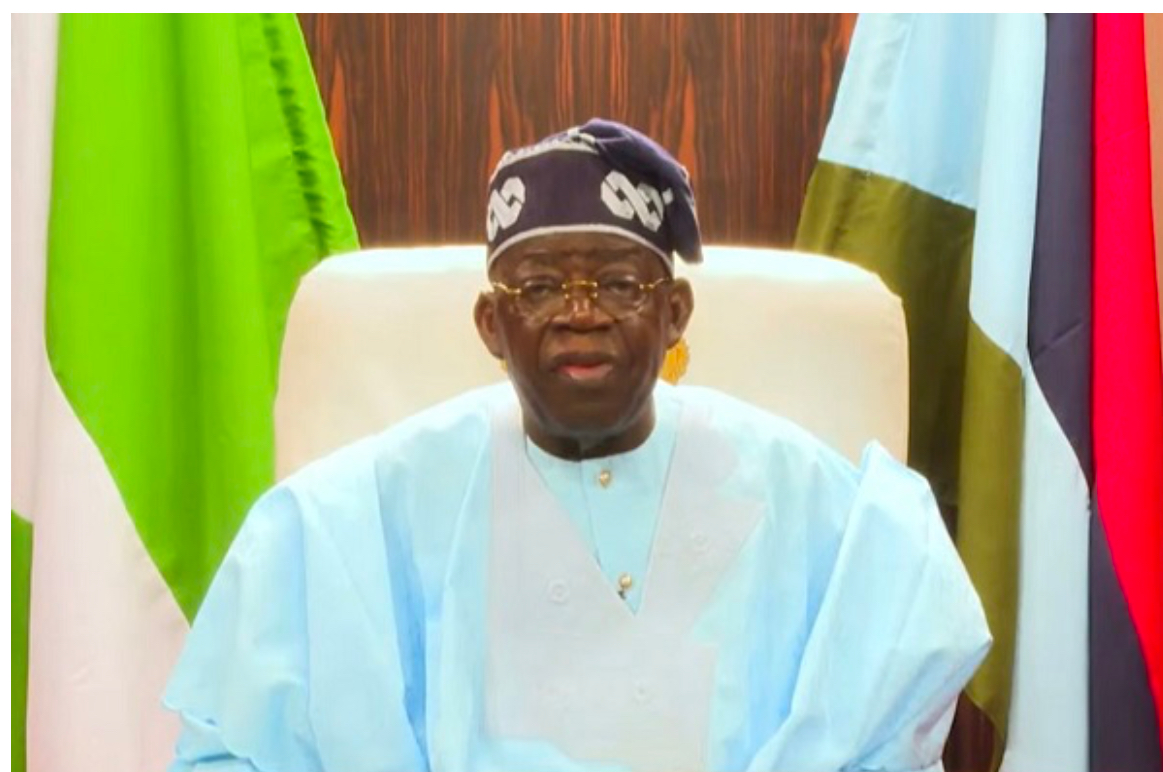
Nigeria has emerged as the biggest climber in Africa’s latest investment risk ranking, rising four places to eighth position as economic reforms implemented by President Bola Tinubu improved the country’s relative attractiveness to investors, a new report by Bloomberg has stated.
Nigeria overtook Rwanda, Tanzania, Kenya and Namibia in the 2026 Bloomberg Economics Investment Risk-O-Meter, which assesses the relative investability of 19 African economies.
Bloomberg, in the report released on Monday, said Nigeria’s improvement was driven by stronger performance in three of the five indicators used in the assessment: economic strength, fiscal strength and external vulnerability.
“Nigeria was the biggest climber in a ranking of Africa’s most investable markets, propelled by President Bola Tinubu’s economic reforms, according to the findings of the latest edition of An Investor’s Guide to Africa.
“The continent’s biggest oil producer and refiner rose four places to eighth in the 2026 Bloomberg Economics Investment Risk-O-Meter, overtaking Rwanda, Tanzania, Kenya and Namibia as it improved in three of the five metrics assessed by the gauge: economic strength, fiscal strength and external vulnerability,” Bloomberg reported.
The development puts Nigeria among the biggest gainers on the continent, despite ongoing concerns about the country’s high public debt, cost of living, inflation, infrastructure deficit and foreign exchange pressures.
Mauritius emerged as the most investable African market in the latest ranking, while Botswana fell two places. South Africa, which topped the ranking in the previous edition, also dropped one place following a weaker economic growth outlook.
Nigeria’s improved position comes more than three years after Tinubu assumed office and embarked on a series of major economic reforms aimed at restructuring the country’s fiscal and monetary environment.
Add to Preferred Sources
Among the most significant measures were the removal of the petrol subsidy, reforms to the foreign exchange market and changes to electricity tariffs.
The Federal Government has repeatedly defended the reforms as necessary to address distortions that had weighed on public finances, discouraged investment and placed pressure on foreign exchange reserves.
However, the policies have also increased economic hardship for households and businesses, particularly through higher transport, food and energy costs. Despite the adjustment pains, Nigeria’s economy has continued to expand during the period under review.
Real Gross Domestic Product growth rose from 2.54 per cent in the third quarter of 2023 to 3.46 per cent in the fourth quarter of that year.
The economy subsequently grew by an average of 3.19 per cent in 2024 before accelerating to 3.85 per cent in 2025, its strongest annual performance within the period covered by the assessment.
Growth stood at 3.89 per cent in the first quarter of 2026, bringing the average quarterly growth between the third quarter of 2023 and the first quarter of 2026 to about 3.46 per cent.
The stronger growth performance has come alongside efforts by the government to increase revenue, reduce fiscal leakages and attract investment into critical sectors of the economy.
Nigeria’s improved position in the Bloomberg ranking, however, comes against the backdrop of a substantial increase in public debt.
Data from the Debt Management Office showed that Nigeria’s total public debt stood at N87.38tn as of June 30, 2023, shortly after Tinubu took office. By December 31, 2025, the figure had risen to N159.28tn. This represents an increase of N71.90tn, or about 82.3 per cent, in two and a half years.
The increase was driven by new borrowing, foreign exchange adjustments and the securitisation of certain legacy obligations, according to the DMO.
The development is significant for a country that has struggled for years to attract sufficient foreign capital because of concerns over exchange-rate instability, policy uncertainty, weak infrastructure, insecurity and limited fiscal space.
The reforms under the Tinubu administration have sought to address some of these constraints by allowing market forces a greater role in determining fuel prices, foreign exchange rates and electricity tariffs.
The foreign exchange reforms, in particular, were designed to reduce multiple exchange rates and improve transparency in the currency market, while the removal of the petrol subsidy was intended to reduce the government’s fiscal burden.
The electricity tariff reforms were also aimed at improving the financial viability of the power sector and encouraging investment by allowing electricity prices for some customer categories to better reflect supply costs.
Nigeria’s rise in the Bloomberg ranking therefore marks an improvement in its relative position among African investment destinations, even as investors continue to monitor the sustainability of its reforms, debt burden and economic growth.
…Military eliminates over 15,000 terrorists in 3 years
…130,000 Boko Haram fighters and dependents surrender
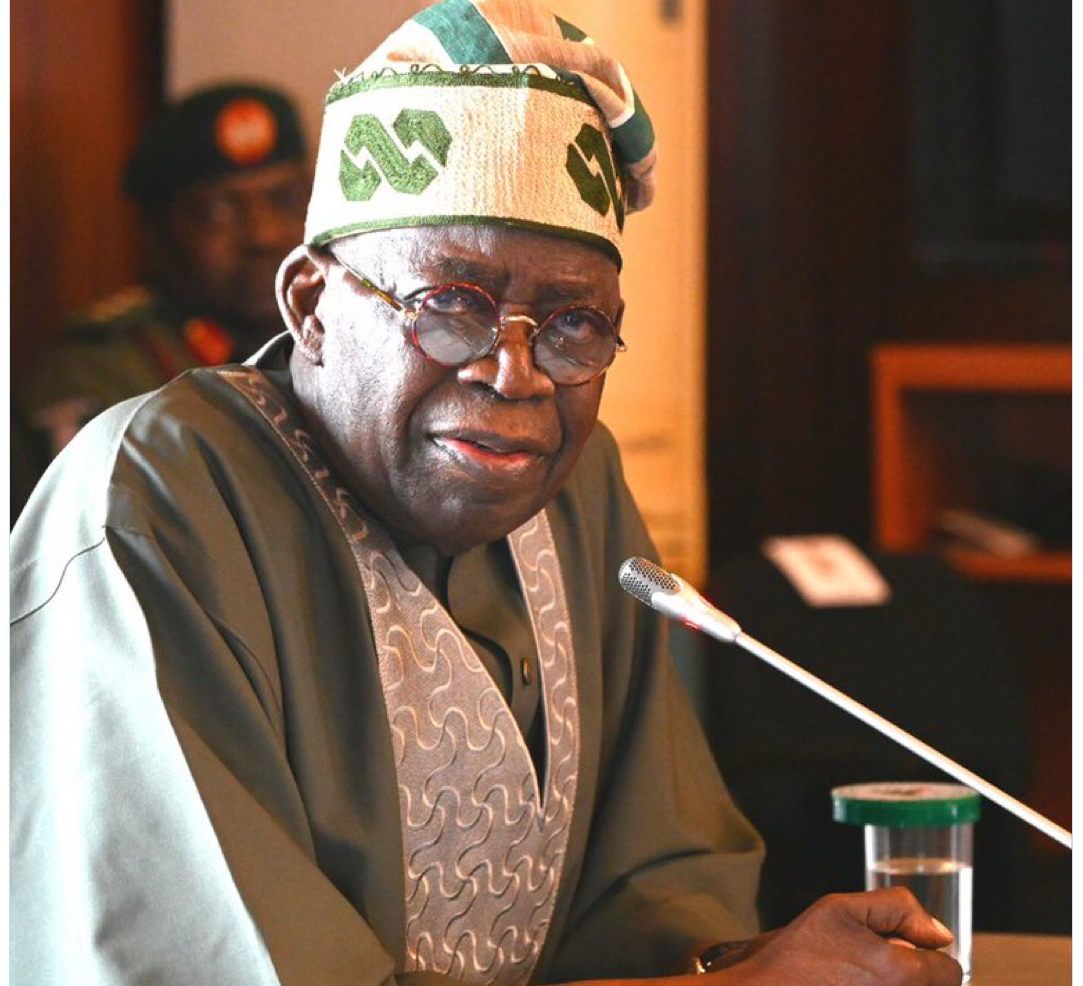
The All Progressives Congress Presidential Campaign Council (APC PCC) has announced that President Bola Tinubu has finalised a comprehensive Five-Year Strategic Defence Operations Plan to end Nigeria’s 17-year battle against insurgency, banditry, and kidnapping.
The development was contained in a statement on Sunday in Abuja by the spokesperson for the APC PCC, Dele Alake.
The campaign council stated that the new framework is designed to overhaul the nation’s security architecture by aligning defence priorities, capability development, and expenditure with current and emerging threats.
According to Alake, the administration’s military operations over the past three years have yielded significant results, including the neutralisation of over 15,000 Boko Haram terrorists and bandits, alongside the surrender of more than 130,000 insurgents and their dependents through the government’s rehabilitation programme, Operation Safe Corridor.
“President Bola Tinubu is determined to end the 17-year scourge of insecurity ravaging parts of Nigeria through a comprehensive Five-Year Strategic Defence Operations Plan designed to strengthen the country’s security architecture, improve military effectiveness, and ensure a coordinated response to emerging threats,” Alake stated.
He explained that the initiative shifts the security apparatus toward a “more coordinated, intelligence-led, technology-enabled, and prevention-oriented system,” combining sustained kinetic military offensives with non-kinetic interventions.
Detailing the structural reforms undertaken to boost troop availability and rapid response, the APC PCC spokesperson said President Tinubu has created four new Nigerian Army divisions and restructured existing military formations to decentralise operations.
To accelerate recruitment, the President also approved establishing two new Army depots in Osogbo, Osun State, and Amasiri-Edda, Ebonyi State. Each facility can train 6,000 recruits simultaneously, adding a combined training capacity of 12,000 soldiers.
2027: Tinubu shortest route to Nigeria’s prosperity, says Wali
2027: Jigawa APC stakeholders endorse Tinubu, Namadi, senator for second term AccessServices
Alake noted that the Osogbo depot is already operational, with 5,210 recruits currently undergoing training.
The statement also said the President has authorised a major recruitment drive across the security forces, approving the enlistment of an additional 28,000 soldiers into the Army and 50,000 new officers into the Nigeria Police Force to bolster internal security, improve policing capacity, and strengthen the country’s response to criminal activities.
On personnel welfare, Alake highlighted ongoing investments in military accommodation and operational infrastructure, citing the construction of a 700-unit military barracks in Ikere-Ekiti, Ekiti State.
“These measures reflect the administration’s determination to address manpower and infrastructure gaps, improve the capacity of security agencies, and ensure personnel are adequately trained, equipped, and deployed to areas facing security challenges,” the statement read.
On defence spending and combat readiness, Alake said the Five-Year Strategic Defence Operations Plan ensures clearly identified threats and national priorities guide security sector investments.
He added that the strategic framework is designed to close critical capability gaps, optimise available military resources, and eliminate unnecessary expenditure and waste across the defence sector.
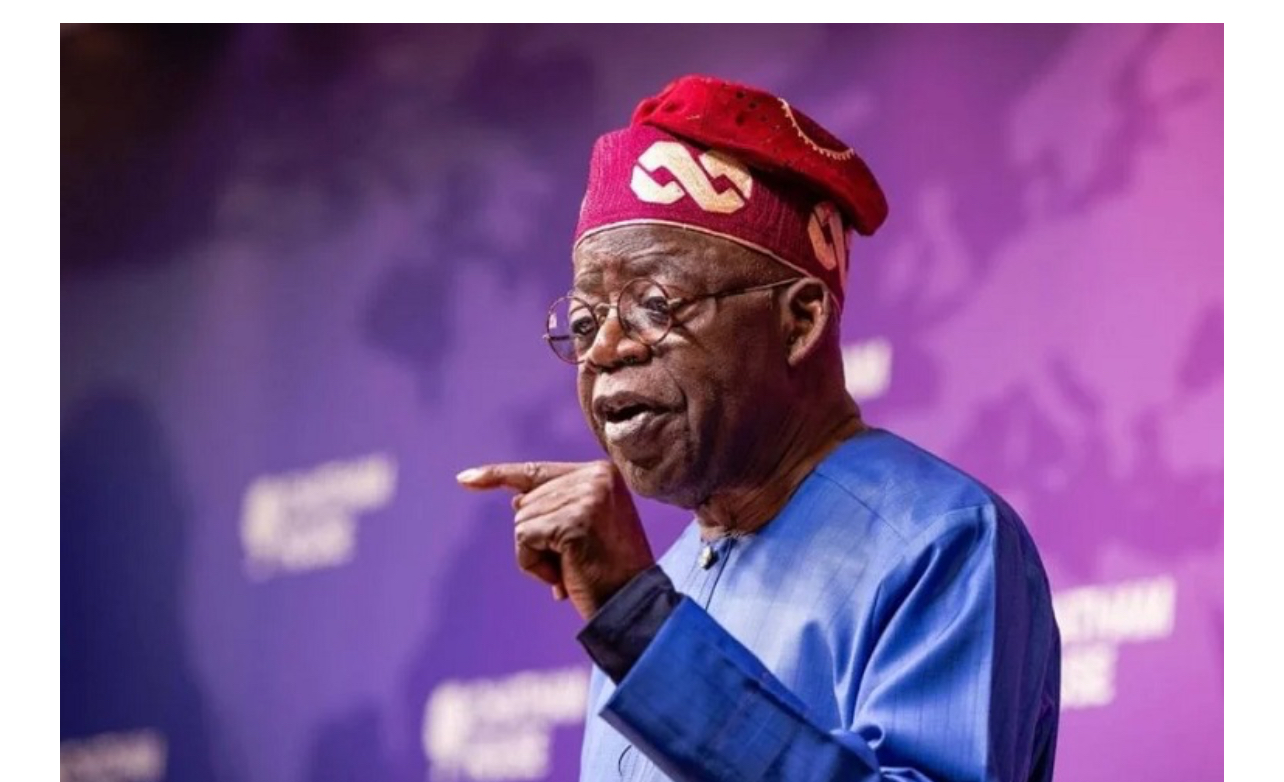
I have followed recent reports of violence accompanying political events in different parts of the country.
Every form of violence stands condemned. Violence should never have a place in our political campaigns as we move toward the 2027 general elections.
Our campaigns should be about issues, a contestation of ideas that promote the welfare of our people and the progress of our country.
As the leader of this country, I commit myself to a peaceful, free, and fair election, and I urge political leaders and supporters across party lines to conduct themselves responsibly.
I have said that being in different political parties or pursuing different ambitions does not make us enemies.
As Nigerians, we are members of the same household living in different rooms. Therefore, our politics must elevate human conditions and focus on national progress and development.
I want to reiterate my previous directive to the security agencies: be strict and firm against anyone who seeks to test our resolve and will to preserve public order.
Our administration is committed to an orderly and peaceful election, and all political parties and candidates should be protected and free to campaign anywhere in the country without molestation or fear for their safety.
We shall not tolerate any irresponsible conduct by politicians and their supporters.
Security agencies are therefore authorised to confront thuggery and other anti-social and anti-democratic activities with full force.
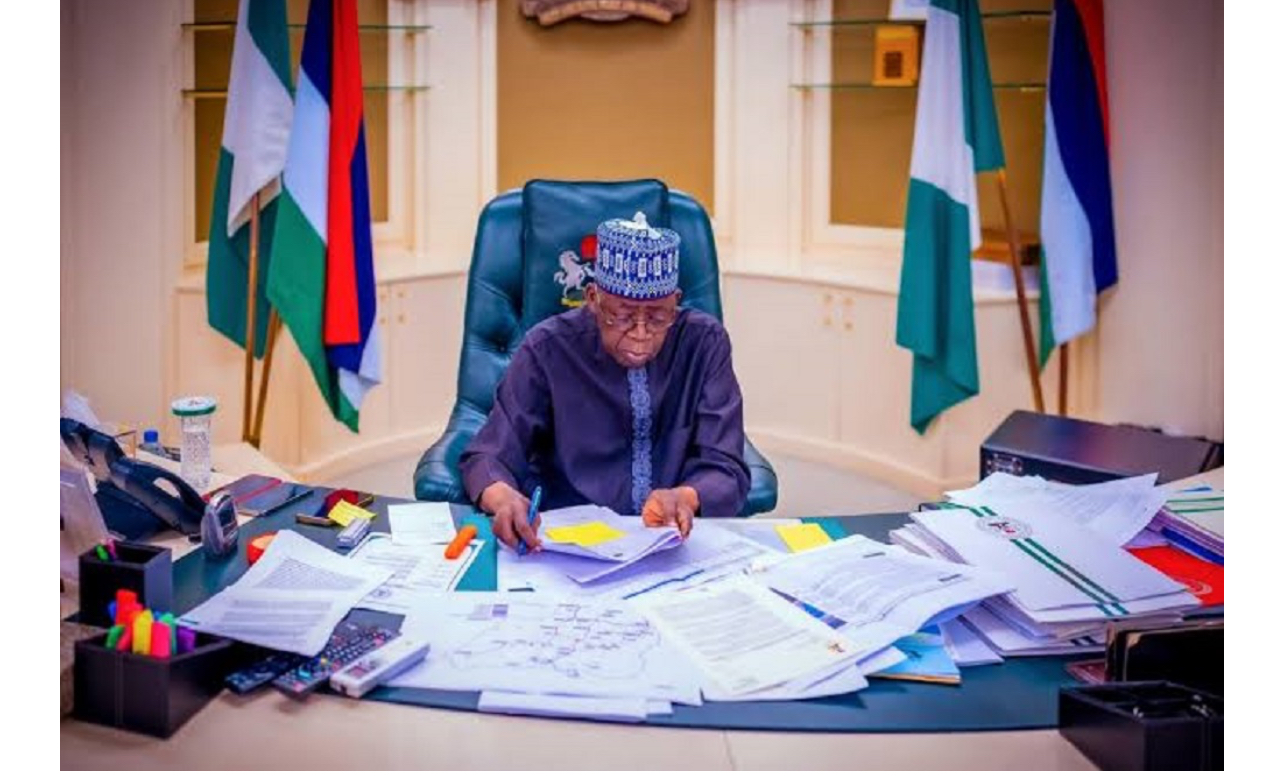
“ The Central Planning Committee for the official unveiling of the book, The Courage to Reform: Architecture of President Bola Ahmed Tinubu, GCFR, Beyond 2027 — Statecraft, Vision for National Renewal, has announced Tuesday, December 1, 2026, as the new date for the highly anticipated ceremony.
The unveiling, which was initially scheduled for Thursday, November 5, 2026, at the Bola Ahmed Tinubu International Conference Centre, Abuja, was earlier postponed following adjustments to the official schedule of President Bola Ahmed Tinubu, GCFR, who is the Special Guest of Honour at the occasion.
HON. IMAAN SULAIMAN-IBRAHIM
Honourable Minister of Women Affairs and Social Development
Chairperson, Central Planning Committee


-
 news6 years ago
UPDATE: #ENDSARS: CCTV footage of Lekki shootings intact – Says Sanwo – Olu
-
 lifestyle6 years ago
Former Miss World: Mixed reactions trail Agbani Darego’s looks
-
news8 years ago
-
 health6 years ago
Chairman Agege LG, Ganiyu Egunjobi Receives Covid-19 Vaccines
-
 lifestyle5 years ago
Obateru: Celebrating a Quintessential PR Man at 60
-
 news1 year ago
BREAKING: Tinubu swears in new NNPCL Board
-
 society3 years ago
Bisbam CEO, Abisola Bamidele, Bags Owu Chieftaincy Title
-
 health6 years ago
UPDATE : Nigeria Records 790 new cases of COVID-19