
news
Things You Need to Know About Dr. Charles Akinola, the Newly Nominated Managing Director of SWDC

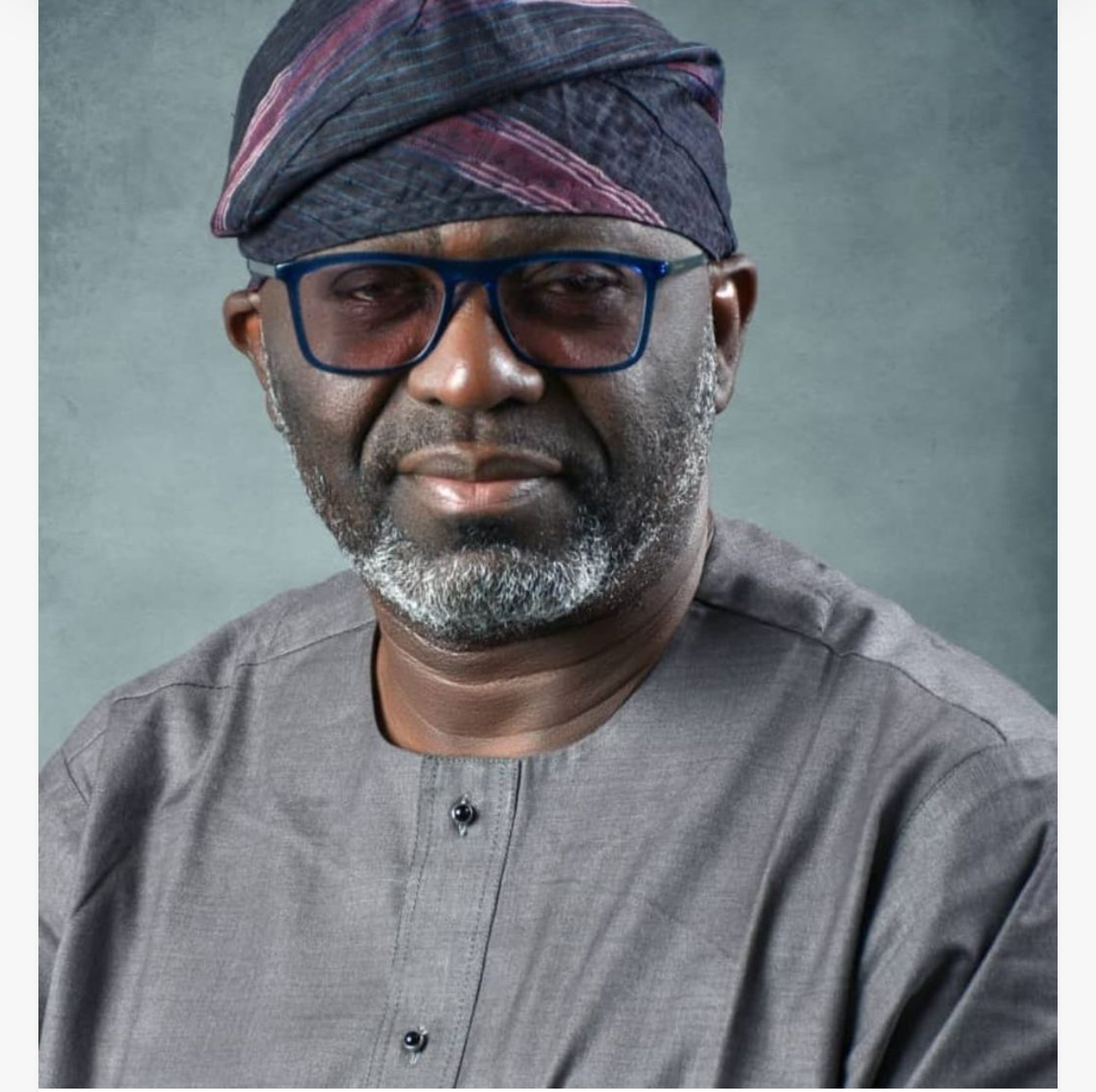
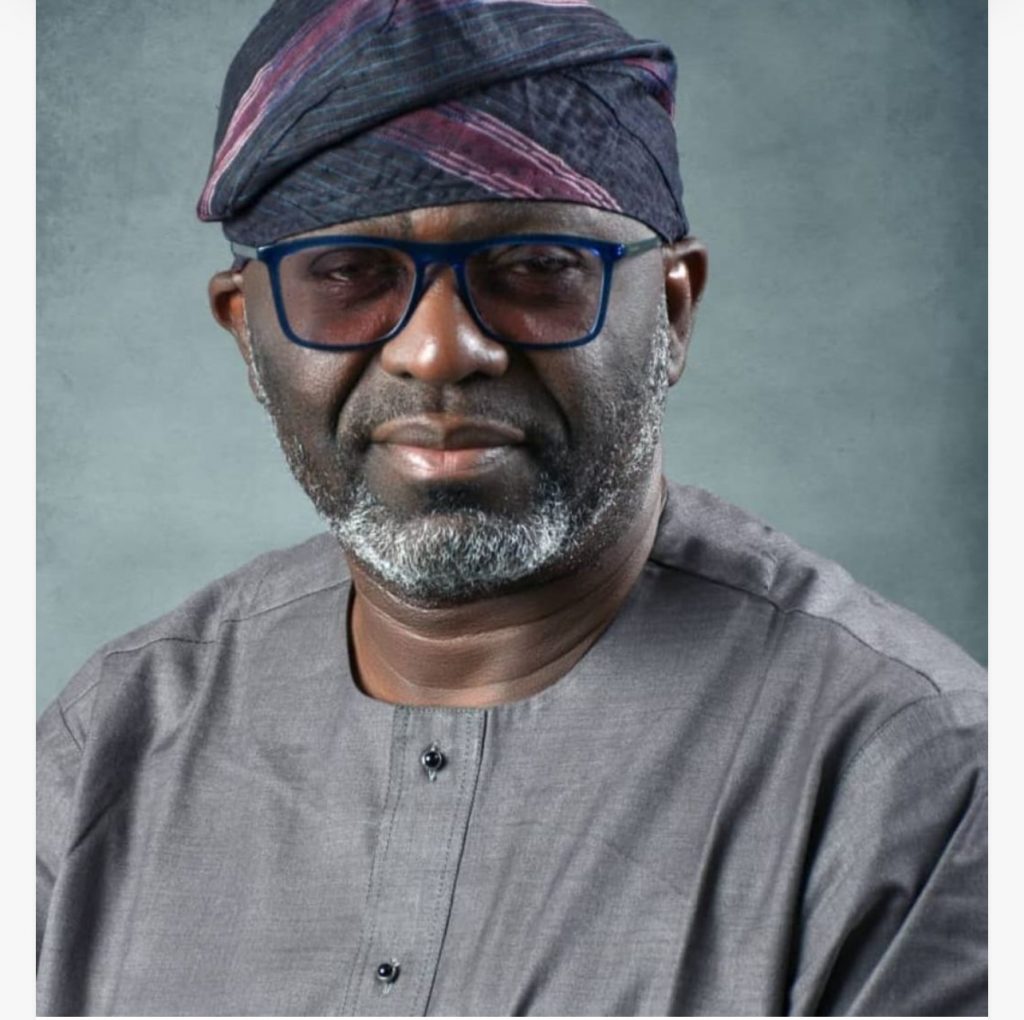 ….A Seasoned Public Policy Advisor and Development Strategist
Dr. Akinola has over 30 years of experience in public service, international development, and strategic governance, specializing in agricultural development, sustainable economic growth, and policy implementation across Nigeria and West Africa.
2. Holds Prestigious Academic Credentials from Global Institutions. He earned a Ph.D. in Agricultural Extension from the University of Ibadan and a master’s in public policy & administration from Harvard Kennedy School, where he was an Edward S. Mason Fellow.
He also studied at Cambridge, Cranfield, and MIT, gaining advanced expertise in cross-sector partnerships, enterprise development, and conflict resolution.
3. Instrumental in the Formation of the SWDC and the DAWN Commission
Long before his nomination, Dr. Akinola played a key role in founding the Development Agenda for Western Nigeria (DAWN) Commission for regional integration. He was deeply involved in shaping the vision of the SWDC.
As Chairman of the Technical Committee under the Southwest Governors’ Forum, he led the review of the SWDC Bill and coordinated regional consensus on development priorities.
4. Former Chief of Staff in Both Federal and State Governments, He served as Chief of Staff to the Governor of Osun State (2018–2022) and later as Chief of Staff to the Minister of Marine & Blue Economy, His Excellency Adegboyega Oyetola (CON), while also acting as Senior Special Assistant on Marine and Blue Economy to President Tinubu.
These roles gave him frontline experience in both subnational and national policy execution.
5. A Leader in Community Engagement and Sustainable Development, Dr. Akinola has worked with major oil & gas companies, including WAPco, designing sustainable livelihood programs across Nigeria and the Gulf of Guinea. His contributions helped establish the Global Memorandum of Understanding (GMoUs) as an industry benchmark for community development in the Niger Delta.
6. Active Global Policy Thought Leader.
He is a member of the Dean’s Council at the Harvard Kennedy School of Government and was a Fellow at Harvard’s Weatherhead Centre for International Affairs. His thought leadership focuses on governance, economic innovation, and institutional reform.
7. Arts Collector
Dr. Akinola is a lover of the arts and culture, collects works of indigenous artists, such as Jimoh Buraimoh, Demas Nwoko, Tola Wewe, Nike Okundaye, among others.
*Career Highlights*
• Dr. Charles Akindiji Akinola is a Public Policy Advisor and Administrator whose work has traversed the agricultural and agribusiness, sustainable community economic development, international affairs, and development sectors, developing strategies that shape policy implementation.
• Dr. Akinola holds a Ph. D. in Agricultural Extension from the University of Ibadan, and a master’s degree in public policy & administration from the Harvard Kennedy School of Government, Harvard University.
• He also holds a Postgraduate Certificate in Cross-Sector Partnerships from the University of Cambridge, Cambridge, UK, and attended certificate courses in Enterprise Development and Management from Cranfield University, Cranfield UK, and in Negotiation, Mediation, and Dispute Resolution from the Massachusetts Institute of Technology (MIT), Boston, USA.
• Until recently, Dr. Akinola was Senior Special Assistant to the President on Marine & Blue Economy and concurrently, Chief of Staff to the Honourable Minister.
• He served as the Chief of Staff to the Governor of Osun State between 2018 and 2022. During his tenure, he supported the Governor in developing and implementing policy objectives and strategic and operational plans of the administration.
• As Chief of Staff, the Southwest Governors Forum appointed Dr. Akinola as the Chairman of the Technical Committee to review the South-West Development Commission (SWDC) Bill and aggregated the position of the six Southwest States towards a joint memorandum to the Governors and subsequently to the National Assembly.
• He has worked with major oil & gas companies within and outside Nigeria including the West African Gas Pipeline (WAGP) / West Africa Gas Pipeline Company (WAPco) covering Nigeria, Republic du Benin, Togo, and Ghana by designing and implementing programs that addressed issues of Sustainable Development and Livelihoods in the Niger Delta and West Africa region.
• He advised and collaborated with International Oil companies in the development of the New Community Engagement Strategy, premised on the Participatory Regional Development Model (2005), guided by the Global Memorandum of Understanding (GMoUs). The model was adopted as the industry standard in Community engagement and development by the joint ventures of the National Nigerian National Petroleum Corporation and the Oil companies in the Niger Delta.
• In previous roles, Dr. Akinola was the Director General of the Office of Economic Development and Partnerships (OEDP) between 2011 and 2018. The OEDP was the strategic Think Tank, Policy Advisory, and Implementation agency domiciled in the Office of the Governor. Dr. Akinola played a central role in the activities leading to the establishment of the Development Agenda of Western Nigeria (DAWN) Commission.
• He was Chairman of the Osun State Planning Commission between 2011-2014 and in this capacity collaborated with leading development partners to deliver sustainable development in the State.
• Dr. Akinola was the Founder and Executive Director of Enterprise for Development International (EfDI) between 1999 and 2009. In this role, he coordinated EfDI’s varied consultancy assignments in community economic development in Nigeria, including the expansion of EfDI’s portfolio of development activities in the Niger Delta and the strengthening of local institutions.
• Between 2001 and 2005, Dr. Akinola was the National Coordinator of the Sustainable Tree Crop Program (STCP), a multi-agency, public-private sector effort to facilitate the improvement of smallholder agricultural systems based on tree crops in West Africa with funding from the United States Agency for International Development (USAID) and the Chocolate Industry Worldwide.
• Between 1993 and 1998, Dr. Akinola was the Nigeria Country Director of TechnoServe, a US-based international development organisation that worked in 17 countries in Africa, Latin America, and Eastern Europe.
• He taught at the University of Ibadan in Nigeria from 1984 until 1989 and was on the training and research faculty of the Pan African Institute for Development (PAID) in Buea, Cameroon 1990.
• Dr. Akinola was an Edward S. Mason Fellow at the Harvard Kennedy School of Government and, subsequently, a Fellow at the Harvard Weatherhead Centre for International Affairs (WCFIA). His work focused on Innovation for Economic Development and Governance between 2009 and 2011.
• He is currently a member of the Harvard Kennedy School of Government Dean’s Council.
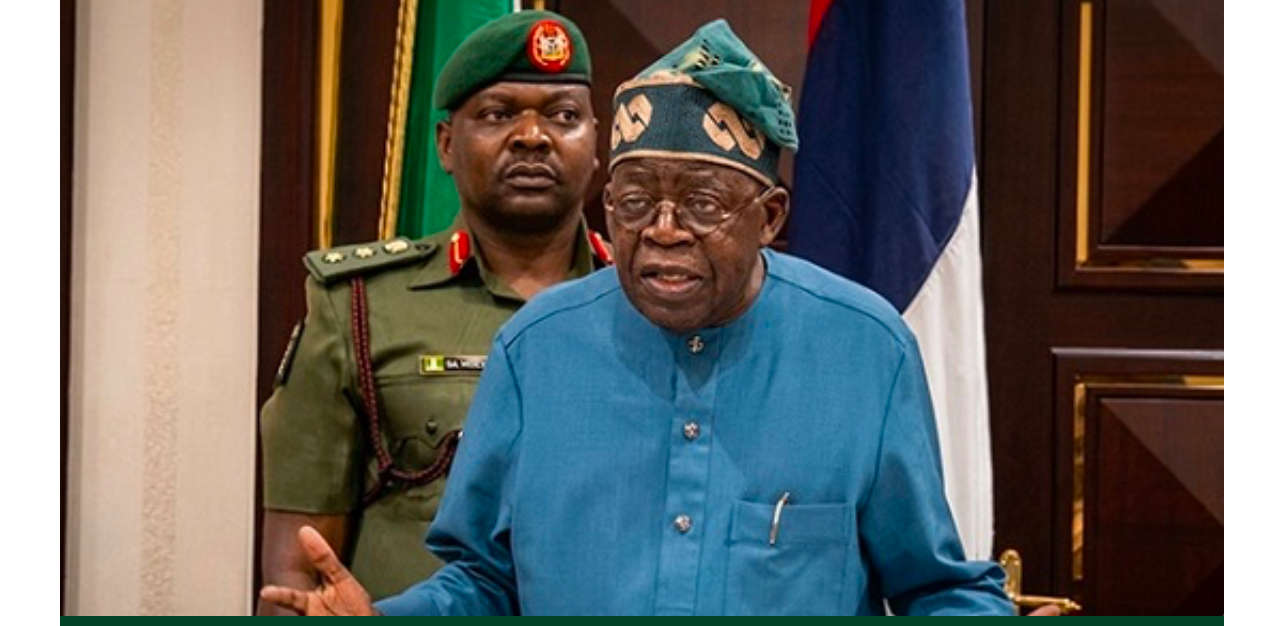
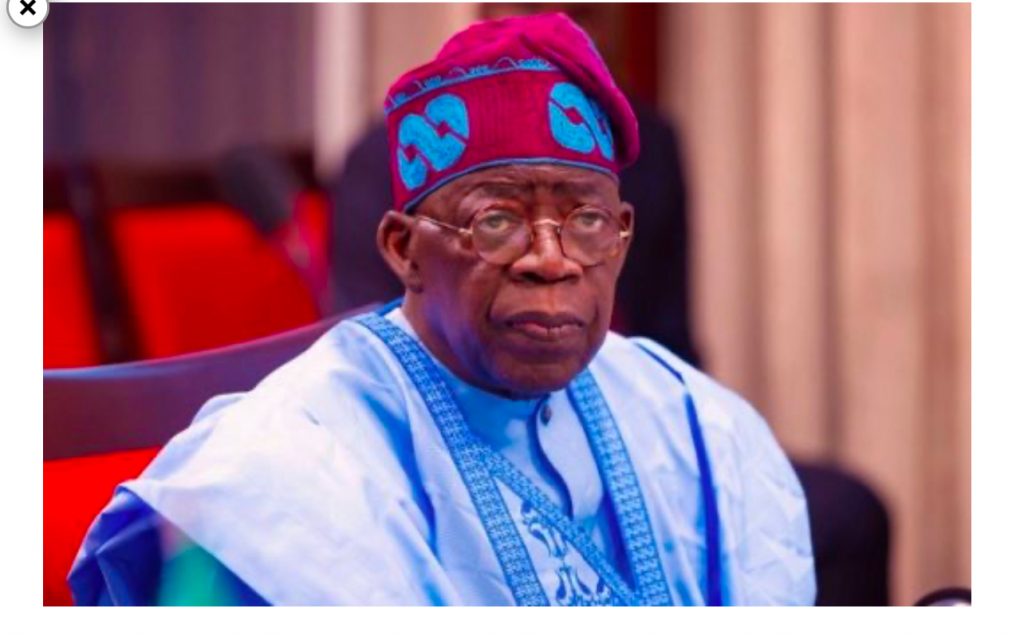 President Bola Tinubu has urged the National Identity Management Commission (NIMC) to work towards achieving 95 per cent National Identity Number (NIN) coverage by December 2026.
The President gave the directive at the State House, Abuja, while delivering the keynote address at the 2026 National Identity Day celebration organised by NIMC.
He acknowledged NIMC’s excellent work so far, noting that National Identity Number (NIN) enrolment peaked at about 142 million, up from over 80 million Nigerians captured in the National Identity Database when he assumed office more than three years ago.
President Tinubu was represented at the event by his Chief of Staff, Hon. Femi Gbajabiamila. The event had the theme: “Nigeria’s digital public ecosystem: powering Africa’s digital economy.”
It was attended by the representative of Vice President Kashim Shettima, Senator Ibrahim Hadejia; the Secretary to the Government of the Federation (SGF), Senator George Akume; the Minister of Interior, Dr Olubunmi Tunji-Ojo; and the Minister of Education, Dr Tunji Alausa, amongst others.
President Tinubu said the target should be pursued through expanded ward-level enrolment, mobile registration initiatives and continued deployment of licensed enrolment networks. Government
The President noted that his administration’s vision goes beyond NIN coverage, stating that Nigeria “must build an identity system that is continuously useful, secure and responsive to the needs of Nigerians.”
“We are laying the foundations for a future of integrated digital services, including e-health records, e-transport systems and a more harmonised national data architecture.
“We must do this while protecting the rights, privacy and dignity of our citizens. The digital state must never become a state without accountability.
“Our commitment must therefore remain clear: innovation must be matched by responsibility. Efficiency must be matched by inclusion, security must be matched by trust. And digital transformation must ultimately improve the lives of ordinary Nigerians,” President Tinubu said.
The President, who commended the Director General of NIMC, Engr Abisoye Coker-Odusote, for a job well done over the past three years, called on Nigerians who have not obtained their NIN to do so, saying their NIN represents their connection to a modern Nigerian state.
Tinubu also applauded this year’s National Identity Day theme as very important, saying “Nigeria’s digital ecosystem must power Nigeria’s digital economy–and Nigeria’s digital economy must help power Africa’s.”
The President further said National Identity remains the engine room for the government’s Renewed Hope Agenda, noting that identity transformation is contributing directly to the government’s priorities.
“The NIMC ecosystem has created opportunities for thousands of Nigerians across the country. With more than 173 private companies, 30 state governments and 14 public sector institutions approved as licensed enrolment agents, the identity ecosystem is generating employment for enrolment officers, data professionals, supervisors, technology specialists and other support personnel. This is a digital infrastructure creating real economic opportunity,” he said. NigeriaNews Subscription
Speaking on the significance of national identity to Nigeria’s national security, President Tinubu said the two are linked, describing the connection as indispensable.
“A secure identity system is indispensable to a secure nation. By strengthening identity verification and enabling responsible information sharing across relevant government institutions, we are improving our capacity to combat identity fraud, financial crimes and other threats to national security.
“The ongoing collaboration among institutions, including the Nigeria Police Force, Nigeria Immigration Service, and the Economic and Financial Crimes Commission, demonstrates what is possible when government systems work together,” President Tinubu said. GeographicReference
The Minister of Interior, Dr Olubunmi Tunji- Ojo, also praised the Director General of NIMC for delivering excellent work with little supervision, saying she has shown appreciable leadership.
He said the President expected more from her and her team, adding that Nigerians need wider, easier, and more convenient access to identity services, including for Nigerians in the diaspora.
“We need more in providing a trusted national public key infrastructure and digital public infrastructure that support secure digital identity, authentication and electronic trust services, more in including a stronger foundation for Nigeria’s digital economy, digital governance and long-term national development,” Tunji-Ojo said. GeographicReference
The Director General of NIMC, Abisoye Coker-Odusote, in her remarks, commended President Tinubu and the Minister of Interior for their support, saying it has brought about a total transformation of Nigeria’s identity and existence.
She said, “Our reach tells its own story. Enrolments have grown from less than 100 million to over 142 million Nigerians and legal residents. The engine behind that growth is the ward-to-ward Enrolment Project, undertaken directly under Mr President’s initiative. NigeriaNews Subscription
“This project carried our officers into all 8, 8,809 boards of this Federation and mobilised the National Youth Service Corps members as adult enrolment officers in connection with front-end partners in communities that had never before hosted an enrolment desk.
“Alongside it, we launched the Self- Service Notification Platform, which has already processed close to two million record updates, turning a process that once took weeks in two communities into one that takes 24 to 48 hours directly from a citizen’s phone.”
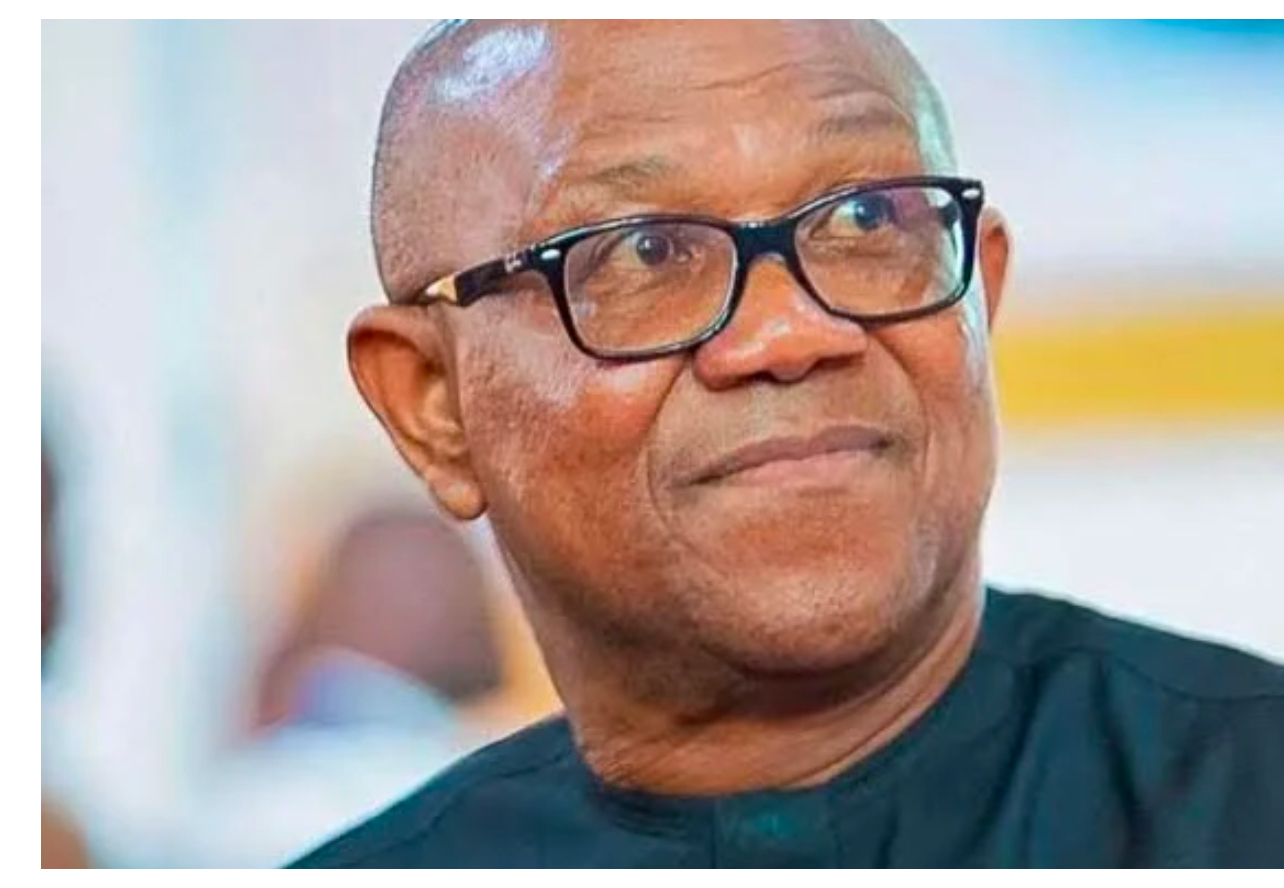
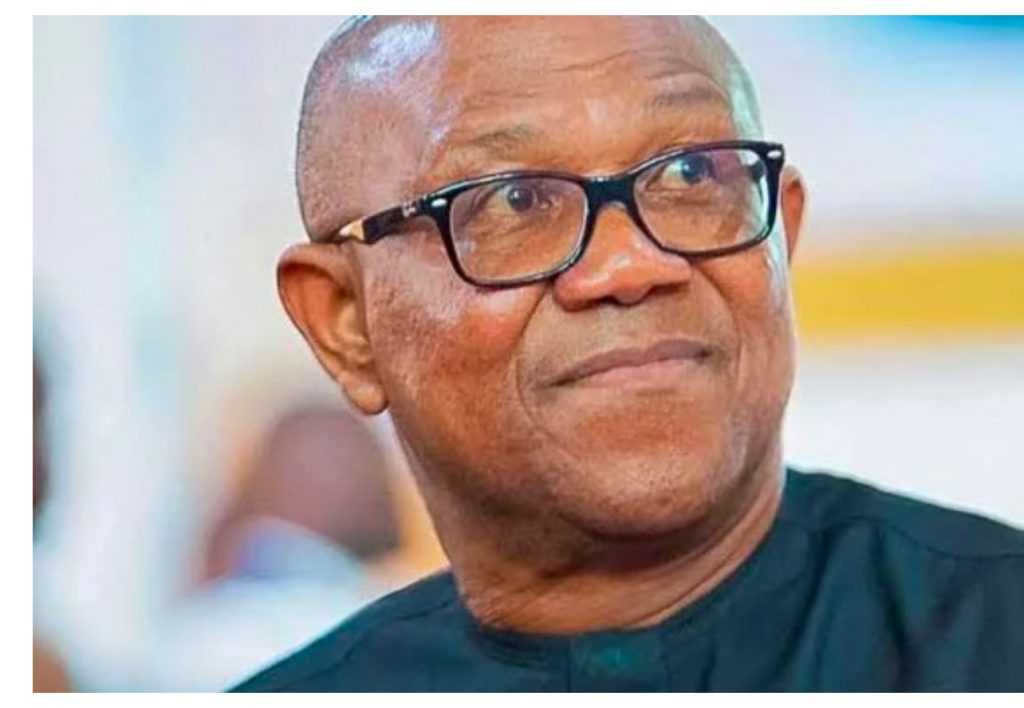
The presidential candidate of the Labour Party in the 2023 general election and a leading opposition figure ahead of the 2027 presidential election, Peter Obi.
The presidential candidate of the Nigeria Democratic Congress,
The Presidency has reacted to the ongoing dispute between former Anambra State Governor and presidential candidate of the Nigeria Democratic Congress, Peter Obi, and the state government over the state’s debts and financial liabilities.
Special Adviser to President Bola Tinubu on Information and Strategy, Bayo Onanuga, in a post on X on Wednesday, said Obi had claimed to have left Anambra without debt and challenged him to follow through on his pledge to quit the presidential race if his claim was disproved.
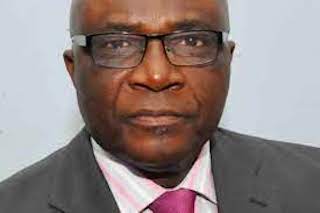 Bayo Onanuga. US
File: Special Adviser to President Bola Tinubu on Information and Strategy, Bayo Onanuga.
Onanuga wrote, “Peter Obi claimed he left Anambra with a clean slate of debt and even threatened to quit the presidential race if his claims were proven otherwise.”
He added that the Anambra State Government had responded with claims concerning liabilities allegedly left by the former governor’s administration.
“Now, the Anambra government has confronted him with facts and figures showing he owed Water Corporation workers, teachers, and pension and gratuities, and had also borrowed for frivolous things,” Onanuga said.
“The ball is back in his court. Will he follow through on his threat by quitting the race?” he asked.
Anambra govt disputes Obi’s ₦2.13bn ecological fund claim
The reaction followed a fresh response by the Anambra State Government to Obi’s Tuesday denial of claims that his administration left behind inherited debts, including a ₦2bn ecological fund, contractor liabilities and unpaid salaries, gratuities and pensions.
Obi had said his administration cleared more than ₦35bn in historical gratuities and arrears and left office without outstanding salary, pension or gratuity obligations.
He also disputed the government’s claim concerning the ecological fund, saying more than ₦2.13bn was left untouched in a First Bank account for the Oko/Umuchiana erosion crisis.
Soludo
File: Governor Charles Soludo of Anambra State
However, in a statement on Wednesday, Anambra State Commissioner for Information and Value Reformation, Law Mefor, disputed Obi’s account, saying the account he identified was an Internally Generated Revenue Consolidated Revenue Account and not an ecological fund account.
Mefor said the government obtained a certified printout of the account and claimed that “from 2011 when the account was opened until date, there has never been any such amount—whether as inflow or balance—in the account.”
Obi had challenged anyone who could establish that his account of the state’s finances was incorrect, saying, “If anybody can establish anything to the contrary, I will stop campaigning.”
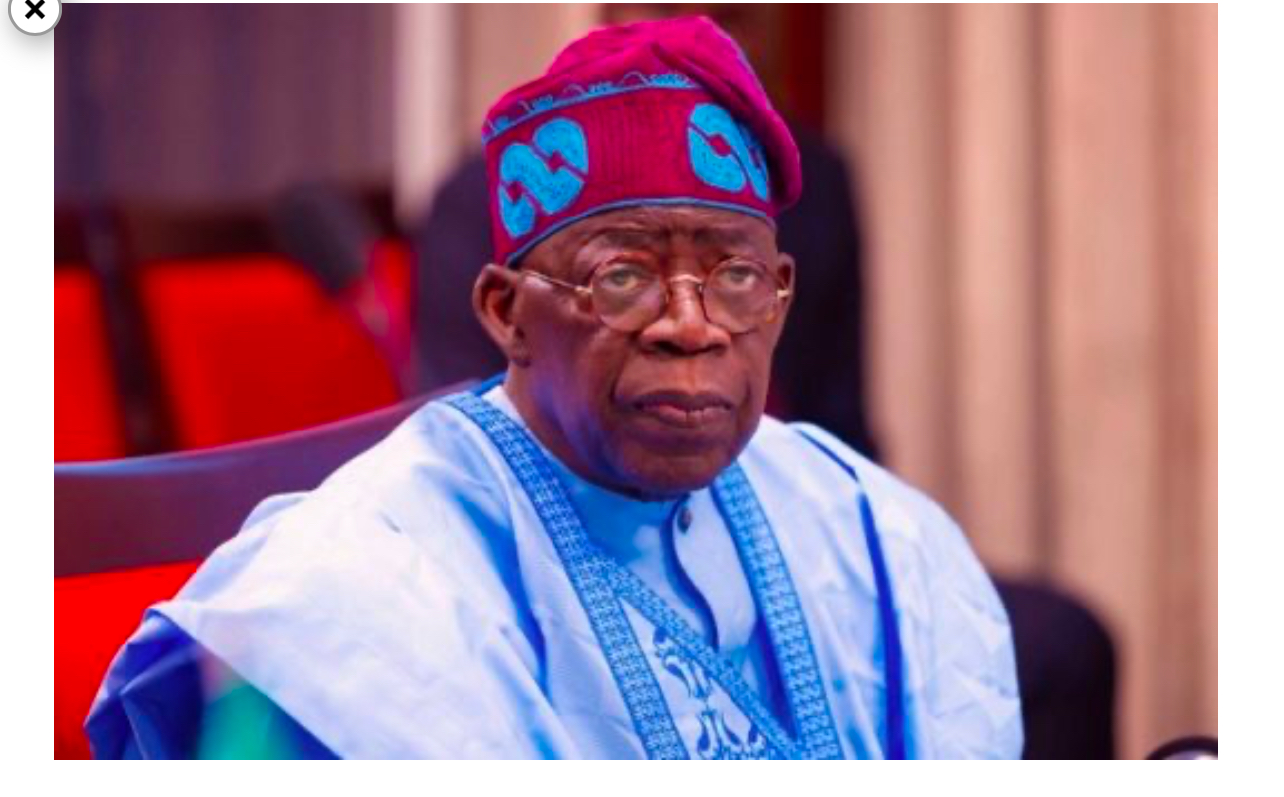
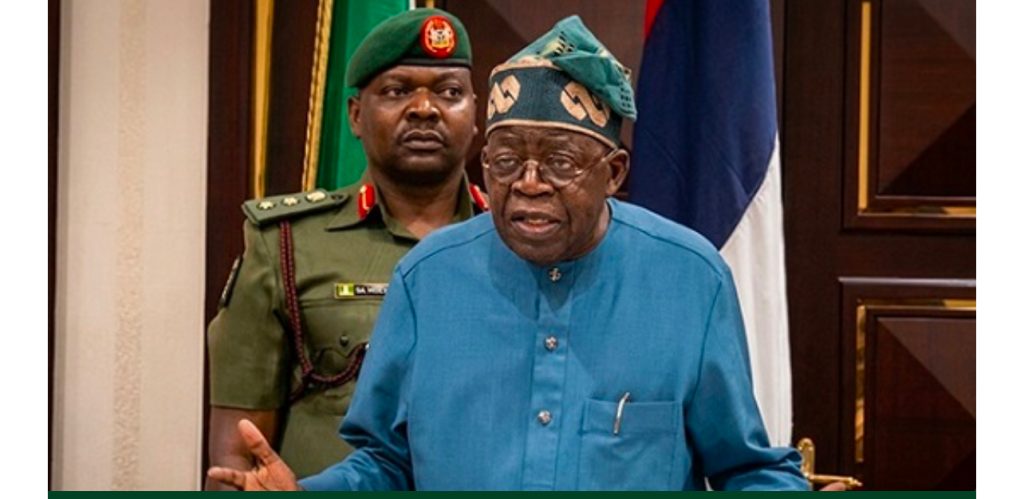
President Bola Tinubu has directed the Secretary to the Government of the Federation, George Akume, to ensure the release of all funds approved for the regional commissions.
Tinubu gave the directive on Monday at the North Central Development Commission Summit, themed “The Great Leap Forward: A 20-Year Economic Infrastructure and Social Development Plan for the North Central Region.”
Akume, who represented the President at the summit, said the creation of regional development commissions was part of the administration’s Renewed Hope Agenda to accelerate development across the country.
“Government will continue to give the NCDC and other Regional Development Commissions the political and financial backing to embark on key projects that will unlock the economic and industrial potentials of the nation.
“I therefore direct the Secretary to the Government of the Federation to ensure that all funds accruable to the Commissions are released as and when due,” he said.
The President, however, said the commissions should not rely solely on government funding, urging them to explore public-private partnerships, donor funding and development financing for transformative projects.
He said the commissions were expected to focus on major projects in rail, air transportation, industrialisation, security, investment, human capital development, education and health.
Tinubu also warned the boards and management of the commissions against corruption, marginalisation, politicisation and misuse of government resources.
“Such actions will not be tolerated, and government will not hesitate to sanction anyone found culpable,” he said.
The President said the regional commissions were not established to replace or duplicate the functions of state and local governments or existing federal institutions.
He said the North Central Development Commission should support efforts to address the security challenges in the region, stressing that development could only take place in a stable environment.
Meanwhile, the Nasarawa State Governor and Chairman of the North Central Governors’ Forum, Abdullahi Sule, said the region possessed the human and natural resources needed to drive economic development.
Sule said the region had demonstrated its capacity in agriculture, mining and industrial production, stressing the need to move from the extraction of raw materials to processing and value addition.
“When you are mining in North Central, you must also process in North Central,” the governor said.
He cited the establishment of a cement factory in Kogi State as an example of how local processing could transform Nigeria’s economy.
The governor said Nasarawa State, which had more than 400 steel licences when he assumed office in 2019, previously had no processing plant despite its mineral resources.
He said the state had since become home to the country’s largest and second-largest lithium processing plants.
“The North Central is the home of Benue cement. The North Central is the home of rice production. The North Central is the home of sesame production. So we have it all. Whatever it is that we are looking for, we have it,” Sule said.
He said what the region needed was leadership capable of developing and implementing long-term plans.
“What do we need more? We need thinkers. We need implementers. We need people who understand what it means to lead,” he said.
Sule also commended the Tinubu administration’s economic reforms, saying the policies had increased revenues available to the federal, state and local governments.
“Today, we are paying salaries without borrowing money from the bank. Even if you hate him, you cannot hate his policies. Even if you disagree with him, you cannot disagree with his policies. And that is the only way we can build,” he said.
Earlier, the Chief Executive Officer of the North Central Development Commission, Cyril Tsenyil said the commission’s role was to coordinate regional development and mobilise resources and partnerships rather than replace the six state governments and the Federal Capital Territory.
He said the commission’s 20-year plan would focus on developing regional economic corridors, processing agricultural and mineral resources, improving infrastructure and creating opportunities for young people.
He said the region should aspire to become one of Africa’s most competitive agricultural regions rather than merely being known as Nigeria’s agricultural hub.


-
 news6 years ago
UPDATE: #ENDSARS: CCTV footage of Lekki shootings intact – Says Sanwo – Olu
-
 lifestyle6 years ago
Former Miss World: Mixed reactions trail Agbani Darego’s looks
-
 health6 years ago
Chairman Agege LG, Ganiyu Egunjobi Receives Covid-19 Vaccines
-
 lifestyle5 years ago
Obateru: Celebrating a Quintessential PR Man at 60
-
 news1 year ago
BREAKING: Tinubu swears in new NNPCL Board
-
 health6 years ago
UPDATE : Nigeria Records 790 new cases of COVID-19
-
 entertainment2 years ago
Ashny Set for Valentine Special and new Album ‘ Femme Fatale’
-
 health6 years ago
BREAKING: Nigeria confirms 663 new cases of COVID-19