
interview
Iyaloja General, Folashade Tinubu-Ojo Applauds Asiwaju’s victory as President-elect; and how she canvassed support for Sanwoolu’s second term

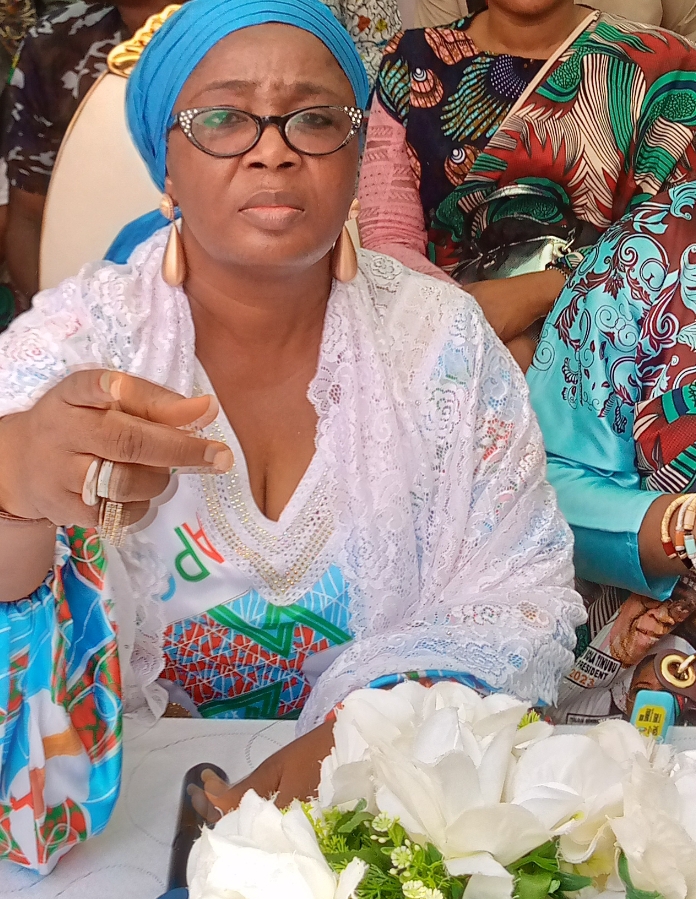
/>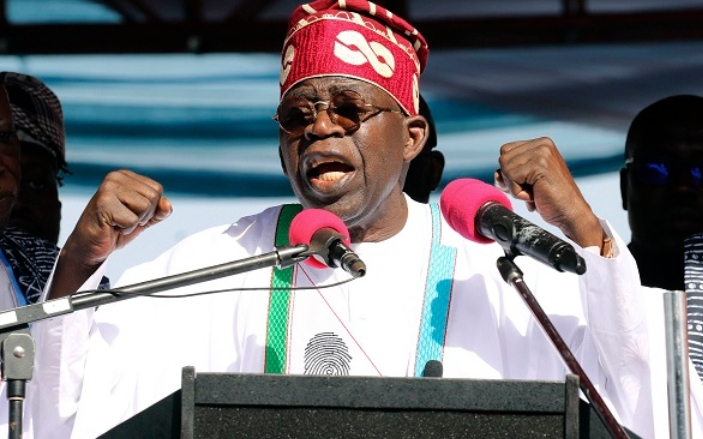 ….Says: Asiwaju’s victory was God’s plan at work
Chief (Mrs.) Folashade Tinubu-Ojo is the Iyaloja General of Lagos state, and by virtue of this plum office she commands a plausible and cult-like followership amongst the many market women and men in Lagos state and its environs. During the last Presidential elections on February 25, 2023, the very industrious and beloved first daughter of Asiwaju Bola Ahmed Tinubu pulled all strings to ensure a monumental victory for her father and it was indeed a deserved victory. Shortly after the victorious presidential election, the premium market leader spoke extensively to the crew of your soar away magazine, NewsThumb, which included the Publisher/Editor-in-Chief, Yinka Sotayo, Niyi Babade and Ayomide Sotayo. She used the opportunity to inundate Nigerians of what led to her father’s exploits in politics and how he eventually won the Presidential election; just as she used the opportunity to appeal to Lagosians to come out massively and vote for the second term election of the incumbent governor of the state, H.E. Governor Babajide Olusola Sanwoolu. Excerpts…… Congratulations on the monumental victory of your father’s election as Nigeria’s next President. How would you describe his success in your own words, going through the whole rigorous processes, sleepless nights and all that you went through?Thank you very much for your concern. In my own words, I have to give God all the glory that at the end of the day he won the election, the end has simply justified the means for him, he has worked hard and tenaciously for it, so the success was expected; but still, with God on his side, despite all the tribulations and persecutions, we give God the glory for the outcome, it was a success well-deserved.Now that Asiwaju, your beloved father is the president-elect, what do you think people should expect from him in terms of performance and dividends of democracy?The Asiwaju has always been a performer, he’s a strategist, and no doubt, all Lagosians have encountered him in Lagos state, he has remolded Lagos and I believe he’s going to perform wonderfully well in Nigeria. What I pray for him is for him to have good hands and support that have the same interests, love and passion he has for this nation, Nigeria; for them to have the interests of Nigerians at heart like the Jagaban, and not their own interests. I believe he has a vision; he is a visionary leader, and no one can contest that, even his opponents. It is on record that the Asiwaju has greatly invested in people and today we can see the results, and that type of leadership is unprecedented in the Nigerian society. Do you think we still have this kind of visionary leaders in Nigeria who are loyal and are not pretenders, given what we went through during the primaries?Well, it’s only God that can decide that. Having been a visionary leader, he also develops people and this has variously worked for him. Even those that benefited from him immensely, some of them didn’t directly support him, but the people out there have seen and know that God has used Asiwaju for this vantage position. Besides, I believe, if we have like two or three Asiwajus in Nigeria, the country would be a good place for every Nigerian. So, God always has a way of paying you back if you are focused and, honest and transparent in what you do, whether politically, socially, economically or otherwise.We know people are always talking about when Asiwaju was the governor of Lagos state, in terms of his capacity and his sagacity. That was just Lagos state out of all the 36 states. Now Asiwaju has moved to the federal level, where we have different tribes, ethnicities and religions. Do you believe Asiwaju still has the capacity to take care of the whole nation just exactly the way he boosted the economy of Lagos state?
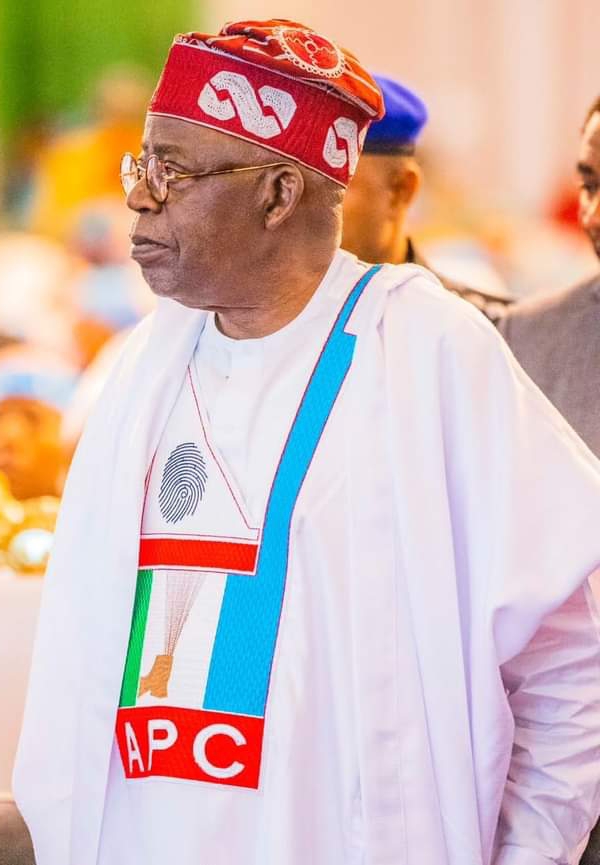 Well, if we’re talking about leadership, to be the president of Nigeria, it’s not necessary you have to be an energetic person; you can be energetic in terms of brilliance, wisdom, but that is not where it ends at this higher level. Because, obviously you would have to work with the people and you should be able to pick those from different regions that have good leadership qualities, those that can deliver to the people, those are the people he would work with; he still has the capacity up there. It is a question of senses. We aren’t contesting for boxing, heavyweight or whatever, what we are talking about here is intelligence and God has given him that. I mean he’s not even too old, just a little above 70, he’s still going to perform wonderfully well, I am very sure. A lot of controversies are surrounding the Asiwaju’s age, I mean on google his age is 70 and your age is 60, so people have doubts. How would you address such controversies? That is rather interesting and very contentious. As you are looking at me now, do I look 60? I mean people can say a lot of things out there, you know politics is in Nigeria, if you want to hear all sorts of lies about you, go and contest for an election. That is where you will hear many things about even how you were this or that in the past, most of which are not eve true, all are fabrications by your enemies and opponents just to bring you down.Personally, what do you think gives room to such baseless arguments and rumors among Nigerians?I really do not know, I do not know how to explain it to you, that is how I’ve always encountered and seen politics in Nigeria. Politics in Nigeria is very deadly and they play it with tyranny and all sorts of blackmails; whatever you haven’t even thought of or done in your life will be alluded to you just to pull you down; when you contest for an election in Nigeria you would hear it. That is just the way the game is played in Nigeria, and it might take a long time before this syndrome is gotten away with. It’s just the Nigerian way of playing politics.Being the Iyaloja General, we know that you stand for the women and men in the markets. Now we know that the presidential election is gone and now we are preparing for the governorship election on the 18th of March. How have you mobilized the market men and women for the second term of Sanwo-Olu and what is your message for people out there in terms of the sterling achievements of Sanwo-Olu?Ever since the presidential election has come and gone, we’ve been on our toes working in the support for the second term of Babajide Olusola Sanwo-Olu, we’ve been emphasizing it to our people in the state that we will love the development that is going on in Lagos state to continue, and for that we are not going to vote for any other party other than the APC, to continue to build the legacy that’s already on ground, for continuity we have to vote. I am positive that it is only APC that can forge ahead in this direction, so I have been sensitizing our people, especially those that stayed at home in the last election, I have been telling them to come out with their families and friends and ensure that they vote on the 18th of March and not for any other person, but for our governor’s second term and all the APC candidates from top to bottom. During the election, you embarked on so many projects personally, which many can testify to, can you please for the purpose of clarity explain how effective they were in actualizing the success recorded by Asiwaju and how you’re still going about some of these things?You see, my brother, I just have to appreciate God for what he has been doing, God has been faithful, there are people out there that all they want to do is to spoil your name and reputation, and no matter what you do, they will never appreciate you because you can’t do better in their presence and they can’t see anything good about you. I have done a lot;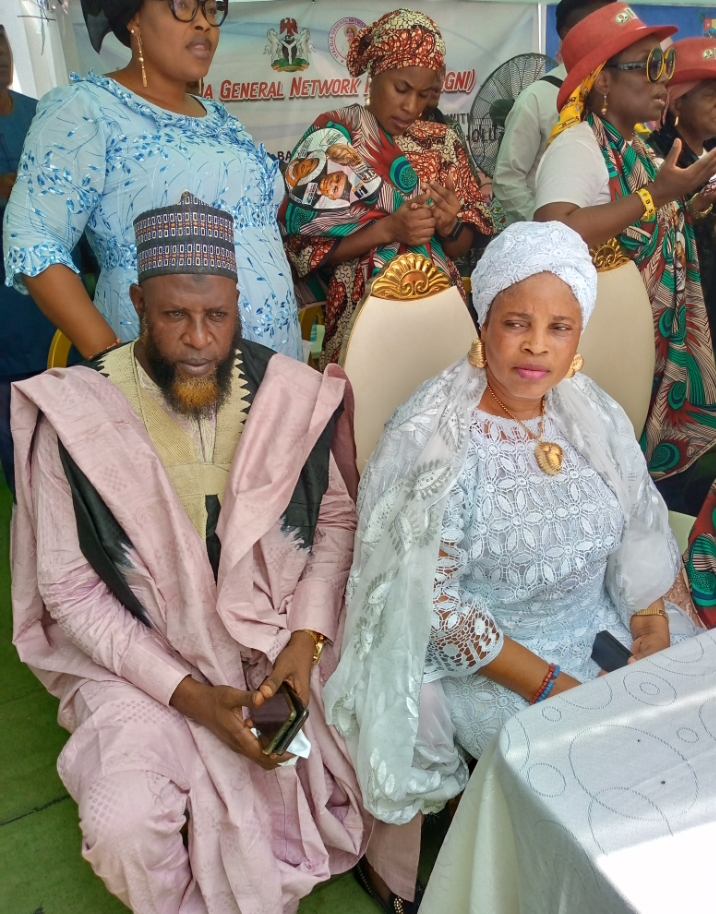
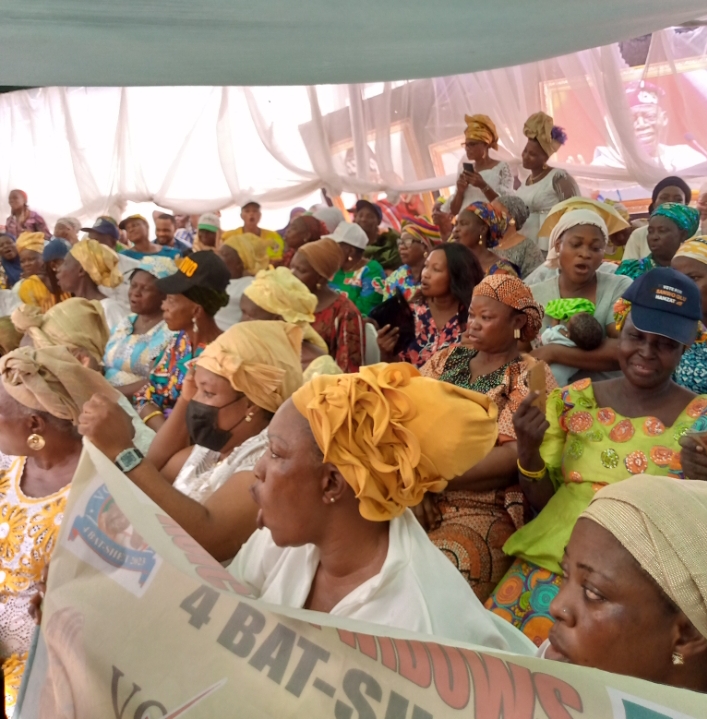
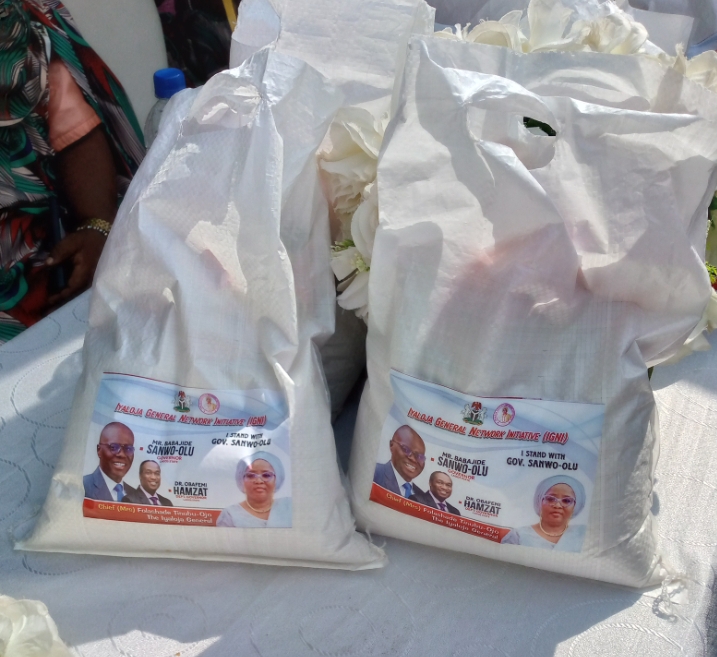
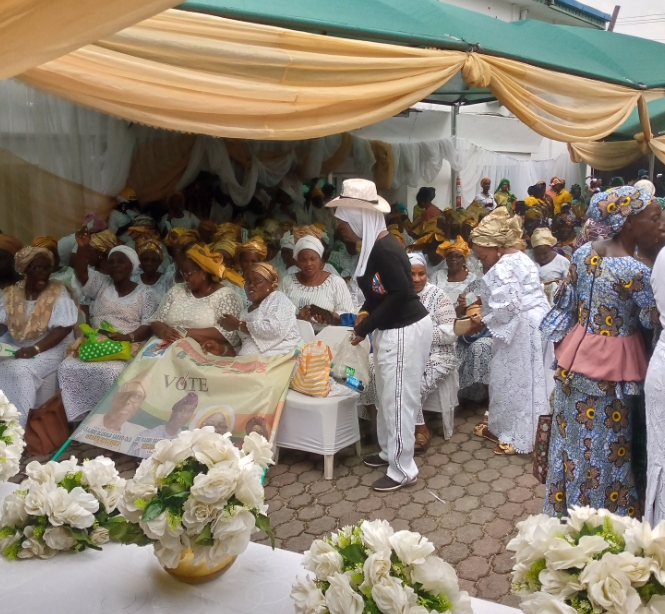
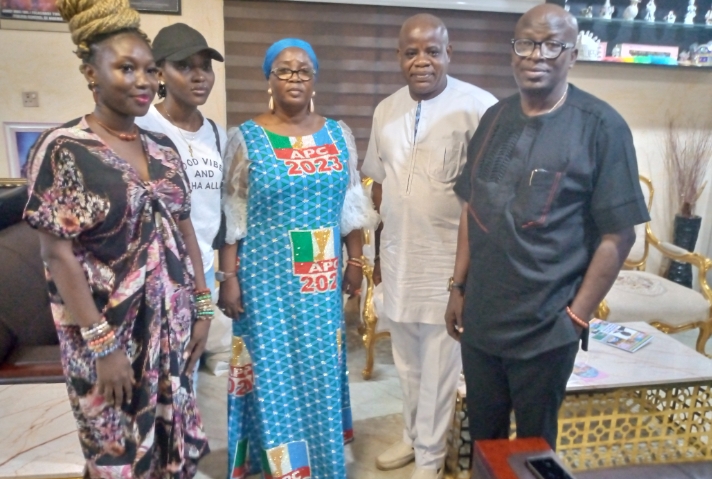
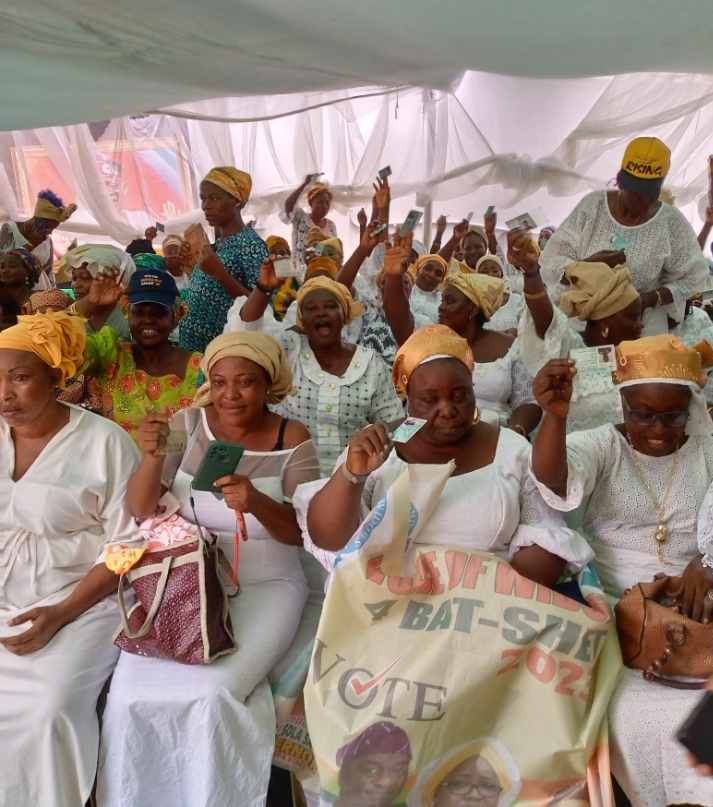
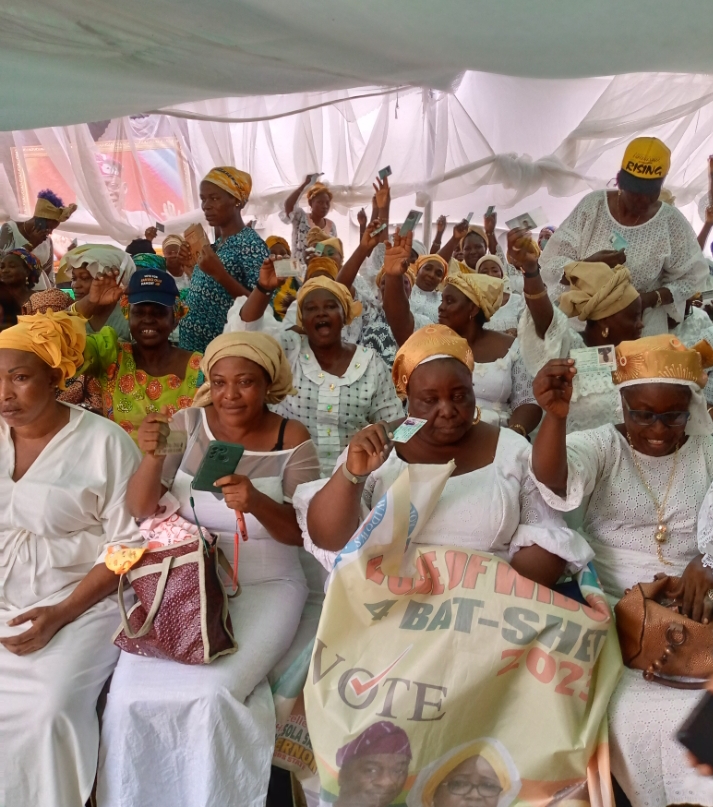
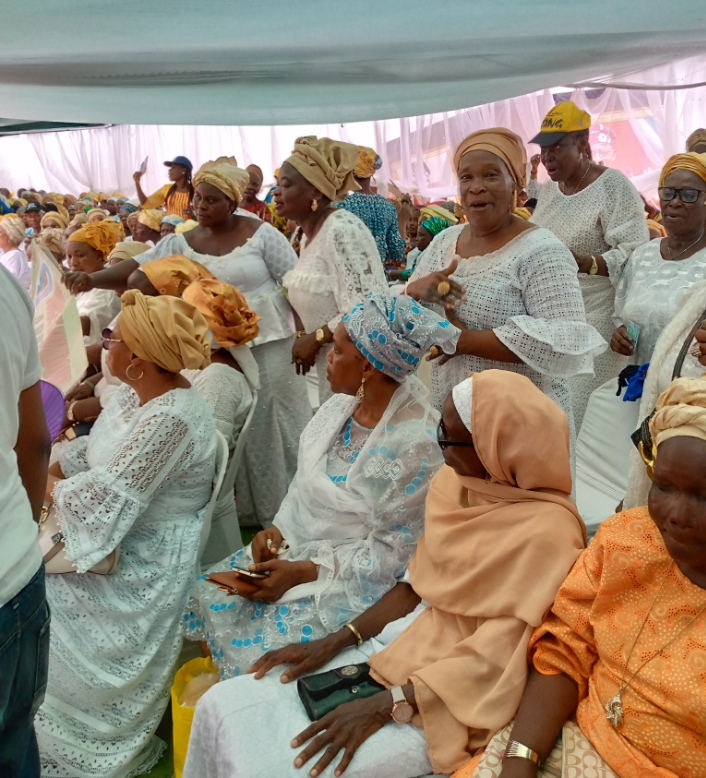
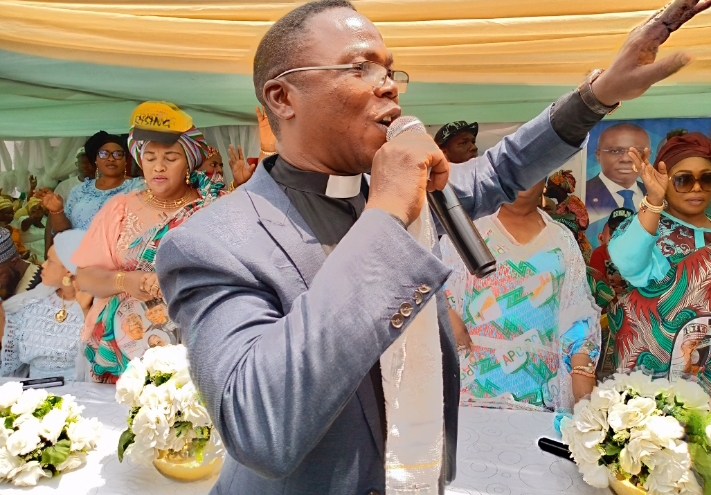
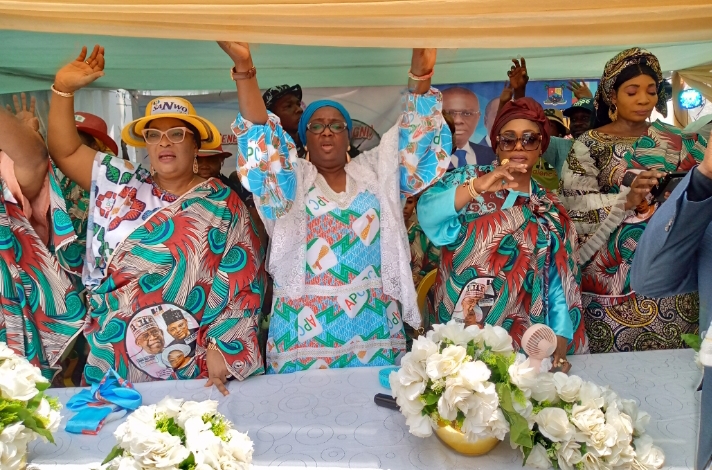 I just gave out Ankara fabrics for the Presidential elections to thousands of people. I am planning to have an outreach for the widows to support Governor Babajide Sanwo-Olu’s governorship election. In fact,I traveled the length and breadth of Nigeria from the South to North to canvass for my father and all APC candidates in different states, and the response I got from them was very encouraging. So, I will do my own and leave the rest to God.How do you react when you hear all these rumors of people saying you haven’t done anything? When I hear people say such things, I just laugh at them and wish them away. For example, I first went to former President Ibrahim Babangida to solicit support for my father’s presidential bid; same for former president, Goodluck Jonathan, who both gave me their assurance of their ready support when the time comes, highlighting that for one’s daughter to be going this extra mile for her father, she must have good intentions. This was even before my father went to them on the same mission. I am not always bothered. In fact, I just do my bit and leave the rest to God and man to judge.
….Exclusive Interview with the Chairman of the Code of Conduct Tribunal
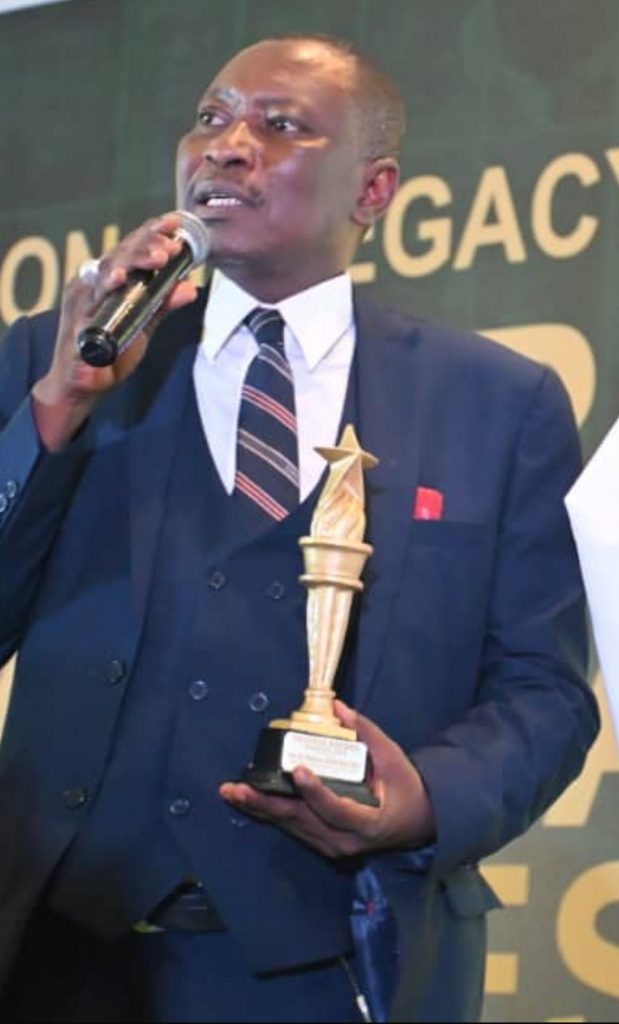
In a modest office in Abuja—where the steady hum of newly restored electricity blends with the quiet rustle of files once left unattended by time—Dr. Mainasara Ibrahim Kogo Umar speaks with the calm intensity of a man entrusted with a renewed mandate.
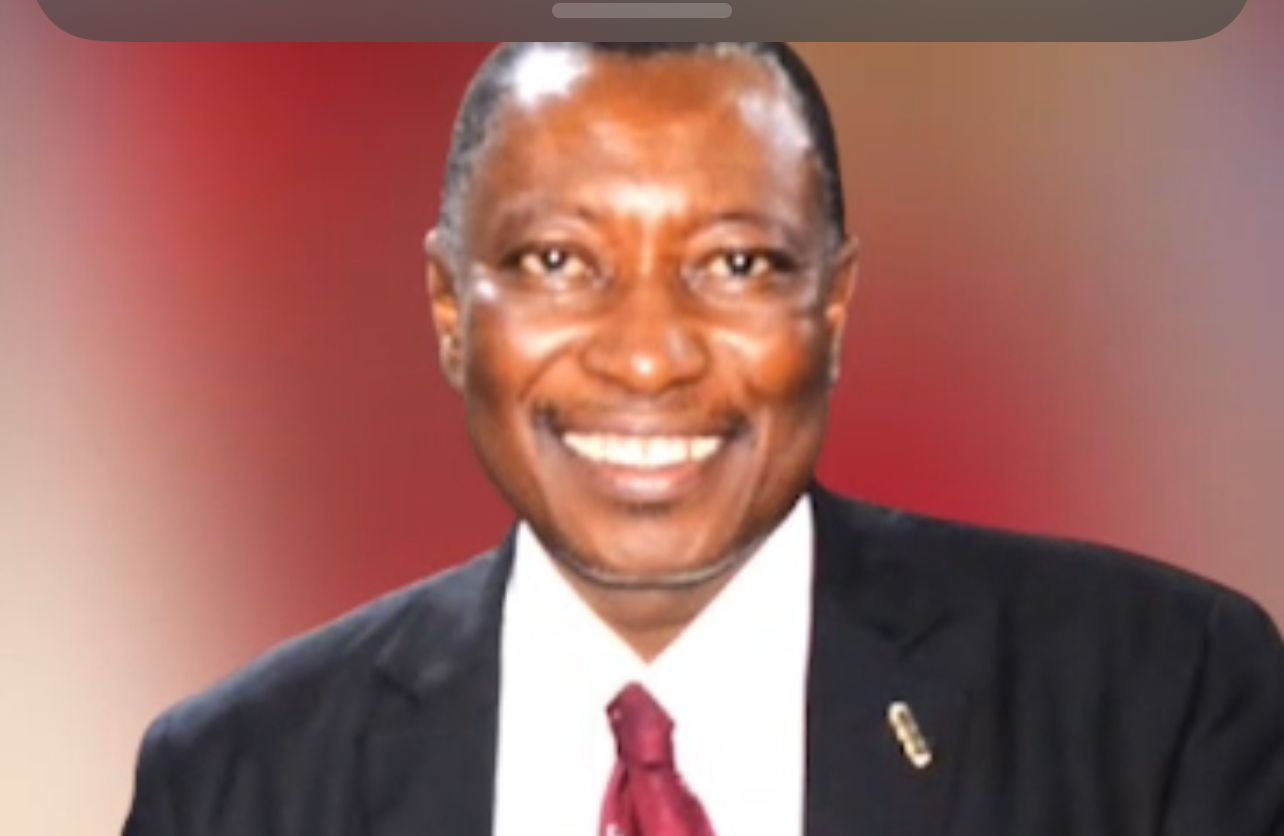
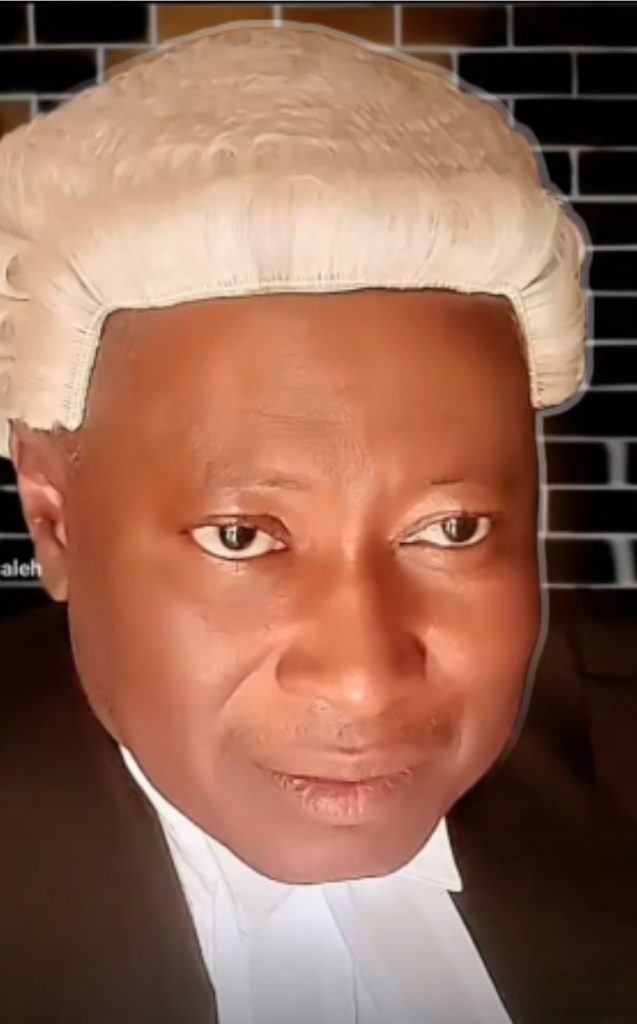
Honourable Justice Mainasara Ibrahim Kogo Umar, Chairman of the Code of Conduct Tribunal of Nigeria, embodies discipline, depth, and judicial conviction. A man of impeccable character and tested integrity, he is widely regarded as dependable in moments that demand courage and clarity. With decades of experience in legal practice, public service, and institutional leadership, he stands as one who has truly “been there and done that.”
His record reflects landmark contributions—both individually and collectively—shaping conversations around accountability, constitutional responsibility, and anti-corruption enforcement. Justice Kogo Umar represents a compelling study in legal pragmatism, institutional reform, and principled leadership.
In this exclusive interview with a select group of journalists, he speaks candidly about reforming the Tribunal, strengthening anti-corruption mechanisms, and his broader vision for justice and public governance in Nigeria.
Enjoy……….
Interviewer: Good afternoon, sir. Can we meet you?
My name is Mainasara Ibrahim Kogo Umar. I hail from Katsina State. I come from an aristocratic background, but over the course of my journey in unionism and activism, I became deeply influenced by Marxist ideals.
I have been involved in many spheres of life, particularly activism and legal practice. I have fought against corruption for several decades. Currently, I serve as the Continental President of the African Transparency Front, among other responsibilities.
I was appointed Chairman of the Code of Conduct Tribunal on 13th July 2024, after 23 years of leaving the organisation. I previously served here as a young lawyer and later as Chief Registrar of the Tribunal before pursuing other endeavours.
By God’s infinite mercy, I have returned as Chairman of the Code of Conduct Tribunal. My appointment generated some controversies because the President deemed it necessary to revitalise this very important institution.
The Code of Conduct Tribunal is the only judicial institution specifically mentioned in the Constitution under the Fifth Schedule. It tries public officers on matters relating to breaches of the Code of Conduct, abuse of office, illicit enrichment, ostentatious living beyond legitimate earnings, and issues of ethics and morality.
As Chairman, one must be above board. You are the arbiter who determines the personal and official conduct of public officers.
The Constitution clearly defines who public officers are. They include the President of the Federal Republic of Nigeria, the Vice President, ministers, members of the National Assembly, members of the diplomatic corps, service chiefs, judges—including Justices of the Supreme Court and the Chief Justice of Nigeria—members of academia in public institutions, and anyone at the federal, state, or local government level who earns a salary from public funds.
The Tribunal’s mandate is not restricted to asset declaration alone. Even if you declare your assets beyond three months after assuming office, you are already in breach. Subsequently, every four years—whether appointed, elected, or employed—it is mandatory to declare your assets. This serves as a benchmark to determine whether your acquisitions align with your legitimate earnings.
Public officers are not permitted to engage in private business or trade while in office, except farming. If you wish to enter politics, you must resign before contesting.
Upon appointment, the Chairman of the Tribunal can only be removed under three circumstances:
1. Upon attaining the age of 70;
2. By voluntary resignation;
3. For misconduct or breach of the Code of Conduct, in which case both chambers of the National Assembly must invoke their constitutional powers to remove the Chairman.
The Senate, on 20th November 2024, exercised this power and removed the former Chairman on grounds of abuse of office and misconduct. On 26th November 2024, the House of Representatives affirmed the removal with an overwhelming majority.
On 20th February 2025, the Secretary to the Government of the Federation presented my appointment letter, backdated to 20th November 2024. I was subsequently inaugurated by the President and sworn in on 7th October 2025.
What was the state of the Tribunal when you assumed office, and what are the current challenges and your vision?
When I assumed office, the Tribunal was in a very poor state. Staff morale was low, infrastructure was dilapidated, there was no electricity or water supply, and furniture was grossly inadequate.
I immediately restored electricity and water supply, reactivated boreholes, revitalised transformers, and sought technical assistance. Through outreach to international agencies, we secured computers, laptops, photocopiers, and other equipment.
I restructured the institution by expanding it from three departments to thirteen, aligning it with my vision.
One major vision is to transform the Tribunal into the Code of Conduct and Anti-Corruption Court, in line with Section 15(5) of the Constitution, which mandates the State to abolish corrupt practices and abuse of office. A bill to that effect has passed second reading at the National Assembly. If passed, anti-corruption agencies would prosecute relevant cases here.
How does the Tribunal collaborate with agencies like EFCC and ICPC?
Currently, the ICPC prosecutes at State High Courts, while the EFCC prosecutes at the Federal High Court. However, under the proposed reform, cases involving public officers could be prosecuted here.
This Tribunal operates summary jurisdiction. Before assigning hearing dates, I require lawyers to file all written submissions in advance. After reviewing them, hearings focus on adoption and cross-examination, and judgments are delivered promptly. Ideally, no case should last more than six weeks.
The Constitution prescribes specific penalties, including removal from office, disqualification from public office for up to ten years, and forfeiture of ill-gotten assets. These are without prejudice to other criminal penalties under the law.
We have also created departments for international liaison—including collaboration with Interpol and international courts—and enforcement of judgments.
How do you ensure fairness in high-profile cases?
The Tribunal does not initiate cases. The Code of Conduct Bureau investigates and refers cases, while the Attorney General prosecutes. We handle adjudication.
We do not consider status or public pressure—only facts, evidence, and the law. Decisions are reached collectively by a panel of three judges. Public expectation, institutional responsibility, and the demands of the law must be carefully balanced.
How many cases have been referred since your assumption of office?
I inherited thousands of cases, some dating back over two decades. After discussions with the Bureau, we agreed that only cases within a reasonable timeframe—preferably within three years of occurrence—should be referred to ensure effectiveness.
Currently, we handle between two and five cases weekly. The Bureau determines which cases to refer.
What is your vision for the Tribunal in the next five years?
In the next five years, the Tribunal should be placed on first-line charge to guarantee financial independence. We should expand to at least 36 judges, with judicial divisions across the six geopolitical zones and Abuja.
Funding must increase significantly to support infrastructure, security, and institutional growth.
I have served in public service for 36 years and have never taken illegal money. A significant portion of my earnings has gone to charity. My goal is to reposition this institution as a model of public governance and exemplary leadership.
Within five years, once the institution is fully reformed and functioning optimally, I intend to step aside. I do not wish to remain in office until retirement age. My mission is to rebuild, reposition, and leave behind a strong, sustainable institution.
I aim to demonstrate that public institutions can be run with integrity, efficiency, and vision.
interview
NIGERIA MECHANIZED AGRO EXTENSION SERVICE PROJECT, A STRATEGIC MOVE TO ALLEVIATE POVERTY – DR. AMINU ABDULKADIR
 …. A strategic Agricultural project for job creation, poverty alleviation, sustainable food security and sustainable Economic growth and development of Nigeria.
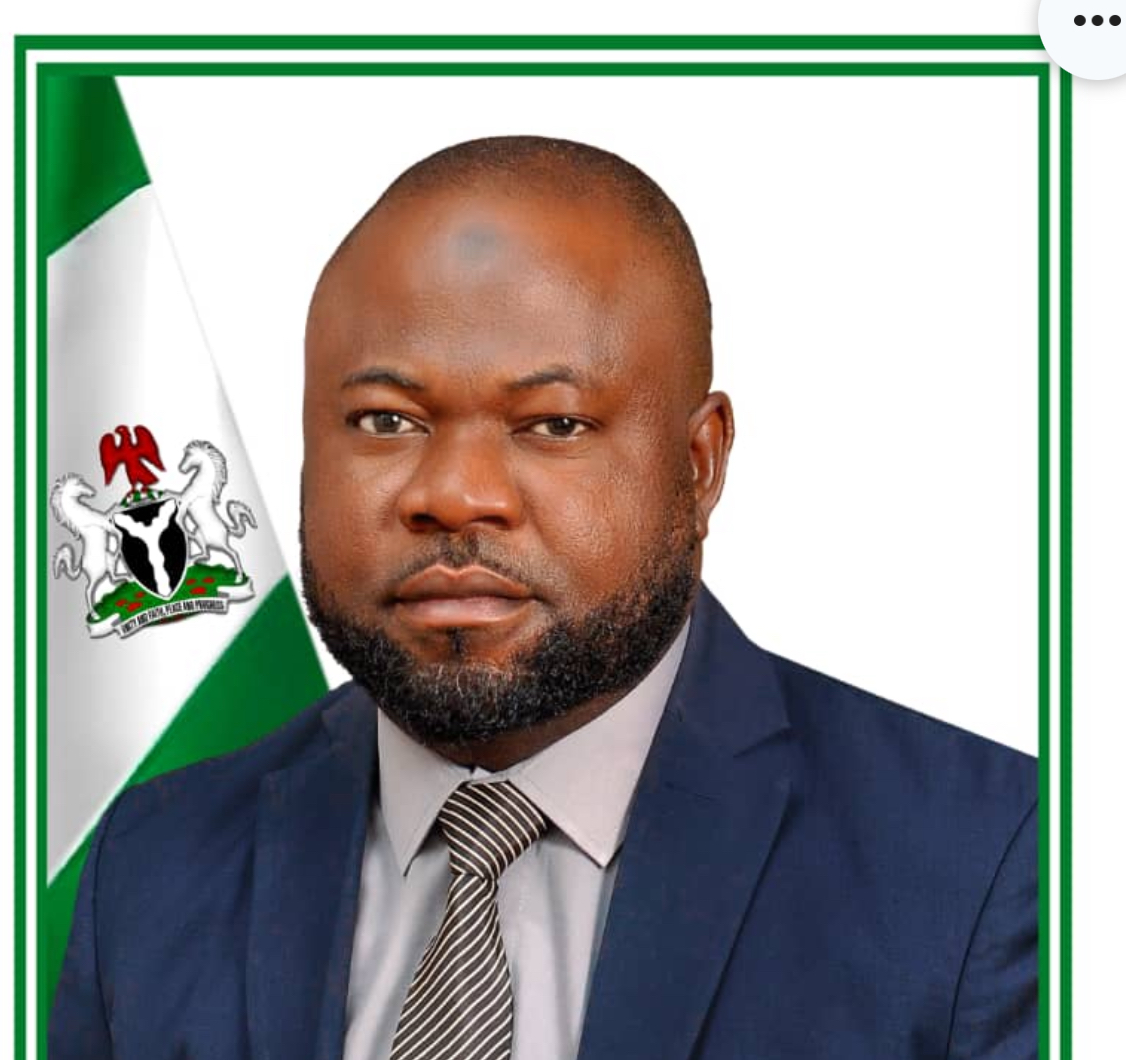
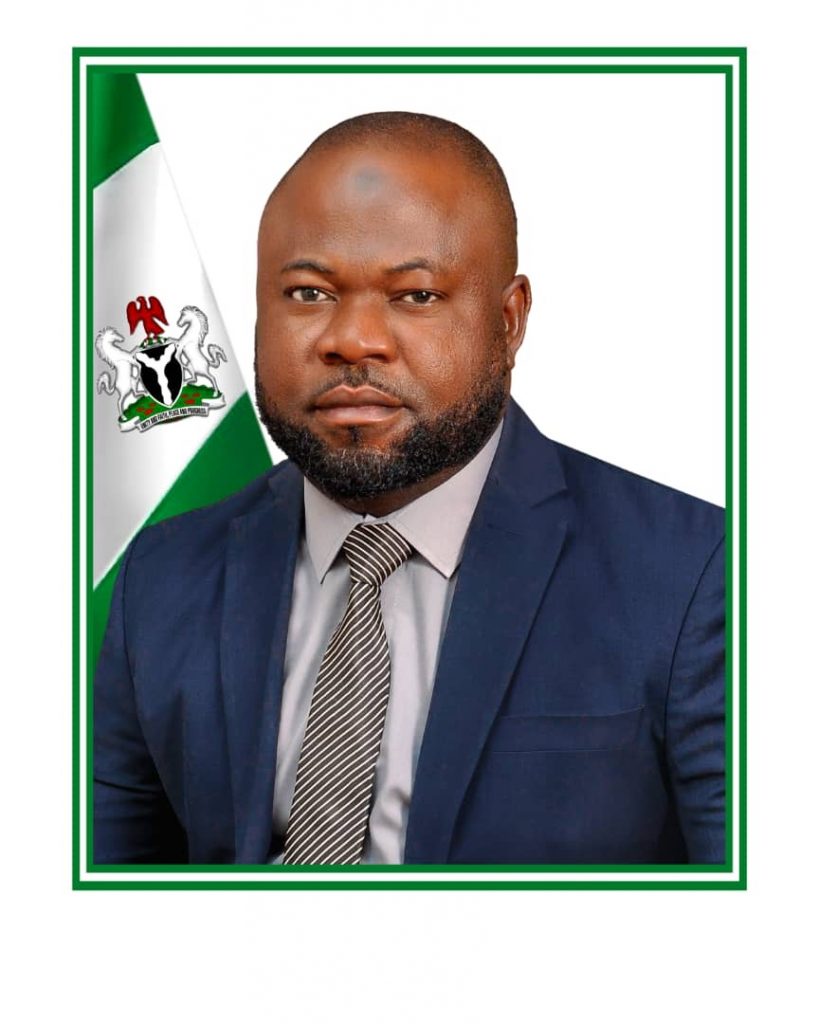
The Managing Director of NATIONWIDE AGRICULTURAL MECHANIZATION COMPANY OF NIGERIA LTD (NAMCON) and National President of NAMCON GROUP while speaking with Sotayo Newsthumb publisher stated that NAMCON was Established to rebrand Agriculture, with a view to creating job opportunities, alleviate poverty, promote food security and sustainable Economic growth and development of Nigeria. He stated that NAMCON project is strategically structured to relief the Federal government of the burden of funding Agriculture and promote increase private sector investment in the entire Agriculture value chain.
Abdulkadir emphasized that no sector of Nigeria has the capacity to create job and engage the youths like the Agricultural sector. NAMCON project has the capacity to engage 15 million youths in 5years across Nigeria.
The managing Director and Chief Executive Officer of Nationwide Agricultural Mechanisation Company of Nigeria (NAMCON), Dr. Aminu Abdulkadir, along with a Board member, Engineer Ibraheem Mustapha, the management of NAMCON revealed the plan for the creation of 528 Mechanized Agricultural centers across Nigeria.
Expert………,
WHAT MOTIVATED THE ESTABLISHMENT OF NAMCON AT THIS PERIOD IN THE NATION?
I would say NAMCON is a child of necessity, created after 15 years of intensive research and survey of the agricultural sector with different experts from various units in the industry. We studied and reviewed past Agricultural projects both public and private Agricultural projects and their challenges from 1980 till date. To resolve these numerous challenges NAMCON was created to unlock the enormous potential of the sector and provide comprehensive agricultural solution to rural farmers who constitute over 80% of the farming population of Niigeria. We took into cognizance the need to reduce government funding of Agriculture and make it attractive to private investors.
We have five unique projects code named NAMCON SUPER 5 PROJECTS. The project includes:
1. Nigeria mechanized Agro extension service project.
2. Nationwide Livestock Development Project.
3. Women Nurturing Birds for Wealth Project.
4. Nigeria Agro Market Space.
5. Farmers Housing Project
NAMCON SUPER 5 PROJECTS are strategically structured to provide comprehensive agro solution through the 528 centers across Nigeria.People go to hospitals when they are sick, and when their rights are trampled on, they go to court to seek redress. But where do farmers go for help? Challenges such as these led to the establishment of NAMCON, where farmers will have access to mechanized agricultural consultancy services, technical support, supply of inputs such as improved seedlings, herbicides, organic fertilizer and storage facilities.
For several years, the government has funded the agricultural sector, yet less than 30% of our actual capacity has been utilized. NAMCON has 1400 primary Cooperatives, 284 Union Cooperatives and 32 State Apex Cooperative Societies. To maximize the full potential of the sector, NAMCON will create NAMCON centers in 528 Local Government Areas out of 774 local government councils, with these centers domiciled predominantly in rural areas for farmers. Farmers in these locations do not need to wait for the government but can visit the centers and access all the mechanized extension services and inputs.
Just as doctors diagnose patients to prescribe drugs, these centers will attend to farmers’ challenges—from soil preparation to seedlings. At harvest time, farm produce is shared in a 60/40 ratio: 60% goes to the farmers, while 40% covers administrative costs for the partners. We want to ensure that farmers get premium value from their farming activities.
With this, the yearly struggle to buy fertilizers will be eliminated. Young people, especially those who couldn’t secure white-collar jobs, will be attracted to farming, and their educational upliftment will enable them to contribute to the economy. The project will also drive down the cost of living, complementing the efforts of His Excellency, Asiwaju Bola Tinubu President and commander in chief of the Federal Republic of Nigeria.
We strongly believe that this agricultural project alone can generate at least 15 million jobs within the next three years. It is not rocket science—agriculture is the biggest and best sector that can absorb the labor force, contributing more to the country than oil and gas, ICT, telecommunications, and tourism. Agriculture is vast, and it is the silver bullet that can tackle unemployment, rural-urban migration, poverty, and insecurity in our country.
With our collaboration with the federal government, this project will bring significant sustainable development to Nigeria.
You mentioned bringing tractors to the country and supplying farmers with inputs. How do you intend to fund this and recoup your investment?
Thank you. To revitalize agriculture sector, one needs technology and mechanization. Those who need these machines cannot afford them, and those who can afford them are not interested.
We also understand the numerous efforts and interventions of the federal government under the leadership of President Tinubu in the last two years to bring back mechanization however efforts must be made not to repeat the mistakes of the past. Government can not own and manage and efficient agricultural project.
While we were planning to select a reputable manufacturer that will supply all the equipment needed, we received an invitation from the Chinese government to attend an Agricultural investment summit where we met different tractor manufacturers, and investors willing to supply, manage, and run the equipment with us over a period of 10years.
Our partners have agreed to supply 30,000 units of tractors over five years. other component of the infrastructure include.
1) To deploy 27,000 units of 75Hp Tractors complete with all implements across 528 Local Government Areas over the next 5years.
2). To train and employ 150,000 Youths as Agro Extension Staff over 5years.
3). Provide comprehensive Mechanized Agricultural services to 15million small holder farmers across Nigeria.
4). Provide standard inputs such as Improved seedlings, Herbicide, Organic Fertilizer for the farming of 11 major crops for local consumption and export.
5). Creation of 600 Customized storage centers across Nigeria.
6). Creation of 900 Super Food stores across Nigeria in 5 years.
7). Creation of 2 major service centers and Spare parts centers in North and South.
8). To deploy 600 CNG powered dedicated trucks for the transportation of Agricultural produce.
9). To deploy 600 Bulldozers and Excavators dedicated to creating access roads to farm settlements and cluster farms.
10). Supply of 25,000 Motor cycle for farm inspection, monitoring and supervision.
We are not giving the tractors to farmers outright but providing them as a service. For instance, cultivating one hectare of rice plantation according to international standards costs an average of ₦800,000, which farmers cannot afford. So, we offer this service to them and take 40% of the revenue generated. Farmers do not need to own any of these machines.
How do you raise funds to cover over 500 local governments for the project?
We have both technical and financial partners. The technical partners supply the equipment, while the financial partners fund the project. We have a payback period of about five to ten years.
This strengthens our belief that the agricultural sector is vibrant enough to generate the cash flow needed for repayment. We can feed ourselves and export to other countries. There is a huge market for our cassava in China, and our ginger is highly valuable. These crops alone can generate up to a billion dollars in annual revenue.
All we need is a strategic administrative support of the federal government.
Has this project been communicated to the state governments?
We are currently in discussions with state governments. Every level of government will have a role to play—from federal to local governments, with various contributions that are not necessarily financial.
Relevant government ministries department and agencies will play strategic roles and the traditional rulers will play active role in profiling rural farmers in their communities. Our reward system takes care of all level of government.
How will your organization handle insecurity, especially the herdsmen menace?
Security is primarily the government’s responsibility. We cannot guarantee security, but we have an integrated security solution.
We will engage idle hands in communities so they are not recruited into criminal activities. The social and cultural values of herders must be preserved in any agricultural project. We are creating semi-open grazing areas where they won’t have to roam in search of feed.
Each local government will have designated centers, including demonstration areas where herders can be introduced to modern livestock management through illustrated videos.
Rather than forcing them to buy feed immediately, we will integrate them into the project, gradually shifting their orientation. As they realize that these centers provide better milk yields and improved livestock value, they will naturally adopt the system.
What guarantees do you have regarding your Chinese partners’ ability to supply the needed equipment?
During our visit to China, the government invited many equipment manufacturers and assessed their capacities. Three factors made Zoom-Lion stand out:
1. We needed a manufacturer willing not only to sell equipment but also to operate it with us.
2. They have global coverage and a strong quality control system.
3. The company is 30% owned by the Chinese government and 70% by private investors.
ZOOMLION is the leading heavy equipment manufacturer in China and the fastest-selling agricultural equipment brand in Nigeria.
They have agreed to train and employ two technical personnel for every tractor brought into Nigeria and provide maintenance services. Additionally, ZOOMLION will establish training centers and an Agricultural Technical Hub in Abuja, serving as a seed improvement center, tourism attraction, and equipment assembly plant.
Have you introduced the NAMCON project to President Tinubu’s government, and what kind of collaboration is needed?
At the initial stage, the government can invest—not like the previous interventions where the government provided funding without a structured approach. Instead, we need the government to provide what we call Strategic Administrative Endorsement to establish statutory responsibilities through its agencies and MDAs. Agencies such as NADF and NAFDAC are needed to certify seedlings and other essential imports, while institutions like the Bank of Industry (BOI) would be crucial for effective collaboration.
The Federal Government is primarily responsible for directing all MDAs to participate in the project, ensuring that the benefits for all stakeholders are well-defined for national economic progress. In line with this, we are proposing a national delegation, in collaboration with our Chinese partners, to pay courtesy visits to major stakeholders in Nigeria’s agricultural sector and to our esteemed President. This will serve to formally introduce him to the project and its potential impact on the country.
What is your general assessment and scorecard for President Tinubu?
Well, I must commend Mr. President. Though it is not easy, as a student of economics and a realist, we understand how bad things were before he came to power. What previous Presidents couldn’t do, he has done. He took the bull by the horns—he has performed the necessary “surgery” to remove the “cancer” in our economy. The economy is rebounding, and we are seeing positive signals across major sectors. Food prices are declining, more people are returning to farming, and interest in agriculture is increasing. Our young people are now benefiting from student loans.
So many positive changes have been witnessed, but we strongly believe that our project will complement Mr. President’s efforts by serving as a major silver bullet to further drive economic recovery. There is no road or airport you construct today that will have an immediate impact on rural communities, but agriculture remains the only sector that can thrive without heavy private contributions. That is why our project is strategically designed to partner with the Federal Government in moving the nation forward within a short time.
I also want encourage him to continue on this path because he is doing exceptionally well. He understands the challenges ahead, and that is what brings me joy. I remember during the campaign, someone asked who among the presidential candidates was the best, and Asiwaju Bola Tinubu was rated as the best strategist. That is the approach that successful countries adopt for growth. He is not working for himself but for national progress. Instead of congratulating him, I would rather congratulate all of us.
I know several Nigerian investors who had left but are now returning to invest. However, naysayers refuse to admit that he is doing well. My advice is for him to stay the course. Personally, I have observed that he is not backing down and is leaving no stone unturned. I do not see him serving only one term—I believe, by God’s grace, he will successfully secure a second term.
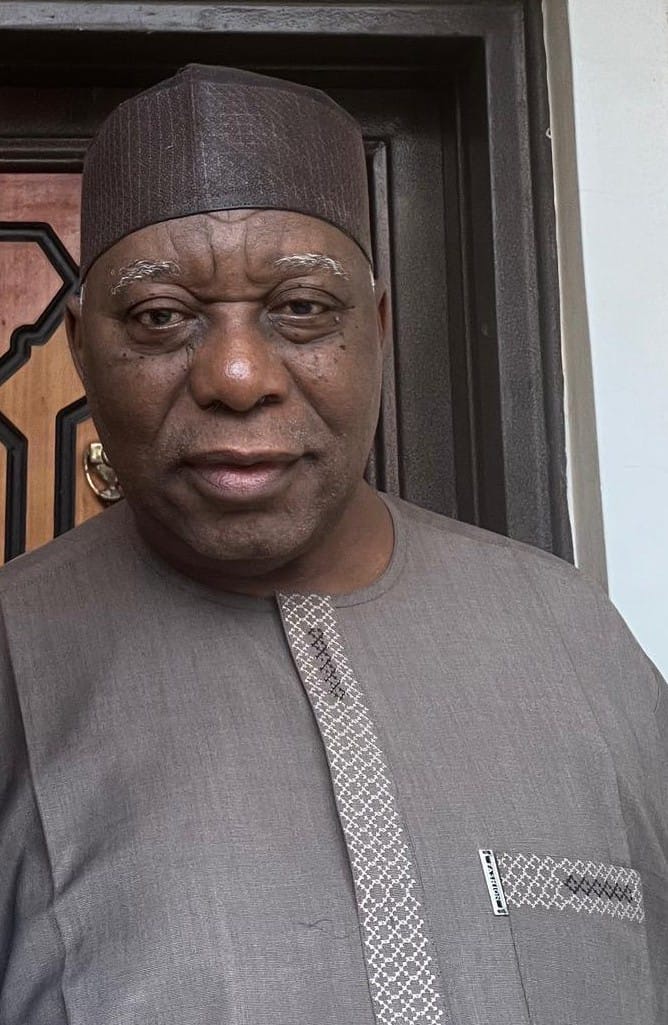
Engineer Ibraheem Mustapha, a key stakeholder at NAMCON and a former Managing Director of the Federal Housing Authority (FHA), has served Nigeria in various capacities. Drawing from his wealth of experience, he emphasizes the need to take agriculture seriously. He affirms that Nigeria can achieve progressive growth similar to China and Singapore if government-private initiatives are allowed to thrive for the benefit of all citizens. He further asserts that the NAMCON project, in collaboration with the Federal Government, will lift Nigeria out of food scarcity and add significant value to President Tinubu’s scorecard.
interview
My vision is to engage Nigerian youths in sports to promote national pride on the global stage and grassroots developments without political infiltrations, says Senator Obinna Ogba
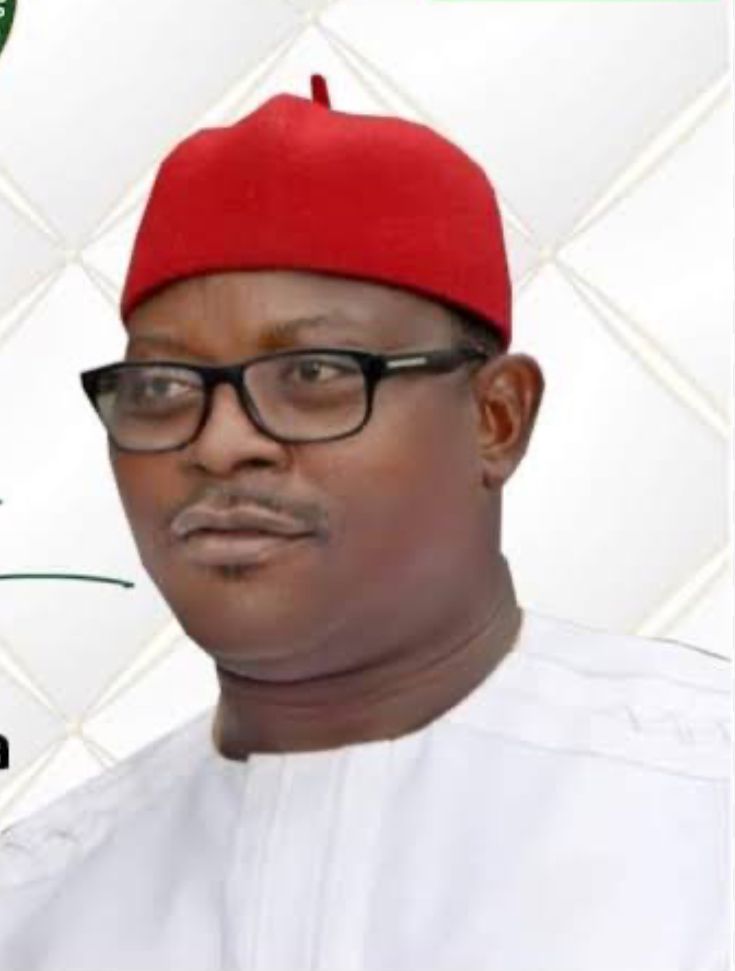
.
On moving Nigerian sports forward in Nigeria highlight a task that is long overdue. For any renewal move to be achieved, drastic steps and deliberate actions need to be upheld. A former senator representing Ebonyi Central Senatorial District in the 8th and 9th Assemblies, Senator Obinna Joseph Ogba, who is also a sports administrator, hails from Amanvu-
Nkalagu Community in Ishielu Local Government Area of Ebonyi State. Senator Obinna bares his mind on ways Nigerian sports can take its place in the community of sports nations.Excerpt:
We heard of your move from PDP to APC. What informed your decision and belief in this government?
A political party is like a vehicle that can convey you to a destination, and when you get there, it becomes about Nigeria. I never liked APC as a party before, but Senator Oluremi Tinubu talked me through it while we were at the Senate together. She was then the chairman of my committee. It was then I began to yield to APC agendas.
The party I belonged to also disenfranchised me from the Ebonyi State governorship ticket. Myself and others, like my mentor in Ebonyi State, Sen. Anyim Pius Anyim, decided to support APC before the election. It’s therefore wrong for people to assume I just joined APC after the 2023 election. So far, so good. We have been doing well and making efforts to contribute our own quotas, hoping that one day our names can come out at the national level.
Can you mention some of your scorecards during your terms in the 8th and 9th Assemblies?
I don’t like blowing my own trumpet but prefer people to talk about my achievements. However, let me mention them. No senator from Ebonyi State has done what I did since the state’s creation in 1996. I built a stadium while I was the Chairman of the Senate Committee on Youths and Sports for eight years. I assisted in facilitating over 480 Ebonyians into the federal civil service, and all of them are growing in the system. It gives me joy to see those Ebonyians. We attracted developments like road constructions and bridges. I included my community projects in the Nigerian budget, which was unprecedented in the history of Ebonyi State. That is why, on the floor of the Senate, I thank those who introduced constituency projects because, without such initiatives, people like us might not get anything as community gains from the federal government. A cassava processing plant is also part of what my representation brought to my community to date. My first senatorial bill was on the University of Sports, the first in West Africa, which has today been signed into law. Again, to show you that President Tinubu is doing well in recognizing the importance of youths, he has approved the university, which would soon be commissioned, and a vice-chancellor will be appointed. The National Sports Commission has been an illegal entity, and if the President didn’t like it, it could be scrapped. But I had to push a bill for the National Sports Commission, which former President Buhari assented to. That was my bill. Presently, Mr. President has also started implementing the law. Very soon, he will appoint a Director General to run the day-to-day operations of the Commission. When you look at the Commission for Physically Challenged Bill too, I was a partner to it. The National Lottery Bill was also my bill, though former President Buhari refused to assent to it, but the National Assembly vetoed it. That is one of the two bills in Nigeria that has been vetoed. The NDDC Bill during Obasanjo’s era was refused, and this National Lottery Bill was also refused by Buhari, and both were vetoed by the Assembly. I have a lot to tell. The South-East Development Commission (SEDC) Bill was also initiated by me. Now that President Tinubu has consented, myself, Senator Stella Odua, and Anyanwu were the first to sponsor the bill. Buhari assented to the North-East Development Commission (NEDC) but refused the SEDC Bill then. Thank God the present Deputy Speaker has now represented and sponsored the bill, which was assented to by Mr. President. The South-East would forever be grateful for that.
If Mr. President offers you the position of Director General of the Sports Commission today, what would you do differently?
Well, since I know everything about the bill, I have been in sports management all my life. I was a Commissioner for Youths and Sports in Ebonyi State, Senior Assistant to the former Ebonyi State Governor on Youths and Sports, First-Vice President of the Nigerian Football Association (NFA), a retired referee, coach, and former member of the Confederation of African Football (CAF). My credentials in sports speak for me to develop Nigerian youths and sports, to uplift Mr. President’s government in the areas of youths and the Renewed Hope Agendas because you need a system that can relate the agendas to the grassroots. One sure way is through sports. I mean wholesome sports. Be mindful that football is not the only sport we can push to the forefront; there are many other arms of sports too. The era of Nigerians going for international sports competitions without bringing home medals would be a thing of the past. We would ensure sports activities are developed without political infiltrations. I will use my experience to convince Mr. President of the need to develop sports to make his Renewed Hope Agendas proud.
I will develop athletes’ training policies to get them adequately prepared for any competition whatsoever. Releasing money within two to three weeks before a competition would not yield any results; such funds would be a waste. The Olympics is a four-year interval event, and we would no longer wait for athletes to roam the streets without adequate care.
I am aware Mr. President has released ₦12 billion to the Sports Commission, and such funds can be used to care for these talented athletes and not just be spent on a fire-brigade approach for winning Olympic medals with only weeks of preparation—it would never happen. Such funds need to be put to use between now and the next Olympics, while releasing a few billion naira around the tournament period would suffice to achieve commendable results.
My governor just established a football club and appointed me as the chairman of the club. As I am here, I think and talk sports. If given the opportunity, I will do well. In fact, in talking about sports in Nigeria, there is no way my name would not be mentioned. I have a lot to offer. Even most sports ministers usually consult us when they are appointed. You know, after your advice, when money comes, they won’t call you again or even follow the advice offered, and that’s why they always fail.
When people without a track record in sports are appointed, someone like the man from Plateau State who had no knowledge about sports and didn’t belong to the sports community, he was unable to do anything. When you don’t belong to the sports community, you find it difficult to do well and may become frustrated.
In sports, we can also partner with private organizations to raise funds to support sports, making accountable use of the resources garnered to support Mr. President’s Renewed Hope Agendas. I believe in the power of sports as a uniting force for the country.
If given the privilege, I can also establish a National Sports Fund for sustainable funding because most sports funds come from the government alone, and it shouldn’t be so. I will also facilitate sports commission workforce welfare, including coaches and staff. These are the administrators, and adequate training is expected to be given to them for efficiency.
My vision is to engage Nigerian youths to promote national pride on the global stage. I am confident that with the right approach, Nigerian sports can be taken to international levels sustainably.
What do you admire most, and what are your suggestions to Mr. President for almost two years of his administration?
It was his effort to give national honors to athletes who could not win the CAF tournaments but became second with silver medals. No President has ever done that. The President and General Secretary of the NFA were also given national honors. In 1980, when Nigeria first won gold, they were not given national honors. Up to 10 times now, it’s happening for the first time.
Though people say things are very hard and go demonstrating, as an Igbo man, we don’t believe in that. We support President Tinubu’s government. By the time he finishes his second term in office, everything will be normalized.
Why do you think South-Eastern States supported Mr. President?
Our people don’t lie; we focus on what we believe in. Imo and Ebonyi States are APC states. We also believe that by 2027, APC will capture more. Mr. President has been doing well. See the Southeast Development Commission (SEDC) he assented to and approved. Mr. President’s wife visiting our state and we are there to warmly welcome her. We don’t hide our support for him.
How do you think Nigeria can perform well in international competition?
Simply by early preparation. Participants must be fully engaged and exposed to international friendlies to sharpen their talents. We should also learn how to play boardroom politics—that is, not allowing all these Francophone country referees to officiate in our matches against other Francophone nations due to biased officiating. Neutral officials, perhaps from Northern Africa, would be better suited for such games.
If I am appointed Director General, I will make sure Mr. President hosts an African tournament, which would also sell the nation to the world. After Obasanjo, it’s only former President Yar’Adua that hosted an African game. We have something upstairs to offer and make his 2027 election easier for him to win.
What do you think affected our sporting facilities in Nigeria?
Lack of maintenance. We lack a maintenance culture. All our facilities become old. I don’t see any reason why the National Stadium in Lagos should not be working. How much do we think the stadium would cost to maintain that we cannot afford? That stadium, in question, can also yield revenue to cover maintenance costs.
Nigeria has only one FIFA-approved stadium, which is in Akwa Ibom State because the state keeps maintaining it. The National Stadium in Abuja can be maintained too. If appointed, I can reach out to Julius Berger to maintain the stadium to secure a contract from us.
There is also another way we can manage it through private partnerships. Even UBA, as a bank, can be contracted to maintain the stadium for 20 years and earn revenue from it. Dangote, too, can handle it. Look at Murtala Muhammed Airport (MM2) in Lagos—it’s been under private management and functions profitably to this day.
Again, the National Lottery needs to go into sports. In fact, the National Lottery is not paying enough to the federal government as it ought to. We have to ensure they pay all that is due to them.
In addition, our national leagues should be opened for support from government and private organizations. They should not rely only on clubs to survive.
In all, there is no government that has done what Mr. President has done in Nigeria. Security issues have gone down. The proposed tax reforms, too, are a fantastic economic policy to take Nigeria to the next level.
In moving Nigerian sports forward in Nigeria highlight a task that is long overdue. For any renewal move to be achieved, drastic steps and deliberate actions need to be upheld. A former senator representing Ebonyi Central Senatorial District in the 8th and 9th Assemblies, Senator Obinna Joseph Ogba, who is also a sports administrator, hails from Amanvu-
Nkalagu Community in Ishielu Local Government Area of Ebonyi State. Senator Obinna bares his mind on ways Nigerian sports can take its place in the community of sports nations.
Excerpt:
We heard of your move from PDP to APC. What informed your decision and belief in this government?
A political party is like a vehicle that can convey you to a destination, and when you get there, it becomes about Nigeria. I never liked APC as a party before, but Senator Oluremi Tinubu talked me through it while we were at the Senate together. She was then the chairman of my committee. It was then I began to yield to APC agendas.
The party I belonged to also disenfranchised me from the Ebonyi State governorship ticket. Myself and others, like my mentor in Ebonyi State, Sen. Anyim Pius Anyim, decided to support APC before the election. It’s therefore wrong for people to assume I just joined APC after the 2023 election. So far, so good. We have been doing well and making efforts to contribute our own quotas, hoping that one day our names can come out at the national level.
Can you mention some of your scorecards during your terms in the 8th and 9th Assemblies?
I don’t like blowing my own trumpet but prefer people to talk about my achievements. However, let me mention them. No senator from Ebonyi State has done what I did since the state’s creation in 1996. I built a stadium while I was the Chairman of the Senate Committee on Youths and Sports for eight years. I assisted in facilitating over 480 Ebonyians into the federal civil service, and all of them are growing in the system. It gives me joy to see those Ebonyians. We attracted developments like road constructions and bridges. I included my community projects in the Nigerian budget, which was unprecedented in the history of Ebonyi State. That is why, on the floor of the Senate, I thank those who introduced constituency projects because, without such initiatives, people like us might not get anything as community gains from the federal government. A cassava processing plant is also part of what my representation brought to my community to date. My first senatorial bill was on the University of Sports, the first in West Africa, which has today been signed into law. Again, to show you that President Tinubu is doing well in recognizing the importance of youths, he has approved the university, which would soon be commissioned, and a vice-chancellor will be appointed. The National Sports Commission has been an illegal entity, and if the President didn’t like it, it could be scrapped. But I had to push a bill for the National Sports Commission, which former President Buhari assented to. That was my bill. Presently, Mr. President has also started implementing the law. Very soon, he will appoint a Director General to run the day-to-day operations of the Commission. When you look at the Commission for Physically Challenged Bill too, I was a partner to it. The National Lottery Bill was also my bill, though former President Buhari refused to assent to it, but the National Assembly vetoed it. That is one of the two bills in Nigeria that has been vetoed. The NDDC Bill during Obasanjo’s era was refused, and this National Lottery Bill was also refused by Buhari, and both were vetoed by the Assembly. I have a lot to tell. The South-East Development Commission (SEDC) Bill was also initiated by me. Now that President Tinubu has consented, myself, Senator Stella Odua, and Anyanwu were the first to sponsor the bill. Buhari assented to the North-East Development Commission (NEDC) but refused the SEDC Bill then. Thank God the present Deputy Speaker has now represented and sponsored the bill, which was assented to by Mr. President. The South-East would forever be grateful for that.
If Mr. President offers you the position of Director General of the Sports Commission today, what would you do differently?
Well, since I know everything about the bill, I have been in sports management all my life. I was a Commissioner for Youths and Sports in Ebonyi State, Senior Assistant to the former Ebonyi State Governor on Youths and Sports, First-Vice President of the Nigerian Football Association (NFA), a retired referee, coach, and former member of the Confederation of African Football (CAF). My credentials in sports speak for me to develop Nigerian youths and sports, to uplift Mr. President’s government in the areas of youths and the Renewed Hope Agendas because you need a system that can relate the agendas to the grassroots. One sure way is through sports. I mean wholesome sports. Be mindful that football is not the only sport we can push to the forefront; there are many other arms of sports too. The era of Nigerians going for international sports competitions without bringing home medals would be a thing of the past. We would ensure sports activities are developed without political infiltrations. I will use my experience to convince Mr. President of the need to develop sports to make his Renewed Hope Agendas proud.
I will develop athletes’ training policies to get them adequately prepared for any competition whatsoever. Releasing money within two to three weeks before a competition would not yield any results; such funds would be a waste. The Olympics is a four-year interval event, and we would no longer wait for athletes to roam the streets without adequate care.
I am aware Mr. President has released ₦12 billion to the Sports Commission, and such funds can be used to care for these talented athletes and not just be spent on a fire-brigade approach for winning Olympic medals with only weeks of preparation—it would never happen. Such funds need to be put to use between now and the next Olympics, while releasing a few billion naira around the tournament period would suffice to achieve commendable results.
My governor just established a football club and appointed me as the chairman of the club. As I am here, I think and talk sports. If given the opportunity, I will do well. In fact, in talking about sports in Nigeria, there is no way my name would not be mentioned. I have a lot to offer. Even most sports ministers usually consult us when they are appointed. You know, after your advice, when money comes, they won’t call you again or even follow the advice offered, and that’s why they always fail.
When people without a track record in sports are appointed, someone like the man from Plateau State who had no knowledge about sports and didn’t belong to the sports community, he was unable to do anything. When you don’t belong to the sports community, you find it difficult to do well and may become frustrated.
In sports, we can also partner with private organizations to raise funds to support sports, making accountable use of the resources garnered to support Mr. President’s Renewed Hope Agendas. I believe in the power of sports as a uniting force for the country.
If given the privilege, I can also establish a National Sports Fund for sustainable funding because most sports funds come from the government alone, and it shouldn’t be so. I will also facilitate sports commission workforce welfare, including coaches and staff. These are the administrators, and adequate training is expected to be given to them for efficiency.
My vision is to engage Nigerian youths to promote national pride on the global stage. I am confident that with the right approach, Nigerian sports can be taken to international levels sustainably.
What do you admire most, and what are your suggestions to Mr. President for almost two years of his administration?
It was his effort to give national honors to athletes who could not win the CAF tournaments but became second with silver medals. No President has ever done that. The President and General Secretary of the NFA were also given national honors. In 1980, when Nigeria first won gold, they were not given national honors. Up to 10 times now, it’s happening for the first time.
Though people say things are very hard and go demonstrating, as an Igbo man, we don’t believe in that. We support President Tinubu’s government. By the time he finishes his second term in office, everything will be normalized.
Why do you think South-Eastern States supported Mr. President?
Our people don’t lie; we focus on what we believe in. Imo and Ebonyi States are APC states. We also believe that by 2027, APC will capture more. Mr. President has been doing well. See the Southeast Development Commission (SEDC) he assented to and approved. Mr. President’s wife visiting our state and we are there to warmly welcome her. We don’t hide our support for him.
How do you think Nigeria can perform well in international competition?
Simply by early preparation. Participants must be fully engaged and exposed to international friendlies to sharpen their talents. We should also learn how to play boardroom politics—that is, not allowing all these Francophone country referees to officiate in our matches against other Francophone nations due to biased officiating. Neutral officials, perhaps from Northern Africa, would be better suited for such games.
If I am appointed Director General, I will make sure Mr. President hosts an African tournament, which would also sell the nation to the world. After Obasanjo, it’s only former President Yar’Adua that hosted an African game. We have something upstairs to offer and make his 2027 election easier for him to win.
What do you think affected our sporting facilities in Nigeria?
Lack of maintenance. We lack a maintenance culture. All our facilities become old. I don’t see any reason why the National Stadium in Lagos should not be working. How much do we think the stadium would cost to maintain that we cannot afford? That stadium, in question, can also yield revenue to cover maintenance costs.
Nigeria has only one FIFA-approved stadium, which is in Akwa Ibom State because the state keeps maintaining it. The National Stadium in Abuja can be maintained too. If appointed, I can reach out to Julius Berger to maintain the stadium to secure a contract from us.
There is also another way we can manage it through private partnerships. Even UBA, as a bank, can be contracted to maintain the stadium for 20 years and earn revenue from it. Dangote, too, can handle it. Look at Murtala Muhammed Airport (MM2) in Lagos—it’s been under private management and functions profitably to this day.
Again, the National Lottery needs to go into sports. In fact, the National Lottery is not paying enough to the federal government as it ought to. We have to ensure they pay all that is due to them.
In addition, our national leagues should be opened for support from government and private organizations. They should not rely only on clubs to survive.
In all, there is no government that has done what Mr. President has done in Nigeria. Security issues have gone down. The proposed tax reforms, too, are a fantastic economic policy to take Nigeria to the next level.


-
 news6 years ago
UPDATE: #ENDSARS: CCTV footage of Lekki shootings intact – Says Sanwo – Olu
-
 lifestyle6 years ago
Former Miss World: Mixed reactions trail Agbani Darego’s looks
-
 health6 years ago
Chairman Agege LG, Ganiyu Egunjobi Receives Covid-19 Vaccines
-
 lifestyle5 years ago
Obateru: Celebrating a Quintessential PR Man at 60
-
 news1 year ago
BREAKING: Tinubu swears in new NNPCL Board
-
 health6 years ago
UPDATE : Nigeria Records 790 new cases of COVID-19
-
 entertainment2 years ago
Ashny Set for Valentine Special and new Album ‘ Femme Fatale’
-
 health6 years ago
BREAKING: Nigeria confirms 663 new cases of COVID-19