news
Update : Fubara ordered bombing of Rivers Assembly, I am not under duress I resigned, Says ex-Rivers HoS Nwaeke

• Says suspended gov plotted Tinubu’s downfall through pipeline bombings
• ‘Fubara ordered Ehie to pull down Assembly to avert impeachment’
• Nwaeke links Bala Mohammed to sinister plot against President
• Says emergency saved Rivers, Nigeria from major disaster
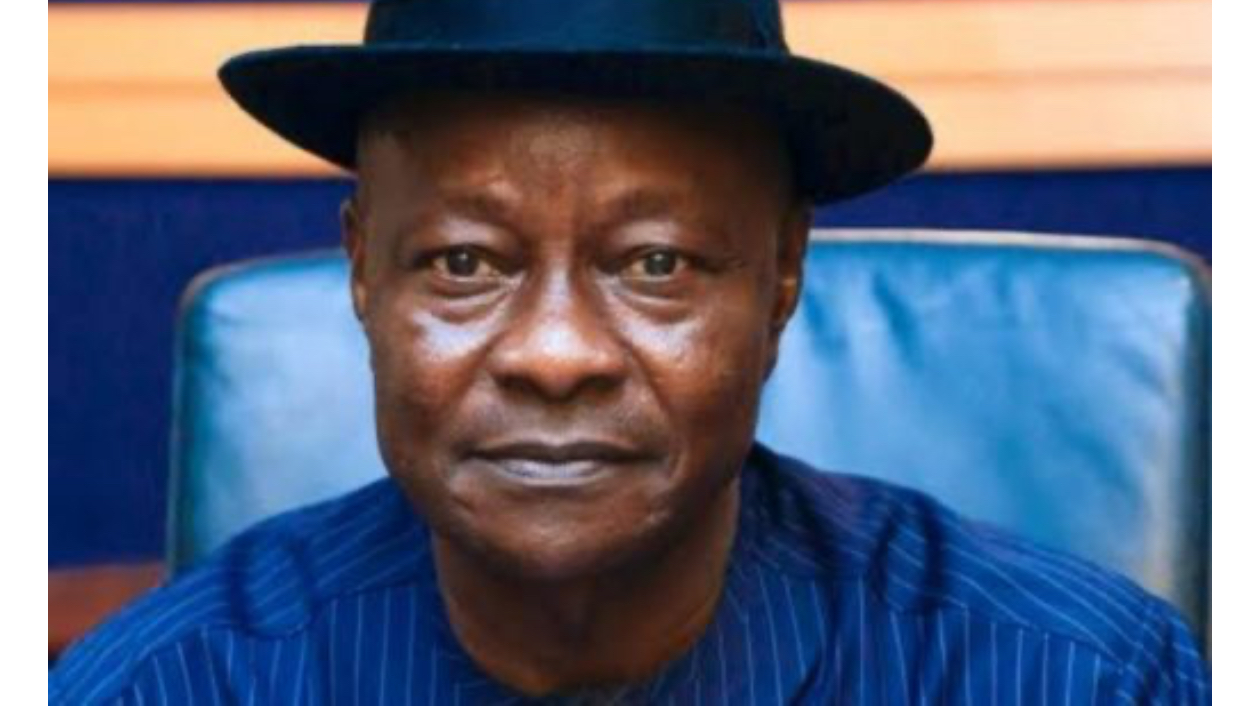
The immediate past Rivers State Head of Service, Dr. George Nwaeke, yesterday gave what appears to be yet the most revealing insider’s account of some of the events that culminated in the March 18 suspension of Governor Siminilayi Fubara and the state Assembly for six months.
Nwaeke, who claimed to have been an eyewitness to some of the actions taken by Fubara, spoke of how the suspended governor allegedly plotted the destruction of the State House of Assembly and economic sabotage to ensure the downfall of President Bola Tinubu.
Nwaeke, in a video press conference and a statement, claimed that Fubara masterminded the bombing of the state House of Assembly, using his Chief of Staff, Edison Ehie.
Nwaeke was appointed as head of service by Fubara.
He said he was prompted to set the records straight following “the loads of misinformation on print and electronic media.”
He said he was not sacked neither or pressured to resign but resigned “willingly from the depth of my heart.”
He said: ”However, as an insider and a key player in this administration by my position, who worked closely with Siminilayi Fubara, it will be unfair for me to keep silent or not to address some key factors that has affected or will affect our state if we continue on this trajectory.”
He thanked the President for “a swift intervention in Rivers State crisis, especially on the state of emergency that was declared and assented to by the National Assembly.”
He added: “You will recall that when the governor was suspended, as the head of service, I was the next in command. So I am not speaking from outside, I am speaking as an insider.
“If not for the intervention of Mr. President, Nigeria would have faced the worst economic sabotage and Rivers State would have been up in flames.
“First, it all started with the Rivers State House of Assembly where the Governor, Siminilayi Fubara, directed his Chief of Staff (Edison Ehie) to burn down the assembly in a way to avert his impeachment.
“That evening, Edison was in Government House with two other boys, including the former Chairman of Obio/Akpor LGA, one Chijioke. I was there with them when a bag of money was handed over to Edison for that operation, though I do not know the amount inside.
“I want to tell Rivers people today that the House of Assembly complex in Moscow Road was clearly brought down by Edison Ehie under the instructions of Governor Siminilayi Fubara, I challenge him to an open confrontation and I will throw more light on it.
“A day after that incident, I almost resigned, but I was very scared because I know the power of a sitting governor and he knew that I am aware of the whole plan and that I am discomforted with the unconscionable act and deliberate posture of innocence and mien of a sheep.”
He also alleged that another attempt was made to “destroy the residential quarters of the House of Assembly members.”
Continuing, he said: “If not for the press conference that was held there by Rivers youths, Rivers elders and National Assembly members, that would have been another barbaric demolition in Rivers State.
“I came to realise that they actually wanted to demolish that second building, because after some weeks, he personally told me that if he knew early, he would have gone to pull down their hall before visiting the residential quarters of the assembly, and that he didn’t actually know that they had such a beautiful hall where they are using now for their sitting.
“I was shocked and I asked myself how could a man that wants to lead his people be destroying his state assets and wasting public funds on a needless ego fight.”
Nwaeke appealed to critics of the declaration of emergency rule by President Tinubu to retract their statements, saying without the urgent intervention, a lot of things would have gone wrong in the state.
Such critics, according to him, ”are only seeing the surface. If the President did not take proactive step, no one knows who would have been affected by the sinister plans that were cooking.”
He asked the President “not to give up on Rivers State affairs because a lot is going on there with Governor Fubara.”
He said one of the factors that “got me removed was when Governor Fubara told me that they would use the Ijaw to decide who would become the next president of Nigeria, and I asked him how will that work? Is it by votes or by what means?”
On alleged plan to shoot down the second term of President Tinubu, Nwaeke said: “He clearly told me that he is the chief security officer of Rivers State and his brother is in charge of Bayelsa State, and all the pipelines are under their care; that at the appropriate time, they would tell the boys what to do, and fund was not an issue.
“That was why when he made that statement in his public function that “I will tell the boys what to do at the appropriate time” I knew something was up and perhaps the time was near.
“He boasted to be the ‘David that will bring down the Goliath of Rivers State.’ That he has the backing of the cream-de-la cream in the state.
“The plan was to start from non-Ijaw speaking areas to destroy oil facilities to remove attention from the Ijaw and make it have a statewide look. The Ogoni, Oyibo, Ahoda areas were to be bombed first before the Ijaw zones. This would have brought down the government of President Tinubu and usher in a new President from the coalition of political parties with a Vice President from the Ijaw.
“The media was to be captured by paying heavily for airtime and retaining the social media influencers and known social critics on their payroll.
“I am not unaware of what this revelation means, but I am doing this to free my conscience and warn those innocent persons that are used to sway public sentiment that there is more than meets the eye in the Rivers matter.
“Sometimes I slept over in Government House. But I started being uncomfortable when Governor Bala Mohammed and some other stakeholders started nocturnal visits to Rivers State.
“I recall after one of such visits he told me that he would support Bala Mohammed or any other northerner for president; that discussions were ongoing.
“Although I was not bothered about whom he supports, I was more concerned about the quantum of state resources that he releases to these visitors at each visit.”
Nwaeke asked the Nigeria Labour Congress (NLC) to call their Rivers labour leaders to order to avoid politicising labour in the state.
He said he was privy to several private meetings between the governor and labour leaders in the state and the largesse that accompanied each meeting to compromise the Labour Union.
“More worrisome is several meetings between the governor, his chief of staff and some militant leaders. The details of which meetings I was not privy to since I was not allowed into the meetings.
“However, each meeting ended with huge sums of money paid to attendees.”
He said Rivers people and the generality of Nigerians are “the beneficiary of the declaration of state of emergency rule in Rivers State and not Governor Fubara or Minister Wike.”
He stressed the need for the state’s Sole Administrator, Vice Admiral Ibok-Ete Ibas (rtd), to “step up his guards and be very vigilant, because I am aware of the sinister arrangement and dastardly plans to continue to hatch their plans if not put in check.”
He said: “This accounts for the organised media condemnations and seeming public outcry against Mr. President and National Assembly.
“Those who love democracy and humanity will always protect humanity and democracy. Mr. President, you have just protected democracy and humanity in Rivers State. I can now sleep with my conscience clear.”
Wike slams NBA for ‘hypocrisy’ on state of emergency
Federal Capital Territory (FCT) Minister Nyesom Wike yesterday faulted the Nigeria Bar Association’s (NBA) stance that the declaration of state of emergency in Rivers by President Bola Tinubu was unconstitutional and illegal.
Wike alleged that the NBA discredited Tinubu’s decision because the Rivers Government had promised to host its annual general conference.
The minister stated this when officials of the Body of Benchers, led by its Chairman, Chief Adegboyega Awomolo (SAN), visited him in Abuja.
He added that the association did not support the declaration of the state of emergency because there would be no money to give to the NBA for the conference.
“What kind of hypocrisy is this?” he queried.
The minister called on the Body of Benchers to call the NBA to order over the association’s unnecessary criticism of the judiciary.
He said that the body should not sit and watch, while the NBA and its members destroy the legal profession.
He said that some of the members of NBA, often without reading a judgement, go on national television to condemn the judgment and criticise the judges.
He said that such actions have continued with no sanction.
“If you don’t discipline somebody, nobody will learn any lesson.
“We shall no longer allow our profession to be pulled down. I cannot believe, as a lawyer, that you make a contribution to help the legal profession, and you will be criticised by your fellow lawyers.
“Sir, time has come that we need to say look, enough is enough. We cannot continue to discourage our judges and justices. It is not done anywhere.
“I have never seen where members of a profession are the ones that are bent on bringing the profession down,” he said.
The minister also accused the NBA of describing any support rendered by the executive arm of government to the judicial arm as a bribe.
Wike recalled that when NBA was building its National Secretariat, the leadership wrote to the executive for support, adding that nobody saw that as a bribe.
“I was the only one who contributed to the NBA to build the National Secretariat. The NBA didn’t see it as a bribe.
“When you contribute to the Body of Benchers, it is a bribe, but when you contribute to NBA, it is not a bribe, they will take it.
“The same NBA will rely on state governments to sponsor their activities, but when the state government supports the judiciary it is bribery,” he added.
Wike said that the constant taunting of judges and justices had made them to avoid attending social gatherings or going to church or mosque for fear of molestation.
He added that judges could no longer shake people’s hands freely because lawyers would accuse them of collecting bribes.
“It has gotten to the stage that our Judges are so scared of going to a mosque or church or even greeting somebody they know because of fear of bribery.
“They run away from shaking people’s hands because they will start accusing them of collecting bride. This must stop,” he said
The immediate past Rivers Head of Service, George Nwaeke, has denied claims by his wife, Florence, that he was kidnapped and under duress.
Nwaeke, who recently released chilling allegations against suspended Governor Siminalayi, said contrary to his wife’s emotional outbursts, he was safe in Abuja.
He disclosed that he went to Abuja to voluntarily report himself to security agencies over the ongoing crisis in Rivers State.
The former HoS spoke in a trending video released early hours of Saturday.
He insisted thatwife’s claim was false and suggested that she had been misled and given a script to read.
He said: “I am in Transcorp Abuja. I arrived this morning from Port Harcourt to meet security agencies and report myself, as well as the troubling events happening in Rivers State. I resigned as Head of Service on Monday because of these developments”.
Addressing his wife, he said: “I just saw a video of my wife trending. She was told I had been kidnapped and given a script to read. I want to make it clear—I am not kidnapped. I am in Abuja, working.
“When I was Head of Service, my wife was not involved in my official duties. That script she read is null and void. I am safe and sound. I will report myself to the appropriate security agencies because Abuja houses their headquarters, and I feel safer making my report here.”
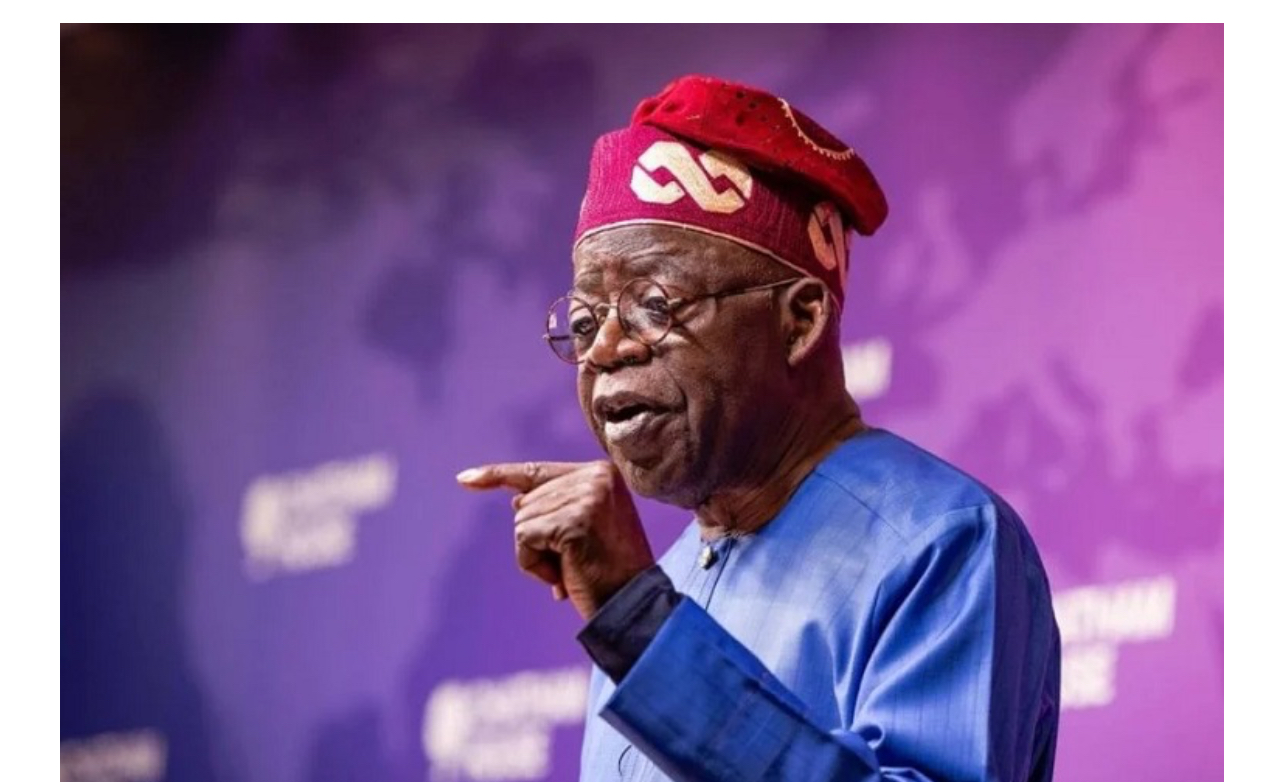
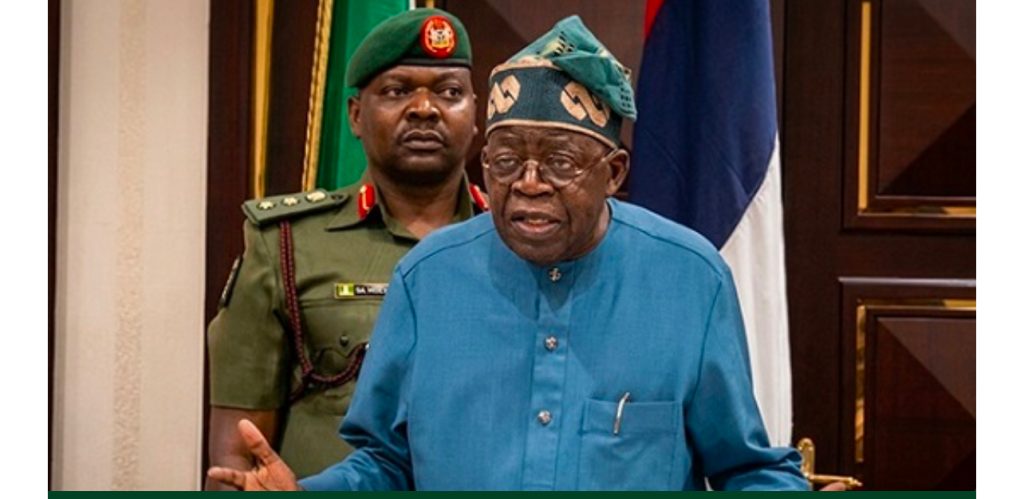
President Bola Tinubu has unveiled an investment package of more than $7 billion for the development of the Ogun State Blue Marine Special Economic Zone and the Gateway Deep Seaport, describing the projects as a major step towards strengthening Nigeria’s maritime economy and attracting foreign investment.
In a statement by his Spokesman, Bayo Onanuga, on Thursday, the President spoke in Paris, France, during the signing of Memoranda of Understanding between the Ogun State Government and DP World, a global ports and logistics operator, for the development of the projects.
Tinubu assured domestic and foreign investors that the Federal Government would continue to provide regulatory clarity, policy stability and a predictable business environment to support long-term investments in Nigeria.
“The agreements before us bring together vision, expertise, capital and execution capacity. I particularly welcome DP World, one of the world’s leading port and logistics operators,” the President said.
He added that the Federal Government would provide the necessary regulatory and institutional support to ensure that the projects moved seamlessly from agreements to implementation.
According to the President, the agreements are expected to attract an initial investment of more than $7 billion into the Nigerian economy and create over 50,000 direct jobs when fully developed, alongside additional indirect employment opportunities.
Tinubu said the projects would also generate non-oil export earnings and contribute to Nigeria’s economic diversification.
“This is economic diversification made tangible. This is industrialisation made visible. This is Renewed Hope in action,” he said.
The proposed Gateway Deep Seaport at Ogun Waterside will have a four-kilometre berth and an 18-
metre draft. The facility is expected to help decongest the Lagos port corridor and ease pressure on the Apapa and Tin Can Island ports.
The president said the deeper draft would enable the port to accommodate larger vessels while providing a competitive gateway for trade within Nigeria and across the African Continental Free Trade Area.
He noted that the proposed Ogun State Blue Marine Special Economic Zone would cover about 10,000 hectares and would be integrated with the deep seaport to support manufacturing, processing, exports and logistics.
“The Gateway Deep Seaport is the critical infrastructure that will support the zone’s viability. A port moves cargo; a port integrated with a special economic zone helps to build an economy. Each reinforces the other,” Tinubu said.
He said the Federal Government would facilitate road, rail and power connectivity to the projects, while strengthening investment security and the maritime domain and removing unnecessary bureaucratic obstacles.
The president also linked the projects to the Lagos-Calabar Coastal Highway, describing the Ogun section of the road as a critical transport connection for the emerging industrial and maritime corridor.
“The Lagos–Calabar Coastal Highway is central to this corridor’s commercial viability,” he said, adding that the 28-kilometre Ogun section of the 700-kilometre highway was scheduled for completion before the end of the year.
Tinubu said the port and industrial zone would also form part of a wider strategic corridor linking the proposed Nigerian Navy Operating Base and Dockyard with the OK LNG Project.
The President commended Ogun State Governor Dapo Abiodun and his administration for securing the land and structuring the investment framework.
“I commend Governor Dapo Abiodun and the government and people of Ogun State for securing the land, structuring the investment framework and reducing project risks for global investors,” he said.
Governor Abiodun led the Ogun State delegation at the signing ceremony, which also included state commissioners and other senior officials.
Senior representatives of DP World, the Nigerian Ports Authority and SkyKapital were also present at the event.
Tinubu urged Ogun State and the investors to maintain the momentum created by the agreements and move quickly towards implementation.
“Nigeria lies at the heart of West African trade. Yet, our strategic advantage has been constrained by port congestion, inadequate draft capacity and logistics bottlenecks that increase the cost of doing business. These projects respond directly to those constraints,” he said.
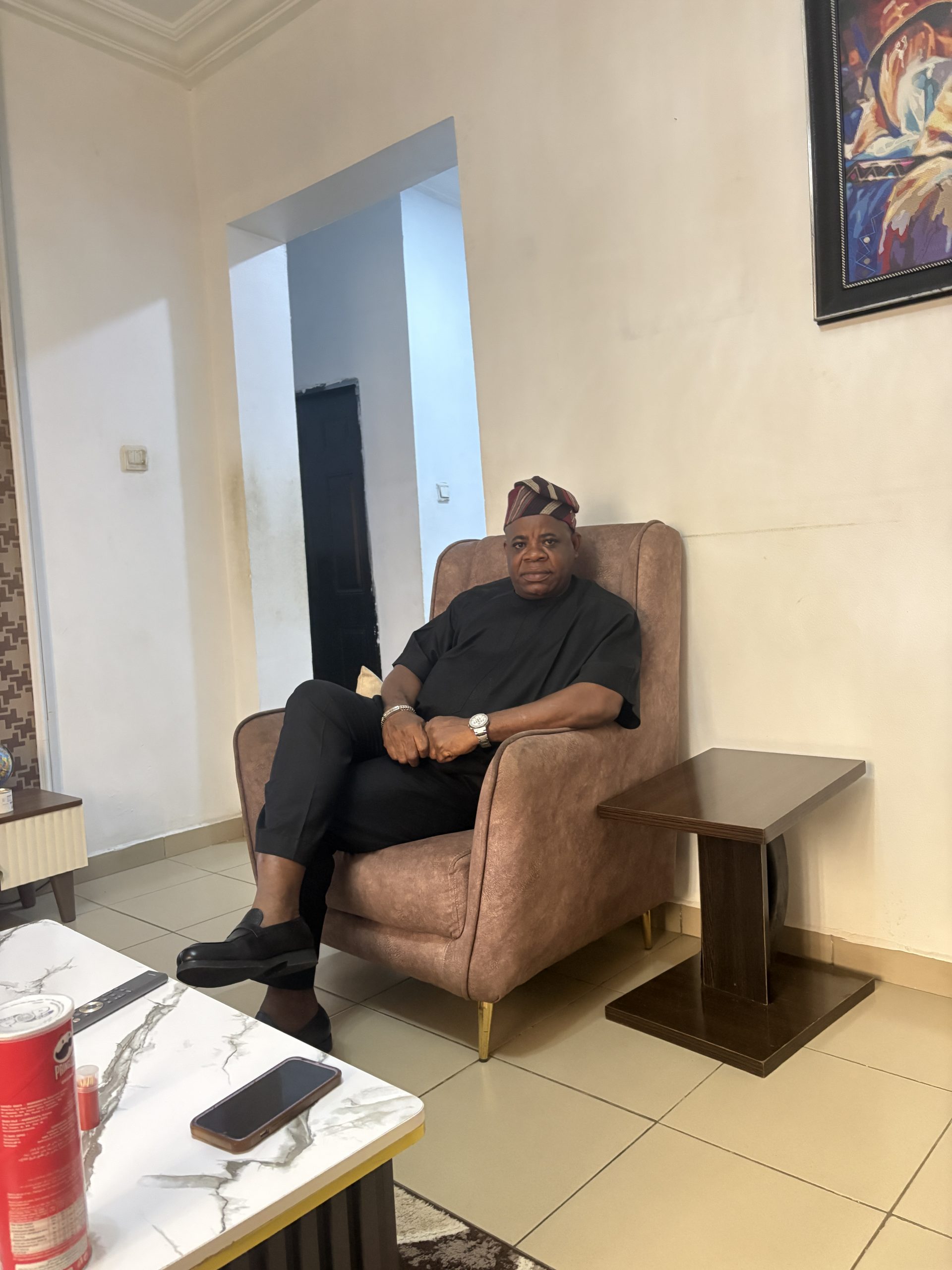
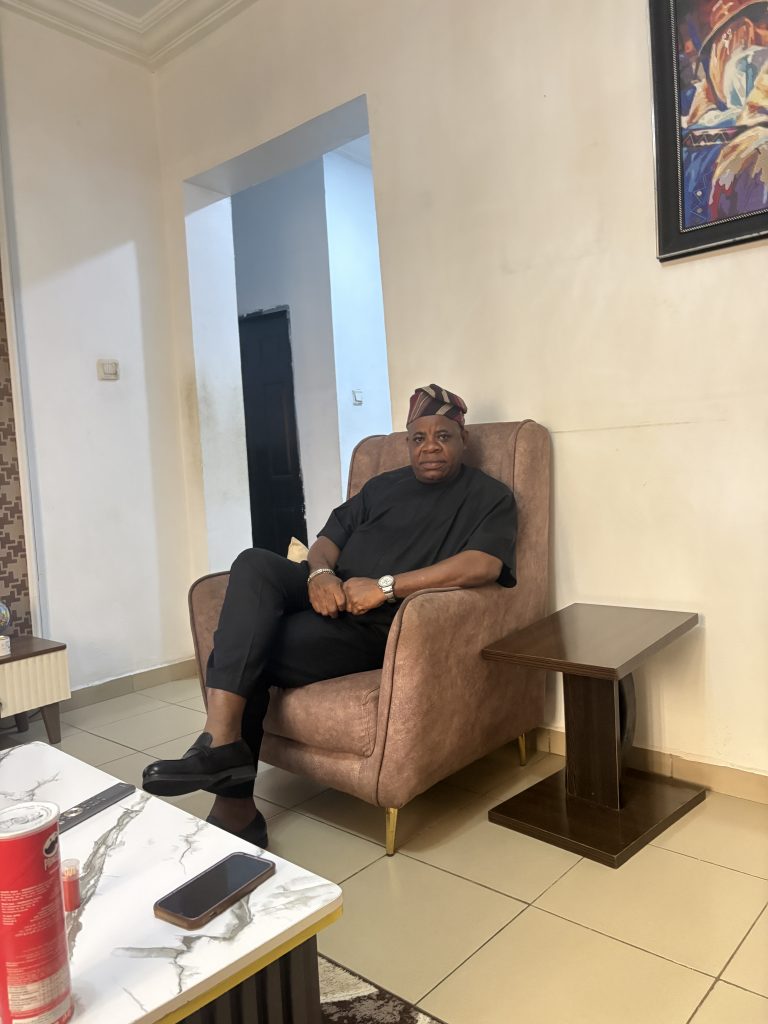
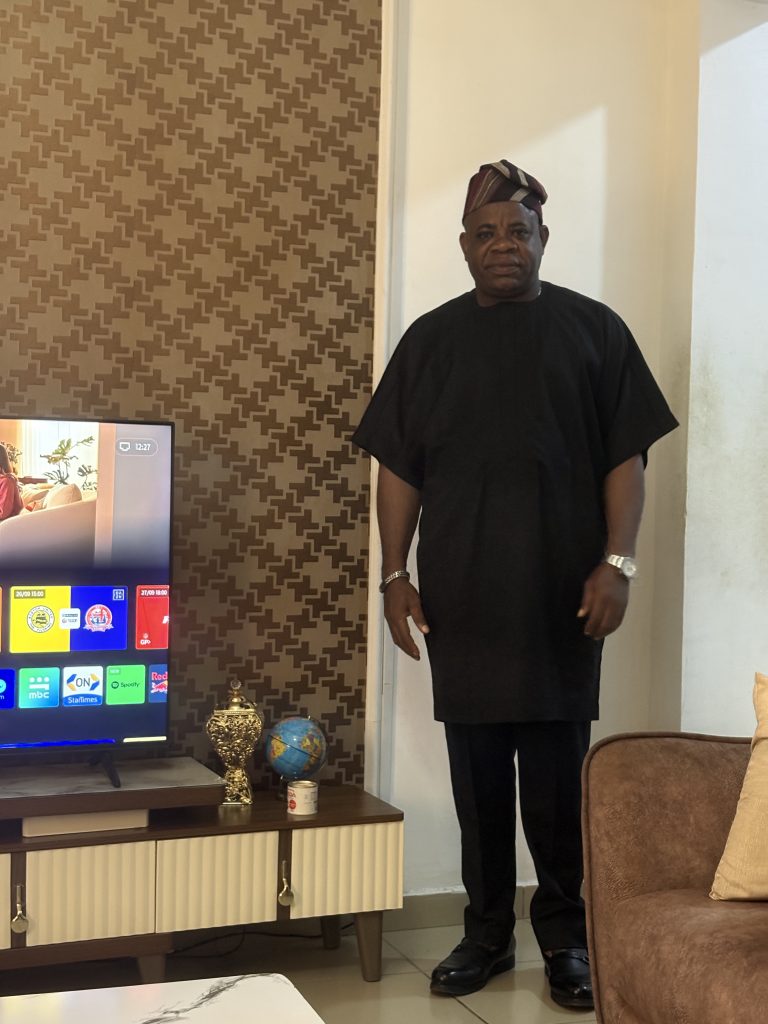 Today, I celebrate myself and give all glory and thanks to Almighty God for the gift of life and for bringing me this far. I am grateful for the opportunity to be alive, healthy, peaceful, happy, and prosperous.
As I celebrate another year today, I pray for greater blessings, wisdom, good health, peace, success, and abundant prosperity in the years ahead.
May this new chapter of my life be filled with joy, favour, wonderful opportunities, and fulfilment of my heart’s desires.
Happy Birthday to me! 🥳🎉
Congratulations to me on this special day. 🙏❤️🎂
I wish myself many more happy and prosperous returns. Cheers to a beautiful new year of my life! 🥂🎉
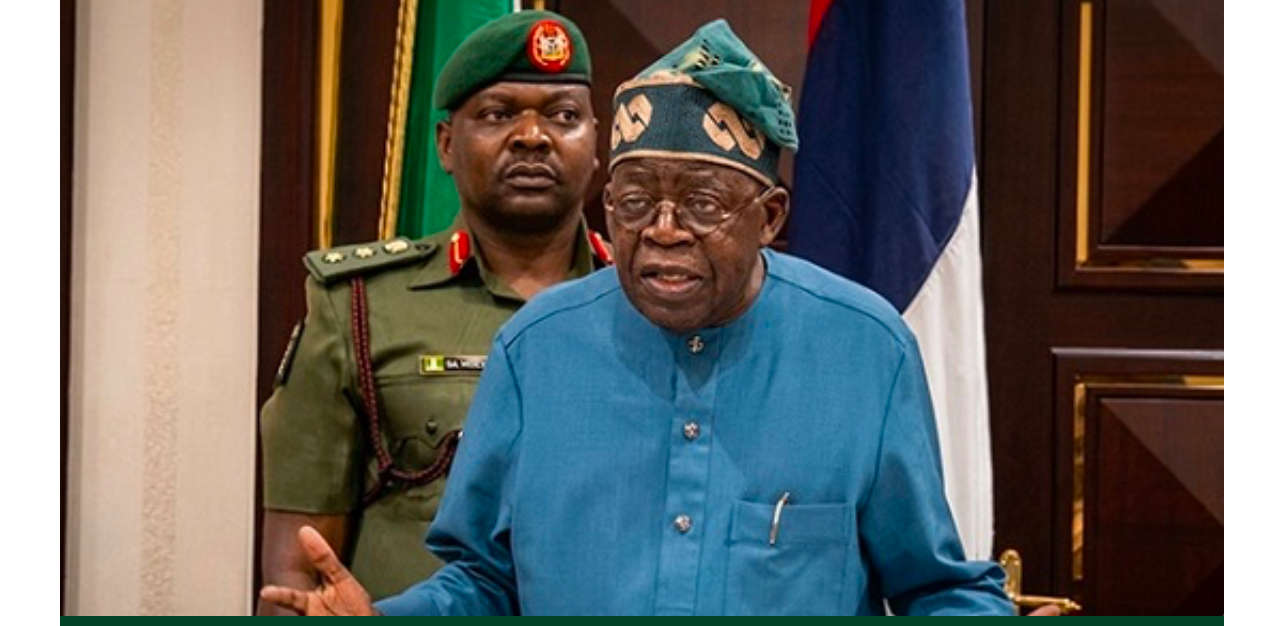
The International Chamber of Commerce tribunal in Paris has ruled in favour of Nigeria in the arbitration brought by Sunrise Power and Transmission Company Limited over the Mambilla Hydroelectric Power Project in Taraba State.
President Bola Tinubu, in a statement issued on Thursday by his Special Adviser on Information and Strategy, Bayo Onanuga, said the tribunal rejected the claims by Sunrise.
The company had sought $680m from Nigeria as a settlement sum and interest in relation to a separate arbitration in which it is claiming more than $2.7bn in compensation and interest over disputes surrounding the development of the 3,960-megawatt Mambilla project.
However, the tribunal, as reported by The Cable, also dismissed Sunrise’s claim for $400m arising from the 2020 settlement agreement, according to the details of the award reported on Thursday.
It further ordered Sunrise and its promoter, Leno Adesanya, to reimburse Nigeria 75 per cent of its legal fees and expenses, amounting to $11.82m.
The tribunal also reportedly declared that Adesanya was bound by the arbitration agreement with Nigeria under the settlement agreement and its addendum and that it had jurisdiction over Nigeria’s counterclaim against him and his firm.
In the statement, Tinubu said the ruling demonstrated the government’s determination to defend the country’s interests.
“This latest decision affirms the Nigerian State’s determination not to succumb to predatory and exploitative claims by corrupt local and international entities and their enablers and funders,” he said.
The President commended the Attorney-General of the Federation and Minister of Justice, Lateef Fagbemi, and officials of the Federal Ministry of Justice for their role in the case.
He also commended former President Olusegun Obasanjo and the late former President Muhammadu Buhari, who testified in the arbitration.
“I also commend the FRN defence team, led by Ms Elizabeth Oger-Gross and Mr Tolu Obamuroh, both of Paul Hastings LLP, for their professional and excellent defence of the country.
“I commend the patriotism and support of former President Olusegun Obasanjo, GCFR, and late President Muhammadu Buhari, GCFR, who testified in the case, which dated back to an illegal 2003 contract to build a 3,050-megawatt hydroelectric plant in Taraba State under a build-operate-transfer model.
“The Federal Executive Council never authorised the contract. I thank the other witnesses in this case, including former Ministers Babatunde Raji Fashola, SAN, and Suleiman Adamu, and the experts, for their active participation in defending Nigeria’s interest in the arbitration,” the statement read.
“I want to assure you that while our country remains committed to partnering with genuine investors and honouring its legal obligations, it will continue to defend all opportunistic claims instituted against our commonwealth strongly.
“Today’s ICC ruling clears the single biggest legal hurdle that has paralysed the Mambilla hydro power project for years,” Tinubu said.
The dispute dates back to an agreement under which Sunrise claimed it had been awarded the contract to construct the Mambilla project.
The company commenced arbitration against Nigeria at the ICC International Court of Arbitration in October 2017, seeking about $2.354bn over an alleged breach of contract.
The parties later entered into a settlement agreement in 2020, under which Nigeria was to pay Sunrise $200m.
A subsequent dispute arose after the government did not make the payment, leading to another arbitration in which Sunrise sought $400m, comprising the $200m settlement sum and a $200m default payment.
In Thursday’s award reported by The Cable, the tribunal rejected Sunrise’s claim that Nigeria had breached its obligations under the settlement agreement and its addendum.
It also rejected the company’s demand for the $400m settlement and default sums.
The Cable reported that the tribunal fixed the arbitration costs at $1.6565m, with Sunrise and Adesanya responsible for 75 per cent and Nigeria for 25 per cent. Of the $11.82m in legal fees and expenses awarded to Nigeria, $2.5m is to be recovered from funds held in escrow by the ICC, while the remaining $9.32m is payable by Sunrise and Adesanya, with interest at 10 per cent annually, compounded annually, from notification of the final award until payment.


-
 news6 years ago
UPDATE: #ENDSARS: CCTV footage of Lekki shootings intact – Says Sanwo – Olu
-
 lifestyle6 years ago
Former Miss World: Mixed reactions trail Agbani Darego’s looks
-
 health6 years ago
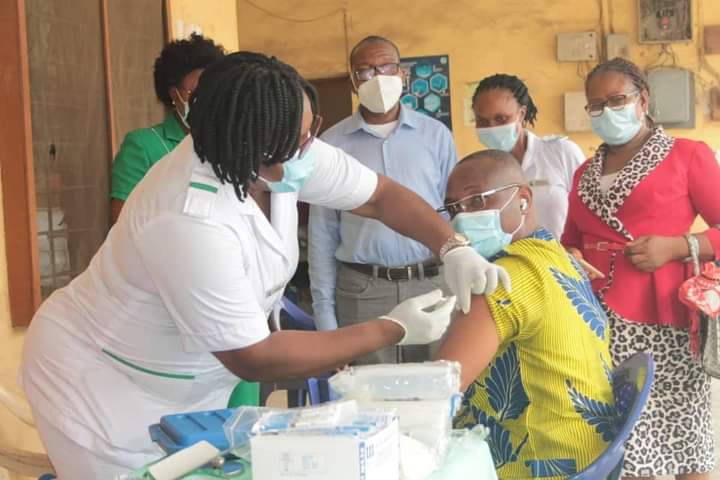
Chairman Agege LG, Ganiyu Egunjobi Receives Covid-19 Vaccines
-
 lifestyle5 years ago
Obateru: Celebrating a Quintessential PR Man at 60
-
 news1 year ago
BREAKING: Tinubu swears in new NNPCL Board
-
 health6 years ago
UPDATE : Nigeria Records 790 new cases of COVID-19
-
 entertainment2 years ago
Ashny Set for Valentine Special and new Album ‘ Femme Fatale’
-
 health6 years ago
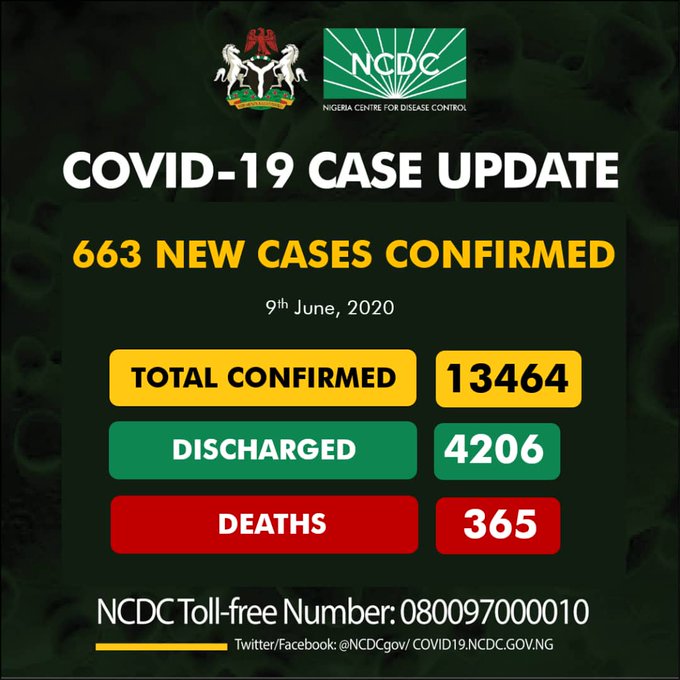
BREAKING: Nigeria confirms 663 new cases of COVID-19