
news
Controversy trails death of socialite, Kayode Badru, As Church leader, two others arrested, detained at SCID

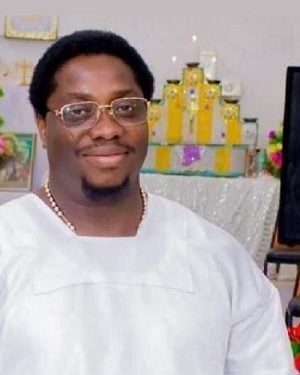 ….as family alleges foul play, demands identity of seven elders that prayed for him.
Few days after the tragic death of a businessman cum socialite, Kayode Badru, who was burnt to death during a prayer session at a parish of the Celestial Church of Christ in Alagbado, a Lagos suburb, his widow, Kofoworola Badru, recalled his last moments with him while other members of the deceased man’s family demanded justice.
Kofoworola, the widow of Kayode Badru, the businessman cum socialite who died in a parish of the Celestial Church of Christ in Alagbado, Lagos recently had no inkling that a prayer session her husband went for on their wedding anniversary could result in his gruesome death.
Badru, a roundly built successful businessman and socialite who shuttled between Nigeria, Europe and the United Arab Emirates, had hesitated in leaving their palatial residence at No 13 C, Morin Street, New Oko-Oba near Abule Egba on April 26.
”He was restless before he left home on the fateful day. He left our room and returned three times midway the staircase before he finally left,” Kofoworola said.
”He kept saying he forgot something until he finally left home after turning to the room three times.
“He did not eat before he left home, so he asked me to prepare chicken stew and rice for him.
”He told me he was going for prayers at his late mother’s church around Magboro area in Ogun State. He left home around 10 am and promised to come back by 2pm.”
Unknown to his wife of four years, her husband had gone to another Celestial Church parish for the prayers which turned tragic and terminated their four-year-old conjugal bliss.
While Kofoworola was still wondering why her husband had not returned home to eat his favourite meal at 2 pm, cruel fate had played a fast one the Abeokuta-born father of four.
At the church, her husband had clenched his fingers around seven lighted candlesticks and knelt down swathed by seven elders who poured effusive prayers on him to overcome evil.
In the middle of the prayers, the prayer warriors were said to have sprayed him with some spiritual perfume. But before they knew it, the perfume ignited fire which burnt Badru beyond recognition.
He was rushed to the Gbagada General Hospital, where he eventually died on May 4.
“I did not know that he went to another church, the Imole Cathedral of the Celestial Church of Christ. Although the shepherd of the church is his friend and he was the one who facilitated the opening of the church’s branch in Dubai, UAE.
“I became worried when he didn’t return home on time. A few hours later, I was told that he was involved in an accident during the prayers.
”I called his phone at about 2 pm but he didn’t pick his call. At about 5pm, I got a call from the shepherd of the church that my husband was involved in a little accident, and I went to the church.
”At the church, I was told that one of the elders that were praying for my husband sprinkled perfume on him and it triggered fire from the burning candlesticks he was clutching and burnt him.
”On seeing how pathetic my husband’s condition was, I demanded to see the lady who was said to have sprinkled perfume on my husband, but they were just calming me down and did not allow me to see the lady.
“My husband too was calming me down, including the shepherd of the church, Prophet Felix Alebiosu a.k.a. Ebony.
”My husband later developed an infection on his body and he died on May 4, 2021.”
Curiously, when the incident happened, Kofoworola said she was asked by the shepherd of the church, Prophet Felix Alebiosu, not to inform her husband’s family members, assuring her that the situation was under control.
She said: “I was told by Alebiosu not to inform my husband’s family that he was in the hospital. But I eventually did because I couldn’t keep them in the dark for long.
”My husband had no particular parish where he worshipped. He worshipped at any parish he was invited to, and I had accompanied him to worship at this particular church, where he got burnt a few times.
“Besides, he was very close to Alebiosu because he worshipped at a branch of the church in Dubai.
“He is survived by four children. I have two with him while he has two children from his previous marriage.
“He died on our wedding anniversary on May 4; we actually got married on May 4, 2017.”
The 31-year-old widow described her late husband as a man with a large heart even on the sickbed.
”Kayode loved life and was always willing to help people, and he didn’t joke with his children. He had a large heart and always wanted to help people.
“Even on his sickbed in hospital, he was still helping some patients out with their medical bills.”
Recalling his last moments with the deceased, his younger brother, Oluwaseun Badru, also a priest of the Celestial Church of Christ, said there was more to the incident than meets the eye.
“I was called to come see my brother, Kayode Badru, at the Gbagada General Hospital. I saw him in a critical situation.
“When I held his hand to pray for him, he told me that the incident wasn’t natural. He said that he was held down while seven elders of the church were praying for him at the church, and that he felt as if he was in a trance where someone was pouring water on his body. He said that he heard a voice asking him, ‘Is this how you are going to end your life?’ and that he got up to find that he was burning.
“Unfortunately, by the time he got up, the deed had been done as he had been severely burnt. However, my question is where are the seven elders that prayed for him while he was burning? I ask this question because doctors said he was burnt up to the fifth layer of his skin. So, for how long was he held down and how long was the prayer session that those who prayed for him didn’t know that he was burning in their midst?
“I asked the shepherd of the church, Prophet Felix Alebiosu, who led the prayer session for my brother if there were monetary transactions between him and my brother, and he said no. He told me that my brother wasn’t that rich, contrary to what he had earlier told me.
“What baffled me was that my brother told his family he was going to our mother’s parish in Magboro, only for him to visit another parish where he was burnt to death as a result of the perfume poured on him while he was holding candlesticks already lit.”
Oluwaseun urged the police to ensure that justice is served in the matter, noting that other suspects on the run must be arrested and prosecuted.
“Alebiosu and two others have since been arrested and are now in police custody at the State Criminal Investigation Department (SCID), Panti, Yaba, Lagos.
“We heard that the suspects are receiving preferential treatment. However, what we want is justice for our late brother.
“Other fleeing suspects must be arrested and made to face the wrath of the law, because that is the only way justice can be served in this matter.”
Also demanding justice, another younger brother of the deceased, Oluwagbenga Badru, said the circumstances surrounding the death of his elder brother were not real.
He said he suspected foul play and urged the police to carry out thorough investigation and apprehend all those involved in the case with a view to ensuring justice.
He said: “I still find it difficult to believe that perfume was the only substance responsible for my brother’s death. Is it possible for perfume to burn a man up to the fifth layer of his skin without those praying for him perceiving the smoke from the burning?
“Besides, there is another version being bandied by the elders at the prayer session which suggests that the fire started from a burning candle which spread to the spot my brother knelt down and consumed him while praying. So, on this score, the police should arrest all those involved and bring them to book without fear or favour.”
An impeccable source at SCID, Panti, Yaba, confirmed to our correspondent that some persons had been arrested in connection with the case.
“We have arrested the shepherd of the church where the incident took place and two other suspects, and they are in our custody right now. Efforts are being made to arrest other persons involved in the case and carry out a diligent investigation.
“The suspects in our custody will appear before the Deputy Commissioner in charge of SCID this week for proper briefing on the matter.”
Meanwhile, the authorities of the Celestial Church of Christ (CCC) has issued a statement blaming the incident on abuse of perfume by members of the church.
The statement issued by the pastor of the church, Rev. Emmanuel Oshoffa, urged the pastor-in-council to prevent such abuse in the future.
The statement reads in part: “Calvary greetings to you in the name of our Lord Jesus Christ who has called us into His Glory.
“Due to the incessant abuse of spiritual perfumes within the church, His Eminence has found it imperative to state for record purposes and correction that henceforth, spiritual perfumes intended to be sprayed, sprinkled or poured with a lighted candle should be diluted with water.
“The spraying or pouring of undiluted spiritual perfumes in its volatile state with a lighted candle is an imported culture not originally part of the tenets of the Celestial Church of Christ.
“The laid down usage of spiritual perfume within the spheres of a lighted candle by the pastor founder, Saint SBJ Oshoffa, is by mixing it with water. It is high time we retraced our steps for a greater Celestial Church of Christ.
“We are all advised to adhere to this directive. Any parish or member that goes against this directive will be solely responsible for the resultant effect.
“The pastor has also directed the pastor-in-council to come up with a policy document to curb alien practices that have been introduced into the tenets and doctrines of the church to safeguard the church’s divine culture as instructed by the Spirit of God through the pastor founder,” the statement added.
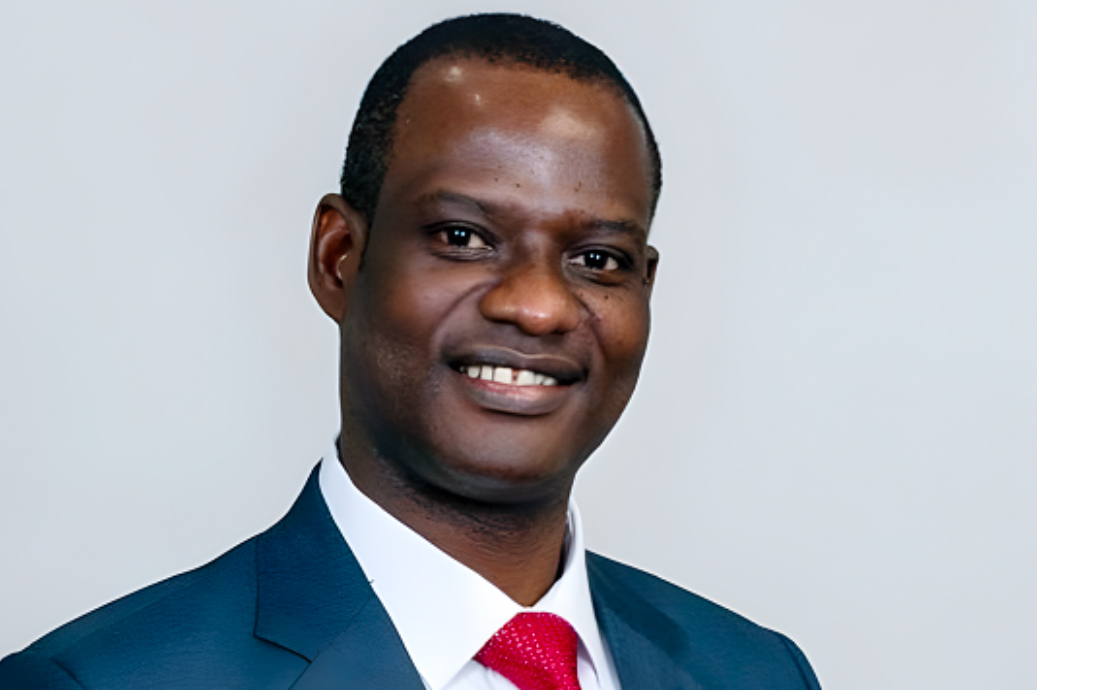
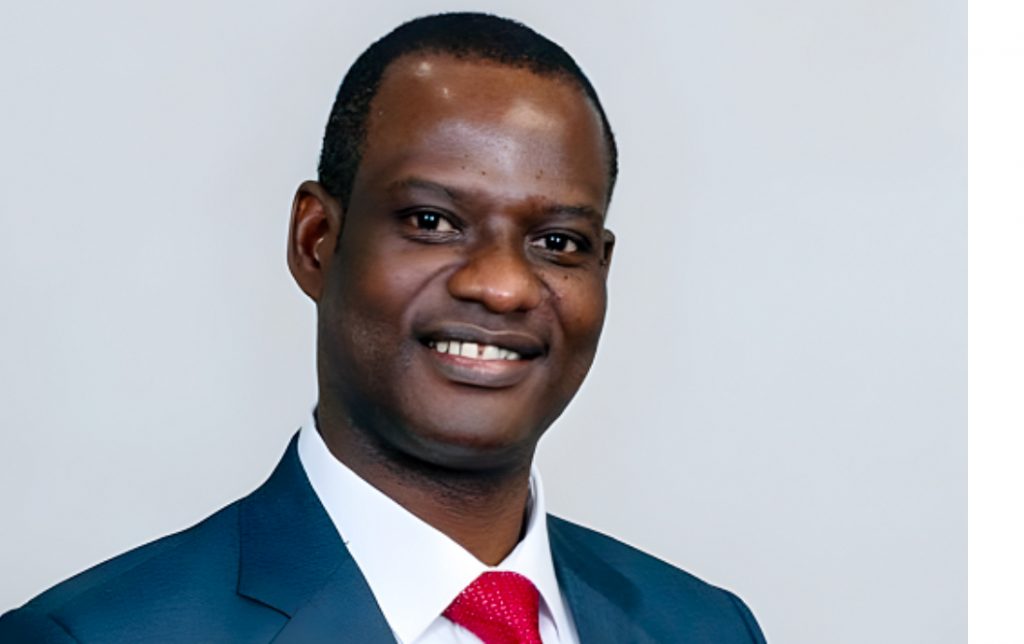
The Federal Government on Wednesday defended its $21.7bn supplementary external borrowing plan submitted to the National Assembly, describing it as a strategic investment programme rather than debt accumulation.
It revealed that the administration it succeeded had printed over N30tn, equivalent to more than $20bn at the time, and the country is still absorbing its inflationary impact.
The Minister of Finance and Coordinating Minister of the Economy, Taiwo Oyedele, made the claim when he briefed State House correspondents after the Federal Executive Council meeting presided over by President Bola Tinubu at the State House, Abuja.
Oyedele, who spoke on the state of the economy, had presented 10 memos, all of which were approved by the council.
The first, he said, was a €155.9m credit facility from Deutsche Bank and other banks to upgrade 132/33kV substations under the Presidential Power Initiative Phase One, which he said would improve power reliability for homes and businesses and lower energy costs. The second was a $970m syndicated term loan from Standard Chartered and the Africa Finance Corporation for rolling stock on the Karu–Maradi rail line, intended to boost freight, regional trade, and the Northern Economic Corridor while reducing logistics costs.
The third was a €76.8m credit from the ECOWAS Bank for Investment and Development to Bauchi State for a transport infrastructure development programme, covering rural and urban roads and farm-to-market access routes to support food security.
The fourth was an approval for non-intrusive inspection scanners for the Nigerian Customs Service to speed up cargo clearance, reduce smuggling and misdeclaration, and intercept contraband and small arms.
He explained, “As I said, there were 10 of them. I’ll just briefly speak to about four of them. One of them was a 155.9 million euro credit from Deutsche Bank and some other banks directed at upgrading about 132/33 kV substations and a few other ones. There are five of them, actually, five new ones under the Presidential Power Initiative Bash One. Essentially, this is a government intervention that will help ensure more reliable power for homes and businesses and lower energy costs.
“Another memo was with respect to a $970m syndicated term loan by Standard Chartered Africa Finance Corporation on rolling stock for the Karu-Maradi rail line. What is the essence of this? This will give us shipper freight, regional trade, the Northern Economic Corridor and lower prices for logistics, inflation and price levels.
“Another one was 76.8 million euros. This is from the ECOWAS Bank, and it is credit to Bauchi State for the Transport Infrastructure Development Programme, and this is going to help us with rural and urban roads, and to build farm-to-market access roads that will help with food security.
“And finally, council approved the investment in a non-intrusive inspection scanner for technical support, repairs, and maintenance to the Nigerian Customs Service. What is the essence of this? It will help with faster cargo clearance, less smuggling, and less misclassification. And we can then detect when some evil people want to bring in contraband and dangerous small weapons to our country.”
On the $21.7bn supplementary external borrowing plan, obtained by our correspondent from a presidential aide, Oyedele pushed back against critics who had described it as debt, insisting that the Tinubu administration was simply investing in critical infrastructure.
“So, another part of this presentation is on the borrowing plan that was presented to the National Assembly. Altogether, if you convert the euro amount and add it to the dollar amount, it comes to $21.7bn. And we’ve seen some people with commentary saying that we are borrowing X, Y, Z.
“I’m pleased and excited to inform you that actually this does not qualify as borrowing. This qualifies as investment, and I will explain that to you in the next few minutes. Now, so what is this all about? This is an amount or a plan.
“First and foremost, this is a plan. It doesn’t even mean that we borrow all of it. So it’s a plan. The average lifespan of the project under this plan is five years, by the way. So, this means countries need to plan. You can’t be doing everything based on spontaneity and randomness. Now, these amounts, about $10.6bn out of it, are for investment in transportation infrastructure,” he explained.
According to the document, the plan covers 46 projects across 11 sectors, with 29 on concessional or blended terms.
Transportation led with $10.6bn, including sections of the Lagos–Calabar and Sokoto–Badagry highways and the Kano–Kaduna Metro Rail. Ten flagship projects accounted for 58 per cent of the total, at $12.5bn.
The social sectors, agriculture, energy, social protection, climate, and education, totalling $4bn, will be funded entirely on concessional terms.
According to the document, about $7.9bn will come from multilateral and bilateral development partners, led by the World Bank with $5bn at an average rate of 2.1 per cent.
The remaining 11 lender groups include regional development finance institutions, export credit agencies, and commercial banks.
For the commercial component, the average indicative rate is 7.8 per cent, below the 9.1 to 9.6 per cent yield on Nigeria’s November 2025 Eurobond.
Oyedele attributed the gap to credit rating upgrades by Fitch, Moody’s, and S&P.
He noted that $4.8bn of the total was for subnational and agency borrowing, with $3.3bn going directly to states and $1.45bn channelled through agencies and development finance institutions including the Bank of Industry, Development Bank of Nigeria, Transmission Company of Nigeria, and electricity distribution companies.
“The Federal Government has the constitutional duty to be the interface for all external borrowing. So when people say we are borrowing $21.7bn, they need to know that a significant chunk is for states, the FCT, and agencies, not for the Federal Government alone,” he said.
Drawing a comparison with private sector financing, Oyedele argued that the plan would generate returns well in excess of its cost.
He argued, “If Aliko Dangote was going to save money to build his refinery, it would not have been built in his lifetime. He had to take the financing to make it happen. $20bn is now listed in less than four years, and the value has more than doubled. This is exactly what we are doing for our country.
“There are people who will tell you borrowing is bad. You just need to ask them: in which country on this planet do you run an economy without borrowing? To the extent that you borrow one naira to create value of more than one naira, you should please borrow more.”
On food price stability, which was adopted by the council as a priority resolution, Oyedele said the Federal Government was pursuing a national approach coordinated with state governments under the National Economic Council’s 90-day action plan.
“The short term is to ensure that in the coming months, leading up to the end of the year, the price of the most important staple items, rice, yam, beans, maize, remains stable or comes down,” he said.
He said the government would map the gap between local consumption and local production to calibrate targeted imports, adding that only unprocessed brown rice would be imported to preserve local milling jobs and processing capacity.
Over the medium and long term, the plan envisaged expanded irrigation farming to allow year-round agricultural production, improved crop yields through science, and significant reduction of post-harvest losses.
“We will not only be food sufficient; prices will be stable and affordable, and we will export, and a lot of it will be processed before we export. There is nothing that says people cannot be rich doing farming. This is the level we are getting into,” Oyedele said.
Speaking earlier, Oyedele contrasted the state of the economy in May 2023, describing Nigeria as having been weeks away from a full economic collapse when the Tinubu administration took office.
He said, “Inflation was at 22.41 per cent, and our reserve was net of $859m, not even enough to cover one month of imports. We had a spread between the official rate and the parallel rate of over 60 per cent premium, enabling round-tripping by the highly connected, while businesses, including manufacturers, could no longer access foreign exchange.
“We had printed altogether over N30tn to spend, and the impact of that amount, at the time, this was more than $20bn, is what we are dealing with today in inflationary pressure. Debt service at the time was consuming 97 per cent of revenue, nearly 100 per cent, and about 27 states could no longer reliably pay salaries. They were owing arrears of pension and gratuities.”
He said without the reforms, Nigeria would have slipped into hyperinflation and a full currency collapse far more severe than the devaluation that has taken place.
On petrol subsidy removal, Oyedele traced the policy to 1973, noting that a litre of premium motor spirit sold for six kobo then and N195 when the subsidy was removed in 2023, a 3,050-fold increase over 50 years that never resolved the underlying problem.
“Each time we increased the PMS price, Nigerian people suffered for it, but no benefit came. This is the first time in that half-century that the problem has now been solved, and the benefits are now accruing to our country,” he said.
The minister said growth had accelerated from 2.74 per cent in May 2023 to 4.43 per cent as of the second quarter of 2026, more than 60 per cent improvement, and Nigeria’s dollar-term growth rate in the first half of 2026 stood at 17 per cent, placing it among the world’s fastest-growing economies.
“This is the reason why we are classified by the IMF as one of the top 10 countries in the world contributing to global GDP growth,” he said.
On inflation, Oyedele said the September 2026 print of 14.63 per cent was down from 20.98 per cent a year ago and from a peak of about 34 per cent at the height of the inflationary pressure.
He added that month-on-month food inflation had fallen by 1.55 per cent, describing it as deflation in food prices.
Foreign reserves, he said, had risen to an 18-year high of over $55bn, with net reserves now exceeding $45bn, up from less than $1bn three years ago, a 45-fold increase.
The naira, currently trading between N1,330 and N1,350 to the dollar, was projected to appreciate further.
“Even the IMF estimates that the naira is about 25 per cent undervalued. So anybody who wants to bet against the naira should make provision for their losses. The currency to hold is the naira, even more than the US dollar or pound sterling,” Oyedele said.
He said the tax-to-GDP ratio rose from barely 7 per cent in 2023 to about 12.5 per cent at the end of 2025, while the debt service-to-revenue ratio fell from 97 per cent to under 60 per cent and was still declining.
Federation Account allocation grew 44 per cent from 2024 to 2025, with a projected 50 per cent growth from 2025 to 2026, and a real growth rate, stripping out inflation, of over 80 per cent across the two years.
Internationally, he said Fitch, Moody’s, and S&P had all upgraded Nigeria’s credit rating, with outlooks recently adjusted from stable to positive. Nigeria had also exited the Financial Action Task Force grey list and the European Union’s deficiency list, he added.
Responding to what he described as a recurring question about the gap between macroeconomic improvements and the lived experience of average Nigerians, Oyedele cited a series of direct interventions.
He stated, “To date, we have N372.6bn disbursed through NELFUND to more than 1.5 million students, which means their parents and guardians do not have to worry about tuition and stipend. We have more than 10 million households that have received cash transfers worth more than N600bn, and the target is to reach at least 15 million households,” he said.
Over 800,000 micro, small, and medium enterprises had received single-digit subsidised loans, mostly through the Bank of Industry, he added. Also, low-income earners earning up to N100,000 per month had been exempted from personal income tax, while small businesses with annual turnover of not more than N100m, representing about 97 per cent of over 40 million small businesses, were exempted from corporate income tax, VAT obligations, and withholding tax deductions.
The minister also noted that the capital market had grown from about N30tn to over N160tn, a more than fivefold increase in three years, and that more than 90 per cent of capital market investors were small investors who had been granted capital gains tax exemptions.
Council, he said, adopted a resolution to target single-digit inflation by the end of 2027 or earlier, stabilise and reduce food prices, and sustain fiscal discipline through the election cycle.
Oyedele’s defence comes amid criticism of President Bola Tinubu’s request to the National Assembly for approval of the loan plan.
The presidential candidate of the African Democratic Congress, Atiku Abubakar, the Makinde/Daura Campaign Council and others have criticised the Federal Government’s borrowing plan.
On Tuesday, Atiku urged the National Assembly to suspend consideration of the request until the Federal Government made public the projects the loans were intended to finance.
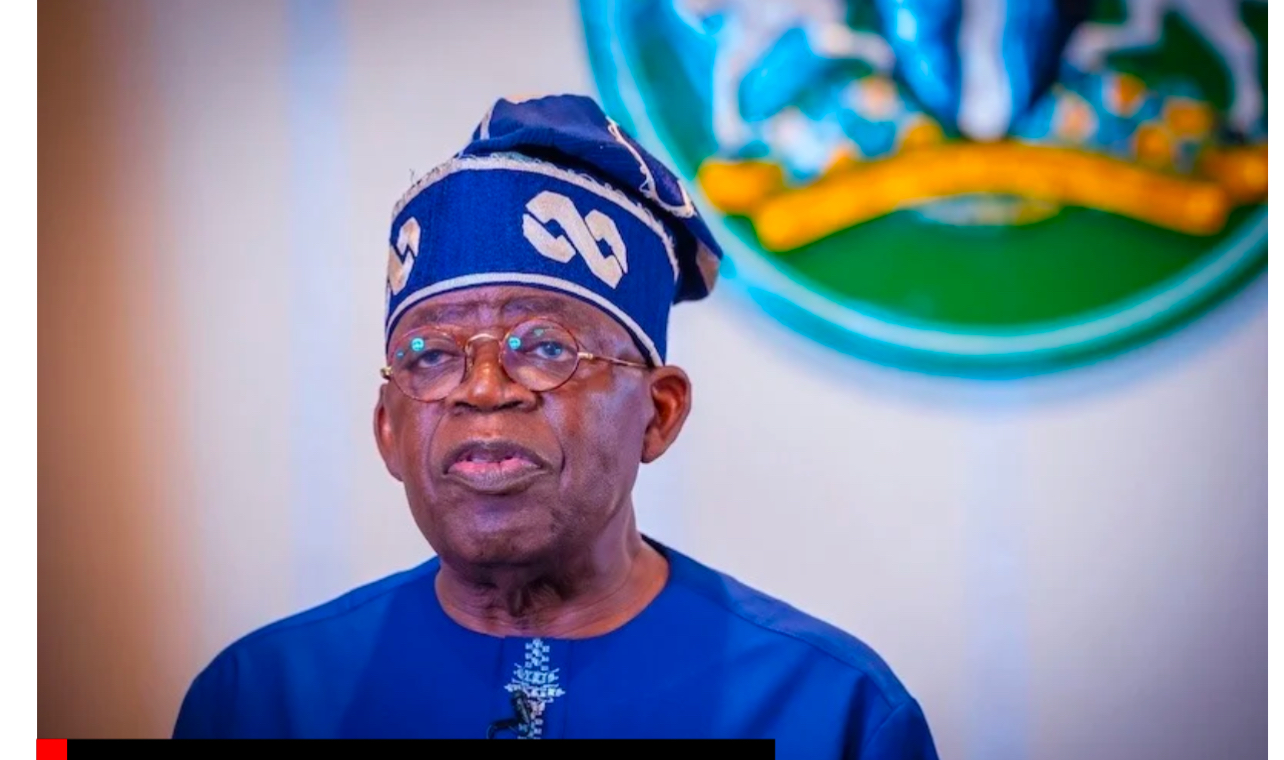
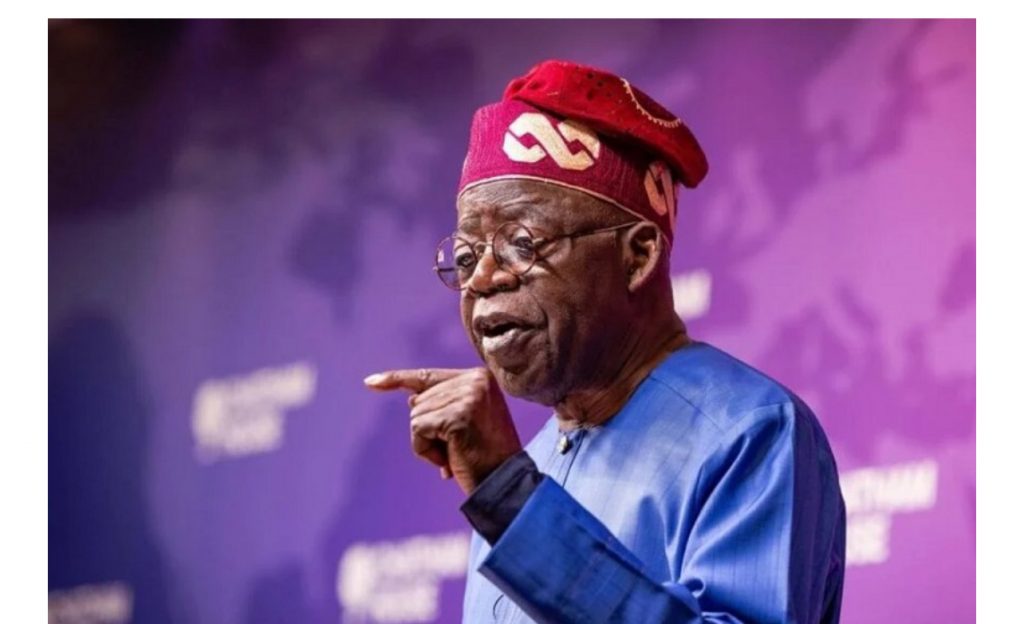
President Bola Tinubu has blamed his political opponents for hunger and poverty in Nigeria, saying his administration is working to address the challenges.
Tinubu spoke on Saturday at the All Progressives Congress presidential campaign flag-off rally at Ranchers Bees Stadium in Kaduna State ahead of the 2027 general elections.
“I have an argument. I hear my opponent talking about hunger, poverty. Who created it? They did! They created the hunger, they created the poverty. We are trying to eradicate it,” the President said.
He also defended his administration’s record on salary payments and praised governors for their performance.
Nigeria’s debt interest payments exceed revenue by ₦1.5 trillion
“We pay salaries regularly. Our governors are working. I am proud of them. They are developing,” he said.
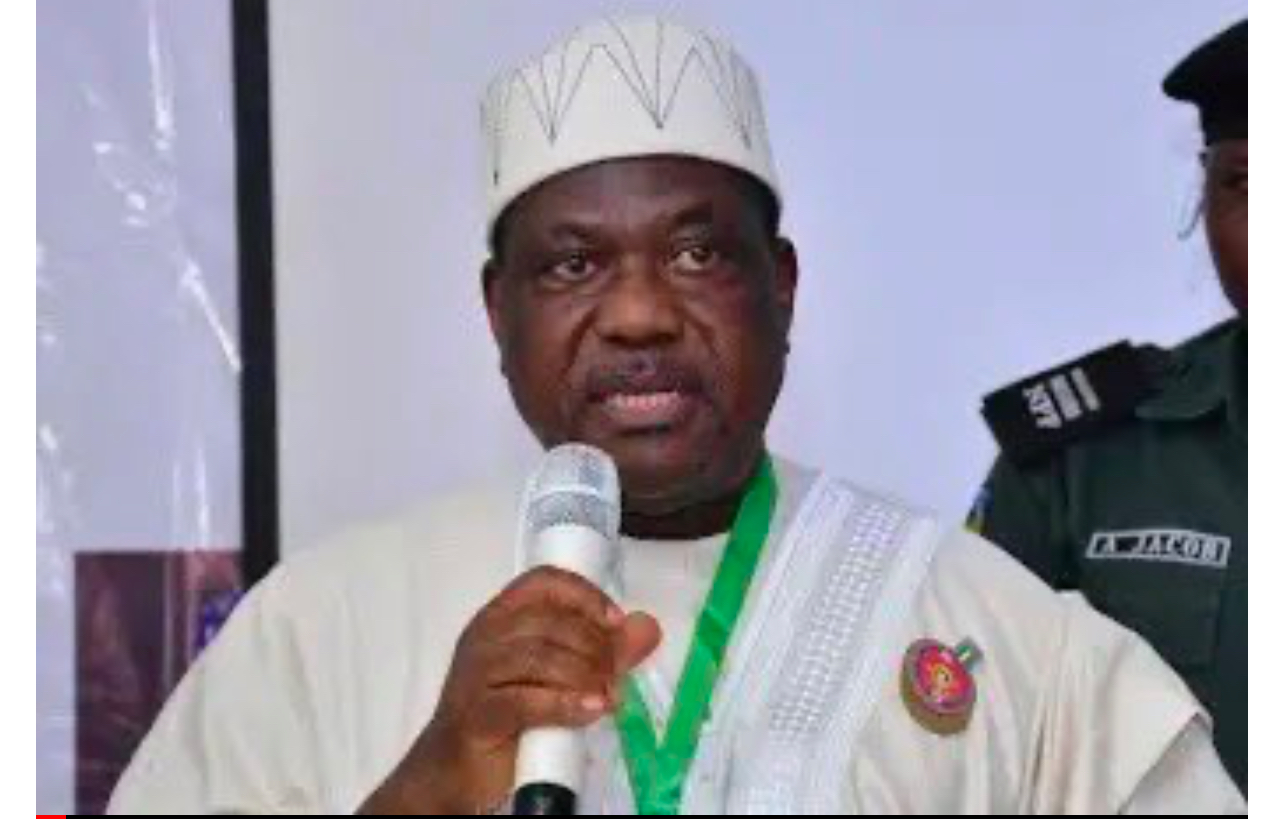
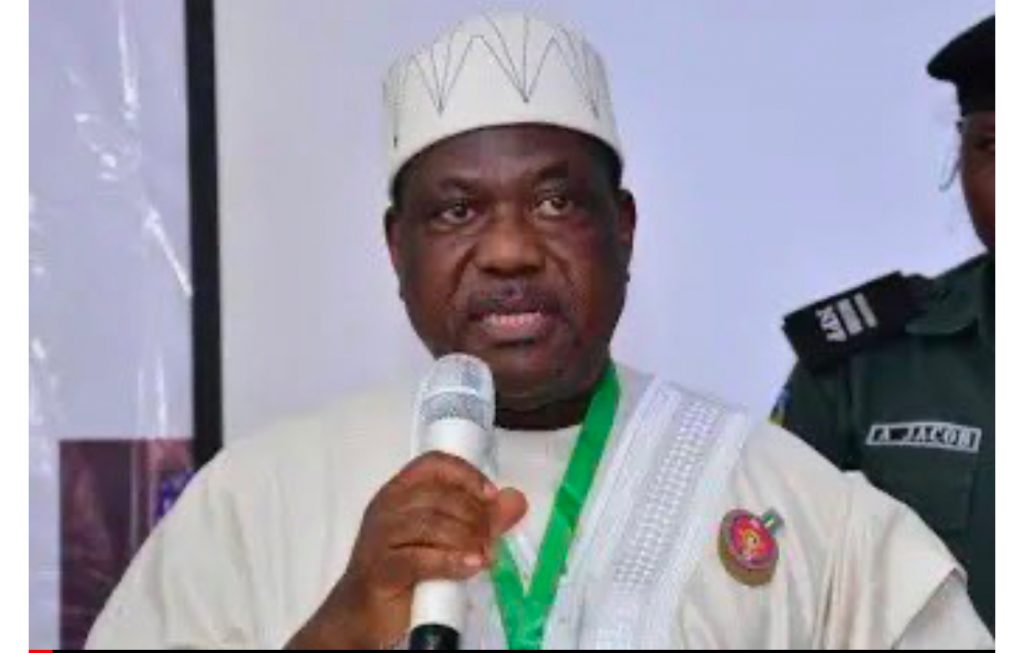 The Secretary to the Government of the Federation, Senator George Akume, has said the North should support President Bola Tinubu for a second term in 2027.
He insisted that any Northerner seeking the presidency in 2027 would be working against the region’s interests.
Akume said the North should allow Tinubu to complete his political project before considering another presidential bid in 2031.
The SGF stated this on Saturday while addressing Benue State indigenes resident in Kaduna ahead of the flag-off of the All Progressives Congress presidential campaign in the state capital.
He urged Northerners to remain united and resist political ambitions capable of dividing the region ahead of the 2027 general elections.
Add us to your Preferred Sources
“The North must remain united and focus on its collective interest rather than allow individual ambitions to divide us,” Akume said.
The former Benue State governor argued that the region needed to consider its long-term political interests and the implications of the 2027 presidential election for its future.
He said, “President Bola Tinubu should be allowed to complete his political project before the North considers its own presidential ambition in 2031.”
Akume also cautioned against attempts to divide Northerners along political, religious and personal lines, stressing that unity remained essential to the region’s political relevance.
“We must not allow political, religious or personal differences to undermine our common interests. The strength of the North lies in our ability to work together,” he said.
The SGF further called for peaceful coexistence and cooperation among Nigeria’s diverse ethnic and religious communities, saying national development depended on unity.
He urged the people to examine political developments carefully and avoid being misled by individuals whose ambitions might conflict with the broader interests of the region.
The meeting brought together Benue indigenes living in Kaduna and other political stakeholders to discuss issues affecting their community, political representation and engagement with leaders at the national level.
The APC presidential campaign flag-off in Kaduna is expected to bring together party leaders, supporters and political stakeholders from across the country.


-
 news6 years ago
UPDATE: #ENDSARS: CCTV footage of Lekki shootings intact – Says Sanwo – Olu
-
 lifestyle6 years ago
Former Miss World: Mixed reactions trail Agbani Darego’s looks
-
news8 years ago
-
 health6 years ago
Chairman Agege LG, Ganiyu Egunjobi Receives Covid-19 Vaccines
-
 lifestyle5 years ago
Obateru: Celebrating a Quintessential PR Man at 60
-
 news1 year ago
BREAKING: Tinubu swears in new NNPCL Board
-
 health6 years ago
UPDATE : Nigeria Records 790 new cases of COVID-19
-
 society3 years ago
Bisbam CEO, Abisola Bamidele, Bags Owu Chieftaincy Title