
news
Alleged $44.9m wire deals: EFCC quizzes Air Peace boss Onyema

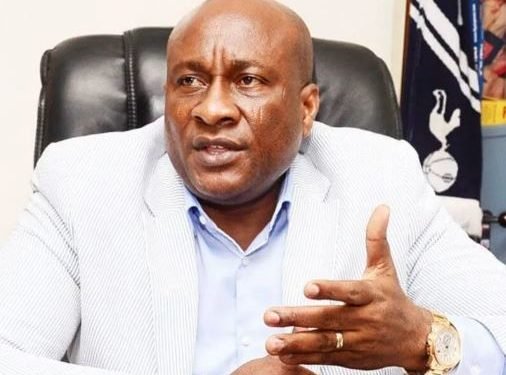
AS part of the ongoing probe of alleged $44.9 million wire deals, the Economic and Financial Crimes Commission (EFCC) has interrogated the Chief Executive Officer of Air Peace, Mr. Allen Ifechukwu Onyema.
Also, there were strong indications last night that the EFCC may watch-list a former Special Adviser/Coordinator of the Amnesty Programme Office.
It was learnt that the ex-Special Adviser might be placed on INTERPOL red alert list.
Investigation revealed that Onyema, who was quizzed on Wednesday, has been placed on administrative bail.
It was, however, learnt that his activities are under the anti-graft commission’s surveillance.
A reliable source said the invitation of Onyema was part of the ongoing collaboration with the FBI and other security networks working on the alleged $44.9 million wire deals in which Onyema, his Finance Officer Ejiroghene Eghagha and two banks were implicated.
The source said: “Our team of detectives on Wednesday interacted with Onyema in our Lagos office on the wire deals, especially on issues involving money laundering.
“The questioning was part of our ongoing collaboration with the FBI and other agencies in line with the Mutual Legal Assistance Treaty (MLAT) between Nigeria and the United States.
“We decided to release Onyema on administrative bail in deference to his constitutional right of innocence until proven guilty.
“But Onyema is on surveillance by the EFCC pending the conclusion of the ongoing investigation.”
Asked why the EFCC opted to interrogate Onyema after charges have been preferred against him and Ejiroghene Eghagha in the United States, the source added: “There are vital Nigerian components of the indictment and demands of the US Government.
“For instance, the US is seeking the forfeiture of over $13 million left in some accounts linked with the suspect in the United States and Canada. The funds are $4,017,852.51 in JP Morgan Chase Bank in the US and $4,593,842.05 and $5,634,842.04 in the Bank of Montreal, Canada.
“We cannot rule out some of the money in some accounts in Nigeria. And our investigation may reveal the identities of other accomplices. Also, two Nigerian banks have been mentioned in the wire deals, especially transactions on purchase of aircraft.
“If there are assets to be seized in Nigeria, we have to collaborate with the US Government on the forfeiture process.”
As at press time, it was learnt that the EFCC was on the trail of a former Special Adviser/ Coordinator of the Amnesty Programme Office.
Another source said: “The suspect has gone underground. We may have no choice but to watch-list the ex-Special Adviser. We will eventually place him on INTERPOL red alert.
“Preliminary findings revealed a nexus between Amnesty Office and the activities of Onyema’s firms/groups/ NGOs as applicable.
“These groups include the Foundation for Ethnic Harmony, International Centre for Non-Violence and Peace Development, All-Time Peace Media Communications Limited and Every Child Limited.
“Our detectives discovered that the Foundation for Ethnic Harmony in Nigeria (FEHN) handled the training and transformation of some former Niger Delta militants for both the Amnesty Programme Office and the Niger Delta Development Commission (NDDC).”
Responding to a question, the source said: “We are probing allegation of money laundering which led to the buying of exotic vehicles by Onyema.
“He blew about N170,100,000 ( $472,500) on three vehicles with cash transferred into his BOA 8086 account from Nigerian and other foreign bank accounts. We want him to explain the sources of the cash.”
According to the unsealed indictment, Onyema bought the luxury vehicles as follows: armoured Lexus LX570 ($204,000); Rolls Royce ($180,000); and Mercedez Benz($88,500).
The indictment reads in part: “Between April 2010 and January 2016, Onyema transferred millions of dollars into his BOA 8086 account from Nigerian and other foreign bank accounts, including hundreds of thousands of dollars transferred directly from accounts for Foundation for Ethnic Harmony, International Center for Non-Violence and Peace Development, All-Time Peace Media Communications Limited, and Every Child Limited.
“Onyema used the funds in his BOA 8086 account to pay for personal living expenses, among other purchases. For example, Onyema purchased an armored Lexus LX570 ($204,000.00), using, in part, funds from BOA 8086.
“In or about January 2016, Bank of America closed BOA 8086 and issued a cashier’s cheque in the amount of $4,000,396.43 made payable to Onyema and his wife.
“On or about March 1, 2016, Onyema opened a checking account ending in 3417 (“WF 3417”) and a savings account ending in 8020 (“WF 8020”) at a Wells Fargo Bank branch in Atlanta, Georgia. Both WF 3417 and WF 8020 were opened in the name of Allen I. Onyema, and Onyema was the sole authorised signatory on both accounts.
“Between on or about March 2, 2016, and May 10, 2016, Wells 8020 received numerous wire transfers totaling hundreds of thousands of dollars from his bank accounts domiciled in Nigeria, including but not limited to the bank account for All-Time Peace Media Communications Limited and Foundation for Ethnic Harmony.
“From March through May 2016, Onyema made numerous cash withdrawals from WF 8020 totaling hundreds of thousands of dollars. WF 3417 was used to pay for personal expenses, including purchases at Atlanta, Georgia locations of Prada, Neiman Marcus, Macy’s, Louis Vuitton, the Apple Store, and various airlines.
“In March 2016, Onyema also used WF 8020 to purchase luxury cars, including a Roll Royce for $180,000 and a Mercedes for $88,500, among others.
“On or about November 14, 2017, Onyema opened a business savings account ending in 2151 (JPMC 2151) at a JP Morgan Chase Bank branch in Atlanta, Georgia. Both JPMC 5512 and JPMC 2151 were opened in the same name of Springfield Aviation Company, LLC, and Onyema was the sole authorized signatory on both accounts.
“In total, from 2010 through 12018, wire deposits amounting to over $44.9 million transferred from foreign accounts into Onyema’s Bank of America, Wells Fargo, and JP Morgan Chase accounts.”
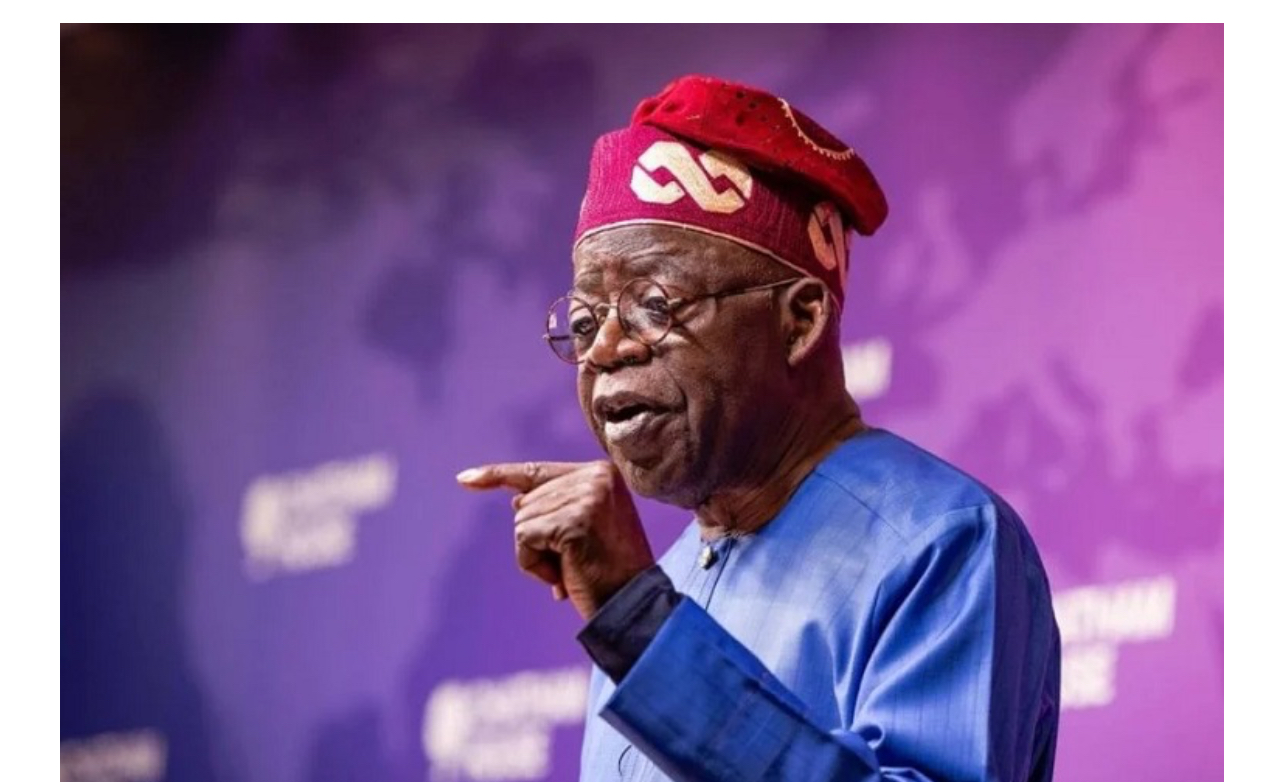
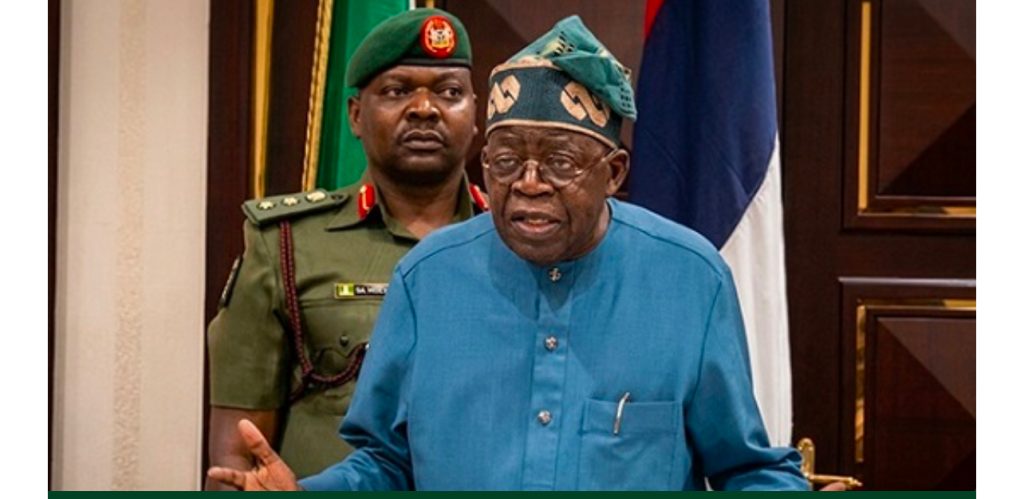
President Bola Tinubu has unveiled an investment package of more than $7 billion for the development of the Ogun State Blue Marine Special Economic Zone and the Gateway Deep Seaport, describing the projects as a major step towards strengthening Nigeria’s maritime economy and attracting foreign investment.
In a statement by his Spokesman, Bayo Onanuga, on Thursday, the President spoke in Paris, France, during the signing of Memoranda of Understanding between the Ogun State Government and DP World, a global ports and logistics operator, for the development of the projects.
Tinubu assured domestic and foreign investors that the Federal Government would continue to provide regulatory clarity, policy stability and a predictable business environment to support long-term investments in Nigeria.
“The agreements before us bring together vision, expertise, capital and execution capacity. I particularly welcome DP World, one of the world’s leading port and logistics operators,” the President said.
He added that the Federal Government would provide the necessary regulatory and institutional support to ensure that the projects moved seamlessly from agreements to implementation.
According to the President, the agreements are expected to attract an initial investment of more than $7 billion into the Nigerian economy and create over 50,000 direct jobs when fully developed, alongside additional indirect employment opportunities.
Tinubu said the projects would also generate non-oil export earnings and contribute to Nigeria’s economic diversification.
“This is economic diversification made tangible. This is industrialisation made visible. This is Renewed Hope in action,” he said.
The proposed Gateway Deep Seaport at Ogun Waterside will have a four-kilometre berth and an 18-
metre draft. The facility is expected to help decongest the Lagos port corridor and ease pressure on the Apapa and Tin Can Island ports.
The president said the deeper draft would enable the port to accommodate larger vessels while providing a competitive gateway for trade within Nigeria and across the African Continental Free Trade Area.
He noted that the proposed Ogun State Blue Marine Special Economic Zone would cover about 10,000 hectares and would be integrated with the deep seaport to support manufacturing, processing, exports and logistics.
“The Gateway Deep Seaport is the critical infrastructure that will support the zone’s viability. A port moves cargo; a port integrated with a special economic zone helps to build an economy. Each reinforces the other,” Tinubu said.
He said the Federal Government would facilitate road, rail and power connectivity to the projects, while strengthening investment security and the maritime domain and removing unnecessary bureaucratic obstacles.
The president also linked the projects to the Lagos-Calabar Coastal Highway, describing the Ogun section of the road as a critical transport connection for the emerging industrial and maritime corridor.
“The Lagos–Calabar Coastal Highway is central to this corridor’s commercial viability,” he said, adding that the 28-kilometre Ogun section of the 700-kilometre highway was scheduled for completion before the end of the year.
Tinubu said the port and industrial zone would also form part of a wider strategic corridor linking the proposed Nigerian Navy Operating Base and Dockyard with the OK LNG Project.
The President commended Ogun State Governor Dapo Abiodun and his administration for securing the land and structuring the investment framework.
“I commend Governor Dapo Abiodun and the government and people of Ogun State for securing the land, structuring the investment framework and reducing project risks for global investors,” he said.
Governor Abiodun led the Ogun State delegation at the signing ceremony, which also included state commissioners and other senior officials.
Senior representatives of DP World, the Nigerian Ports Authority and SkyKapital were also present at the event.
Tinubu urged Ogun State and the investors to maintain the momentum created by the agreements and move quickly towards implementation.
“Nigeria lies at the heart of West African trade. Yet, our strategic advantage has been constrained by port congestion, inadequate draft capacity and logistics bottlenecks that increase the cost of doing business. These projects respond directly to those constraints,” he said.
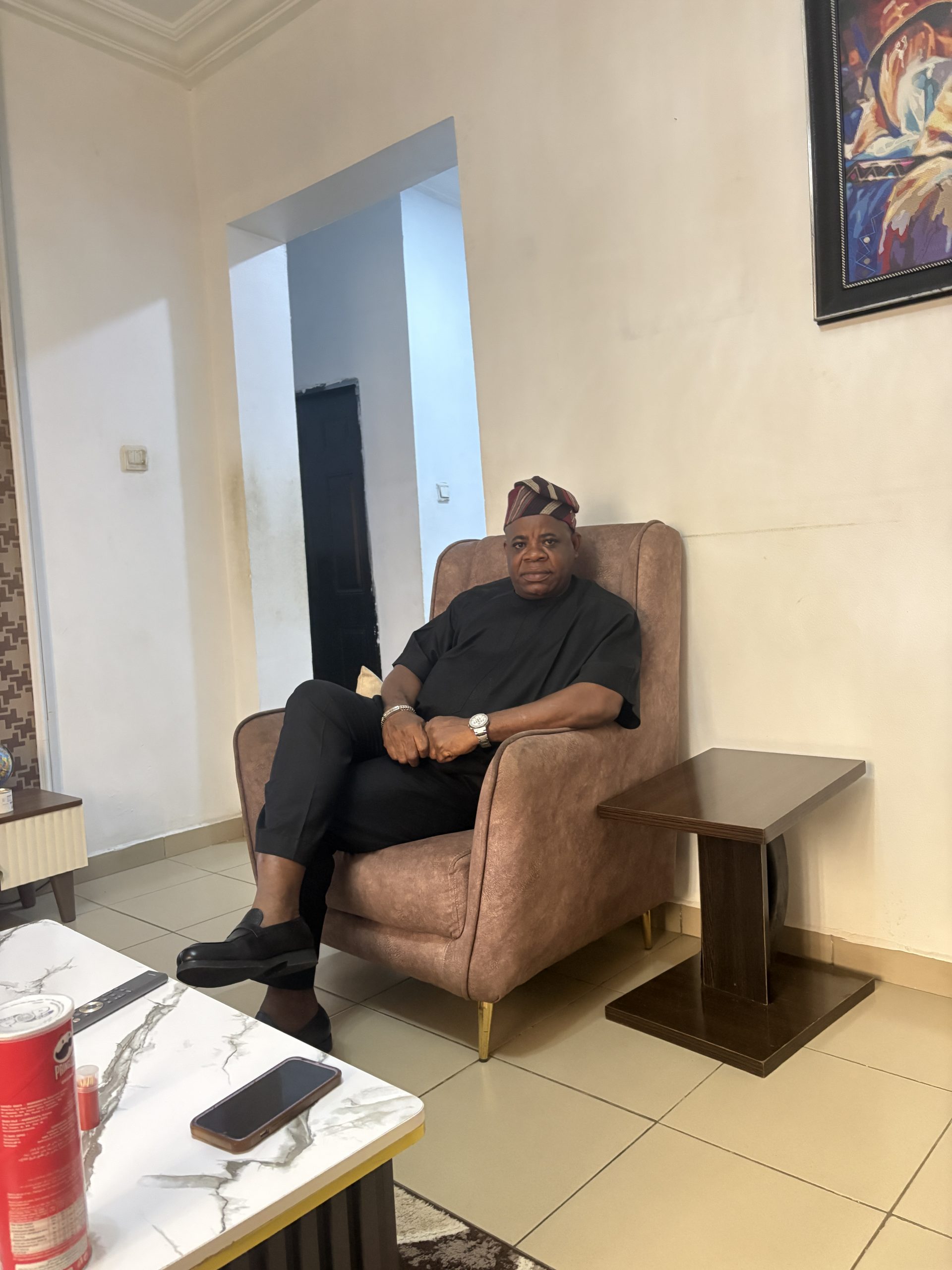
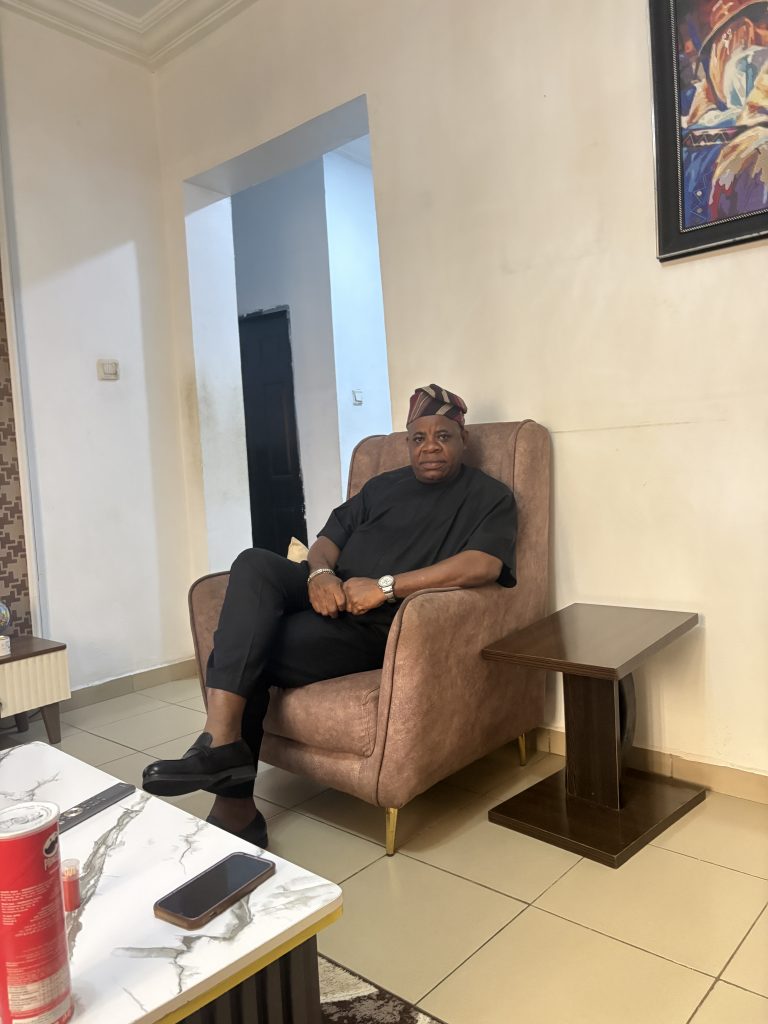
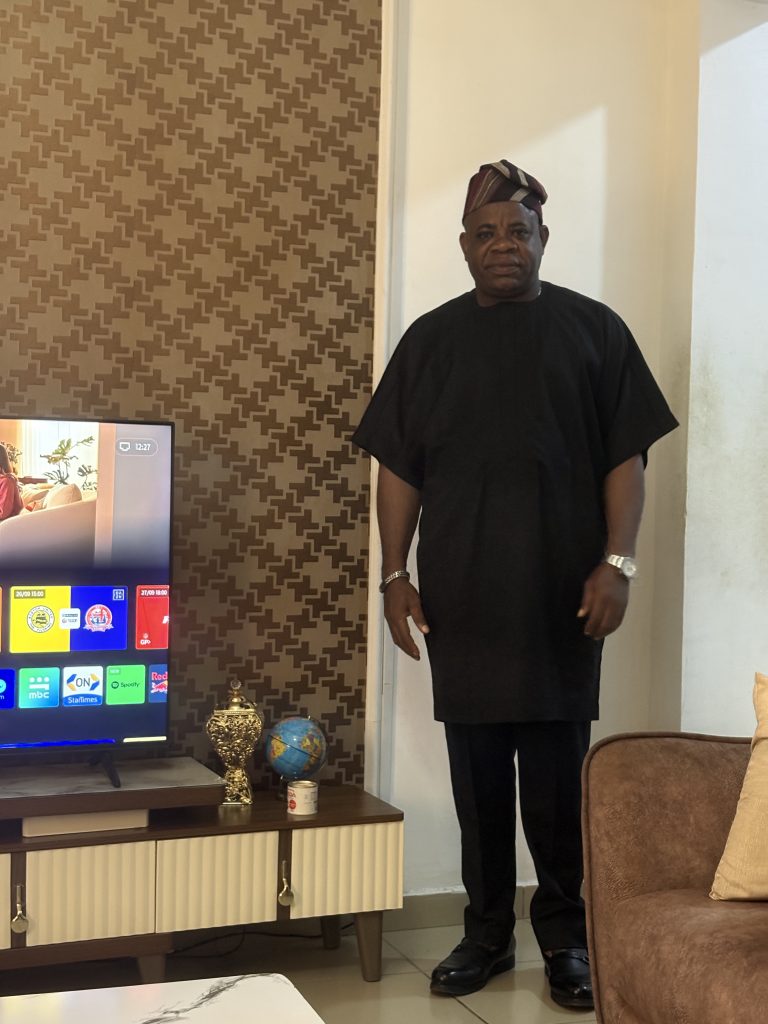 Today, I celebrate myself and give all glory and thanks to Almighty God for the gift of life and for bringing me this far. I am grateful for the opportunity to be alive, healthy, peaceful, happy, and prosperous.
As I celebrate another year today, I pray for greater blessings, wisdom, good health, peace, success, and abundant prosperity in the years ahead.
May this new chapter of my life be filled with joy, favour, wonderful opportunities, and fulfilment of my heart’s desires.
Happy Birthday to me! 🥳🎉
Congratulations to me on this special day. 🙏❤️🎂
I wish myself many more happy and prosperous returns. Cheers to a beautiful new year of my life! 🥂🎉
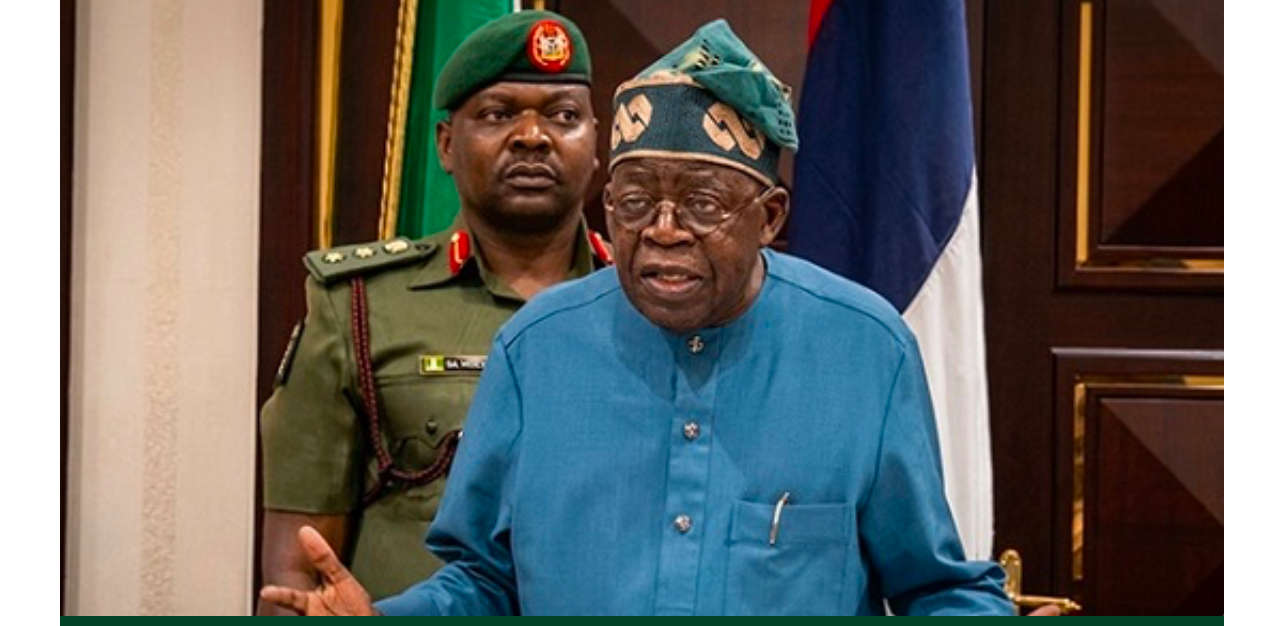
The International Chamber of Commerce tribunal in Paris has ruled in favour of Nigeria in the arbitration brought by Sunrise Power and Transmission Company Limited over the Mambilla Hydroelectric Power Project in Taraba State.
President Bola Tinubu, in a statement issued on Thursday by his Special Adviser on Information and Strategy, Bayo Onanuga, said the tribunal rejected the claims by Sunrise.
The company had sought $680m from Nigeria as a settlement sum and interest in relation to a separate arbitration in which it is claiming more than $2.7bn in compensation and interest over disputes surrounding the development of the 3,960-megawatt Mambilla project.
However, the tribunal, as reported by The Cable, also dismissed Sunrise’s claim for $400m arising from the 2020 settlement agreement, according to the details of the award reported on Thursday.
It further ordered Sunrise and its promoter, Leno Adesanya, to reimburse Nigeria 75 per cent of its legal fees and expenses, amounting to $11.82m.
The tribunal also reportedly declared that Adesanya was bound by the arbitration agreement with Nigeria under the settlement agreement and its addendum and that it had jurisdiction over Nigeria’s counterclaim against him and his firm.
In the statement, Tinubu said the ruling demonstrated the government’s determination to defend the country’s interests.
“This latest decision affirms the Nigerian State’s determination not to succumb to predatory and exploitative claims by corrupt local and international entities and their enablers and funders,” he said.
The President commended the Attorney-General of the Federation and Minister of Justice, Lateef Fagbemi, and officials of the Federal Ministry of Justice for their role in the case.
He also commended former President Olusegun Obasanjo and the late former President Muhammadu Buhari, who testified in the arbitration.
“I also commend the FRN defence team, led by Ms Elizabeth Oger-Gross and Mr Tolu Obamuroh, both of Paul Hastings LLP, for their professional and excellent defence of the country.
“I commend the patriotism and support of former President Olusegun Obasanjo, GCFR, and late President Muhammadu Buhari, GCFR, who testified in the case, which dated back to an illegal 2003 contract to build a 3,050-megawatt hydroelectric plant in Taraba State under a build-operate-transfer model.
“The Federal Executive Council never authorised the contract. I thank the other witnesses in this case, including former Ministers Babatunde Raji Fashola, SAN, and Suleiman Adamu, and the experts, for their active participation in defending Nigeria’s interest in the arbitration,” the statement read.
“I want to assure you that while our country remains committed to partnering with genuine investors and honouring its legal obligations, it will continue to defend all opportunistic claims instituted against our commonwealth strongly.
“Today’s ICC ruling clears the single biggest legal hurdle that has paralysed the Mambilla hydro power project for years,” Tinubu said.
The dispute dates back to an agreement under which Sunrise claimed it had been awarded the contract to construct the Mambilla project.
The company commenced arbitration against Nigeria at the ICC International Court of Arbitration in October 2017, seeking about $2.354bn over an alleged breach of contract.
The parties later entered into a settlement agreement in 2020, under which Nigeria was to pay Sunrise $200m.
A subsequent dispute arose after the government did not make the payment, leading to another arbitration in which Sunrise sought $400m, comprising the $200m settlement sum and a $200m default payment.
In Thursday’s award reported by The Cable, the tribunal rejected Sunrise’s claim that Nigeria had breached its obligations under the settlement agreement and its addendum.
It also rejected the company’s demand for the $400m settlement and default sums.
The Cable reported that the tribunal fixed the arbitration costs at $1.6565m, with Sunrise and Adesanya responsible for 75 per cent and Nigeria for 25 per cent. Of the $11.82m in legal fees and expenses awarded to Nigeria, $2.5m is to be recovered from funds held in escrow by the ICC, while the remaining $9.32m is payable by Sunrise and Adesanya, with interest at 10 per cent annually, compounded annually, from notification of the final award until payment.


-
 news6 years ago
UPDATE: #ENDSARS: CCTV footage of Lekki shootings intact – Says Sanwo – Olu
-
 lifestyle6 years ago
Former Miss World: Mixed reactions trail Agbani Darego’s looks
-
 health6 years ago
Chairman Agege LG, Ganiyu Egunjobi Receives Covid-19 Vaccines
-
 lifestyle5 years ago
Obateru: Celebrating a Quintessential PR Man at 60
-
 news1 year ago
BREAKING: Tinubu swears in new NNPCL Board
-
 health6 years ago
UPDATE : Nigeria Records 790 new cases of COVID-19
-
 entertainment2 years ago
Ashny Set for Valentine Special and new Album ‘ Femme Fatale’
-
 health6 years ago
BREAKING: Nigeria confirms 663 new cases of COVID-19