

Connect with us

news

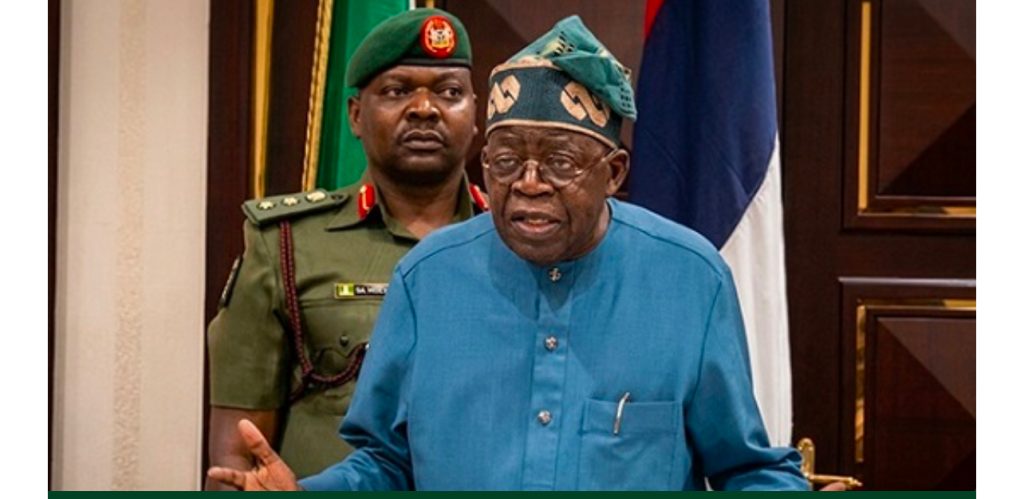
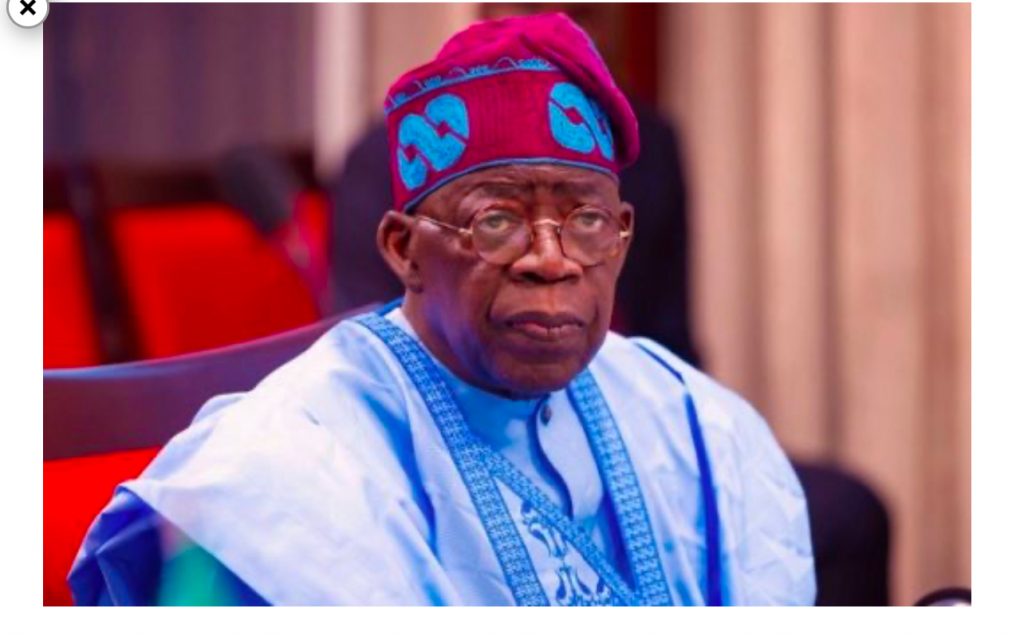
Breaking : Moody’s Upgrades Nigeria’s Credit Rating, Says Tinubu Has Strengthened Macroeconomic Stability and Restored Investor Confidence

Published

on

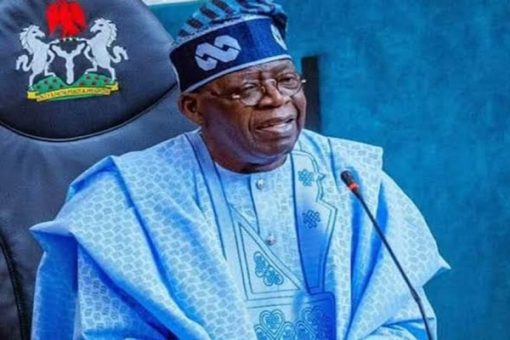
For the second time in as many months, Nigeria’s sovereign credit rating has been lifted into more favourable territory by a major international rating agency, with Moody’s Investors Service upgrading the country’s long-term issuer ratings from Caa1 to B3 and assigning a stable outlook.

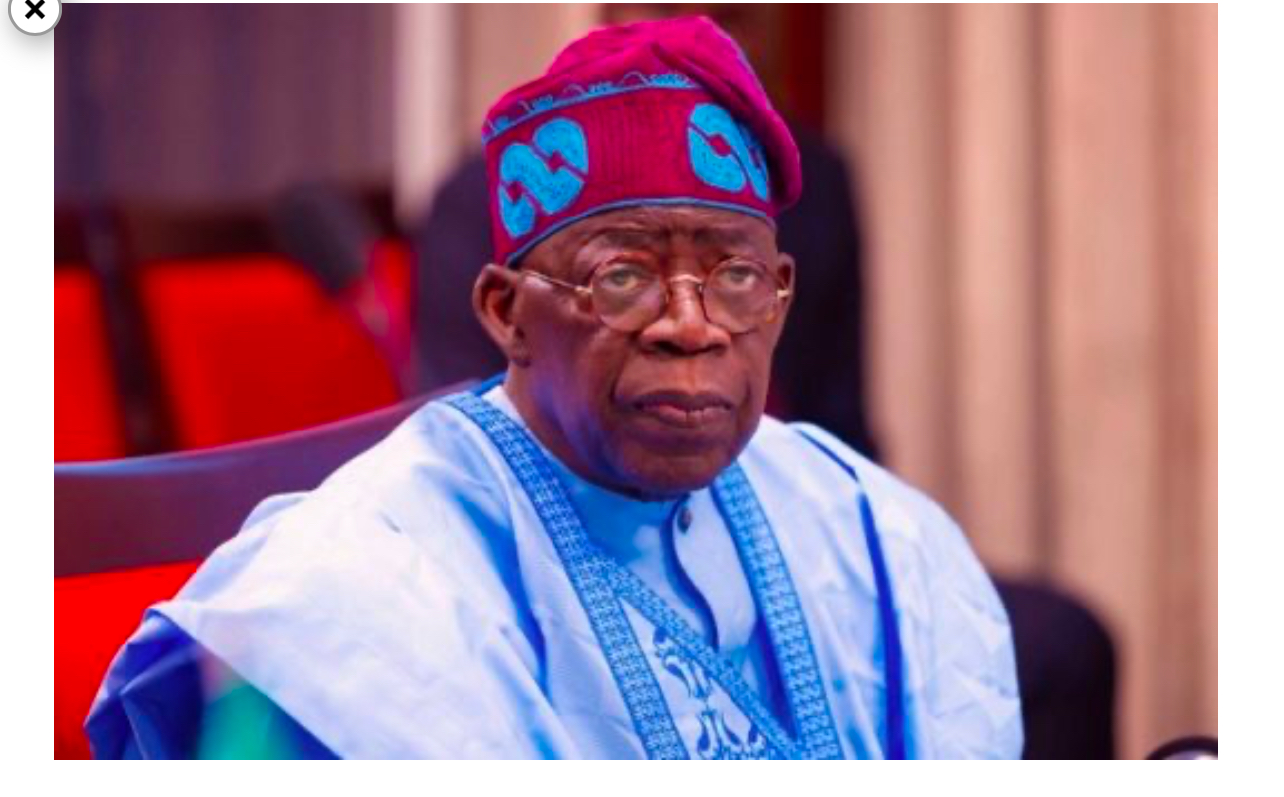
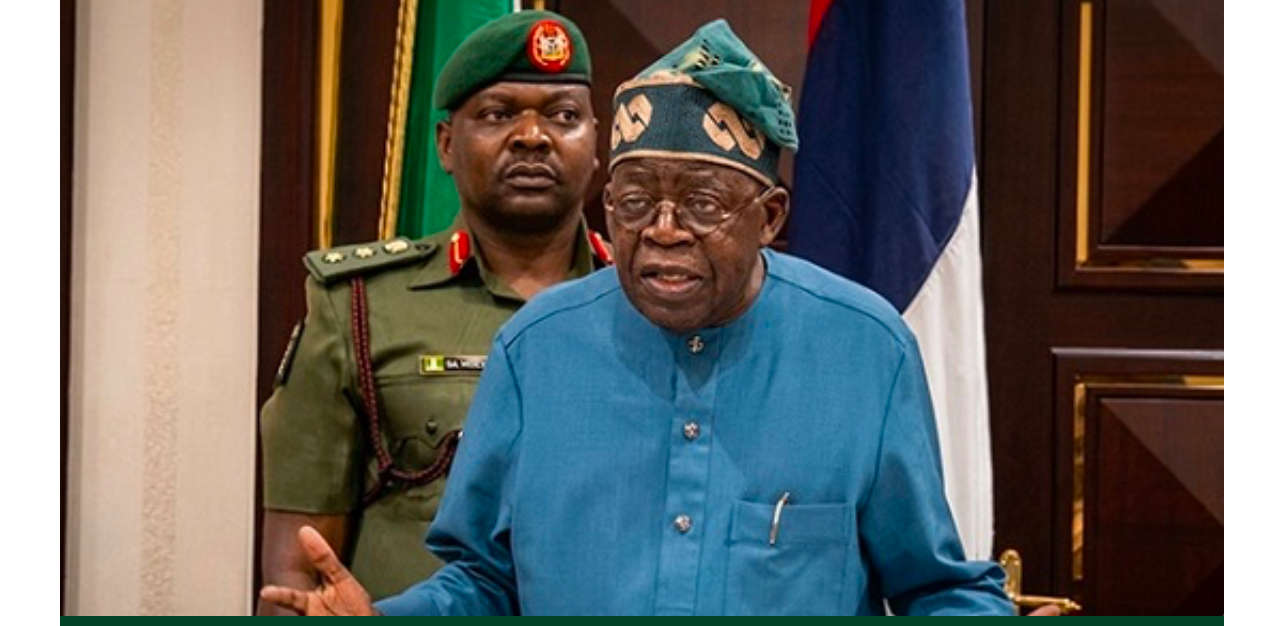
The Federal Government welcomed the development, describing it as further validation of ongoing efforts to strengthen macroeconomic stability and restore investor confidence under the administration of president Bola Tinubu.

Moody’s stated that its latest action reflects significant improvements in Nigeria’s fiscal and external positions, underpinned by policy measures adopted since President Tinubu assumed office in May 2023.

In December 2023, Moody’s had already revised Nigeria’s outlook from Caa1 Stable to Caa1 Positive, making the current upgrade to B3 the second positive action from the agency in less than a year.

The transition from Caa1 to B3 signifies a one-notch improvement in Nigeria’s creditworthiness. While the rating still indicates a high risk of default, it no longer falls within the “very high” risk category. This shift is seen as an indication that Nigeria is making progress in addressing vulnerabilities that have plagued its economy, including foreign exchange distortions, fiscal pressures, and debt sustainability challenges.


The upgrade signals growing confidence in Nigeria’s economic management and is expected to strengthen its appeal to international investors. A stronger credit profile typically results in lower borrowing costs on international capital markets, improved access to foreign capital, and increased foreign direct and portfolio investments.


Moody’s attributed its decision to the government’s commitment to correcting macroeconomic imbalances, deepening fiscal transparency, and pursuing structural reforms. Notable among these, according to the agency, are ongoing tax reforms and the adoption of a more flexible, market-driven foreign exchange regime, which has led to a more efficient allocation of resources and a bolstering of the country’s external reserves.

Responding to the development, the Minister of Finance and Coordinating Minister of the Economy, Wale Edun, said the upgrade reflects the administration’s determination to achieve economic stability and sustainable growth.

“We are encouraged by Moody’s recognition of our reform agenda,” Edun said. “This positive outlook reflects our administration’s determination and the tremendous work being carried out across various Ministries, Departments, and Agencies (MDAs)—including our monetary policy authorities at the Central Bank of Nigeria—to stabilize the economy, attract investment, and ensure inclusive and sustainable growth for all Nigerians.”

The Tinubu administration has since its inception introduced what it describes as tough but necessary reforms aimed at reversing long-standing distortions in Nigeria’s macroeconomic framework. These include the removal of petrol subsidies, unification of exchange rates, broadening of the tax base, and measures to improve public financial management.

The Federal Ministry of Finance, in a statement, noted that the timing of the upgrade is significant, coming at a period when the government is focused on accelerating economic growth through increased private sector participation. According to the ministry, efforts are underway to improve infrastructure financing, deepen the financial sector, and expand access to capital for productive activities.


It reiterated that the government, in collaboration with the Central Bank of Nigeria, remains committed to preserving macroeconomic stability, managing public debt sustainably, and maintaining sound fiscal practices.


“The government will continue to collaborate with both domestic and international partners to boost investor confidence and enhance Nigeria’s global credit standing,” the ministry said.

Analyst, Dr. Wahab Balogun, Managing Director and Chief Executive Officer of Ambosit Capital Managers said that a better credit rating provides a foundation for Nigeria to re-engage international capital markets under more favourable terms, potentially reducing debt service costs and freeing up fiscal space for development spending.

“With the stable outlook assigned by Moody’s, Nigeria is not expected to face an imminent downgrade or upgrade. This indicates that the reforms currently in place are perceived as credible, with no immediate risks that could undermine the rating. It also reinforces the view that the government’s policy direction is yielding early positive results, though sustained implementation will be necessary to achieve long-term benefits” he said.

He added that “the dual upgrades by Fitch and Moody’s have been received in financial and investment circles as indicators of Nigeria’s return to a path of responsible economic management, capable of restoring the country’s standing in global finance.”

As Nigeria seeks to attract more private capital—both domestic and international—to power its development priorities, the improved ratings could become a useful lever in supporting long-term plans for economic diversification, infrastructure development, and inclusive growth
Continue Reading
Click to comment

Leave a Reply

Your email address will not be published. Required fields are marked *

news

Budget Office Explains PFIPC Allocation, Says Agency Emerged During Buhari Administration

Published

on

•Explains how PFIPC was allocated money in the budget.

The Budget Office of the Federation (BOF) yesterday explained that the Presidential Foreign Intervention Promotion Council (PFIPC), which the presidency declared as fake and is currently being investigated by the Independent Corrupt Practices Commission, ICPC, had its origin in the last administration of late President Muhammadu Buhari.

The Director-General of the Budget Office, Mr. Tanimu Yakubu who provided the explanation in a statement, after appearing before members of the House of Representatives, in Abuja said the PFIPC’s institutional origin was premised on the Presidential Economic Advisory Council inaugurated by President Muhammadu Buhari on October 9, 2019. He also explained how the fake agency was allocated money in the 2026 budget.

His words, “PEAC/PFIPC did not enter the 2026 Budget merely because it asked for funds. The Council had its origin in the Presidential Economic Advisory Council inaugurated during the administration of the late President Muhammadu Buhari on October 9, 2019. By the time preparation of the 2026 Budget began, official instruments had already been issued by the institutions charged with those functions.

“The Office of the Accountant-General of the Federation had assigned an administrative code to the PFIPC. The Office of the Head of the Civil Service of the Federation had approved an authorised establishment and a recruitment waiver. The applicable public-service salary structure also existed. These instruments did not come from the Budget Office. They came to it.

“The Budget Office did not create the Council. It did not assign its code. It did not approve its establishment. It did not grant its recruitment waiver. It received official instruments and did what the law required of it: it measured their fiscal effect.”

Mr. Tanimu further explained that the Council submitted a personnel estimate of N3.850 billion for the 2026 Fiscal Year and that his Office had to reduce that figure to N802.978 million, using the authorised establishment, the approved recruitment waiver, the applicable public-service salary structure and the extant costing methodology

According to the D-G, “Council later submitted a personnel estimate of N3,850,935,000.00. That estimate did not form the basis of the Budget Office’s recommendation. The Budget Office disregarded it and made an independent calculation using only the authorised establishment, the approved recruitment waiver, the applicable public-service salary structure and the extant costing methodology.

“That calculation produced N802,978,783.00. This was not a concession to the Council. It was the Budget Office’s own fiscal judgment. It was the amount placed in the Executive Budget proposal and later appropriated.

Mr Yakubu said that the Council could not receive the approved funds for personnel because its promoter, Prince Adeyemi Adeniyi could not secure Financial Clearance, an instrument that confirms that necessary fiscal and regulatory had been met.

He said, “Financial Clearance is the point at which a personnel provision may begin to acquire legal force as expenditure. It is not a routine letter. It is the confirmation that the fiscal and regulatory conditions for recruitment have been met. Until it is issued, the figure remains in the budget. It does not create staff. It does not open payroll. It does not produce salary. The Budget Office did not issue Financial Clearance for PEAC/PFIPC because the conditions were incomplete.

“The 2026 Appropriation Bill did not become law until Presidential Assent on 31 March 2026. Before that date, the Budget Office could cost the proposal. It could not grant final Financial Clearance against a bill that had not yet become law.

“After assent, a further condition remained outstanding. The National Salaries, Incomes and Wages Commission had not confirmed that the proposed staffing and remuneration arrangements complied with its prescribed template and the approved public-service compensation framework.

“The Budget Office could calculate the cost. It could not open the gate. There was therefore no Financial Clearance. There was no lawful recruitment. There was no payroll enrollment. There was no salary payment.”

The D-G added, “The personnel provision was N802,978,783.00. It represented 61.63 per cent of the total appropriation of N1,302,978,783.00. It has sometimes been described as though the Council could have received the whole amount and spent it at will. That description is false.

“Personnel appropriations are not paid to agencies as lump sums. After every legal condition has been met, salaries are paid month by month. The money moves electronically into the designated bank accounts of verified employees enrolled on the Federal Government payroll.

“The institution does not receive the annual personnel provision as cash under its control. Even in a lawful process, the Council would not have received N802,978,783.00 in one payment. The money would have gone over twelve months to individual employees. That process never began. No Financial Clearance was issued. No recruitment took place. No payroll record was created. No salary became due. Not one kobo of the personnel provision could lawfully have been drawn. Not one kobo was drawn. There is no personnel expenditure to recover because there was no personnel expenditure.”

The PFIPC controversy became public on June 11, 2026, when the Chief of Staff to the president, Mr Femi Gbajabiamila, declared the Council as fake and petitioned the law enforcement agencies.

However, at a press conference on June 26, the Director General of the PFIPC, Prince Adeniyi Adeyemi faulted the presidency’s disclaimer. He alleged that Gbajabiamila received N400 million through a proxy and demanded an additional N200 million to secure his appointment — an allegation which the Chief of Staff denied and has sued him to court claiming N15b as damages for defamation. Adeyemi is currently in custody after he was arrested by the police in connection with the PFIPC scandal and alleged forgery.

Before his arrest, Adeyemi claimed he personally approached officials of the budget office to seek the inclusion of the Council in the federal government’s budget.

Recently, Central Bank of Nigeria (CBN) confirmed that it opened two domiciliary accounts linked to the PFIPC on the directive of the Office of the Accountant-General of the Federation (OAGF).

The apex bank, however, said the accounts, one denominated in United States dollars and the other in British pounds sterling, were never funded or operated.

Continue Reading

news

BREAKING: Trump Applauds Tinubu’s Fight Against Terrorism, Pledges Continued US Backing

Published

on

United States President Donald Trump has commended President Bola Tinubu for what he described as his decisive leadership in tackling terrorism and insecurity in Nigeria, particularly attacks targeting Christian communities.

Trump conveyed the praise in a letter dated July 6, 2026, the contents of which were made public on Wednesday in a statement issued by the President’s Special Adviser on Information and Strategy, Bayo Onanuga.

In the letter, titled “President Trump lauds President Tinubu’s decisive leadership against terrorists,” the US President applauded Tinubu’s efforts to confront security challenges and reaffirmed Washington’s commitment to supporting Nigeria’s counter-terrorism operations.

“Thank you for your thoughtful letter. Your kind words mean a great deal to me, and I appreciate your decisive leadership on behalf of the Nigerian people.

“I applaud your resolve to tackle the issues plaguing your nation, especially the violence affecting Christian communities, and it is a true honour to stand with you in the fight against terrorists and to make the Federal Republic of Nigeria stronger and more prosperous,” Trump wrote.

Trump described the relationship between the United States and Nigeria as increasingly important amid growing security challenges across West Africa.

“The United States-Nigeria relationship is crucial at a time when conflict has spread across West Africa and around the world. We both share a mutual goal of confronting terrorism in all its forms, and our historic US-Nigeria 2026 Defence Cooperation Roadmap has established a robust framework to accomplish this feat,” he stated.

The US President also highlighted ongoing defence cooperation between both countries, noting that American Special Operations Forces had been deployed to assist Nigeria’s military.

“I am proud to have deployed the United States Special Operations Forces—among the most elite military units anywhere in the world—to equip the brave men and women in the Armed Forces of Nigeria with the skills, tools and intelligence they need to protect your homeland and ensure the safety and security of citizens, particularly those of faith who have been under attack.

“I look forward to our continued discussions over the course of my Presidency,” Trump added.

According to the Presidency, Nigeria and the United States have expanded security cooperation in recent months following the establishment of a Joint Working Group co-chaired by the National Security Advisers of both countries.

The collaboration has centred on intelligence sharing, military training and coordinated operations against terrorist groups.

The statement noted that one of the key outcomes of the partnership was the joint operation carried out on May 16 against ISIS hideouts in the Lake Chad region, which reportedly led to the killing of the group’s senior leader, Abubakar Al-Minoki, along with several of his lieutenants.

The Presidency also disclosed that the US Assistant Secretary of State for Africa, Frank Garcia, visited Abuja last week, where he held talks with senior Nigerian officials and pledged to deepen bilateral cooperation in security and other strategic sectors.

Continue Reading

news

UPDATED: Two Ansaru Leaders Get Life Imprisonment Over Oyo Kidnapping

Published

on

…Usman, Abba plead mercy

A Federal High Court in Abuja has sentenced a man who claimed to be 50 years old and father of 19 children, Mahmud Usman, to life imprisonment after pleading guilty to offences of kidnapping for ransom, terrorism, among others.

Usman (also known as Abu Bara’a, Abbas and Mukhtar), described by the prosecution as the self-styled Emir of Ansaru, was sentenced, along with his co-defendant, Abubakar Abba (also known as Mahmud al-Nigeri and Malam Mamuda), who is said to be the group’s deputy leader and chief of staff.

Usman and Abba were arraigned earlier this year on a 32-count charge filed by the Department of State Services (DSS).

The two are said to be among the key terrorist leaders who were behind the Oriire, Oyo State school kidnap and demanded to be released by the government.

During their arraignment, Usman pleaded guilty to a count of illegal mining for funding terrorism/arms, and was sentenced to 15 years’ imprisonment.

He pleaded not guilty to the other 31 counts, while his co-defendant, Abba, pleaded not guilty to all the 32 counts.

On July 9, however, Abba informed the court of his intention to withdraw his earlier not guilty plea, but needed some time to consult with his lawyer, a request Justice Emeka Nwite granted and adjourned till July 20.

On Monday, both defendants pleaded guilty to the 32 counts when they were read to them, following which Justice Nwite convicted them accordingly.

While appealing to the court to be lenient in sentencing the defendants, their lawyer, Bala Dakun, said by pleading guilty, his clients now appreciate the gravity of the offence they admitted to committing.

Dakun said the convicts’ guilty pleas were not intended to trivialise the offence or justify their conduct, but a show of remorse and repentance, while seeking mercy from the court.

He said the convicts saved the time of the court and the resources and time the prosecution would have deployed in bringing witnesses to the court and proving their case beyond reasonable doubt.

Dakun told the court that Usman is 50 years old, with 19 children and the sole provider of the family.

He said the second defendant, Abba, is 35 years old, with three children and a wife.

The defence lawyer said both defendants suffer from arthritis and ulcers.

Dakun said his clients promised to work with security agencies by providing them information about the operation, financing and network of the terrorist groups in the country.

He said the convicts should be granted amnesty as has been done for some repentant Boko Haram members, who have been rehabilitated.

With the permission of the court, Usman spoke in English and said he felt remorseful and that they admitted the offences, for the court to have mercy on them and their dependants, who will suffer in their absence.

Usman, who admitted having 19 children, said he suffers from bad health and that he was planning to return to school before he was arrested.

After listening to Dakun and Usman, Justice Nwite, who rose briefly, returned to hand out the sentences. He sentenced the two to life imprisonment in relation to counts 30 and 31.

The judge also sentenced them to 20 years, without an option of fine, on counts 1, 2, 3, 4, 5, 6,7, 9, 12, 13, 14, 15, 16, 17, 18, 19, 20, 21, 22, 23, 24, 25, 26, 27, 28, 29 and 32.

The two defendants were handed 25 years in respect of count 11, while only the second defendant (Abba) got 15 years in respect of count 10.

Justice Nwite ordered that the sentences shall run concurrently from the date of their arrest.

The defendants were arrested by the prosecuting agency (DSS) in separate operations between May and July 2025.

They were charged with various offences including terrorism and terrorism financing, kidnapping for ransom, illegal mining, funding terrorism, fabricating Improvised Explosive Devices (IED), among other charges.

The two defendants were equally accused of coordinating sleeper cells, attacks, and maintaining ties with terrorist groups in the Sahel/Maghreb region.

Continue Reading

Trending

Copyright © 2025 Newsthumb Magazine | All rights reserved