
news
Renewed Hope: Establishment of National Research Development & Innovation Coordination for Nigeria – Utilizing RDI solutions to deliver on Presidential priorities, says Minister of Innovation Science and Technology

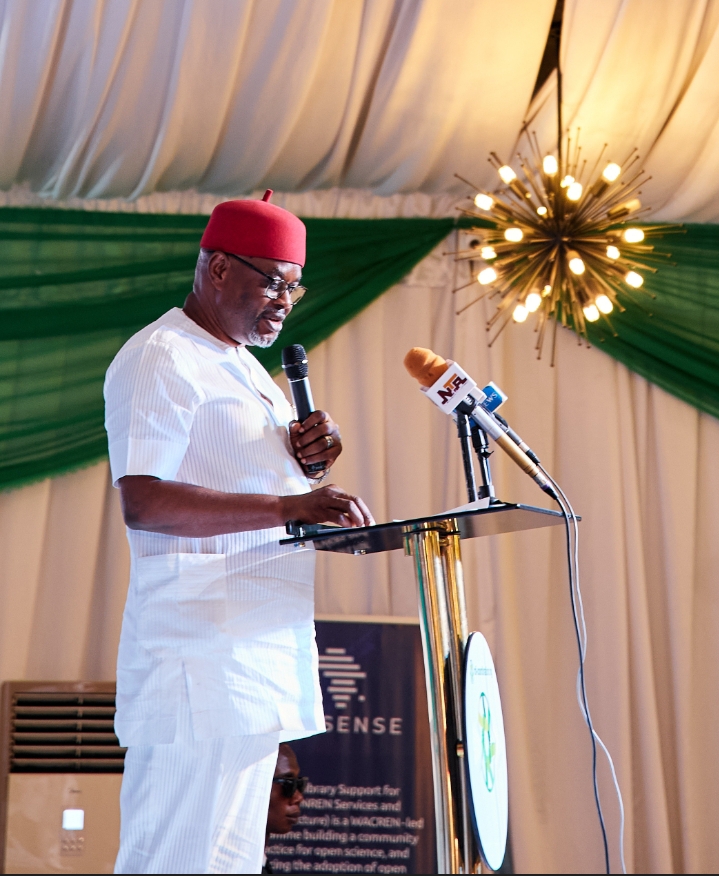
The Honorable Minister of Innovation Science and Technology, Chief Uche Nnaji, at the ongoing 3-day RDI Summit in Abuja, highlights the need to imbibe collaborative efforts in changing Nigerian narratives in research and development that can advance the course of economic growth in the country. Chief Nnaji stressed the need to embark on a journey to redefine and reposition Nigeria on the global map of innovation, science, and technology. The theme of our gathering, “Advancing Nigeria’s Global Competitiveness Through a Resilient National RDI Coordination,” is not just a statement of intent; it is a clarion call to action.
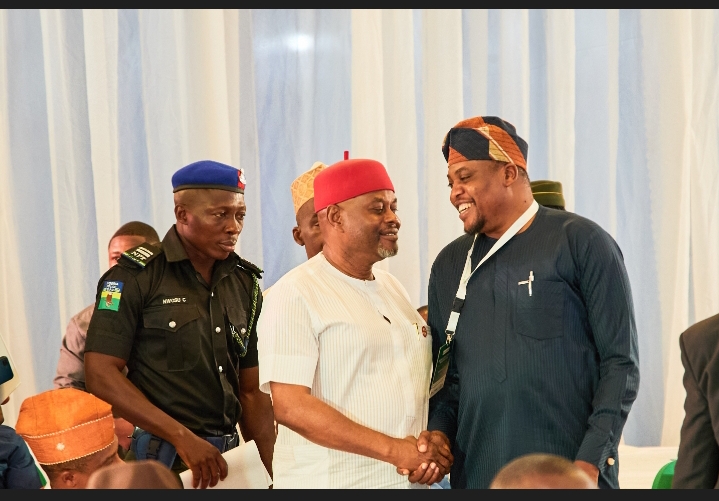
He added, in today’s rapidly evolving world, the pace of technological advancements is not just fast; it is exponential. Nations that have recognized and harnessed the power of research, development, and innovation are leading the charge towards economic prosperity, societal well-being, and sustainable development. It is time for Nigeria to take its rightful place among these nations.
To achieve this, we must first acknowledge that our RDI ecosystem requires robust coordination, one that is resilient, inclusive, and forward-thinking. Our goal is to create a system where academia, industry, government, funders and the community not only interact but thrive together, fostering an environment ripe for groundbreaking innovations.
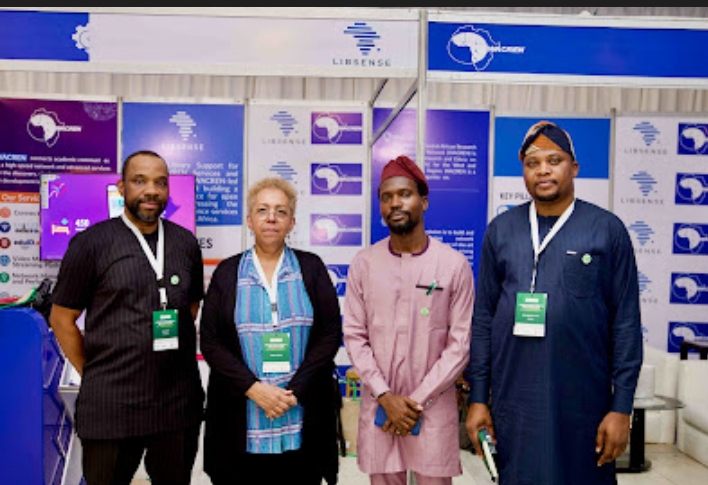
Our vision for Nigeria is to become a hub for African innovation, contributing significantly to the global knowledge economy. This can be achieved by implementing a three-pronged approach:
1. Strengthening Institutional Frameworks: It is imperative that we build and strengthen the institutional frameworks necessary for effective RDI coordination. This includes policy reforms that incentivize research and development, protect and commercialize intellectual properties, and facilitate the commercialization of research outcomes.
2. Fostering Public-Private Partnerships: The collaboration between the public sector, private industry, Academia and funding institutions is crucial. By fostering partnerships that leverage the strengths of each sector, we can accelerate the translation of research outcomes into market-ready solutions that address our most pressing challenges.
3. Investing in Human Capital: At the heart of any successful RDI ecosystem are the people. Investing in education and training to build a skilled workforce ready to navigate and lead in the Fourth Industrial Revolution is non-negotiable. We must nurture our young talents and provide them with the platforms to excel and innovate.
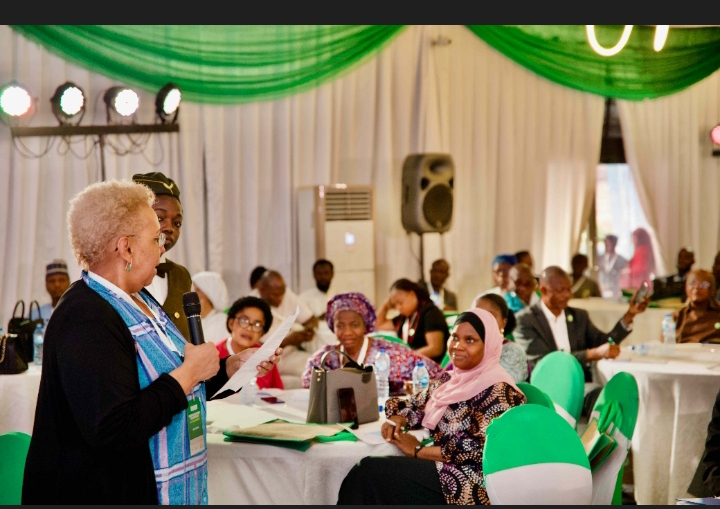
The Summit was convened and facilitated by Research for Impact, Knowledge economy, and sustainable development RIKE-SD and organized by West and Central Africa Research and Education Network (WACREN) with financial support from the Foreign Commonwealth Development Office, UK.
Dr Popoola Mustapha, Executive Director, Research Impact For Knowledge, Economy, and Sustainable Development (RIKE SD), commented that RIKE SD is a Nigeria incorporated research for impact, not for profit organization with an African development forecast, the first Research as a Service organization in the country that focuses on taking Nigerian innovative outputs to other African countries by targeting impacts at all 54 nations in the next five years. The event today was designed to accelerate coordination for research and innovation development in Nigeria.For us to build an evidence based solution matrix in support of President Bola Ahmed Tinubu’s transformation Renew hope agenda, we must institutionalized RDI solutions at ministries, departments &agencies(MDAs) of government at national and sub national levels in line with the directives of Mr.President. It’s important we get coordinated. This is the first time we are organically co creating RDI Coordination in Nigeria with over 200 institutions and organizations. By this effort, we shall be well positioned to RDI platforms to attract huge local and foreign direct investments. This would be linked to the commercialization of several RDI outputs and outcomes domiciled in our universities and other institutions of higher learning. We have innovated Pentagonal-Nexus from the Triple Helix approach of collaboration. The nexus is unique, where the government works alongside industries, and Academia, by focusing on communities that would use the research outcomes. We also ensure the funders are on the table of discussions and the outcomes are demand driven.
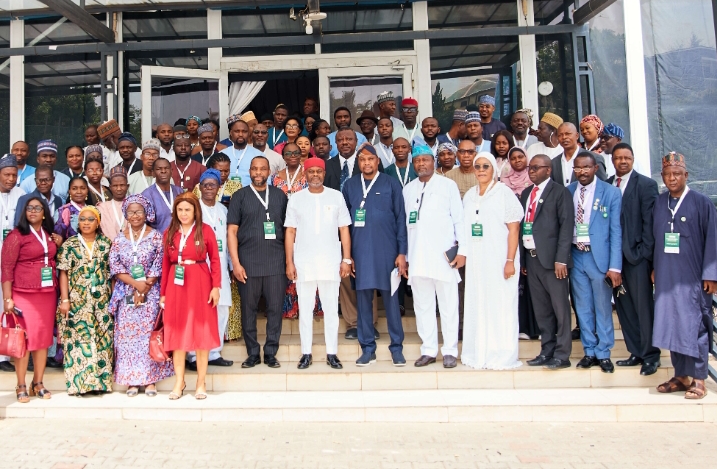
We are targeting nothing less than N10 Trillion in new revenue opportunities. The RIKE-SD Pentagonal nexus model of collaboration was innovated in Nigeria but presently been adopted globally; we try to avoid a situation where we finish planning and start looking for funds to implement.As The Minister of Innovation Science and Technology, Chief Uche Nnaji, highlighted, there would be good outcomes after the 3-day summit that would bolster the development of Nigeria. We believe the presidential directive on STI and RDI institutionalization can only be actualized when private sectors are involved in this RDI coordination project. We would collaborate with all the relevant government agencies to actualize it; ultimately, for the next 3 days, we would evolve a national steering committee to be in charge of coordination; we want it to evolve naturally among the leaders that are here.Additionally, 8 think tanks working on the 8 presidential priority areas will emerge.We are using the toolkits of research, science technology & innovations to shape and deliver solutions on the 8 priority areas of Renew hope agenda.
Collective efforts with better outcomes would deliver a better Nigerian economy other African nations could emulate in RDI led policy formulations. The outcome, however, would present Nigeria in the global spotlight as a productive and competitive economy. He affirms that that with over 200 agencies and stakeholders in attendance, I foresee the outcome of this summit would generate expected innovations. Media crews were equally commended for their wide coverage of the event; we assure this would be turbo-driven, he said.
In keynote address from The British High Commission Deputy Development Director, in agreement and contribution to the RDI Summit, delivered by Susan Mshana, commended the organisation of the summit,stated non coordination of research outcomes from different research centers had been the bottlenecks hampering development in Nigeria. Mshana further highlighted The Science, Technology and Innovation Strategy for Africa 2024, by the African Union Commission, which encourages each member State to allocate 1% of GDP for research and development. This is based on the premise that robust research and development will help chart the path for local economic development. 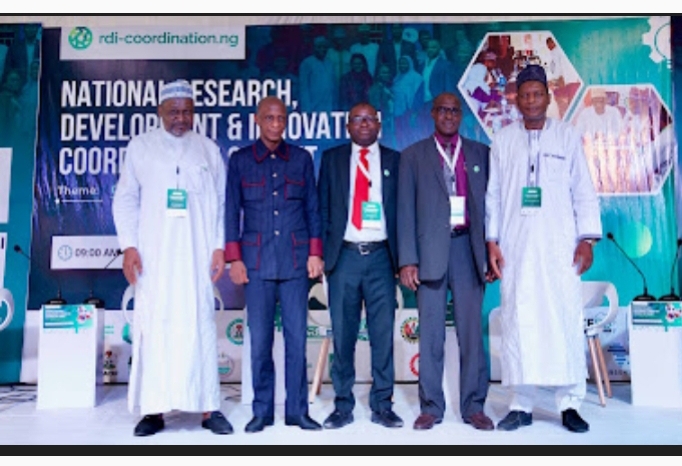
Hence, the need for a central level coordinating institution in Nigeria to ensure no sector of the economy or relevant stakeholder is left behind in research funding. Such an institution will also ensure high research quality, and provide oversight for research production and dissemination at the national level. Above all, a central level research coordinating body would give the Federal Government a big picture view within one organisation of all the different research and development activities going on in-country across geographic scale, economic sector, and discipline as well as those involved. This would further strengthen the RDI sector in the country while improving government’s capacity to plan better and make evidence-informed decisions and policies.
The British commission affirms commitment to championing progress towards a more open, equitable and secure research ecosystem that is more inclusive of developing countries, to support greater multilateral and bilateral collaborations on science and technology.
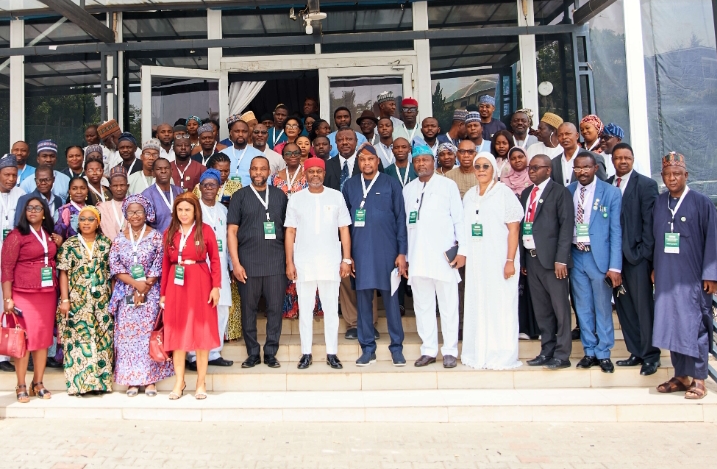
The UK’s FCDO can provide a counter-narrative, leveraging a wide range of cross-government international funds, an experienced network delivering science diplomacy, and its leading role in multilateral fora. The British High Commission in Nigeria can demonstrate the importance of R&D programming and wider collaboration, to fuel the necessary advances in science and technology in Nigeria. This can be done in a way that builds on trusted relationships and protects research security.
The collaborative effort of the UK with strategic partners currently supports 16 African countries through the Science Granting Councils Initiative (SGCI) to set up or where already existing strengthen their national research and innovation coordinating institutions. Today’s event is a testament to this support in Nigeria by creating this safe space to discuss and problem solve on the best approach to set up and operationalise a national research and innovation coordinating institution in Nigeria with all strategic stakeholders in attendance.
Our world-leading science and research sector will work in open and secure partnerships with researchers and innovators to drive our scientific response to some of the biggest global challenges and deliver science for development. UK’s FCDO and UK Research & Innovation (UKRI) are two strong UK public institutions with expertise, and globally renowned in this domain and have been driving this agenda for stronger national level research coordination in African countries.
Professor Abubakar Sambo, President-elect,The Nigeria Academy of Science stated the renewed hope agenda of the president Tinubu fall in line with actualisation of research and development outputs to harness economic growth. He urges all government agencies and MDA’s to incorporate RDI into their annual budgets and activities. In his responses to why Nigerian government is retarded in development despite several scientific breakthroughs globally on research and development, Prof.Sambo said its due to non implementations of research outcomes, ‘we produced result but not tailored towards commercialization.He assures the delegates that this organized summit would address and activate adoption, commercialization and utilisation of RDI outputs henceforth.
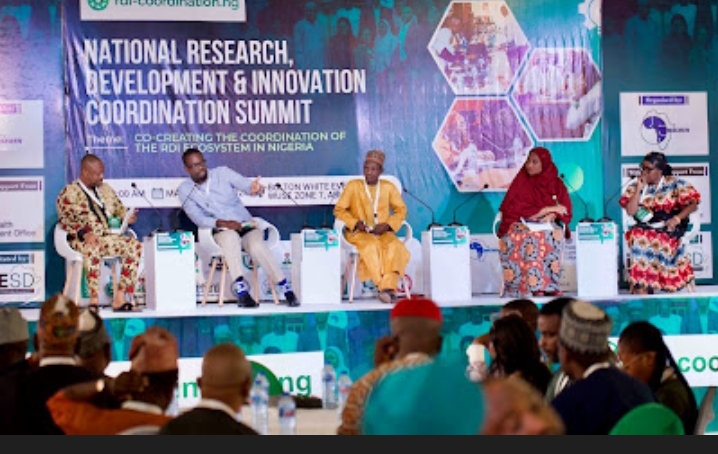
Dr Mrs Udoderem Ngonna,representing Director General of Raw Material Research and Development Council indicated how innovation is key to development always,urge everyone to harness several innovations for development,she said there are millions of innovations been churning out for policy formulations and economic drive. She reacted on probe of why Nigerian raw materials not adding values to our exportation sectors, Dr Nnaji reacted that Nigerian researchers had done lots of research work but observed not much had been done in areas of harnessing them for societal impact. She, however assured that the event of this nature would trigger implementation.The main thing is being able to bring together several research outcomes from all sources ,then push for implementation that Federal government of President Tinubu would buy into the outcomes for utilization.
Omoh Oaiya, the Chief Strategy officer,West and Central Africa Research and Education Network (WACREN) stated that WACREN has collaborated with member nations to bring different ideas together and look into how we formulate policies for growth. We have aligned our objectives with President Tinubu’s Renew agenda in supporting government agencies and industries to formulate good policies.
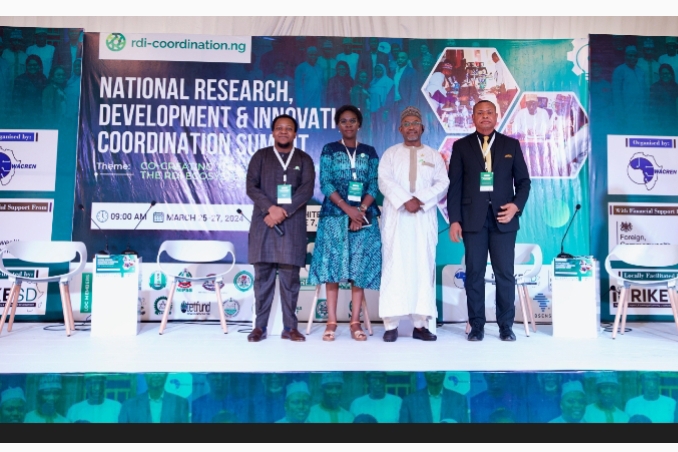
Dr Shabibu Hassan,Chairman of Tech Industry,also member of international Agricultural group enumerated how research plays key roles in global development. He highlighted collaborations among other agricultural groups for development would enhance chances for national progress and survival. Cited India as Economic instance where they started with few hospitals but later invested heavily in the health sectors,now the world travels for health tourism to India. Lessons can be drawn from India , and Nigeria would build on its research inputs for economic growth. Agriculture and power sector fundings can open doors to economic growth. Dr Hassan concludes that RDI Summit would addresses several bottlenecks as we collaborated together to grow the economy. I grow up here in Nigeria and my family has established hospitals here where people get health attentions those days but today India has grown their health sectors for global attraction. Teamwork with different intellectual capacities collaboration is the key,he said.
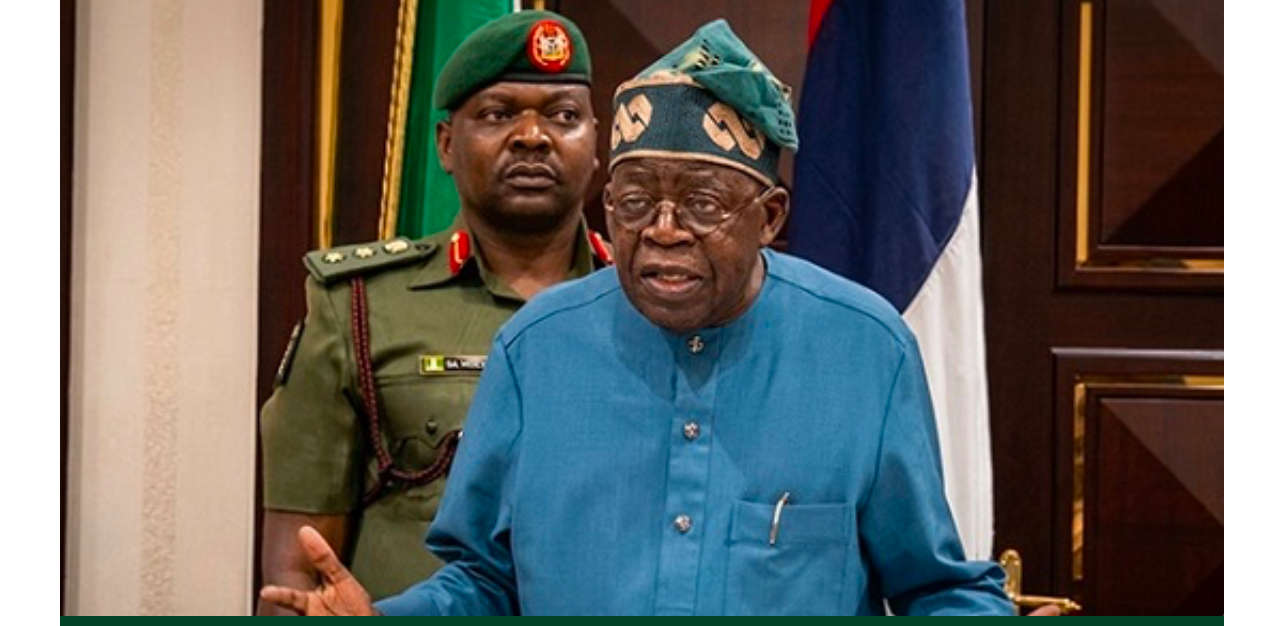
The International Chamber of Commerce tribunal in Paris has ruled in favour of Nigeria in the arbitration brought by Sunrise Power and Transmission Company Limited over the Mambilla Hydroelectric Power Project in Taraba State.
President Bola Tinubu, in a statement issued on Thursday by his Special Adviser on Information and Strategy, Bayo Onanuga, said the tribunal rejected the claims by Sunrise.
The company had sought $680m from Nigeria as a settlement sum and interest in relation to a separate arbitration in which it is claiming more than $2.7bn in compensation and interest over disputes surrounding the development of the 3,960-megawatt Mambilla project.
However, the tribunal, as reported by The Cable, also dismissed Sunrise’s claim for $400m arising from the 2020 settlement agreement, according to the details of the award reported on Thursday.
It further ordered Sunrise and its promoter, Leno Adesanya, to reimburse Nigeria 75 per cent of its legal fees and expenses, amounting to $11.82m.
The tribunal also reportedly declared that Adesanya was bound by the arbitration agreement with Nigeria under the settlement agreement and its addendum and that it had jurisdiction over Nigeria’s counterclaim against him and his firm.
In the statement, Tinubu said the ruling demonstrated the government’s determination to defend the country’s interests.
“This latest decision affirms the Nigerian State’s determination not to succumb to predatory and exploitative claims by corrupt local and international entities and their enablers and funders,” he said.
The President commended the Attorney-General of the Federation and Minister of Justice, Lateef Fagbemi, and officials of the Federal Ministry of Justice for their role in the case.
He also commended former President Olusegun Obasanjo and the late former President Muhammadu Buhari, who testified in the arbitration.
“I also commend the FRN defence team, led by Ms Elizabeth Oger-Gross and Mr Tolu Obamuroh, both of Paul Hastings LLP, for their professional and excellent defence of the country.
“I commend the patriotism and support of former President Olusegun Obasanjo, GCFR, and late President Muhammadu Buhari, GCFR, who testified in the case, which dated back to an illegal 2003 contract to build a 3,050-megawatt hydroelectric plant in Taraba State under a build-operate-transfer model.
“The Federal Executive Council never authorised the contract. I thank the other witnesses in this case, including former Ministers Babatunde Raji Fashola, SAN, and Suleiman Adamu, and the experts, for their active participation in defending Nigeria’s interest in the arbitration,” the statement read.
“I want to assure you that while our country remains committed to partnering with genuine investors and honouring its legal obligations, it will continue to defend all opportunistic claims instituted against our commonwealth strongly.
“Today’s ICC ruling clears the single biggest legal hurdle that has paralysed the Mambilla hydro power project for years,” Tinubu said.
The dispute dates back to an agreement under which Sunrise claimed it had been awarded the contract to construct the Mambilla project.
The company commenced arbitration against Nigeria at the ICC International Court of Arbitration in October 2017, seeking about $2.354bn over an alleged breach of contract.
The parties later entered into a settlement agreement in 2020, under which Nigeria was to pay Sunrise $200m.
A subsequent dispute arose after the government did not make the payment, leading to another arbitration in which Sunrise sought $400m, comprising the $200m settlement sum and a $200m default payment.
In Thursday’s award reported by The Cable, the tribunal rejected Sunrise’s claim that Nigeria had breached its obligations under the settlement agreement and its addendum.
It also rejected the company’s demand for the $400m settlement and default sums.
The Cable reported that the tribunal fixed the arbitration costs at $1.6565m, with Sunrise and Adesanya responsible for 75 per cent and Nigeria for 25 per cent. Of the $11.82m in legal fees and expenses awarded to Nigeria, $2.5m is to be recovered from funds held in escrow by the ICC, while the remaining $9.32m is payable by Sunrise and Adesanya, with interest at 10 per cent annually, compounded annually, from notification of the final award until payment.
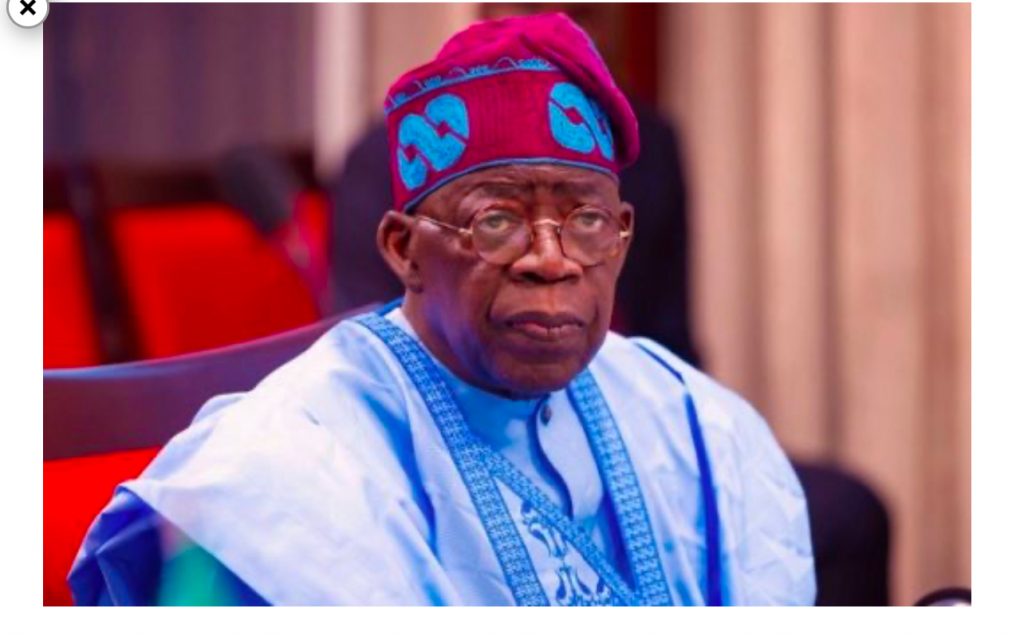 President Bola Tinubu has urged the National Identity Management Commission (NIMC) to work towards achieving 95 per cent National Identity Number (NIN) coverage by December 2026.
The President gave the directive at the State House, Abuja, while delivering the keynote address at the 2026 National Identity Day celebration organised by NIMC.
He acknowledged NIMC’s excellent work so far, noting that National Identity Number (NIN) enrolment peaked at about 142 million, up from over 80 million Nigerians captured in the National Identity Database when he assumed office more than three years ago.
President Tinubu was represented at the event by his Chief of Staff, Hon. Femi Gbajabiamila. The event had the theme: “Nigeria’s digital public ecosystem: powering Africa’s digital economy.”
It was attended by the representative of Vice President Kashim Shettima, Senator Ibrahim Hadejia; the Secretary to the Government of the Federation (SGF), Senator George Akume; the Minister of Interior, Dr Olubunmi Tunji-Ojo; and the Minister of Education, Dr Tunji Alausa, amongst others.
President Tinubu said the target should be pursued through expanded ward-level enrolment, mobile registration initiatives and continued deployment of licensed enrolment networks. Government
The President noted that his administration’s vision goes beyond NIN coverage, stating that Nigeria “must build an identity system that is continuously useful, secure and responsive to the needs of Nigerians.”
“We are laying the foundations for a future of integrated digital services, including e-health records, e-transport systems and a more harmonised national data architecture.
“We must do this while protecting the rights, privacy and dignity of our citizens. The digital state must never become a state without accountability.
“Our commitment must therefore remain clear: innovation must be matched by responsibility. Efficiency must be matched by inclusion, security must be matched by trust. And digital transformation must ultimately improve the lives of ordinary Nigerians,” President Tinubu said.
The President, who commended the Director General of NIMC, Engr Abisoye Coker-Odusote, for a job well done over the past three years, called on Nigerians who have not obtained their NIN to do so, saying their NIN represents their connection to a modern Nigerian state.
Tinubu also applauded this year’s National Identity Day theme as very important, saying “Nigeria’s digital ecosystem must power Nigeria’s digital economy–and Nigeria’s digital economy must help power Africa’s.”
The President further said National Identity remains the engine room for the government’s Renewed Hope Agenda, noting that identity transformation is contributing directly to the government’s priorities.
“The NIMC ecosystem has created opportunities for thousands of Nigerians across the country. With more than 173 private companies, 30 state governments and 14 public sector institutions approved as licensed enrolment agents, the identity ecosystem is generating employment for enrolment officers, data professionals, supervisors, technology specialists and other support personnel. This is a digital infrastructure creating real economic opportunity,” he said. NigeriaNews Subscription
Speaking on the significance of national identity to Nigeria’s national security, President Tinubu said the two are linked, describing the connection as indispensable.
“A secure identity system is indispensable to a secure nation. By strengthening identity verification and enabling responsible information sharing across relevant government institutions, we are improving our capacity to combat identity fraud, financial crimes and other threats to national security.
“The ongoing collaboration among institutions, including the Nigeria Police Force, Nigeria Immigration Service, and the Economic and Financial Crimes Commission, demonstrates what is possible when government systems work together,” President Tinubu said. GeographicReference
The Minister of Interior, Dr Olubunmi Tunji- Ojo, also praised the Director General of NIMC for delivering excellent work with little supervision, saying she has shown appreciable leadership.
He said the President expected more from her and her team, adding that Nigerians need wider, easier, and more convenient access to identity services, including for Nigerians in the diaspora.
“We need more in providing a trusted national public key infrastructure and digital public infrastructure that support secure digital identity, authentication and electronic trust services, more in including a stronger foundation for Nigeria’s digital economy, digital governance and long-term national development,” Tunji-Ojo said. GeographicReference
The Director General of NIMC, Abisoye Coker-Odusote, in her remarks, commended President Tinubu and the Minister of Interior for their support, saying it has brought about a total transformation of Nigeria’s identity and existence.
She said, “Our reach tells its own story. Enrolments have grown from less than 100 million to over 142 million Nigerians and legal residents. The engine behind that growth is the ward-to-ward Enrolment Project, undertaken directly under Mr President’s initiative. NigeriaNews Subscription
“This project carried our officers into all 8, 8,809 boards of this Federation and mobilised the National Youth Service Corps members as adult enrolment officers in connection with front-end partners in communities that had never before hosted an enrolment desk.
“Alongside it, we launched the Self- Service Notification Platform, which has already processed close to two million record updates, turning a process that once took weeks in two communities into one that takes 24 to 48 hours directly from a citizen’s phone.”
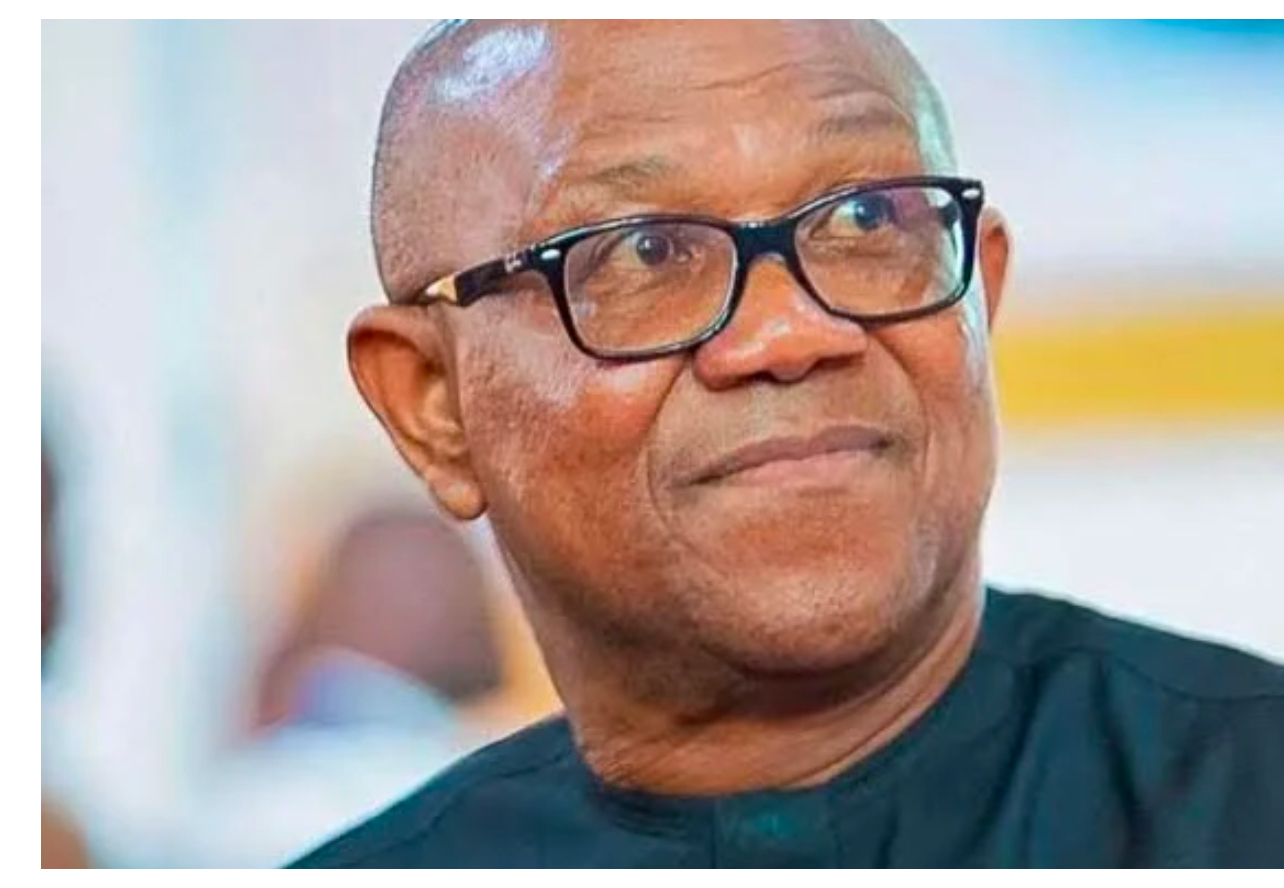
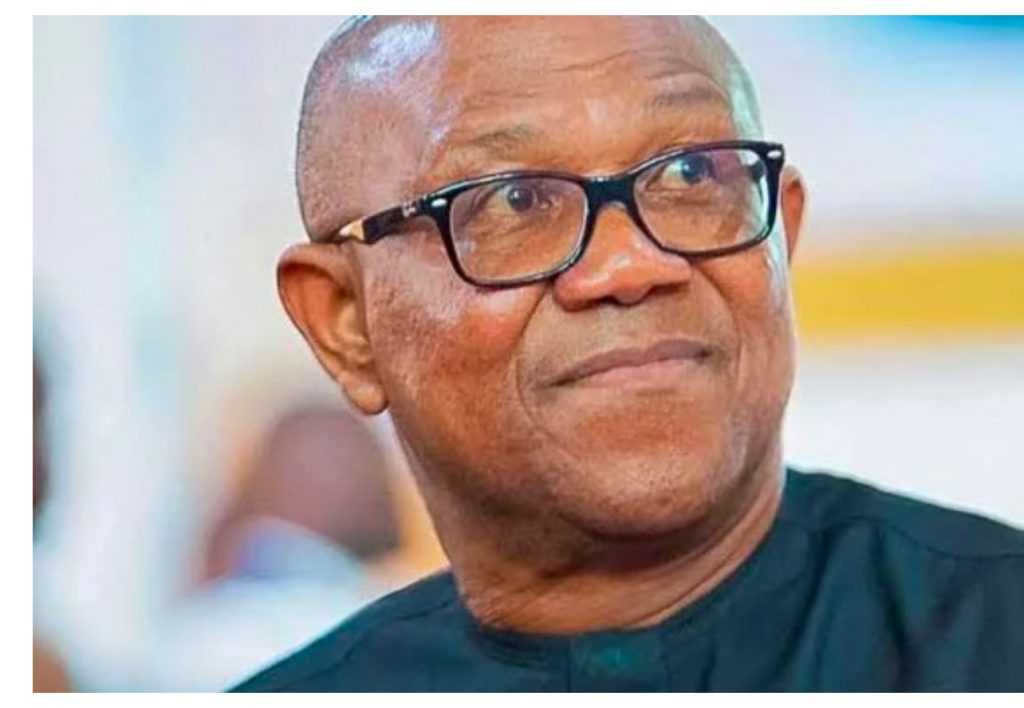
The presidential candidate of the Labour Party in the 2023 general election and a leading opposition figure ahead of the 2027 presidential election, Peter Obi.
The presidential candidate of the Nigeria Democratic Congress,
The Presidency has reacted to the ongoing dispute between former Anambra State Governor and presidential candidate of the Nigeria Democratic Congress, Peter Obi, and the state government over the state’s debts and financial liabilities.
Special Adviser to President Bola Tinubu on Information and Strategy, Bayo Onanuga, in a post on X on Wednesday, said Obi had claimed to have left Anambra without debt and challenged him to follow through on his pledge to quit the presidential race if his claim was disproved.
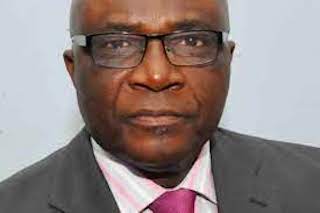 Bayo Onanuga. US
File: Special Adviser to President Bola Tinubu on Information and Strategy, Bayo Onanuga.
Onanuga wrote, “Peter Obi claimed he left Anambra with a clean slate of debt and even threatened to quit the presidential race if his claims were proven otherwise.”
He added that the Anambra State Government had responded with claims concerning liabilities allegedly left by the former governor’s administration.
“Now, the Anambra government has confronted him with facts and figures showing he owed Water Corporation workers, teachers, and pension and gratuities, and had also borrowed for frivolous things,” Onanuga said.
“The ball is back in his court. Will he follow through on his threat by quitting the race?” he asked.
Anambra govt disputes Obi’s ₦2.13bn ecological fund claim
The reaction followed a fresh response by the Anambra State Government to Obi’s Tuesday denial of claims that his administration left behind inherited debts, including a ₦2bn ecological fund, contractor liabilities and unpaid salaries, gratuities and pensions.
Obi had said his administration cleared more than ₦35bn in historical gratuities and arrears and left office without outstanding salary, pension or gratuity obligations.
He also disputed the government’s claim concerning the ecological fund, saying more than ₦2.13bn was left untouched in a First Bank account for the Oko/Umuchiana erosion crisis.
Soludo
File: Governor Charles Soludo of Anambra State
However, in a statement on Wednesday, Anambra State Commissioner for Information and Value Reformation, Law Mefor, disputed Obi’s account, saying the account he identified was an Internally Generated Revenue Consolidated Revenue Account and not an ecological fund account.
Mefor said the government obtained a certified printout of the account and claimed that “from 2011 when the account was opened until date, there has never been any such amount—whether as inflow or balance—in the account.”
Obi had challenged anyone who could establish that his account of the state’s finances was incorrect, saying, “If anybody can establish anything to the contrary, I will stop campaigning.”


-
 news6 years ago
UPDATE: #ENDSARS: CCTV footage of Lekki shootings intact – Says Sanwo – Olu
-
 lifestyle6 years ago
Former Miss World: Mixed reactions trail Agbani Darego’s looks
-
 health6 years ago
Chairman Agege LG, Ganiyu Egunjobi Receives Covid-19 Vaccines
-
 lifestyle5 years ago
Obateru: Celebrating a Quintessential PR Man at 60
-
 news1 year ago
BREAKING: Tinubu swears in new NNPCL Board
-
 health6 years ago
UPDATE : Nigeria Records 790 new cases of COVID-19
-
 entertainment2 years ago
Ashny Set for Valentine Special and new Album ‘ Femme Fatale’
-
 health6 years ago
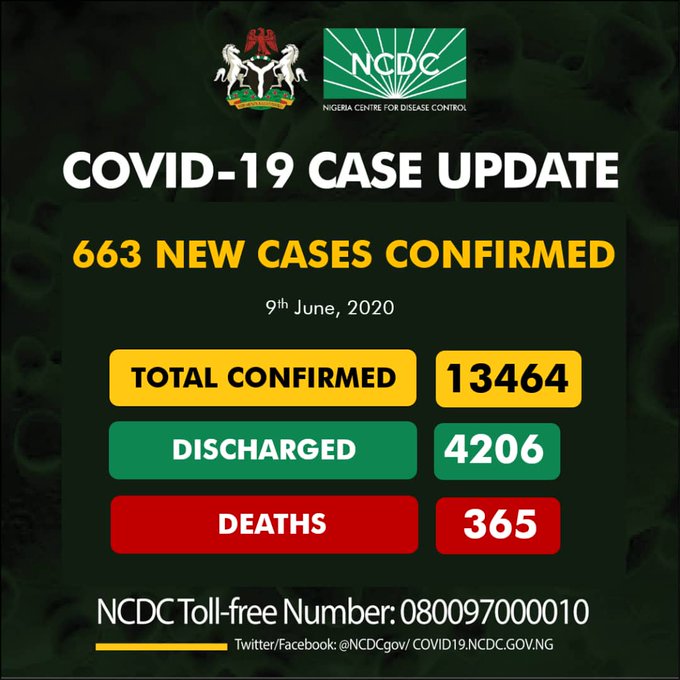
BREAKING: Nigeria confirms 663 new cases of COVID-19