
news
Update : Tinubu directs Minister to perform and restore faith in government

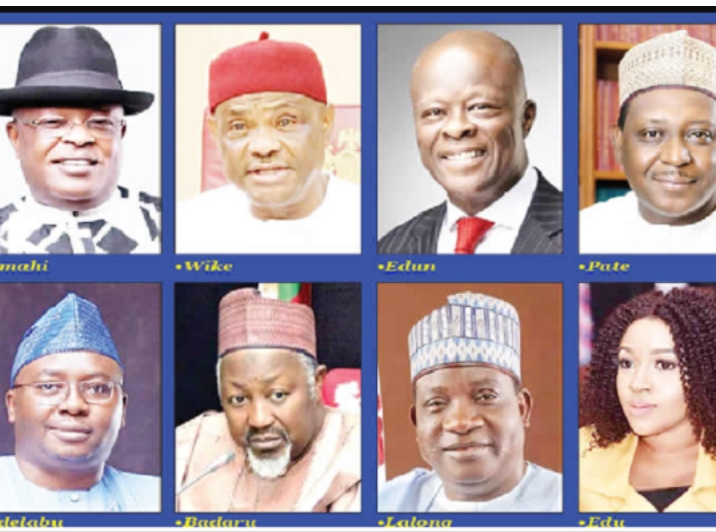
Cabinet members lay out priority areas
President demands performance, urges restoration of faith in govt
Ministers got the Presidential directive to perform and restore faith in government.
President Bola Ahmed Tinubu spoke after 45 ministers took the oath of office and oath of allegiance before him at the State House Conference Centre, Presidential Villa, Abuja, yesterday.
The ministers left the venue and hit the ground running by resuming at their various ministries.
They also spoke on how they would actualise the Renewed Hope agenda.
Coordinating Minister of the Economy, Mr. Wale Edun, assured Nigerians on resumption at the Ministry of Finance that the discomfort as a result of the government’s bold steps to reform the economy would soon be over.
Coordinating Minister for Health and Social Welfare, Prof. Mohammed Ali Pate, said he would prioritise health security and reduce medical tourism.
The Minister of the Federal Capital Territory (FCT), Nyesom Wike, promised to restore the Abuja Master Plan and step on toes in the process if necessary.
Works Minister, Dave Umahi, said he will not jettison his national outlook.
He promised to be a hands-on minister who would not allow bureaucracy to be a spoke in his wheel.
The Minister of Power, Adebayo Adelabu, said he would confront the national grid challenge and meet the universal metering of households.
Under him, he added, electricity supply will be stable and accessible.
The Minister of Solid Minerals, Dele Alake, said President Tinubu sent him to the ministry because he intended to pursue diversification.
He said: “Now if you all can sit down to analyse the global trend of economic development, you would note that hydrocarbon, that is oil, is fading out.
“The world is moving towards alternatives like gas, electric cars and the rest. So, what is the next economic growth factor? It is solid minerals.”
Marine and Blue Economy Minister, Adegboyega Oyetola, said the blue economy is estimated globally to be worth more than $1.5 trillion annually.
He said considering the size of the country’s blue economy, it should contribute to the revenue drive and provide jobs for the unemployed.
Opportunities in the sub-sector will be fully harnessed, he added.
Aviation and Aerospace Development Minister Festus Keyamo (SAN) said he would build on the existing aviation roadmap.
Interior Minister Olubunmi Tunji-Ojo warned para-military agencies against infractions, adding that internal security will be business unusual under his watch.
Humanitarian and Poverty Alleviation Minister Betta Edu explained that she will vigorously pursue the government’s goal of lifting 133 million Nigerians out of poverty.
The ministers were sworn in in nine batches of five in alphabetical order.
But priority was accorded the Attorney-General and Minister of Justice Lateef Fagbemi (SAN).
His office is the only one mentioned in the Constitution.
The invitation for oath-taking preceded the reading of the resume of the ministers.
At the end of the oath-taking, the President read his address and proceeded to take a group photograph with all 45 ministers.
The inauguration was witnessed by Vice President Kashim Shettima, Senate President Godswill Akpabio, House Representatives Speaker Tajudeen Abass, Secretary to the Government of the Federation(SGF) Senator George Akume and Chairman of the Nigeria Governors’ Forum (NGF) Abdulaziz Abdulrahman of Kwara State.
Others were governors, political leaders, family members of the ministers, and top government functionaries.
The President noted that the ministers came on board at a time when the country needed renewal and reforms across the sectors.
He said: “Nigerians expect you to hit the ground running just as we had promised them during our campaigns.
“With your inauguration today (yesterday), you have become ministers of the Federal Republic, not ministers of a particular state or region.
“Nigerians expect a lot and they deservedly want to see changes in their lives.
“You are now in the same boat with me, and they expect that their lives will take a new and better turn.”
Noting that the new ministers reflected the national diversity, the president said they were chosen because of their records in their various fields.
Tinubu said despite the ministers’ track records, he would be behind the wheels of the vehicle conveying Nigerians on the journey to a greater country while they serve as conductors.
His words: “In line with the constitutional obligations, the Senate has screened and confirmed 45 ministers who will superintend over the ministries of Federal Government in this administration of renewed hope.
“The men and women who have been sworn in have been carefully selected by me for their track record of excellence and achievement in the public and private sectors.
“They reflect the diversity of Nigeria and bring to their new role an assortment of experience and expertise to help guide the nation’s affairs and also continue to rebuild the nation and re-engineer all our finances and defects, building blocks of Nigeria today and the future.
“The challenges we face today are very daunting, yes. Amidst this evident challenge, we have the opportunity to implement long overdue reforms that will improve the operation of government, transform our nation’s economy and ensure peace, safety and prosperity for our people.
“These are the objectives that underpin the renewed hope agenda. These are the objectives that inspired the selection of a lot of these distinguished ladies and gentlemen ministers.
“Ministers of the Federal Republic of Nigeria, you are not a minister of a region or minister of a particular state.
“Since my inauguration on May 29, I have taken steps to begin implementing the agenda from which I campaigned and for which I received the mandate of the Nigerian people.
“With the inauguration of ministers today (yesterday), we are about to accelerate our governing efforts to move forward, highlighting our best aspiration for Nigerians. It is all about a great team. And I believe we have them here.
“It is the highest honour to be chosen to serve as the minister in the Federal Executive Council of our beloved Republic. With such high honour comes tremendous responsibility.
“In this moment of abundant promise and peril in equal measure, all of you who have been sworn in have been called to distinguish yourselves.
“All of you who have been sworn in have been called to distinguish yourselves. It is me who knows you. I delegate this authority, but the greatest number of Nigerians are highly expecting delivery, accountability and transparency.
“I expect that you will serve with integrity, dignity and deliver. I will hold you to that standard we all promised Nigerians.
“Your assignment begins immediately. As your country honours you by this call to service, you must each work to make yourself worthy in the eyes of God and all our nation’s people.
“Your highest obligation is to restore public faith in government so that our people can once again believe.
“I believe in you that the government can be a positive force for transformation and a vehicle for collective progress of this country.
“I congratulate you and welcome you to the administration of renewed hope. I wish you success in this new assignment.
“We must hold each other responsible. We have to do the job to meet the expectations of all Nigerians.
“As I said earlier on, you are not a minister of a particular state, colony, region or ethnic nationality. You are a Minister of the Federal Republic of Nigeria. God be with you and God bless the Federal Republic of Nigeria,”
The ministers are Attorney-General of the Federation and Minister of Justice Lateef Fagbemi (SAN); Minister of State for Labour and Employment Nkiruka Onyejeocha; Minister of State (Gas), Ministry of Petroleum Resources Ekperikpe Ekpo; Minister of State (Oil), Ministry of Petroleum Resources Heineken Lokpobiri; Minister of Women Affairs Uju Kennedy; Minister of Education Tahir Maman; Coordinating Minister of Health and Social Welfare Ali Pate; Minister of Foreign Affairs Yusuf Tuggar; Minister of Water Resources and Sanitation Joseph Utsev and Minister of Agriculture and Food Security Abubakar Kyari.
Others are Minister of Humanitarian Affairs and Poverty Alleviation Betta Edu; Minister of Sports Development John Enoh; Minister of Aviation and Aerospace Development Festus Keyamo (SAN); Minister of Works Dave Umahi and Minister of Niger Delta Development Abubakar Momoh.
Also in the new Federal Executive Council (FEC) are the Minister of Solid Minerals Development Dele Alake; Minister of Innovation Science and Technology Uche Nnaji; Minister of Transportation Alkali Sa’id; Minister of Industry, Trade and Investment, Doris Anite and Minister of Defence Mohammed Badaru.
Others are Minister of State Housing and Urban Development, Abdullahi Gwarzo; Minister of State, Federal Capital Territory (FCT) Mariya Mahmud; Minister of Housing and Urban Development Ahmed Dangiwa; Minister of Art, Culture and Creative Economy, Hannatu Musawa and Minister of Budget and Economic Planning, Atiku Bagudu.
Others are Minister of State Education Yusuf Sunumu; Minister of Steel Development Shuaibu Audu; Minister of State for Health and Social Welfare Tunji Alausa; Minister of Tourism Lola Ade-John and Minister of State, Police Affairs Imaan Sulaiman-Ibrahim.
Minister of Agriculture and Food Security, Aliyu Sabi Abdullahi; Minister of Information and National Orientation Muhammed Idris; Minister of State Environment Ishak Salako; Minister of Finance and Coordinating Minister of the Economy Wale Edun and Minister of Communications, Innovation and Digital Economy Bosun Tijani are the others.
Also sworn in are Minister of Interior Bunmi Tunji-Ojo; Minister of Marine and Blue Economy Adegboyega Oyetola; Minister of Power Adedayo Adelabu; Minister of Labour and Employment Simon Lalong and Minister of the Federal Capital Territory (FCT) Nyesom Wike.
Minister of State for Water Resources and Sanitation Bello Goronyo; Minister of State for Steel Development Maigari Ahmadu; Minister of Police Affairs Ibrahim Geidam; Minister of State for Defense Bello Matawalle and Minster of Special Duties and Intergovernmental Affairs Zephaniah Jisalo complete the 45.
 Today, I celebrate myself and give all glory and thanks to Almighty God for the gift of life and for bringing me this far. I am grateful for the opportunity to be alive, healthy, peaceful, happy, and prosperous.
As I celebrate another year today, I pray for greater blessings, wisdom, good health, peace, success, and abundant prosperity in the years ahead.
May this new chapter of my life be filled with joy, favour, wonderful opportunities, and fulfilment of my heart’s desires.
Happy Birthday to me! 🥳🎉
Congratulations to me on this special day. 🙏❤️🎂
I wish myself many more happy and prosperous returns. Cheers to a beautiful new year of my life! 🥂🎉
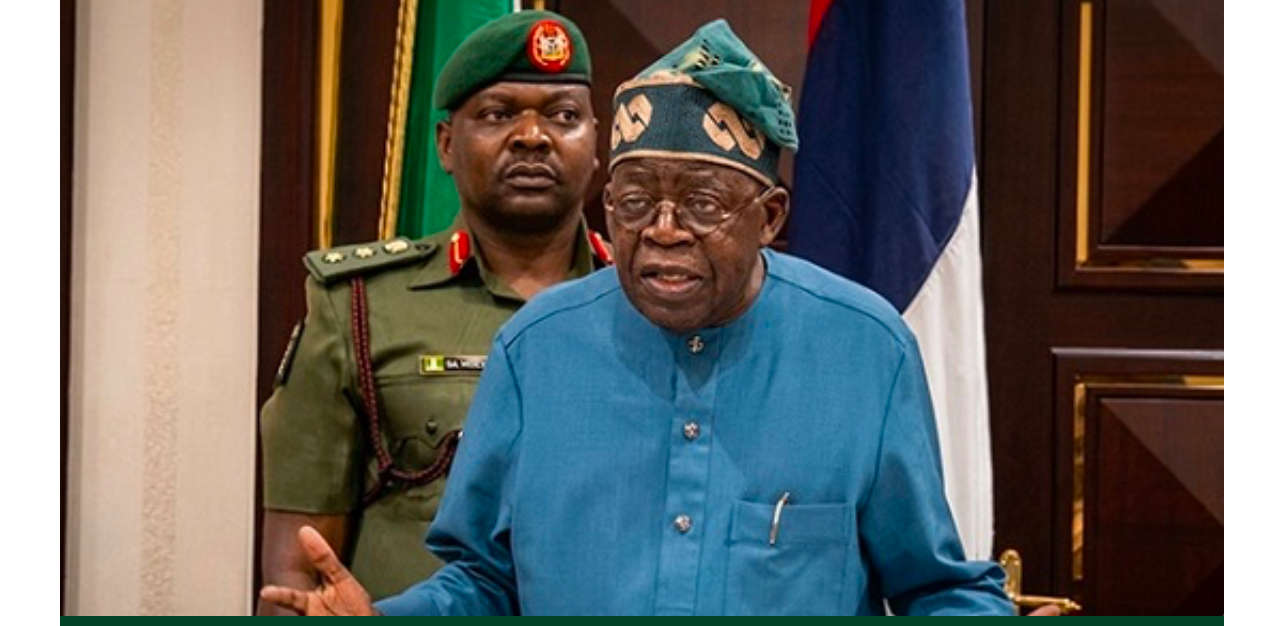
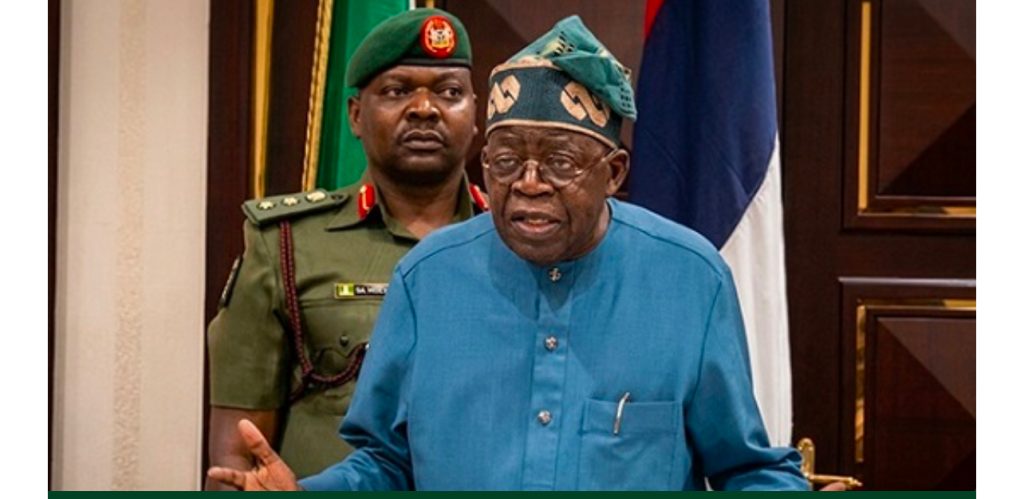
The International Chamber of Commerce tribunal in Paris has ruled in favour of Nigeria in the arbitration brought by Sunrise Power and Transmission Company Limited over the Mambilla Hydroelectric Power Project in Taraba State.
President Bola Tinubu, in a statement issued on Thursday by his Special Adviser on Information and Strategy, Bayo Onanuga, said the tribunal rejected the claims by Sunrise.
The company had sought $680m from Nigeria as a settlement sum and interest in relation to a separate arbitration in which it is claiming more than $2.7bn in compensation and interest over disputes surrounding the development of the 3,960-megawatt Mambilla project.
However, the tribunal, as reported by The Cable, also dismissed Sunrise’s claim for $400m arising from the 2020 settlement agreement, according to the details of the award reported on Thursday.
It further ordered Sunrise and its promoter, Leno Adesanya, to reimburse Nigeria 75 per cent of its legal fees and expenses, amounting to $11.82m.
The tribunal also reportedly declared that Adesanya was bound by the arbitration agreement with Nigeria under the settlement agreement and its addendum and that it had jurisdiction over Nigeria’s counterclaim against him and his firm.
In the statement, Tinubu said the ruling demonstrated the government’s determination to defend the country’s interests.
“This latest decision affirms the Nigerian State’s determination not to succumb to predatory and exploitative claims by corrupt local and international entities and their enablers and funders,” he said.
The President commended the Attorney-General of the Federation and Minister of Justice, Lateef Fagbemi, and officials of the Federal Ministry of Justice for their role in the case.
He also commended former President Olusegun Obasanjo and the late former President Muhammadu Buhari, who testified in the arbitration.
“I also commend the FRN defence team, led by Ms Elizabeth Oger-Gross and Mr Tolu Obamuroh, both of Paul Hastings LLP, for their professional and excellent defence of the country.
“I commend the patriotism and support of former President Olusegun Obasanjo, GCFR, and late President Muhammadu Buhari, GCFR, who testified in the case, which dated back to an illegal 2003 contract to build a 3,050-megawatt hydroelectric plant in Taraba State under a build-operate-transfer model.
“The Federal Executive Council never authorised the contract. I thank the other witnesses in this case, including former Ministers Babatunde Raji Fashola, SAN, and Suleiman Adamu, and the experts, for their active participation in defending Nigeria’s interest in the arbitration,” the statement read.
“I want to assure you that while our country remains committed to partnering with genuine investors and honouring its legal obligations, it will continue to defend all opportunistic claims instituted against our commonwealth strongly.
“Today’s ICC ruling clears the single biggest legal hurdle that has paralysed the Mambilla hydro power project for years,” Tinubu said.
The dispute dates back to an agreement under which Sunrise claimed it had been awarded the contract to construct the Mambilla project.
The company commenced arbitration against Nigeria at the ICC International Court of Arbitration in October 2017, seeking about $2.354bn over an alleged breach of contract.
The parties later entered into a settlement agreement in 2020, under which Nigeria was to pay Sunrise $200m.
A subsequent dispute arose after the government did not make the payment, leading to another arbitration in which Sunrise sought $400m, comprising the $200m settlement sum and a $200m default payment.
In Thursday’s award reported by The Cable, the tribunal rejected Sunrise’s claim that Nigeria had breached its obligations under the settlement agreement and its addendum.
It also rejected the company’s demand for the $400m settlement and default sums.
The Cable reported that the tribunal fixed the arbitration costs at $1.6565m, with Sunrise and Adesanya responsible for 75 per cent and Nigeria for 25 per cent. Of the $11.82m in legal fees and expenses awarded to Nigeria, $2.5m is to be recovered from funds held in escrow by the ICC, while the remaining $9.32m is payable by Sunrise and Adesanya, with interest at 10 per cent annually, compounded annually, from notification of the final award until payment.
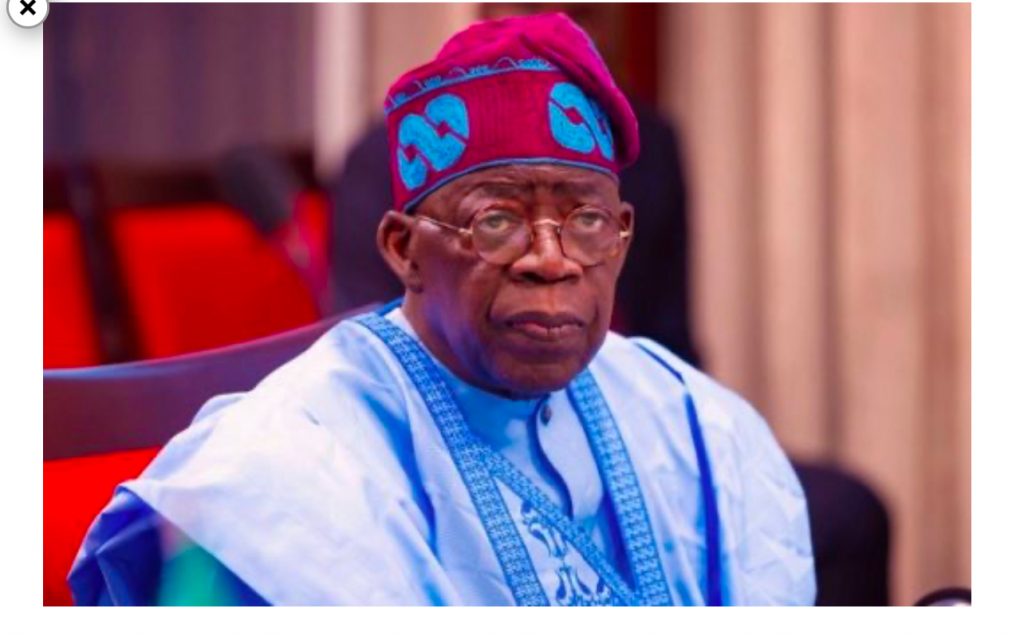 President Bola Tinubu has urged the National Identity Management Commission (NIMC) to work towards achieving 95 per cent National Identity Number (NIN) coverage by December 2026.
The President gave the directive at the State House, Abuja, while delivering the keynote address at the 2026 National Identity Day celebration organised by NIMC.
He acknowledged NIMC’s excellent work so far, noting that National Identity Number (NIN) enrolment peaked at about 142 million, up from over 80 million Nigerians captured in the National Identity Database when he assumed office more than three years ago.
President Tinubu was represented at the event by his Chief of Staff, Hon. Femi Gbajabiamila. The event had the theme: “Nigeria’s digital public ecosystem: powering Africa’s digital economy.”
It was attended by the representative of Vice President Kashim Shettima, Senator Ibrahim Hadejia; the Secretary to the Government of the Federation (SGF), Senator George Akume; the Minister of Interior, Dr Olubunmi Tunji-Ojo; and the Minister of Education, Dr Tunji Alausa, amongst others.
President Tinubu said the target should be pursued through expanded ward-level enrolment, mobile registration initiatives and continued deployment of licensed enrolment networks. Government
The President noted that his administration’s vision goes beyond NIN coverage, stating that Nigeria “must build an identity system that is continuously useful, secure and responsive to the needs of Nigerians.”
“We are laying the foundations for a future of integrated digital services, including e-health records, e-transport systems and a more harmonised national data architecture.
“We must do this while protecting the rights, privacy and dignity of our citizens. The digital state must never become a state without accountability.
“Our commitment must therefore remain clear: innovation must be matched by responsibility. Efficiency must be matched by inclusion, security must be matched by trust. And digital transformation must ultimately improve the lives of ordinary Nigerians,” President Tinubu said.
The President, who commended the Director General of NIMC, Engr Abisoye Coker-Odusote, for a job well done over the past three years, called on Nigerians who have not obtained their NIN to do so, saying their NIN represents their connection to a modern Nigerian state.
Tinubu also applauded this year’s National Identity Day theme as very important, saying “Nigeria’s digital ecosystem must power Nigeria’s digital economy–and Nigeria’s digital economy must help power Africa’s.”
The President further said National Identity remains the engine room for the government’s Renewed Hope Agenda, noting that identity transformation is contributing directly to the government’s priorities.
“The NIMC ecosystem has created opportunities for thousands of Nigerians across the country. With more than 173 private companies, 30 state governments and 14 public sector institutions approved as licensed enrolment agents, the identity ecosystem is generating employment for enrolment officers, data professionals, supervisors, technology specialists and other support personnel. This is a digital infrastructure creating real economic opportunity,” he said. NigeriaNews Subscription
Speaking on the significance of national identity to Nigeria’s national security, President Tinubu said the two are linked, describing the connection as indispensable.
“A secure identity system is indispensable to a secure nation. By strengthening identity verification and enabling responsible information sharing across relevant government institutions, we are improving our capacity to combat identity fraud, financial crimes and other threats to national security.
“The ongoing collaboration among institutions, including the Nigeria Police Force, Nigeria Immigration Service, and the Economic and Financial Crimes Commission, demonstrates what is possible when government systems work together,” President Tinubu said. GeographicReference
The Minister of Interior, Dr Olubunmi Tunji- Ojo, also praised the Director General of NIMC for delivering excellent work with little supervision, saying she has shown appreciable leadership.
He said the President expected more from her and her team, adding that Nigerians need wider, easier, and more convenient access to identity services, including for Nigerians in the diaspora.
“We need more in providing a trusted national public key infrastructure and digital public infrastructure that support secure digital identity, authentication and electronic trust services, more in including a stronger foundation for Nigeria’s digital economy, digital governance and long-term national development,” Tunji-Ojo said. GeographicReference
The Director General of NIMC, Abisoye Coker-Odusote, in her remarks, commended President Tinubu and the Minister of Interior for their support, saying it has brought about a total transformation of Nigeria’s identity and existence.
She said, “Our reach tells its own story. Enrolments have grown from less than 100 million to over 142 million Nigerians and legal residents. The engine behind that growth is the ward-to-ward Enrolment Project, undertaken directly under Mr President’s initiative. NigeriaNews Subscription
“This project carried our officers into all 8, 8,809 boards of this Federation and mobilised the National Youth Service Corps members as adult enrolment officers in connection with front-end partners in communities that had never before hosted an enrolment desk.
“Alongside it, we launched the Self- Service Notification Platform, which has already processed close to two million record updates, turning a process that once took weeks in two communities into one that takes 24 to 48 hours directly from a citizen’s phone.”


-
 news6 years ago
UPDATE: #ENDSARS: CCTV footage of Lekki shootings intact – Says Sanwo – Olu
-
 lifestyle6 years ago
Former Miss World: Mixed reactions trail Agbani Darego’s looks
-
 health6 years ago
Chairman Agege LG, Ganiyu Egunjobi Receives Covid-19 Vaccines
-
 lifestyle5 years ago
Obateru: Celebrating a Quintessential PR Man at 60
-
 news1 year ago
BREAKING: Tinubu swears in new NNPCL Board
-
 health6 years ago
UPDATE : Nigeria Records 790 new cases of COVID-19
-
 entertainment2 years ago
Ashny Set for Valentine Special and new Album ‘ Femme Fatale’
-
 health6 years ago
BREAKING: Nigeria confirms 663 new cases of COVID-19