
news
Wife exposes pastor Richard, who staged own kidnap to extort brother

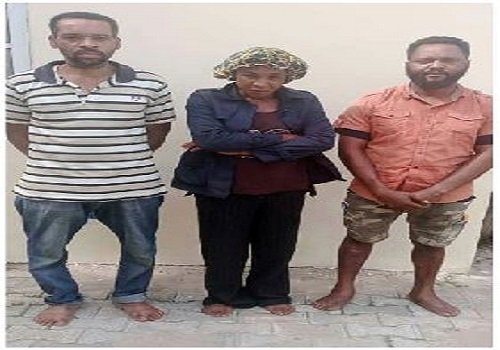
…Suspect: I did it because I was in debt
According to a police source, on June 16, one Mr. Prosper, Onyekachukwu’s wealthy younger brother, reported to the Inspector General of Police (IGP) Usman Alkali Baba that his elder brother named Richard (Onyekachukwu) had been kidnapped and a line of conversation had been opened with his abductors who were asking for a ransom.
The source further disclosed that the IGP immediately directed the Commander of the FIB Intelligence Response Team (FIB-IRT), Abba Kyari, a Deputy Commissioner of Police (DCP) to investigate the matter, ensure the safe return of Onyekachukwu and fish out the culprits.
The IRT operatives swung into action by first visiting the house of the victim where they met his wife but were shocked that she looked unperturbed. And when the operatives introduced themselves as police officers investigating a case of armed robbery against her husband, she shouted that her husband was not an armed robber but only travelled to Taraba State on a business trip.
She told the police officers that although members of her husband’s family thought that he had been in captivity for three weeks, she last saw him about a week earlier.
On the basis of her claims, she was arrested and taken to the police station for interrogation, following which she opened up that it was a case of self-kidnap and the whole idea was from her husband.
She said her husband had financial challenges and was desperately looking for a way to repay the loans he had collected. She said her husband’s plan was to collect the ransom money and pay up his debt.
Following a clue from Mary that her husband was due to visit the house on June 18, the police laid an ambush and picked him up on the said date.
In his confession, Onyekachukwu, who described himself as a pastor and a contractor from Idemili South LGA, said he decided to organise his own kidnap in order to generate money with which he could solve a pressing financial problem.
He said: “I had a big church, Resurrection Power Church, but its roof was blown away by storm. I then took some loans to assist the businesses with which I was supporting the ministry and it was about N600,000.
Unfortunately, in the process, I had financial challenges and paying the loan became difficult. I made some losses in my poultry business and COVID-19 did not help matters. The banks were after me and I didn’t know what to do.
“I was thinking of how to get money from my younger brother, Prosper. He is a civil servant and also rich but stingy. I was thinking of how to get money from him to offset the bills before they would take me to court.
“It wasn’t easy; that was why the thoughts came to me. I don’t know why I decided to use that strategy.
“I called my friend Enoch and shared my thoughts with him. Enoch is also a pastor. Initially, he did not accept, but after sometime, he agreed. I told him that even it was a million or N500,000, I would be satisfied.
“Sometime in May, I travelled home to drop the corpse of my deceased mother at the mortuary. After that, I travelled to Nkpor, close to my village, to see if I could get some contracts.
“I was supposed to come back after a week. I called my wife and brothers about my mission at the village. There was three days delay and my wife was panicking because my phones were off. She called my brothers that I am missing.
“When I came back, I sneaked into the compound, dropped my bag and went to the mountain to pray. I called Enoch that we had an opportunity. He then called and told them that I had been kidnapped.
“I used to come back home, but most times I would sleep in my friend’s place. I told my wife after a week. She started suspecting my movements and I told her the things on the ground and that I didn’t know what to do. I needed to get money from Prosper before the bank people would come to embarrass us.
“I am the second son of my parents, and as an elder, I am expected to play a major role in my mother’s burial. We had a meeting and fixed a date and everyone was running around to see how to raise money to contribute.”
On why he requested that his brother, Prosper, must bring the ransom personally, Richard said: “I have no particular reason to request that my brother, Prosper, should bring the money. I never even thought of that as an issue. This is something I thought would just end within the family. My plan was to inform him after some time.
“On the ransom, I demanded N10 million and they bargained to N5 million, and finally, they brought N2 million. We were still waiting to hear from him when police arrested me at home.
“I am not happy. It is a regrettable action. I took it as a family issue I did not know it would get to this extent. I simply tell him that the reason is that if I had asked him for money to settle my debt, he would not do it. I am close to my brother, so I expected that he would bring the money to save my life.”
Mary, in her own statement, who described herself as a petty trader, said her husband told her that he would be embarking on a business trip on May 20.
“After some days, we could not reach him again. He did not come back the day he said he would return. I called his brothers and explained to them and they said I should relax, that he would come. It took about three days before someone called that my husband had been kidnapped and they were demanding N10 million.
“After a week, he came back and I was happy that he had been released, but he told me to shut up, that he would explain. He then asked me if I had plans to pay up our debts.
“He said since everyone believed that he had been kidnapped, I should not say anything till money was paid. He told me that I had started demonstrating my stubbornness when a woman was supposed to be submissive to her husband no matter the case.
“I was both confused and scared. The night they came to arrest me, I called the uncle and raised the alarm. The next day, they arrested me.
I met him as a pastor and I was taught to be submissive. I was just being submissive. It is not about love but obeying the word of God. I don’t have any word to justify myself. I am finding it difficult to forgive myself.
In his own confession, Enoch, a native of Awgu, Enugu State, said: “I am the founder of Christ Resurrection Power, Gospel Church of All Nations. I have no other job except evangelism. I started the church two years before the COVID-19 shutdown.
“My members dispersed and I was not able to raise money to pay rent so I shut down the church. Reverend Richard (Onyekachukwu) is my neighbour and brother in the Lord. He came to me and told me about his money challenge.
“He is owing some microfinance banks, the landlord was at his neck and he needed to contribute money for his mother’s burial. He does not have money to contribute as an elder brother.
“He said that he needed my assistance. I asked in what area and he said that he wanted to have himself kidnapped. He did not have anywhere to get the money from. His brothers do not like to give him money. He wanted to use this pattern to get money from his brother so I agreed to help him.
“He wrote a script and gave it to me, which I acted properly, including pretending to beat him up. We normally went close to the mountain and called them from there.
“We didn’t have any sharing formula until the money would come. I wanted to use it to go down to the east for evangelism.
“To survive, I used to go for outreach programmes and people will sow seeds and give offerings.
I knew that it was wrong when we got to the police station. The Bible says that deceit is a sin. I don’t know which devil entered my mind.
“I got a calling as far back as 2002 and I served under a church till 2015 when I was officially released. We opened an outreach but the church was officially opened in 2003.
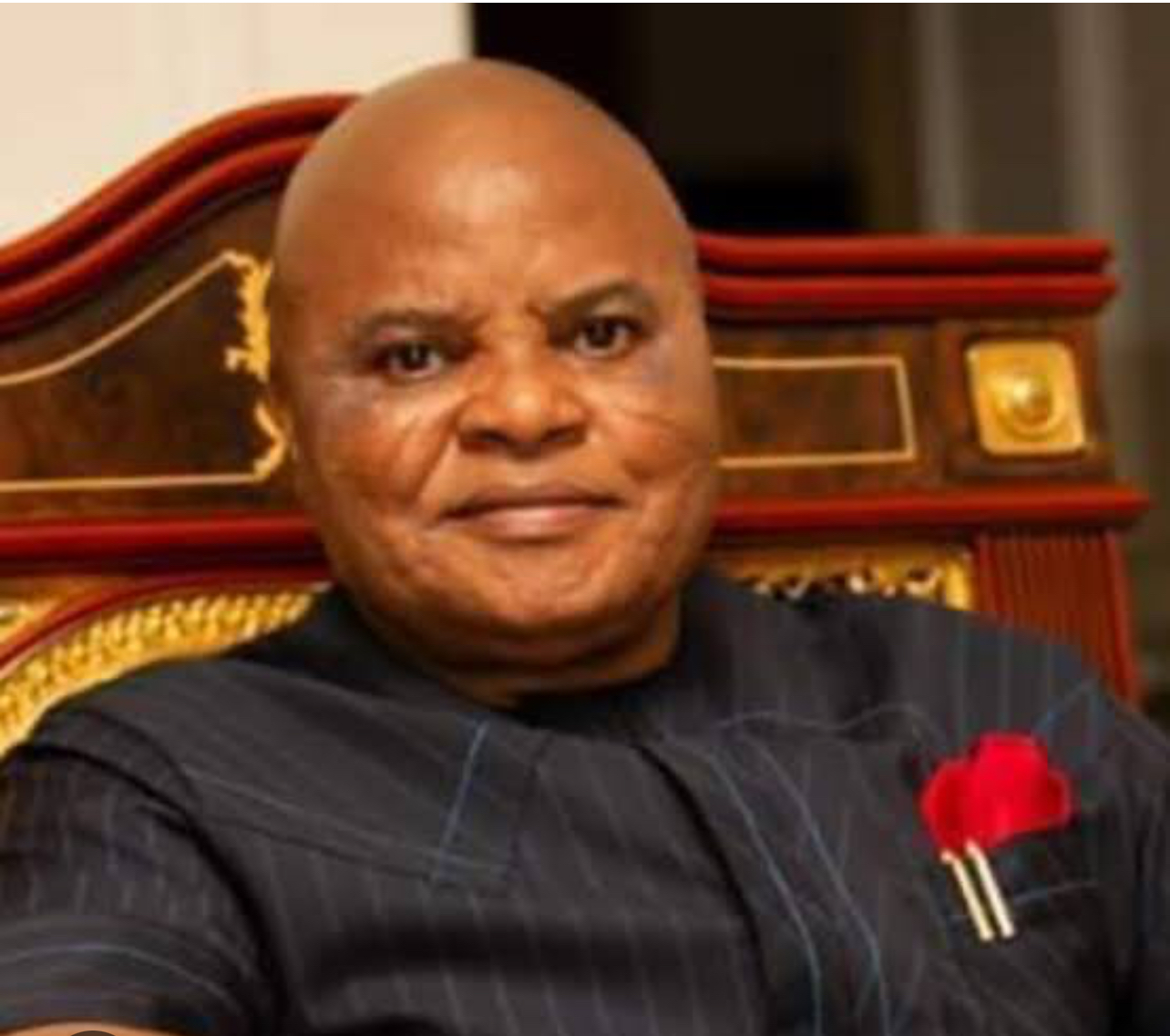
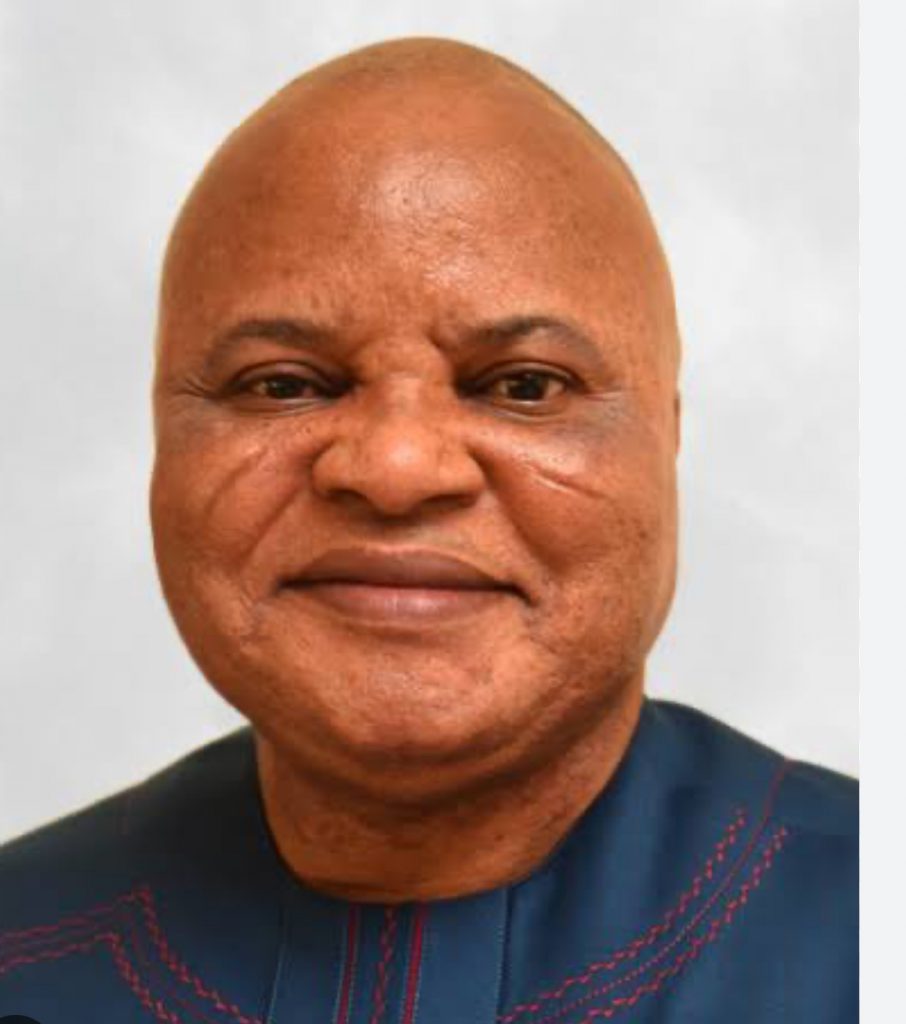
Senator Ifeanyi Araraume, a prominent chieftain of the All Progressives Congress (APC), has extended warm felicitations to Muslims in Nigeria and across the globe on the joyous occasion of Eid-el-Fitr.
In a statement to mark the end of Ramadan, Araraume highlighted the significance of the month long period of spiritual reflection, fasting, and devotion. “As Muslims gather with loved ones to share in the festivities, I join in the cheer, wishing everyone a blessed and peaceful Eid,” he said.
The Senator expressed profound appreciation to Muslim Nigerians for their contributions to the nation’s growth, describing their faith, resilience, and patriotism as beacons of hope. “Your unwavering commitment to Nigeria’s progress is truly commendable,” he stated.
As the country navigates its current challenges, Araraume called for unity, understanding, and collective effort. “Let us embrace the spirit of Eid, forgiveness, generosity, and kindness, to build a brighter future for ourselves and generations to come,” he urged.
Araraume also extended solidarity to President Bola Tinubu, a distinguished Muslim and the leader of APC, praising his visionary leadership and dedication to nation building. “President Tinubu’s commitment to serving Nigeria has been exemplary, and we assure him of our continued support,” he said.
Reaffirming the APC’s commitment to national prosperity, Araraume emphasized that the values of compassion, unity, and progress embodied by Eid align deeply with the party’s ethos. “As we mark this occasion, we reaffirm our dedication to creating a Nigeria where faith and ethnic background are not barriers to success,” he concluded.
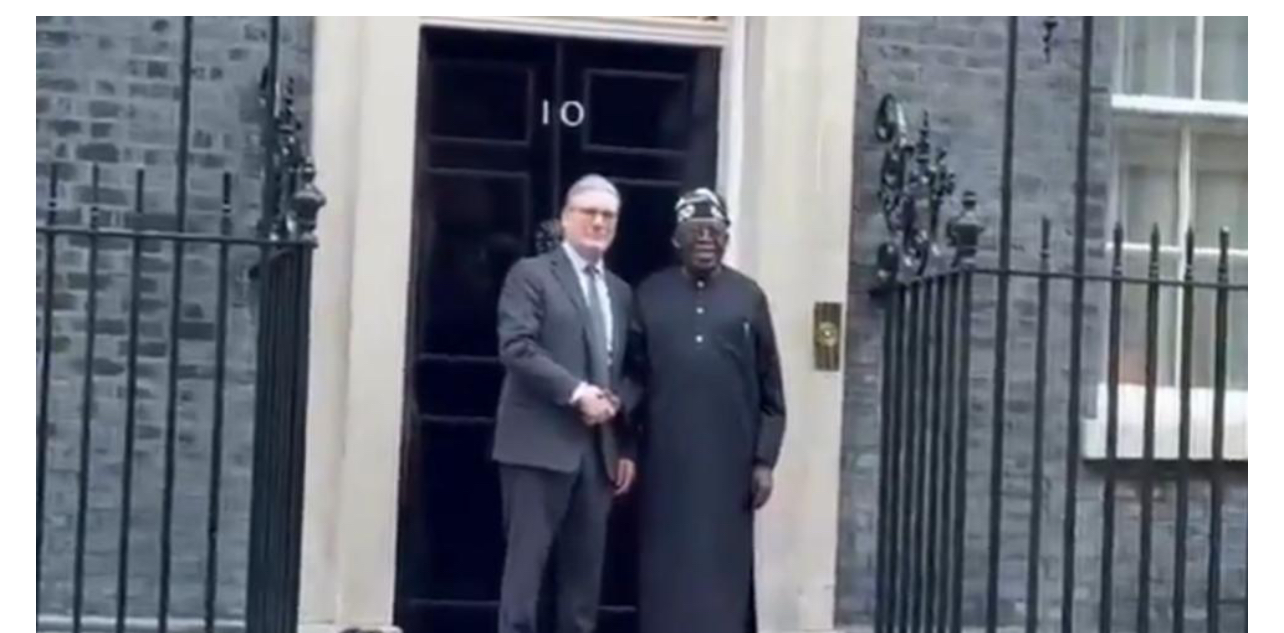
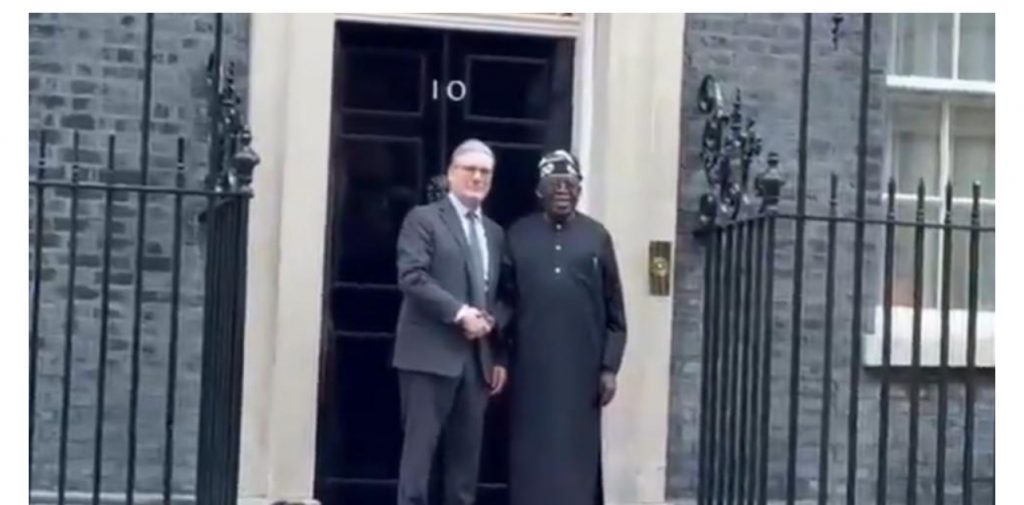
President Bola Tinubu is currently meeting with United Kingdom Prime Minister Keir Starmer in a high-level bilateral engagement aimed at strengthening ties between Nigeria and Britain.
A statement by the Special Adviser to the President on Information and Strategy, Bayo Onanuga, on Monday, said the meeting will culminate in the signing of various Memoranda of Understanding and agreements, including those on trade, investment, defence, and cultural cooperation.
The statement said the meeting reinforces Nigeria’s commitment to deepening bilateral relations, attracting foreign investment, and modernising key infrastructure to support economic growth.
It added that a major highlight of the visit was the signing of a £746 million financing agreement between UK Export Finance, the Nigerian Ports Authority, and the Federal Ministry of Finance.
Morning Recap: Nigeria, Britain set for fresh security alliances, Saudi Arabia declares Friday Eid-el-Fitr, other top stories
The statement said the deal will fund the refurbishment of two key maritime infrastructures — the Lagos Port Complex (Apapa Quays) and the Tin Can Island Port Complex.
The President and the First Lady had earlier been the guests of their Majesties King Charles III and Queen Camilla at Windsor Castle.
Tinubu was accompanied by a high-profile delegation, including Senate President Godswill Akpabio; Attorney General and Minister of Justice, Prince Lateef Fagbemi; Minister of Solid Minerals, Dele Alake; Minister of Information and National Orientation, Idris Mohammed; and Minister of State for Foreign Affairs, Ambassador Bianca Ojukwu.
Other members of the delegation include Minister of Finance and Coordinating Minister of the Economy, Wale Edun; Minister of Industry, Trade and Investment, Dr. Jumoke Oduwole; Minister of Culture and Creative Economy, Hannatu Musawa; Minister of Communications and Digital Economy, Bosun Tijani; Minister of Defence, Gen. Christopher Musa; National Security Adviser, Malam Nuhu Ribadu; and Director-General of the National Intelligence Agency, Mohammed Mohammed.
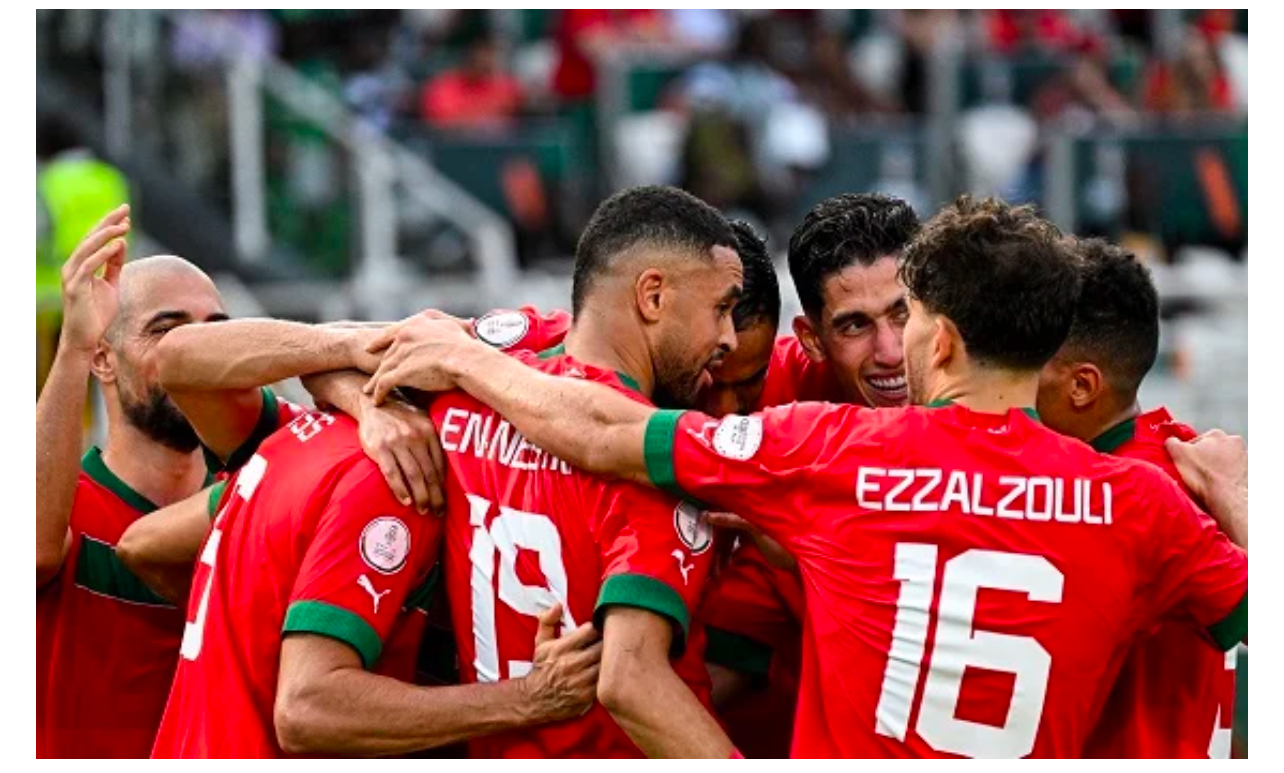
Morocco have been officially crowned champions of the 2025 Africa Cup of Nations after the CAF Appeal Board overturned the result of the final against Senegal. The decision comes after extraordinary scenes in Rabat where the Lions of Teranga walked off the pitch in protest, leading to a retrospective 3-0 forfeit victory for the host nation.
In a detailed statement, the CAF Appeal Board confirmed that the appeal lodged by the FRMF was “declared admissible in form and the appeal is upheld.” This landmark ruling effectively strips Senegal of what would have been their second continental crown, rewarding the hosts for a match that descended into chaos during extra time.
The roots of the controversy lie in a heated moment deep into stoppage time when Morocco’s Brahim Diaz went down in the box. While the referee initially waved play away, a VAR review resulted in a spot-kick for the hosts. This sparked a furious reaction from the Senegalese bench, with head coach Pape Thiaw instructing his players to return to the dressing room in a protest that lasted several minutes.
The CAF Appeal Board found that “the conduct of the Senegal team falls within the scope of Articles 82 and 84 of the Regulations of the Africa Cup of Nations.” By leaving the field of play, Senegal was deemed to have infringed on the regulations, leading to the administrative 3-0 defeat. The ruling sets aside the previous CAF Disciplinary Board decision and confirms that the protest lodged by Morocco has been fully upheld


-
 news5 years ago
UPDATE: #ENDSARS: CCTV footage of Lekki shootings intact – Says Sanwo – Olu
-
 lifestyle6 years ago
Former Miss World: Mixed reactions trail Agbani Darego’s looks
-
 health5 years ago
Chairman Agege LG, Ganiyu Egunjobi Receives Covid-19 Vaccines
-
 lifestyle4 years ago
Obateru: Celebrating a Quintessential PR Man at 60
-
 health6 years ago
UPDATE : Nigeria Records 790 new cases of COVID-19
-
 health6 years ago
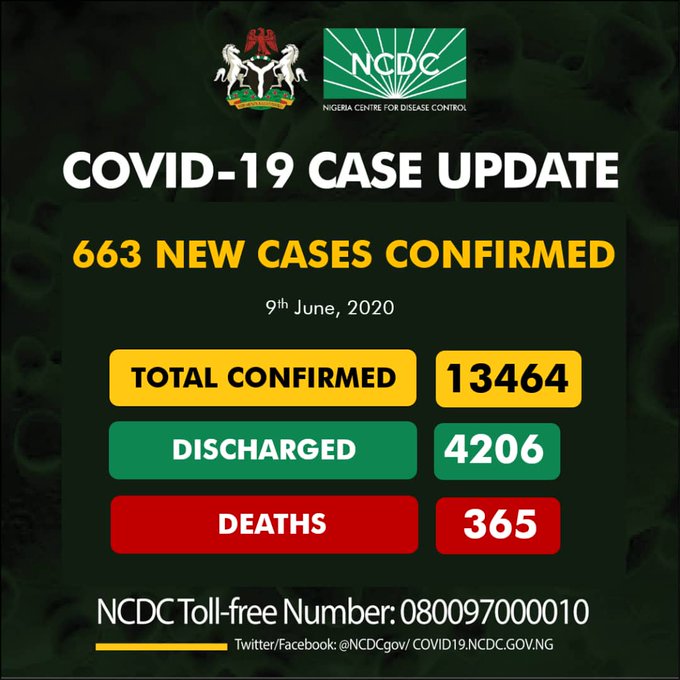
BREAKING: Nigeria confirms 663 new cases of COVID-19
-
 entertainment1 year ago
Ashny Set for Valentine Special and new Album ‘ Femme Fatale’
-
 news10 months ago
BREAKING: Tinubu swears in new NNPCL Board