
news
Update : Medical feat! Lagos hospital performs successful open-heart surgery on 13-day-old baby

 ,,Complicated procedure lasted 19 hours
,,,Baby was born with fatal congenital abnormality of the heart
Lagos-based Tristate Hospital, Lekki, has successfully carried out complicated open heart surgery on a 13-day-old baby. The unnamed baby was born with a rare congenital abnormality of the heart known in medical parlance as “transposition of the great arteries”.
In layman’s terms, the two major arteries leaving the baby’s heart were transposed (wrongly connected) to the lower chambers of the heart (ventricles).
Our correspondence gathered that the life-saving procedure, known as an “arterial switch operation” – a complex type of pediatric cardiothoracic surgery, lasted 19 hours, and was carried out by a Nigerian team of specialists. Only the most skilled paediatric surgeons in the world are known to carry out the procedure successfully.
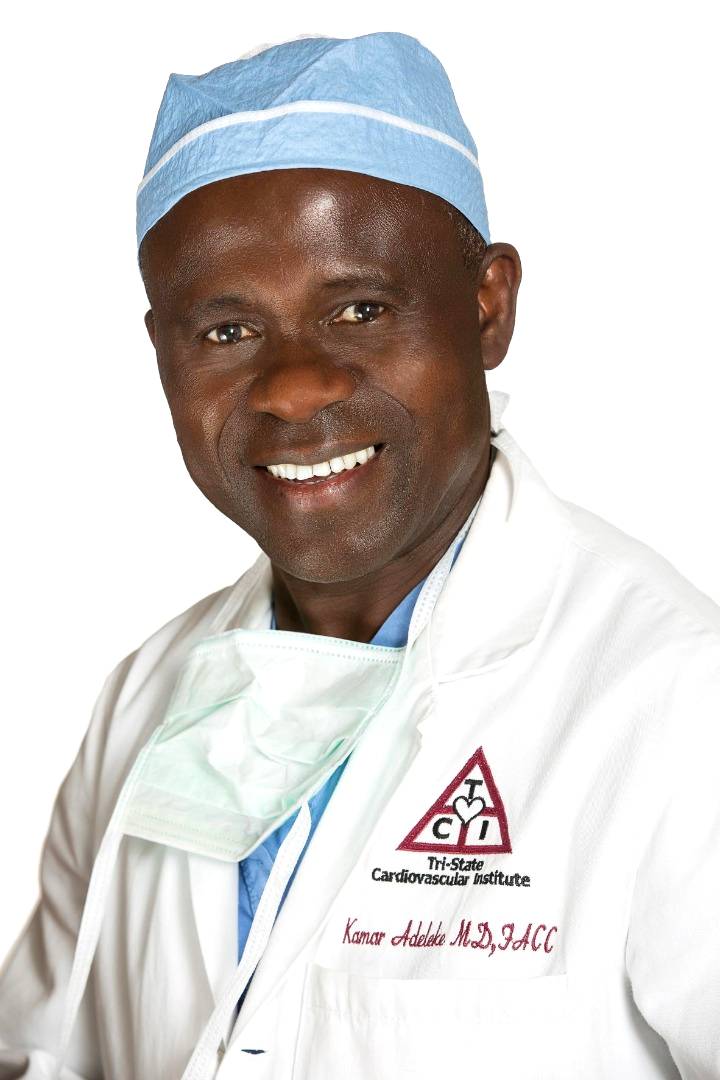
The medical team was led by Professor Kamar Adeleke, a professor of medicine/cardiology, interventional cardiologist, and the Founder/CEO, of Tristate Healthcare system – a conglomeration of best-in-class super-specialty healthcare providers.
Speaking on the medical feat, Adeleke, who is the President/CEO, Tristate Cardiovascular Institute, and Chief, Division of Cardiac Catheterization and Interventional Laboratory, University College Hospital, Ibadan, Oyo State, said the arterial switch operation is an open-heart procedure that is done within two weeks of life or it will be too late.
He explained that as a result of the abnormality, blood containing oxygen from the baby’s lungs was being pumped back into the lungs, while blood that lacks oxygen was pumped throughout the body.
“We did an arterial switch in a 13- day- old baby. Normally, the heart has two sides; the right side takes in blood from the organs of the body. This blood is devoid of nutrients, and from here the blood is pumped into the lungs where it is oxygenated and purified and then transported into the left side of the heart where it is pumped to all parts of the body.
Adeleke noted that normally, the left side of the heart pumps out 4-6 litres of blood every minute.
“This baby was born with a badly structured heart. What happened to this baby was that the left and right structures were switched, so the baby was not getting any purification of the blood. The mortality of this condition is 100 percent.
“What we did was to restructure the heart in addition to a bypass. All the blood vessels coming from the wrong sides were correctly repositioned. It was a complex surgery that took from 10.15 in the morning till 5 am the following day.”
Noting that congenital heart defects occur in about 0.01 percent of the Nigerian population, Adeleke argued that the feat is significant in the sense that the condition was being tackled locally for the first time.
“These cases are usually hopeless except flown abroad for surgery and they may still die eventually. It is a huge achievement we have done it here, if we can achieve this in Nigeria, there is nothing that we cannot do medically.
On a scale of 10, the complexity of the surgery is about 9, so we are moving forward.
“Fortunately, this type of abnormality is very rare in- utero (in pregnancy). The human heart is very complex and is completely formed at six weeks of gestation even before the woman may realize she is pregnant.
“We advise women that when you know you’re likely to get pregnant, you don’t do certain things like smoking cigarettes, taking drugs carelessly, try to stay away from stress, and eat well. However, the abnormality may not even be because the mother did something wrong. It could just be an unfortunate occurrence.
Adeleke, who pioneered the Tristate Cardiovascular Institute in Wilmington, Delaware, and later founded First State Diagnostic Centre, Peninsula Medical Associates, and Wilmington Cardiovascular Associates, called for an urgent need to establish paediatric cardiac centers in Nigeria, and said the best time to prevent any type of congenital anomaly is before conception.
“It is important that we investigate every pregnant woman at multiple levels. There is what is known as the level 3 ultrasound that detects all these abnormalities. Some congenital heart defects can be detected and corrected before the baby is born, but if it cannot be done before birth, it is essential that the mother should, at least know, and be prepared for it.
“What we need to do is reduce infant mortality by paying attention to the care of the mother so that before and during pregnancy, abnormalities can be detected and addressed early. If we invest in the mothers, we are going to be saving a lot of money in the future. Things as simple as lacking the right vitamins and developing a nutrient deficiency can cause neurological problems after delivery, but if these nutrients are given during pregnancy it will avoid potential anomalies.”
Every newborn must also be properly evaluated. “Take your stethoscope, examine the baby and if you detect a heart murmur, then you can quickly do the ultrasound. It takes just 30- 45 minutes to do this you can then follow up on the baby.
“All we need is proper evaluation of the baby. Let’s take care of the mother during pregnancy. The routine should be that any woman that is pregnant should be automatically covered by insurance. By doing that, we are investing in the baby even before it is born,” Adeleke stated.
Lamenting that Nigeria currently has only one pediatric intervention cardiologist, Adeleke described it as grossly inadequate.
“We must concentrate on manpower. To bring foreign manpower is a fortune and is not sustainable. We have several pediatric cardiologists, who can pick up these defects, but the services and skills of a pediatric intervention cardiologist are required to fix the problems. How can only one pediatric interventional cardiologist attend to over 200 million Nigerians?
“Right now we have about seven intervention cardiologists in Nigeria and five of them are in Lagos State. Tristate alone has two; certainly, we need to be serious about manpower. Who is going to cure you if you cannot fly abroad within 60 minutes if you have no competent specialists on the ground here in Nigeria?”
Noting that one of the goals of the Tristate Hospital was to contribute to the growth of medical care in the country, the CEO remarked that what is required is the improvement of the environment so that those going abroad will be encouraged to stay back.
“We are prepared to turn the brain drain into brain gain. Nigerian medical specialists abroad want to return to Nigeria, but the facilities and infrastructure must improve. If we can give more opportunities for training, we will get more of these specialists. I am bringing another interventional cardiologist from abroad to Tristate, once we are training more of our own people, we will turn the tide against brain drain.”
“Eleven years ago, the West African College of Surgeons took the training of cardiothoracic surgeons to Ghana because there were no reputable facilities in Nigeria, and there was nobody to do the training.
“Then in 2021, I received a letter from the College. Tristate was doing 70 percent of open heart surgeries in Nigeria and has done more open heart surgeries than the whole of Ghana as a country. The College now wants to bring the training of cardiothoracic surgeons back to Nigeria, so they told the three institutions that are doing the surgeries continuously to come together and form a training institution.
.“The three institutions are the Lagos State University Teaching Hospital, LASUTH, Obafemi Awolowo University Teaching Hospital Complex, OAUTHC, and Tristate to form the training institution to be known as LOT. We are signing an MoU to this effect and that is huge. It will help us to advance the training of surgeons and that will bring down the cost of training further.
“When we wanted to begin open heart surgery at TriState, the people that could afford the surgery did not want to be our guinea pigs while those that did not have money were ready. At that time, to do open heart surgery cost between N2.0 – 3.0 million. I paid $2,500 for a patient because we had to show Nigerians that we could do this. We had to do it for those that did not have the money. The first 75 cases that we treated either had no money or could only pay the minimum.
“In the first two years after Tristate began doing open heart surgery, we did not make any money. In fact, we could not pay any expatriates because the exchange rate that year went from N175 to N520. There were about 13 of them, but we moved on.
“As of 2021, we had about 124 open heart surgeries, excluding the non-open heart surgeries. The total number of cases that we handled is close to about 600. Now we have seen that the medical tourism story is gradually changing because these medical interventions are being done right here.”
“I want to see the cardiac programme grow. Our aim is to achieve accessibility, affordability, and quality care. We must have a hospital that is within reach of everyone in the country. We started at Babcock University Teaching Hospital, Ogun State, and then went to Ado Ekiti at the Afe Bablola University, ABUAD, and after a year, we had done about 36 surgeries. The following year we were at Reddington Hospital and did the first open heart surgery there, and then continued.
“At the Duchess Hospital, Ikeja, Lagos State, the 5th floor is called the Duchess-Tristate Heart Institute. We moved to the Lekki on December 9, 2021, put everything together in the operating room, and two months ago, we began open heart surgery here.
“In two months we have done 20 surgeries. The first case we had was a 15 -year-old boy called Kassim. He is alive and well. His surgery started at 5 pm and ended at 5 am the following day. The youngest procedure that we have done was on a 13-day-old baby. It is also the longest. We started at 10 15 am and finished at 5.15 am the following day.”
The professor of cardiology Close to seven specialist centres in Nigeria are now carrying out open heart surgery. This is the beginning for Nigeria and if we do all these things well we do not need to go abroad again. What people thought was impossible is actually possible. Our goal is to save life first. Our mission is being accomplished.
“Most of the lives of people we have saved are those unable to pay out of pocket, that is why health insurance is essential. Cash and carry healthcare must go. Nigeria is better off medically today than in the recent past, this is reality. Give us another five years, and the health care system will be booming.”
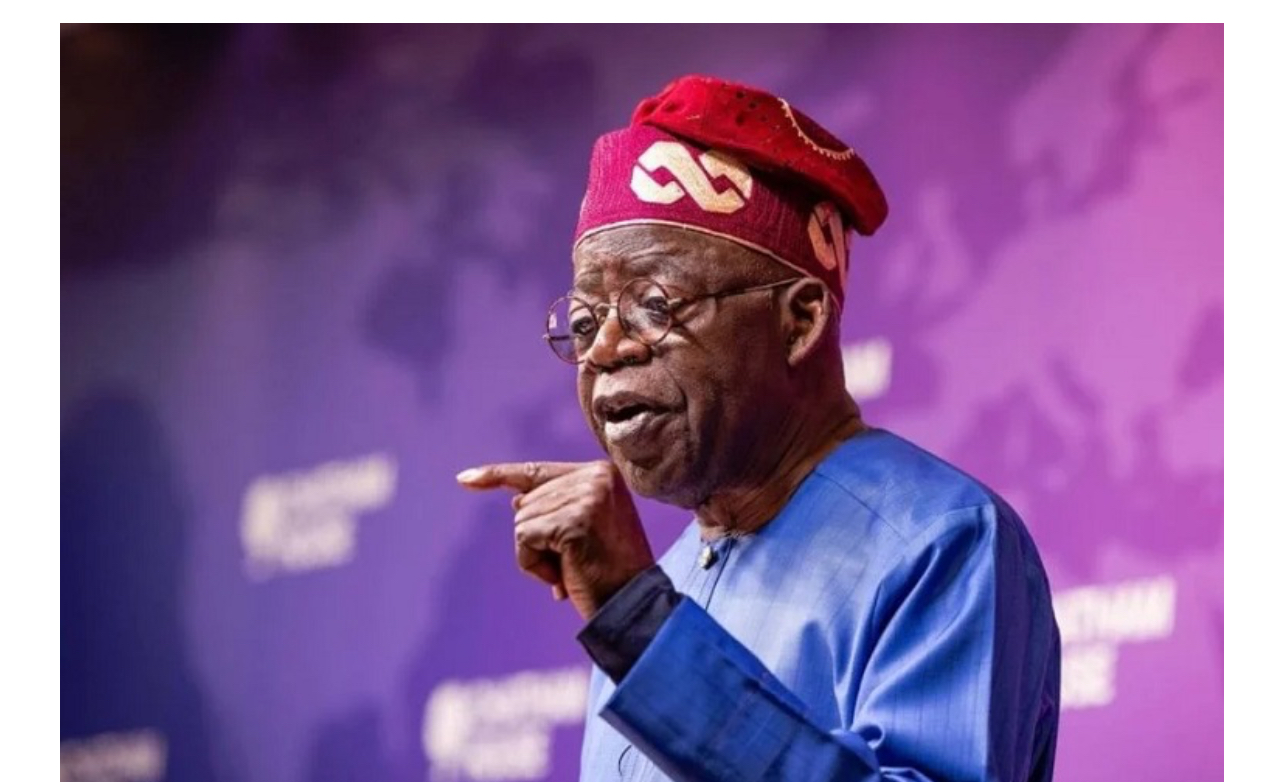
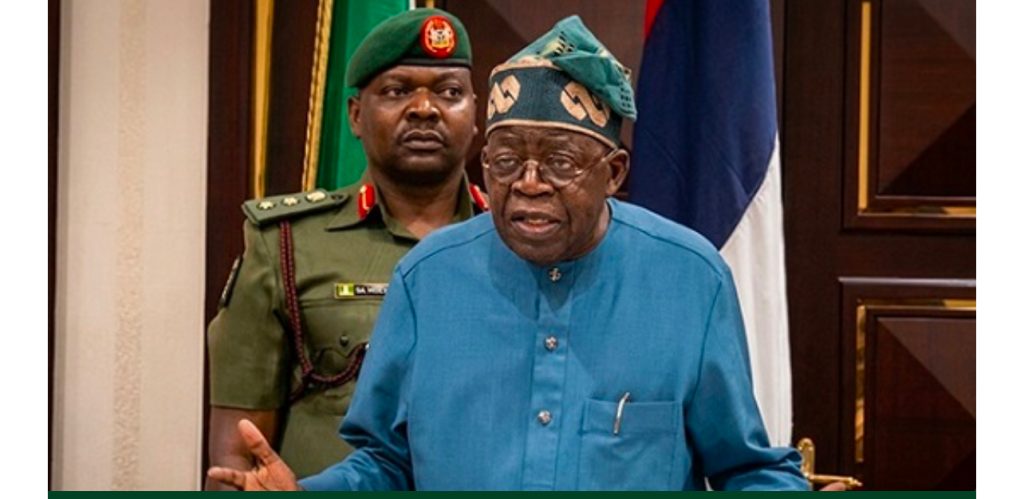
President Bola Tinubu has unveiled an investment package of more than $7 billion for the development of the Ogun State Blue Marine Special Economic Zone and the Gateway Deep Seaport, describing the projects as a major step towards strengthening Nigeria’s maritime economy and attracting foreign investment.
In a statement by his Spokesman, Bayo Onanuga, on Thursday, the President spoke in Paris, France, during the signing of Memoranda of Understanding between the Ogun State Government and DP World, a global ports and logistics operator, for the development of the projects.
Tinubu assured domestic and foreign investors that the Federal Government would continue to provide regulatory clarity, policy stability and a predictable business environment to support long-term investments in Nigeria.
“The agreements before us bring together vision, expertise, capital and execution capacity. I particularly welcome DP World, one of the world’s leading port and logistics operators,” the President said.
He added that the Federal Government would provide the necessary regulatory and institutional support to ensure that the projects moved seamlessly from agreements to implementation.
According to the President, the agreements are expected to attract an initial investment of more than $7 billion into the Nigerian economy and create over 50,000 direct jobs when fully developed, alongside additional indirect employment opportunities.
Tinubu said the projects would also generate non-oil export earnings and contribute to Nigeria’s economic diversification.
“This is economic diversification made tangible. This is industrialisation made visible. This is Renewed Hope in action,” he said.
The proposed Gateway Deep Seaport at Ogun Waterside will have a four-kilometre berth and an 18-
metre draft. The facility is expected to help decongest the Lagos port corridor and ease pressure on the Apapa and Tin Can Island ports.
The president said the deeper draft would enable the port to accommodate larger vessels while providing a competitive gateway for trade within Nigeria and across the African Continental Free Trade Area.
He noted that the proposed Ogun State Blue Marine Special Economic Zone would cover about 10,000 hectares and would be integrated with the deep seaport to support manufacturing, processing, exports and logistics.
“The Gateway Deep Seaport is the critical infrastructure that will support the zone’s viability. A port moves cargo; a port integrated with a special economic zone helps to build an economy. Each reinforces the other,” Tinubu said.
He said the Federal Government would facilitate road, rail and power connectivity to the projects, while strengthening investment security and the maritime domain and removing unnecessary bureaucratic obstacles.
The president also linked the projects to the Lagos-Calabar Coastal Highway, describing the Ogun section of the road as a critical transport connection for the emerging industrial and maritime corridor.
“The Lagos–Calabar Coastal Highway is central to this corridor’s commercial viability,” he said, adding that the 28-kilometre Ogun section of the 700-kilometre highway was scheduled for completion before the end of the year.
Tinubu said the port and industrial zone would also form part of a wider strategic corridor linking the proposed Nigerian Navy Operating Base and Dockyard with the OK LNG Project.
The President commended Ogun State Governor Dapo Abiodun and his administration for securing the land and structuring the investment framework.
“I commend Governor Dapo Abiodun and the government and people of Ogun State for securing the land, structuring the investment framework and reducing project risks for global investors,” he said.
Governor Abiodun led the Ogun State delegation at the signing ceremony, which also included state commissioners and other senior officials.
Senior representatives of DP World, the Nigerian Ports Authority and SkyKapital were also present at the event.
Tinubu urged Ogun State and the investors to maintain the momentum created by the agreements and move quickly towards implementation.
“Nigeria lies at the heart of West African trade. Yet, our strategic advantage has been constrained by port congestion, inadequate draft capacity and logistics bottlenecks that increase the cost of doing business. These projects respond directly to those constraints,” he said.
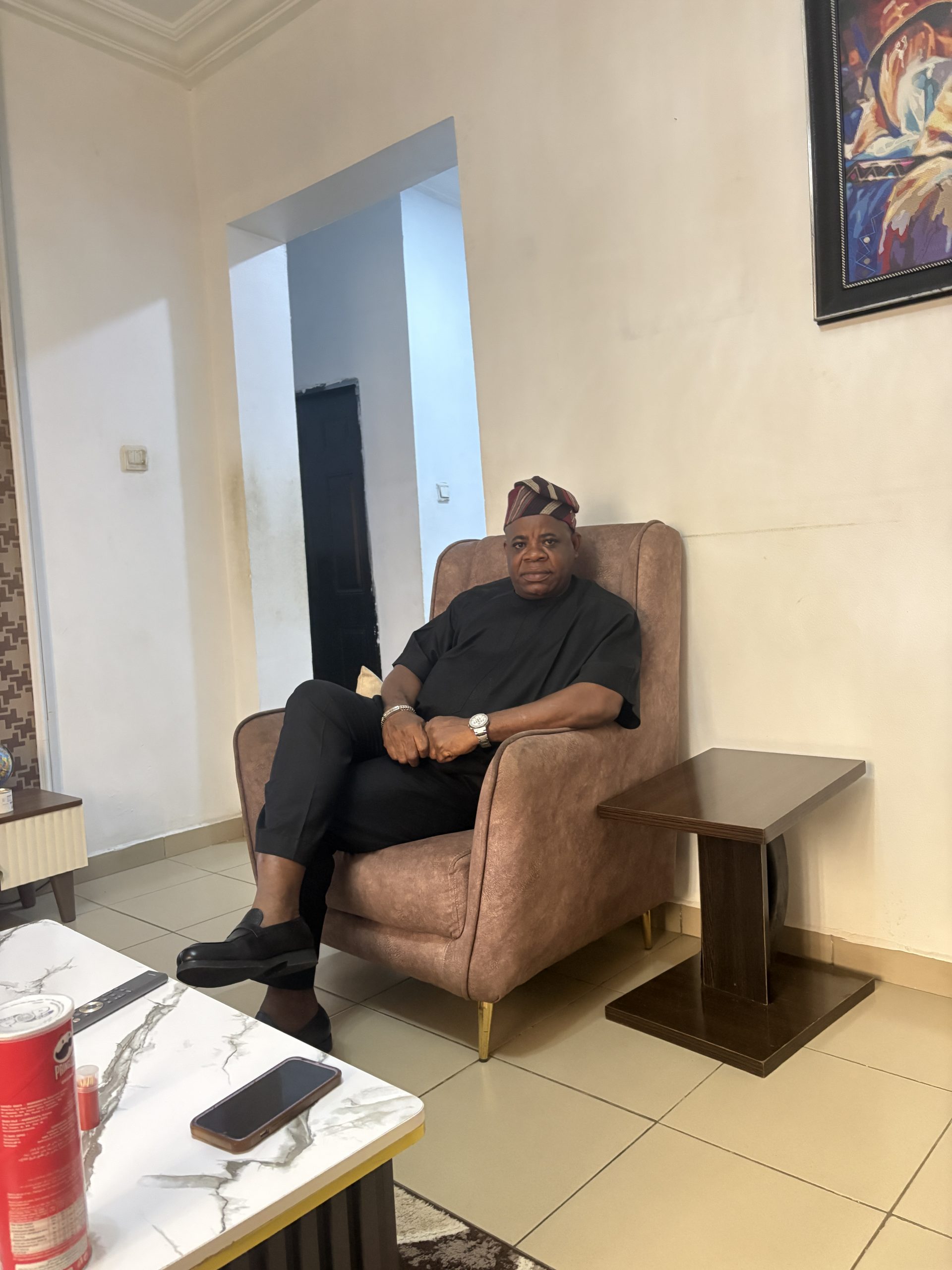
 Today, I celebrate myself and give all glory and thanks to Almighty God for the gift of life and for bringing me this far. I am grateful for the opportunity to be alive, healthy, peaceful, happy, and prosperous.
As I celebrate another year today, I pray for greater blessings, wisdom, good health, peace, success, and abundant prosperity in the years ahead.
May this new chapter of my life be filled with joy, favour, wonderful opportunities, and fulfilment of my heart’s desires.
Happy Birthday to me! 🥳🎉
Congratulations to me on this special day. 🙏❤️🎂
I wish myself many more happy and prosperous returns. Cheers to a beautiful new year of my life! 🥂🎉
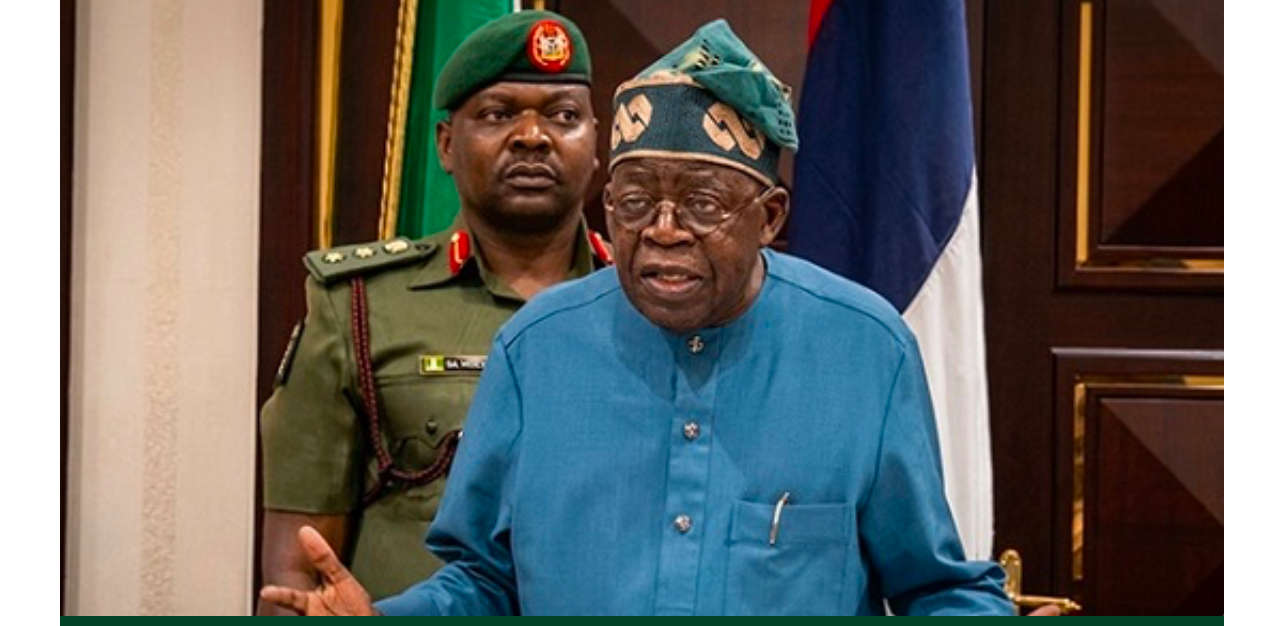
The International Chamber of Commerce tribunal in Paris has ruled in favour of Nigeria in the arbitration brought by Sunrise Power and Transmission Company Limited over the Mambilla Hydroelectric Power Project in Taraba State.
President Bola Tinubu, in a statement issued on Thursday by his Special Adviser on Information and Strategy, Bayo Onanuga, said the tribunal rejected the claims by Sunrise.
The company had sought $680m from Nigeria as a settlement sum and interest in relation to a separate arbitration in which it is claiming more than $2.7bn in compensation and interest over disputes surrounding the development of the 3,960-megawatt Mambilla project.
However, the tribunal, as reported by The Cable, also dismissed Sunrise’s claim for $400m arising from the 2020 settlement agreement, according to the details of the award reported on Thursday.
It further ordered Sunrise and its promoter, Leno Adesanya, to reimburse Nigeria 75 per cent of its legal fees and expenses, amounting to $11.82m.
The tribunal also reportedly declared that Adesanya was bound by the arbitration agreement with Nigeria under the settlement agreement and its addendum and that it had jurisdiction over Nigeria’s counterclaim against him and his firm.
In the statement, Tinubu said the ruling demonstrated the government’s determination to defend the country’s interests.
“This latest decision affirms the Nigerian State’s determination not to succumb to predatory and exploitative claims by corrupt local and international entities and their enablers and funders,” he said.
The President commended the Attorney-General of the Federation and Minister of Justice, Lateef Fagbemi, and officials of the Federal Ministry of Justice for their role in the case.
He also commended former President Olusegun Obasanjo and the late former President Muhammadu Buhari, who testified in the arbitration.
“I also commend the FRN defence team, led by Ms Elizabeth Oger-Gross and Mr Tolu Obamuroh, both of Paul Hastings LLP, for their professional and excellent defence of the country.
“I commend the patriotism and support of former President Olusegun Obasanjo, GCFR, and late President Muhammadu Buhari, GCFR, who testified in the case, which dated back to an illegal 2003 contract to build a 3,050-megawatt hydroelectric plant in Taraba State under a build-operate-transfer model.
“The Federal Executive Council never authorised the contract. I thank the other witnesses in this case, including former Ministers Babatunde Raji Fashola, SAN, and Suleiman Adamu, and the experts, for their active participation in defending Nigeria’s interest in the arbitration,” the statement read.
“I want to assure you that while our country remains committed to partnering with genuine investors and honouring its legal obligations, it will continue to defend all opportunistic claims instituted against our commonwealth strongly.
“Today’s ICC ruling clears the single biggest legal hurdle that has paralysed the Mambilla hydro power project for years,” Tinubu said.
The dispute dates back to an agreement under which Sunrise claimed it had been awarded the contract to construct the Mambilla project.
The company commenced arbitration against Nigeria at the ICC International Court of Arbitration in October 2017, seeking about $2.354bn over an alleged breach of contract.
The parties later entered into a settlement agreement in 2020, under which Nigeria was to pay Sunrise $200m.
A subsequent dispute arose after the government did not make the payment, leading to another arbitration in which Sunrise sought $400m, comprising the $200m settlement sum and a $200m default payment.
In Thursday’s award reported by The Cable, the tribunal rejected Sunrise’s claim that Nigeria had breached its obligations under the settlement agreement and its addendum.
It also rejected the company’s demand for the $400m settlement and default sums.
The Cable reported that the tribunal fixed the arbitration costs at $1.6565m, with Sunrise and Adesanya responsible for 75 per cent and Nigeria for 25 per cent. Of the $11.82m in legal fees and expenses awarded to Nigeria, $2.5m is to be recovered from funds held in escrow by the ICC, while the remaining $9.32m is payable by Sunrise and Adesanya, with interest at 10 per cent annually, compounded annually, from notification of the final award until payment.

-
 news6 years ago
UPDATE: #ENDSARS: CCTV footage of Lekki shootings intact – Says Sanwo – Olu
-
 lifestyle6 years ago
Former Miss World: Mixed reactions trail Agbani Darego’s looks
-
 health6 years ago
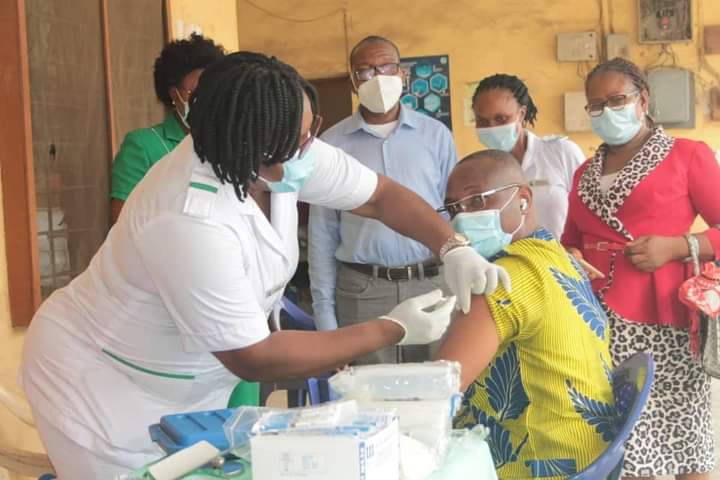
Chairman Agege LG, Ganiyu Egunjobi Receives Covid-19 Vaccines
-
 lifestyle5 years ago
Obateru: Celebrating a Quintessential PR Man at 60
-
 news1 year ago
BREAKING: Tinubu swears in new NNPCL Board
-
 health6 years ago
UPDATE : Nigeria Records 790 new cases of COVID-19
-
 entertainment2 years ago
Ashny Set for Valentine Special and new Album ‘ Femme Fatale’
-
 health6 years ago
BREAKING: Nigeria confirms 663 new cases of COVID-19