
news
Federal High Court summons heads of correctional centres, Simon and Moses over ‘escape’ of murder suspect,Suleiman Mohammed

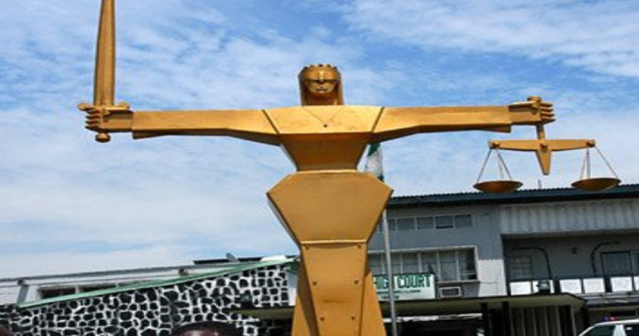
 Justice Kayode Agunloye of the Federal High Court, Lugbe, on Friday, summoned the Heads of the Old and New Keffi Correctional Centres, Simon Kaigama and Alao Moses to account for the whereabouts of a suspect, Suleiman Mohammed, who was allegedly involved in the murder and robbery of Mr. Gabriel Adukwu.
Vanguard learned that the suspect was charged before the court for being in possession of the vehicle belonging to the Mr. Adukwu after he was killed, he was also fingered by the family of the deceased as the main organiser of the robbery and murder.
Justice Agunloye ordered that the Record Officer at the Keffi Correctional Centre, and the Prison Warden who brought the suspect to court on the last day before he “disappeared”, Abdulahi Yunusa also to appear before him to account for his whereabouts.
When the matter came up on the 29th of November 2022, counsel to the suspect could not account for the whereabout of his client as he said the correctional centre did not hand him over having been granted bail a day earlier.
In his reaction, counsel for the family, Barrister Abba Ejembi raised concerns how after leaving the court with the Prison Warden (Abdulahi Yunusa) back to the Correctional Centre, they will not be able to account for him.
He said he was circumspect of this new development where the suspect is missing when a co-suspect in the murder and robbery of Mr. Adukwu had also reportedly escaped from police detention in Benue State also.
Reacting to the development, Justice Agunloye summoned two officials of the correctional services, which include the Comptroller, Mr. Alao Moses and the prison Warden, Mr. Abdulahi Yunusa to appear on the 16th of December 2022 to account for the suspects whereabout.
However, when the matter came up today, there was still no clarity on the whereabout of the suspect whom they said had been discharged from their facility based on the court’s warrant granting him bail.
The visibly concerned judge decried the situation, saying “how can you not know his whereabout? Why did you not release him to his lawyer?
“This is a case that touches on the sanctity of life of an individual and I will not sit here and simply strike out the case because the suspect is missing and has not come before me. I must get to the bottom of it. We must resolve this and establish the suspect’s whereabout for him to stand trial”, Justice Agunloye held.
Accordingly, while adjourning the trial to January 9, 2022, he ordered that “the Heads of the Old and New Keffi Correctional Centres, Simon Kaigama and Alao Moses to appear before this court to account for the whereabout of the suspect.”
He also ordered that every record of the suspect within the Keffi Correctional Centre be produced in court along with the charge against him at the Upper Area Court Grade 1, Mpape.
y
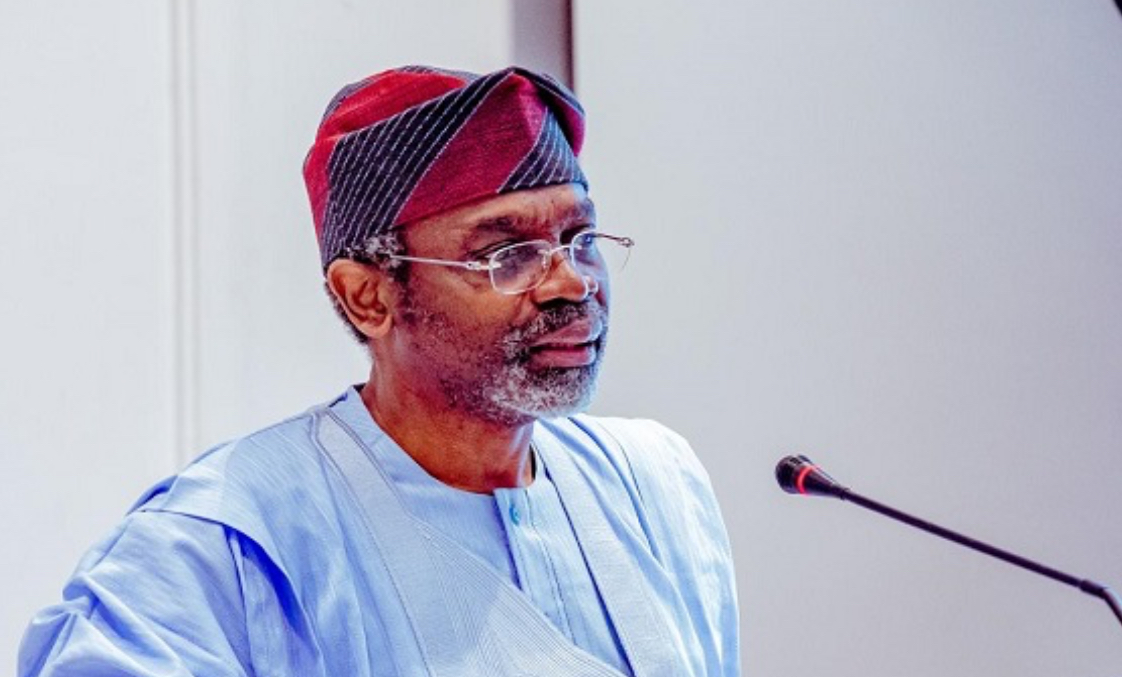
…says Gbajabiamila first reported fake presidential agency to DSS, Police
…adds police file eight-count charge against suspect, two accomplices
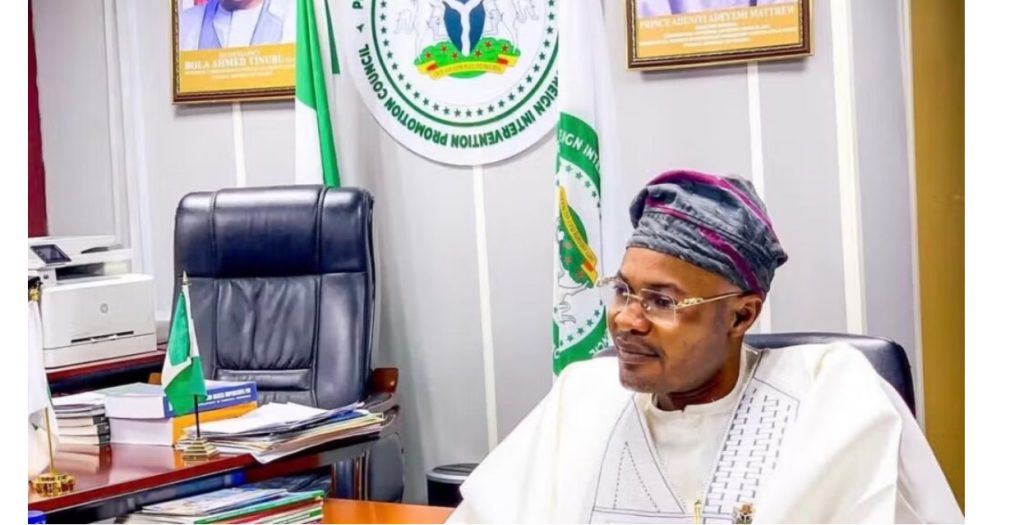
The Presidency on Wednesday described Adeyemi Adeniyi Matthew as a con artist with a long record of elaborate scams, warning politicians and the public against using his claims to falsely implicate the Chief of Staff to the President, Femi Gbajabiamila.
In a statement issued by the Special Adviser to the President on Information and Strategy, Bayo Onanuga, the Presidency said Matthew had been parading himself as Director-General of a fictitious Presidential Foreign Intervention Promotion Council, also referred to as the Presidential Economic Advisory Council.
Onanuga said the Office of the Chief of Staff to the President was, in fact, the first to alert security agencies to the activities of the illegal body after complaints from the Nigerian Investment Promotion Council that another so-called government agency appeared to be working at cross-purposes with it. NigeriaCurrent Affairs
According to the statement, the Chief of Staff had, in a letter dated October 17, 2025, asked the Department of State Services and the Police to investigate “fraudsters and impostors” forging appointment letters purportedly issued from his office.
The forged documents, the Presidency said, carried fake signatures, reference numbers and seals, and were being used to claim appointments into non-existent bodies, especially the so-called Presidential Foreign Intervention Promotion Council.
Gbajabiamila’s petition also alleged that Adeyemi Matthew operated from an office at the Federal Secretariat Complex, Phase III, Abuja, held meetings with Nigerians and foreigners, and requested a note verbale from the Ministry of Foreign Affairs to facilitate United States visas for some of his purported staff.
The Presidency said the Chief of Staff warned the security agencies that the development constituted a serious criminal act capable of undermining the integrity of the Presidency and official government communication.
The statement said the petition was accompanied by copies of the forged appointment letter, a request for a note verbale to the Ministry of Foreign Affairs, and pictures of engagements obtained from the illegal agency’s website.
It further added that the Ministry of Foreign Affairs had also raised concern about the fake agency after Adeyemi Matthew held a meeting with ambassadors at Wells Carlton Hotel and Apartments, Asokoro, on October 10, 2025, without recourse to the ministry.
In a letter dated October 15, 2025, signed by Ambassador Anderson Madubuike, the ministry wrote to the Office of the National Security Adviser and the Chief of Staff requesting clarification on Adeyemi Matthew’s agency, describing his action as a breach of diplomatic practice.
“This act contravenes extant rules and regulations guiding diplomatic practices globally”, the ministry stated.
The Presidency said the Office of the National Security Adviser later wrote to the Office of the Secretary to the Government of the Federation on October 20, while the OSGF, on October 29, wrote to the Chief of Staff seeking clarification following inquiries from government and non-governmental bodies.
The statement explained that Gbajabiamila had already sent a clear rebuttal to the Foreign Affairs Ministry two days earlier, stating that he never issued any appointment letter to Adeyemi Matthew as Director-General of the fake council.
He said the Chief of Staff could not have appointed anyone into a non-existent agency, adding that appointments and appointment letters are the responsibility of the Office of the Secretary to the Government of the Federation, not the Chief of Staff.
In another response to the OSGF on November 5, 2025, Gbajabiamila again denied knowledge of Adeyemi Matthew and the fake agency, saying Matthew and the so-called Presidential Foreign Investment Promotion Council were unknown to his office.
The Presidency said the Police, acting on the Chief of Staff’s October 17 petition, arrested Adeyemi Matthew on October 27, 2025, at the Abuja office where he allegedly operated the scam.
Police investigators also searched the office and Adeyemi Matthew’s residence in Suleja, recovering documents and exhibits.
In his statement to the Police, Adeyemi Matthew allegedly claimed that one Dolapo Babatunde Tanimola assisted him in procuring the fake appointment letter. Police later discovered that Tanimola had died in a fire incident at Kachi Hotel, Abuja, on October 22, five days before Matthew’s arrest.
According to Onanuga, the Police established that Adeyemi Matthew’s purported agency was fictitious, that he forged his appointment letter and other recovered documents, and that he falsely paraded himself as a government appointee.
The Police also found that he falsely solicited a note verbale from the Ministry of Foreign Affairs to secure United States visas for himself and his purported staff.
The statement further disclosed that Adeyemi Matthew operated 34 bank accounts, including nine opened in the names of fictitious agencies identified as FCT Investment Promotion Agency and Public Private Partnership, FIPA-APP, and FCT Investment Promotion Act.
It said Adeyemi Matthew allegedly used fake documents to fraudulently open a Central Bank of Nigeria account by misleading the Office of the Accountant-General of the Federation, though no government money had been transferred into the account. NigeriaCurrent Affairs
Quoting the police investigation report by Assistant Commissioner Kabir Mogaji, the Presidency said Adeyemi Matthew’s conduct amounted to criminal forgery, impersonation and obtaining by false pretence, bringing the Office of the Chief of Staff and the Presidency into disrepute before the public and the international community.
Based on the investigation, the Police filed an eight-count charge against Adeyemi Matthew and two alleged accomplices at the Federal High Court, Abuja, on November 27, 2025. He is expected in court on July 27.
The Presidency said Adeyemi Matthew was on police bail when he recently claimed that the Chief of Staff appointed him as Director-General of the fictitious agency, a claim Onanuga said contradicted his statement to the Police in November 2025.
The fresh claim, according to the statement, prompted the Chief of Staff to issue a disclaimer on June 8, 2026, consistent with earlier advisories that Adeyemi Matthew was an impostor.
“The case of Prince Adeniyi Adeyemi Matthew is a clear case of a con artist who appears to have built a web of false claims to deceive unsuspecting government officials and the public into playing by his scam book,” Onanuga said.
He added that Adeyemi Matthew had a history of fraudulent misrepresentation, recalling that in November 2016, he allegedly paraded himself as an ambassador and President-General of the World Youth Organisation, which he claimed was affiliated with the United Nations.
The statement said Adeyemi Matthew claimed to have been elected in New Delhi, India, and was celebrated by local media until the United Nations denied the existence of such a body.
The Presidency advised politicians and members of the public to disregard Adeyemi Matthew’s claims against the Chief of Staff rather than accepting his narrative without scrutiny.
It urged them to await the trial of Adeyemi Matthew and his alleged accomplices, as well as the court’s judgment, warning that public comments on the matter are sub judice.
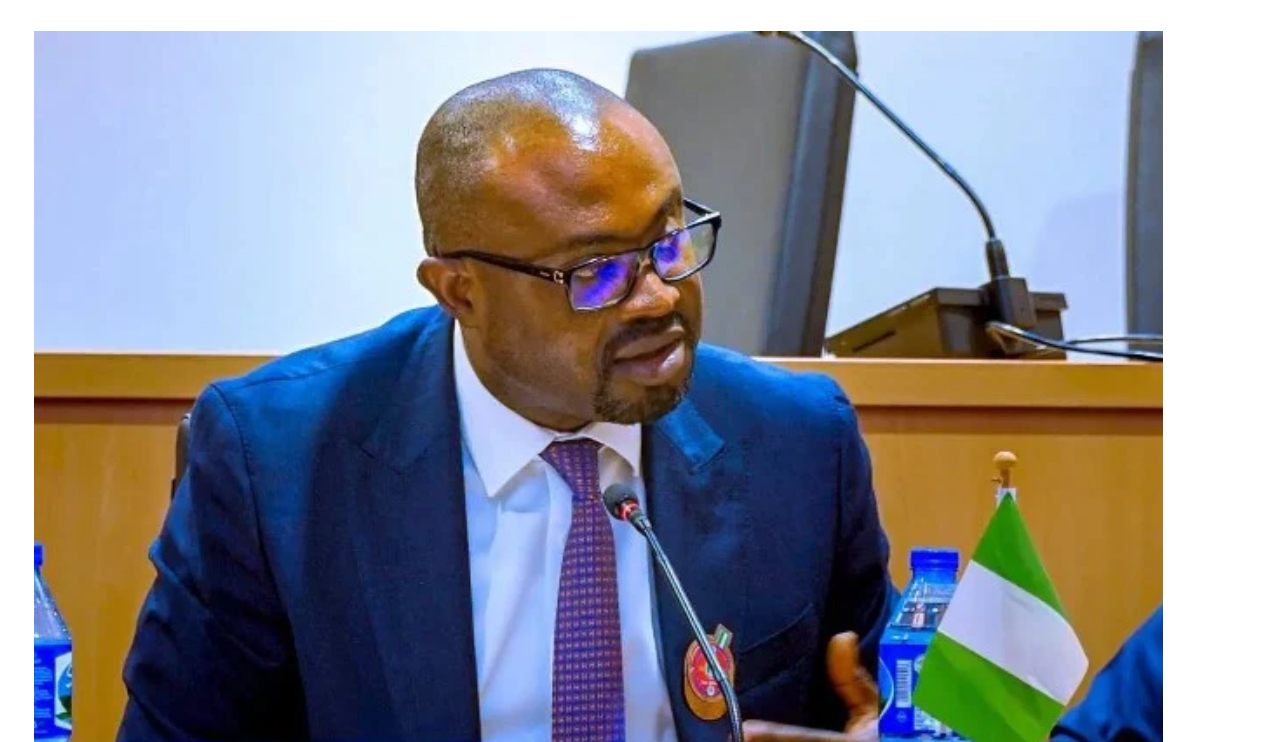
NIMC database helped arrest seven Boko Haram, ISWAP commanders returning from Hajj – Minister
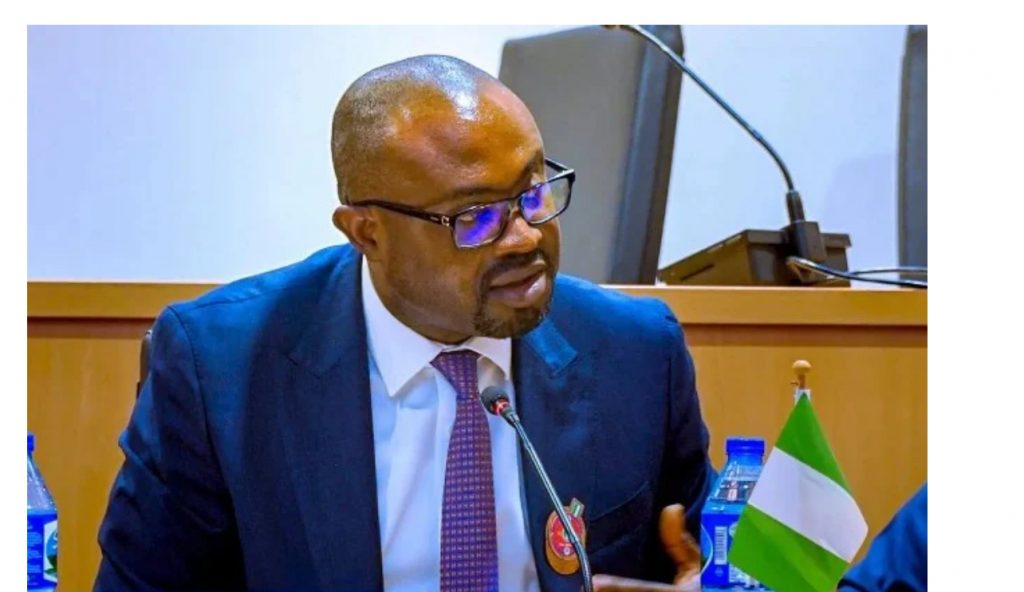
The Minister of Interior, Dr Olubunmi Tunji-Ojo, said on Friday that Nigeria’s integrated identity management system led to the arrest of seven suspected Boko Haram and ISWAP commanders returning from the 2026 Hajj pilgrimage.
Tunji-Ojo disclosed this at the Presidential Villa, Abuja, shortly after President Bola Tinubu signed the National Identity Management Commission Act 2026 into law, as contained in a statement signed by the President’s aide, Bayo Onanuga.
According to the minister, the suspects were arrested last Thursday at the Katsina airport after returning from Mecca and were subsequently handed over to the Department of State Services.
He said the arrests were made possible through the integration of the National Identity Management Commission database with the Nigeria Immigration Service database and its connection to Interpol.
”I know, sometime ago, the Senate President was alarmed by how some terrorists went on pilgrimage, wondering how they crossed our borders. We inherited a fractured system.
”But I’m happy to tell you that even last week, Thursday, seven of the known commanders of Boko Haram and ISWAP at the point of coming back from Mecca were arrested in Katsina at the airport and were handed over to the DSS.
”This is only possible because NIMC’s ID is already connected with the immigration database, and it’s already speaking to even the Interpol 24/7, and we have been able to automate this,” the minister said.
Tinubu signs NIMC Act into law
Tunji-Ojo said the newly signed NIMC Act would further strengthen Nigeria’s security architecture by accelerating the harmonisation of identity databases and improving inter-agency collaboration.
According to him, the law will enhance the integrity of the National Identity Number system while boosting the country’s capacity to combat identity theft, terrorism, financial crimes and other security threats.
He said that before the current administration, identity management systems were fragmented, noting that services such as passport issuance and driver’s licence processing were disconnected from the national identity database.
”When Mr President came on board, we had a disconnected system within our identity data management system. At that time, getting a passport and getting a driving permit were completely disconnected from our identity database.
”But today, you can’t get a Nigerian passport without pulling data from NIMC,” he stated.
Tinubu signed the NIMC Act 2026 on Friday in the presence of Senate President Godswill Akpabio, Deputy Speaker of the House of Representatives Benjamin Kalu and other senior government officials.
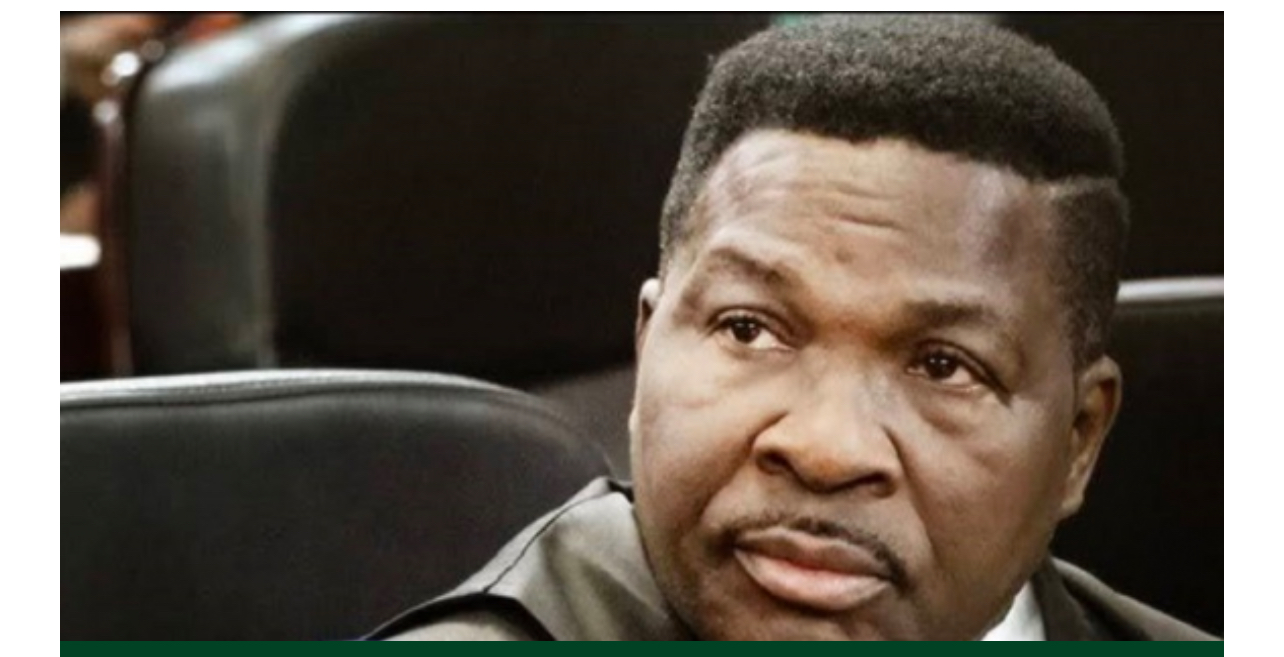
Senior Advocate of Nigeria (SAN), Mike Ozekhome, has been barred by the Legal Practitioners’ Privileges Committee (LPPC) from further parading or referring to himself with that title pending the conclusion of ongoing disciplinary proceedings and other cases involving him.
“This action was taken pursuant to Paragraph 26(6) of the Guidelines for the Conferment of the Rank of Senior Advocate of Nigeria and All Matters Pertaining to the rank, pending the final determination of the disciplinary proceedings, presently before the Disciplinary and Ethics Sub-Committee of the LPPC and other proceedings.
“Accordingly, Chief Mike Ozekhome shall refrain from parading himself, presenting himself, or otherwise holding himself out as a Senior Advocate of Nigeria pending the final determination of the disciplinary proceedings,” the LPPC said in a statement issued on Wednesday evening by its Secretary, Kabir Akanbi.
Besides the “disciplinary proceedings” which the LPPC said are pending before its Disciplinary and Ethics Sub-Committee, Ozekhome and another defendant, Ponfa Useni, are currently being prosecuted before a High Court of the Federal Capital Territory (FCT) in Maitama.
Ozekhome and Useni are being prosecuted by the office of the Attorney General of the Federation (AGF) for, among others, allegedly forging documents, including an international passport and an irrevocable power of attorney, and engaging in impersonation to lay claim to a property in London allegedly acquired unlawfully by the late Jeremiah Useni, former Minister of the FCT.
Alleged forgery: Court AGF takes over Ozekhome’s case from ICPC
Fed Govt charges Ozekhome with forgery over UK property
The statement by Akanbi read, “The Legal Practitioners’ Privileges Committee (LPPC), at its 173rd general meeting held on 23rd June 2026, approved the suspension of Chief Mike Ozekhome, from the rank of Senior Advocate of Nigeria.
“This action was taken pursuant to Paragraph 26(6) of the Guidelines for the Conferment of the Rank of Senior Advocate of Nigeria and All Matters Pertaining to the rank, pending the final determination of the disciplinary proceedings, presently before the Disciplinary and Ethics Sub-Committee of the LPPC and other proceedings.
“The suspension is intended to safeguard the integrity, dignity, and prestige of the rank of Senior Advocate of Nigeria, while due consideration is given to the matters under review.
“Accordingly, Chief Mike Ozekhome shall refrain from parading himself, presenting himself, or otherwise holding himself out as a Senior Advocate of Nigeria pending the final determination of the disciplinary proceedings.
“The LPPC remains committed to upholding the highest standards of professional ethics, integrity, and discipline within the legal profession and to ensuring that the rank of Senior Advocate of Nigeria continues to command public confidence and respect.”


-
 news6 years ago
UPDATE: #ENDSARS: CCTV footage of Lekki shootings intact – Says Sanwo – Olu
-
 lifestyle6 years ago
Former Miss World: Mixed reactions trail Agbani Darego’s looks
-
 health5 years ago
Chairman Agege LG, Ganiyu Egunjobi Receives Covid-19 Vaccines
-
 lifestyle5 years ago
Obateru: Celebrating a Quintessential PR Man at 60
-
 health6 years ago
UPDATE : Nigeria Records 790 new cases of COVID-19
-
 health6 years ago
BREAKING: Nigeria confirms 663 new cases of COVID-19
-
 news1 year ago
BREAKING: Tinubu swears in new NNPCL Board
-
 entertainment1 year ago
Ashny Set for Valentine Special and new Album ‘ Femme Fatale’