
news
Why we beheaded businessman, dismembered his body — Bello Mohammed

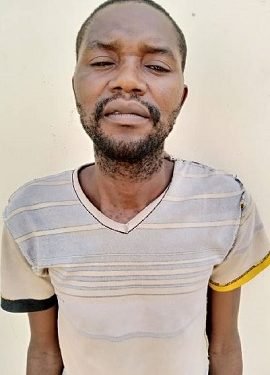
A businessman and owner of a sachet water factory abducted from his home in Lafia, Nasarawa State has been killed by his abductors. Mr. Osondu Nwachukwu was said to have been stabbed to death by his abductors following the inability of his wife to raise the N5 million demanded as ransom.
A source who spoke with our correspondent, however, said disclosed that the wife was able to borrowed the some demanded by the kidnappers, but by the time she could get across to them, they had killed him and packed his dismembered body in a sack.
But when his killers were about to dispose his corpse some Fulani men who were returning from the mosque were said to have seen them pushing something in a truck. The Fulani men asked them what they were carrying, but before they could raise the alarm, the suspects ran away.
The Fulani men were said to have reported the matter to the police, following which the Force Intelligence Response Team (IRT) waded into the matter and arrested one Bello Mohammed, a native of Agyeregu Tasha in Lafia Local Government Area, Nasarawa State, on March 11.
Mohammed has since confessed to the crime, saying he was part of a notorious kidnapping and cattle rustling gang and identifying other members of the gang as Maikano, Dogo, Hassan and Jubril.
He told the police that it was an Igbo man in Lafia that brought the idea that they should kidnap the late Nwachukwu, an Igbo trader who until his death resided at Tudun Kauri, Makurdi Road Lafia, on September 30, 2019.
He said the gang decided to kill him because the family was not willing to pay ransom on time, after which they dumped his body in a bush at Bukan Koto along Makurdi Maraba-Ankunza Road, Lafia.
Speaking amid tears, Nwachukwu’s widow said: “We are blessed with six children. My husband owns a pure water factory and I normally joined him to run the business.
“I was at home on Friday, 30th of November, 2019 when some kidnappers stormed our house and abducted my husband.
“Later in the night, I received a call that I should bring N40 million if I wanted to see my husband alive.
“I pleaded with them to have mercy as it was a Friday and banks had closed.
“They asked me how much I had and I told them N40,000. They asked me to bring the money and I did that night.
“We were waiting to hear from my husband when I received a call from them that I should not bother as my husband was dead.
“I was told that the person that arranged his kidnap is from the East but I was not suspecting anyone at all.
“God will punish the person behind my husband’s kidnap and death.”
In his confession, Mohammed, 37, said: “I am from Nasarawa State. I have two wives and eight children and I am a cattle farmer.
“Things are hard for me as a farmer with eight children. It was my brother in-law, Dogo, who encouraged me to join them. He was the one that took me for the first job. He heard that things were hard for us and decided to show me the way.
“On the kidnapping of the Igbo man, it was another Igbo man that brought the job, He told us that the man owned a pure water business and was very stingy. He assured us that the man would pay at least N10 million because he was so rich.
“He gave us all the details about his movement and that the best place to pick him up was his house. We went with three motor bikes at about 8.30 pm and hanged around his compound.
“Meanwhile one of us waited for him at the factory area and followed him home. He was the one who alerted us when they were on the way to the house.
“As soon as he drove into his compound around 9 pm, we followed him and over powered him. We searched his house for valuables and dragged him along.
“When we got to a spot, we stopped and trekked for hours into Bukan Koto forest in Lafia.
Inside the forest, there are many Fulani farmers living with their wives and children. There, Dogo has a small hut where we used to keep our victims.
“We called his (Nwachukwu’s) wife to bring a ransom of N5 million and she said it was weekend.
“While we were at the hideout, the Igbo man who gave us the job called and we told him the situation of things. He said that the wife was lying and not serious about saving the life of her husband.
“Unfortunately, the man overheard our conversation and was able to identify the person that gave us the job. The man told us to kill him after collecting the money.
“We were ready to spare him but his wife was not making any serious effort. So Dogo got angry and said that he was no longer interested in the job. The man begged him but Dogo was too angry, and before we could hold him, he used his machete to cut off the man’s head.
“Since he was already dead, Dogo cut his body into pieces and packed them in a sack. I and two others were given the body to go and dispose at the nearest river. If we tried to dig the ground and bury him, the people might notice.
“We were conveying his dismembered body a wheel barrow about 7 pm on a Sunday when we were stopped by some Fulani men who were coming back from the mosque. We all left the corpse and ran away. I guess they were the ones who reported the matter to the police.”
Mohammed said the highest amount he ever made from an operation was N1.3 million, which he said he got from cattle rustling.
“We stole about 1,400 cattle and sold them,” he said.
“The only way to stop kidnapping is by arresting the kingpins and making them to pay the price as the law dictates, because they are recruiting boys regularly to replace the ones that were killed or arrested.
“I take tramadol and marijuana every day, and these drugs are expensive. We now have 25ml of tramadol, which is stronger. Everyone takes it and we give it to the person that we kidnap so that they will have strength to trek for hours into the bush.
“Usually, after every successful kidnap operation, we would set money apart with which Dogo would buy plenty drugs that would last us at least two weeks before we did another job.”
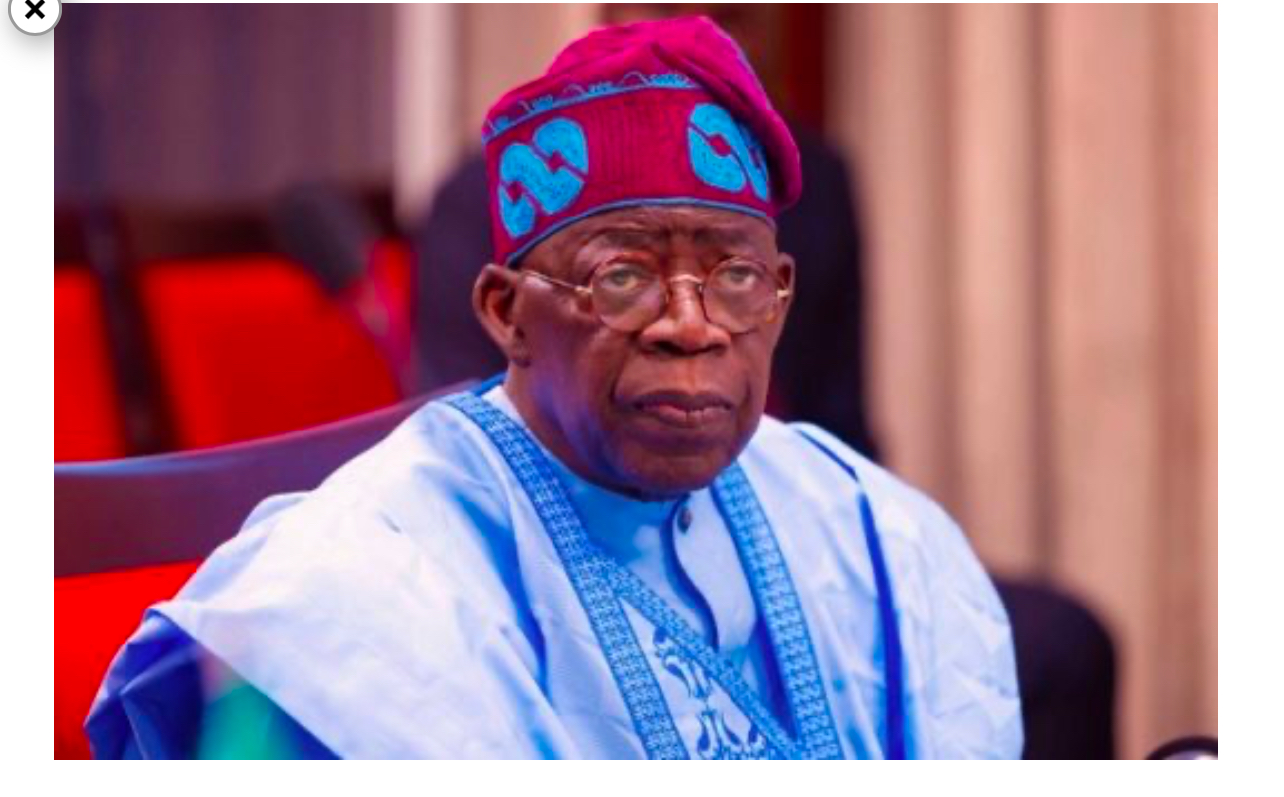
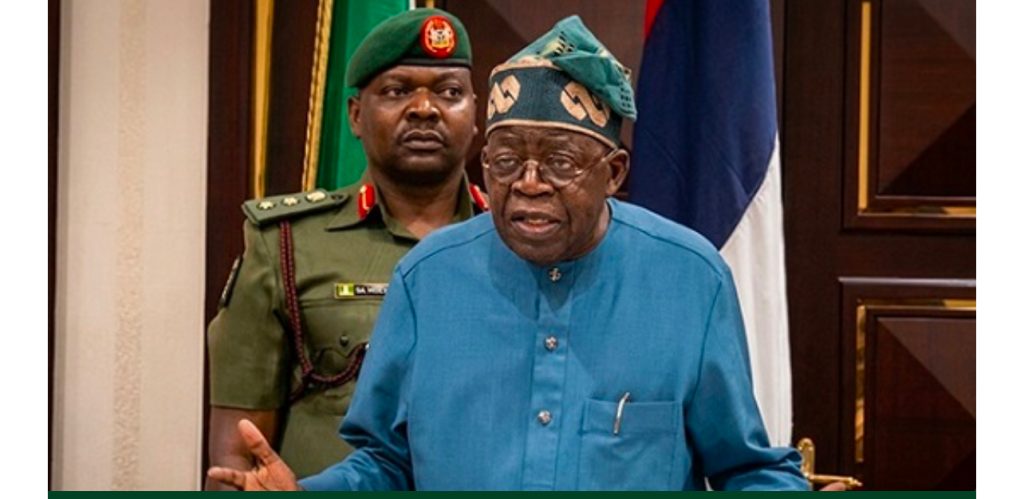
President Bola Tinubu has directed the Secretary to the Government of the Federation, George Akume, to ensure the release of all funds approved for the regional commissions.
Tinubu gave the directive on Monday at the North Central Development Commission Summit, themed “The Great Leap Forward: A 20-Year Economic Infrastructure and Social Development Plan for the North Central Region.”
Akume, who represented the President at the summit, said the creation of regional development commissions was part of the administration’s Renewed Hope Agenda to accelerate development across the country.
“Government will continue to give the NCDC and other Regional Development Commissions the political and financial backing to embark on key projects that will unlock the economic and industrial potentials of the nation.
“I therefore direct the Secretary to the Government of the Federation to ensure that all funds accruable to the Commissions are released as and when due,” he said.
The President, however, said the commissions should not rely solely on government funding, urging them to explore public-private partnerships, donor funding and development financing for transformative projects.
He said the commissions were expected to focus on major projects in rail, air transportation, industrialisation, security, investment, human capital development, education and health.
Tinubu also warned the boards and management of the commissions against corruption, marginalisation, politicisation and misuse of government resources.
“Such actions will not be tolerated, and government will not hesitate to sanction anyone found culpable,” he said.
The President said the regional commissions were not established to replace or duplicate the functions of state and local governments or existing federal institutions.
He said the North Central Development Commission should support efforts to address the security challenges in the region, stressing that development could only take place in a stable environment.
Meanwhile, the Nasarawa State Governor and Chairman of the North Central Governors’ Forum, Abdullahi Sule, said the region possessed the human and natural resources needed to drive economic development.
Sule said the region had demonstrated its capacity in agriculture, mining and industrial production, stressing the need to move from the extraction of raw materials to processing and value addition.
“When you are mining in North Central, you must also process in North Central,” the governor said.
He cited the establishment of a cement factory in Kogi State as an example of how local processing could transform Nigeria’s economy.
The governor said Nasarawa State, which had more than 400 steel licences when he assumed office in 2019, previously had no processing plant despite its mineral resources.
He said the state had since become home to the country’s largest and second-largest lithium processing plants.
“The North Central is the home of Benue cement. The North Central is the home of rice production. The North Central is the home of sesame production. So we have it all. Whatever it is that we are looking for, we have it,” Sule said.
He said what the region needed was leadership capable of developing and implementing long-term plans.
“What do we need more? We need thinkers. We need implementers. We need people who understand what it means to lead,” he said.
Sule also commended the Tinubu administration’s economic reforms, saying the policies had increased revenues available to the federal, state and local governments.
“Today, we are paying salaries without borrowing money from the bank. Even if you hate him, you cannot hate his policies. Even if you disagree with him, you cannot disagree with his policies. And that is the only way we can build,” he said.
Earlier, the Chief Executive Officer of the North Central Development Commission, Cyril Tsenyil said the commission’s role was to coordinate regional development and mobilise resources and partnerships rather than replace the six state governments and the Federal Capital Territory.
He said the commission’s 20-year plan would focus on developing regional economic corridors, processing agricultural and mineral resources, improving infrastructure and creating opportunities for young people.
He said the region should aspire to become one of Africa’s most competitive agricultural regions rather than merely being known as Nigeria’s agricultural hub.
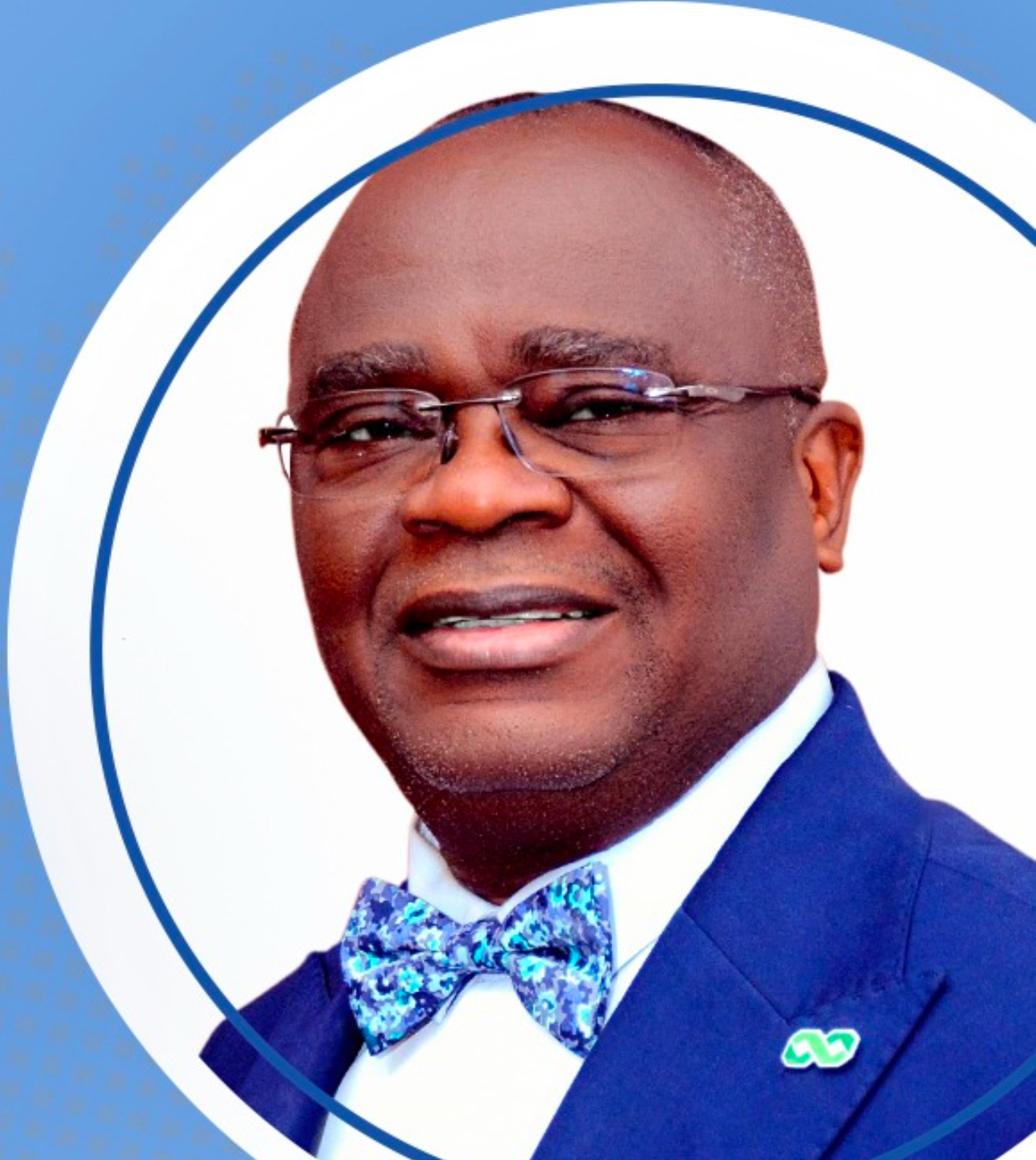
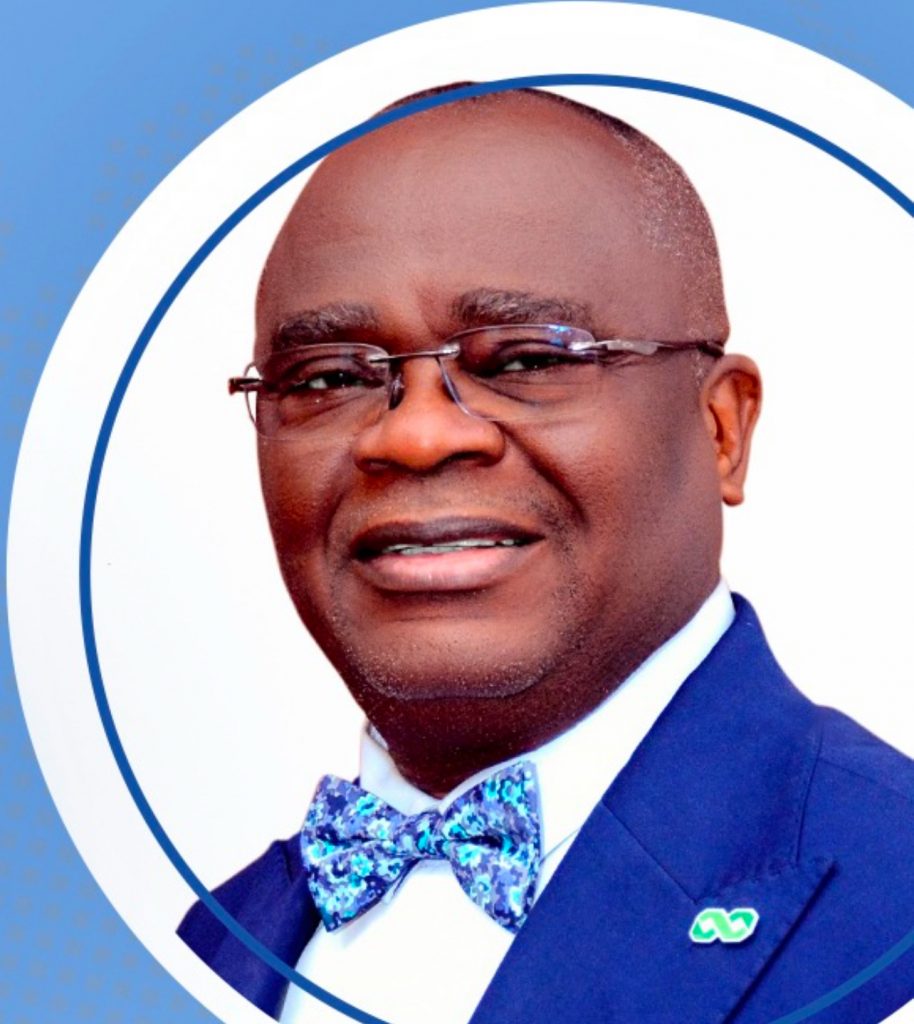
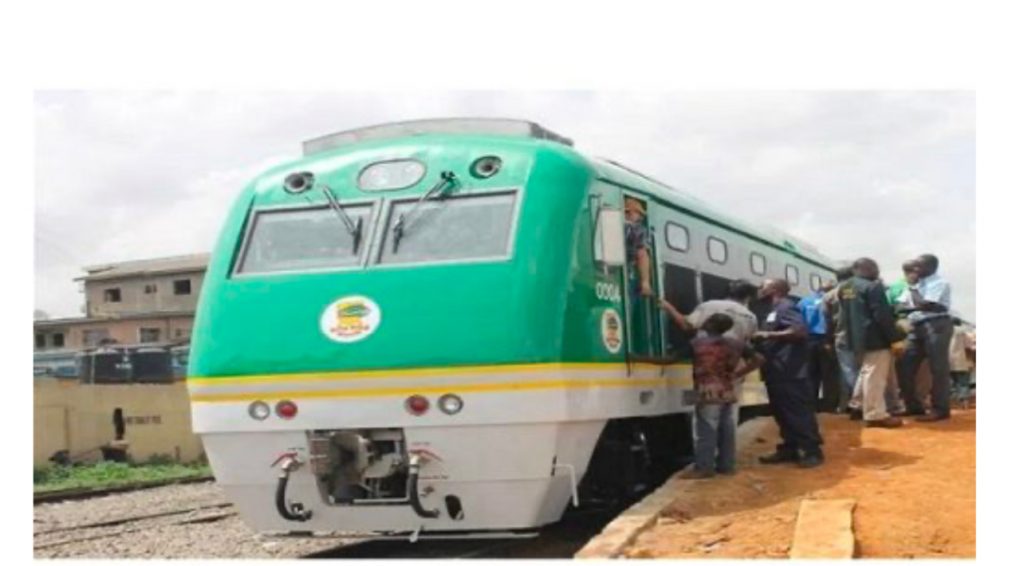 The Managing Director/Chief Executive Officer of the Nigerian Railway Corporation (NRC), Dr. Kayode Opeifa, has said an efficient railway system will boost Nigeria’s GDP, strengthen trade and food security, reduce transportation costs and improve the general standard of living.
Speaking on TVC’s This Morning Show, Opeifa said the Corporation is focused on optimising existing railway assets while encouraging greater participation by state governments, regional development commissions and the private sector.
“The NRC is not doing badly, but we could do better. We should have been better than where we are today if not for many years of inaction,” he said.
He explained that Nigeria inherited an extensive railway network linking major parts of the country, but decades of inadequate investment and the abandonment of the narrow-gauge system during the modernisation drive created major setbacks.
According to him, the present administration is correcting past mistakes by rehabilitating existing lines, expanding the standard-gauge network and strengthening partnerships with states.
Opeifa said moving railway matters from the Exclusive Legislative List to the Concurrent List has opened fresh opportunities for states and private investors.
He cited the Lagos Red Line as a successful example of what he described as “Railing with the States,” adding that similar initiatives are being pursued in Plateau and Zamfara states.
He also disclosed that regional development commissions and state governments across the South West, South East, North East and North Central are engaging the NRC on railway development.
“Every state and region is now showing interest, and the national government is ready,” he said.
On freight development, Opeifa said the Federal Government had completed the connection of the Lagos-Ibadan Standard Gauge Railway to the port, while goods are also being moved from Apapa towards Ilorin on the narrow gauge.
It
He added that arrangements had been concluded to move freight from Lagos to Kano, Kaduna and Minna, stressing that the Corporation is determined to keep existing railway corridors commercially active.
The NRC boss said the Port Harcourt-Aba section of the Eastern corridor had also been completed and was operational.
He identified poor road links to railway stations as a major challenge to intermodal transportation and urged state governments to provide efficient connections between railway stations, cities and public transport networks.
According to him, railway remains a major driver of industrial development, supporting factories, agriculture, mining, petroleum distribution and inland container movement.
He said completion of rehabilitation works on the Western Line would create opportunities for increased movement of petroleum products and other freight by rail, thereby reducing pressure on roads.
Opeifa also disclosed that the NRC is exploring opportunities in livestock and agricultural transportation, including the use of refrigerated wagons for perishable goods.
On regional connectivity, he said Nigeria’s railway links with neighbouring countries would strengthen trade and give landlocked countries access to Nigerian seaports.
He expressed optimism that the Kaduna-Kano railway project could be completed by December 2026, paving the way for rail movement from Abuja to Kano.
Speaking on the suspended Warri-Itakpe Train Service, Opeifa apologised to passengers and said safety remained the Corporation’s priority.
He explained that although track rehabilitation and a test run had been completed, passenger operations would not resume until safety audits of the track, equipment and personnel were concluded.
Opeifa also said the NRC had completed a proof of concept for the use of Liquefied Natural Gas in railway operations and remained committed to tackling ticket racketeering.
“If we get the railway system right, our GDP will increase, farmers and small businesses will benefit, inflation will continue its downward movement and the general standard of living will improve,” he said.
He urged state and local governments, regional development bodies and private investors to take advantage of opportunities in the railway sector.
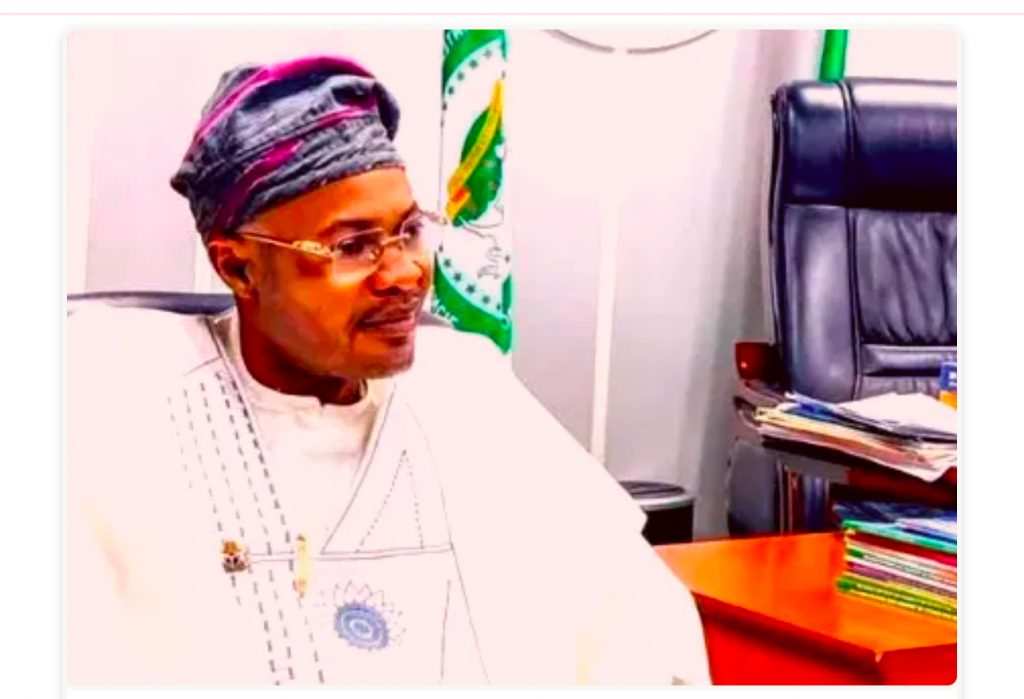
The Federal Government has barred ministers, heads of ministries, departments and agencies and other government appointees from embarking on official foreign trips without prior approval from the Office of the Secretary to the Government of the Federation.
The government also directed the Ministry of Foreign Affairs to make evidence of valid approval from the Office of the Secretary to the Government of the Federation a mandatory requirement for processing official travel documents, including official, diplomatic and service visas for government appointees.
The directive was contained in a circular signed by the Secretary to the Government of the Federation, George Akume, and addressed to top government officials and heads of major Federal Government institutions.
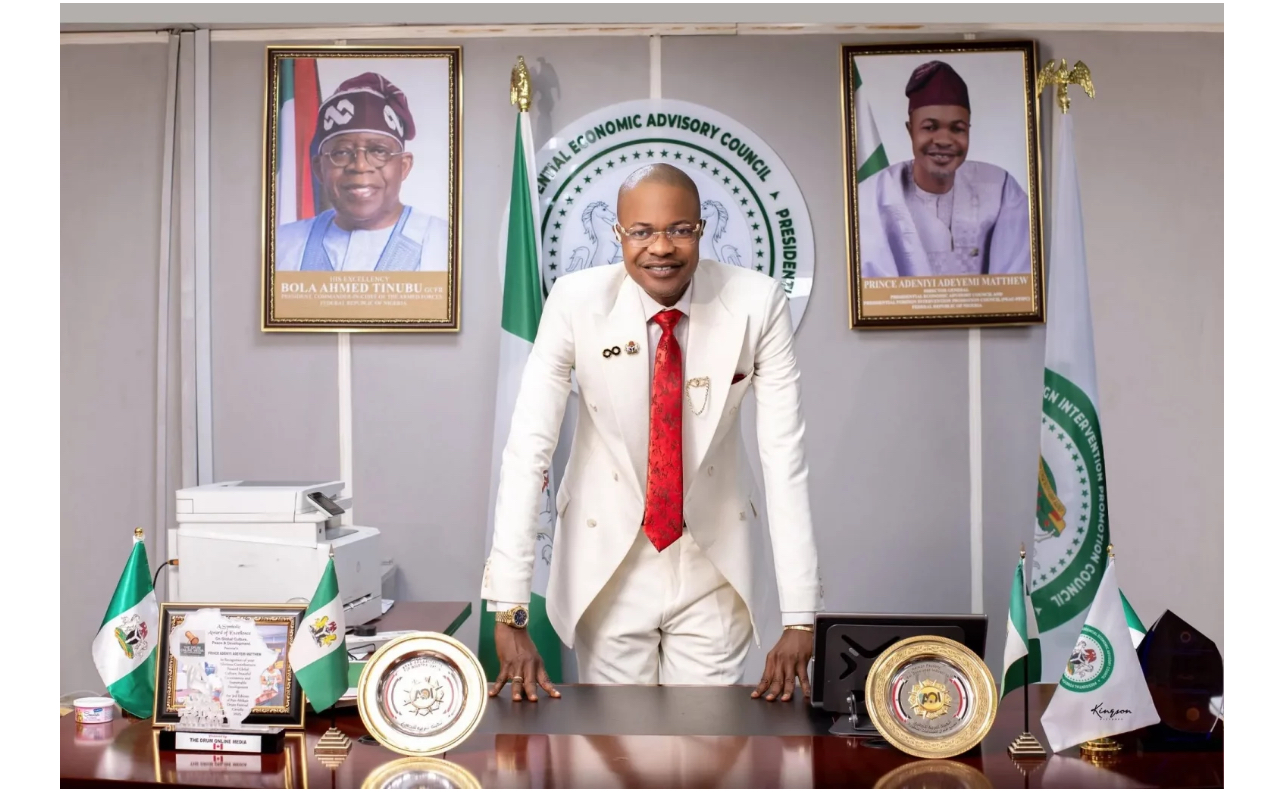
The move comes amid heightened scrutiny of government agencies and individuals claiming to represent the Federal Government, following the controversy surrounding the self-styled Director-General of the purported Presidential Foreign Intervention Promotion Council, Prince Adeniyi Adeyemi.
The controversy has raised questions about how individuals claiming official status can undertake engagements in the name of Nigeria, including foreign engagements, without clear evidence of government authorisation.
However, the latest directive is broader and applies to Federal Government appointees generally.
The circular, titled “Non-Compliance by Government Appointees with the Requirement for OSGF Approval for Official Foreign Trips and the Mandatory Inclusion of OSGF Approval in the Processing of Official Visas,” said the government had observed that some officials continued to embark on official foreign trips without obtaining the required clearance.
It stated, “It has been observed with concern that some Federal Government Appointees continue to embark on official foreign trips without obtaining prior approval from the Office of the Secretary to the Government of the Federation (OSGF), contrary to extant government directives and established administrative procedures regulating official travels outside the country.”
The SGF recalled that the government had issued several circulars over the years to regulate official foreign travel by ministers, heads of ministries, departments and agencies, boards, committees and other public officials.
According to the circular, these directives were issued “with a view to promoting accountability, fiscal discipline and effective coordination of Government business.”
The circular listed a September 18, 2023, circular on “Guidelines for Official Travels by Cabinet Members, Heads of Agencies and Public Officials”, a March 31, 2015, circular on “Guidelines for Official Trips by Chairmen of Federal Government Committees, Boards of Corporations and Government-Owned Companies” and a September 27, 2017, circular on “Additional Cost Control Measures to Guide Foreign Trips by Ministers and Senior Government Officials.”
It also referenced a March 8, 2018, circular on “Observed Indifferent Adherence to Extant Regulations Guiding the Conduct of Foreign Trips by Public Officials” and a November 20, 2012, circular on “Further Cost-Cutting Measures and Fiscal Prudence on Travel by Cabinet Members.”
Despite the previous directives, the SGF said cases of non-compliance had persisted.
The circular stated, “Despite these directives, instances of non-compliance continue to be recorded.”
It warned that the development had broader implications for government administration, stating, “This trend undermines Government’s efforts to ensure proper coordination, accountability, transparency, prudent management of public resources and effective monitoring of official foreign engagements undertaken on behalf of the Federal Government of Nigeria.”
The government consequently reaffirmed the requirement for prior clearance.
The circular stated, “Accordingly, all official foreign trips undertaken by Federal Government appointees shall continue to require prior approval from the Office of the Secretary to the Government of the Federation before such trips are undertaken, except where otherwise expressly provided by law or by specific Presidential directive.”
It added, “This requirement is consistent with the principles of due process, centralised coordination of government business and prudent management of public resources, as reflected in the Public Service Rules, 2021 Edition, the Financial Regulations (Revised Edition, January 2009) and other extant Government directives.”
As part of the immediate measures to strengthen compliance, the Ministry of Foreign Affairs has been directed to ensure that evidence of OSGF approval forms part of the documentation required for official foreign travel.
The circular directed that “The Ministry of Foreign Affairs shall include evidence of valid OSGF approval, where applicable, as a mandatory requirement in the processing of requests for official Notes Verbales, diplomatic facilitation and all applications relating to official foreign travel by Government Appointees.”
The ministry was further directed to communicate the requirement to foreign missions and embassies operating in Nigeria.
It stated, “The ministry is further requested to formally communicate this requirement to all Foreign Missions and Embassies accredited to the Federal Republic of Nigeria, advising that applications for Official, Diplomatic or Service Visas by Government Appointees should, where applicable, be accompanied by duly issued OSGF travel approval as part of the mandatory supporting documentation.”
The new measure therefore gives foreign missions an additional means of verifying whether a Nigerian government official travelling on official business has received the required authorisation.
The Office of the Auditor-General for the Federation was also assigned responsibility for checking compliance with the directive during audit exercises.
According to the circular, “The Office of the Auditor-General for the Federation shall require every government appointee who undertook an official foreign trip at public expense to produce evidence of the requisite OSGF approval during audit exercises.”
The government further warned that public funds spent on unauthorised foreign trips would be subject to scrutiny.
It stated, “Any expenditure incurred in respect of official foreign travel undertaken without the required approval shall be reported appropriately in accordance with extant Financial Regulations and applicable audit procedures.”
The directive also places a direct responsibility on accounting officers and heads of Federal Government institutions to prevent the processing of public funds for unauthorised trips.
It stated, “Accounting Officers, Permanent Secretaries, Chief Executive Officers and Heads of Federal Government Agencies shall ensure that no expenditure relating to official foreign travel by government appointees is processed unless the requisite OSGF approval has first been obtained.”
The SGF consequently directed all ministers, permanent secretaries, accounting officers and heads of ministries, departments and agencies to ensure compliance.
The circular stated, “All Honourable Ministers, Permanent Secretaries, Accounting Officers and Heads of Ministries, Departments and Agencies are hereby directed to ensure strict compliance with the provisions of this Circular.”
It further stated that the directive was effective immediately, declaring, “This circular takes immediate effect and supersedes any administrative practice inconsistent with its provisions, without prejudice to existing extant regulations governing official foreign travel.”
The circular was addressed to the Chief of Staff to the President; Deputy Chief of Staff to the Vice President; all Honourable Ministers and Ministers of State; Head of the Civil Service of the Federation; National Security Adviser; Economic Adviser to the President; Special Advisers and Senior Special Assistants.
It was also addressed to the Chief of Defence Staff, Service Chiefs and Inspector-General of Police; Governor of the Central Bank of Nigeria; Chairman, Federal Civil Service Commission; Chairman, Police Service Commission; Chairman, Code of Conduct Bureau; Chairman, Code of Conduct Tribunal; Chairman, Federal Character Commission; Chairman, Revenue Mobilisation, Allocation and Fiscal Commission; Chairman, Federal Inland Revenue Service; Chairman, Independent National Electoral Commission; Chairman, National Population Commission; Chairman, Independent Corrupt Practices and Other Related Offences Commission; Chairman, Economic and Financial Crimes Commission and Chairman, National Drug Law Enforcement Agency.
Other recipients listed in the circular were all permanent secretaries and Heads of Extra-Ministerial Departments; Clerk of the National Assembly; Chief Registrar of the Supreme Court of Nigeria; Accountant-General of the Federation; Auditor-General for the Federation; and Directors-General and Chief Executives of Parastatals, Agencies and Government-Owned Companies.
The breadth of the recipients means the directive covers ministers, senior political appointees, permanent secretaries, security chiefs, heads of regulatory and anti-corruption bodies, electoral institutions, financial institutions, government agencies and government-owned companies.
The development is coming against the backdrop of the controversy over the purported PFIPC, which has drawn attention to the need for stronger verification of individuals and organisations claiming to represent the Federal Government.
The purported PFIPC and its self-styled Director-General, Adeyemi, have been at the centre of investigations into alleged impersonation and the use of questionable government documents.
The matter has also raised concerns about how purported government officials could engage public institutions and foreign entities while claiming to represent Nigeria.
The latest directive, however, does not single out the purported PFIPC or Adeyemi.
Instead, it establishes a general requirement that government appointees must obtain central approval before undertaking official foreign engagements.
By directing the Ministry of Foreign Affairs to demand evidence of OSGF approval, the government is also creating a formal verification mechanism for foreign missions processing travel documents for Nigerian officials.
The financial provisions of the circular further link official travel approval to accountability for public expenditure, as accounting officers have been directed not to process expenses relating to foreign trips unless the required approval has been obtained.
The measures are expected to strengthen the Federal Government’s control over official foreign engagements, reduce unauthorised travel and ensure that persons travelling abroad in the name of the government have the necessary approval to represent Nigeria.


-
 news6 years ago
UPDATE: #ENDSARS: CCTV footage of Lekki shootings intact – Says Sanwo – Olu
-
 lifestyle6 years ago
Former Miss World: Mixed reactions trail Agbani Darego’s looks
-
 health6 years ago
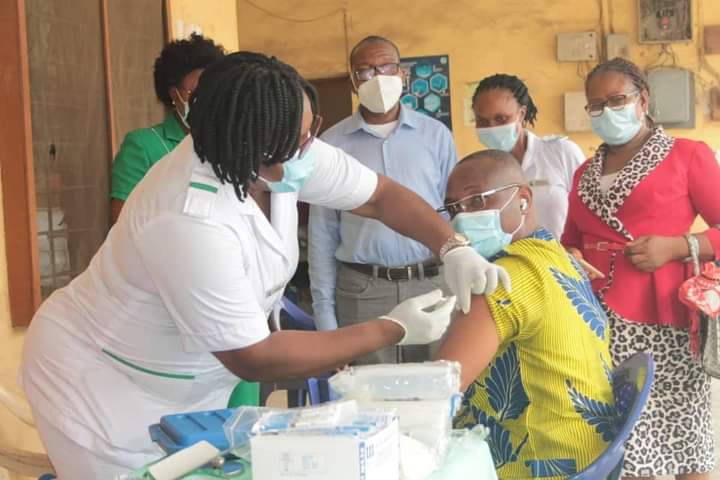
Chairman Agege LG, Ganiyu Egunjobi Receives Covid-19 Vaccines
-
 lifestyle5 years ago
Obateru: Celebrating a Quintessential PR Man at 60
-
 news1 year ago
BREAKING: Tinubu swears in new NNPCL Board
-
 health6 years ago
UPDATE : Nigeria Records 790 new cases of COVID-19
-
 entertainment2 years ago
Ashny Set for Valentine Special and new Album ‘ Femme Fatale’
-
 health6 years ago
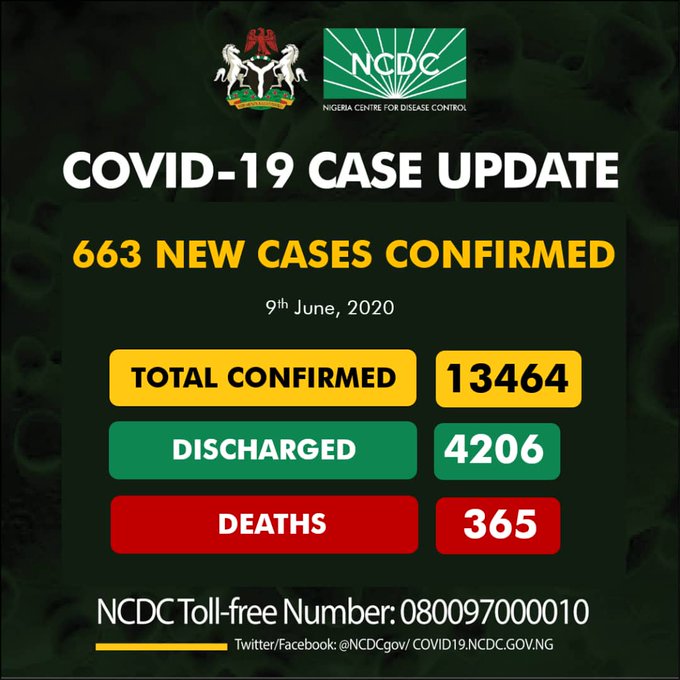
BREAKING: Nigeria confirms 663 new cases of COVID-19