
news
Appeal Court in Enugu Dismisses Innoson’s Preliminary Objections Against GTBank

- Ogunwumiju also ruled that, “The fact that the respondent counsel raised objections to some of the grounds of appeal is not a bar that can deprive the appellant of the right to amend his notice of appeal.
The respondent has not argued that the notice of appeal that the appellant is seeking to amend is fundamentally defective. He has failed to identify any substantial or legally acceptable reason to support the objection.
There is no limitation of time to amend a notice of appeal, the objection by Innoson is not only frivolous but is vexatious and hereby dismissed”, she ruled.
Concluding her ruling, Justice Ogunwumiju noted that “this court had at an earlier adjourned date observed that it found it strange that Innoson, a judgment creditor will be employing all manner of tactics to delay the hearing of the substantive appeal entered in this court as far back as 2013”.
“I see no reason to refuse the appellant’s (GTBank) request to amend its notice of appeal”.
“Everyone in this judicial drama knows that the substantive appeal must be decided in this court and no matter how much time is wasted, the Supreme Court can only hear the substantive matter after it has been decided in this court”.
“Without any disrespect to whatever legal gymnastics being displayed by the 1st to 4th Respondents’ (Innoson) Counsel, these are the types of practices that give the administration of Justice a bad name considering that this case involves money and has been hanging in this court since 2013”.
“Considering all the reasons and circumstances set out above, I hold that it is in the interest of Justice that the appellants application be granted in terms of the following orders:
• Leave is granted to the Appellant (GTBank) to raise new issues in this appeal,
• Leave is granted to the Appellant (GTBank) to amend its notice of appeal in terms of the particulars and specifics highlighted in its supporting Affidavit
• The amended notice of appeal which has already been filed and served is properly filed and served
• Leave is granted the Appellant (GTBank) to amend its brief of argument to reflect the reliefs granted.
Delivering ruling yesterday, Justice Ogunwumiju held that, the court would be in serious error if it decides to wait and hear Innoson Motors preliminary objection.
“There is no doubt that the application for amendment of the notice of appeal will, if successful, give the appeal a chance of being considered and disposed-off on the merit rather than on technicalities. It is implicit in the constitutional rights of fair hearing that parties in a case be accorded every reasonable opportunity of being heard, and that extends to the right to amend their processes and place before the court all the issues they may wish to canvass to enable the court reach a fair and just conclusion”.
The Court of Appeal sitting in Enugu yesterday dismissed the preliminary objections brought before it by the Chairman of Innoson Motors, Chief Innocent Chukwuma and his company, Innoson Motors Ltd.
Innoson arguing through his counsel, Prof. McCarthy Mbadugha had at the last hearing of the matter on June 14, 2018 raised objections to a motion brought before the court by GTBank seeking to amend its notice of appeal before the court.
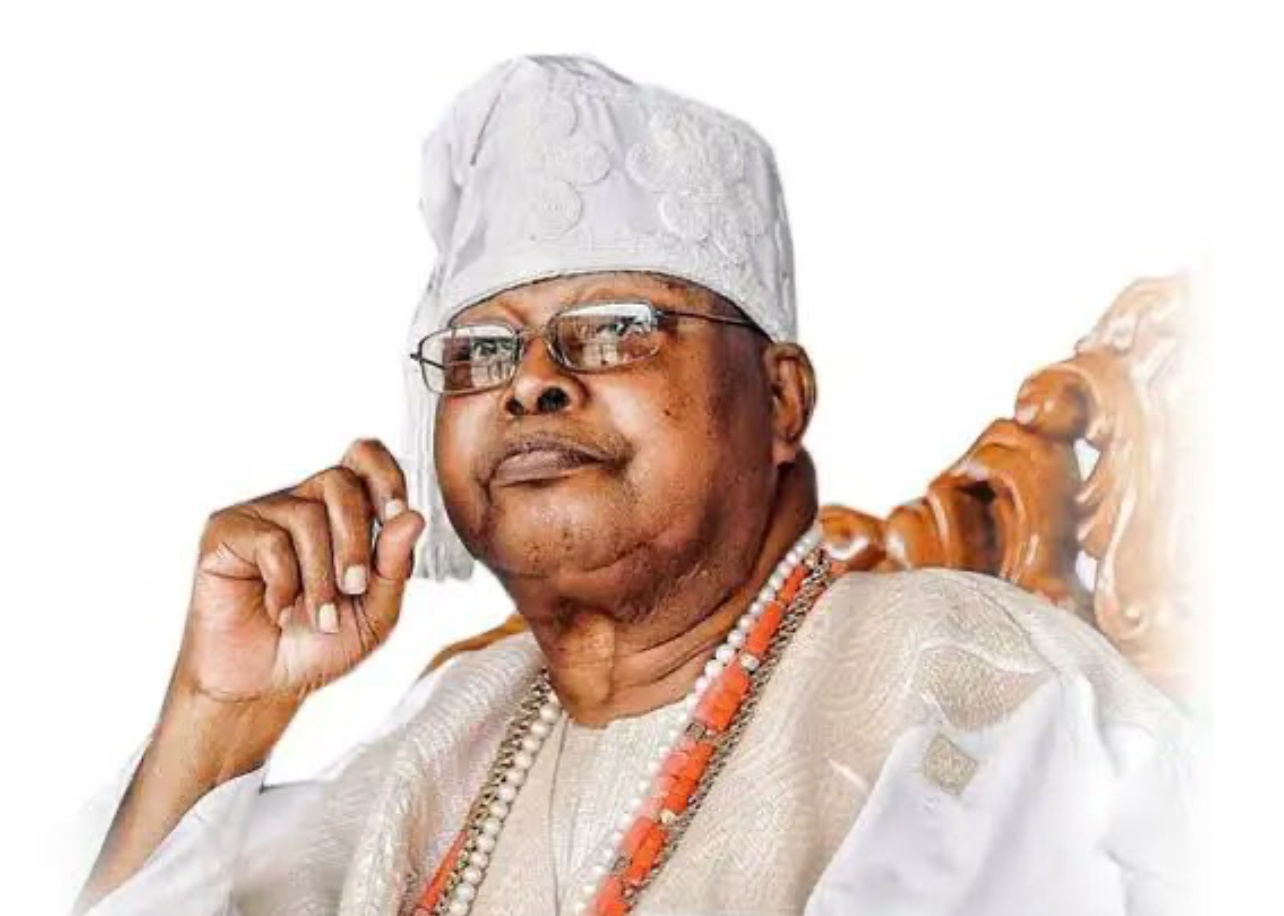
 The Awujale and paramount ruler of Ijebuland, Oba Sikiru Kayode Adetona, has passed away at the age of 91.
The respected monarch reportedly died on Sunday, just hours after the announcement of the death of his longtime friend and former President, Muhammadu Buhari.
Mourning his passage, a prince of Ijebu, Prince Adedoyin Alatishe wrote on X, “Baami Ogbagba agbatewole , Erin wo. Omo anikilaya saagbu.”
Adetona, who ascended the throne in 1960, was one of Nigeria’s longest-reigning traditional rulers and widely revered for his contributions to the sociopolitical development of Ijebuland and Ogun State at large.
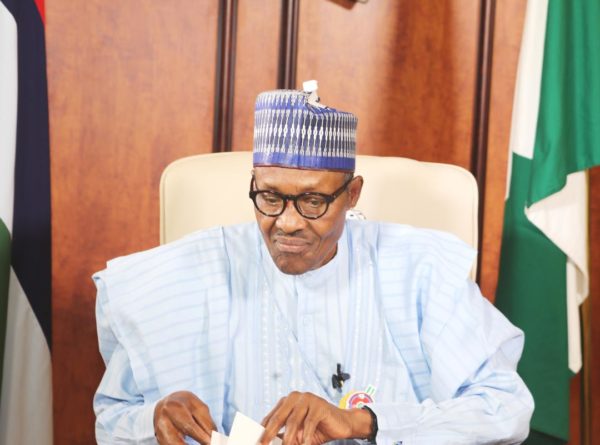
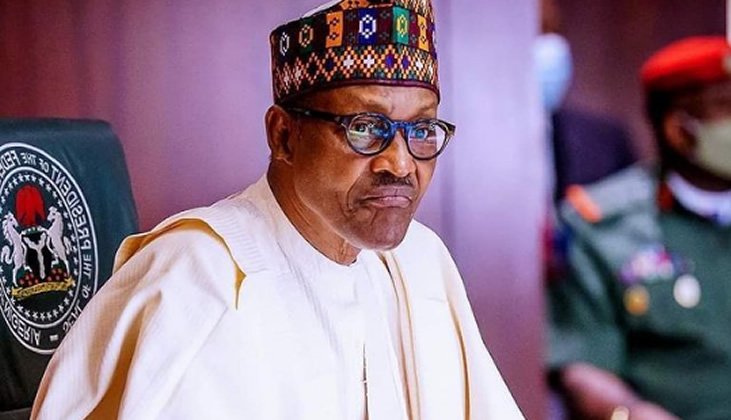 Former president muhammadu Buhari has died at a hospital in London this afternoon according to the family, He was former military head of state in 1983.
The family of the former president has announced the passing on of the former president, Muhammadu Buhari, GCFR, this afternoon in a clinic in London. May Allah accept him in Aljannatul Firdaus, Amin.”
Detials later
news
Breaking : Tinubu returns to Abuja tonight after diplomatic visits to Saint Lucia, Brazil,Says Onanuga
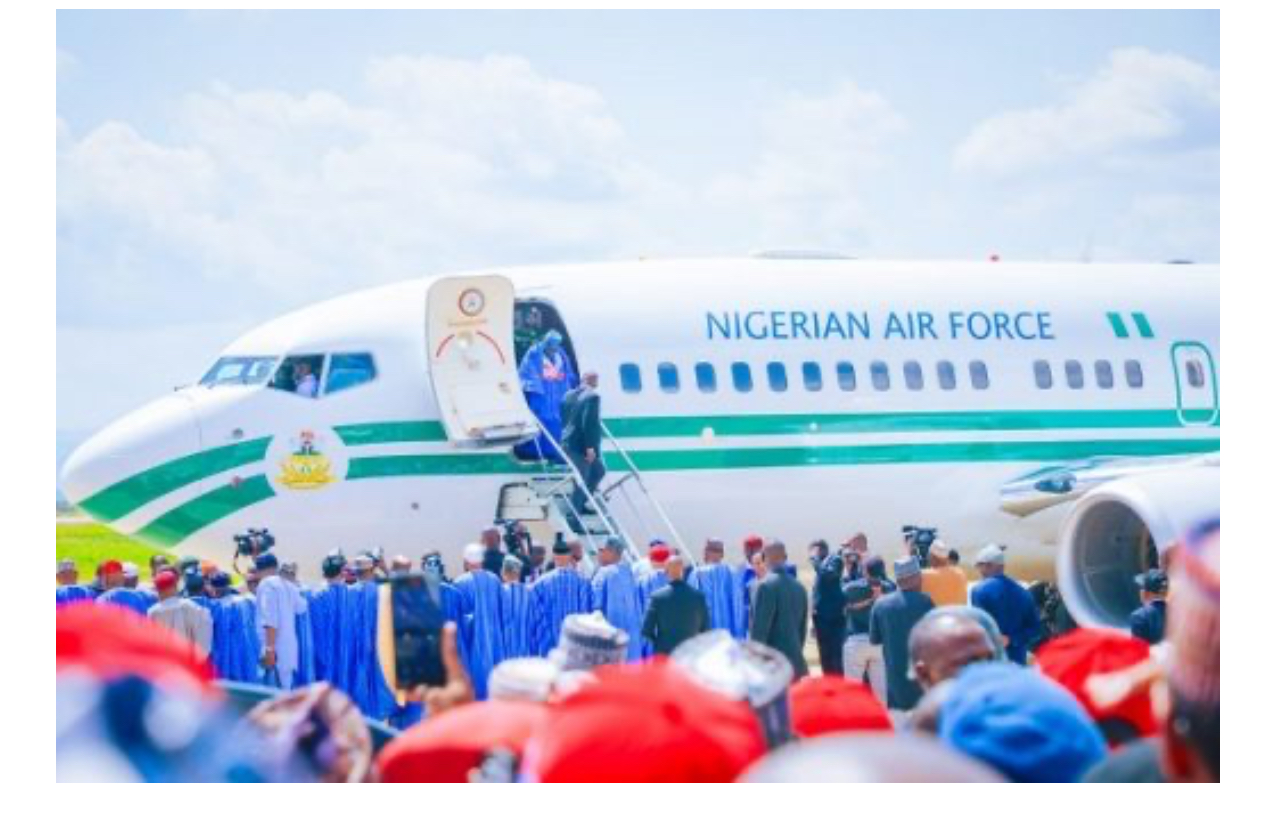
 President Bola Ahmed Tinubu is expected to arrive Abuja later tonight following a two-nation diplomatic tour that took him to Saint Lucia in the Caribbean and Brazil in South America.
His return was confirmed in a message posted on Saturday afternoon by the Special Adviser to the President on Information and Strategy, Mr. Bayo Onanuga, on his verified X handle, @aonanuga1956.
“President Bola Ahmed Tinubu returns to Abuja today after his two-nation visit to Saint Lucia and Brazil,” the presidential aide stated.
The President departed Nigeria on Saturday, June 28 for what was described as a strategic outreach aimed at strengthening ties with regions historically under-engaged in Nigeria’s diplomatic matrix.
His first stop was Saint Lucia, where he made a historic visit to build new ties and explore emerging partnerships with Caribbean states.
While in Saint Lucia, Tinubu interacted with regional leaders under the Organisation of Eastern Caribbean States (OECS), reinforcing Nigeria’s growing interest in Caribbean diplomacy and South-South cooperation.
He subsequently proceeded to Brazil to participate in the 17th BRICS Summit held in Rio de Janeiro.
On the sidelines of the summit, President Tinubu held a bilateral meeting with his Brazilian counterpart, President Luiz Inácio Lula da Silva.
The leaders co-chaired the Nigeria-Brazil high-level bilateral meeting , where they discussed mechanisms to boost trade, infrastructure financing, and cultural cooperation between Africa’s most populous country and Latin America’s largest economy.
With the President’s return, focus is expected to shift to domestic engagements and follow-up actions on the diplomatic and investment commitments made during his foreign tour.


-
 news5 years ago
UPDATE: #ENDSARS: CCTV footage of Lekki shootings intact – Says Sanwo – Olu
-
 news2 years ago
Environmental Pollutions : OGONI COMMUNITY CRIES OUT, THREATENS TO SHUT DOWN FIRSTBANK,SHELL OIL COMPANY OPERATIONS FOR NOT PAYING COURT AWARD
-
 lifestyle5 years ago
Former Miss World: Mixed reactions trail Agbani Darego’s looks
-
 health4 years ago
Chairman Agege LG, Ganiyu Egunjobi Receives Covid-19 Vaccines
-
 lifestyle4 years ago
Obateru: Celebrating a Quintessential PR Man at 60
-
 health5 years ago
UPDATE : Nigeria Records 790 new cases of COVID-19
-
 politics3 months ago
Breaking : Oborevwori , Okowa others dumps PDP, defects to APC
-
 news2 months ago
BREAKING: Tinubu swears in new NNPCL Board