
news
British PM, Health Secretary test positive for COVID-19

 ..More govt officials, aides expected to go into isolation
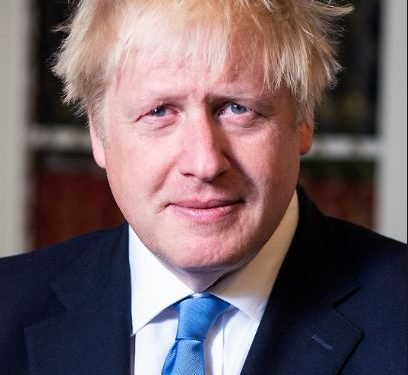
The Boris Johnson-led assault on the coronavirus pandemic in Britain took a twist on Friday after the prime minister and Health Secretary Matt Hancock announced that they had tested positive for the virus.
Their announcements came on a day the coronavirus death toll in the country jumped by 181 to 759 in what was described as Britain’s darkest day of the crisis yet.
Almost 3,000 more patients were diagnosed.
But Johnson vowed to keep working with messages of support flooding in for him.
More government officials including secretaries are expected to go into isolation after coming in contact with the PM following his appearance in the parliament on Wednesday.
“Over the last 24 hours I have developed mild symptoms and tested positive for coronavirus. I am now self-isolating, but I will continue to lead the government’s response via video-conference as we fight this virus. Together we will beat this,” Johnson said on Twitter.
He was also on video, saying: “Hi folks, I want to bring you up to speed on something that is happening today, which is that I have developed mild symptoms of coronavirus. That is to say a temperature and a persistent cough. And on the advice of the chief medical officer, I have taken a test.
“That has come out positive so I am working from home. I am self isolating. That is entirely the right thing to do.
“But be in no doubt that I can continue, thanks to the wizardry of modern technology to communicate with all my top team to lead the national fight back against coronavirus.”
A Downing Street source said: “After experiencing mild symptoms yesterday, the Prime Minister was tested for coronavirus on the personal advice of England’s Chief Medical Officer, Professor Chris Whitty.
“The test was carried out in No 10 by NHS staff and the result of the test was positive. In keeping with the guidance, the Prime Minister is self-isolating in Downing Street,” the source added.
Mr. Johnson’s pregnant partner Carrie Symonds is believed to be in self-isolation, although it is not known when they last saw each other or if she has been checked.
Labour leader Jeremy Corbyn wished him “a speedy recovery and hope his family are safe and healthy.
“Coronavirus can and does affect anyone. Everyone be safe. Our own health depends on everybody else.”
Former Health Secretary Jeremy Hunt tweeted: “Thoughts and prayers of whole nation with @BorisJohnson having tested positive for coronavirus.
“We are so grateful for your strong leadership at this time of crisis and know you will back with your trademark optimism before long! Thinking of you and Carrie.”
Ex-Chancellor Sajid Javid posted: “Whole Javid family and country thinking of you @BorisJohnson & @carriesymonds.
“Thank you for your strong leadership at a time of crisis. Get well soon!”
London Mayor Sadiq Khan said on Twitter: “Sorry to hear this and hope you feel better soon.
“Thank you for everything your Government is doing to help us fight this.
“This is a reminder that anyone can get #COVID19. We must all follow the rules and stay at home to support our amazing NHS staff to save lives.”
Shortly after Mr. Johnson made his status public, Hancock did same.
“I’ve tested positive. Thankfully my symptoms are mild and I’m working from home & self-isolating,” he said on Twitter.
The Queen, who last saw Johnson on March 11, was said to be in good health yesterday.
The 93-year-old monarch, whose son Prince Charles also has the infection, is said to be “following all the appropriate advice with regards to her welfare.”
A Buckingham Palace spokesman said: “Her Majesty the Queen remains in good health. The Queen last saw the Prime Minister on March 11 and is following all the appropriate advice with regards to her welfare.”
The UK’s coronavirus death toll went up to 759 yesterday after officials announced 181 more victims of the infection.
Almost 15,000 Britons have been infected, with 2,921 cases recorded in 24 hours.
Scotland yesterday confirmed eight more deaths, Wales six and Northern Ireland three – the rest occurred in England.
Spain death toll rises by 769 in single day
The Spanish Health Ministry said at least 4,858 people have died from coronavirus in Spain, with 64,285 cases recorded.
Seven hundred and sixty-nine people were recorded dead yesterday though the rate of increase was slower than in the previous two days.
On Thursday, Health Minister Salvador Illa, had said analysis of recent data from Spain indicated a “phase of stabilization” in the trend of diagnoses.
250,000 French citizens fined for ignoring coronavirus lockdown
NEARLY a quarter of a million French citizens have been fined for ignoring the government’s strict coronavirus lockdown rules.
French authorities said on Thursday that 365 people had been killed by the novel coronavirus within 24 hours, taking the hospital death toll to 1,696.
Nearly a quarter of a million French people have also been fined for flouting the government’s strict instructions to stay at home amid the worsening coronavirus pandemic, according to Interior Minister Christophe Castaner.
“Police have fined more than 225,000 people for non-respect of the confinement measures,” Mr Castaner said.
He added: “The lockdown should remain in place until we have won the battle against the virus.”
Restaurants, bars, shops, beauty salons and schools have been shut nationwide and people ordered to stay at home other than to buy food, medicines, travel to work, exercise or for urgent medical care.
Deaths in Italy rise by 919, highest daily tally since start of outbreak
Italy which has the highest number of confirmed cases in Europe yesterday recorded total deaths of 919 -the highest daily tally since the epidemic broke out on February 21.
The death toll in the country now stands at 9,134, the Civil Protection Agency said yesterday.
Until now the highest daily tally was the 793 recorded on March 21.
The total number of confirmed cases rose to 86,498 from a previous 80,539, taking Italy’s total past that of China, where the coronavirus epidemic emerged at the end of last year.

For decades, achieving economic independence in Nigeria has been limited by a fundamental deficit: access to reliable electricity.
In rural and peri-urban communities, often referred to as the “last mile,” small businesses, agro-processors, and households have historically survived on costly, polluting petrol generators or lived in complete darkness. However, a silent revolution has been taking place across the country. Led by the Rural Electrification Agency (REA), decentralized renewable energy solutions are systematically closing the energy gap. Driven by bold policy shifts and unprecedented private sector funding, the REA’s mini-grid solutions are not just illuminating homes, they are serving as a critical infrastructure backbone to catalyze the Central Bank of Nigeria’s (CBN) ambitious target of achieving a $1 trillion economy.
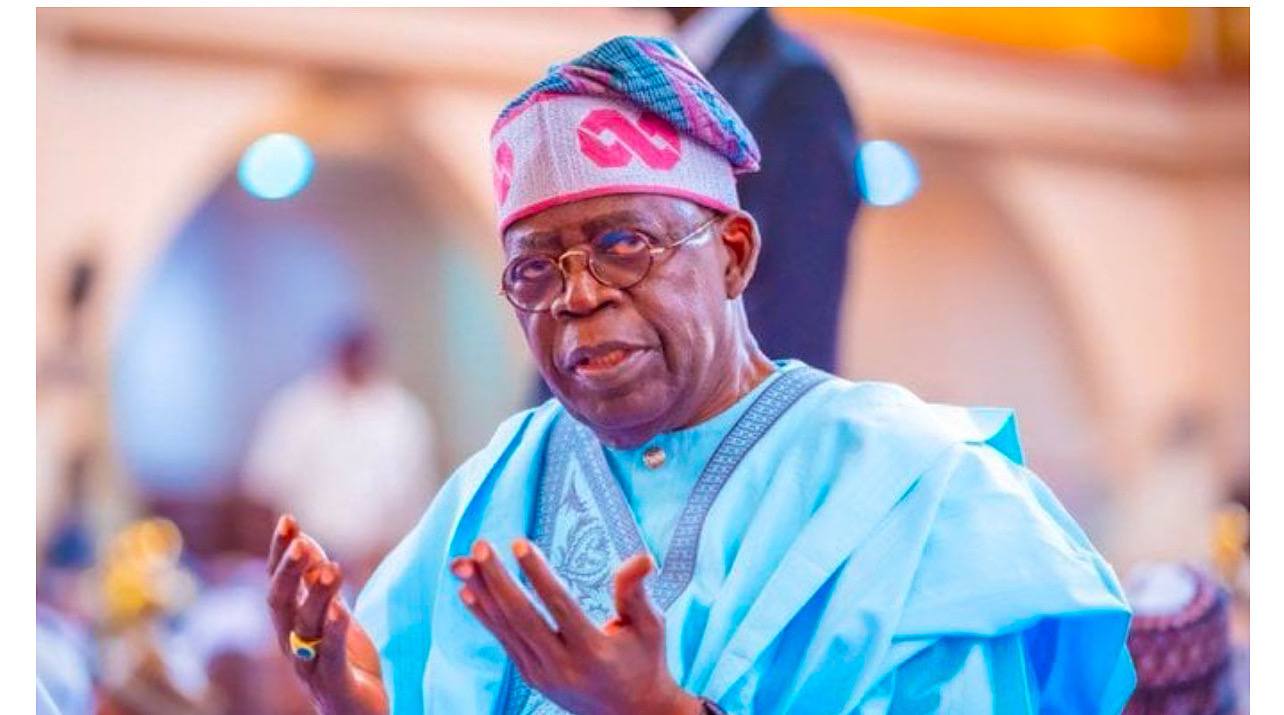
This rapid transformation underscores the strategic vision of the current administration. As President Bola Ahmed Tinubu marks his third year in office, this milestone stands as a testament to his administration’s foresight. By recognizing early on that the fragile national grid could not single-handedly carry the weight of Nigeria’s industrial ambitions, the President prioritized decentralized energy solutions to intentionally ease the burden on the national grid.
Of notable mention is Mr President’s appointment of Dr. Abba Aliyu as the Managing Director of the REA. Abba’s appointment has injected a much-needed dose of technocratic competence, corporate governance and execution speed into the agency, effectively turning a bottleneck into a launchpad for national growth.
Historically, the mention of the REA in Nigeria’s public discourse was frequently tied to headlines of systemic corruption, contract inflation, and abandoned projects. For years, the agency operated as a black box where public and international donor funds vanished into ghost electrification schemes, leaving rural communities in perpetual darkness.
Today, transparency has become the order of the day. At the heart of this institutional transformation is the deployment of advanced digital data platforms including the REA Project Monitoring and Performance Hub (MPH), the Nigeria SE4ALL web platform, and specialized tracking architectures managed alongside data partners like Odyssey. By utilizing real-time IoT (Internet of Things) remote monitoring and data portals, the REA tracks precisely how much power is generated and which communities are connected. This data-first architecture ensures full accountability to international donors, eliminates ghost projects, and guarantees that disbursements are strictly tied to verified performance.
Under the leadership of Dr. Abba Aliyu, Nigeria’s off-grid sector has undergone a massive structural shift, moving from a heavy reliance on imported technology to becoming a regional manufacturing powerhouse. Driven by deliberate government policies aimed at de-risking private capital, Nigeria’s installed local solar panel production capacity has skyrocketed from 120 megawatts (MW) to approximately 300MW.
With an additional 3.7 gigawatts (GW) of capacity currently in the development pipeline, Nigeria is fast positioning itself to anchor West Africa as a renewable energy manufacturing hub. Locally manufactured solar panels are already being exported from industrial corridors like Lagos to regional neighbors like Accra, Ghana.
This domestic manufacturing surge is underpinned by a groundbreaking regulatory environment. The Nigerian Electricity Regulatory Commission’s (NERC) Mini-Grid Regulations have expanded the allowable capacity for interconnected mini-grids to 10MW. By defining exactly how mini-grids interact with the main national grid, Nigeria has established one of the most progressive and investor-friendly regulatory frameworks in Africa, one that is currently being studied and replicated by countries like Mozambique, Benin Republic, Burkina Faso, and Niger.
At the center of REA’s current aggressive rollout is the Distributed Access through Renewable Energy Scale-Up (DARES) programme, widely recognized as the largest publicly funded renewable energy access initiative globally.
DARES is an ambitious $750 million initiative structured to pull an additional $1.1 billion in private sector investments through a results-based financing model. Under this mechanism, private developers must fully mobilize and deploy their own capital to build functioning energy infrastructure before unlocking financial incentives.
The impacts of the DARES initiative are aggresively mapped toward radical socio-economic transformation, aiming to provide clean, reliable electricity to over 17.5 million Nigerians, power over 2.5 million households across the federation, and launch 1,350 mini-grids, including 250 interconnected systems.
As at today, over 1000 mini grids are being developed across the country. Additionally, 48 Interconnected mini-grids are being deployed that will inject additional 288MW of clean reliable capacity are being deployed in collaboration with 11 Distribution Companies.
The REA has gone further to unlock private finance through partnerships with institutions like FCMB, Lotus Bank, and the International Finance Corporation (IFC), creating an expansive, decentralized energy ecosystem capable of sustaining itself long after public funds are exhausted.
The expansion of last-mile electrification directly intersects with macroeconomic objectives. The CBN’s blueprint for a $1 trillion economy relies heavily on boosting productivity in agriculture, expanding MSMEs (Micro, Small, and Medium Enterprises), and scaling up local manufacturing. The REA’s mini-grid solutions act as an economic multiplier for this vision in three distinct ways.
Firstly, it unlocks the agricultural value chain.
A significant portion of Nigeria’s wealth resides in its rural agrarian communities, which suffer from high post-harvest losses due to a lack of cold storage and processing facilities. By deploying solar mini-grids to agricultural hubs, the REA enables the operation of solar-powered mills, irrigation pumps, and cold storage units. This transitions subsistence farming into a commercialized, high-yield industry, drastically boosting rural GDP contribution.
Secondly, it reduces MSMEs operating costs.
High inflation and currency fluctuations heavily penalize businesses reliant on imported fuel for generators. Replacing petrol and diesel with predictable, cheaper solar energy immediately frees up operational capital for millions of small businesses such as salons, tailoring shops, welding centers, and healthcare facilities. These saved costs are directly reinvested into expanding operations and hiring more local labor.
Furthermore, the scale-up of mini-grid capacities to 10MW allows for the strategic deployment of large solar farms in border towns. This positions Nigeria to engage in cross-border electricity trade, selling off-grid power to neighboring West African border communities. This opens up entirely new foreign exchange revenue streams, strengthening the Naira and boosting regional trade volumes in line with sub-regional economic integration goals.
In addition, the REA signed a $700,000 Memorandum of Understanding (MoU) with the Economic Community of West African States (ECOWAS) Commission to electrify healthcare centers and 15 public universities across the Federal Capital Territory (FCT), Niger, and Nasarawa states. This initiative has already begun yielding tangible results, with active projects rolling out across institutions like the Federal University of Technology, Akure (FUTA).
The Rural Electrification Agency’s mini-grid solutions have evolved beyond basic social welfare into a primary driver of industrialization and economic formalization. By taking electricity to the last mile, the REA is activating trapped economic potential in regions that the traditional grid could not reach.
news
Eid-el-Kabir: Let’s Peace, Unity And Selflessness Be Our Watchword, Olowu Urges Muslim Ummah, Nigerians
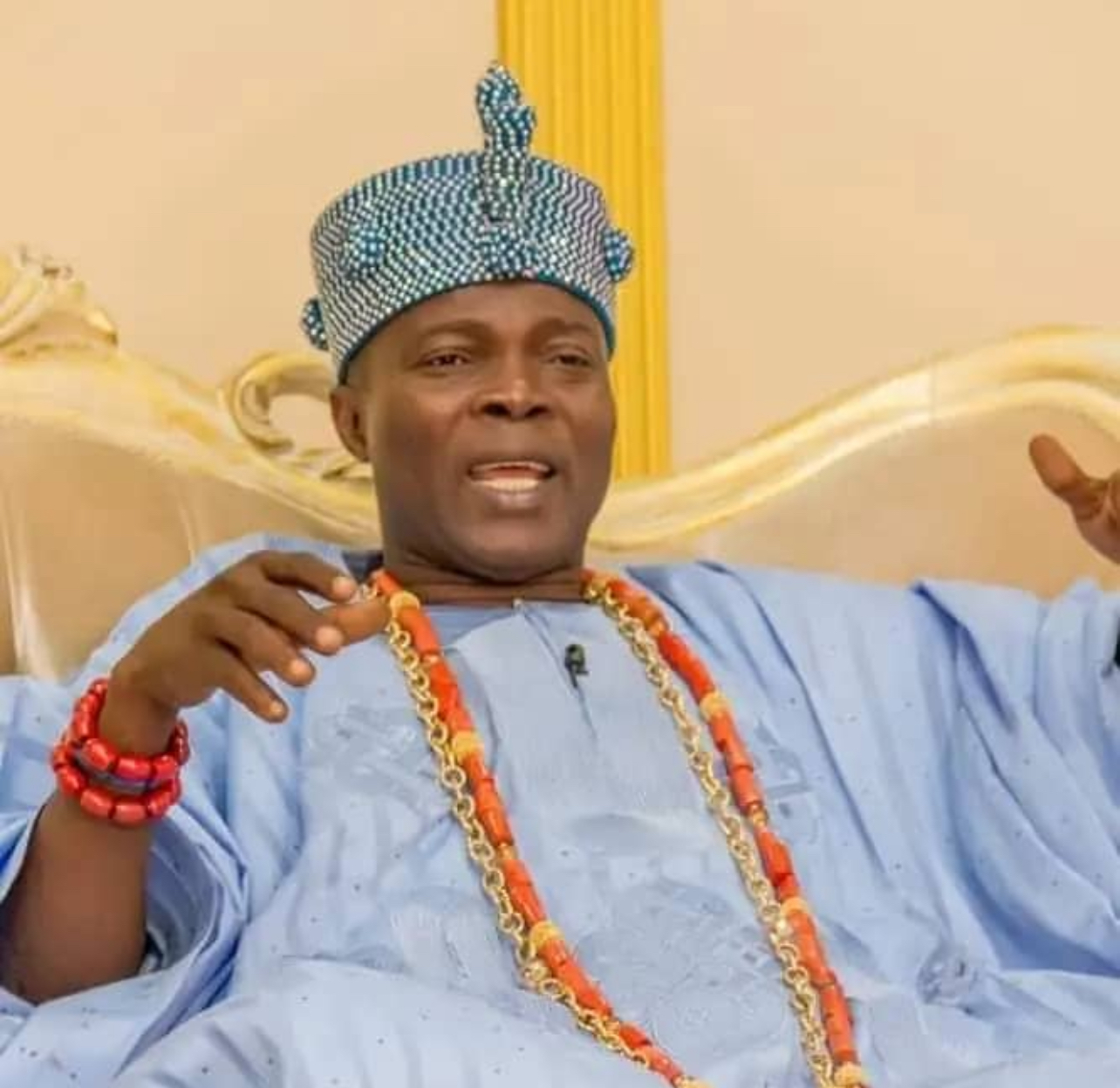
 Olowu of Kuta, HRM Oba Dr Hammed Makama Oyelude, CON, Tegbosun iii, has urged muslim Ummah and Nigerians to let peace , unity and selflessness be their watchword as the world observe the Eid-el-Kabir
The reverred monarch in his sallah message said Eid-el-Kabir remains a highly spiritual occasion that calls for dedication, commitment, and selflessness.
According to him, ” this is the time to reflect on the going on around us and preach messages of hope and unity devoid of any provocation.”
Oba Makama urged Nigerians to live together peacefully, irrespective of religious, political, and tribal affliation.
While calling on politicians to exercise restraint and refrain from any rhetoric that may inflame passion as we approach 2027 general elections, Oba Makama said what should be uppermost in the mind of every patriotic Nigerian is “Country first.”
The monarch, while wishing every Nigerian a peaceful celebration, maintained that people should be vigilant and not be overwhelmed by the insecurity, adding that armed forces and other para military forces are working round the clock to ensure hitch free celebration.
” The price wise men pay for eternal liberty is to be vigilant. I urged everyone to be moderate in celebration and reach out to the less privileged, widows and orphans “as our brothers and sisters keeppers,” Olowu added.
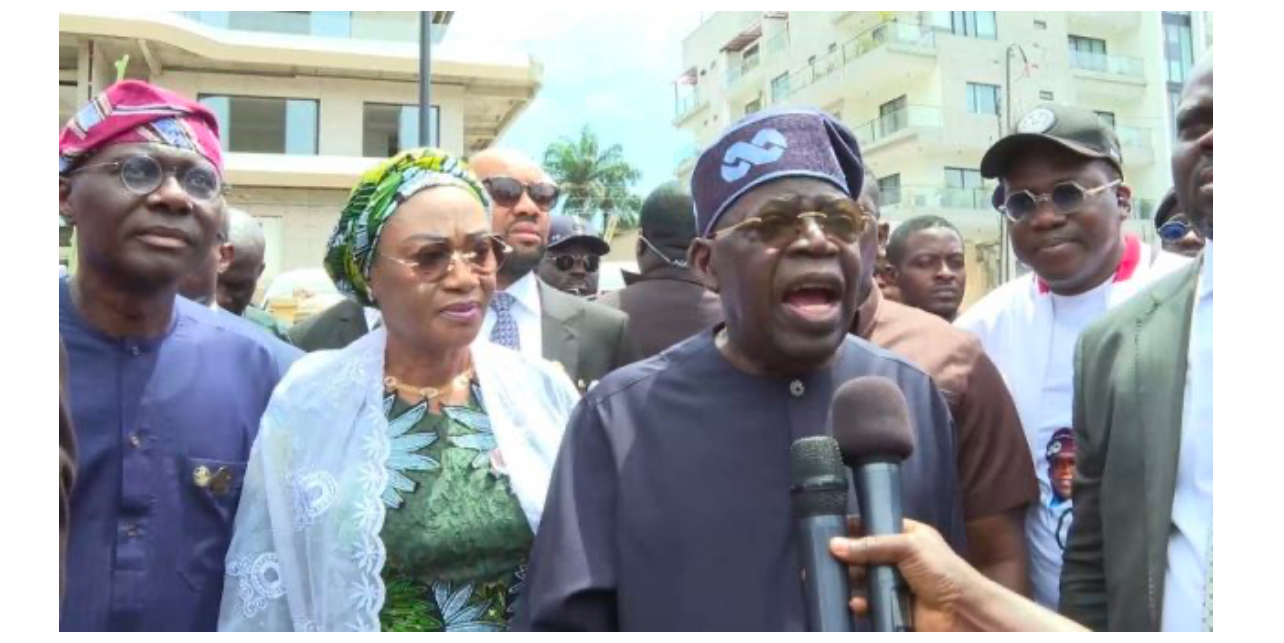
….President Tinubu polls 10,999,162 votes, declared winner.
The ruling All Progressives Congress (APC) has declared President Bola Ahmed Tinubu the winner of its presidential primary election ahead of the 2027 general elections.
The party commenced the collation of results from its nationwide presidential shadow election at the Bola Ahmed Tinubu International Conference Centre in Abuja following the conclusion of voting on Saturday, May 23.
In a significant shift from the delegate-based system often associated with controversy, the APC adopted a direct primary method for the exercise. The election was conducted simultaneously across the party’s 8,809 wards in the 36 states and the Federal Capital Territory (FCT).
Under the direct primary system, all registered members of the party were eligible to vote for their preferred presidential aspirant, a move party leaders described as part of efforts to strengthen internal democracy and encourage wider grassroots participation.
The final stage of the process is being supervised by a seven-member Presidential Primary Election Committee chaired by former Senate President, Senator Anyim Pius Anyim.
Other members of the committee include former Senate President Ken Nnamani, Grace Titi Laoye-Ponle, former Speaker of the House of Representatives Yakubu Dogara, former Kogi State Governor Idris Wada, and Sanusi Musa, who serves as the committee secretary.
The atmosphere at the Bola Ahmed Tinubu International Conference Centre remained charged as governors, party chairmen, and designated collation officers arrived to present certified results from their respective states before the Anyim-led committee.
Governors coordinating the exercise in their states took turns presenting the official results as the party concluded the nationwide primary process.


-
 news6 years ago
UPDATE: #ENDSARS: CCTV footage of Lekki shootings intact – Says Sanwo – Olu
-
 lifestyle6 years ago
Former Miss World: Mixed reactions trail Agbani Darego’s looks
-
 health5 years ago
Chairman Agege LG, Ganiyu Egunjobi Receives Covid-19 Vaccines
-
 lifestyle5 years ago
Obateru: Celebrating a Quintessential PR Man at 60
-
 health6 years ago
UPDATE : Nigeria Records 790 new cases of COVID-19
-
 health6 years ago
BREAKING: Nigeria confirms 663 new cases of COVID-19
-
 news1 year ago
BREAKING: Tinubu swears in new NNPCL Board
-
 entertainment1 year ago
Ashny Set for Valentine Special and new Album ‘ Femme Fatale’