
brand
Nigeria must focus on youths to drive inclusive economic growth- Stanbic IBTC


Stanbic IBTC Holdings Chief Executive, Dr. Demola Sogunle, stated in a recent interview that at Stanbic IBTC, we consider infrastructure development as a key driver of economic growth and development. This is one of the reasons behind the launch of the Stanbic IBTC N100 billion Infrastructure Fund. We aim to deploy proceeds of the fund for the development of infrastructure in critical sectors to boost economic activities in those areas. Some of the identified areas are transportation, education, and health. I’d like to quickly chip in that education and health are key CSI pillars for us at Stanbic IBTC. We launched Series One, the first tranche of the Infrastructure Fund, and the result has been positive as it has been widely accepted. Our strategy in using the Series One as a vehicle to attract investments from domestic institutional investors has been successful. We also saw a good turnout from insurance companies and high networth individuals. They bought into the story and vision of trying to invest their funds in the Infrastructure Fund, which can be categorised as an alternative asset plan.
Steps to secure Nigeria’s future
It is well known that the future of any country lies in the youth. It is therefore very important to prioritise their education because the kinds of decisions and actions they take will be dependent on their level of knowledge. It is also very important to focus on their health. As a country, we also need to deploy resources towards reducing the level of unemployment.
The average Nigerian youth exudes so much energy and we have seen this play out in the occurrences in the last 12 months. We are witnesses to the innovativeness and the creativity of the Nigerian youth. We have developed three unicorns driven primarily by young Nigerians. The Nigerian youth is energetic, creative, innovative. By focusing on them, we will be able to secure our future.
Secondly, we need to look at the enablers of economic development and inclusion, because there is no point having economic growth that is not inclusive. The youths are very important to ensure inclusiveness within the context of our economic growth.
Expectations from NESG
There is the need to take urgent actions. People are more desi People are desirous of fulfilled promises and a thriving economy. We need to execute the initiatives which are geared towards economic development and improving the lives of the populace. There should be a proper alignment and proper coherence between the public and private sectors. One of the key outcomes of the 2021 NESG summit for me is the resolve by various stakeholders to execute tasks with speed with the aim of achieving positive results. This is fundamental so that when we come back next year, we can itemise the recommendations and implementation and possibly measure results. It is important for the public and private sectors to come to a point where execution is accorded priority in summits such as the NESG.
How does Stanbic IBTC drive Nigeria’s growth
Between 2015 and now, Stanbic IBTC has facilitated over 35 billion dollars’ worth of capital inflows into the country. Despite the advent of Covid-19 and the negative impact of the economy, we have attracted almost 0.8 billion dollars of foreign portfolio investment this year alone. This is evident of Stanbic IBTC’s ability to facilitate foreign capital inflow despite economic headwinds.
We are funding and making sure that savings of retirees are well managed, and payments made monthly to ensure that they continue to enjoy the fruits of their labour. We achieve this with our pension subsidiary, Stanbic IBTC Pension Managers, which is Nigeria’s biggest pension fund administrator by number of customers and assets under management.
One of our mantras as an organisation is that “Nigeria is our home, we drive our growth”. This is beyond a tagline. You can say that it is in our DNA to give back to the communities where we operate and Nigeria as a whole. The Stanbic IBTC Infrastructure Fund was also launched on the back of that mantra. We have already committed a certain percentage towards the development of critical infrastructure. Besides, it is also a key governance requirement.
We are doing a lot in the health care sector as well. Over the weekend, we commissioned a teaching hospital at the Baze University. This will be the largest private teaching hospital in the South of the Sahara. It measures about 10,000 square meters and we are funding it. We are intervening in public healthcare sectors and education because, as I mentioned earlier, they represent the pillars of our social initiatives as a responsible corporate entity. Our interventionist activities include giving scholarships, donation of learning materials, building educational structures, and even resuscitating dilapidated structures. We are also involved in extra-curricular activities such as sponsoring football competitions among students of tertiary institutions. We aim to develop the knowledge of our youths and even help some of them develop their talents and skill sets, which may hitherto be hidden. We train youths interested in Artificial Intelligence, programming, coding, data analytics, data science and we also pay for them to be certified.
We are doing a lot on economic empowerment. In the last 12 months, we have increased our portfolio for SMEs. The percentage increase is more than 300% and we are just starting. We will continue to do even more
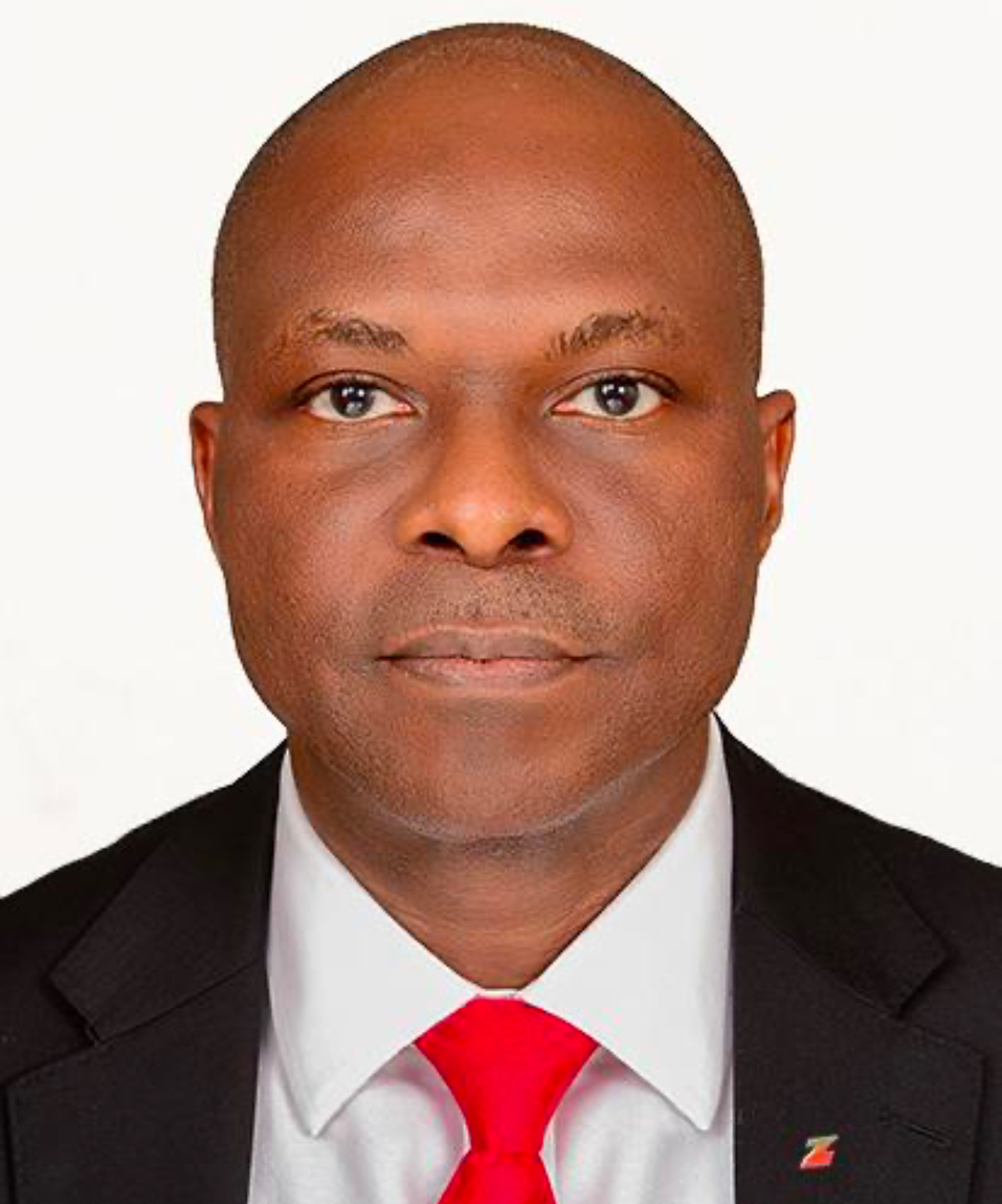
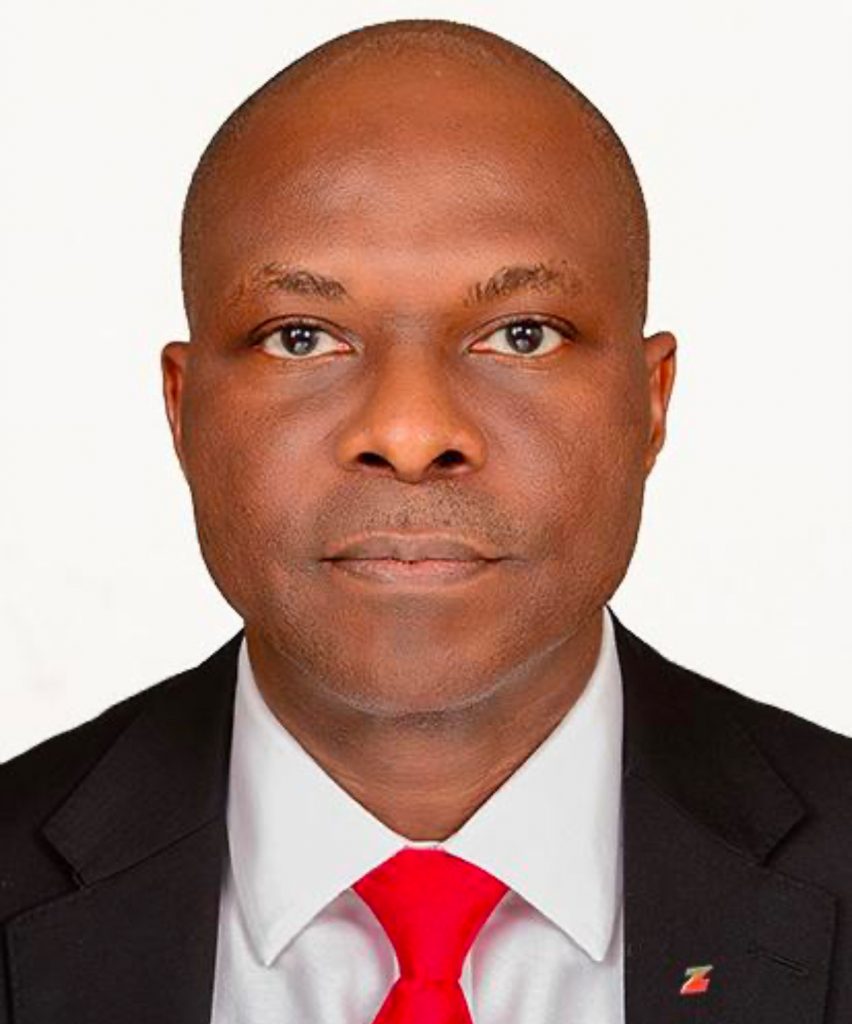
Zenith Bank Plc has announced the appointment of Mr. Kennedy Onuwa Okwudili as an Executive Director of the bank effective May 1, 2026. The appointment, which is consistent with the bank’s tradition and succession strategy of grooming leaders from within, will further strengthen the bank’s Executive Management.Mr. Okwudili graduated with a Bachelor of Science (Honours) in Accounting in 1998 from the University of Maiduguri, Nigeria, with a Second Class Upper division. He obtained a Masters of Business Administration (MBA) from the Ahmadu Bello University, Zaria, Nigeria in 2008 and a Masters of Science in Accounting from Veritas University, Abuja, Nigeria in 2021.Mr. Okwudili has over twenty-five years of cognate banking experience spanning credit and marketing, treasury, compliance as well as operations and had at different times worked in various zones and departments of the bank. He is a Fellow of the Institute of Chartered Accountants of Nigeria (ICAN), 2013, a Fellow of the Chartered Institute of Bankers of Nigeria (CIBN), 2024 and an Associate of the Chartered Institute of Taxation of Nigeria (CITN), 2016. He has attended several Executive Education Programmes both within and outside the country, including: Senior Leadership Development Programme at the Lagos Business School, Corporate Directorship Programme at the Harvard Business School and Oxford Advanced Management and Leadership Programme at the University of Oxford, SAID Business School.He is currently the President of Catholic Bankers Association of Nigeria (CBAN) and a member of the Noble Order of the Knights of St. John International (KSJI).

 Zenith Bank Plc has announced the opening of a new branch in Manchester, United Kingdom, marking another significant milestone in the bank’s international growth and its commitment to strengthening financial connections between Africa and global markets.The official opening ceremony, scheduled to hold on Tuesday, March 17, 2026, is expected to attract government officials from Nigeria and the United Kingdom, regulators, investors, customers, and business leaders from both countries, underscoring the growing economic ties and investment opportunities between the two markets.The new Manchester branch will complement Zenith Bank’s existing operations in the United Kingdom and serve as a strategic hub for supporting businesses engaged in international trade and investment. Through the branch, the bank will provide corporate banking, trade finance, treasury and related financial services to clients operating across the United Kingdom, Europe and Africa.Speaking ahead of the launch, the Group Managing Director/Chief Executive Officer of Zenith Bank Plc, Dame Dr. Adaora Umeoji, OON, said: “The opening of our Manchester branch represents another important step in Zenith Bank’s growth as a leading African financial institution connecting businesses and markets across continents. Manchester is one of the United Kingdom’s most dynamic commercial centres, and our presence here will further strengthen financial connections between businesses in the UK and opportunities across Africa’s rapidly expanding markets.”Founded in 1990 by its Founder and Chairman, Jim Ovia, CFR, Zenith Bank has grown into one of Africa’s most respected banking institutions, boasting a robust capital base and a remarkable history of year-on-year profitability. Built on a strong foundation of people, technology and service, the Bank has consistently delivered innovative financial solutions while maintaining a disciplined approach to growth and risk management. The impressive performance of the Bank has consistently earned it excellent ratings, recognition and endorsement from local and international agencies and institutions.Headquartered in Lagos, Nigeria, Zenith Bank operates over 500 branches and business offices across the 36 States of the Federation and the Federal Capital Territory (FCT). The Bank currently operates subsidiaries in several African countries including Ghana, Sierra Leone, Gambia, and Cote d’Ivoire, while maintaining a presence in major international financial centres including the United Kingdom, France, UAE and China. In recent years, Zenith Bank has continued to expand its international network as part of its strategy to support global trade and investment flows involving Africa.Manchester, widely regarded as one of the United Kingdom’s most vibrant economic centres, hosts a diverse base of businesses across sectors such as manufacturing, engineering, logistics, technology and consumer goods. The city’s strong commercial ecosystem and international outlook align closely with Zenith Bank’s expertise in corporate banking, structured finance and trade finance.The Manchester branch will work closely with the Bank’s London operations and its broader international network to support clients seeking to expand across markets and unlock new opportunities in both the United Kingdom and Africa.
With the opening of the Manchester branch, Zenith Bank continues to advance its vision of building a truly global African banking institution that connects businesses, facilitates trade and investment, and creates stronger economic bridges between Africa and the world.


Zenith Bank Plc will commemorate the 2026 International Women’s Day with a renewed call to purposeful action and leadership. As part of preparations to celebrate this significant occasion, the Bank is set to hold its annual International Women’s Day Seminar on Monday, March 9, 2026, at The Civic Centre, Victoria Island, Lagos.Aligned with the global theme ‘Give to Gain” which underscores the principle that sustainable progress is achieved when individuals and institutions invest intentionally in women, Zenith Bank’s 2026 IWD seminar is themed “Take It, You Own It.” The theme reflects the Bank’s belief that while institutions must give through enabling environments and equitable systems, women must also step forward to claim space, own their value, and lead with confidence. It is both an affirmation and a challenge: embrace opportunity, empower yourself and others, and take ownership of your growth journey.Building on the success of previous seminars, including the 2025 edition themed “Winning On All Fronts”, Zenith Bank’s 2026 programme is designed to deepen meaningful engagement around women’s empowerment, leadership, and sustainable impact. Over the years, the Bank’s International Women’s Day initiatives have brought together women leaders, professionals, entrepreneurs, and emerging talents for dynamic dialogue, inspiration, and shared learning around gender equity, professional growth, and inclusive opportunity.More than a commemorative gathering, the 2026 seminar is designed as a convergence of influence, insight, and inspiration, bringing together accomplished women and progressive leaders across business, governance, creative industries, technology, and social impact.Speaking ahead of the Seminar, the Group Managing Director/CEO, Dame Dr. Adaora Umeoji, OON, who will deliver the welcome address, said “The International Women’s Day is a reminder that progress requires intentionality. ‘Give to Gain’ speaks to the responsibility institutions have to create real opportunities, while our theme ‘Take It, You Own It’ challenges women to step forward boldly and lead. At Zenith Bank, we are deliberate about building environments where women are supported to grow, thrive, and shape outcomes, not only within our institution but across the communities and industries we serve.”The seminar will include segments focused on leadership insight, professional empowerment, wellbeing, and collaboration, offering attendees opportunities to engage deeply with thought leadership and practical strategies for advancing equity. With a carefully curated programme spanning keynote addresses, panel conversations, Q&A sessions, and creative interludes, Zenith Bank’s 2026 International Women’s Day Seminar promises to be a catalyst for meaningful action.Through its alignment with “Give to Gain” and its bold seminar theme, “Take It, You Own It,” Zenith Bank reaffirms its belief that when institutions give intentionally and women lead confidently, entire ecosystems rise. As conversations around inclusion continue to shape the future of business and society, the Bank remains resolute in its mission to foster platforms where women’s potential is recognised, amplified, and fully owned.


-
 news5 years ago
UPDATE: #ENDSARS: CCTV footage of Lekki shootings intact – Says Sanwo – Olu
-
 lifestyle6 years ago
Former Miss World: Mixed reactions trail Agbani Darego’s looks
-
 health5 years ago
Chairman Agege LG, Ganiyu Egunjobi Receives Covid-19 Vaccines
-
 lifestyle5 years ago
Obateru: Celebrating a Quintessential PR Man at 60
-
 health6 years ago
UPDATE : Nigeria Records 790 new cases of COVID-19
-
 health6 years ago
BREAKING: Nigeria confirms 663 new cases of COVID-19
-
 entertainment1 year ago
Ashny Set for Valentine Special and new Album ‘ Femme Fatale’
-
 news10 months ago
BREAKING: Tinubu swears in new NNPCL Board