
news
Ogwashi-Uku Town : Possession of the “old Palace” by “Obi” Ifechukwude Okonjo

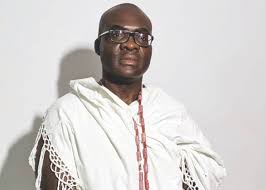
Monday the 7th of February, 2022, shall live in infamy in the annals of the history of our great town, Ogwashi- Uku. It was on this day that our community, Ogbe Nti-Obi Quarters, Umudei, Ogwashi-Uku, was visited with mayhem – brigandage, carnage and public humiliation by a gang of thugs and street urchins led by “Obi” Ifechukwude Okonjo and his brother, Onyema Okonjo – a duo with an emerging social negative pedigree. They were accompanied by a combined team of armed soldiers and Policemen who provided security cover as they descended on our community and unleashed untold violence on our people. Men, women and children were, without reason, subjected to physical beatings. Nobody was spared, not even the old women whose wares were scattered by the thugs at the old Olie market, as they scampered for safety in the face of the sporadic shootings by the armed security officers. Not done, the violence and mass arrest was extended to the entire Umudei Quarters and the neighbouring Ogbe-Ubu community. It was a huge “confusion everywhere” as a number of people were rounded up, beaten and loaded into a waiting van and placed under arrest by the security men. It was quite a grim and traumatic experience from which we are yet to recover from.
“Obi” Ifechukwude and his brother Onyema and their cohorts marched on to the Royal Palace, the seat of our traditional government and tore everything in view apart. Doors, windows, and all glass wares in the Palace were smashed to pieces with unspeakable recklessness. Palace relics were destroyed. Royal gold ornaments were stolen. Pictures of the past traditional rulers taken with some of their prominent visitors such as the Late Dr. Nnamdi Azikiwe, the Late Oba of Benin, Oba Erediuwa, and the one taken by His Highness Obi Izediunor with the Queen of England, Queen Elizabeth the II were all smashed to the hard floor. Private rooms were burst open and palace items were desecrated with reckless abandon.
“Obi Ifechukwude and his brother, Onyema Okonjo emerged from the confusion, gloating with an air of triumphalism and brandishing a piece of paper we later came to understand was a Writing of Possession purportedly issued by an Asaba high Court authorizing them to take possession of our Royal Palace. It was dated the 4th February, 2007, a time difference of nearly two decades.
Ladies and Gentlemen, it is necessary at this juncture to highlight the synopsis of events leading to this present ugly development, this will help us with a broader perspective on the entire imbroglio, as there are deeper layers of issues than they appear on the surface.
About a hundred years ago, Ogwashi-Uku was embroiled in an internecine war with the British Colonial administration. A petition which alleged human sacrifice and other crimes had originated from one Mr. Okonjo Emordi to the Colonial government against Obi Nzekwue, the Obi of Ogwashi-Uku. Issues were understood differently and the query served on the Obi by the Colonial government was perceived as an affront to his authority as the natural ruler of the great Kingdom. War broke out between the Colonial government and the people of Ogwashi-Uku who stood up to gallantly defend their Obi, their tradition and their land against the intrusions of a foreign government. Several lives were lost. The British suffered losses in the hands of headstrong Ogwashi-uku fighters led, in the main, by great Warriors as Nwabuzor Nwaiyogolo and Agbambu Anika together with Ogbe Ubu warriors. The hostility was called off in 1910 after the British Royal Family lost a very important member to death. Terms of settlement were made and Obi Nzekwue returned to his throne. The Colonial government however continued with the investigation of the allegations made against the Obi. Upon conclusion, it was discovered that Mr Okonjo Emordi fed the authorities with falsehood which brought about the civil war. He was subsequently arrested, tried and sentenced to life – imprisonment. He was taken to Calabar prison, where he served, and died and was buried.
The above narrative provides us with the background knowledge of events which has greatly shaped the issues of today. Mr. Okonjo Emordi was the progenitor to the present – day Okonjo family.
A Court process was initiated against the Obi Dieyi Royal Family by the Okonjo/Emordi Obahai family in 1985 with the claim to being the rightful inheritors to the Obiship position of Ogwashi-Uku. Thus began a long-drawn out legal tussle over the rightful heirs to the throne of Ogwashi-uku.
Although sullen and disaffected by the verdict of both the High Court and the Appeal Court, we, the Obi Dieyi Royal family, are determined to fully exhaust the process initiated by the Okonjo people. We have faith in the judiciary.
The issuance of the Writing of Possession by an Asaba High Court to Ifechukwude Okonjo and his brother is tantamount to a miscarriage of justice and an abuse of Court process as the matter is still a subject of litigation at the Federal Court of Appeal, Benin City, and the appellate court is yet to make a determination on it. Our Lawyers have been instructed to commence immediate actions with a view to setting it aside for its sheer incompetence.
Obtaining a Writing of Possession in February 2022 on a judgment made in 2007 betrays nothing but despair. It is an attempt at subverting justice, and it will not stand.
We understand that the Okonjo people have been seething with rage and subdued bitterness over the manner their forebear ended, we absolve all generations of Obi Dieyi Royal Family of the consequences of his treachery.
The violence meted out to our people by Ifechukwude and his brother Onyema will not be first of its kind. In their father’s time, several of such beatings were visited on our people from time to time. A particular visit had so much shooting by the security agents who accompanied him to our community leading to the death of one of our beloved brothers. We are yet to see his corpse till date. With a boast of having a global citizen in their kitty, we are always told by these people that we are hopeless and helpless as they will always overwhelm with their connections.
We condemn the so-called “recovery” of the “old Palace” and the violence and wanton destruction deployed in that exercise by the security officers. It needs be said here that the Palace in question was built by Obi Nzekwue. It has served as the residence of five generations of Kings who have reigned after him. Each of them bringing renovations to Palace structures. Obi Ezenwani, it was who built it to its present standard.
As we speak, several of our brothers are in detention and accused of things they know nothing about. We call for their immediate release or alternatively have them charged to court with full access to their Lawyers. We remain dismayed over the powers of an individual to use our military to intimidate innocent people in a matter that is purely civil.
Before concluding, we wish to clear the air on the substantive matter at the Supreme Court. It is a subsisting matter. It is yet to be heard and determined.
We enjoin our people to discountenance with the lies calculated to misleading them.
Our position is reiterated to the effect that nothing about the Obiship case has been finally determined.
Ifechukwude Okonjo’s failed attempt at a violent take–over of Ogwashi-Uku palace was to foist legitimacy and acceptance upon himself. Piqued by the people’s apathy at his claims to loyalty, it was a desperate move but a false one. It changes nothing.
We, the Obi Dieyi Royal Family, command the loyalty, acceptance and recognition of the people of Ogwashi-Uku as the authentic royal family. This is evident in the manner our people troupe out to observe our annual traditional festivities anytime it is announced by our family. Whereas, such cannot be said of the paltry lot of Obahai family who pay a mere courtesy visit to Ifechukwude in his father’s house during his own celebration.
We are a resilient people, strong, united, purposeful, passionate and resolutely committed to preserving our patrimony and royal heritage. We cannot be cowed or intimidated by the empty antics of a strange, little monarchy lacking in acceptance by the very people it purports to lead.
We thank the people of Ogwashi-Uku for their understanding, solidarity and loyalty. You have proved to be no different from your fathers who, in their time, defeated these imposters. We appreciate you.
And to the generality of Umu Obi Dieyi, let us remain steadfast as we have always been.
Uwa Oma nu.
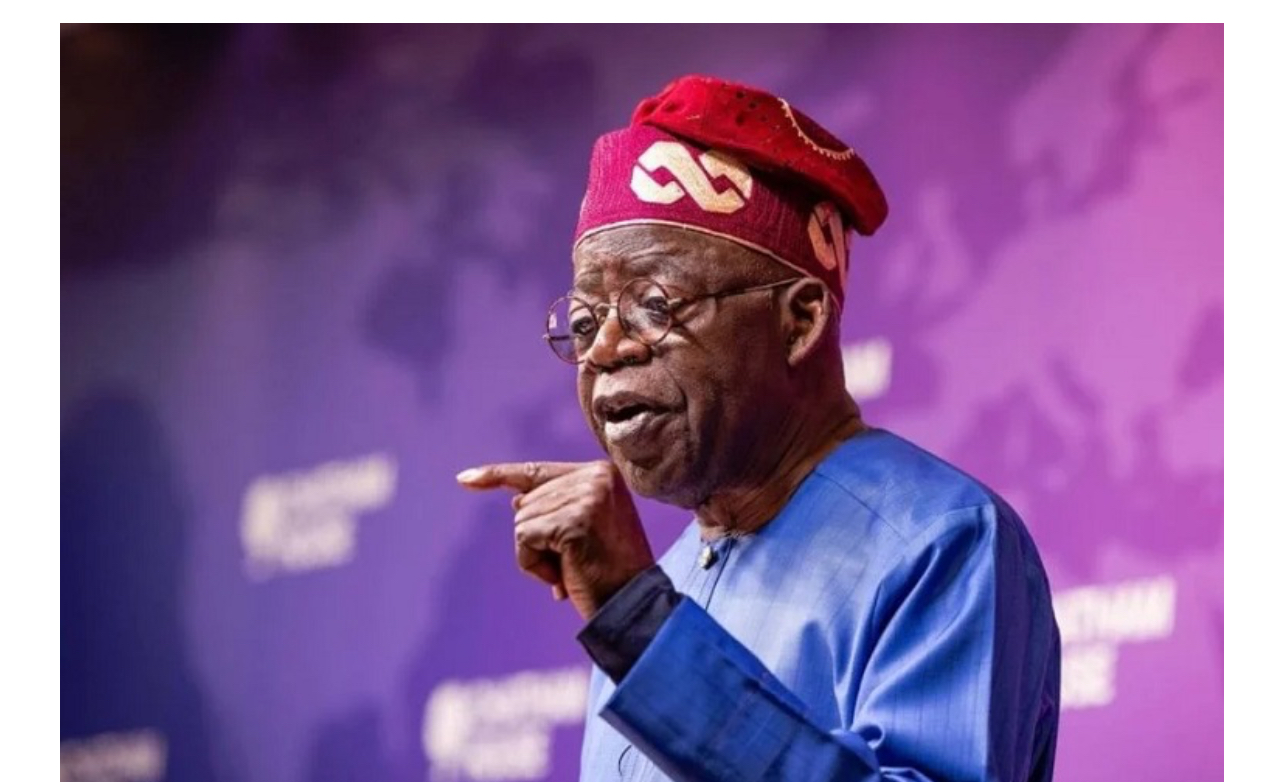
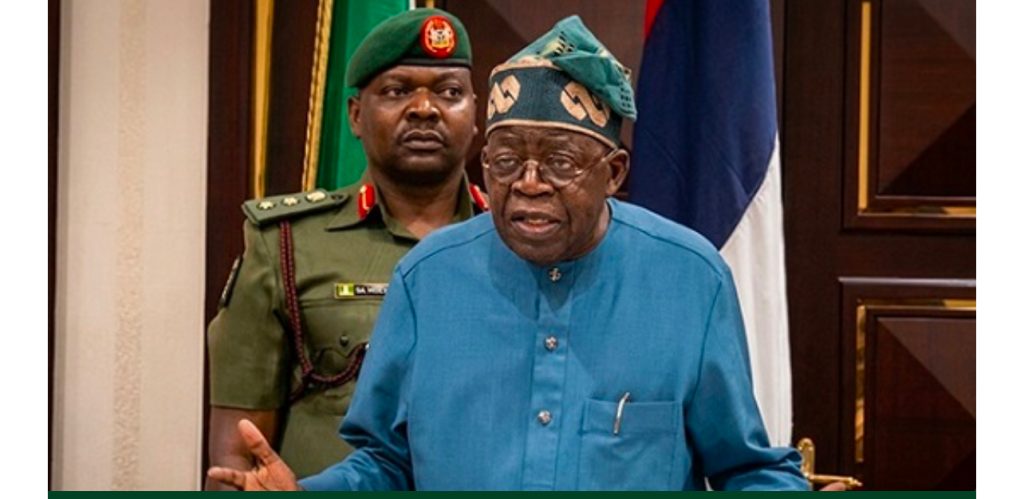
President Bola Tinubu has unveiled an investment package of more than $7 billion for the development of the Ogun State Blue Marine Special Economic Zone and the Gateway Deep Seaport, describing the projects as a major step towards strengthening Nigeria’s maritime economy and attracting foreign investment.
In a statement by his Spokesman, Bayo Onanuga, on Thursday, the President spoke in Paris, France, during the signing of Memoranda of Understanding between the Ogun State Government and DP World, a global ports and logistics operator, for the development of the projects.
Tinubu assured domestic and foreign investors that the Federal Government would continue to provide regulatory clarity, policy stability and a predictable business environment to support long-term investments in Nigeria.
“The agreements before us bring together vision, expertise, capital and execution capacity. I particularly welcome DP World, one of the world’s leading port and logistics operators,” the President said.
He added that the Federal Government would provide the necessary regulatory and institutional support to ensure that the projects moved seamlessly from agreements to implementation.
According to the President, the agreements are expected to attract an initial investment of more than $7 billion into the Nigerian economy and create over 50,000 direct jobs when fully developed, alongside additional indirect employment opportunities.
Tinubu said the projects would also generate non-oil export earnings and contribute to Nigeria’s economic diversification.
“This is economic diversification made tangible. This is industrialisation made visible. This is Renewed Hope in action,” he said.
The proposed Gateway Deep Seaport at Ogun Waterside will have a four-kilometre berth and an 18-
metre draft. The facility is expected to help decongest the Lagos port corridor and ease pressure on the Apapa and Tin Can Island ports.
The president said the deeper draft would enable the port to accommodate larger vessels while providing a competitive gateway for trade within Nigeria and across the African Continental Free Trade Area.
He noted that the proposed Ogun State Blue Marine Special Economic Zone would cover about 10,000 hectares and would be integrated with the deep seaport to support manufacturing, processing, exports and logistics.
“The Gateway Deep Seaport is the critical infrastructure that will support the zone’s viability. A port moves cargo; a port integrated with a special economic zone helps to build an economy. Each reinforces the other,” Tinubu said.
He said the Federal Government would facilitate road, rail and power connectivity to the projects, while strengthening investment security and the maritime domain and removing unnecessary bureaucratic obstacles.
The president also linked the projects to the Lagos-Calabar Coastal Highway, describing the Ogun section of the road as a critical transport connection for the emerging industrial and maritime corridor.
“The Lagos–Calabar Coastal Highway is central to this corridor’s commercial viability,” he said, adding that the 28-kilometre Ogun section of the 700-kilometre highway was scheduled for completion before the end of the year.
Tinubu said the port and industrial zone would also form part of a wider strategic corridor linking the proposed Nigerian Navy Operating Base and Dockyard with the OK LNG Project.
The President commended Ogun State Governor Dapo Abiodun and his administration for securing the land and structuring the investment framework.
“I commend Governor Dapo Abiodun and the government and people of Ogun State for securing the land, structuring the investment framework and reducing project risks for global investors,” he said.
Governor Abiodun led the Ogun State delegation at the signing ceremony, which also included state commissioners and other senior officials.
Senior representatives of DP World, the Nigerian Ports Authority and SkyKapital were also present at the event.
Tinubu urged Ogun State and the investors to maintain the momentum created by the agreements and move quickly towards implementation.
“Nigeria lies at the heart of West African trade. Yet, our strategic advantage has been constrained by port congestion, inadequate draft capacity and logistics bottlenecks that increase the cost of doing business. These projects respond directly to those constraints,” he said.
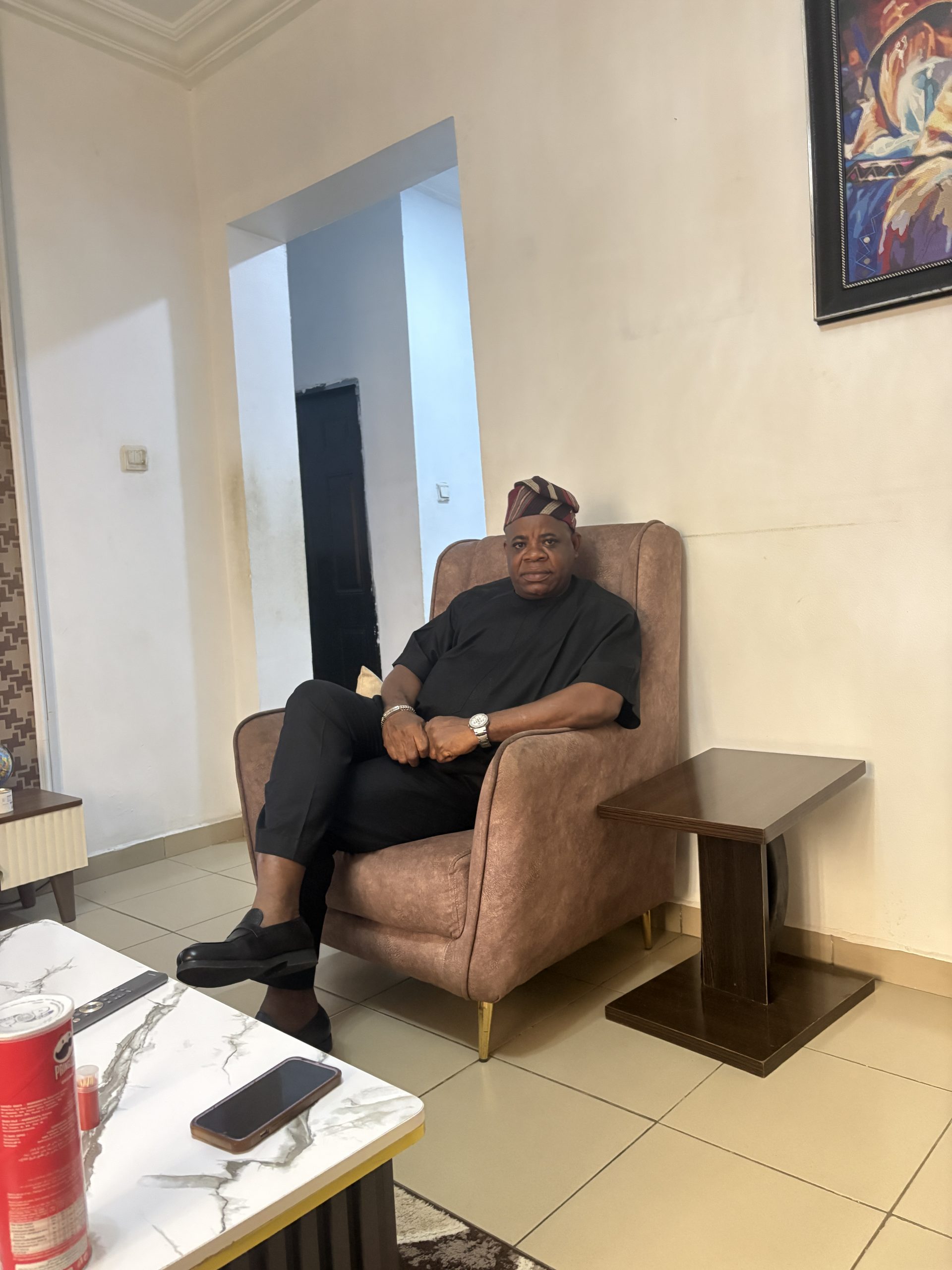
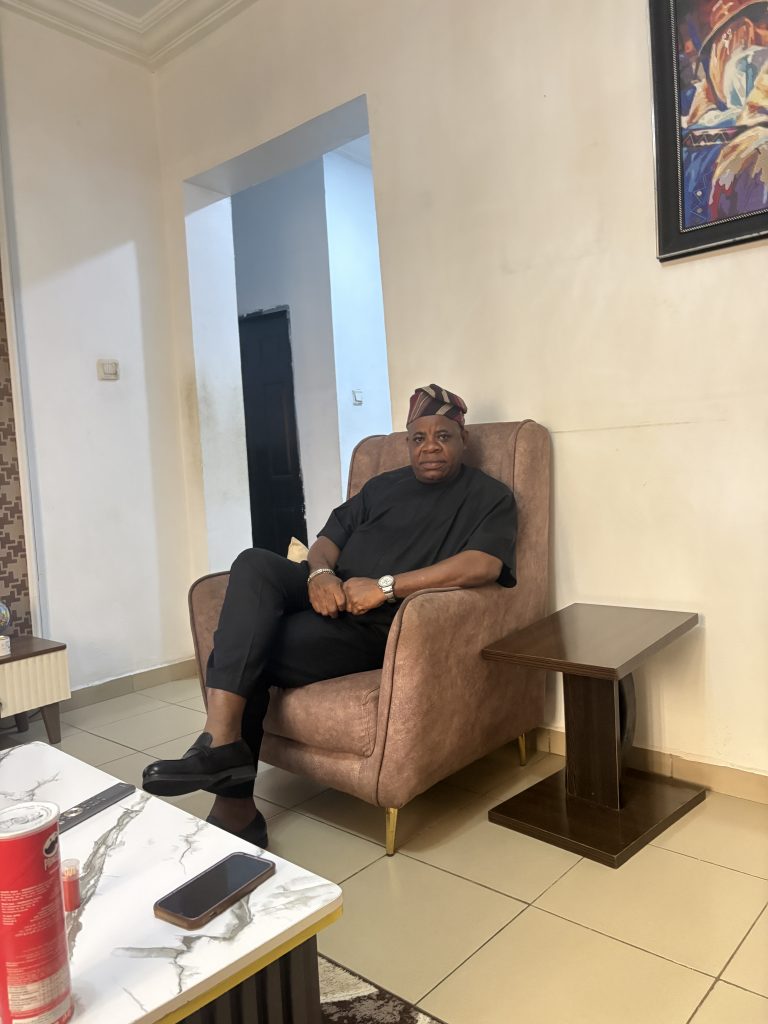
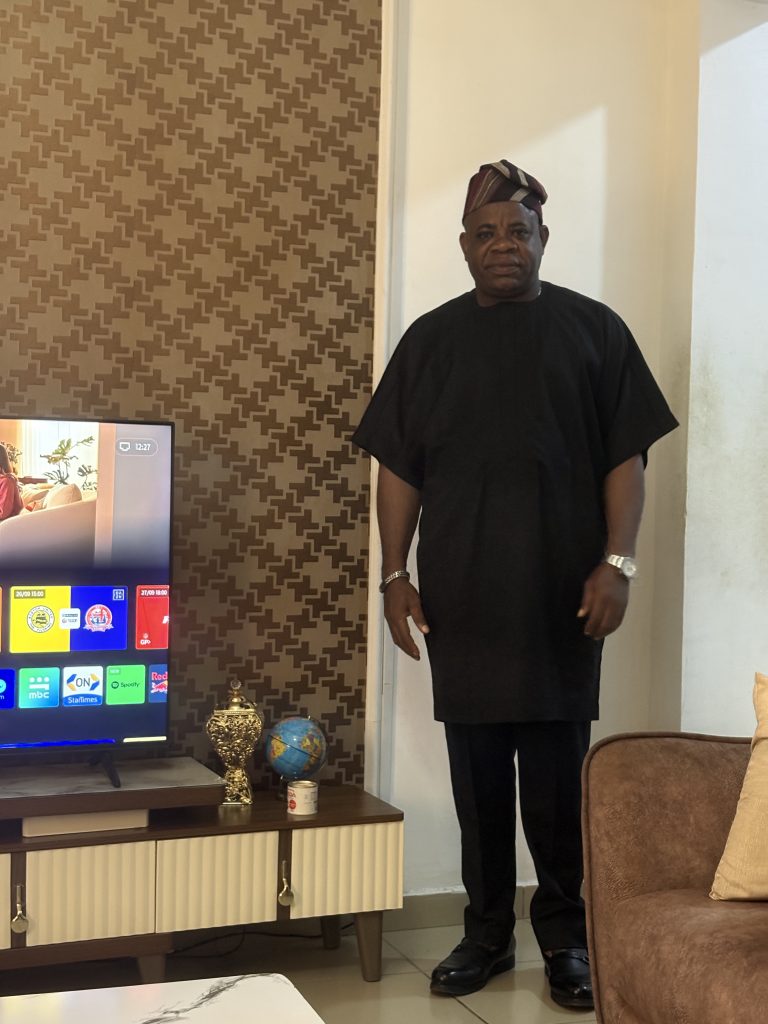 Today, I celebrate myself and give all glory and thanks to Almighty God for the gift of life and for bringing me this far. I am grateful for the opportunity to be alive, healthy, peaceful, happy, and prosperous.
As I celebrate another year today, I pray for greater blessings, wisdom, good health, peace, success, and abundant prosperity in the years ahead.
May this new chapter of my life be filled with joy, favour, wonderful opportunities, and fulfilment of my heart’s desires.
Happy Birthday to me! 🥳🎉
Congratulations to me on this special day. 🙏❤️🎂
I wish myself many more happy and prosperous returns. Cheers to a beautiful new year of my life! 🥂🎉
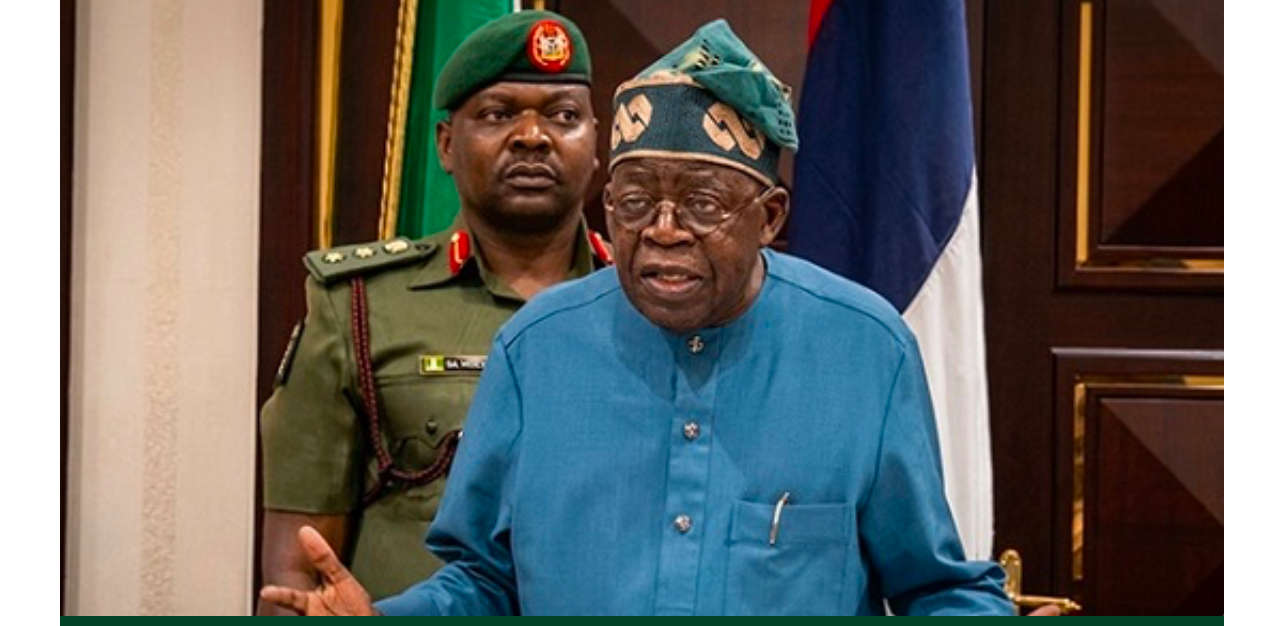
The International Chamber of Commerce tribunal in Paris has ruled in favour of Nigeria in the arbitration brought by Sunrise Power and Transmission Company Limited over the Mambilla Hydroelectric Power Project in Taraba State.
President Bola Tinubu, in a statement issued on Thursday by his Special Adviser on Information and Strategy, Bayo Onanuga, said the tribunal rejected the claims by Sunrise.
The company had sought $680m from Nigeria as a settlement sum and interest in relation to a separate arbitration in which it is claiming more than $2.7bn in compensation and interest over disputes surrounding the development of the 3,960-megawatt Mambilla project.
However, the tribunal, as reported by The Cable, also dismissed Sunrise’s claim for $400m arising from the 2020 settlement agreement, according to the details of the award reported on Thursday.
It further ordered Sunrise and its promoter, Leno Adesanya, to reimburse Nigeria 75 per cent of its legal fees and expenses, amounting to $11.82m.
The tribunal also reportedly declared that Adesanya was bound by the arbitration agreement with Nigeria under the settlement agreement and its addendum and that it had jurisdiction over Nigeria’s counterclaim against him and his firm.
In the statement, Tinubu said the ruling demonstrated the government’s determination to defend the country’s interests.
“This latest decision affirms the Nigerian State’s determination not to succumb to predatory and exploitative claims by corrupt local and international entities and their enablers and funders,” he said.
The President commended the Attorney-General of the Federation and Minister of Justice, Lateef Fagbemi, and officials of the Federal Ministry of Justice for their role in the case.
He also commended former President Olusegun Obasanjo and the late former President Muhammadu Buhari, who testified in the arbitration.
“I also commend the FRN defence team, led by Ms Elizabeth Oger-Gross and Mr Tolu Obamuroh, both of Paul Hastings LLP, for their professional and excellent defence of the country.
“I commend the patriotism and support of former President Olusegun Obasanjo, GCFR, and late President Muhammadu Buhari, GCFR, who testified in the case, which dated back to an illegal 2003 contract to build a 3,050-megawatt hydroelectric plant in Taraba State under a build-operate-transfer model.
“The Federal Executive Council never authorised the contract. I thank the other witnesses in this case, including former Ministers Babatunde Raji Fashola, SAN, and Suleiman Adamu, and the experts, for their active participation in defending Nigeria’s interest in the arbitration,” the statement read.
“I want to assure you that while our country remains committed to partnering with genuine investors and honouring its legal obligations, it will continue to defend all opportunistic claims instituted against our commonwealth strongly.
“Today’s ICC ruling clears the single biggest legal hurdle that has paralysed the Mambilla hydro power project for years,” Tinubu said.
The dispute dates back to an agreement under which Sunrise claimed it had been awarded the contract to construct the Mambilla project.
The company commenced arbitration against Nigeria at the ICC International Court of Arbitration in October 2017, seeking about $2.354bn over an alleged breach of contract.
The parties later entered into a settlement agreement in 2020, under which Nigeria was to pay Sunrise $200m.
A subsequent dispute arose after the government did not make the payment, leading to another arbitration in which Sunrise sought $400m, comprising the $200m settlement sum and a $200m default payment.
In Thursday’s award reported by The Cable, the tribunal rejected Sunrise’s claim that Nigeria had breached its obligations under the settlement agreement and its addendum.
It also rejected the company’s demand for the $400m settlement and default sums.
The Cable reported that the tribunal fixed the arbitration costs at $1.6565m, with Sunrise and Adesanya responsible for 75 per cent and Nigeria for 25 per cent. Of the $11.82m in legal fees and expenses awarded to Nigeria, $2.5m is to be recovered from funds held in escrow by the ICC, while the remaining $9.32m is payable by Sunrise and Adesanya, with interest at 10 per cent annually, compounded annually, from notification of the final award until payment.


-
 news6 years ago
UPDATE: #ENDSARS: CCTV footage of Lekki shootings intact – Says Sanwo – Olu
-
 lifestyle6 years ago
Former Miss World: Mixed reactions trail Agbani Darego’s looks
-
 health6 years ago
Chairman Agege LG, Ganiyu Egunjobi Receives Covid-19 Vaccines
-
 lifestyle5 years ago
Obateru: Celebrating a Quintessential PR Man at 60
-
 news1 year ago
BREAKING: Tinubu swears in new NNPCL Board
-
 health6 years ago
UPDATE : Nigeria Records 790 new cases of COVID-19
-
 entertainment2 years ago
Ashny Set for Valentine Special and new Album ‘ Femme Fatale’
-
 health6 years ago
BREAKING: Nigeria confirms 663 new cases of COVID-19